In the demanding world of professional gear management, the phrase “a chain is only as strong as its weakest link” is more than just a tired cliché. It is a fundamental law of physics that governs the readiness and safety of those working in high-risk environments. Whether you are a first responder, a tactical operator, or an industrial worker, the integrity of your equipment is non-negotiable. However, one often overlooked aspect of gear integrity is not the equipment itself, but how that equipment is stored and maintained.
When we discuss high-risk environments, we often focus on the performance of tools under pressure. We talk about the ballistic rating of plates, the heat resistance of turnout gear, and the tensile strength of climbing ropes. Yet, the silent killer of equipment lifespan and operational readiness is storage failure. Using substandard hangers for heavy-duty gear creates a vulnerability that can lead to degraded materials, damaged hardware, and, in the worst cases, gear that fails when it is needed most.
The Engineering Reality of Heavy Gear
High-risk professions require specialized attire that is significantly heavier than standard clothing. A fully loaded plate carrier can easily exceed 25 pounds, while a firefighter’s turnout gear, when wet, can weigh upwards of 60 pounds. Standard consumer-grade hangers, typically made of thin plastic or light-gauge wire, are designed to hold a few pounds of cotton or polyester.
When subjected to the weight of professional equipment, these standard hangers undergo structural deformation. This is not just a matter of the hanger snapping; it is about the gradual “creep” of the material. As a hanger bends under excessive weight, it concentrates pressure on specific points of the garment, such as the shoulder seams of a vest or the neck lining of a drysuit. Over time, this causes the fabric to stretch, the stitching to fray, and the internal components to shift.
Common Signs of Storage Failure:
-
Deformation of shoulder padding: Constant downward pressure from a narrow, weak hanger compresses foam and gel inserts.
-
Stress fractures in plastic hangers: Micro-fissures develop over time, leading to a sudden, catastrophic snap that drops gear onto the floor.
-
Fabric fatigue: The weight of the gear pulls against the hanger, thinning out the material at the contact points.
-
Improper ventilation: Gear that is slumped or folded because a hanger cannot support its shape often traps moisture, leading to mold and mildew.

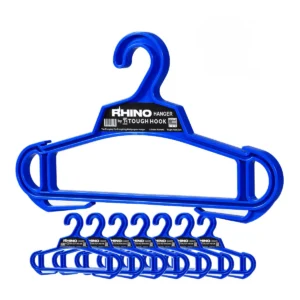
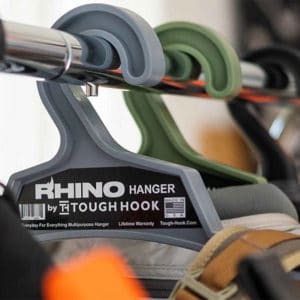

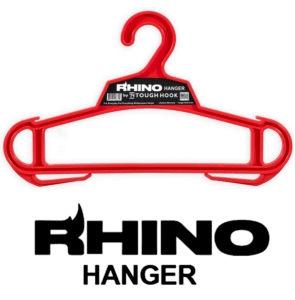
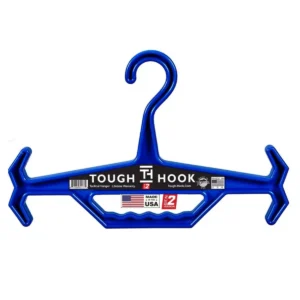

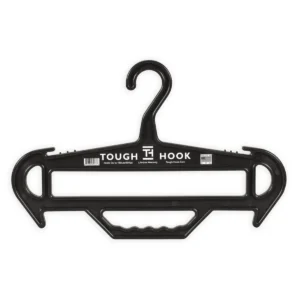

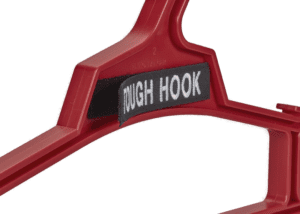
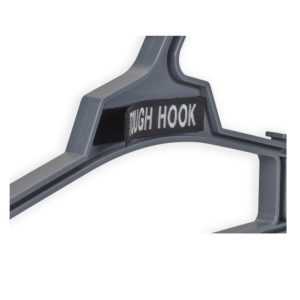
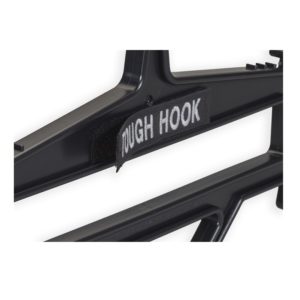


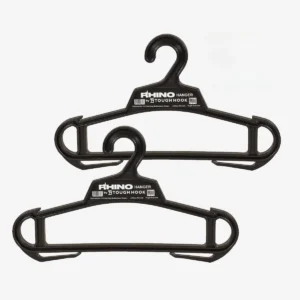
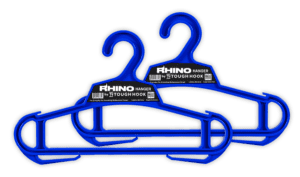
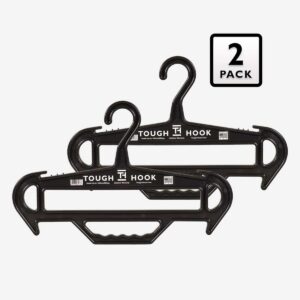
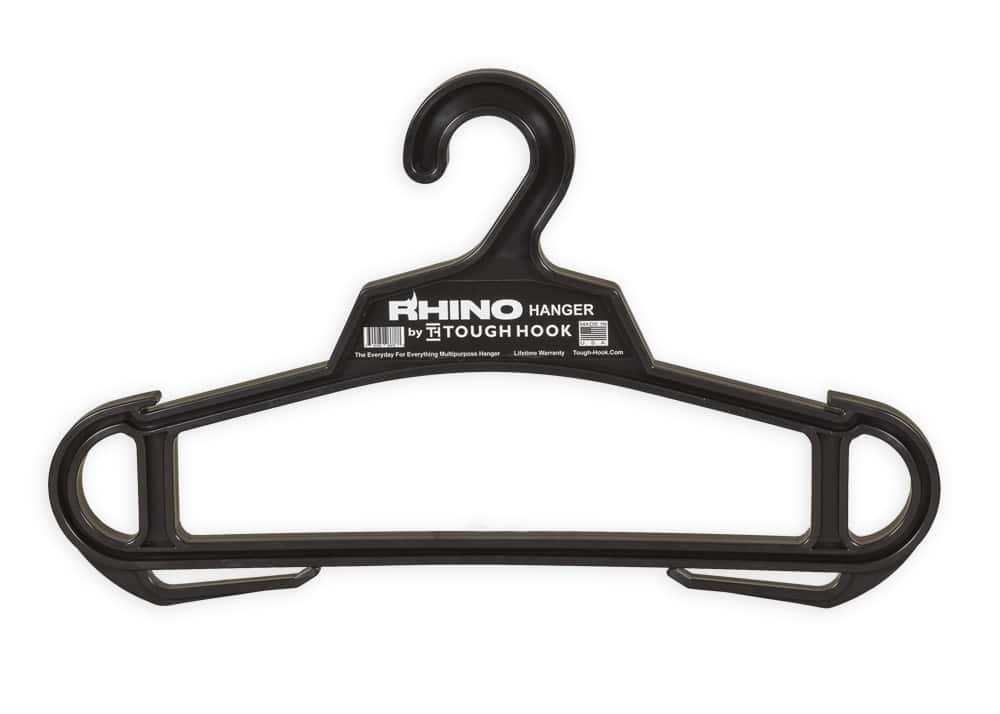
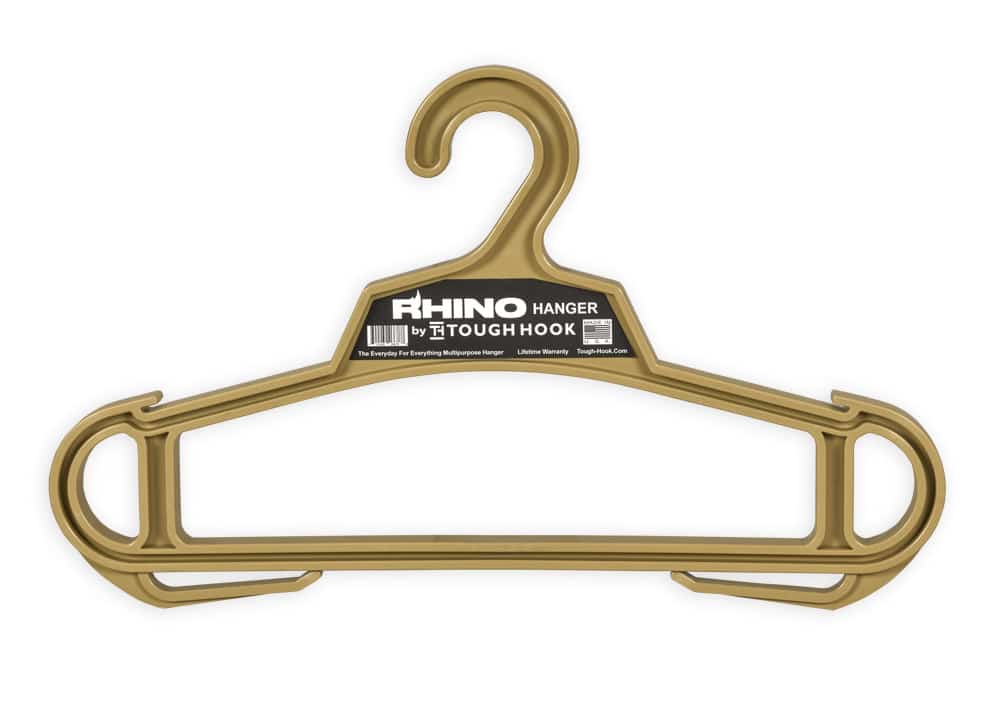
2 Pack RHINO Heavy Duty Clothes Hanger Bundle
Original price was: $27.95.$23.95Current price is: $23.95.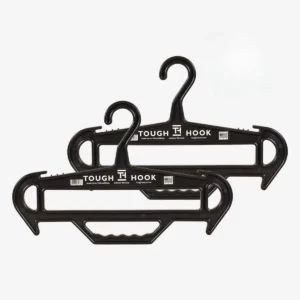
Why Strength Standards Matter for Professional Readiness
In a high-stakes scenario, every second counts. If a tactical officer reaches for their vest and finds that a cheap hanger has snapped, leaving their gear in a heap on the floor, the delay in “kitting up” can have dire consequences. Furthermore, gear that has been sitting in a pile is more likely to have twisted straps or shifted plates, requiring further adjustment during a time-sensitive deployment.
Strength standards in storage solutions ensure that the gear remains in a “ready-to-wear” state. A hanger built to industrial specifications maintains the natural shape of the equipment. This keeps the weight distributed as the manufacturer intended, preserving the ergonomic fit that is essential for comfort and mobility during long shifts.
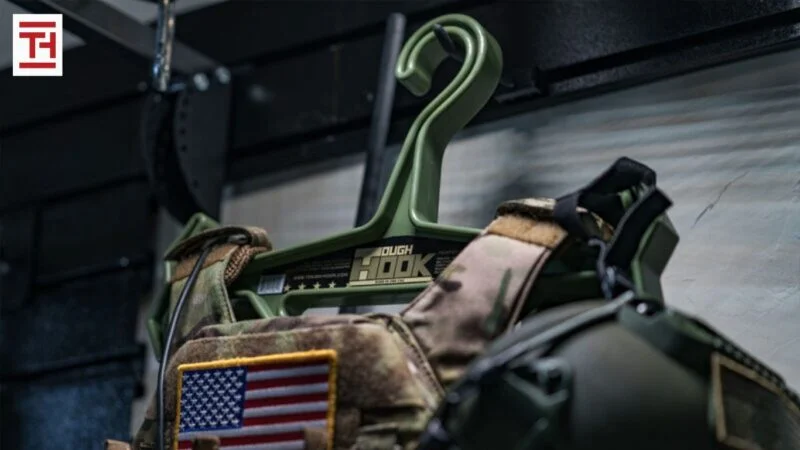
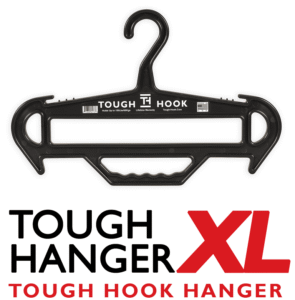
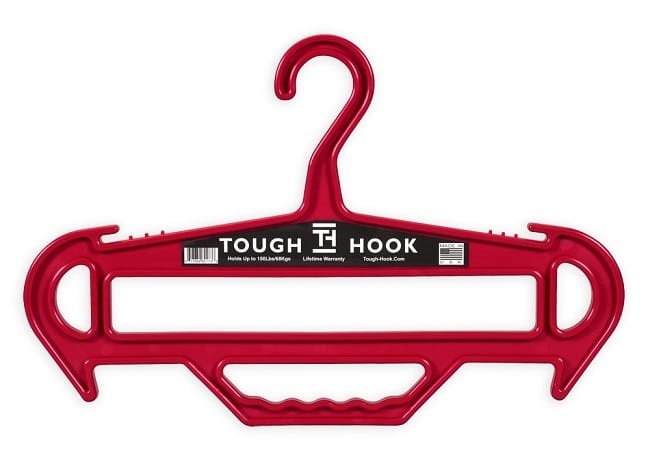
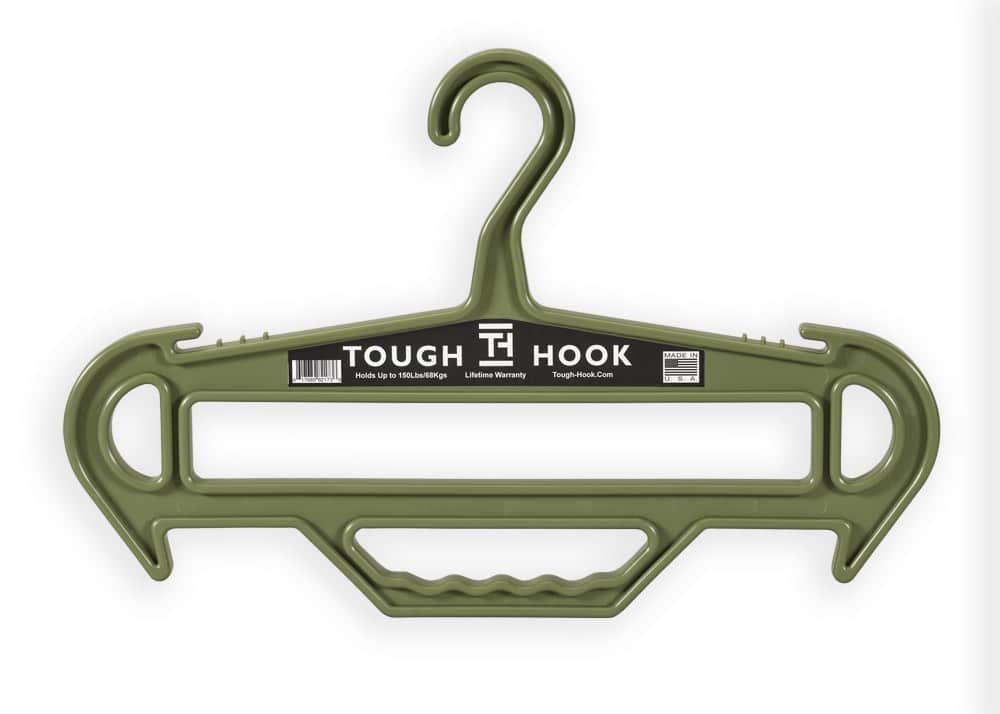
At Tough Hook, we recognized that the market was filled with hangers that simply were not up to the task of supporting life-saving equipment. We engineered our products to exceed the requirements of the most demanding professionals. Our hangers are not just “stronger” versions of household items; they are purpose-built tools designed to support up to 150 pounds of equipment without bowing or breaking.
The Economic Impact of Substandard Storage
From a budgetary perspective, professional gear represents a massive investment. A single set of high-quality body armor or a specialized hazmat suit can cost thousands of dollars. Allowing that investment to degrade because of a five-cent hanger is a failure of asset management.
When gear is improperly stored, its service life is shortened. The “hidden” costs of low storage standards include:
-
Increased replacement frequency: Gear that suffers from stretched seams or damaged inserts must be retired earlier than gear that is properly supported.
-
Repair costs: Patching shoulder areas or re-stitching load-bearing straps adds up over time.
-
Liability risks: If a piece of safety equipment fails during a call and it is discovered that the failure was due to improper maintenance or storage, it opens the door for significant legal and insurance complications.
By investing in high-strength storage solutions, organizations can extend the lifecycle of their equipment, ensuring a better return on investment and more consistent protection for their personnel.
Specialized Needs Across High-Risk Sectors
Different industries face unique challenges that necessitate high-strength storage standards. A one-size-fits-all approach to hangers rarely works when dealing with specialized technical equipment.
Military and Law Enforcement:
Tactical gear is increasingly modular and heavy. Between ballistic plates, communications equipment, and ammunition, a vest is a dense, awkward object to store. Standard hangers often cause these vests to “scrunch,” making it difficult to slide them onto a rack. High-strength hangers allow for the vest to hang open, facilitating better airflow and easier access.
Fire and Rescue Services:
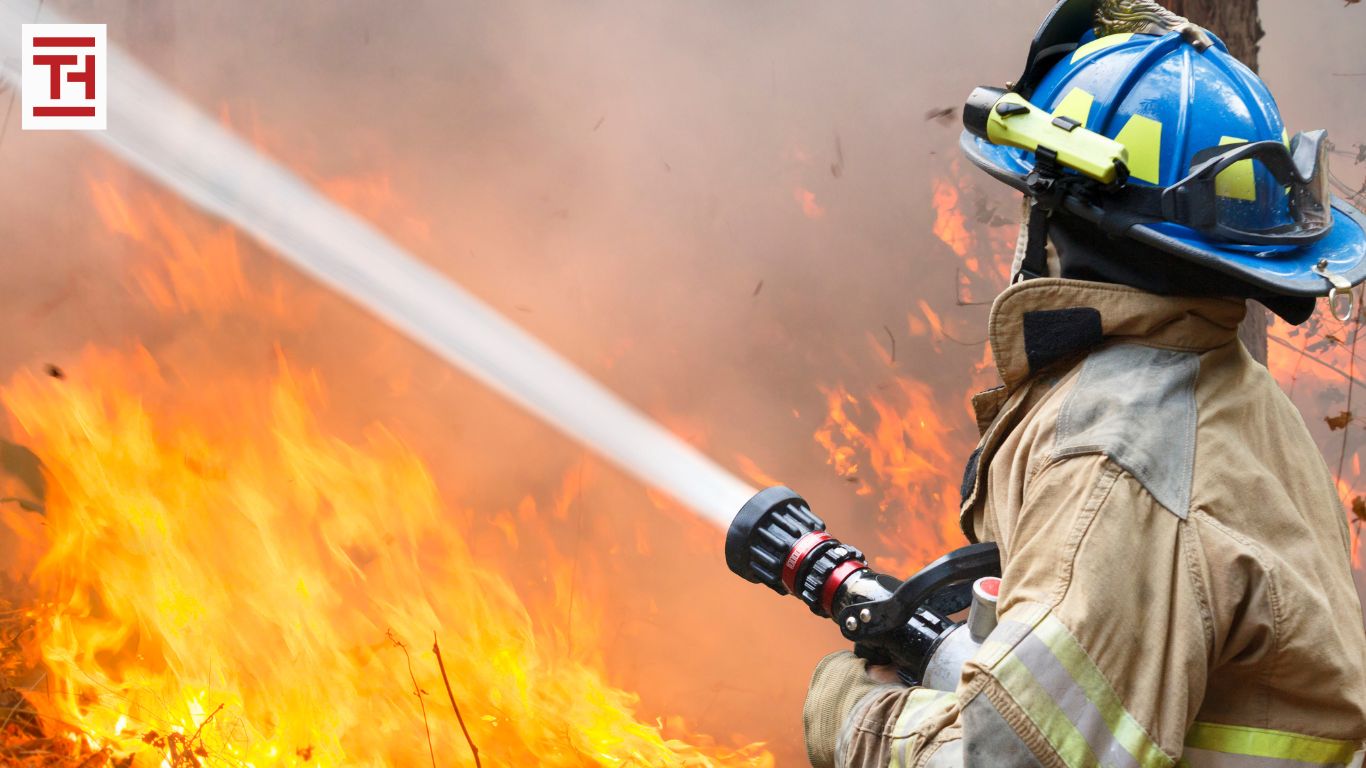
Firefighters deal with the added element of moisture. Turnout gear is heavy when dry, but it becomes immensely heavy when saturated with water. Furthermore, the gear must dry quickly to prevent the growth of bacteria and to ensure it is ready for the next alarm. A heavy-duty hanger ensures the gear stays upright and open, maximizing the surface area exposed to the air.
Scuba and Commercial Diving:
Drysuits and wetsuits present a specific challenge: they are heavy, and the material is prone to “cold flow,” or permanent stretching, if hung on narrow supports. A wide-shouldered, high-strength hanger is essential to prevent the weight of the suit from ruining the neck and shoulder seals.
Engineering Excellence: The Tough Hook Difference
The design of a heavy-duty hanger involves more than just using thicker plastic. It requires a deep understanding of load distribution and material science. Tough Hook products are manufactured using high-impact resins that are resistant to temperature fluctuations and chemical exposure. This is critical in environments like gear rooms or mobile command centers, which may not be climate-controlled.
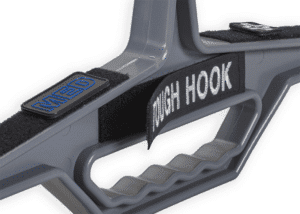
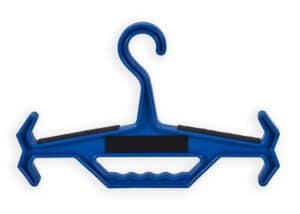
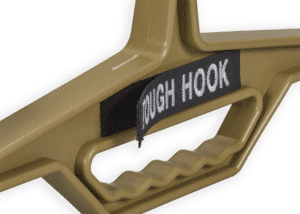
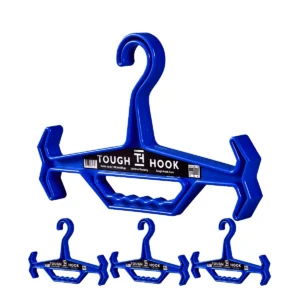
Our unique design also incorporates a “flip-over” feature. Once the gear is removed, the hanger can be flipped to become a carrying handle. This dual-purpose functionality is a direct response to the needs of professionals who must transport their gear from a locker to a vehicle or a field site.
Key Features of High-Strength Hangers:
-
I-beam construction: This geometric design provides maximum rigidity while keeping the hanger lightweight.
-
Corrosion resistance: Unlike metal hangers, high-quality resin hangers will not rust when exposed to salt water or chemicals.
-
Extra-wide shoulder areas: This design prevents “hanger bumps” and distributes weight across a larger surface area of the garment.
-
Integrated hook designs: Specialized hooks prevent straps from slipping off, ensuring the gear stays secure even if the rack is moved.
Don’t Let Your Storage Be the Weak Link
In high-risk environments, the margin for error is razor-thin. We spend countless hours training and significant capital on the best tools available. It only makes sense to support those tools with storage solutions that meet the same rigorous standards.
Strength standards in storage are not about aesthetics; they are about preservation, readiness, and safety. A failure in the gear room can lead to a failure in the field. By choosing heavy-duty solutions like those offered by Tough Hook, you are making a commitment to the longevity of your equipment and the safety of the people who wear it. High-risk environments demand high-performance storage. Anything less is a risk not worth taking.