Every outdoor enthusiast knows the cycle all too well. You return from an exhilarating weekend of backcountry hiking, alpine skiing, or technical climbing, and suddenly your living room looks like a disaster area. Muddy boots trail across the rug, expensive sleeping bags lie crumpled in the corner, and a tangled web of climbing ropes and backpacks takes over the entryway. For too long, adventurers have relegated their valuable gear to damp basements, overcrowded closets, or the dark corners of a garage. It is time to elevate your preparation and preservation by establishing a dedicated gear room. Creating a structured sanctuary for your equipment does not just clear out clutter; it actively protects your investments, streamlines pre-trip packing, and maintains your mindset for the next great adventure.
Assessing Space and Environment
Before you begin mounting racks or assembling shelving, you must carefully evaluate the physical space you intend to transform. A successful gear room requires an environment that safeguards technical fabrics and sensitive metals from premature degradation. When choosing a location, consider the following elements:
-
Climate control: Fluctuations in temperature and high humidity are the primary enemies of outdoor gear. Choose a space within your home, such as a spare bedroom, a finished basement, or a temperature-controlled portion of a garage, to prevent mold and mildew from ruining your expensive investments.
-
Air circulation: Damp tents, wet wetsuits, and sweaty running packs require consistent airflow to dry thoroughly. Incorporate portable fans or select a room with good existing ventilation to keep the air moving and prevent stale odors.
-
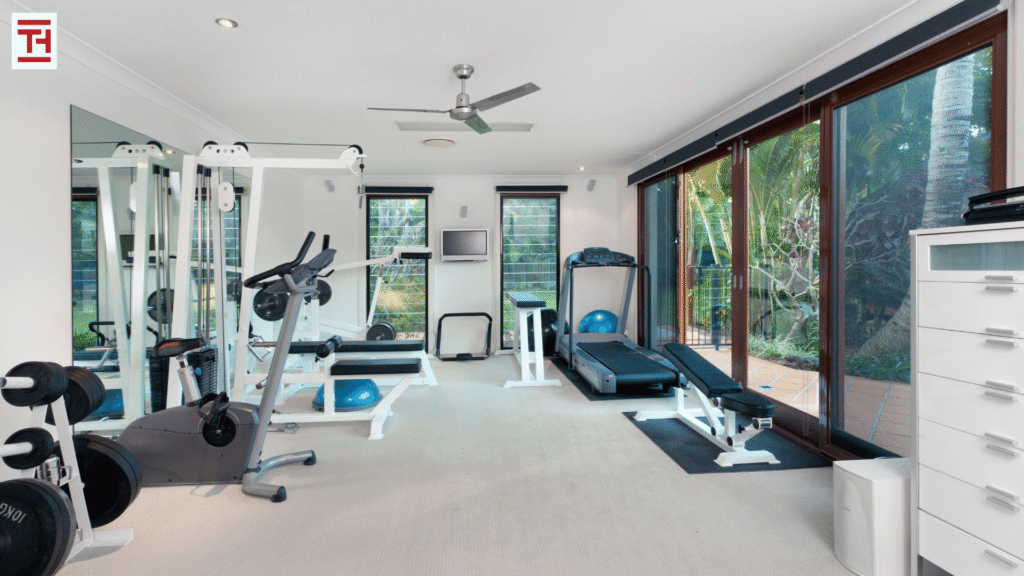
Flooring resilience: Outdoor gear is often heavy, sharp, and dirty. Swap out delicate carpeting for durable flooring materials like rubber mats, commercial-grade vinyl tiles, or sealed concrete that can withstand mud, water, and the occasional dropped carabiner.
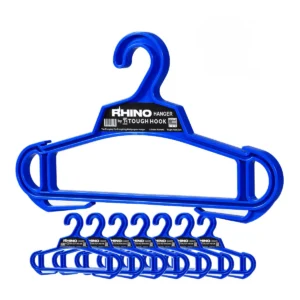
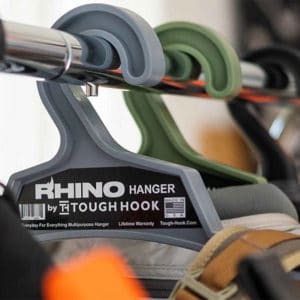

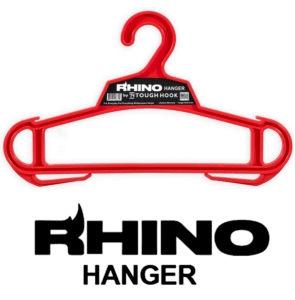
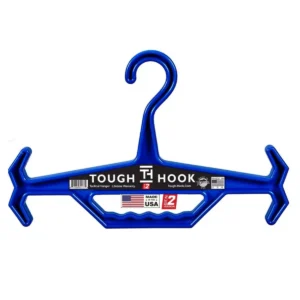

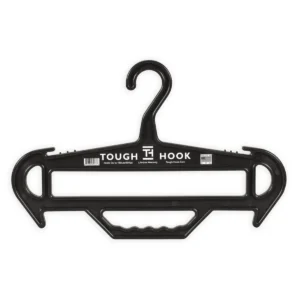
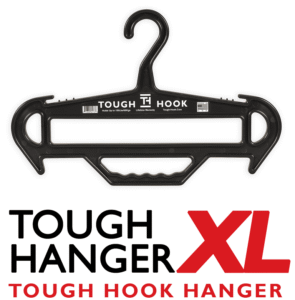
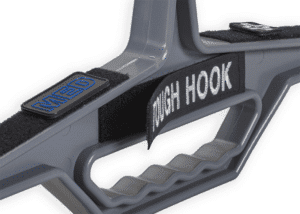

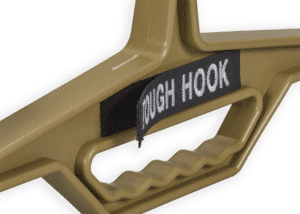


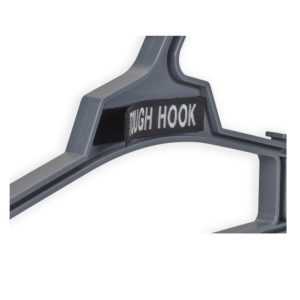
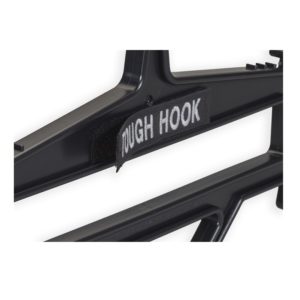


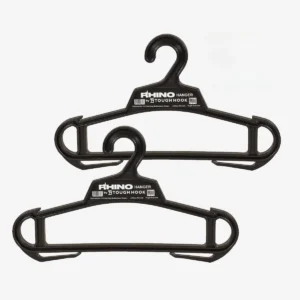
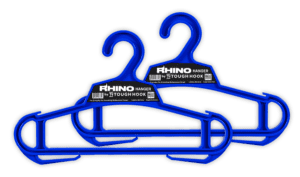
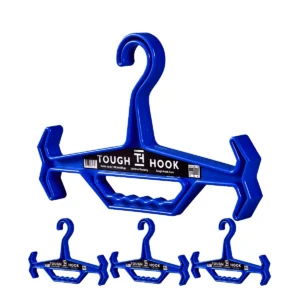
2 Pack RHINO Heavy Duty Clothes Hanger Bundle
Original price was: $27.95.$23.95Current price is: $23.95.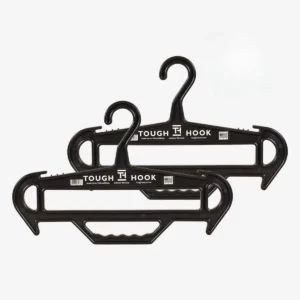
Categorization and Inventory Management
An elite gear room functions like a specialized retail store where everything is visible and accessible. Grouping your equipment by activity prevents the frantic search for a headlamp or a specific pair of socks an hour before departure. Consider cataloging your gear using these core steps:
-
Purge the useless items: Group your belongings and honestly evaluate what you actually use. Sell or donate old gear that no longer serves you, and discard damaged items that pose safety risks.
-
Sort by specific activity: Dedicate distinct zones of your room to different pursuits. Keep your camping and backpacking gear in one section, snow sports in another, and water sports or climbing gear in their own designated areas.
-
Implement a small items tracking system: Utilize clear plastic bins with secure lids for smaller accessories. Label each bin clearly for items like camp kitchen utensils, electronics, first aid kits, and microspikes.
Maximizing Vertical and Horizontal Storage
The key to an organized gear room is keeping items off the floor. Utilizing vertical space allows you to store more equipment while maintaining clear walkways and a clean aesthetic. Various storage styles serve different equipment needs:
-
Heavy-duty shelving units: Industrial wire shelving or sturdy wooden racks are perfect for holding heavy plastic bins, storage tubs, and bulky footwear. Wire shelving is particularly excellent because it promotes airflow around the items.
-
Pegboards and slatwalls: These modular wall systems offer ultimate flexibility. You can reposition hooks, baskets, and pegs to hold everything from climbing helmets and ice axes to coiled ropes and technical backpacks.
-
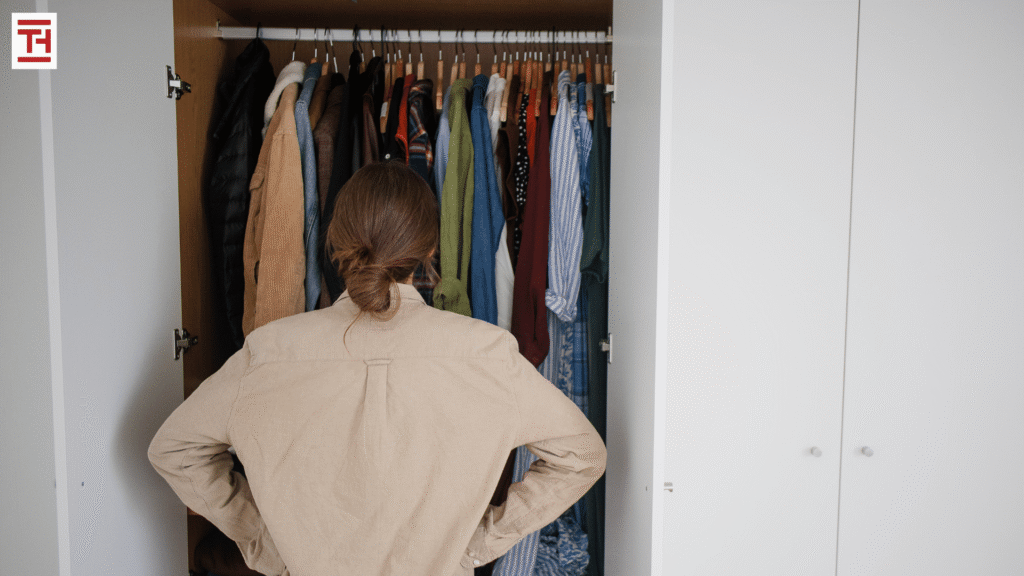
Dedicated hanging systems: Many outdoor items should never be compressed or folded tightly for long periods. Sleeping bags, insulated jackets, tents, and heavy body armor need to hang freely to preserve their loft and structural integrity.
The Crucial Role of Heavy-Duty Hangers
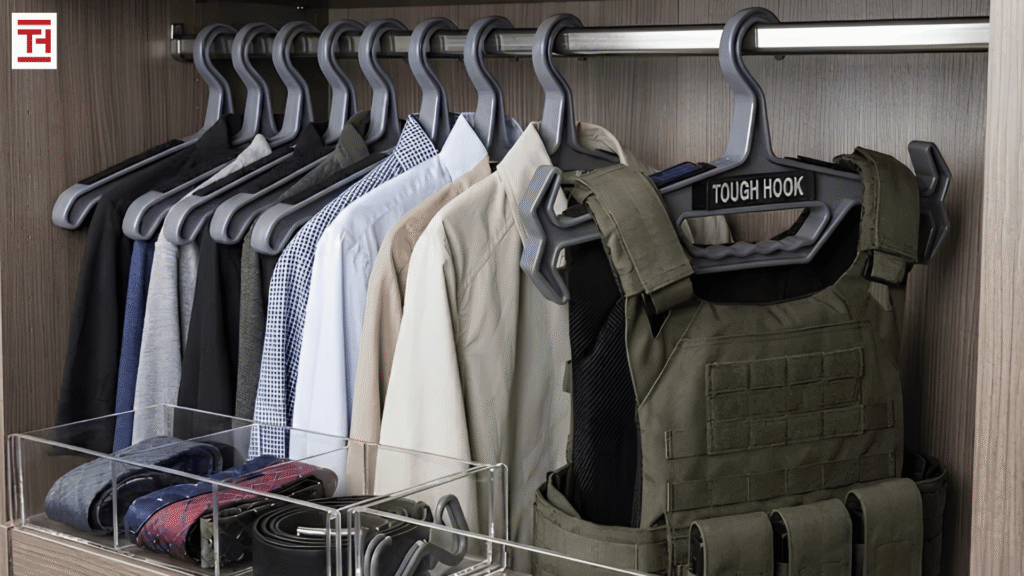
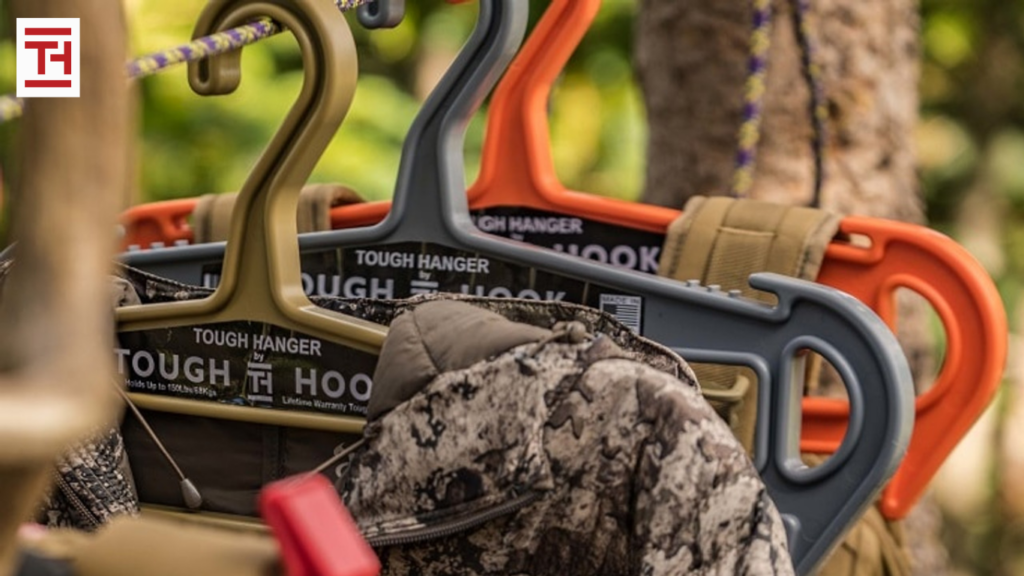
When it comes to hanging your most valuable and heavy equipment, standard plastic or flimsy wooden hangers will inevitably fail. Standard hangers bend, snap, or warp the shoulders of heavy jackets, technical vests, and loaded backpacks. This is where Tough Hook becomes an essential asset for your gear room organization.
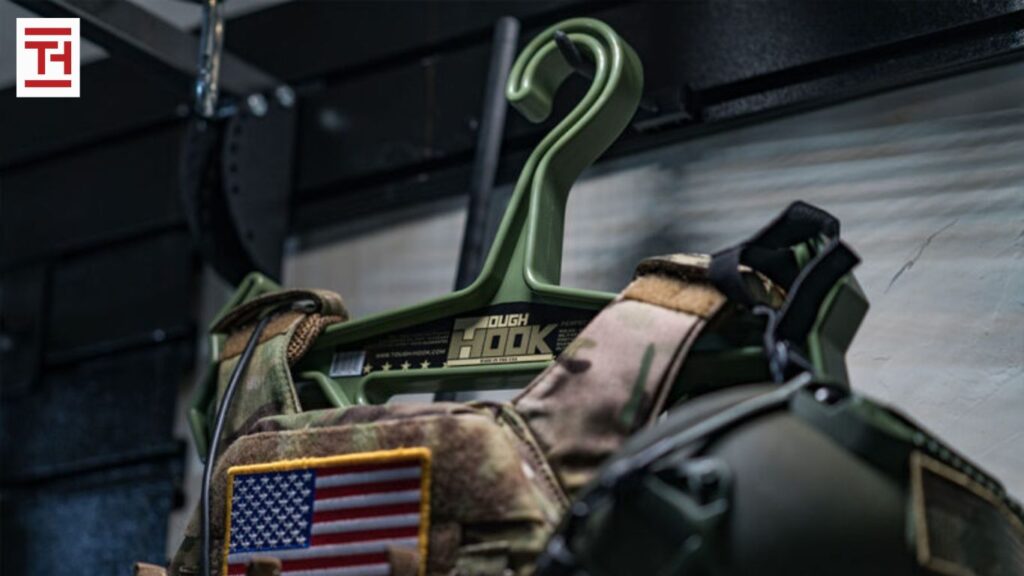
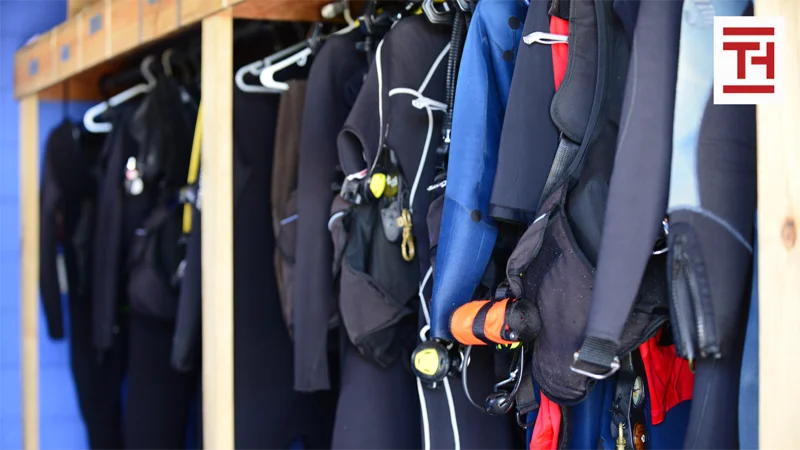
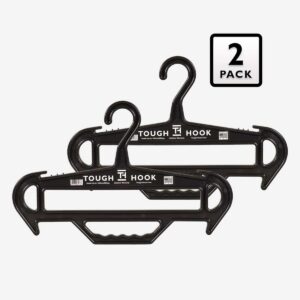
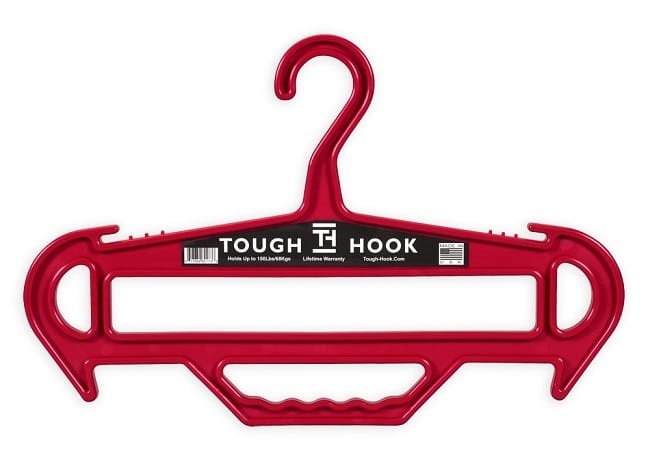
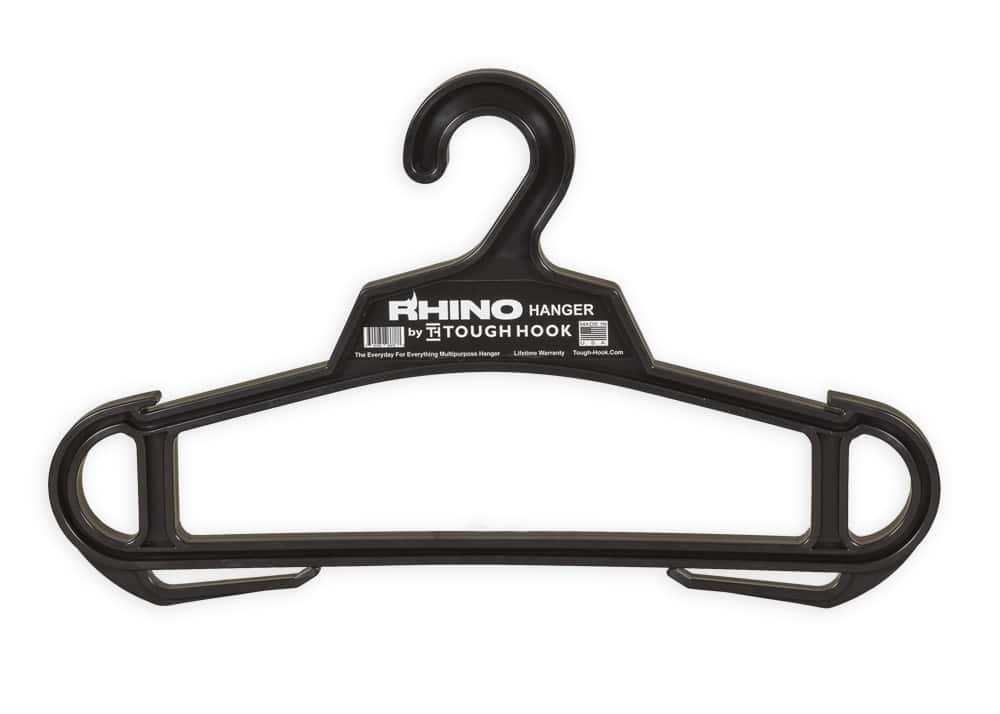
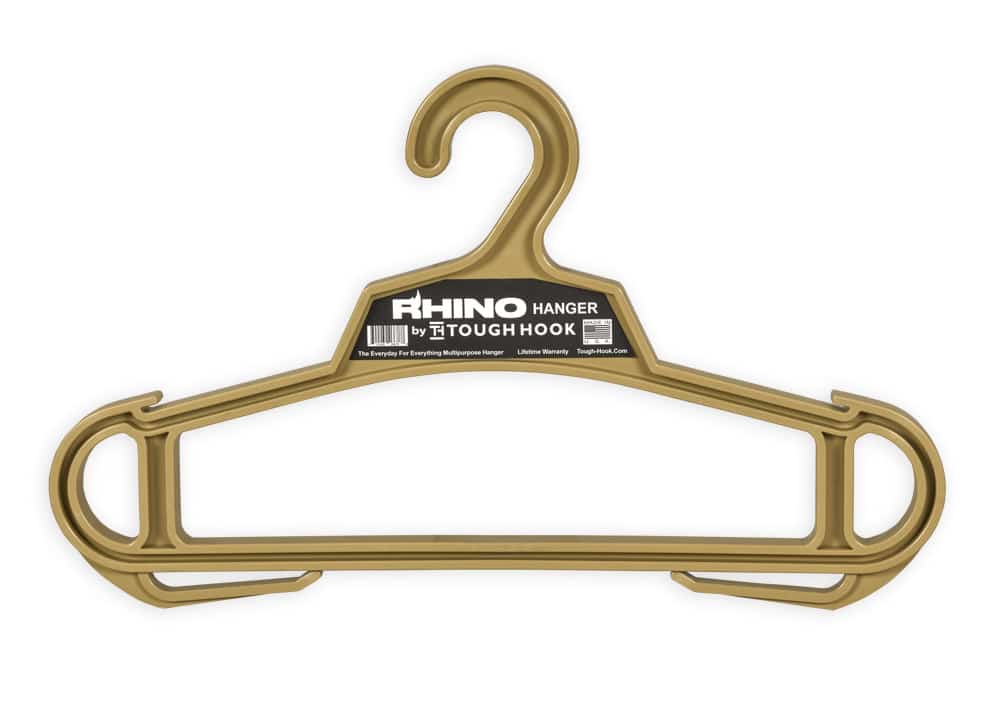
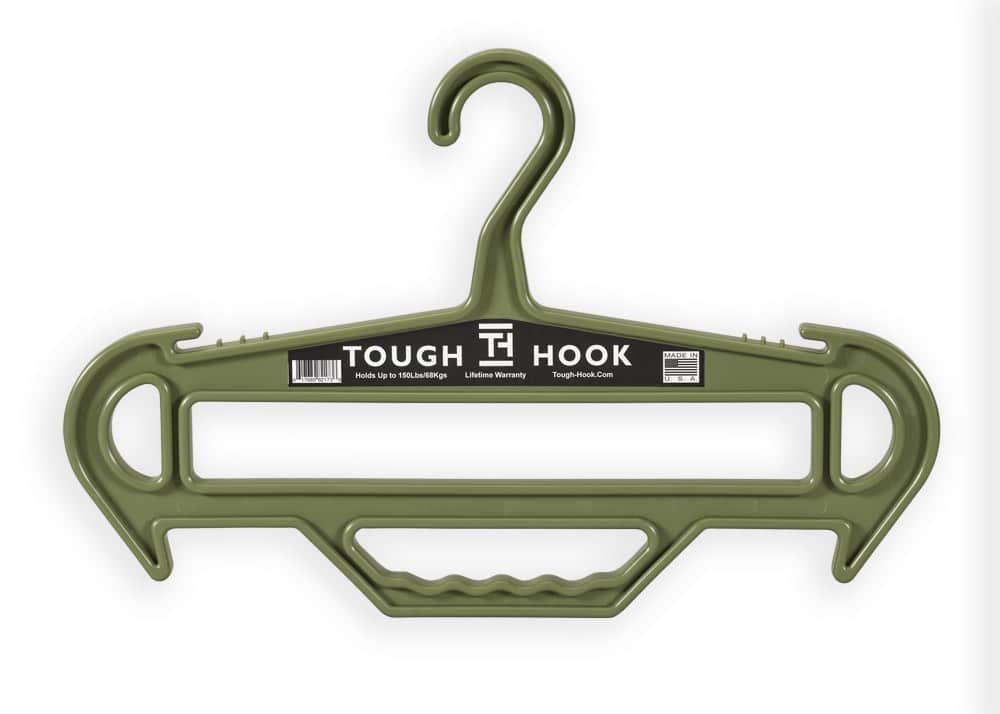
Tough Hook specializes in manufacturing heavy-duty clothing and equipment hangers designed specifically to support the extreme weight of specialized gear. Constructed from high-impact resin, these hangers can easily handle up to 150 pounds of equipment without flexing or breaking. Whether you are hanging a fully loaded tactical vest, a thick neoprene scuba wetsuit, heavy winter mountaineering parkas, or a collection of loaded backpacks, Tough Hook ensures your equipment stays securely off the ground.
Furthermore, Tough Hook products feature a unique reversible design with an integrated carry handle. This allows you to easily transport your fully loaded hanger directly from your gear room to your vehicle, making packing for your next excursion completely seamless. By investing in proper heavy-duty hangers, you maintain the shape of your technical garments and prevent fabric stress.
Establishing a Maintenance and Cleaning Station
A functional gear room should serve as a workspace where you maintain your equipment. Integrating a dedicated maintenance bench ensures your gear is cleaned and repaired before it is stored away. Your maintenance station should include specific components:
-
A sturdy workbench: Set up a solid table where you can apply ski wax, clean dirt from boot treads, or patch small tears in a tent rainfly.
-
Proper cleaning supplies: Stock your station with technical fabric washes, waterproofing sprays, boot brushes, and zipper lubricants to keep everything in peak operational condition.
-
A drying zone: Install a heavy-duty rod specifically for air-drying wet gear before it gets put back into permanent storage.
Final Touches for Inspiration
Your gear room should spark joy and build excitement for your upcoming trips. Once the functional storage is complete, add a few personal elements to make the space truly your own:
-
Display your maps: Hang topographic maps of your favorite national parks or trails on the walls to serve as visual inspiration for future route planning.
-
Showcase your memories: Frame a few photos of your greatest summits, deep-powder ski days, or memorable campfires to remind you why you invest so much time and energy into these pursuits.
-
Install bright lighting: Good overhead LED lighting ensures you can read small labels, inspect gear for wear and tear, and pack accurately during preparation sessions.
Building a dedicated gear room requires an investment of time and resources, but the rewards are substantial. By protecting your equipment from damage, streamlining your organization, and utilizing industrial-strength tools like Tough Hook hangers, you transform a chaotic pile of supplies into an efficient command center. Stop wrestling with cluttered closets and give your outdoor gear the home it deserves.