Maintaining a military uniform is about more than just respecting tradition; it is a direct reflection of discipline, professionalism, and personal pride. Whether it is the Service Dress, Operational Camouflage Pattern (OCP), or formal mess dress, keeping these garments in pristine condition requires continuous effort. An unkempt uniform with creases in the wrong places, frayed edges, or a sagging silhouette can compromise an entire presentation during an inspection. While laundering and pressing are essential components of uniform care, the way garments are stored when not in use plays a critical role in preserving their longevity and crisp appearance. Implementing proper storage habits ensures that clothing remains inspection-ready at a moment’s notice.
The Structural Risks of Standard Garment Storage
Many service members underestimate the damage that standard household storage solutions can cause to heavy-duty military apparel. Standard plastic, wire, or thin wooden hangers are engineered for lightweight civilian clothing like cotton shirts or casual jackets. When subjected to the substantial weight of a fully decorated dress uniform, complete with medals, ribbons, and badges, or a thick combat uniform, these weak hangers inevitably bend or sag.
When a hanger deforms under weight, it alters how the garment sits, which causes several immediate and long-term structural issues:
-
Shoulder puckering: Thin hangers focus all the weight of the garment onto two small points, stretching the fabric and leaving permanent dimples or puckers in the shoulders.
-
Fabric stretching: The heavy weight pulls down on the seams continuously, causing the uniform jacket or coat to lose its tailored shape over time.
-
Crease formation: When a hanger sags, the uniform slumps, creating artificial wrinkles and folds that require intensive ironing or professional dry cleaning to remove.
-
Structural failure: Wire hangers can snap or rust, transferring metallic stains onto pristine fabrics, while plastic hangers can break unexpectedly, causing the uniform to fall to the closet floor, where it accumulates dust and wrinkles.
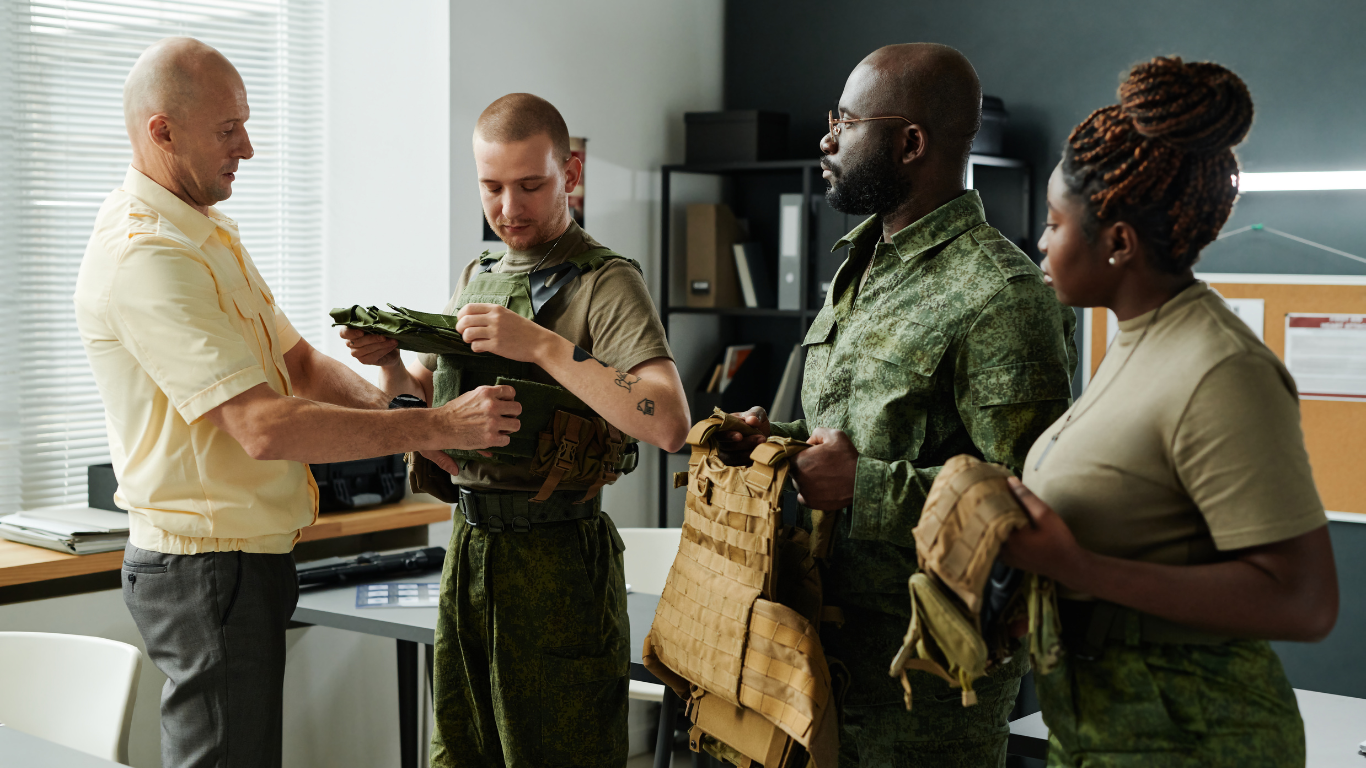
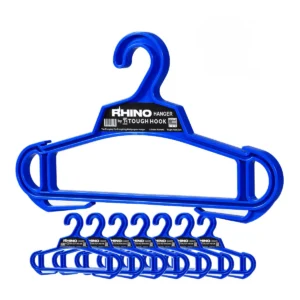
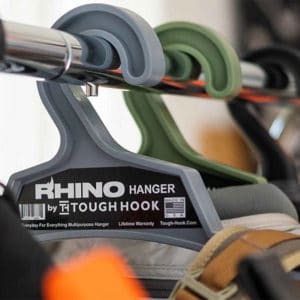

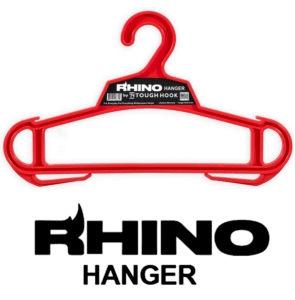
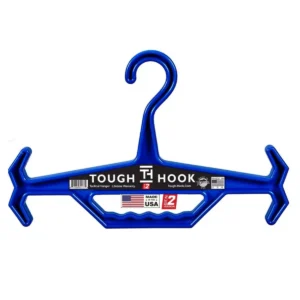

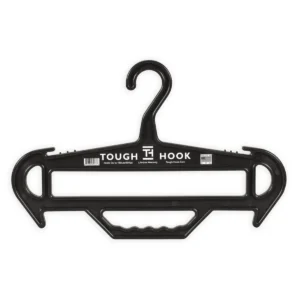


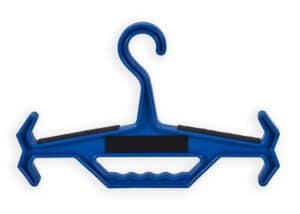
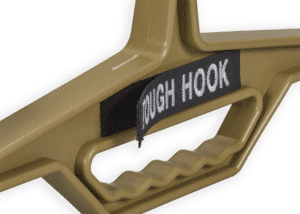
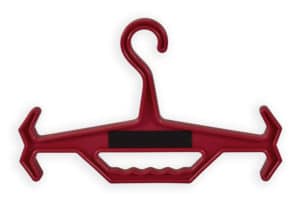
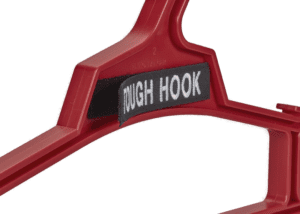


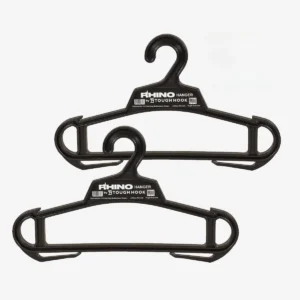
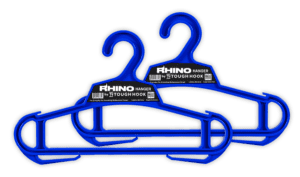
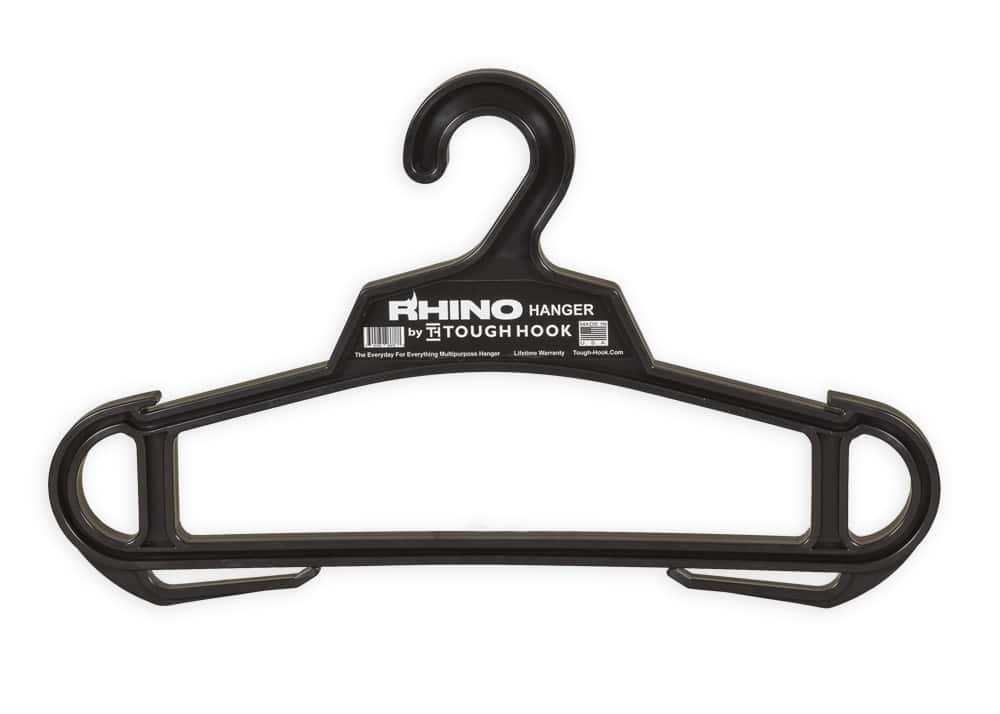
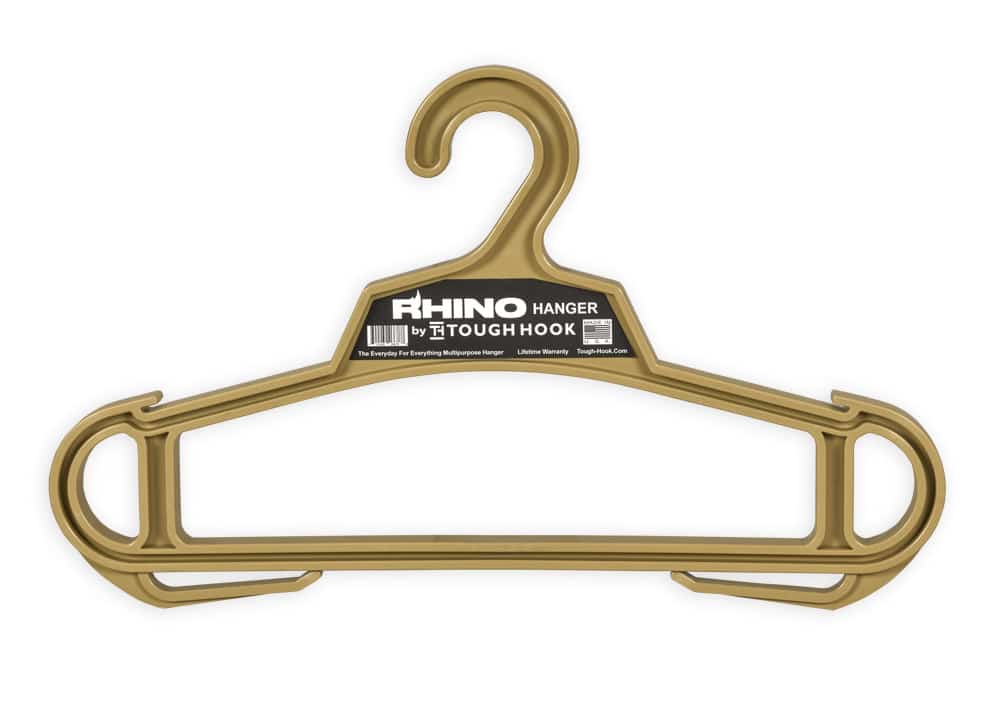
2 Pack RHINO Heavy Duty Clothes Hanger Bundle
Original price was: $27.95.$23.95Current price is: $23.95.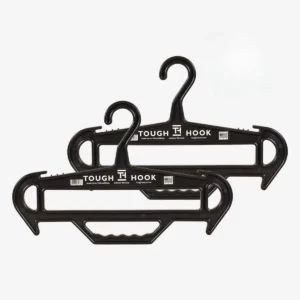

The Foundation of Uniform Care: Choosing the Right Support
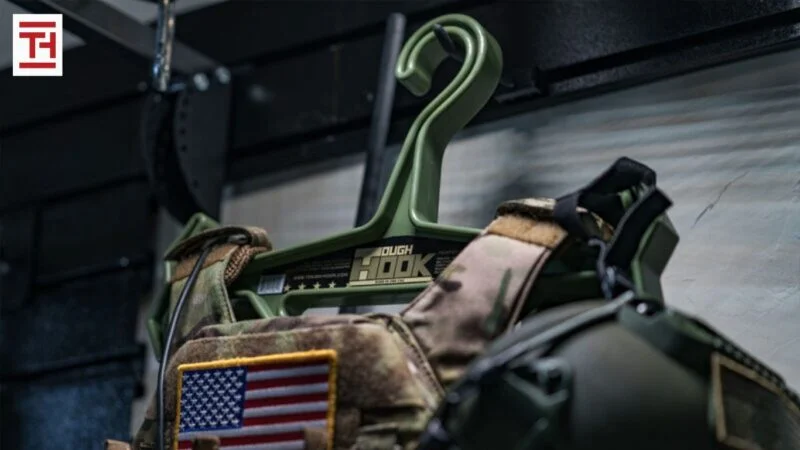
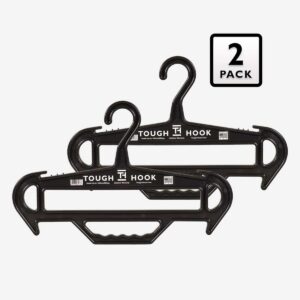
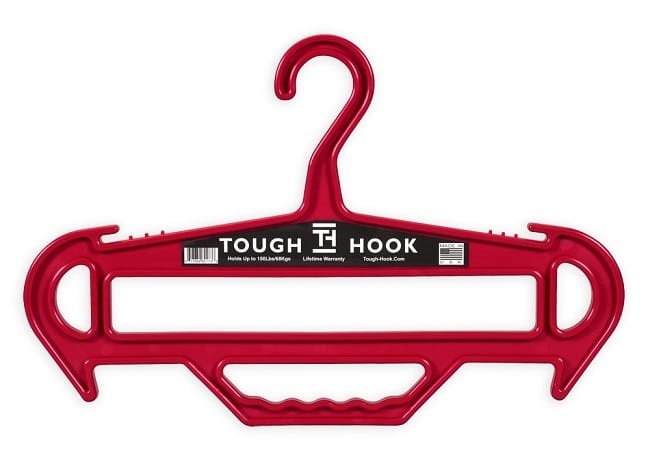
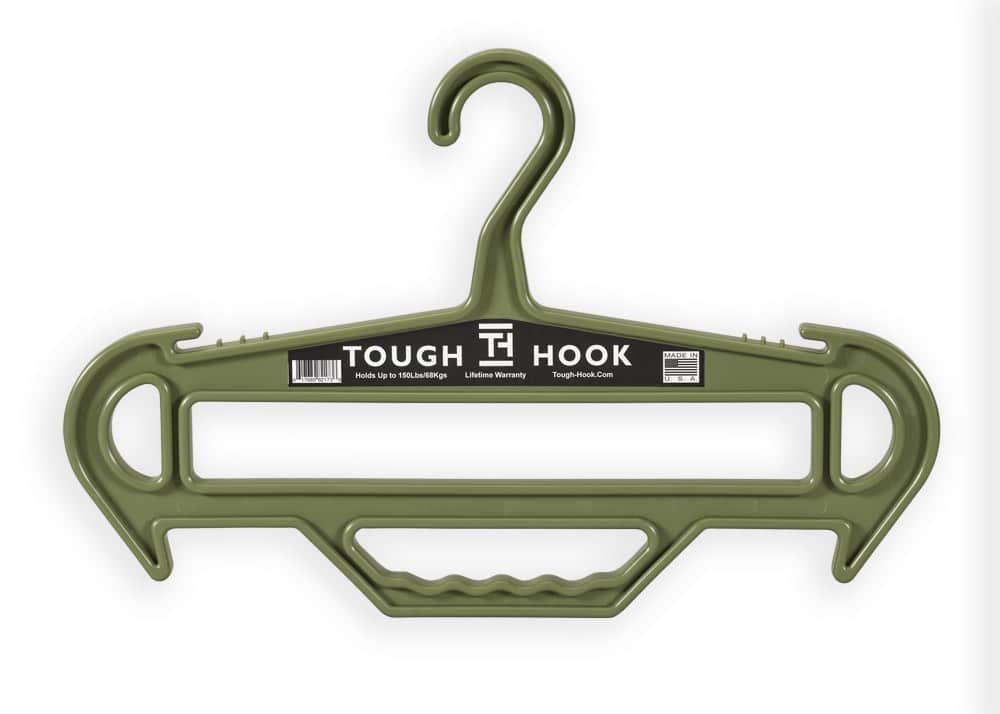
To prevent structural degradation, service members must invest in heavy-duty equipment engineered specifically for rugged tactical gear and heavy apparel. This is where Tough Hook, a heavy-duty clothing and equipment hanger company, becomes an indispensable asset for military closets. Tough Hook hangers are specifically designed to support the immense weight of body armor, tactical vests, and heavy military uniforms without bending, flexing, or breaking. By utilizing a heavy-duty hanger, the weight of the uniform is distributed evenly across a wide, robust beam, preserving the natural shoulder line and preventing the fabric from stretching out of shape.
In addition to using robust hardware, establishing a systematic routine for hanging garments is vital. When placing a uniform on a high-quality hanger, ensure that the shoulder seams align perfectly with the edges of the hanger. All buttons, zippers, and snaps should be fully fastened to maintain the natural alignment of the front panels and prevent the collar from flattening or warping.
Optimizing Closet Environments for Longevity
The physical environment of a closet significantly impacts the preservation of textile fibers. Military uniforms are frequently constructed from specialized wool blends, heavy cotton, or advanced synthetic materials that require a stable climate to prevent deterioration.
To maintain an optimal storage environment, follow these strict climate control guidelines:
-
Temperature regulation: Store uniforms in a cool, dry area away from direct sunlight, as ultraviolet rays rapidly fade fabric colors and weaken fiber integrity.
-
Humidity control: High humidity encourages the growth of mold and mildew, which can ruin fabrics and create persistent odors, while extreme dryness can make fibers brittle.
-
Adequate spacing: Avoid crowding uniforms tightly together in a closet, as compressed garments suffer from flattened creases and restricted airflow, which traps stagnant air.
-
Air circulation: Leave at least two inches of space between each hanging item to allow air to flow freely, keeping the fabrics fresh and free from moisture buildup.
Defending Uniforms Against Dust and Pests
Even in a climate-controlled room, airborne dust particles and household pests pose a constant threat to stored apparel. Dust settles into the weave of the fabric, acting like a tiny abrasive that wears down fibers over time and dulls the color of the uniform.
Protecting garments from environmental contaminants involves several protective measures:
-
Breathable garment bags: Utilize garment covers crafted from breathable fabrics, such as cotton canvas or non-woven polypropylene, to shield uniforms from dust while allowing moisture to escape.
-
Avoid plastic covers: Never leave uniforms in the thin plastic bags provided by commercial dry cleaners, as these trap moisture and release chemicals that cause fabric yellowing.
-
Pest prevention: Deploy natural deterrents such as cedar blocks or lavender sachets in storage spaces to keep moths and silverfish away from wool garments without relying on foul-smelling mothballs.
-
Clean before storage: Always clean a uniform thoroughly before putting it away for an extended period, as invisible sweat oils and food particles are primary attractants for destructive pests.
Advanced Folding and Travel Techniques
While hanging is preferred for dress uniforms, operational uniforms and field gear often require folding due to space constraints or deployment conditions. Proper folding prevents deep wrinkles and preserves the structural integrity of the fabric.
When preparing tactical or operational uniforms for drawers or deployment bags, implement these structured habits:
-
The ranger roll method: Roll operational jackets and trousers tightly instead of folding them, which minimizes harsh crease lines and maximizes storage efficiency in duffel bags.
-
Flat folding for trousers: Fold dress slacks along their existing pressed creases, laying them flat across a wide, padded hanger bar to prevent horizontal folding lines.
-
Component segregation: Store heavy gear, such as belts, boots, and tactical vests, separately from fabric uniforms to prevent heavy hardware from crushing or snagging delicate textiles.
Adopting disciplined storage habits is just as critical as proper laundering when it comes to uniform maintenance. By transitioning to heavy-duty support options like Tough Hook hangers, regulating the storage environment, and utilizing breathable protection, service members can ensure their garments remain immaculate. A sharp uniform reflects a sharp mind, and maintaining an inspection-ready appearance starts the moment the uniform is hung up in the closet.