For avid anglers, there is nothing like standing waist-deep in a favorite river or casting from a mist-covered lake. However, the less glamorous side of fishing follows the journey home. Wet gear, particularly neoprene or breathable fishing waders, wading boots, and heavy jackets, has a notorious reputation for developing a foul, stagnant odor. This unpleasant scent is a direct warning sign that bacteria, mold, and mildew are actively breaking down your expensive outdoor equipment. Leaving gear crumpled in the back of a truck guarantees a shortened lifespan for your gear. Understanding the physics of moisture management and implementing a disciplined post-trip maintenance routine is essential for keeping gear pristine, functional, and completely odor-free.
The Science Behind the Wet Smell
To combat the notorious stench of damp fishing gear, it helps to understand exactly what causes it. The damp environments that anglers frequent are teeming with microscopic organic matter, including algae, bacteria, river silt, and decaying vegetation. When waders absorb these elements externally while simultaneously trapping human sweat internally, they become a prime breeding ground for microbial growth. Neoprene and multilayered breathable fabrics possess tiny pores and crevices where moisture easily becomes trapped. If this moisture sits in a stagnant environment without adequate airflow, bacteria and mold spores multiply exponentially. The resulting metabolic processes release volatile organic compounds, which manifest as that unmistakable, sour mildew smell. Once these microbes deeply embed themselves into the fabric linings, removing them without damaging the waterproof membranes becomes an uphill battle.
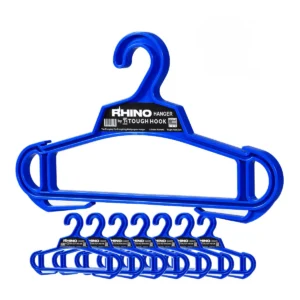
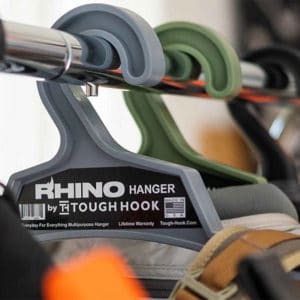

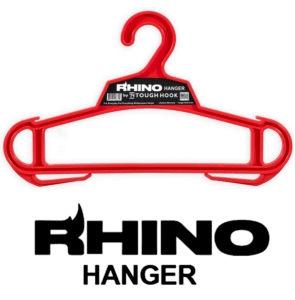
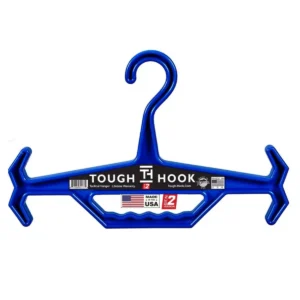
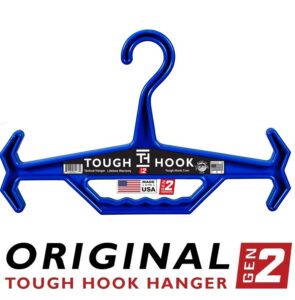
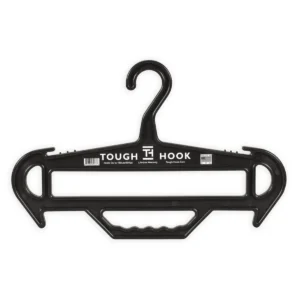
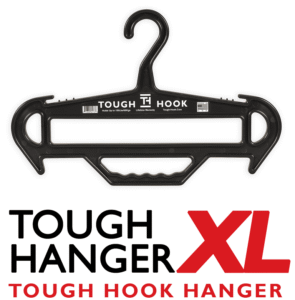
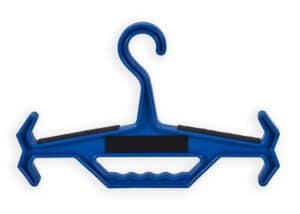
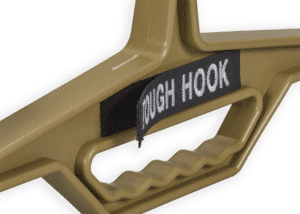
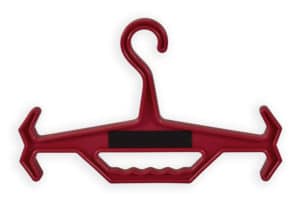
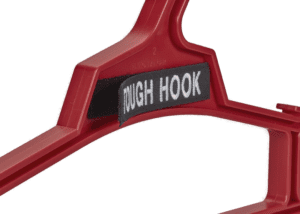
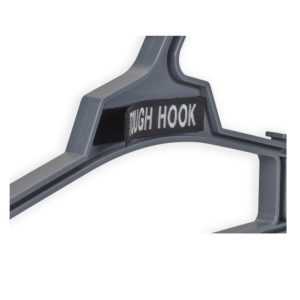
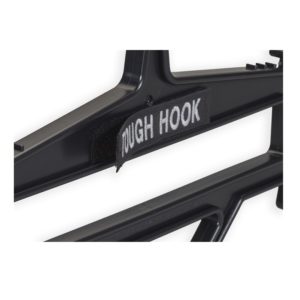


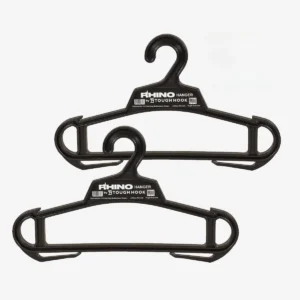
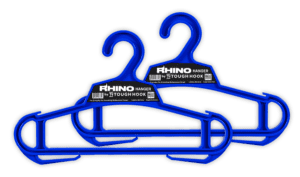
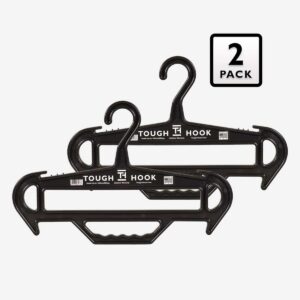
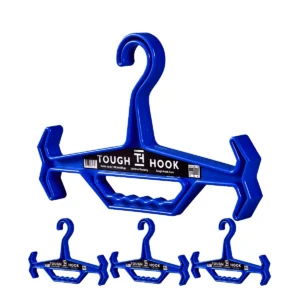
2 Pack RHINO Heavy Duty Clothes Hanger Bundle
Original price was: $27.95.$23.95Current price is: $23.95.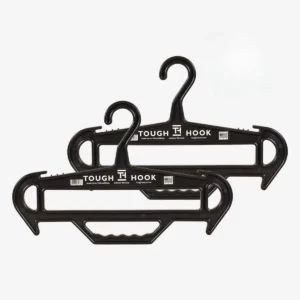
Step-by-Step Guide to Post-Trip Cleaning
Eliminating odor begins long before hanging your gear up for the off-season. True scent prevention starts the physical moment you step out of the water. Following a systematic rinsing and washing protocol ensures that organic matter never has the opportunity to settle into the technical fibers of your waders.
-
Rinse immediately with clean water: As soon as you exit the water, use a freshwater hose to wash away external mud, sand, algae, and salt. Pay extra attention to the gravel guards, pockets, and seams where debris loves to hide.
-
Use a specialized or mild soap: When you return home, wash the waders thoroughly using a gentle, non-detergent soap or a technical fabric cleaner designed specifically for waterproof gear. Harsh household detergents can strip away the durable water repellent coatings.
-
Clean the interior lining: Do not forget to turn the waders completely inside out to wash away trapped sweat, body oils, and dead skin cells. These internal contaminants are often the primary source of the deep-seated odors that linger for months.
-
Eliminate microbes with specialized solutions: If your gear already exhibits a slight odor, wipe down the internal and external surfaces with a heavily diluted mixture of isopropyl alcohol and water or an enzyme-based odor eliminator.
Optimizing the Drying Process
Drying your fishing gear quickly and completely is the absolute most critical defense against mildew and foul odors. Microbes require continuous moisture to survive and replicate, meaning that a rapid, structured drying cycle stops scent development completely in its tracks.
-
Dry the interior first: Always flip your waders completely inside out to dry the interior lining before focusing on the exterior shell. Trapped interior moisture against the skin-facing fabric is the primary cause of rapid bacterial growth.
-
Provide maximum ventilation and airflow: Position a floor fan or a dedicated boot dryer directly beneath or inside your hanging gear to maintain constant, active air circulation. Moving air accelerates evaporation significantly and prevents stagnant pockets of humidity from forming.
-
Avoid direct heat sources: Never expose your waders to intense direct sunlight, campfires, space heaters, or commercial clothes dryers. Extreme heat degrades the specialized seam tape, melts the waterproof glues, and cracks the synthetic rubber.
-
Choose a high-capacity heavy-duty hanger: Hang your heavy, water-logged gear on an incredibly strong support system that allows it to hang fully open for maximum internal airflow. Standard plastic hangers will instantly bend, warp, or snap under the immense weight of wet neoprene.
The Importance of Proper Heavy-Duty Storage
Once your gear is completely dry and smells fresh, the final step is establishing a long-term storage strategy that maintains fabric integrity. Proper storage prevents creases from forming, which can eventually become permanent weak points where leaks occur. This is exactly where utilizing premium, specialized equipment becomes mandatory for serious outdoorsmen.
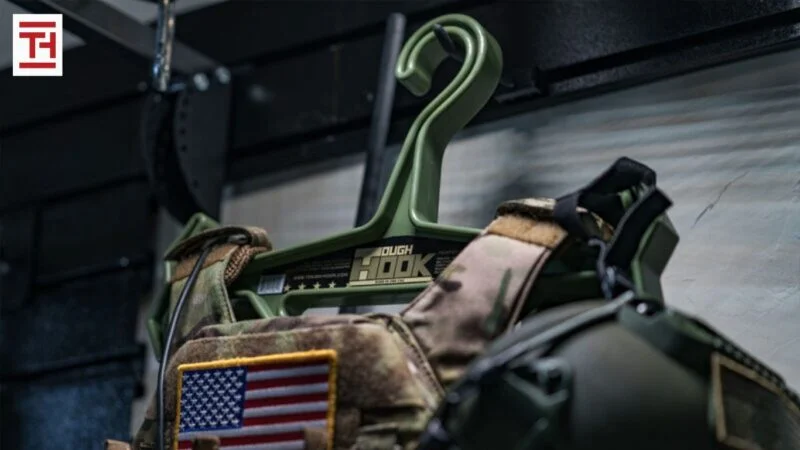
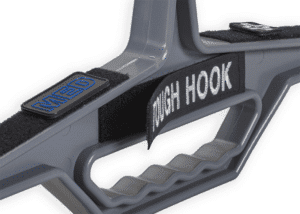
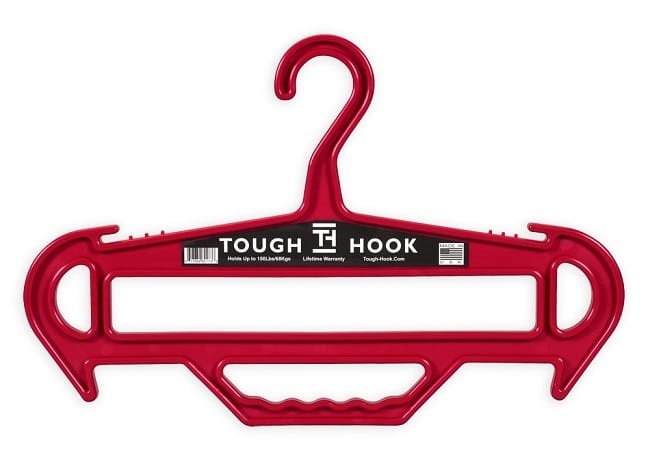
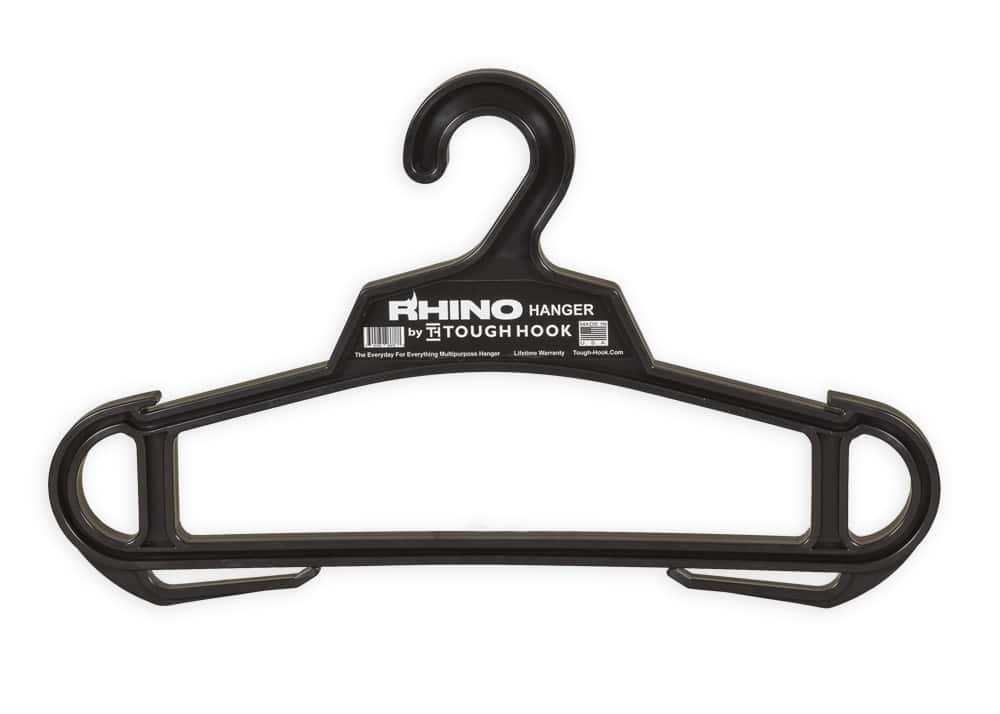
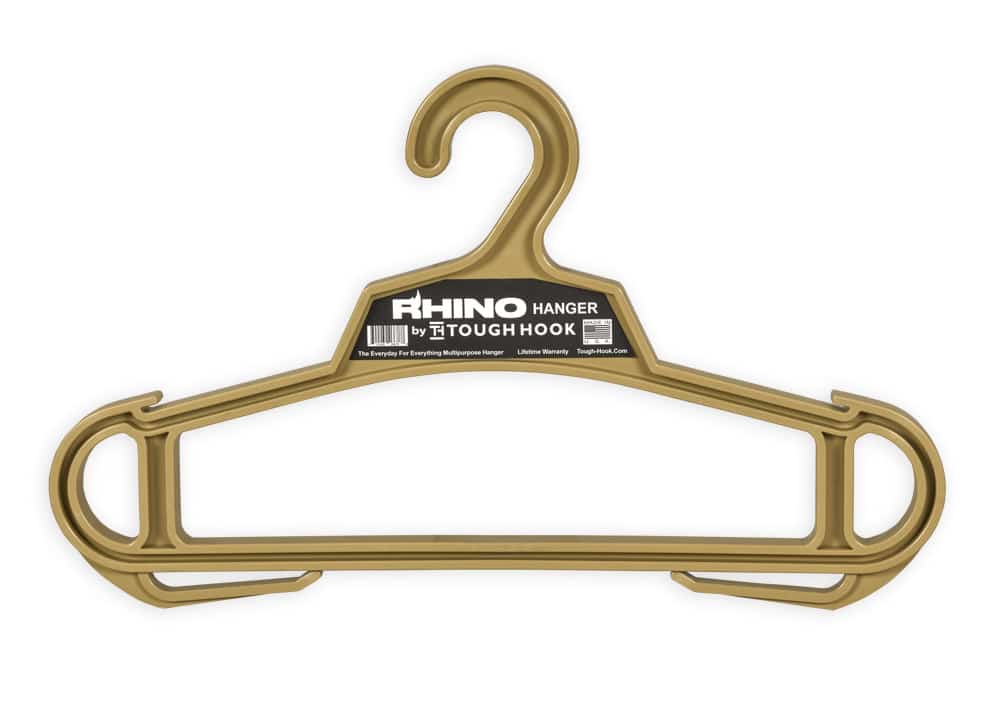
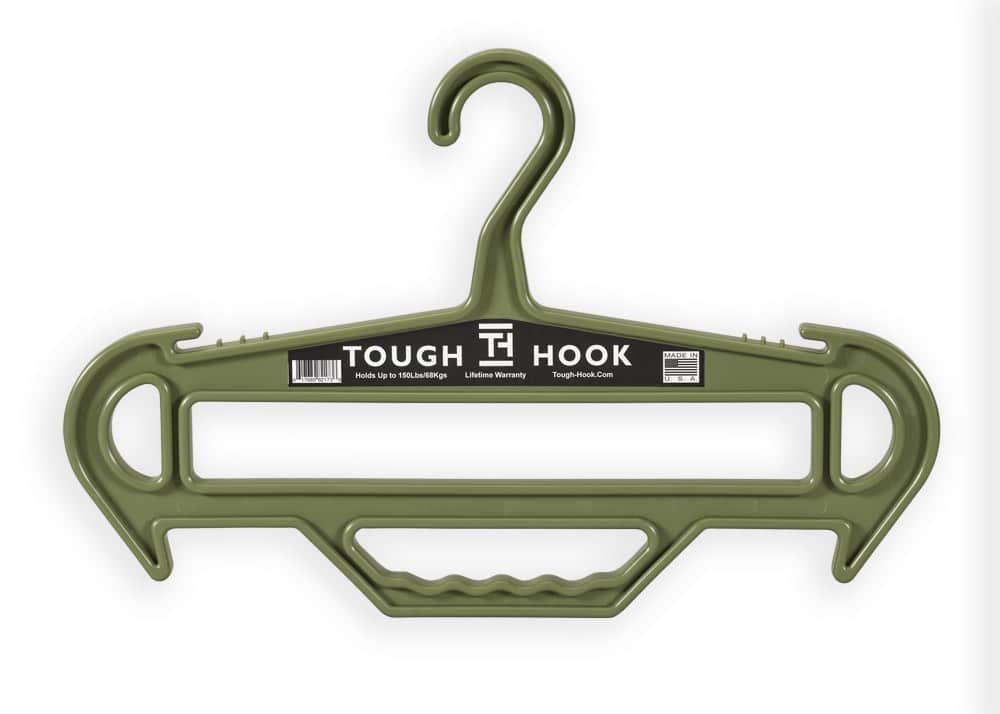
To ensure your investment remains protected, you need a hanging solution specifically engineered to handle the extreme weight and bulk of wet outdoor gear. This is where our company, Tough Hook, a clothing and equipment heavy-duty hangers company, delivers the ultimate solution for anglers. Standard hangers are fundamentally incapable of supporting wet waders or heavy wading jackets without breaking or distorting the shape of the garments. Tough Hook hangers are meticulously constructed from high-impact resin, making them virtually indestructible and capable of holding up to one hundred and fifty pounds of continuous weight. By utilizing a heavy-duty hanger, you allow your waders to hang perfectly upright, maintaining their natural shape while eliminating the folds and pockets where residual moisture and odor-causing bacteria hide. Furthermore, the unique reversible handle design allows you to easily transport your heavy gear from the truck to the garage without slipping.
Mistakes to Avoid in Wader Maintenance
Even well-intentioned anglers occasionally fall into destructive habits that inadvertently ruin their gear or welcome bad odors back into their closets. Avoiding these common pitfalls will save you hundreds of dollars in replacement costs.
-
Never store gear while it is still damp: Even a tiny amount of lingering moisture trapped inside a storage bin or closet will result in a massive colony of mildew within just a few days. Always double-check the interior booties and deep pockets before storing them.
-
Avoid folding or rolling waders tightly: Shoving your waders tightly into a plastic storage tote or duffel bag creates severe creases that compromise the waterproof membranes and trap stale air inside. Hanging them vertically is always the superior method for preservation.
-
Do not leave gear in a hot vehicle trunk: The extreme, concentrated heat inside a parked car during the summer will rapidly delaminate waders and ruin the protective seals. This environment also acts as an incubator for any bacteria present in the fabric.
By committing to a strict regimen of immediate rinsing, thorough drying, and utilizing robust hanging systems like those from Tough Hook, you can comfortably protect your technical gear from damage and keep it smelling as fresh as a pristine mountain stream for years to come.