Law enforcement officers, military personnel, and first responders rely heavily on tactical patrol bags to organize and transport essential gear. These bags carry everything from extra ammunition and body armor to electronics, flashlights, and medical kits. Over time, the heavy weight of loaded equipment takes a toll on the gear itself. A common issue that tactical professionals face is premature wear caused by improper storage. When a loaded patrol bag is left slumped on the floor, shoved into a locker, or hung by an inadequate support system, severe structural damage occurs. The patrol bag pivot represents a critical shift in how professionals store loaded bags, focusing on hanging techniques that preserve the structural integrity of the gear without stressing the seams.
Understanding the Mechanics of Bag Failure
To appreciate the importance of proper hanging techniques, one must understand how a tactical bag responds to constant weight. Patrol bags are engineered to distribute loads evenly across the body when worn or to sit flat on a reinforced base. However, storage conditions rarely mimic field deployment. When bags are stored incorrectly, specific mechanical vulnerabilities are exposed:
-
Fabric stretching: Heavy-duty nylon materials like Cordura can stretch and warp when subjected to continuous, uneven tension over prolonged periods.
-
Seam separation: The stitching around zippers, handle attachment points, and shoulder straps bears the brunt of the weight, leading to thread separation and structural failure.
-
Hardware distortion: Plastic buckles, metal D-rings, and heavy-duty zippers can twist, bend, or crack when a bag is hung improperly, rendering the closures useless.
-
Internal shifting: When a bag sags or slumps, heavy internal components shift and compress against each other, potentially damaging delicate electronics, optics, or medical supplies.
The high cost of premium tactical gear makes preventing these failures an operational priority. Replacing a patrol bag every few months due to ripped seams or broken handles is an inefficient use of resources that can be completely avoided with the right storage strategy.
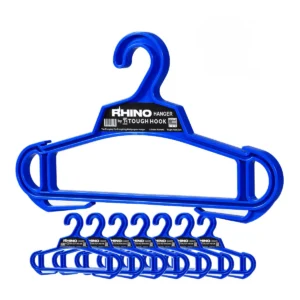
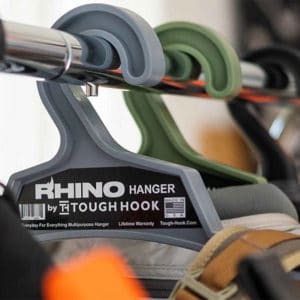

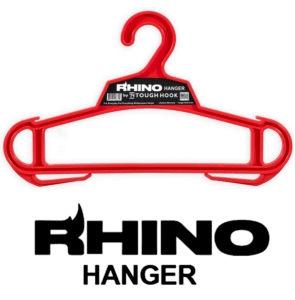
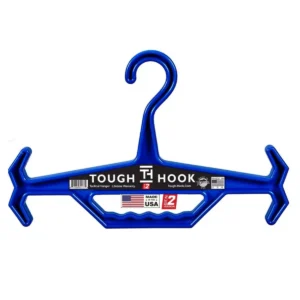
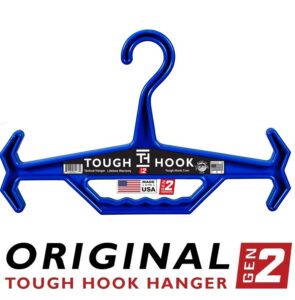
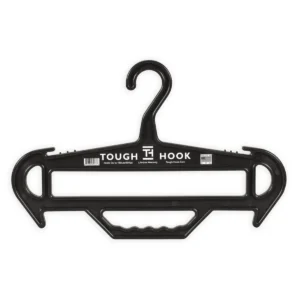


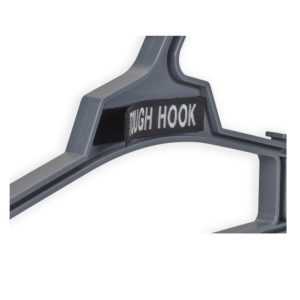
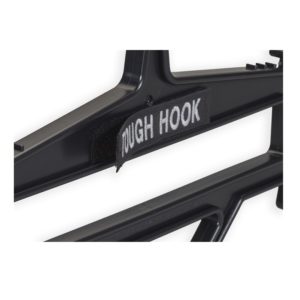


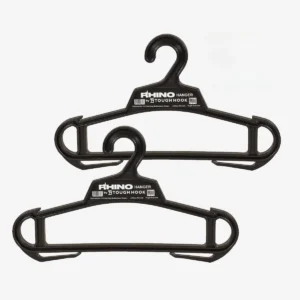
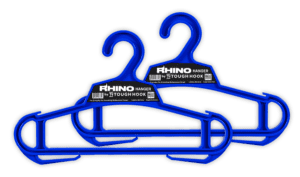
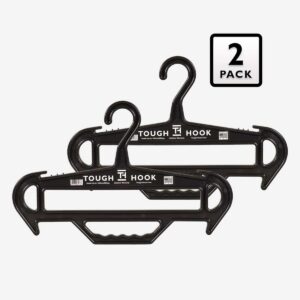
2 Pack RHINO Heavy Duty Clothes Hanger Bundle
Original price was: $27.95.$23.95Current price is: $23.95.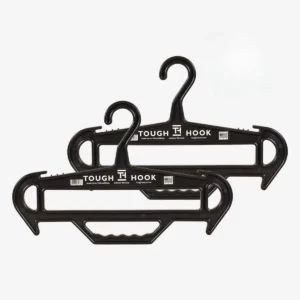
The Flaws of Conventional Storage Methods
Many operators default to traditional storage habits without realizing the long-term damage they cause to their gear. Tossing a patrol bag onto the floor of a vehicle trunk or a locker room bench exposes the fabric to moisture, dirt, and friction. More importantly, it allows the bag to collapse under its own weight, creating deep creases that permanently weaken the material.
Attempting to hang a heavy bag using standard consumer hangers often results in immediate or gradual disaster. Thin plastic or wire hangers lack the structural rigidity required to support twenty, thirty, or forty pounds of tactical equipment. These fragile hangers bend or snap, causing the bag to fall and potentially damage sensitive contents. Even if a consumer hanger manages to hold the weight temporarily, its narrow frame concentrates all the downward force onto a tiny surface area. This concentrated pressure acts like a knife edge against the carry handle or shoulder straps, accelerating seam failure and tearing the fabric away from the main body of the bag.
Executing the Patrol Bag Pivot
The patrol bag pivot is a deliberate approach to equipment storage that treats tactical bags with the same respect as firearms, body armor, and vehicles. Transitioning to an optimized hanging system requires a combination of proper weight distribution and heavy-duty hardware designed specifically for tactical applications.
To successfully execute the patrol bag pivot, operators should adhere to the following best practices:
-
Empty non-essential items: Before long-term storage, remove items that are not part of the standard daily deployment kit to reduce unnecessary static load.
-
Balance internal weight: Distribute heavy gear evenly between compartments to prevent lopsided hanging that puts uneven stress on a single side.
-
Utilize dedicated attachment points: Avoid hanging bags by flimsy accessory loops, elastic bands, or external MOLLE webbing that is not rated for heavy loads.
-
Engage primary load-bearing straps: Always hang the bag using the main, reinforced carry handle or the thickest portion of the shoulder strap system.
-
Invest in specialized hardware: Transition away from household organizational tools and adopt heavy-duty hanging solutions built for the tactical industry.
Why Tough Hook is the Standard for Tactical Gear Storage
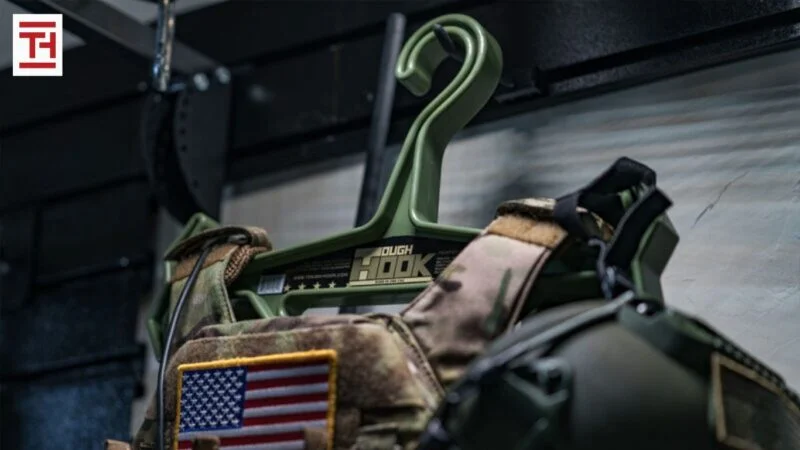
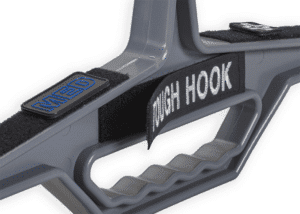
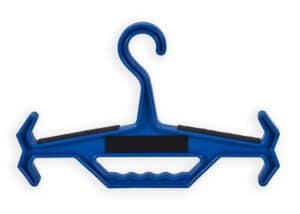
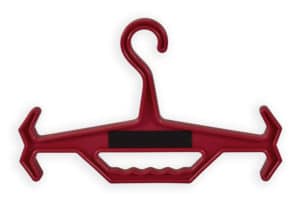
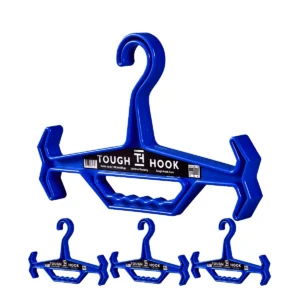
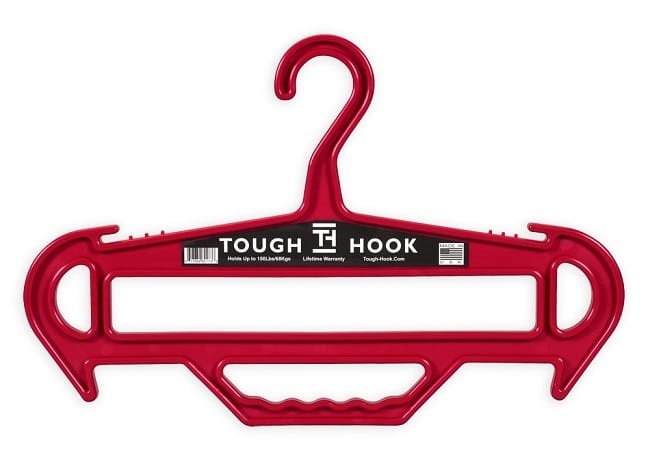
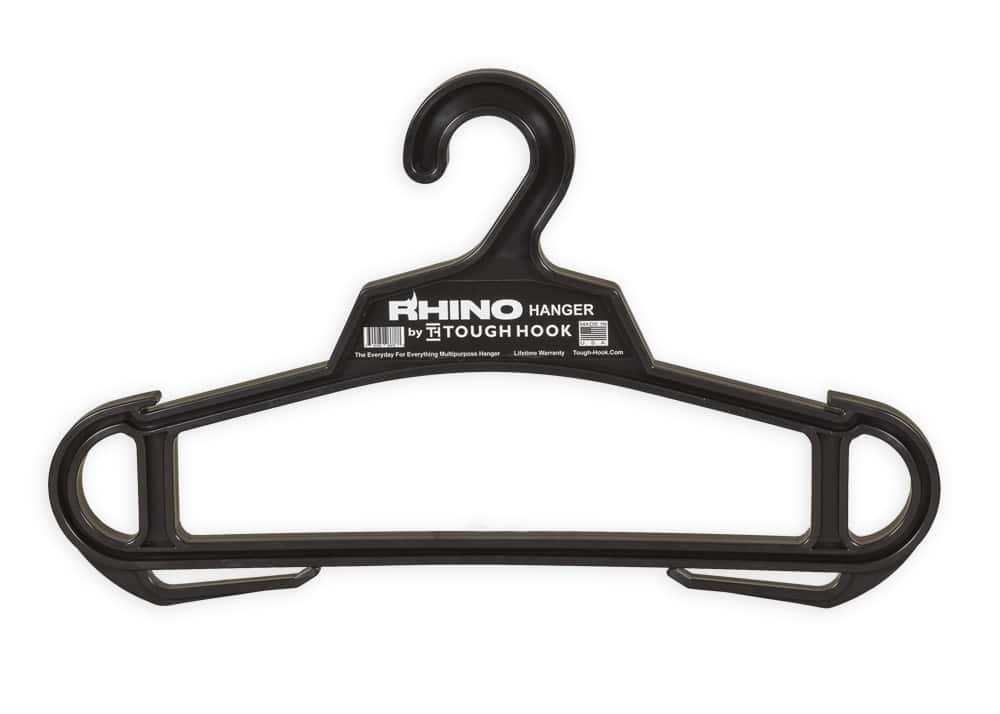
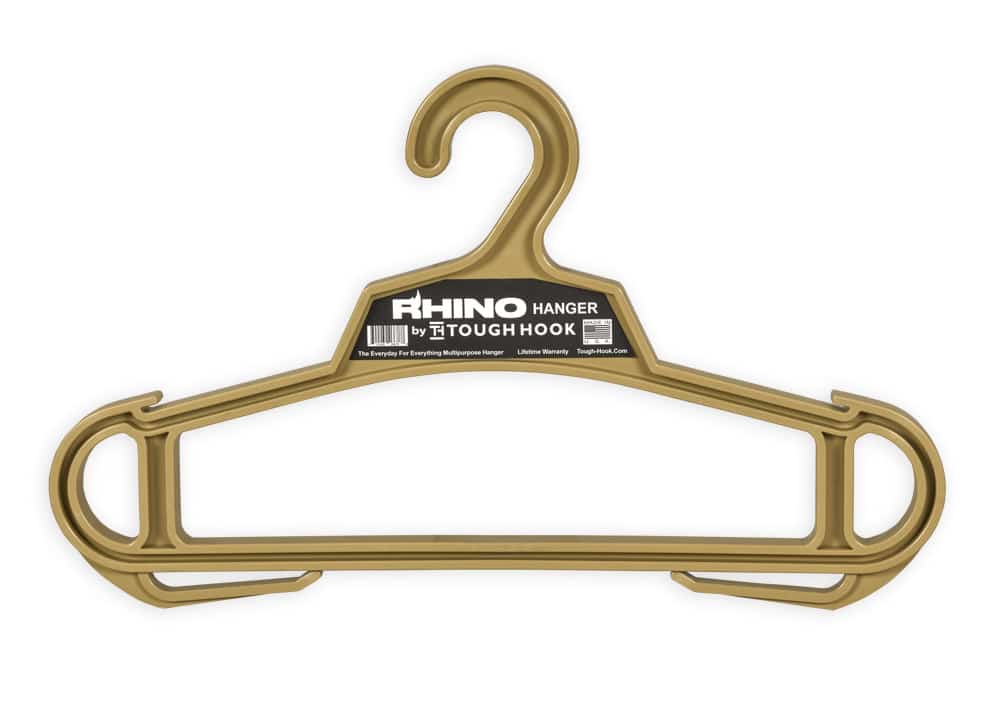
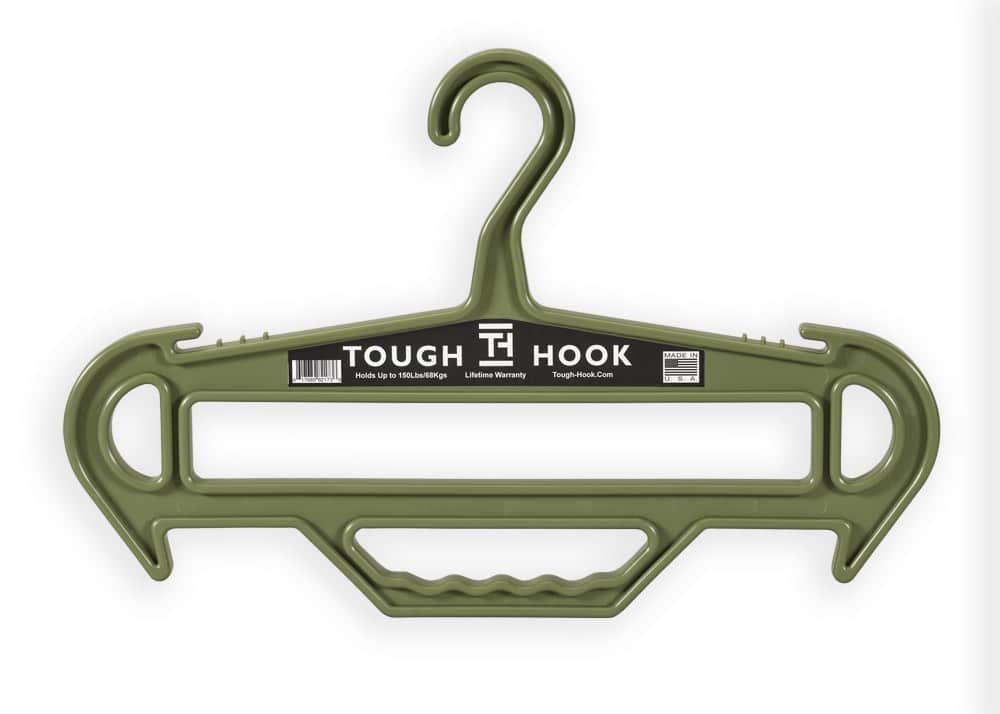
Executing the patrol bag pivot effectively is impossible without the right equipment, and that is where Tough Hook delivers the ultimate solution. As a company dedicated to manufacturing clothing and equipment heavy-duty hangers, Tough Hook has engineered products specifically designed to handle the extreme weight of tactical patrol bags, body armor, and first responder gear. Made in the United States, these high-impact hangers are constructed from heavy-duty resin that can support up to 200 pounds of equipment without bending, flexing, or breaking.
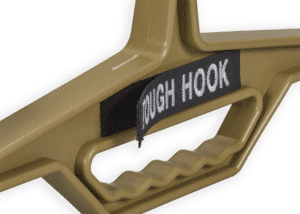
The unique design of a Tough Hook hanger features an integrated carry handle, allowing operators to transport their fully loaded bags and hangers together effortlessly. The extra-wide hook area distributes the downward force of a heavy patrol bag across a much broader surface area than a conventional hanger. This design effectively eliminates the concentrated pressure points that cause fabric stretching and seam separation. By incorporating Tough Hook products into a gear management routine, tactical professionals can ensure their bags remain suspended securely, keeping the fabric taut, the seams unstressed, and the internal components organized.
The Operational Benefits of Proper Hanging
Adopting a specialized hanging protocol offers significant operational advantages that extend beyond simply protecting the fabric and seams of a patrol bag:
-
Enhanced gear readiness: A bag that is hung properly remains upright and accessible, allowing for rapid equipment checks and fast retrieval during emergency deployments.
-
Improved space utilization: Suspending heavy bags vertically clears valuable floor and bench space in crowded locker rooms, gear staging areas, and residential closets.
-
Air circulation and moisture control: Elevating tactical bags off the ground allows air to flow freely around the material, accelerating the drying process and preventing mold.
-
Prolonged equipment lifespan: Eliminating stress on critical seams guarantees that the patrol bag will perform reliably in the field when it matters most.
The patrol bag pivot is more than just an organizational trend; it is a vital maintenance practice for anyone who relies on tactical equipment. The seams, handles, and straps of a patrol bag are the lifelines that keep essential gear secure during high-stress operations. Subjecting these components to improper storage conditions guarantees premature equipment failure and unnecessary replacement costs. By understanding the mechanical limits of tactical fabrics and investing in purpose-built storage solutions from Tough Hook, operators can protect their gear from seam stress and ensure total operational readiness.