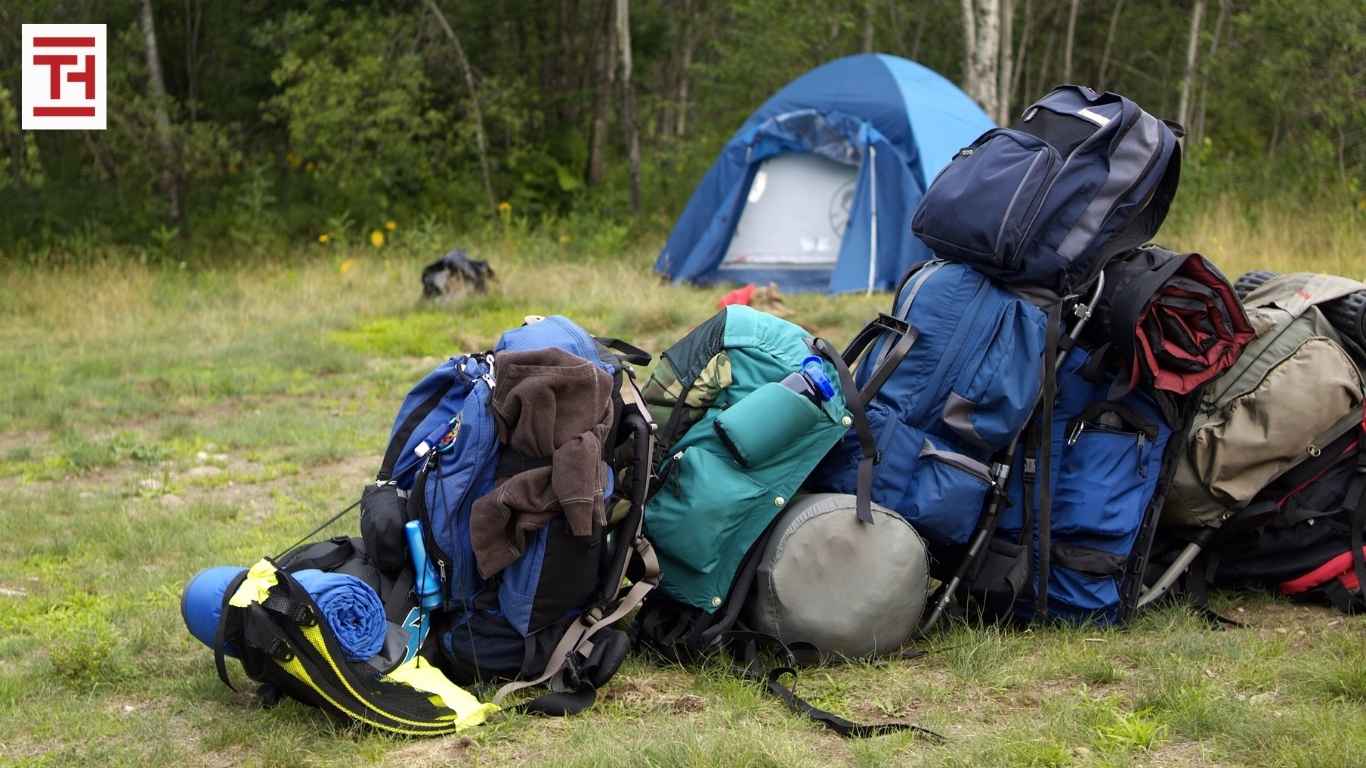
The last ember has been extinguished, the tent is packed, and the scent of pine needles is slowly fading as you transition back to reality. You’ve successfully navigated the wilds, but now comes a crucial, often overlooked, part of the camping lifecycle: the storage. Your outdoor gear is an investment—a collection of specialized tools designed to keep you safe and comfortable in challenging environments. Ignoring proper post-trip care and storage is like leaving a finely tuned instrument out in the rain; it’s a sure way to degrade its performance and shorten its lifespan.
In the United States, the outdoor recreation industry is booming, with millions of Americans hitting the trails and campsites every year. This massive interest translates into a substantial collective investment in gear. From ultralight sleeping bags to durable hard-shell jackets, every item needs a strategy to survive the long, dark months between expeditions. Proper storage isn’t just about neatness; it’s about preservation, preparedness, and prudent financial management.
The Immediate Post-Trip Protocol: Cleanliness is Next to Preparedness
You might be tired, but the moment you get home is when the most critical maintenance begins. Stowing damp, dirty gear is the single fastest way to invite mold, mildew, rust, and pest infestation. Think of this stage as a triage for your equipment.
The Golden Rule of Gear Storage:
-
Never put anything away wet or dirty. This is non-negotiable. Even seemingly dry items can harbor microscopic dampness or unseen debris.
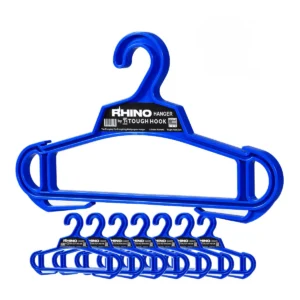
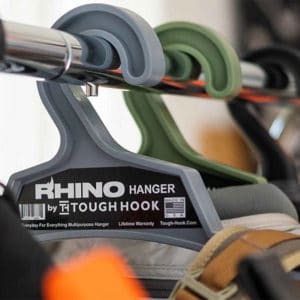

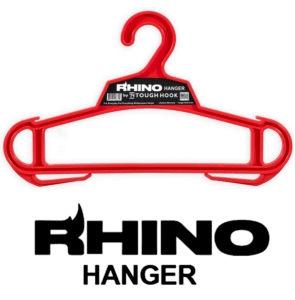
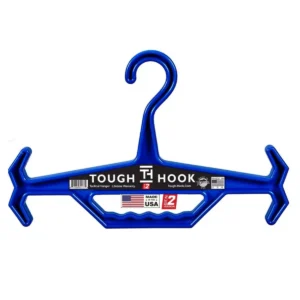

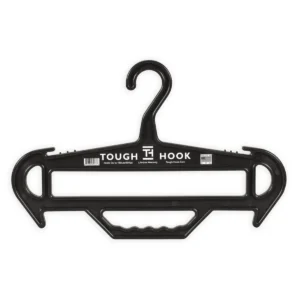

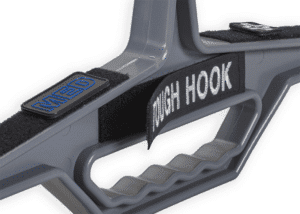
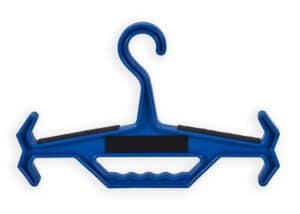

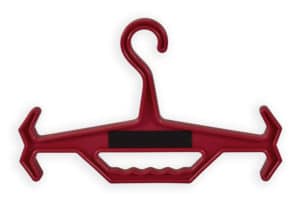
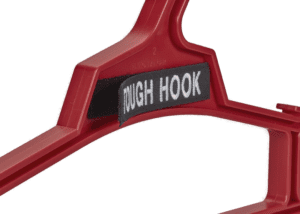
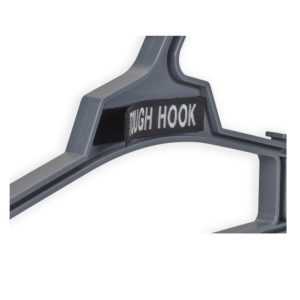
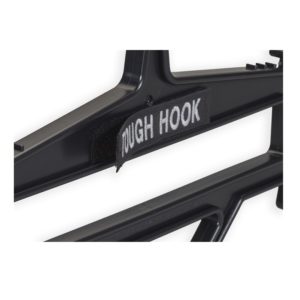


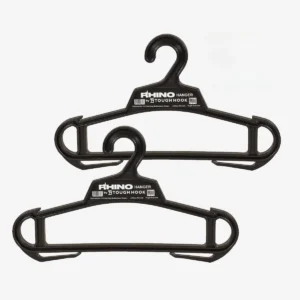
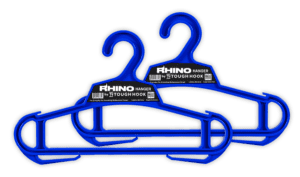
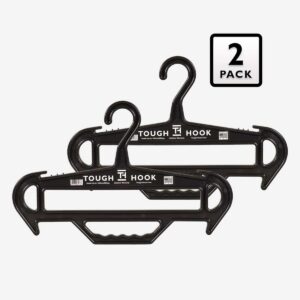
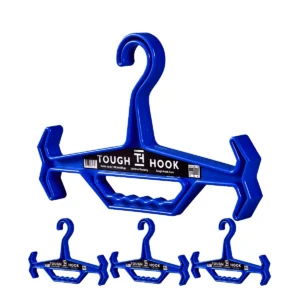
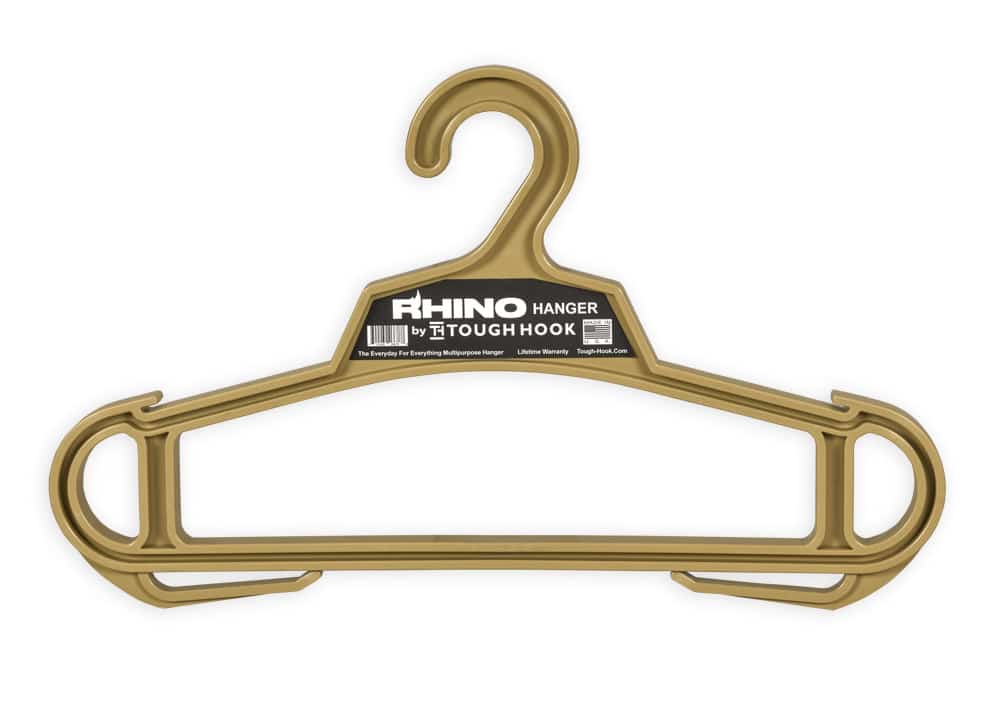
2 Pack RHINO Heavy Duty Clothes Hanger Bundle
Original price was: $27.95.$23.95Current price is: $23.95.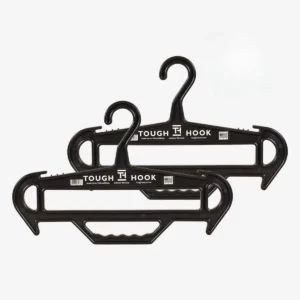
Tents and Shelters: Airing Out the Primary Residence
Tents are particularly vulnerable to mildew because they are often packed away slightly damp. Mildew can quickly ruin the waterproofing, the fabric strength, and the overall usability of your tent.
Here are the essential steps for tent care:
-
Pitch it or hang it up immediately: Even if just in your garage or living room, fully pitch the tent and fly to allow every surface to breathe and dry completely.
-
Wipe down the floor: Use a mild soap and water solution to clean the floor and remove mud, grit, and sticky residue from spilled sodas or tree sap.
-
Clean the stakes and poles: Mud and dirt trapped on stakes can attract moisture and lead to corrosion. Ensure all pole segments are clean and fully dry before bundling them.
-
Store loosely: Never store a tent tightly compressed in its stuff sack for long periods. This can weaken the waterproof coatings and fabric stress points. Use a large mesh bag or a loosely tied cotton pillowcase instead.
Sleeping Systems: The Loft is the Life
A sleeping bag’s warmth comes from its loft—the thickness created by the insulating material (down or synthetic). Compressing a bag for extended periods crushes these fibers, drastically reducing its insulating capability.
Proper storage of sleeping bags and pads includes:
-
Immediate unstuffing: As soon as you are home, remove the bag from its compression sack.
-
Full drying: Hang the bag or lay it flat to ensure any body moisture or residual dampness from the air has evaporated.
-
Cleaning: Spot clean the shell as needed. If a full wash is necessary, follow the manufacturer’s instructions strictly, using specialized cleaning agents for down or synthetics.
-
The ideal long-term storage solution: Store the bag fully uncompressed. Use a large cotton or mesh laundry bag, or simply hang it up in a dry, dark closet. Avoid storing it in basements or garages prone to dampness.
-
Sleeping pads: Open the valve on self-inflating pads and leave them flat or loosely rolled to prevent damage to the internal foam structure and seals.
Clothing and Outerwear: Maintaining Technical Performance
Technical apparel—like waterproof-breathable shells and insulated puffies—requires specialized care to maintain its performance properties. General detergents can strip away DWR (Durable Water Repellent) finishes and clog the pores of waterproof membranes.
Steps for Protecting Technical Apparel:
-
Wash with care: Use a technical gear wash (like Nikwax or Grangers) to preserve the DWR and membrane integrity.
-
Reapply DWR: If water no longer beads up on your shell, it’s time to retreat it with a wash-in or spray-on DWR product after cleaning.
-
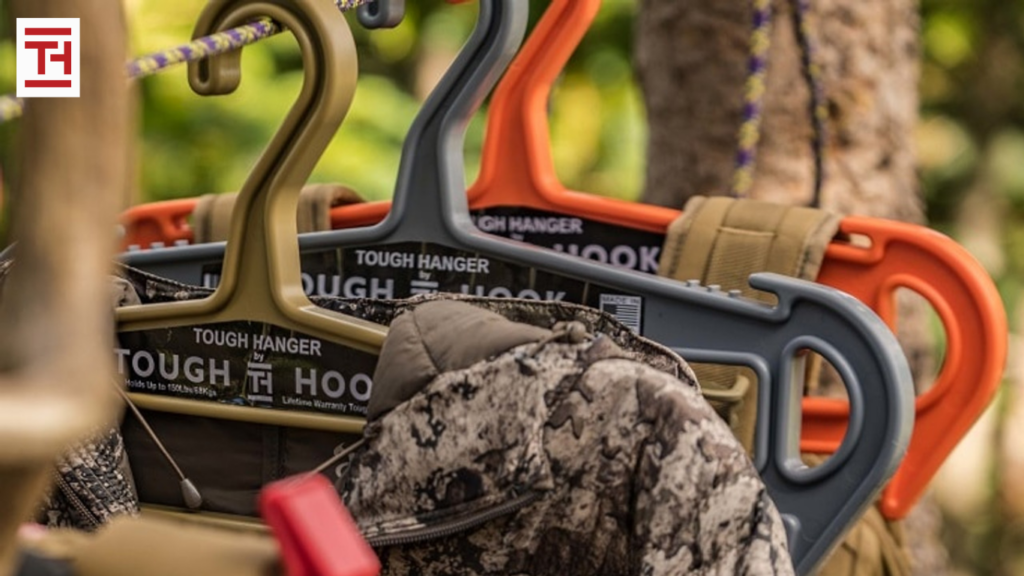
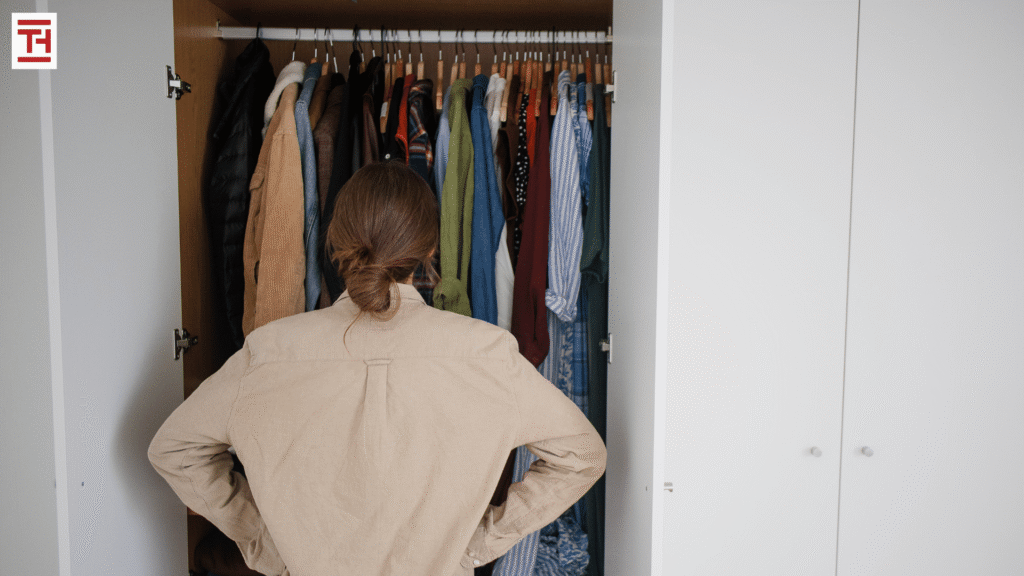
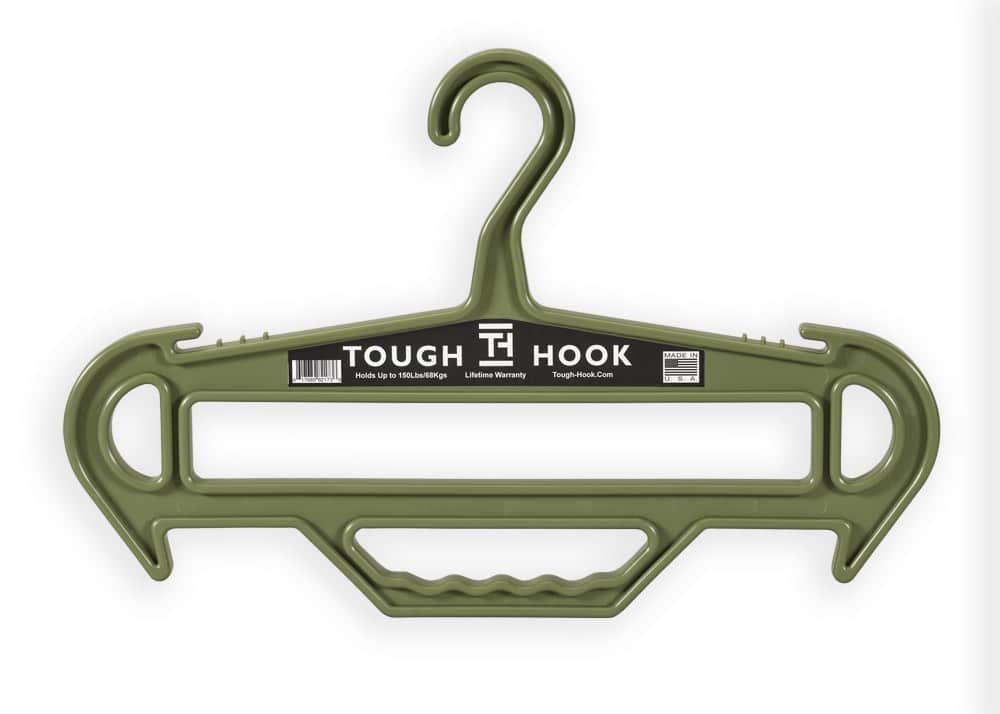
The Hanging Solution: Avoid folding or stuffing heavy technical jackets and pants into drawers, especially for long-term storage. The weight of heavy jackets can often warp the plastic or wire hangers designed for regular clothes. This is where specialized, heavy-duty gear handling solutions become invaluable.
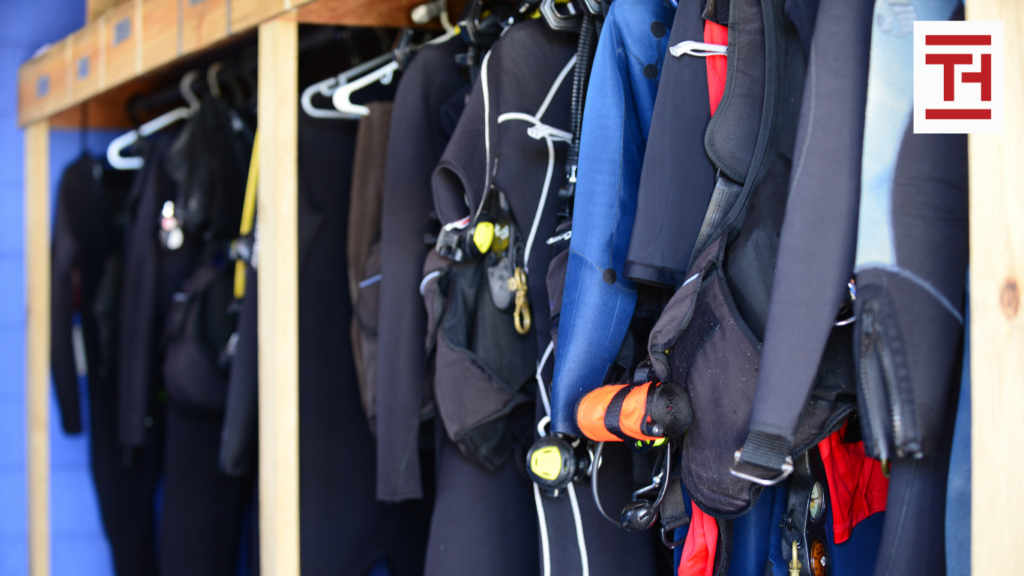
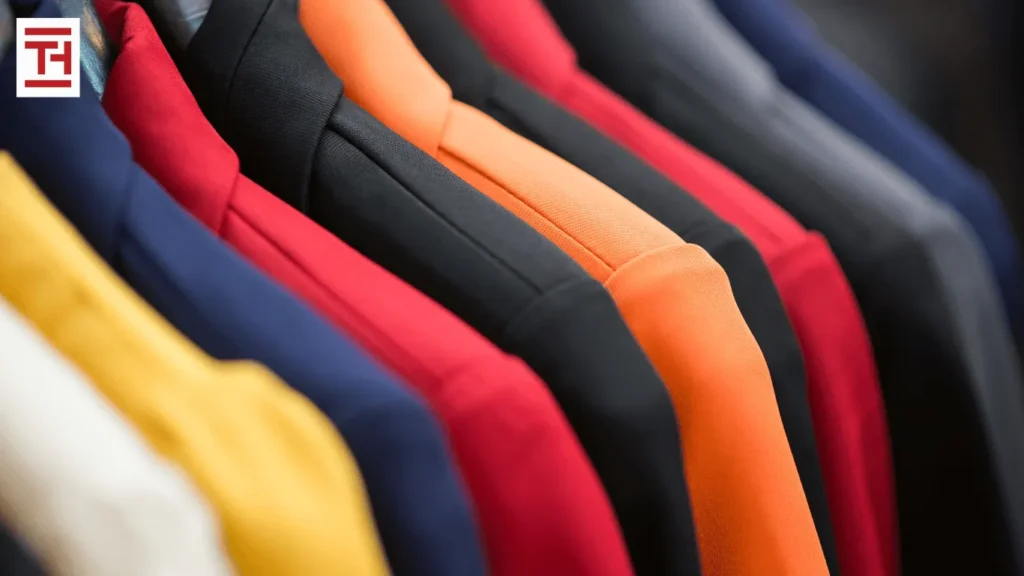
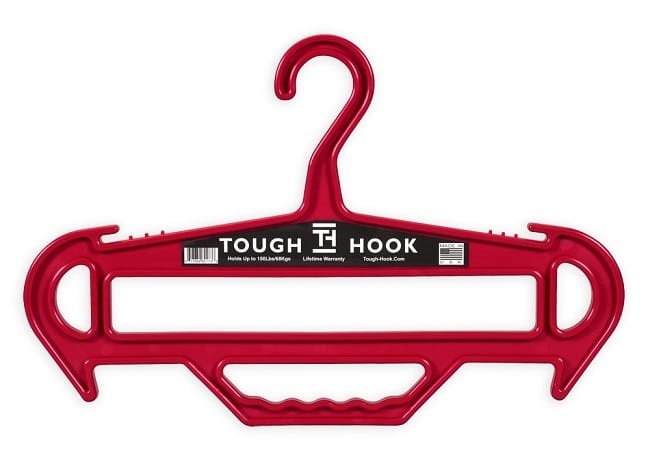
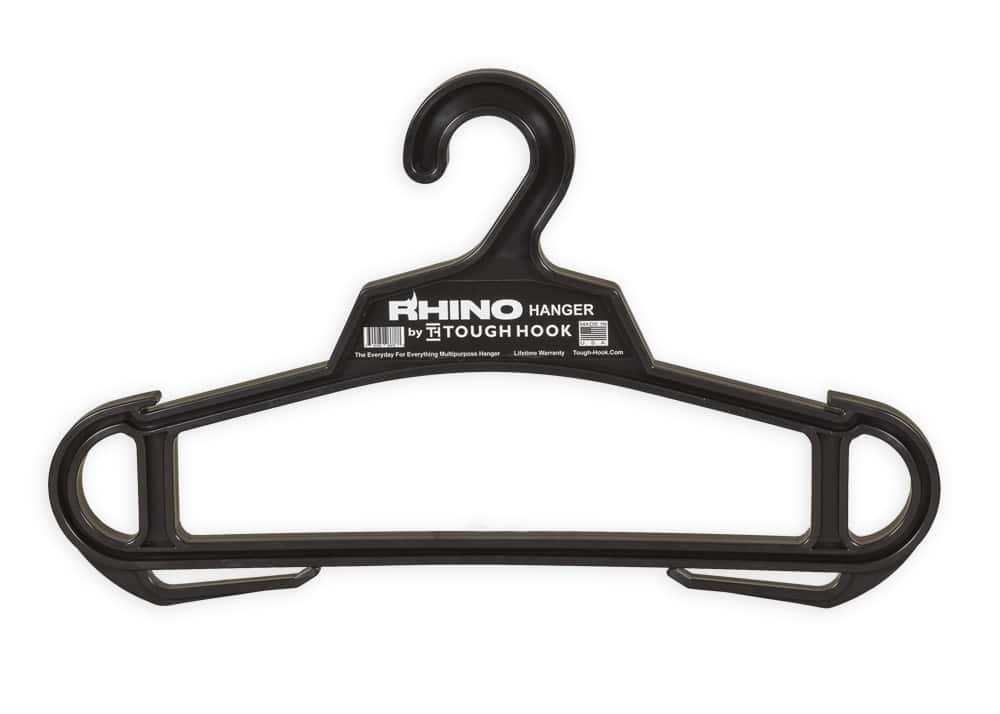
Tough Hook. For all your heavy-duty clothing, wetsuits, body armor, and even bulky, multi-pocket technical shells, a standard flimsy plastic hanger simply won’t cut it. Our company, Tough Hook, specializes in designing and manufacturing heavy-duty hangers that are engineered to hold an extraordinary amount of weight. Using a Tough Hook hanger prevents shoulder deformation, ensures air circulates around the garment for complete drying, and keeps your gear organized and easily accessible. Investing in the right storage system, like a Tough Hook, is a simple, effective step to maximize your garment’s longevity.
Knives, Cookware, and Tools: Preventing Corrosion
Metal items are extremely susceptible to rust and corrosion when exposed to moisture and oxygen.
Essential tool and cookware maintenance:
-
Knives and Multitools: Clean all blades thoroughly. Ensure they are bone-dry. Apply a light coat of mineral oil to carbon steel blades and joints to prevent oxidation.
-
Stoves and Fuel Bottles: Empty all liquid fuel bottles completely and store them separately. This prevents evaporation or pressure build-up. Wipe down the stove and check the fuel line seals for cracks or wear.
-
Cookware: Wash away all food residue immediately. Stainless steel and aluminum should be stored completely dry. Cast iron should be cleaned, dried over a stove flame, and re-seasoned lightly with oil before being put away.
Location, Location, Location: Where to Store Your Gear
The environment of your storage space is almost as important as the preparation of the gear itself. Basements, attics, and outdoor sheds are often the worst culprits for gear degradation.
The Ideal Storage Environment is:
-
Cool and Temperature-Stable: Extreme heat can degrade synthetic fabrics and adhesives. Extreme cold can make plastics brittle and crackable.
-
Dry and Low Humidity: Humidity is the enemy. It leads to mold, mildew, and corrosion. Use dehumidifiers if storing in a damp space.
-
Dark: UV light is a fabric killer. It weakens synthetic fibers (like nylon and polyester) over time, even indoors.
-
Pest-Free: Moths love down and wool. Mice and other rodents see tents and sleeping bags as prime nesting material. Use sealed containers (when appropriate) and traps if necessary.
Preparedness for the Next Outing
Smart storage is your future self’s best friend. When you store gear correctly, you’re not just preserving it; you are streamlining your next packing process. By hanging your technical outerwear on a Tough Hook hanger, storing your tent loosely, and keeping your stove clean and oiled, you ensure that every item is ready for action with minimal prep time.
Before sealing everything up for the season, perform one final inventory and make a list of necessary repairs or replacements. Did a buckle crack? Is your headlamp dimmer than it should be? By addressing these needs now, you won’t be scrambling the night before your next trip. Camp smart, store smarter, and your trusted gear will be ready when the call of the wild beckons again. Your investment will pay off in many seasons of reliable performance, year after year.