In the demanding world of Emergency Medical Services (EMS), every piece of equipment plays a crucial role. From the uniforms that protect and identify responders to the trauma bags packed with life-saving tools, maintaining their integrity is paramount. One often-overlooked aspect of equipment care is proper storage, specifically the type of hangers used for uniforms and the organization of trauma bags. Improper storage can lead to gear fatigue, shortening the lifespan of essential items and potentially compromising their functionality when they are needed most. This article will delve into the best hanger types and organizational strategies to prevent gear fatigue for EMS uniforms and trauma bags, highlighting the importance of durable solutions like those offered by Tough Hook.
The relentless nature of EMS work means that gear is constantly subjected to stress. Uniforms endure repeated donning and doffing, exposure to various elements, and frequent washing. Trauma bags are routinely opened, closed, transported, and accessed under pressure. This constant use, combined with inadequate storage, can accelerate wear and tear. Fabric can stretch, seams can fray, and zippers can fail prematurely. For trauma bags, disorganization can lead to wasted time during critical moments, and the stress of items being crammed or misshapen can damage sensitive medical supplies. Investing in the right storage solutions is not merely about neatness; it’s about extending the life of vital equipment and ensuring operational readiness.
The Importance of Proper Hangers for EMS Uniforms
EMS uniforms are more than just clothing; they are a uniform of purpose and protection. They are designed to be durable and comfortable and often include specialized features like reflective strips, reinforced knees, and multiple pockets. These features add weight and bulk, making standard household hangers woefully inadequate for their long-term storage.
Using flimsy plastic or thin wire hangers for heavy EMS uniforms can lead to several problems:
-
Shoulder Distortion: The weight of the uniform, especially when wet or with added gear like radios or pouches, can cause standard hangers to bend or break. This often results in misshapen shoulders, creases, and stretched fabric, impacting the professional appearance and fit of the uniform.
-
Fabric Stress: Concentrated pressure points from narrow hangers can create stress on the fabric, leading to premature wear, tears, or thinning of the material at the shoulders.
-
Reduced Lifespan: Consistent improper hanging accelerates the degradation of the uniform’s integrity, necessitating more frequent replacements and incurring higher costs for EMS departments.
-
Unprofessional Appearance: A wrinkled, misshapen uniform not only looks unprofessional but can also diminish the morale of the responder wearing it.

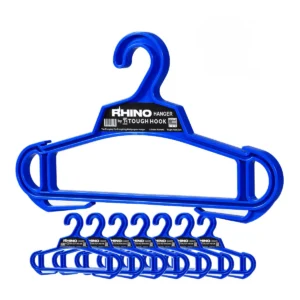
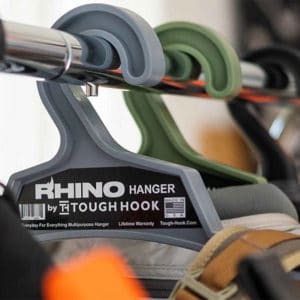

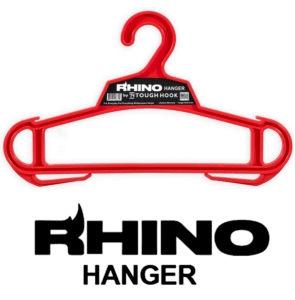
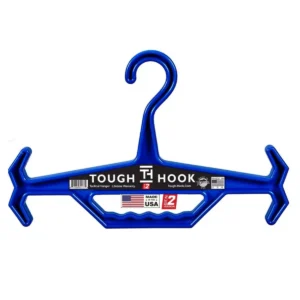

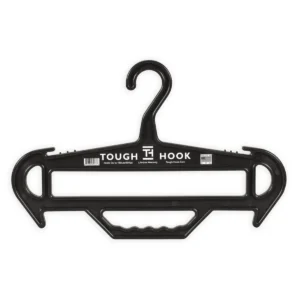
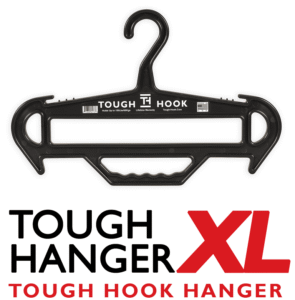
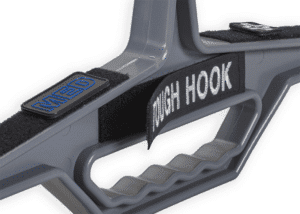
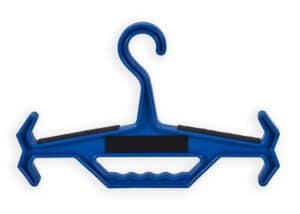
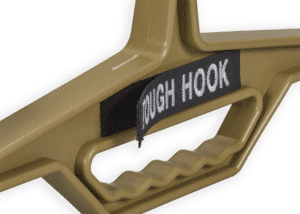
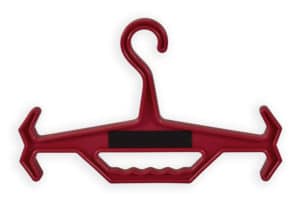
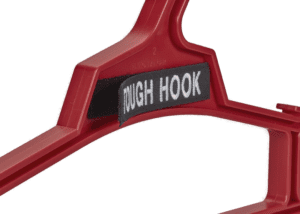
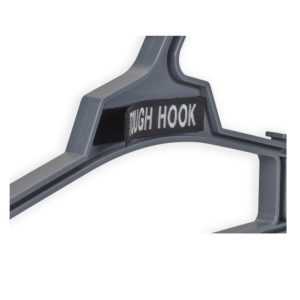
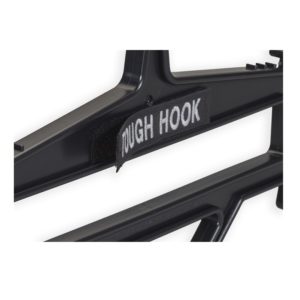


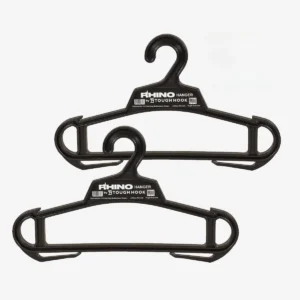
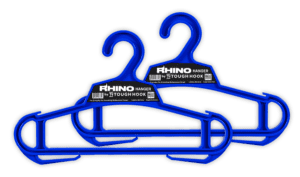
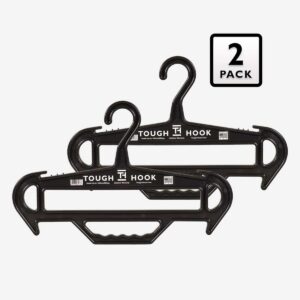
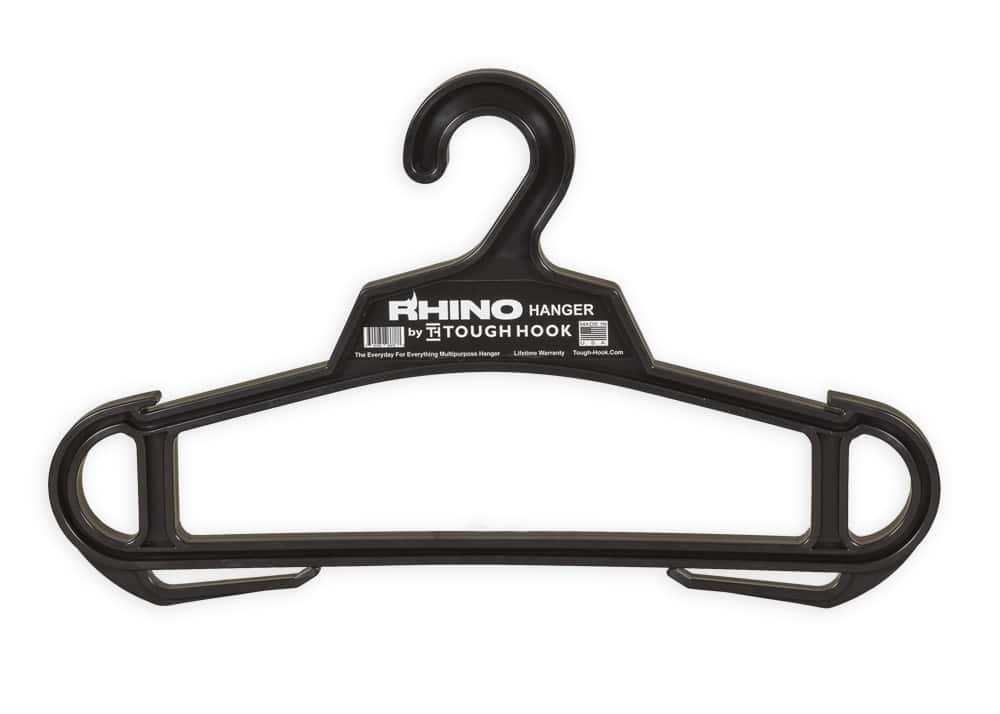
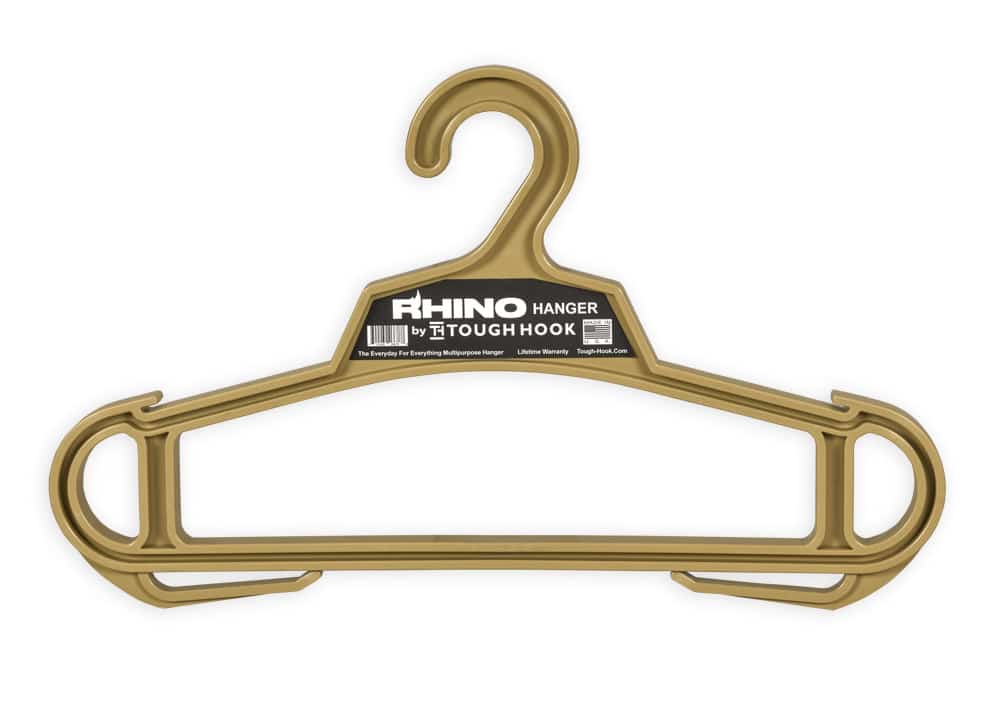
2 Pack RHINO Heavy Duty Clothes Hanger Bundle
Original price was: $27.95.$23.95Current price is: $23.95.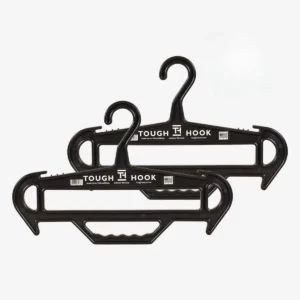
Optimal Hanger Features for EMS Uniforms
When selecting hangers for EMS uniforms, several key features should be prioritized:
-
Heavy-Duty Construction: The hanger must be capable of supporting significant weight without bending, breaking, or deforming. This includes the uniform itself, any attached gear, and the potential for dampness after cleaning or use.
-
Wide Shoulder Support: A broad, contoured shoulder design distributes the weight of the uniform evenly across a larger surface area. This prevents stretching and creasing and maintains the garment’s original shape.
-
Durable Materials: High-impact polymers, reinforced plastics, or strong metals are ideal. These materials are resistant to corrosion and cracking and can withstand the demanding environment of an EMS station.
-
Versatility: Some EMS uniforms include multiple components, such as jackets, trousers, and shirts. Hangers with integrated features like trouser bars or accessory hooks can offer a comprehensive storage solution.
-
Integrated Hooks/Slots: For uniforms with external loops, mic clips, or other attachments, a hanger with additional hooks or slots can be incredibly useful for keeping all components together and organized.
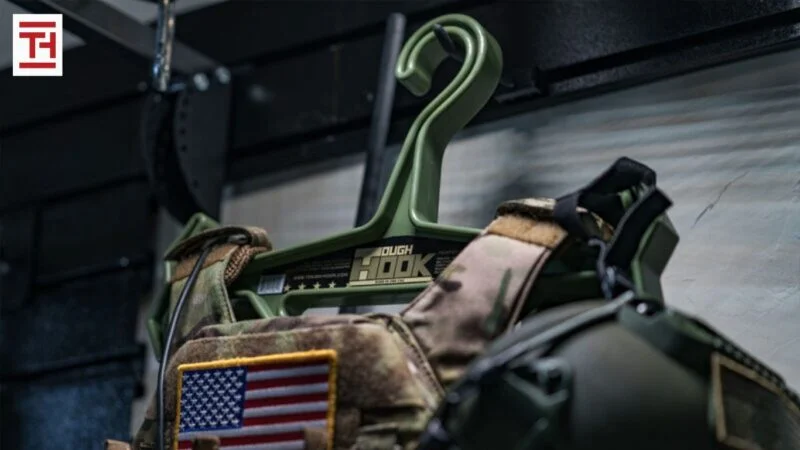
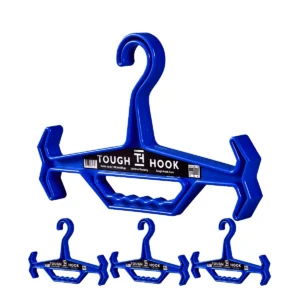
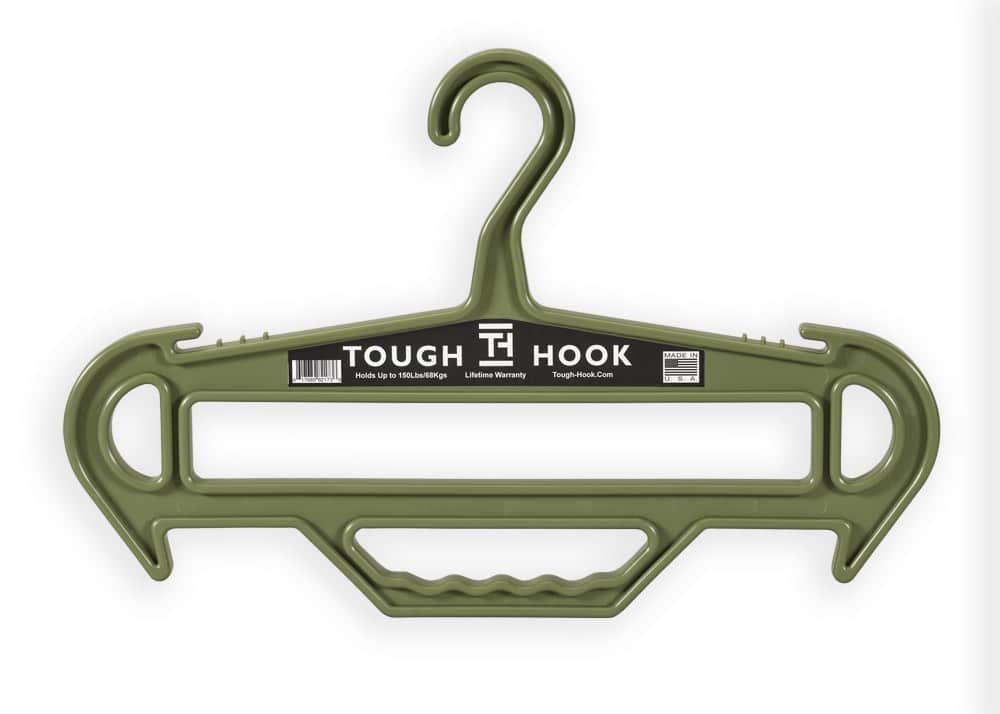
This is where companies like Tough Hook excel. Tough Hook heavy-duty hangers are specifically designed to meet the rigorous demands of military, law enforcement, and first responder gear. Their robust construction and ergonomic design ensure that even the heaviest ballistic vests, plate carriers, and, crucially, EMS uniforms are stored without damage or deformation. They are built to last, providing a reliable solution for preventing gear fatigue in uniforms.
Preventing Gear Fatigue in Trauma Bags
Trauma bags are the mobile pharmacies and toolkits of EMS professionals. Their contents are carefully curated and often expensive. The way these bags are stored and organized directly impacts their longevity and, more importantly, the efficiency of patient care.
Common issues arising from improper trauma bag storage include:
-
Crushed Contents: Stacking bags or stuffing them into confined spaces can crush delicate medical supplies, leading to damage, breakage, or compromise of sterile packaging.
-
Zipper Strain: Overpacking a trauma bag puts immense strain on zippers, causing them to fail prematurely.
-
Material Degradation: Constant friction against rough surfaces or prolonged exposure to extreme temperatures can degrade the fabric of the bag itself, leading to tears, abrasions, and compromised water resistance.
-
Disorganization: While not strictly “fatigue,” a disorganized bag significantly hinders quick access to critical items, which can have life-or-death consequences. Disorganization often stems from a lack of proper internal structure and a habit of “stuffing” items rather than neatly arranging them.
Optimal Storage and Organization for Trauma Bags
Maintaining the integrity of trauma bags requires a multi-faceted approach to storage and organization:
-
Dedicated Storage Spaces: Trauma bags should have designated storage areas that are easily accessible and protect them from crushing or impact. Shelving units, open lockers, or wall-mounted racks are preferable to stacking them on the floor or cramming them into tight compartments.
-
Internal Compartmentalization: Many high-quality trauma bags come with internal dividers, pouches, and elastic loops. Utilizing these features to their fullest is crucial. If a bag lacks these, consider adding modular inserts or separate, clear pouches for specific categories of supplies.
-
Avoid Overpacking: Only carry what is necessary and regularly review inventory to prevent overstuffing. If a bag is consistently too full, it might be time to consider a larger bag or redistribute supplies among multiple specialized bags.
-
Regular Cleaning and Inspection: Periodically empty and clean trauma bags, inspecting for wear and tear on zippers, seams, and fabric. Address minor issues before they become major problems.
-
Utilize External Attachment Points: If a trauma bag has external MOLLE webbing or D-rings, these can be used to attach smaller pouches or specific tools, reducing internal clutter and strain.
While Tough Hook primarily focuses on heavy-duty hangers, the principles of durability and thoughtful design that go into their products are equally relevant to the overall approach to EMS gear care. Investing in durable, well-designed storage solutions, whether for uniforms or the organization within trauma bags, reflects a commitment to operational excellence and the longevity of essential equipment.
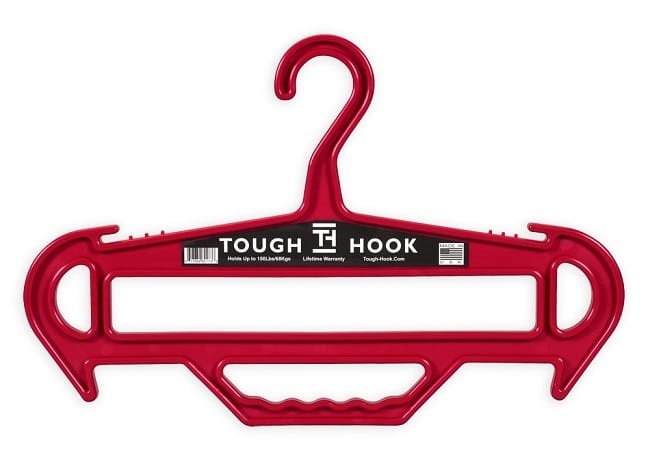
Preventing gear fatigue in EMS uniforms and trauma bags is a critical component of operational readiness and fiscal responsibility. By understanding the stresses placed on this equipment and implementing appropriate storage and organizational strategies, EMS departments can significantly extend the lifespan of their gear, maintain a professional appearance, and ensure that vital supplies are always accessible and intact. Opting for heavy-duty hangers with wide shoulder support, such as those offered by Tough Hook, for uniforms, and maintaining meticulous organization within trauma bags are investments that pay dividends in reliability, efficiency, and ultimately, the ability to provide the highest level of patient care. Prioritize gear care, and your gear will prioritize you when it matters most.