Corrosion is often described as the “silent killer” of industrial equipment, tactical gear, and heavy-duty apparel. For professionals working in maritime environments, coastal regions, or winter climates where road salt is prevalent, the degradation of gear is not just a matter of aesthetics; it is a matter of safety and operational readiness. Salt, in its various forms, acts as a powerful catalyst for chemical reactions that break down metals, weaken synthetic fibers, and destroy protective coatings.
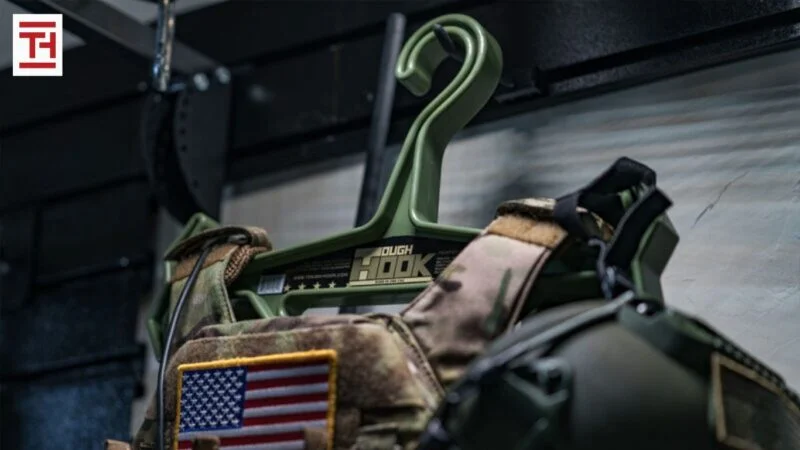
Effective salt exposure control requires a multi-faceted approach. While many focus on cleaning agents and protective sprays, the physical storage of equipment is a frequently overlooked variable. Using specialized hanging systems designed to withstand harsh environments is essential for reducing corrosion and preventing premature material breakdown.
The Science of Salt-Induced Degradation
To understand why storage matters, one must first understand the chemistry of salt exposure. When salt (sodium chloride) comes into contact with moisture, it creates an electrolyte solution. This solution accelerates the process of galvanic corrosion, where electrons flow more easily between metal components, leading to rapid oxidation or rust.
However, the damage is not limited to metal. Salt crystals are abrasive and hygroscopic, meaning they naturally attract and hold onto water. When salt penetrates the weave of heavy-duty fabrics like Cordura or ballistic nylon, it can have the following effects:
-
Fiber Crystallization: As the water evaporates, salt crystals grow within the fibers, creating micro-tears that compromise the tensile strength of the material.
-
Sticky Residues: Salt attracts environmental pollutants, creating a grimy layer that can interfere with zippers, buckles, and mechanical fasteners.
-
Weight Accumulation: Salt-laden gear stays damp longer, increasing the effective weight of the equipment and putting unnecessary strain on storage units.
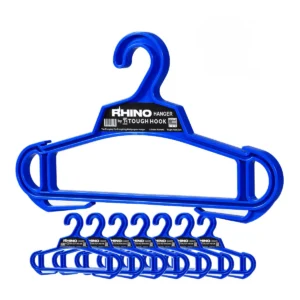


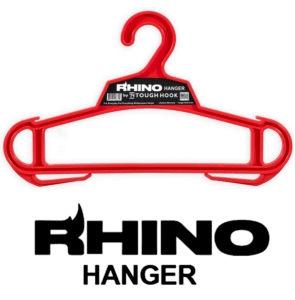
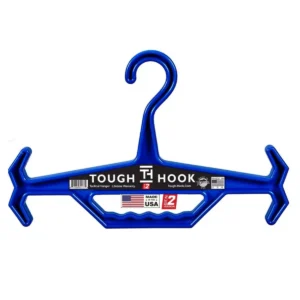

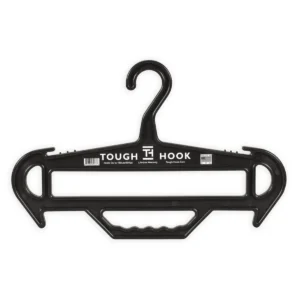

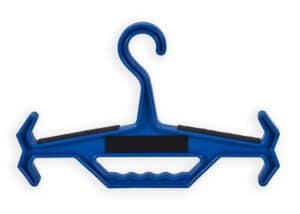
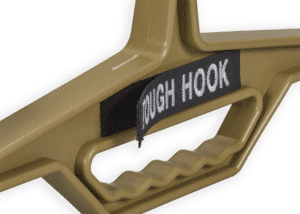
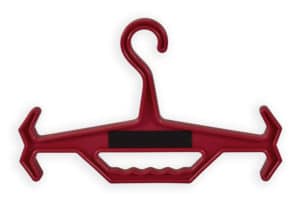
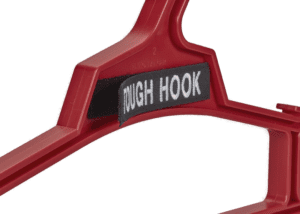
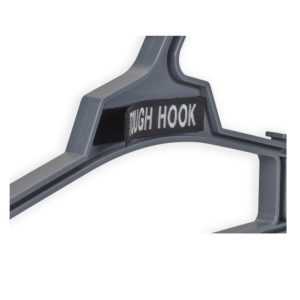
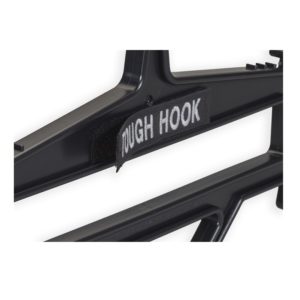


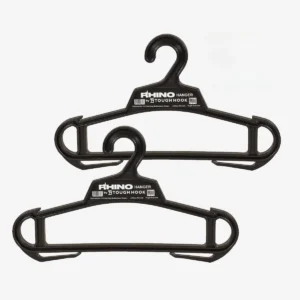
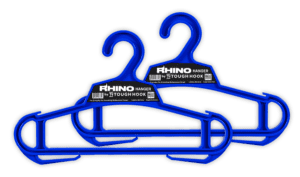
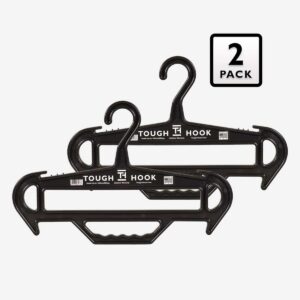
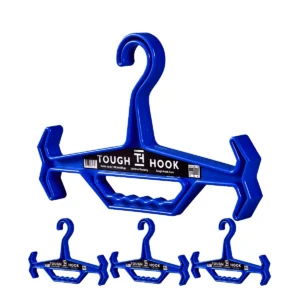
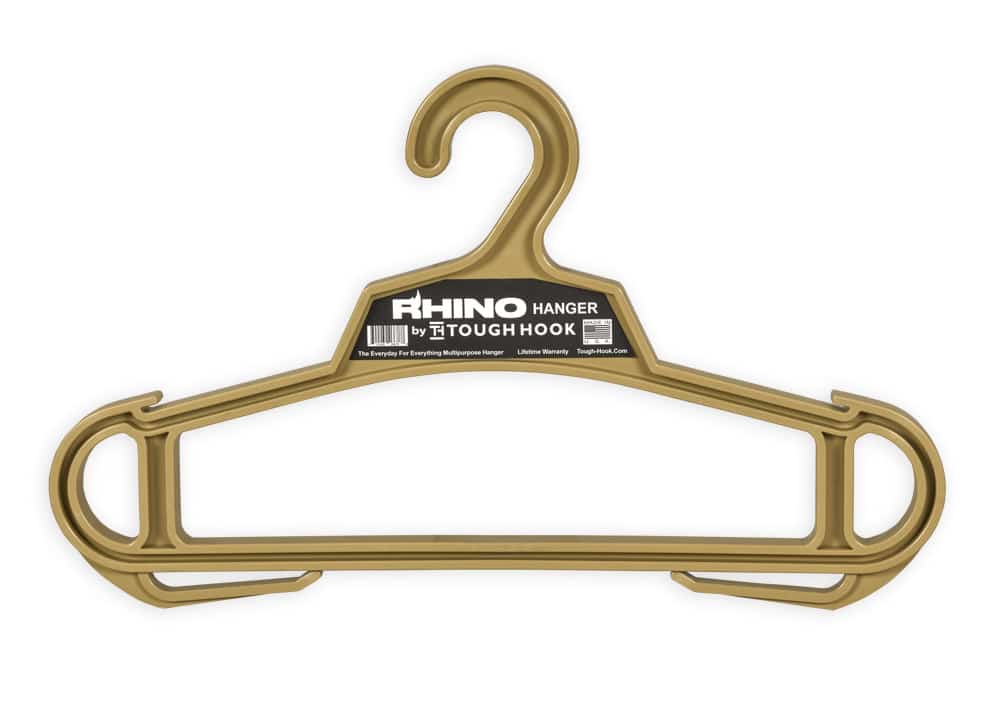
2 Pack RHINO Heavy Duty Clothes Hanger Bundle
Original price was: $27.95.$23.95Current price is: $23.95.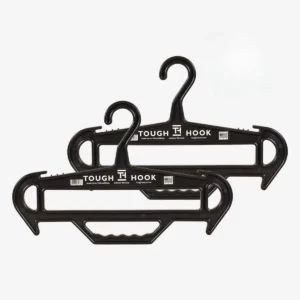
The Role of Airflow in Corrosion Mitigation
One of the most effective ways to combat salt-induced breakdown is to ensure rapid drying through maximized airflow. When gear is slumped in a locker or piled in a bin, moisture and salt remain trapped in the folds of the fabric. This creates a “micro-environment” where corrosion can thrive undisturbed.
Hanging systems solve this by elevating the equipment. However, not all hangers are created equal. A standard plastic or thin metal hanger will often bow or snap under the weight of wet, salt-saturated gear. This is where heavy-duty solutions become mandatory. By utilizing a robust hanging system, you allow gravity to pull moisture away from the core of the equipment while allowing air to circulate through the interior layers of the garment or carrier.
Why Specialized Hanging Systems Matter
In high-salt environments, the materials used for the storage racks and hangers themselves are critical. Traditional metal hangers are prone to the very corrosion they are meant to help prevent. When a rusted hanger holds a piece of expensive equipment, the rust can “bleed” into the fabric, causing permanent staining and structural damage.
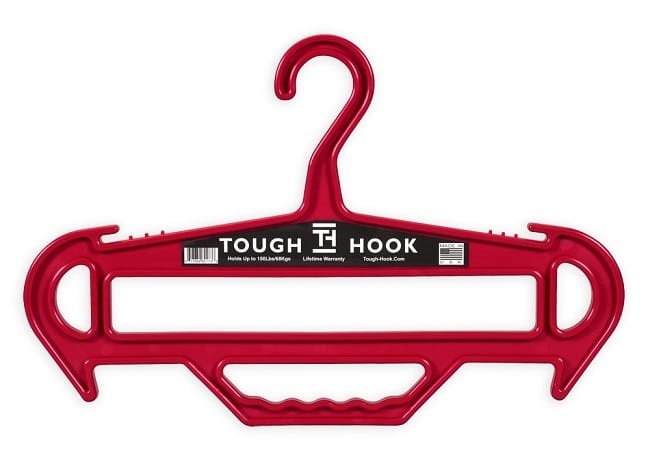
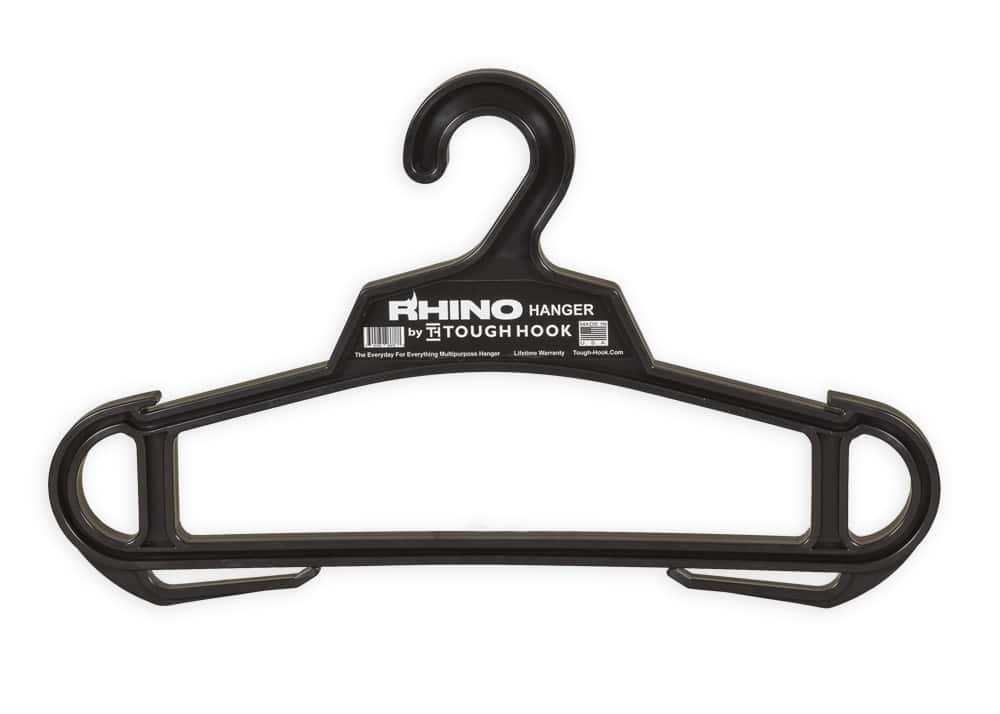
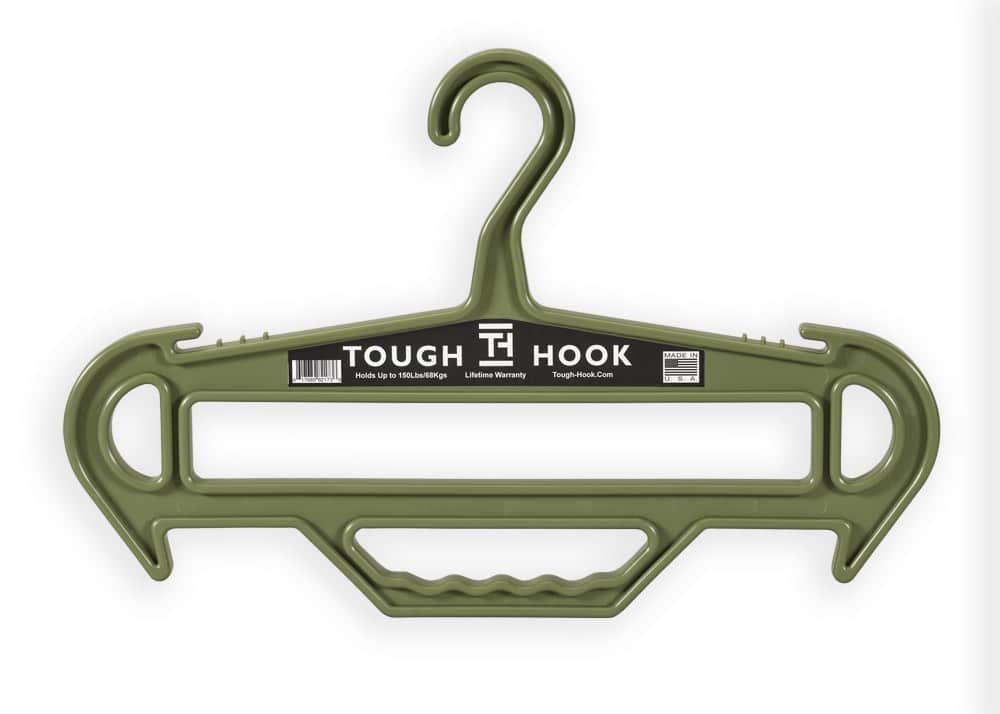
Tough Hook specializes in heavy-duty hanging systems engineered to survive the most demanding conditions. Unlike wood or cheap metal, the high-impact polymers used in these hangers are completely impervious to saltwater corrosion. This ensures that the storage solution remains a permanent part of the facility rather than a recurring expense.
Key Features of Effective Salt-Resistant Hangers:
-
Non-Corrosive Materials: The use of high-strength resins ensures that the hanger will never rust or degrade when exposed to salt spray.
-
High Weight Capacity: Heavy-duty gear, especially when wet, can exceed fifty pounds; a hanger must be able to support this without deforming.
-
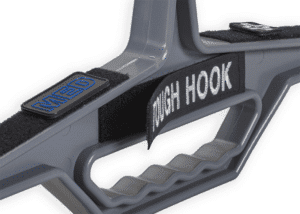
Integrated Handle Systems: Being able to flip the hanger over to use as a carry handle allows for easy transport from a salt-exposed site to a cleaning station.
-
Vented Design: Shaping the hanger to hold the shoulders of a garment open facilitates better internal airflow.
Maintenance Protocols for Coastal and Maritime Gear
A hanging system is only as effective as the maintenance protocol it supports. For organizations operating near the ocean, a “rinse and hang” cycle is the gold standard for extending the life of equipment. Salt must be physically removed before the gear is allowed to dry.
The process typically involves:
-
Freshwater Rinse: Every piece of equipment should be thoroughly sprayed with fresh water to dissolve and flush away salt crystals.
-
De-Sanding: Salt is often accompanied by sand, which is equally abrasive; the rinse should focus on seams and mechanical joints.
-
Proper Orientation: Gear should be hung on a heavy-duty hanger like a Tough Hook to ensure it retains its shape while the water drains.
-
Shade Drying: While heat speeds up evaporation, direct UV exposure can damage synthetic fibers; hanging gear in a well-ventilated, shaded area is the safest method.
The Financial Impact of Material Breakdown
From a budgetary perspective, salt exposure control is a high-return investment. The cost of replacing a single tactical vest, drysuit, or set of turnout gear far exceeds the cost of a premium hanging system. When gear is stored improperly in salty environments, its lifespan can be cut by more than fifty percent.
By implementing a centralized storage system using specialized hangers, organizations can track the condition of their assets more effectively. It is much easier to inspect a row of neatly hung suits for signs of wear than it is to dig through a pile of neglected equipment.
Beyond the Waterfront: Salt Exposure in Winter Climates
While maritime operations are the obvious victim of salt damage, municipal and industrial sectors in northern climates face similar challenges. Road salt used for de-icing is incredibly corrosive to the uniforms and equipment of first responders and utility workers.
When these professionals enter a vehicle or a building, they bring salt residue with them. If their gear is then hung on substandard storage units, the salt begins to eat away at the equipment overnight. Utilizing heavy-duty, non-corrosive hangers ensures that even in the middle of a blizzard, equipment is being stored in a way that promotes longevity and structural integrity.
Engineering the Future of Gear Storage
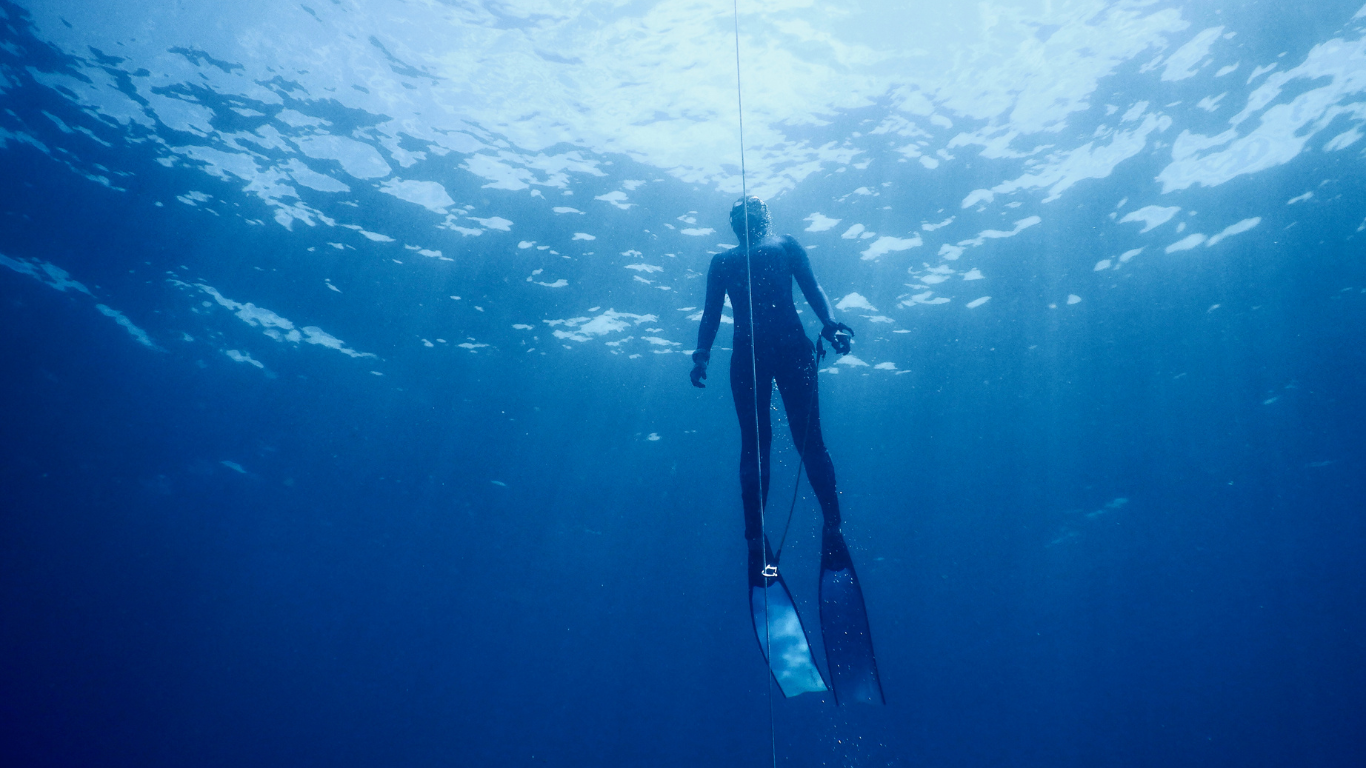
As materials science advances, the focus on “Tough” storage solutions becomes more prominent. At Tough Hook, the mission is to provide a hanging system that is as rugged as the professionals who use it. Whether it is for scuba divers, firefighters, or military personnel, the goal is to eliminate the failure points associated with traditional storage.
The physical design of a hanging system must account for the “hook” itself, which is often the first point of failure. A reinforced, oversized hook allows the gear to be hung on various surfaces, from pipe racks to vehicle roll cages, ensuring that the gear never has to touch the salt-crusted ground.
Salt exposure control is an essential discipline for anyone managing expensive, life-saving equipment. By understanding the chemical nature of salt-induced corrosion and the mechanical benefits of proper airflow, you can significantly extend the life of your gear. High-quality, non-corrosive hanging systems from companies like Tough Hook provide the necessary infrastructure to combat material breakdown, ensuring that your equipment is ready for the next mission, regardless of how harsh the environment may be.
Investing in the right storage today prevents the costly equipment failures of tomorrow. Don’t let salt dictate the lifespan of your gear; take control of your environment with a system built to endure.