Whether you are a seasoned mountaineer, a dedicated tactical professional, or a weekend warrior with a passion for high-end camping, your gear is more than just equipment. It represents a significant financial investment and, in many cases, a lifeline. From heavy-duty ballistic vests and dry suits to specialized winter parkas and fire-resistant coveralls, premium outdoor gear is engineered to withstand extreme environments. However, many enthusiasts make the mistake of subjecting their high-performance apparel to the silent killer of quality gear: improper storage. Using standard plastic or wire hangers for heavy equipment leads to structural fatigue, fabric stretching, and eventually, total product failure. To keep your gear in peak condition, you must transition to professional-grade solutions. At Tough Hook, we specialize in the engineering of heavy-duty hangers designed specifically to protect and preserve the integrity of your most valuable equipment.
The Physics of Gear Degradation
The primary reason standard hangers fail is their inability to distribute weight evenly across the shoulders of a garment. When you hang a forty-pound weighted vest or a heavy neoprene wetsuit on a flimsy plastic hanger, the narrow contact points create immense pressure on the seams. Over time, gravity pulls the fabric downward, leading to permanent stretching and thinning of the fibers. This is particularly problematic for technical fabrics that rely on a specific weave or coating to remain waterproof or flame-retardant.

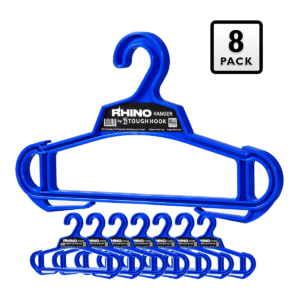
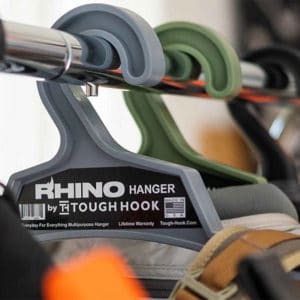
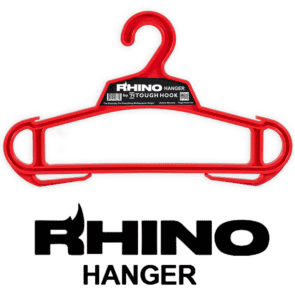
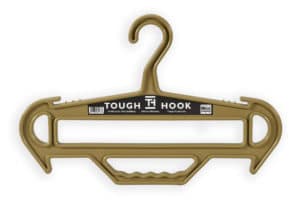
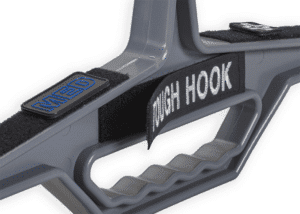
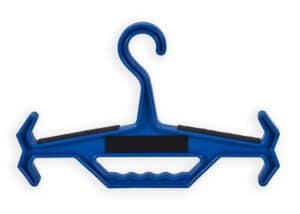
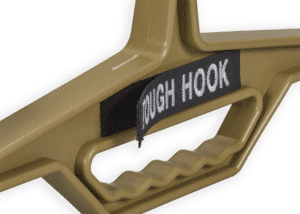
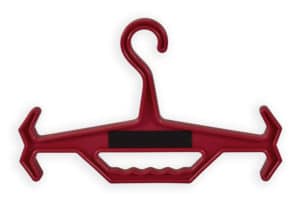
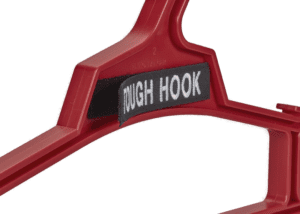
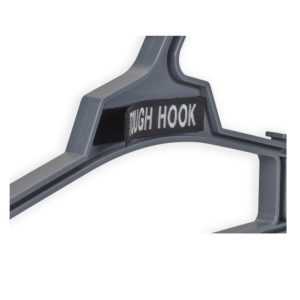
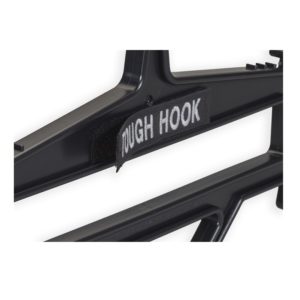
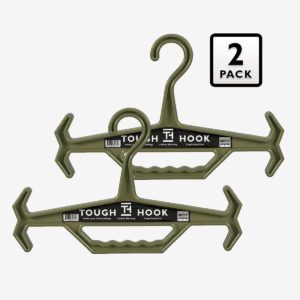

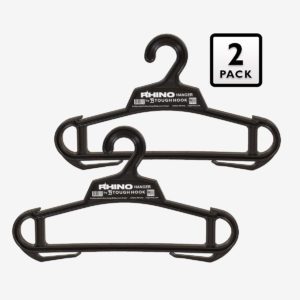
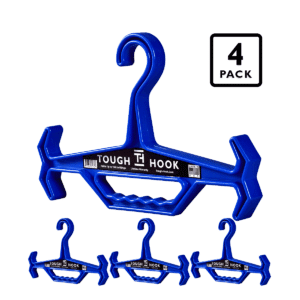
2 Pack RHINO Heavy Duty Clothes Hanger Bundle
Original price was: $27.95.$23.95Current price is: $23.95.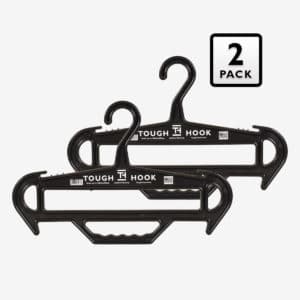
Why Standard Hangers Fall Short
Most consumer-grade hangers are designed for shirts that weigh less than a pound. When forced to carry the load of professional outdoor gear, several things happen:
-
Structural Warping: The hanger itself begins to bow and bend under the weight, which changes the shape of the garment’s neck and shoulder line.
-
Pressure Points: Small, thin hangers concentrate the entire load on two tiny areas, leading to “shoulder bumps” or permanent indentations in foam and fabric.
-
Total Breakage: A snapped hanger often results in gear falling to the floor, where it can be exposed to moisture, dust, or accidental damage from being stepped on.
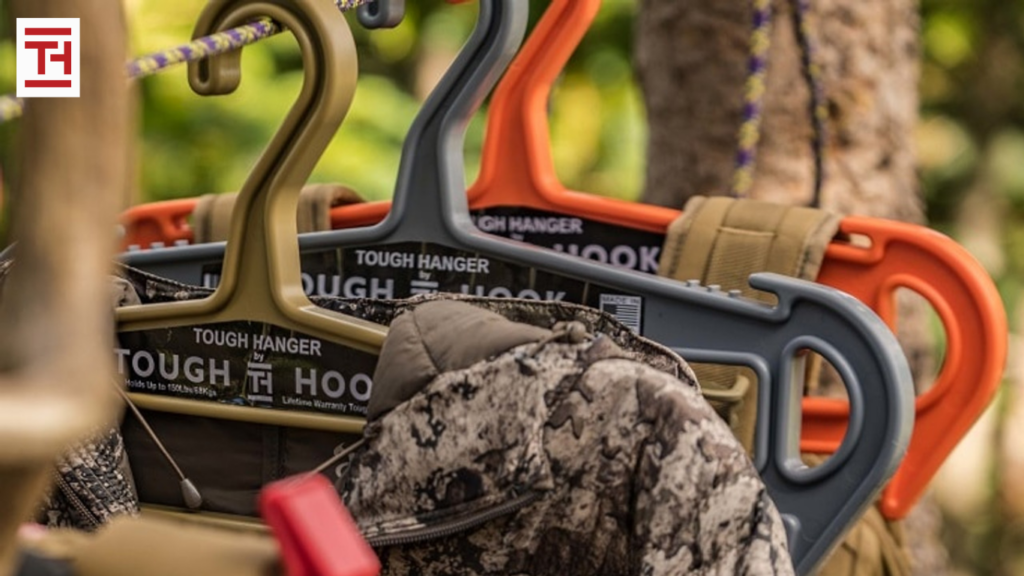
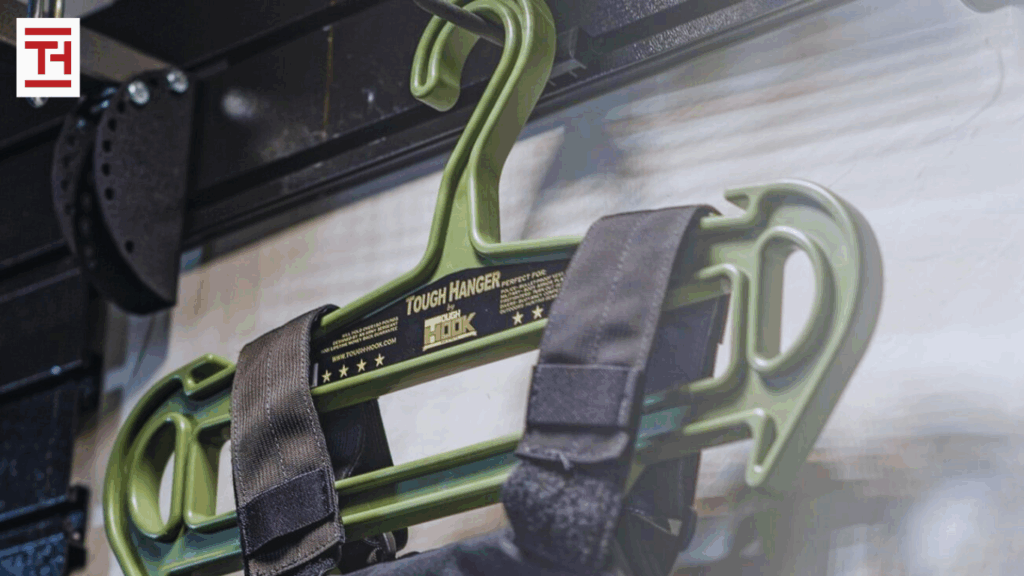
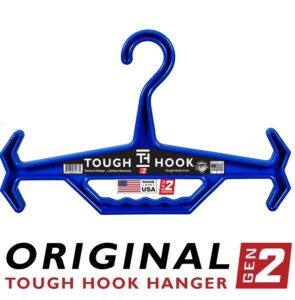
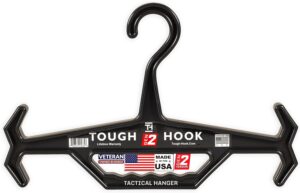
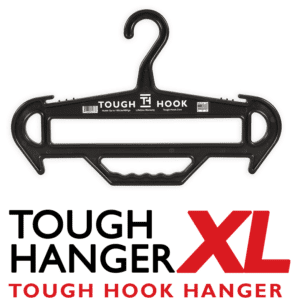
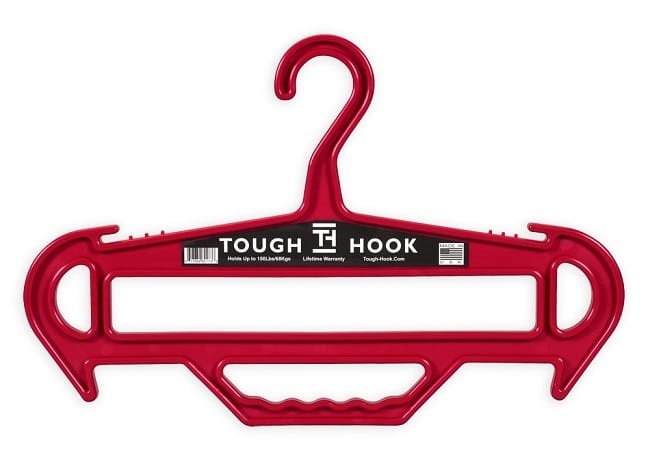
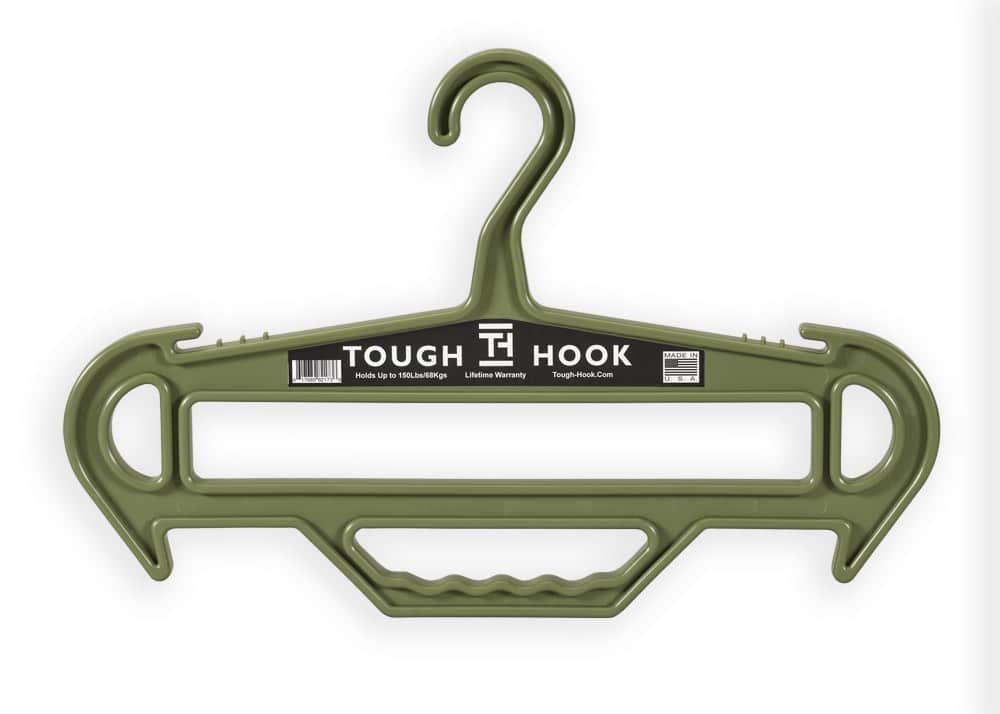
By utilizing a Tough Hook, you are employing a tool specifically engineered to hold upwards of 150 pounds. This ensures that the weight of the gear is distributed across a wider surface area, mimicking the natural shape of the human torso and maintaining the original silhouette of the equipment.
Preserving Technical Integrity
High-end outdoor gear often features specialized membranes or internal structures. For example, tactical plate carriers are designed to hold heavy ballistic plates in a precise position. If stored on a weak hanger, the carrier’s nylon straps can stretch, causing the plates to sit lower than intended during use. This compromises the safety of the user. Similarly, heavy-duty winter gear often utilizes lofted insulation like down or synthetic fibers. If the shoulders are compressed by a thin hanger, the insulation in that area can lose its “loft,” creating cold spots where heat can escape.
Key Features of Heavy-Duty Hangers
When selecting a storage solution for your premium gear, look for specific engineering choices that prioritize garment health:
-
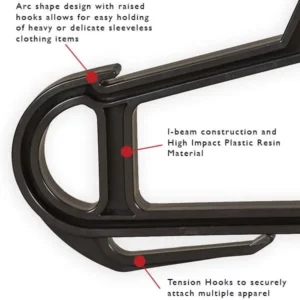
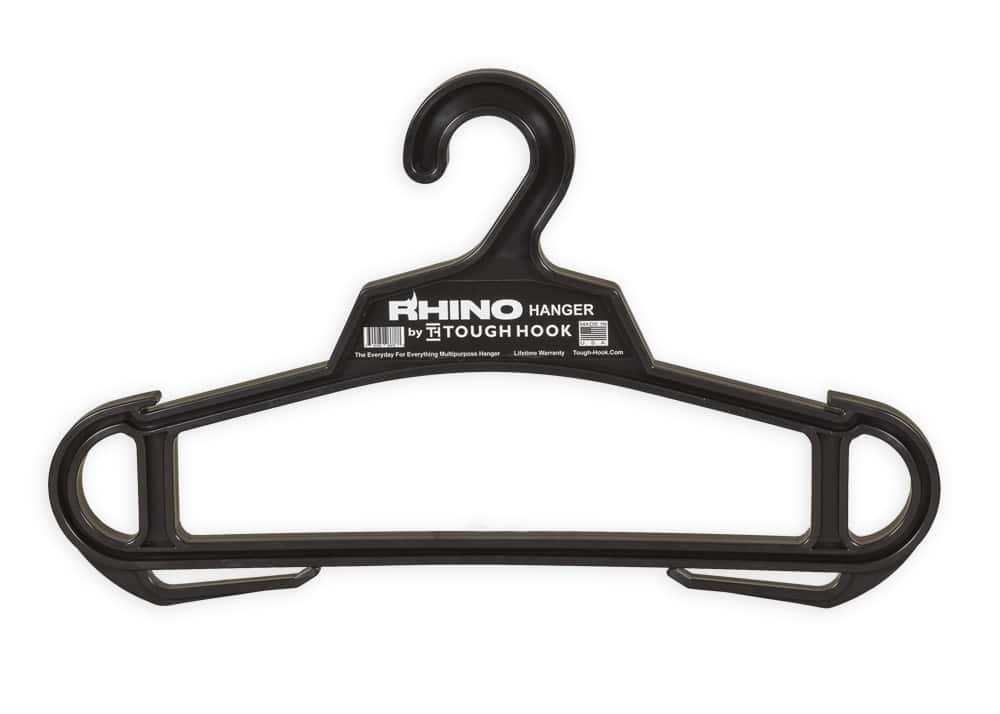
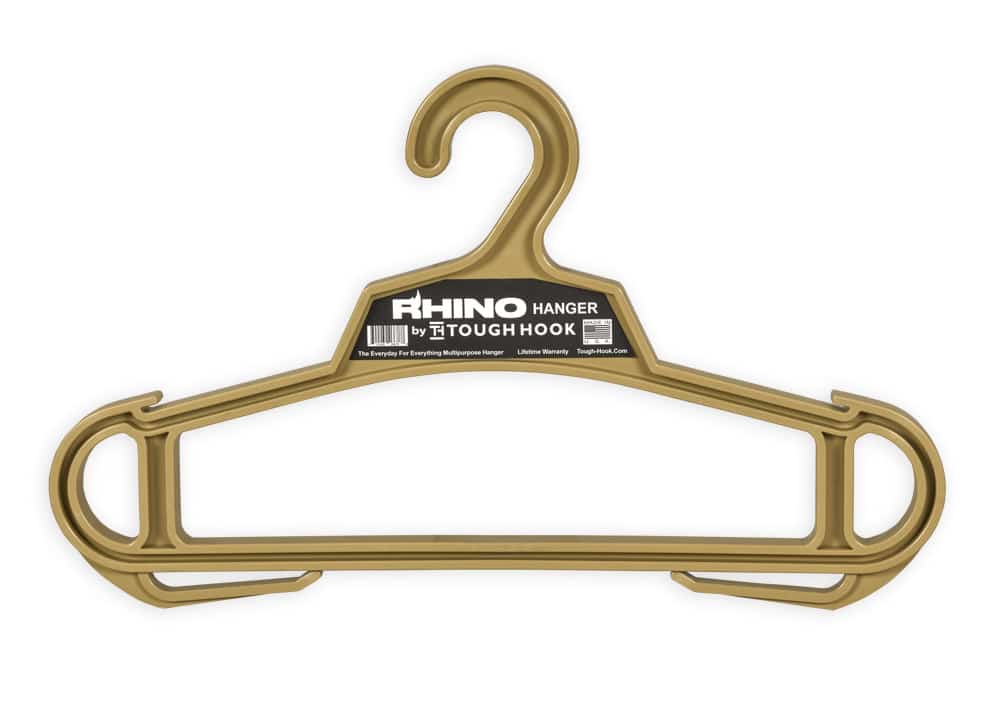
I-Beam Construction: This structural design offers maximum load-bearing capacity without adding unnecessary bulk to the hanger itself.
-
Impact-Resistant Materials: High-density resins or polymers ensure the hanger will not shatter if dropped while loaded with heavy gear.
-
Non-Slip Shoulders: Wide, textured ends prevent heavy jackets or vests from sliding off, which reduces the risk of floor-based damage.
-
Integrated Carry Handles: A unique feature of Tough Hook products is the ability to flip the hanger over and use it as a heavy-duty carrying handle for easy transport.
The Environmental Impact of Proper Storage
Beyond the financial aspect, there is an environmental component to consider. The “fast fashion” mentality has unfortunately leaked into the outdoor industry, where people often replace gear rather than maintaining it. However, premium outdoor apparel is meant to last a decade or more if treated correctly. When you use a heavy-duty hanger, you are directly extending the lifecycle of your equipment. This reduces the frequency of replacements and ensures that fewer textiles end up in landfills. Investing in a single, indestructible Tough Hook is a sustainable choice compared to the cycle of breaking and replacing cheap plastic hangers that eventually fail under pressure.
Common Gear That Requires Heavy-Duty Support
Not every item in your closet needs a heavy-duty solution, but the following items are non-negotiable when it comes to high-quality storage:
-
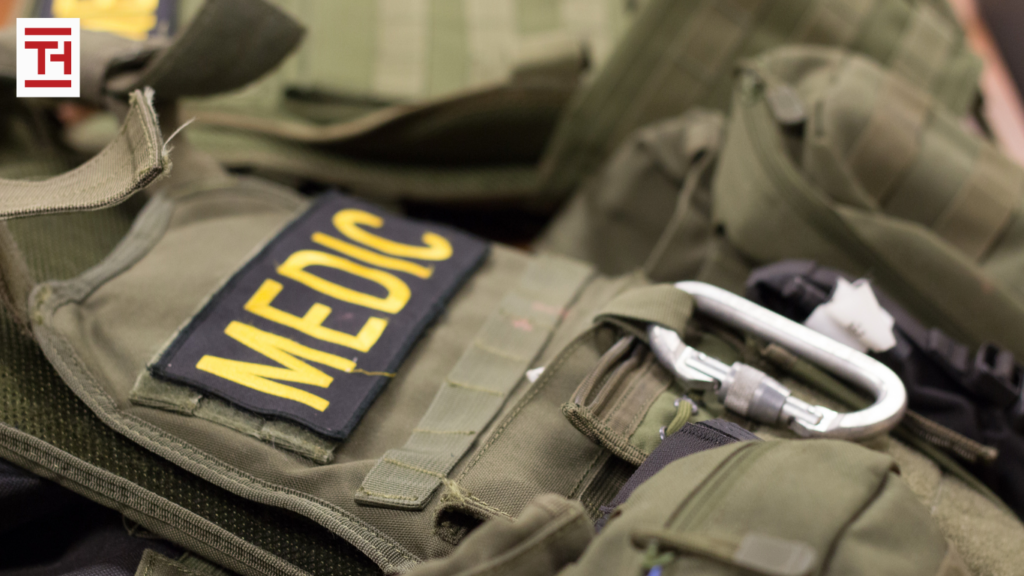
Tactical Vests and Body Armor: These are perhaps the heaviest items in any professional’s kit and require extreme weight capacity.
-
Scuba Diving BCDs and Wetsuits: Water weight adds significant strain to these items, and salt-air environments require corrosion-resistant materials.
-
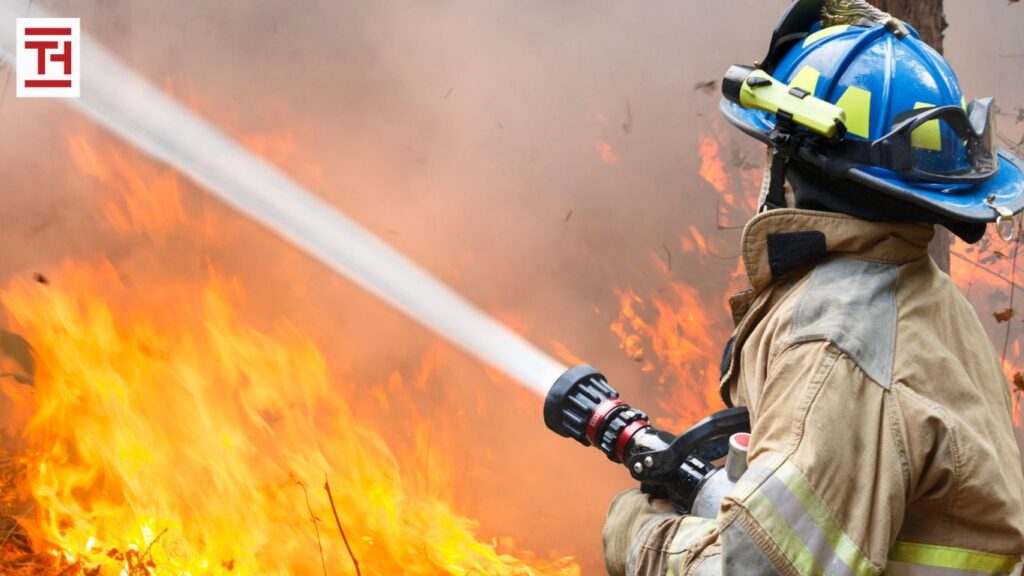
Firefighting Turnout Gear: Heavy, bulky, and life-saving, this gear must be kept off the floor to ensure it stays dry and ready for immediate use.
-
Motorcycle Leathers: Heavy-duty leather suits with integrated armor are prone to stretching if not supported by a wide-shoulder hanger.
-
Heavy Winter Parkas: Large, insulated coats can weigh several pounds and often suffer from seam failure when stored on wire hangers.
Organization and Accessibility
Protection is the primary goal, but organization is a close second. For those with a significant amount of gear, a cluttered closet or gear room leads to frustration and forgotten equipment. Heavy-duty hangers allow for a uniform, high-density storage system. Because Tough Hook products are designed for rugged use, they can be used in mobile environments as well, such as in the back of a patrol vehicle, a camper van, or a gear locker at a dive shop.
When your gear is hung correctly, it is easier to inspect. Regular inspection is a vital part of gear maintenance. By having your equipment at eye level on a sturdy hanger, you can easily spot frayed seams, cracked buckles, or salt buildup that needs to be cleaned. This proactive approach to maintenance ensures that you never head out into the field with compromised equipment.
Tips for Long-Term Gear Maintenance
While the hanger is the foundation of your storage strategy, consider these additional steps to keep your investment in top shape:
-
Clean Before Storing: Always remove dirt, salt, and sweat from your gear before hanging it, as these elements can degrade fibers over time.
-
Avoid Direct Sunlight: UV rays can weaken nylon and fade colors; store your hung gear in a cool, dark, and dry place.
-
Provide Breathing Room: Do not crowd your heavy-duty hangers too tightly, as gear needs airflow to prevent the growth of mold and mildew.
-
Check Fasteners: Ensure all zippers are closed and buckles are snapped to help the garment maintain its natural shape while hanging.
Your outdoor gear is an investment in your safety, your performance, and your passion. Neglecting how that gear is stored is a recipe for premature wear and unnecessary expense. By switching to a dedicated heavy-duty hanger system like those offered by Tough Hook, you are taking a professional step toward equipment longevity. Our hangers are built in the United States and are designed to survive the same rugged conditions as the gear they hold. Whether you are hanging a ballistic vest or a heavy-duty hunting jacket, give your equipment the support it deserves. A small investment in a high-quality hanger today can save you hundreds, if not thousands, of dollars in replacement costs tomorrow.