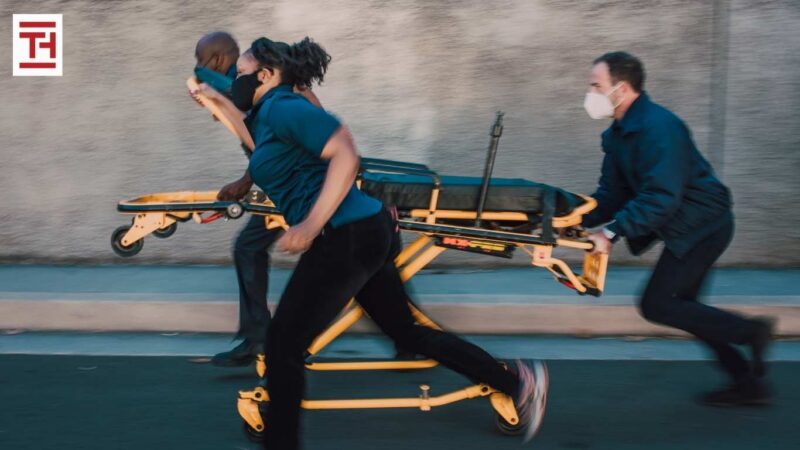
In the high-stakes world of tactical operations, time is the one commodity that cannot be recovered once it is lost. For Rapid Response Units (RRU), Special Weapons and Tactics (SWAT) teams, and emergency medical personnel, the interval between a call to action and boots on the ground can determine the outcome of a life-or-death situation. While much of tactical training focuses on marksmanship, breach techniques, and communication, the physical organization of gear is often the silent partner in operational success. Efficient grab-and-go storage systems are not merely a matter of convenience; they are a fundamental component of mission readiness.
When an alarm sounds, the human body undergoes immediate physiological changes, including a spike in cortisol and adrenaline. These changes can impair fine motor skills and cognitive processing, making even simple tasks like finding a specific piece of equipment feel cumbersome. By implementing standardized, heavy-duty storage solutions, units can bypass the “friction” of the gear-up phase. This article explores the logistical requirements of tactical storage, the importance of equipment integrity, and why specialized hardware like Tough Hook hangers is essential for maintaining a state of perpetual readiness.
The Anatomy of an Efficient Tactical Locker
A tactical locker should be treated as an extension of the operator. It is the staging area where chaos is filtered into order. Effective storage systems for rapid response must prioritize visibility, accessibility, and structural integrity. If a plate carrier is buried under a pile of nylon bags, or if a chemical suit is crammed into a tight corner, the operator loses precious seconds and risks damaging sensitive materials.
To optimize a tactical storage environment, units should focus on several key pillars:
-
Vertical Integration: Utilizing vertical space allows for a smaller footprint while keeping primary gear at eye level.
-
Standardization: Every locker in the unit should be organized identically so that any member can assist another in a dark or high-stress environment.
-
Ventilation: Body armor and uniforms trap moisture and bacteria; open-air storage is vital for preventing degradation and odor.
-
Weight Capacity: Tactical gear is inherently heavy, often exceeding 50 or 60 pounds per kit, requiring specialized support systems.
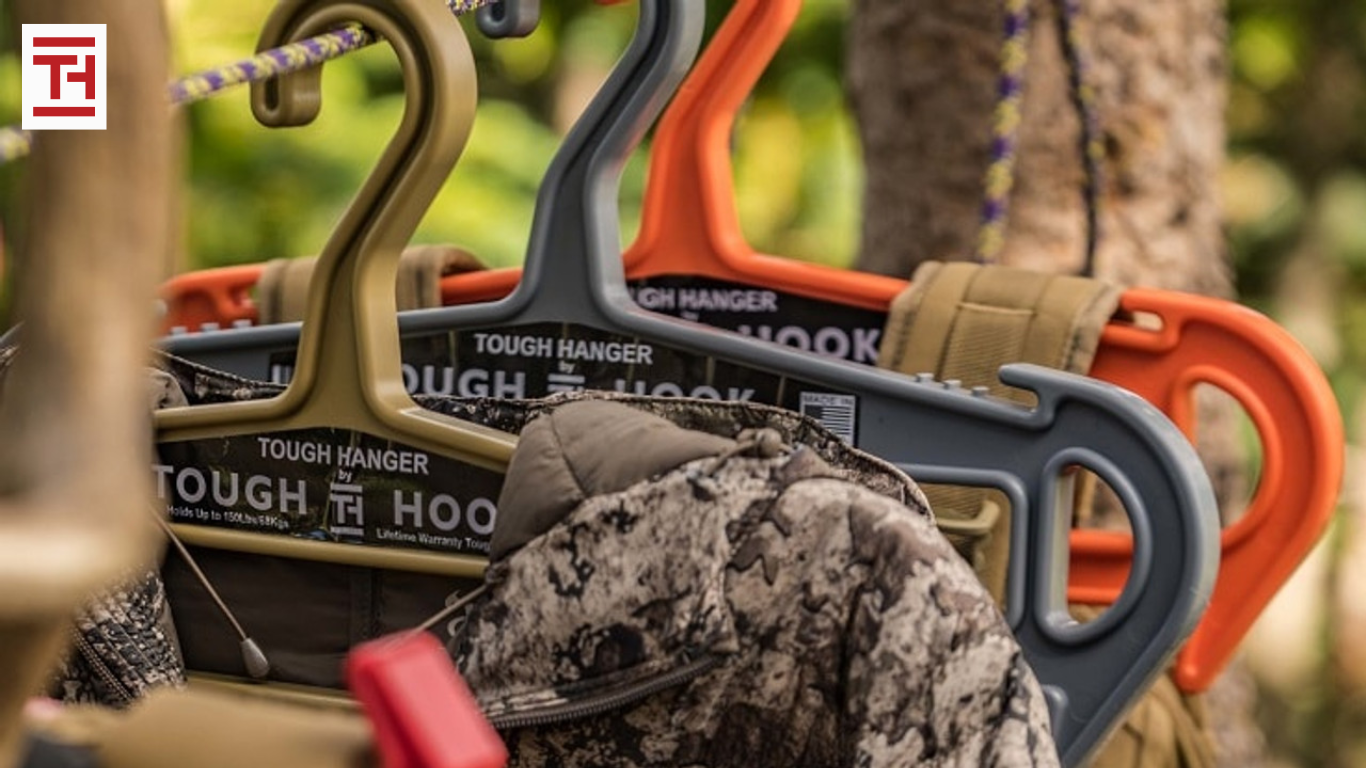
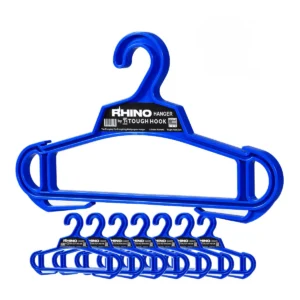
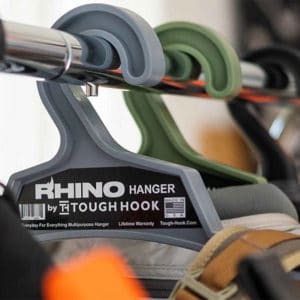

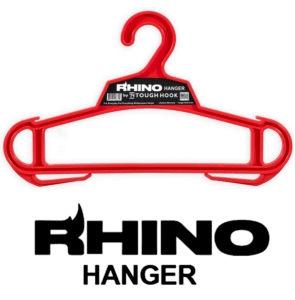
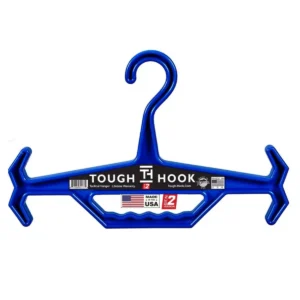

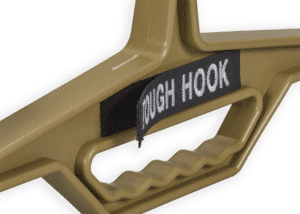


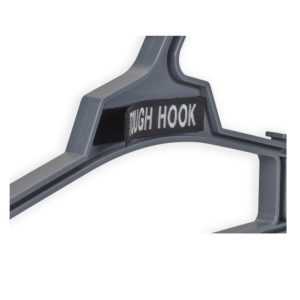
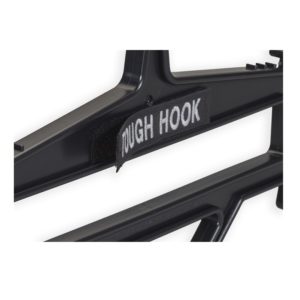


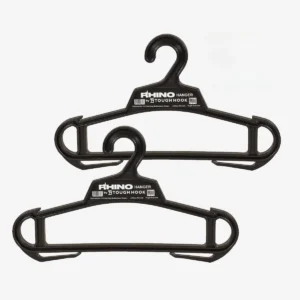
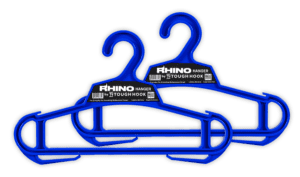
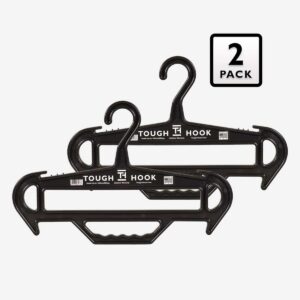
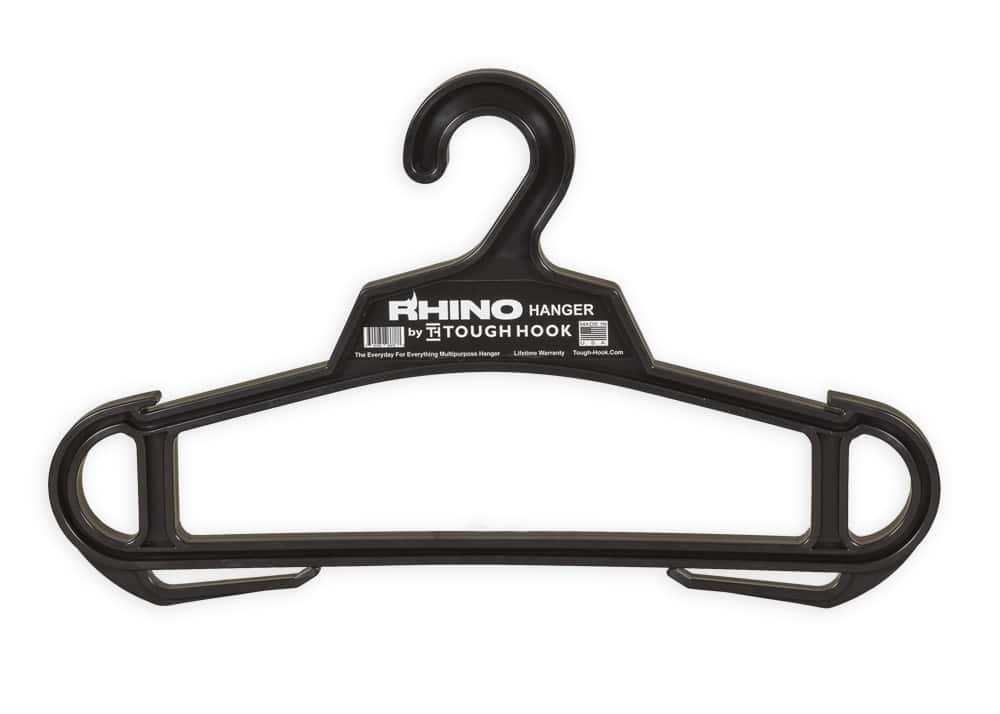
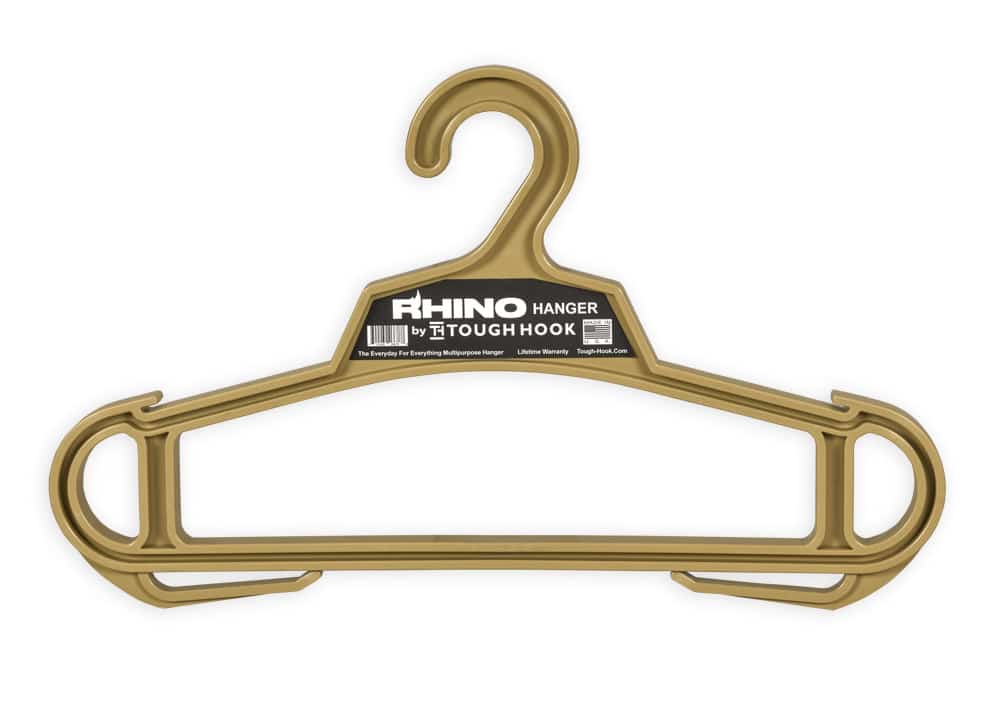
2 Pack RHINO Heavy Duty Clothes Hanger Bundle
Original price was: $27.95.$23.95Current price is: $23.95.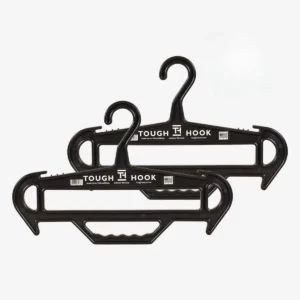
Maintaining Equipment Integrity Under Pressure
The financial investment in tactical gear is significant. A single operator’s kit, including ballistic plates, high-cut helmets, communications arrays, and specialized apparel, can cost thousands of dollars. However, the true cost of poor storage is the risk of equipment failure during an operation. When gear is slumped on the floor or hung on standard plastic hangers, the structural materials are subjected to unnecessary stress.
For example, the shoulder straps of a heavy plate carrier are designed to distribute weight across the human torso. When hung on a thin, flimsy hanger, that entire weight is concentrated on a single point, leading to “creeping” or stretching of the nylon and stitching. Over time, this alters the fit of the armor, potentially exposing vital organs because the plates no longer sit at the correct height.
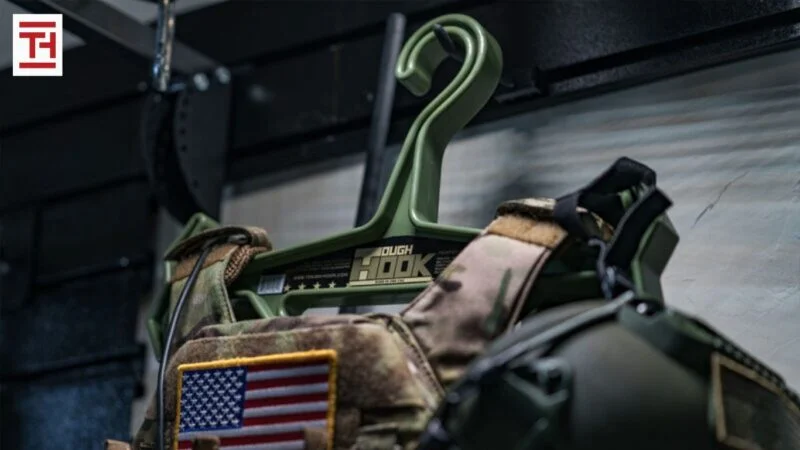
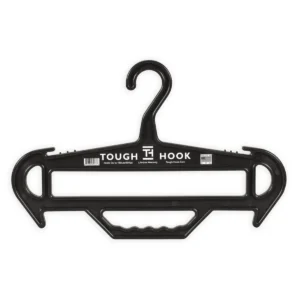
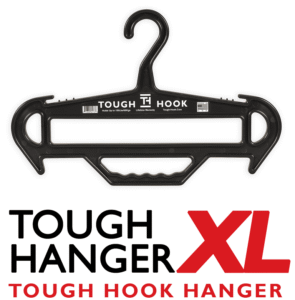
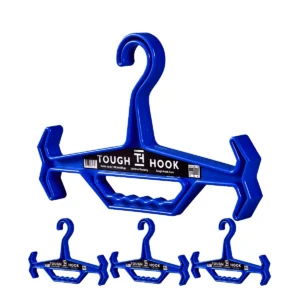
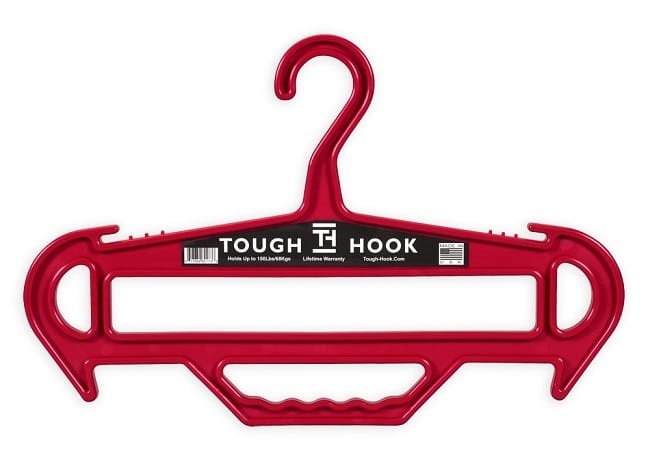
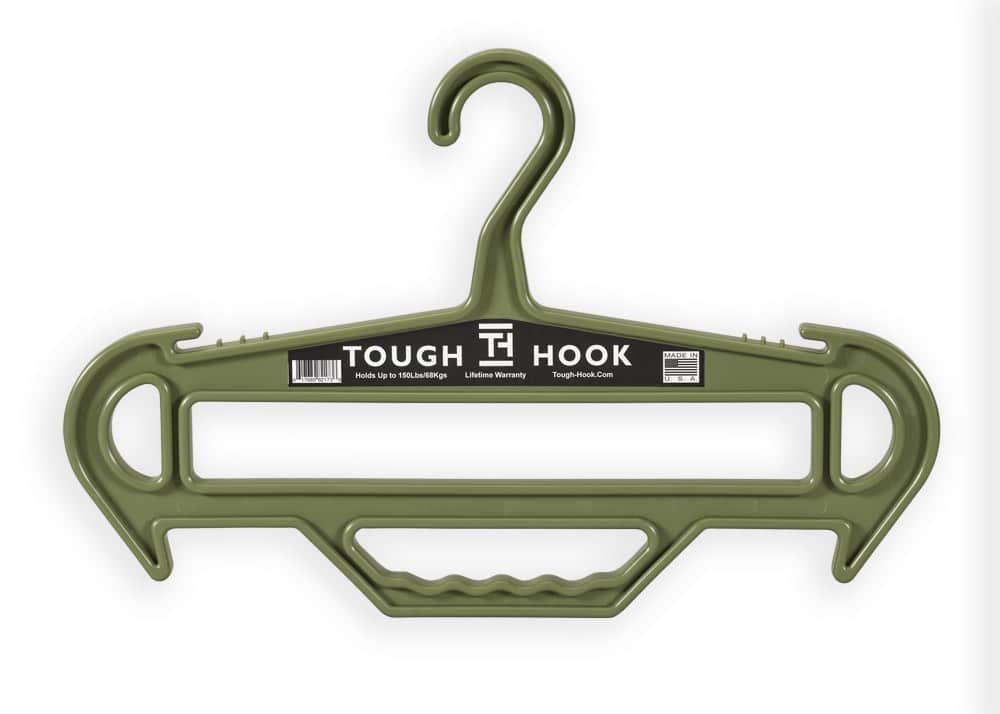
Tough Hook has addressed this specific vulnerability by engineering heavy-duty hangers designed specifically for the weight and dimensions of tactical kit. Unlike standard consumer-grade hangers that snap under the pressure of a fully loaded vest, Tough Hook products are built to support upwards of 150 pounds. This ensures that the gear remains in its intended shape, ready to provide the maximum level of protection when it is finally donned.
Rapid Deployment and the Grab-and-Go Mindset
The concept of “grab-and-go” implies that equipment can be transitioned from storage to the operator in a single, fluid motion. In a tactical facility, this often means moving gear from a stationary locker to a vehicle or a mobile command center. The logistics of this transition are frequently overlooked.
Reliable storage solutions must facilitate this movement through several features:
-
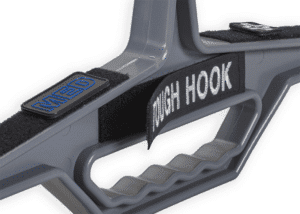
Integrated Handles: Storage components should include grip points that allow an operator to grab the entire kit with one hand.
-
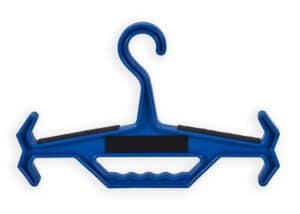
Reversible Functionality: Many tactical hangers, including the Tough Hook, feature a design that allows them to be flipped and used as a carry handle.
-
Durability in Transport: Gear often bounces around in the back of a BearCat or an SUV; storage hardware must be rugged enough to withstand impact without breaking.
-
Snag-Free Design: Edges must be smooth to ensure that when a vest is pulled, it does not catch on the hanger and cause a delay.
By utilizing hardware that doubles as a transport tool, units eliminate the need to transfer gear from a hanger to a bag. The operator simply grabs the hanger handle and moves to the vehicle, maintaining the organization of the kit throughout the transit.
The Environmental Impact on Tactical Gear
Tactical units operate in some of the most punishing environments on earth, from humid coastal regions to arid deserts. The gear returns from the field covered in sweat, dirt, and sometimes biohazards. Storage is not just about holding the gear; it is about the recovery process. Proper grab-and-go systems must allow for “active drying.”
When gear is hung properly, airflow is maximized. This is particularly important for moisture-wicking undergarments and the interior padding of ballistic vests. If these items are stored improperly, mold and mildew can develop within 24 hours. This leads to the premature “rotting” of high-tech fibers. Heavy-duty hangers like those provided by Tough Hook provide the necessary clearance between the gear and the locker wall, ensuring that air can circulate around the entire garment. This extends the lifespan of the equipment and ensures that the operator is not putting on damp, compromised gear for the next call-out.
Engineering for Strength and Reliability
Why do standard hangers fail? Most are made of thin-walled polystyrene or low-grade recycled plastics that have low tensile strength. In contrast, tactical-grade storage solutions must utilize high-impact polymers. The engineering behind a Tough Hook hanger involves a focus on load-bearing I-beam construction, which resists bending and snapping even under extreme weight.
When selecting storage hardware for a professional unit, the following specifications should be considered:
-
Material Composition: Look for high-impact resins that are resistant to temperature fluctuations.
-
Load Rating: The hardware must be rated for at least twice the weight of the expected load to provide a safety margin.
-
Resilience: The material should have a degree of flexibility to prevent shattering upon impact but enough rigidity to hold its form.
-
Corrosion Resistance: In maritime or humid environments, metal hangers will rust, whereas polymer hangers remain unaffected.
.
Readiness as a Culture
Tactical excellence is often the result of doing a thousand small things correctly. The way a unit stores its gear is a reflection of its overall discipline. A cluttered, disorganized locker room leads to a cluttered, disorganized response. By investing in professional-grade storage solutions and heavy-duty hangers, leadership sends a clear message that equipment maintenance and rapid response times are top priorities.
When seconds matter, you cannot afford to be fighting with your equipment before the mission even begins. Staging your gear on a Tough Hook ensures that when you reach for your vest, it is exactly where it should be, in the condition it needs to be in, and ready to be carried out the door. High-performance units require high-performance storage. Anything less is a compromise that no rapid response team should be willing to make.