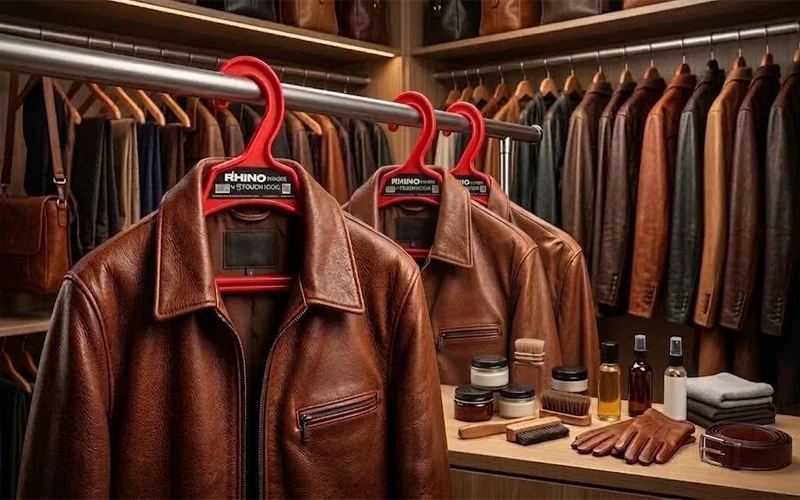
Leather is a durable, natural material, but it is also sensitive to how it is stored. Most leather care advice focuses on cleaning and conditioning, but the right hanger plays an equally important role in whether a leather jacket, vest, or piece of gear keeps its shape for years or starts stretching and cracking within months.
Understanding Leather’s Vulnerabilities
Leather is a natural material, and it reacts to a handful of predictable stressors. Knowing these vulnerabilities is the first step toward storing leather correctly:
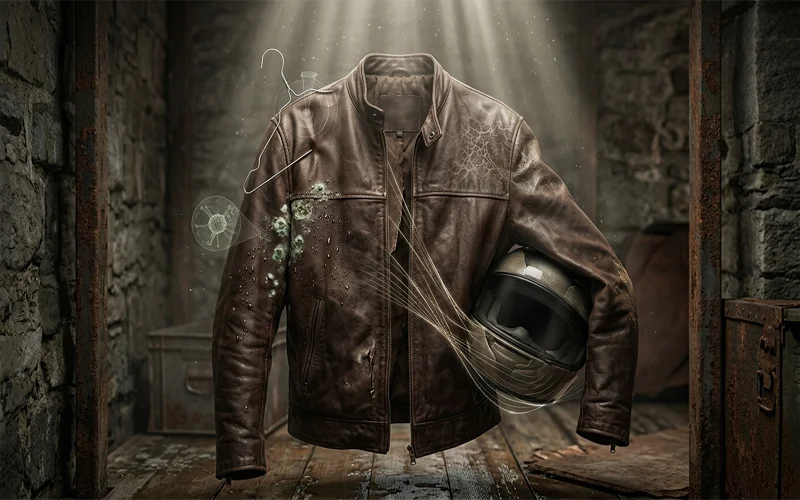
- Moisture and Humidity: Leather absorbs moisture, which can lead to mold growth, warping, and gradual deterioration. Proper ventilation and dry storage are essential.
- Weight and Gravity: Leather stretches under its own weight over time. The wrong support can cause permanent deformation, especially in heavier pieces like leather motorcycle jackets.
- Pressure Points: Concentrated pressure from thin or poorly shaped hangers creates indents, creases, and even tears in the leather.
- Chemical Reactions: Certain hanger materials and finishes can react with leather, causing discoloration or surface degradation.
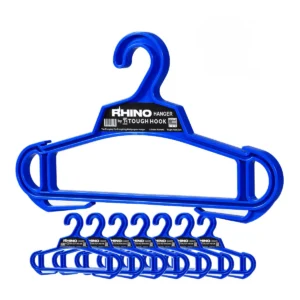

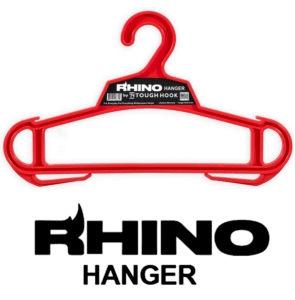
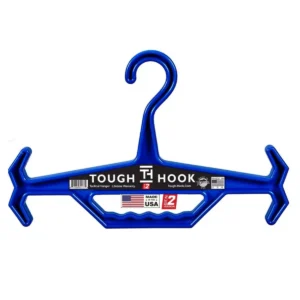

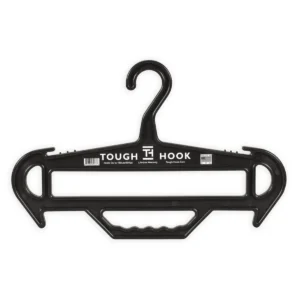
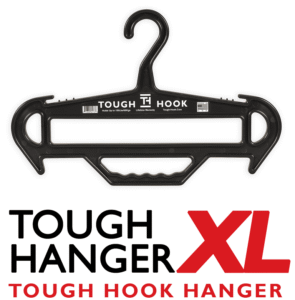
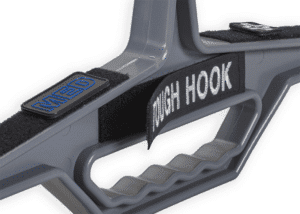
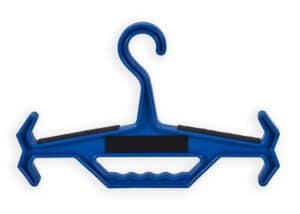
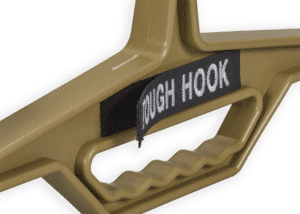
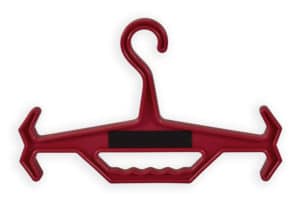
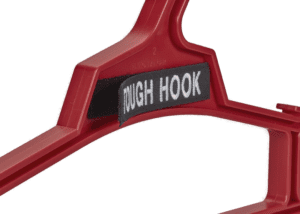
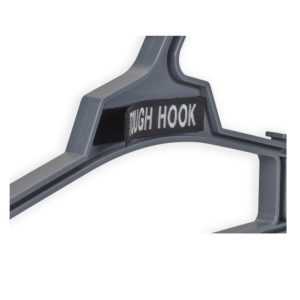
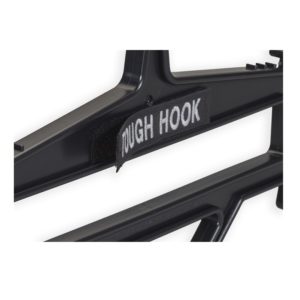


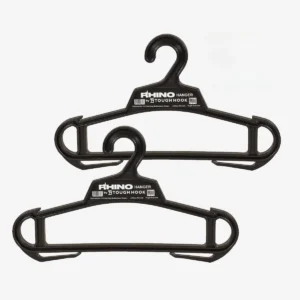
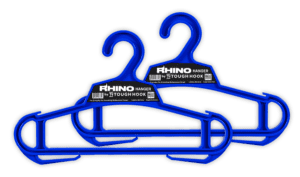
2 Pack RHINO Heavy Duty Clothes Hanger Bundle
Original price was: $27.95.$23.95Current price is: $23.95.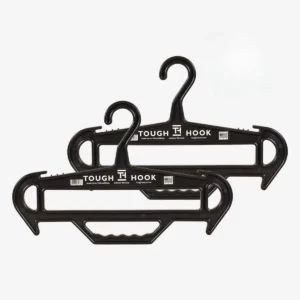
The Impact of Hanger Choice
The hanger you choose directly addresses these vulnerabilities. Here is how the common options compare:
- Wire Hangers: The worst offenders. Thin wire creates concentrated pressure points that lead to shoulder bumps and stretching. Wire also offers minimal support and can rust, which stains leather.
- Plastic Hangers: Slightly better than wire, but standard plastic hangers often lack the width and support leather needs. They can also bend under the weight of heavier items, causing distortion.
- Wooden Hangers: Wider wooden hangers offer better support and help the garment hold its shape. However, some finished woods can leach oils or chemicals that harm leather, and thinner wooden hangers still offer very little support.
- Padded Hangers: These offer a softer contact surface, but the padding compresses over time and loses effectiveness. If the padding material traps moisture, it can also damage the leather it touches.
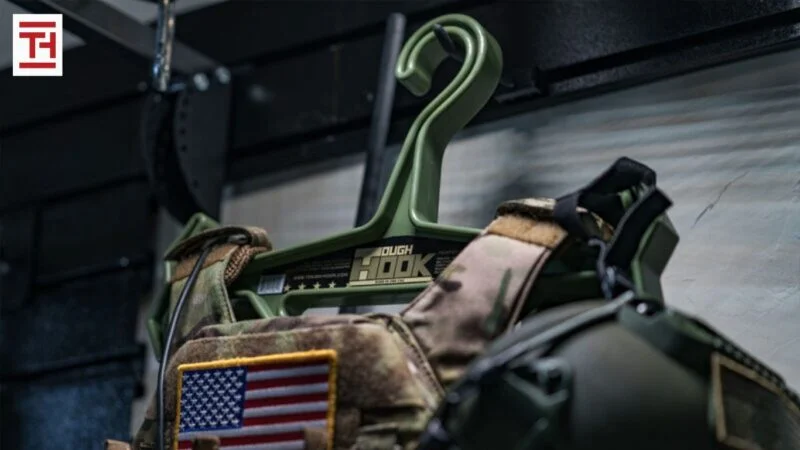
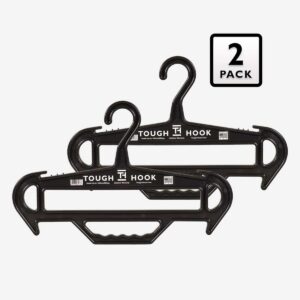
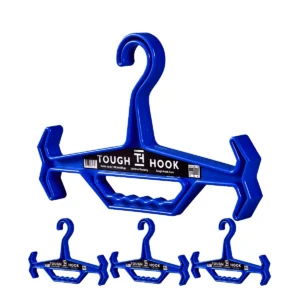
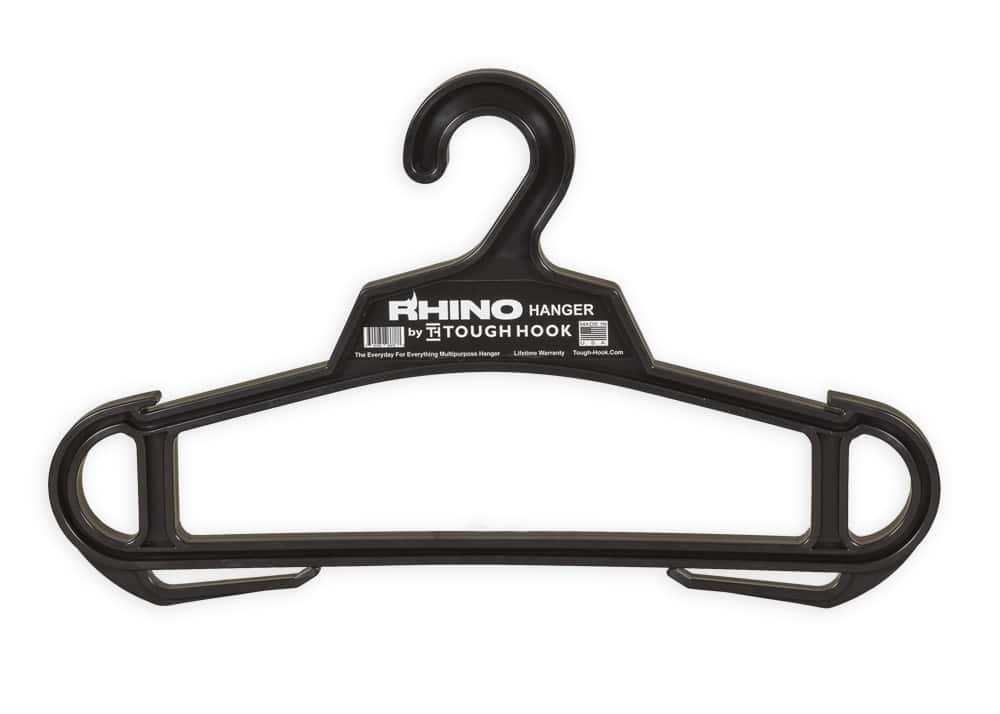
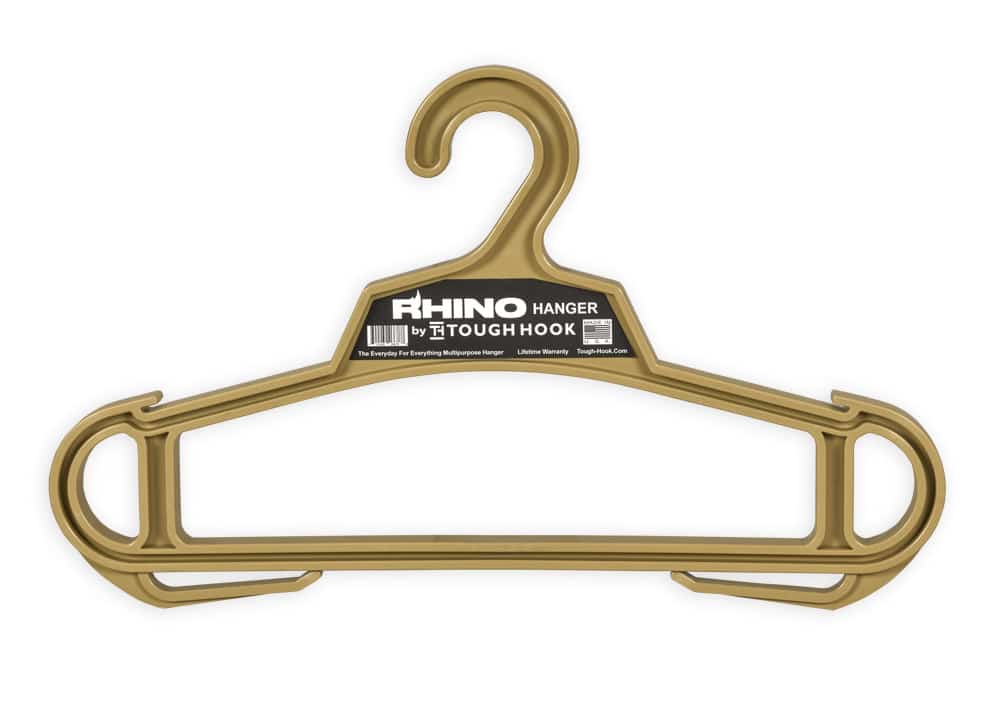
- Heavy-Duty Hangers: Purpose-built hangers like the RHINO Hanger are designed to handle significant weight and distribute it evenly, preventing stretching and distortion in leather jackets, coats, and gear.
The Tough Hook Advantage for Leather Preservation
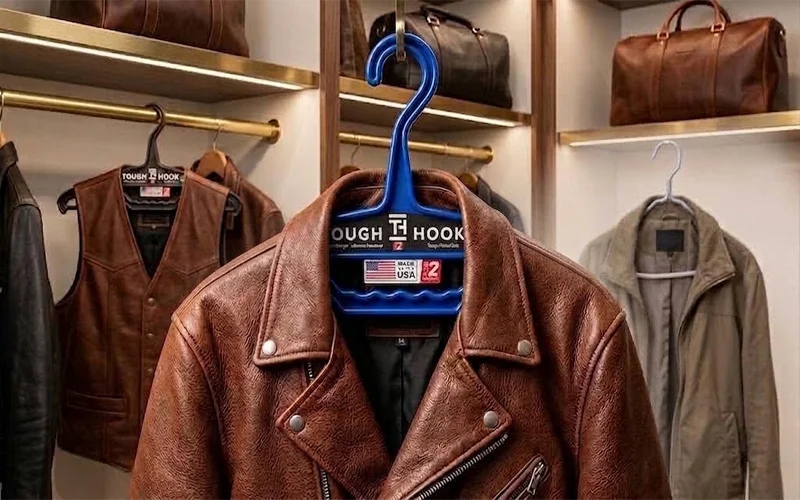
Our hangers are built to give heavy and valuable items dependable support. Our heavy-duty hangers are engineered to provide the following benefits for leather goods:
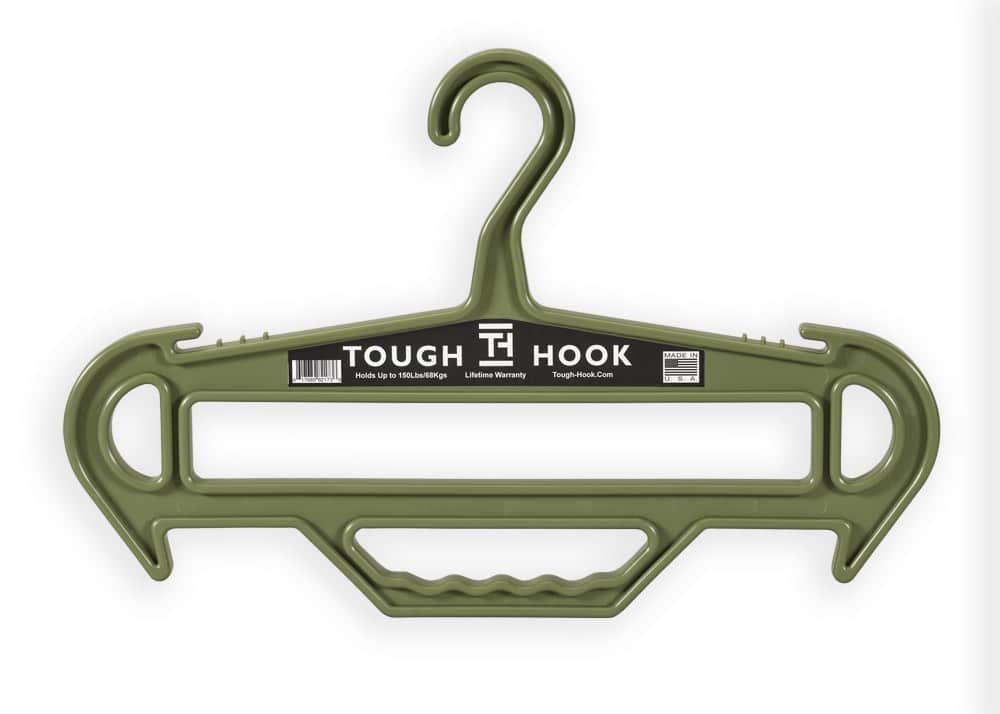
- Superior Strength and Durability: Built from high-impact polymer, Tough Hook hangers hold substantial weight without bending or breaking, so leather jackets, vests, and gear stay properly supported.
- Even Weight Distribution: The wide, contoured design spreads weight evenly across the shoulders, preventing pressure points and keeping the garment’s original shape.
- Non-Reactive Material: The hanger material will not react with leather, which prevents discoloration or degradation over time.
- Versatile Design: Tough Hook hangers accommodate a range of leather items, from lightweight jackets to heavy weighted gear.
- Built for Long-Term Use: Tough Hook hangers are built to last, providing reliable support for years of storage.
Know Your Leather Type Before You Clean or Store It
Not all leather responds to care the same way, and the type you own changes how much a hanger’s weight distribution actually matters. Full-grain and top-grain leather, the finishes most jackets and gear use, hold their shape well when properly supported but still stretch permanently if a hanger concentrates weight on the shoulders.
Suede and nubuck have a raised, napped surface rather than a smooth grain, so they need a soft brush instead of a cloth and cannot tolerate the oils in most leather conditioners. Whatever the finish, the same rule applies: a hanger built for the item’s actual weight prevents most of the damage that cleaning and conditioning cannot undo later.
Beyond the Hanger: Comprehensive Leather Care
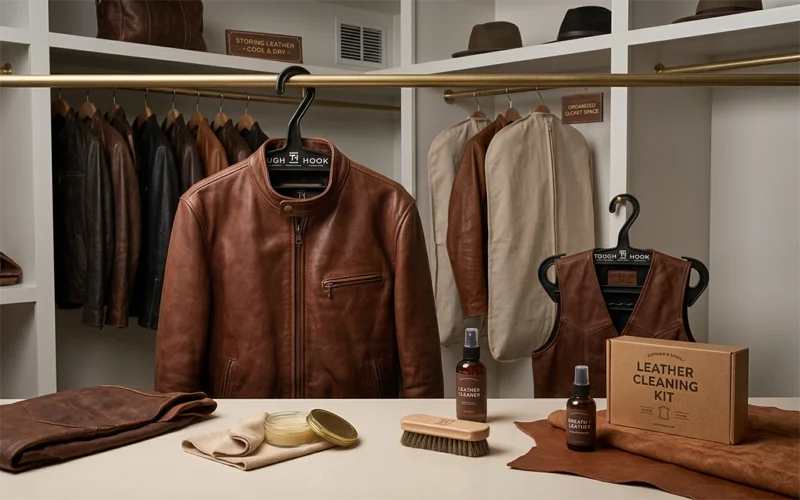
Hanger choice is essential, but it is one part of a complete leather care routine. A few additional habits go a long way:
- Regular Cleaning: Gently clean leather items with a microfiber cloth or a soft-bristle brush for suede, along with a leather-specific cleaner, to remove dirt and grime.
- Conditioning: Apply a quality leather conditioner, wax, or oil periodically to maintain moisture and prevent cracking.
- Proper Storage: Store leather in a cool, dry place away from direct sunlight and heat sources, and organize closet space so items have enough room to hang without crowding. Use breathable garment bags rather than plastic covers.
- Avoid Plastic Bags: Plastic bags trap moisture, which encourages mold and mildew growth.
- Air Regularly: Let leather items air out periodically to prevent moisture buildup.
- Professional Cleaning: For heavily soiled or delicate leather, professional cleaning is worth the cost.
How to Remove Stains From Leather
Treat leather stains as soon as they happen, since a fresh spot is far easier to lift than one that has set. Blot liquid spills with a dry cloth instead of rubbing, which only pushes the stain deeper into the grain. For oil or grease marks, sprinkle a light layer of cornstarch or talcum powder on the spot, leave it for a few hours to absorb the oil, then brush it away gently.
For general dirt or ink, a leather-specific cleaner applied with a soft cloth in small circular motions usually clears it without stripping the finish. Always spot test any cleaner on a hidden area first, since some finishes react differently than others.
Drying Leather That Gets Wet
If a leather jacket or piece of gear gets caught in the rain, resist the urge to speed up drying with a heater, hair dryer, or direct sunlight. Heat pulls moisture out too fast and leaves leather stiff, cracked, or shrunken.
Instead, wipe off any surface water with a dry cloth, stuff the item lightly with paper to help it hold its shape, and let it air dry naturally at room temperature for at least a full day before wearing or storing it again. Hanging it on a hanger designed for moisture-prone storage during this period keeps air moving around the whole garment instead of trapping damp fabric against itself.
Repairing Minor Scratches and Scuffs
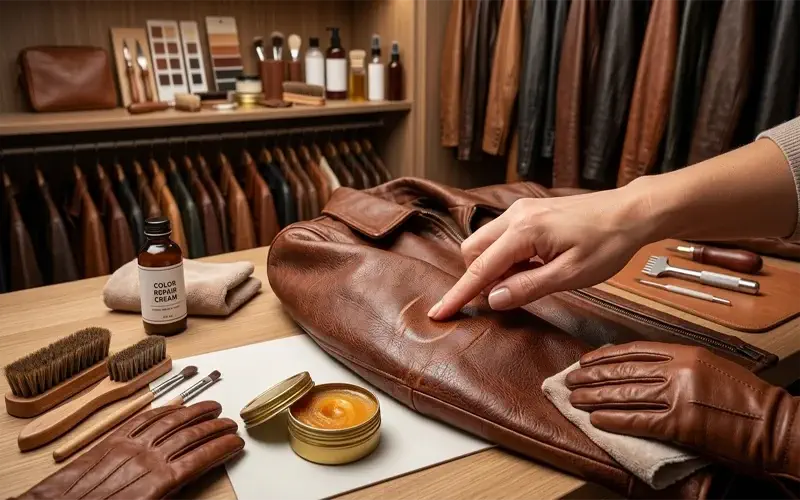
Small surface scratches on smooth leather can often be minimized at home. Rub the scratch gently with a clean finger or a soft cloth, since the natural oils and light friction can blend a shallow mark back into the surrounding grain. For deeper scuffs, a small amount of leather conditioner worked in with a cloth often softens the edges of the scratch so it is far less visible.
Color transfer or scuffed edges on pigmented leather can sometimes be touched up with a leather cream that matches the original shade. Deep gouges, tears, or damage to suede should go to a professional, since home repairs on those finishes tend to make the damage more visible rather than less.
Common Leather Care Mistakes to Avoid
Most leather damage traces back to a handful of repeatable mistakes rather than bad luck. Storing jackets on wire or worn-out plastic hangers is one of the most common, since both fail to support the weight of the garment over time. Overconditioning is another: applying oil or conditioner too often can oversaturate the fibers and leave leather feeling greasy or permanently darkened.
Sealing leather in plastic dry-cleaning bags traps humidity against the surface and invites mold. Skipping the drying step after rain, or reaching for a household cleaner that was never made for leather, are two more habits that cause damage that shows up weeks or months later rather than immediately.
Investing in Long-Term Preservation
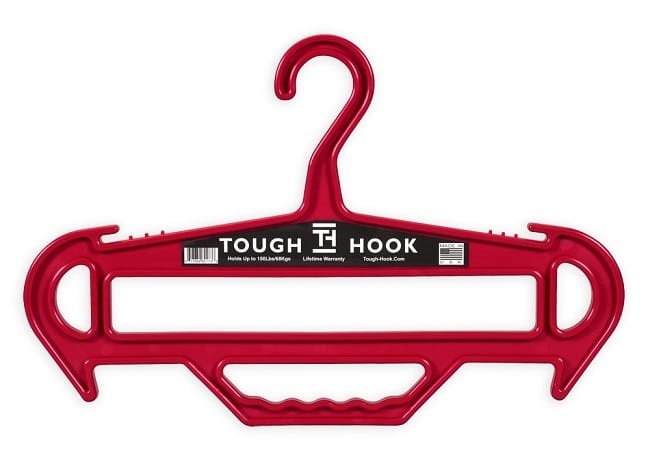
Investing in high-quality hangers from Tough Hook protects the long-term condition of your leather goods. By providing proper support and preventing the stress points that cause damage, the right hanger keeps leather items in good shape for years. It is a small detail with an outsized effect on how long your leather lasts.
Frequently Asked Questions About Leather Care and Hangers
How can I tell if a hanger is damaging my leather jacket?
Look for shoulder bumps, small indentations, or shiny pressure marks where the hanger meets the garment. These are signs the hanger is too thin or too narrow to support the leather’s weight properly.
Are wooden hangers safe for leather jackets?
Wide, unfinished or properly sealed wooden hangers are generally safe, but hangers treated with certain oils or varnishes can transfer chemicals onto leather over time. A heavy-duty polymer hanger avoids this risk entirely.
Can leather develop mold from improper hanger storage?
Yes. Leather stored in tight, poorly ventilated closets or on hangers that trap moisture against the material is prone to mold growth. Adequate spacing and breathable storage prevent this.
How often should I condition leather that stays on a hanger year-round?
Most leather jackets and gear benefit from conditioning every three to six months, or sooner if the leather feels dry or stiff to the touch.
How do I remove stains from leather?
Blot fresh spills with a dry cloth right away, lift oil or grease with cornstarch or talcum powder, and clean general dirt with a leather-specific cleaner applied in small circular motions. Always spot test on a hidden area first.
What causes leather to crack?
Cracking usually comes from lost moisture, whether from heat, direct sunlight, infrequent conditioning, or drying too fast after getting wet. A hanger that stresses the shoulders adds mechanical strain on top of that, which speeds up cracking in the same spots.
Can leather be repaired at home?
Minor scratches and scuffs on smooth leather can often be blended out with gentle rubbing or a small amount of conditioner. Deep gouges, tears, or damage to suede and nubuck are best left to a professional leather repair service.