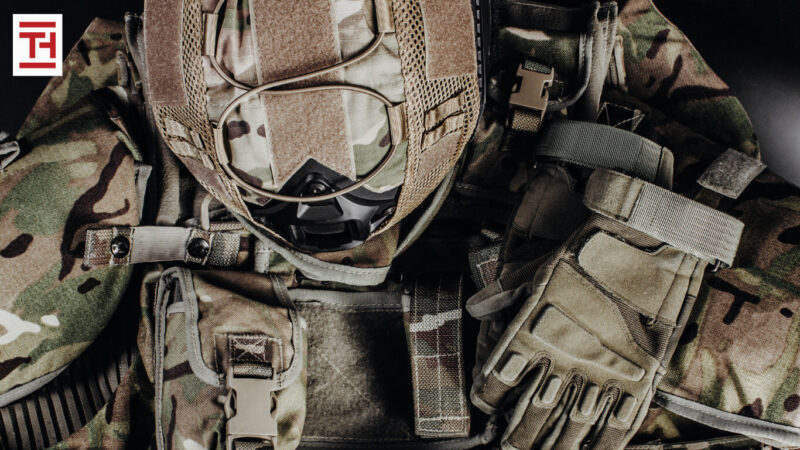
As the new year begins, many individuals and organizations focus on resolutions centered around productivity, organization, and fiscal responsibility. While personal goals often involve fitness or finance, professional and operational goals should prioritize the longevity of essential assets. For professionals in industries ranging from law enforcement and the military to SCUBA diving and high-impact sports, the gear required to perform is often the most significant investment made throughout the year.
The hidden drain on many annual budgets is not the initial purchase of equipment, but the premature replacement of it due to poor maintenance and improper storage. When heavy-duty gear is mistreated during the off-season or between shifts, its lifespan is cut short. Implementing a smart storage strategy at the start of the year is more than just an organizational win; it is a critical strategy for reducing replacement costs and ensuring operational readiness. Getting heavy-duty gear storage right from the start is what separates departments that protect their investment from those that keep replacing it.
The True Cost of Equipment Degradation
Equipment degradation is often a slow, invisible process. It happens in the fibers of a tactical vest, the seams of a drysuit, and the structural integrity of a heavy winter coat. When items are shoved into bins, draped over standard plastic hangers, or left on the floor, they succumb to several damaging forces.
-
Compression and Creasing: Heavy fabrics and specialized materials can develop permanent creases that weaken the structural integrity of the item.
-
Mildew and Moisture: Trapped moisture in folded gear leads to mold growth, which can ruin expensive textiles and create health hazards.
-
Structural Strain: Using inadequate hangers causes “shoulder bumps” or stretching, which can render protective gear ill-fitting and unsafe.
-
Environmental Exposure: Gear left in high-traffic or unmanaged areas is more susceptible to dust, sunlight, and accidental physical damage.
By addressing these issues through dedicated storage solutions, you effectively extend the life of your investment by years, rather than months. This aligns with industry guidance on PPE care and storage, which points to moisture and compression as leading causes of premature gear failure.
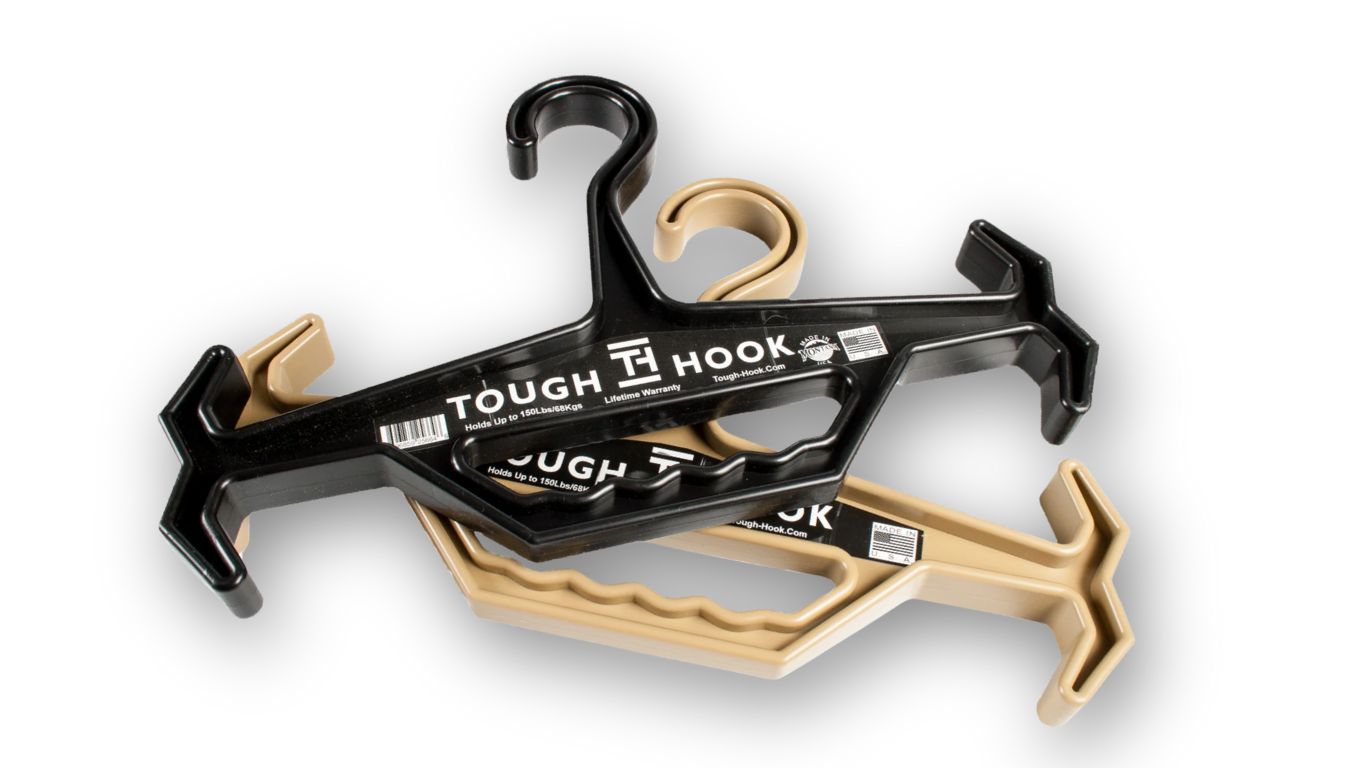

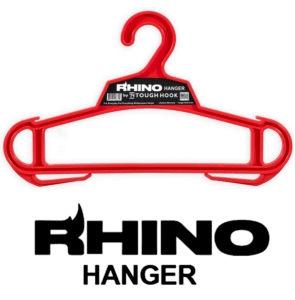
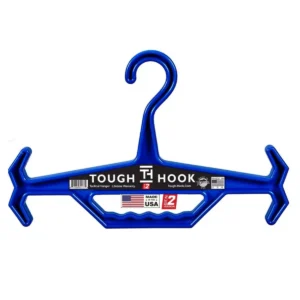

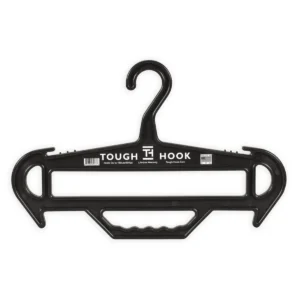
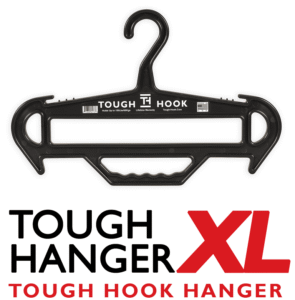
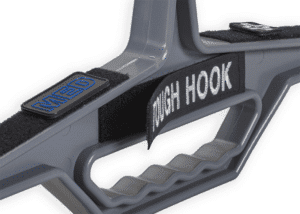
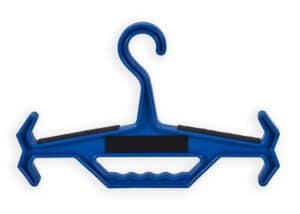
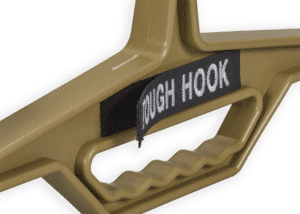
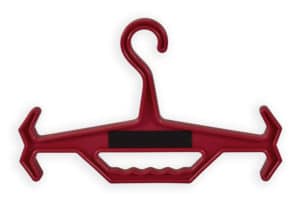
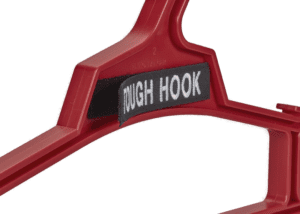
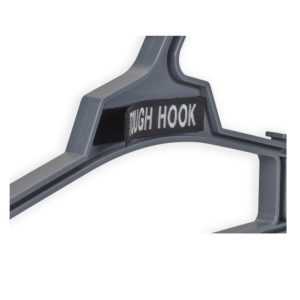
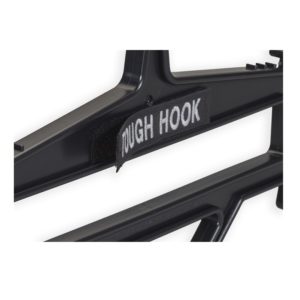


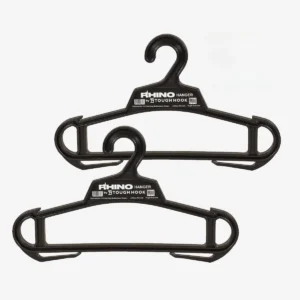
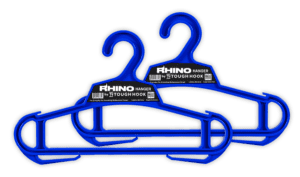
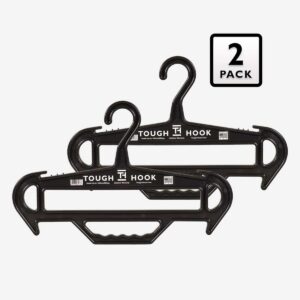
2 Pack RHINO Heavy Duty Clothes Hanger Bundle
Original price was: $27.95.$23.95Current price is: $23.95.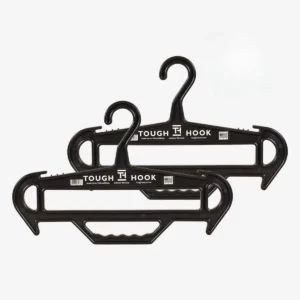
Why Standard Storage Fails Heavy-Duty Gear
Most consumer-grade storage solutions are designed for light-duty use. A standard plastic or wire hanger is rated for a few pounds at most. When you attempt to hang a fifty-pound plate carrier, a weighted fitness vest, or a soaked immersion suit on these items, the results are predictable: the hanger snaps, and the equipment ends up on the floor.
This failure does more than just create a mess. When gear falls, it can suffer impact damage. More importantly, the constant cycle of equipment falling and being re-hung by staff leads to “gear fatigue,” where items are handled roughly and stored improperly out of frustration.
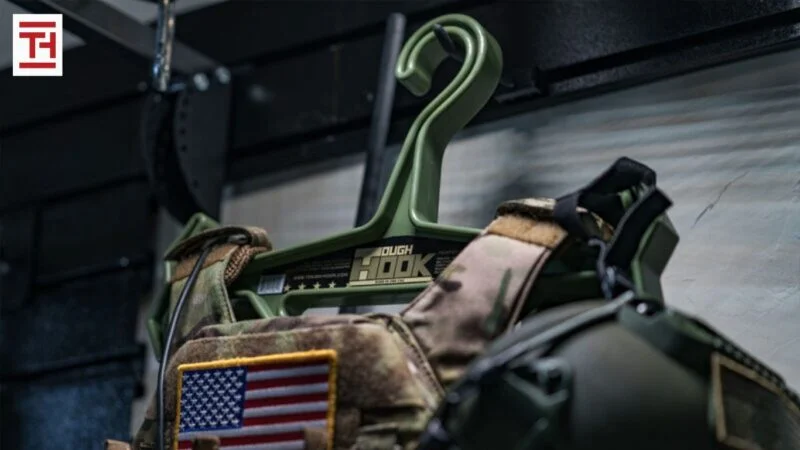
At Tough Hook, we recognized this gap in the market. Our heavy-duty hangers are engineered specifically to handle the world’s heaviest gear. By providing a stable, high-capacity hanging solution, we eliminate the primary cause of storage-related equipment failure. A smart start to the year involves identifying where your current storage is failing and replacing those weak links with industrial-grade alternatives.
Types of Heavy-Duty Gear Storage and Where Hangers Fit In
Heavy-duty gear storage generally falls into a few core categories: steel lockers and gear rooms built for bulk storage, open shelving and racks for visibility and airflow, bins and totes for smaller loose items, and hanging systems for anything that needs to keep its shape. Most departments and gear rooms use a mix of these, and the weakest link is almost always the hanging component, since standard rods and hangers were never built to carry loaded vests, drysuits, or turnout gear.
- Lockers and Cabinets: Best for securing high-value or sensitive items such as weapons, electronics, and personal gear in a single enclosed unit.
- Shelving and Racks: Suited to bulkier, less fragile equipment where visibility and quick access matter more than protection from dust.
- Hanging Systems: The category most consumer-grade storage skips entirely, even though it is the only option that keeps loaded gear from creasing, stretching, or losing its shape.
For a closer look at how these categories work together in a dedicated gear room, see our guides to storage ideas for tactical equipment and creating a dedicated tactical gear storage space.
Strategic Storage for Specific Industries
Different sectors face unique challenges when it comes to preserving their equipment. Tailoring your storage approach to the specific needs of your gear is essential for cost reduction.
Law Enforcement and Military
Body armor and tactical vests are among the most expensive items in a department’s inventory.
-
Proper Ventilation: Hanging vests allows air to circulate around the ballistic panels, preventing the buildup of odors and moisture.
-
Weight Distribution: Specialized hangers ensure the weight of the plates does not pull on the shoulder straps, which prevents permanent stretching.
-
Ready Access: Organized hanging storage ensures that gear is easy to inspect for wear and tear during regular maintenance checks.
For a full walkthrough of setting this up, see our guide to building an efficient PPE storage station and our breakdown of tactical hangers for field operations.
Outdoor and Technical Sports
From SCUBA diving to firefighting, technical suits are a lifeline.
-
Wetsuits and Drysuits: These items are prone to “neck stretch” and “hanger bite” if the hanger is too thin; wide-shoulder hangers are necessary to maintain the suit’s shape. See our heavy-duty hangers for watersports gear for options built for this exact problem.
-
Turnout Gear: Firefighters require storage that allows heavy, moisture-laden gear to dry quickly to prevent rot and maintain flame-retardant properties.
-
Winter Sports: Heavy parkas and snow gear should be hung to maintain the loft of the insulation, which is essential for thermal protection.
Security and Weather Protection for Stored Gear
Storage that keeps gear organized is only half the job. For departments storing weapons, electronics, or high-value uniforms, the storage itself needs to be secure, and for anyone storing gear outside a fully climate-controlled building, it needs to hold up against humidity, temperature swings, and UV exposure.
- Locking Storage: Lockers, cabinets, and gear rooms holding sensitive or high-value items should use a keyed or combination lock rather than a simple latch, so access stays controlled.
- Humidity and Temperature Control: Beyond the cool, dry storage area recommended above, watch for seasonal humidity swings in unconditioned garages, vehicles, or outbuildings, which accelerate the same mildew and fiber breakdown covered earlier.
- UV Exposure: Direct sunlight breaks down synthetic fibers and weakens ballistic panels over time, so gear stored near windows or inside vehicles should be covered or moved out of direct light.
Departments standardizing storage across high-pressure operations can find a deeper breakdown in our guide to tactical gear organization for military and law enforcement operations.
The Financial Impact of Smart Storage
The ROI of high-quality storage is easy to calculate when you look at the replacement cycles of professional equipment. For example, assume a tactical vest costs $800 and typically lasts three years under poor storage conditions; that works out to roughly $266 a year. If proper storage extends that same vest’s life to five years, the annual cost drops to about $160. The same math scales across a department’s full equipment budget.
Across an entire department or team, these savings are compounded.
-
Budget Reallocation: Savings from reduced replacement costs can be moved toward training, new technology, or improved facilities.
-
Reduced Liability: Properly stored gear is safer gear; ensuring that equipment maintains its structural integrity reduces the risk of failure in the field.
-
Inventory Accuracy: When gear is hung and organized, it is much easier to perform accurate inventory counts and identify missing items.
Organizing for Efficiency and Longevity
Starting the year with a reorganization project requires a systematic approach. It is not enough to simply buy better hangers; you must also implement a workflow that prioritizes equipment care.
-
De-cluttering: Begin the year by inspecting every piece of equipment and discarding items that are already beyond repair or have reached their expiration date.
-
Standardization: Use uniform, heavy-duty hangers to ensure that every locker or rack provides the same level of support.
-
Climate Control: Ensure your storage area is cool, dry, and away from direct sunlight to prevent the breakdown of synthetic fibers.
-
Labeling: Clearly mark storage sections so that every team member knows exactly where their gear belongs, reducing the likelihood of items being tossed on the floor.
Athletes and teams managing their own gear rotation can apply the same system. See our athlete’s storage system guide for a session-by-session version of this workflow.
Why Tough Hook is the Industry Standard
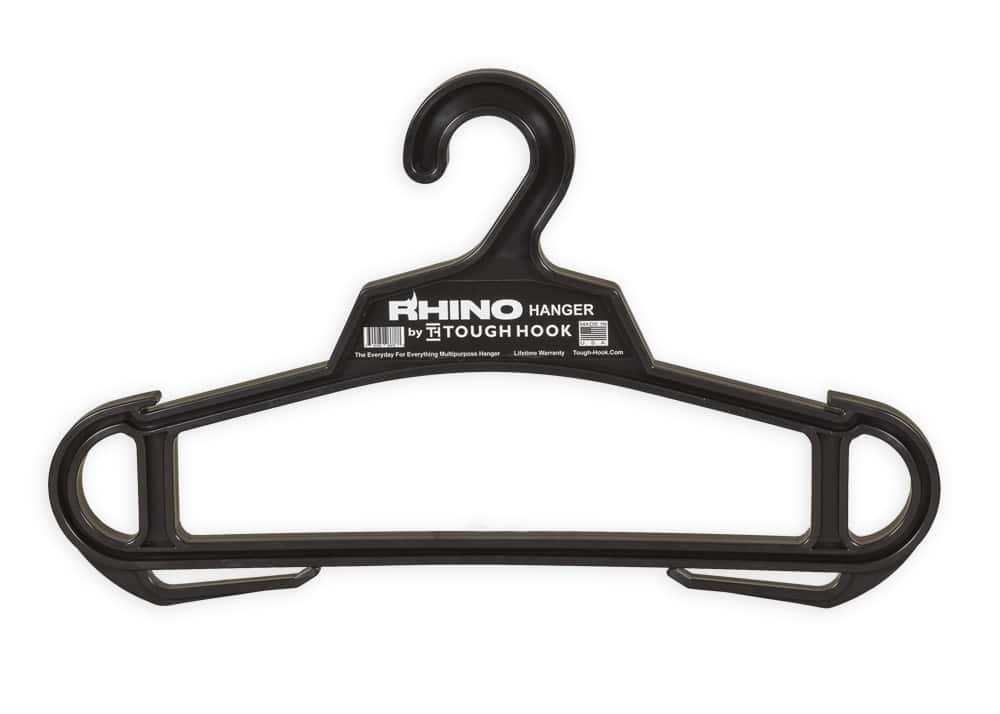
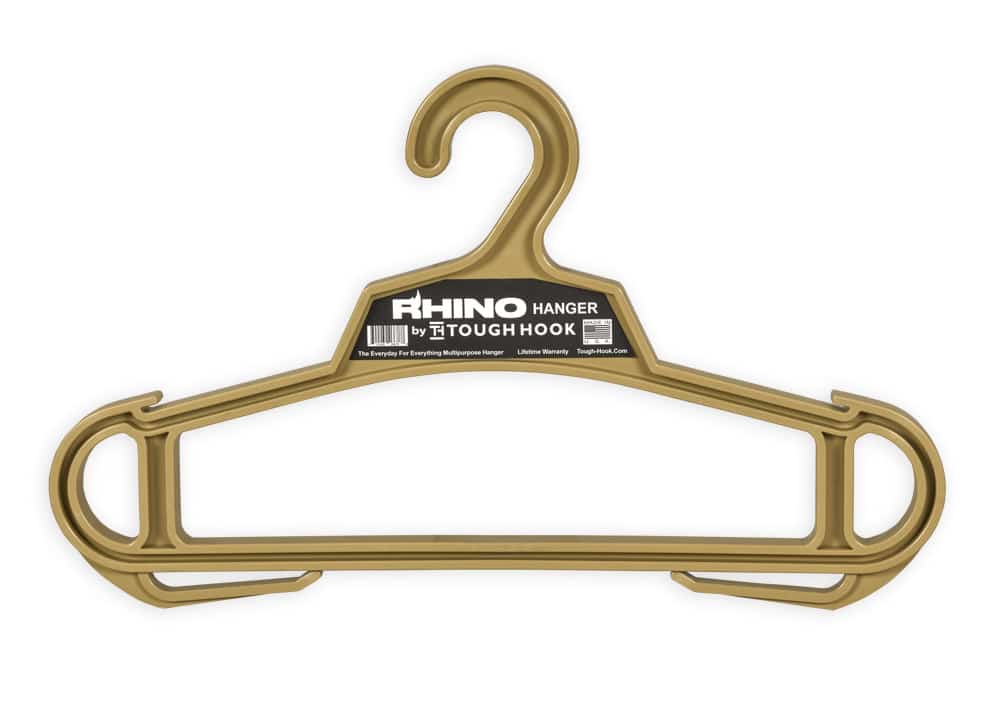
Tough Hook was born out of a necessity for something stronger. Our hangers are not just “thick plastic”; they are purpose-built tools designed by professionals who understand the rigors of the field.
-
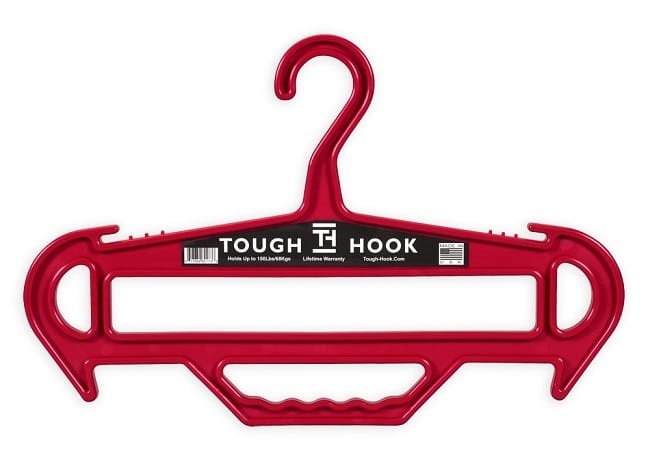
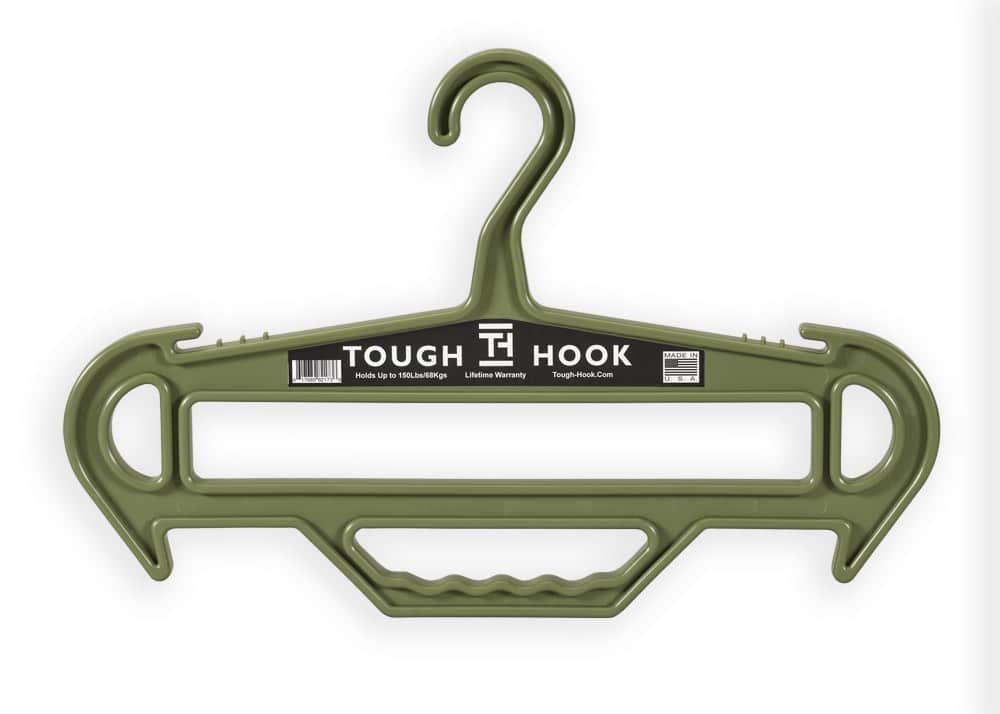
Load Capacity: Our hangers are tested to hold up to 200 pounds, making them suitable for the heaviest gear on the market.
-
Integrated Features: Many of our designs include a built-in grip handle, allowing you to easily transport your gear from the locker to the vehicle without removing it from the hanger.
-
Durability: Unlike standard hangers, Tough Hook products are shatter-resistant and designed to withstand extreme temperatures and rugged environments.
When you choose Tough Hook, you are investing in a product that pays for itself by protecting the much more expensive equipment it carries.
Making the Investment Today
A smart start to the year is about looking at your operations through a lens of sustainability. Spending a small amount on high-quality storage solutions today prevents the need to spend thousands on replacement gear tomorrow. Whether you are a solo adventurer looking to protect your hobby gear or a fleet manager responsible for a team’s safety, the principle remains the same: treat your gear with respect, and it will perform when you need it most.
Ready to keep the momentum going? Our guide to new-year gear planning walks through building this system from the ground up.
By integrating Tough Hook products into your organizational system, you are choosing a partner in equipment longevity. Make this the year you stop replacing gear prematurely and start maximizing the value of your professional investments.
Frequently Asked Questions
How much weight can heavy-duty hangers actually hold?
Tough Hook hangers are tested to hold up to 200 pounds, which covers the heaviest tactical vests, weighted fitness gear, and soaked immersion suits that standard plastic or wire hangers cannot support.
How do I protect gear from moisture and mildew in storage?
Hang gear instead of folding it into bins, and keep the storage area cool, dry, and out of direct sunlight. Folded, damp gear traps moisture against the fabric, which is what leads to mold growth and fiber breakdown.
Does proper storage really lower replacement costs?
Yes. Extending a piece of gear’s usable life from three years to five years, for example, drops its annual cost significantly, and that savings compounds across an entire department’s equipment budget.
What is the best way to store wetsuits, drysuits, and turnout gear?
Use wide-shoulder hangers to avoid neck stretch and hanger bite, and make sure moisture-laden gear like turnout gear has room to dry quickly rather than sitting folded, which prevents rot and preserves flame-retardant properties.
Is heavy-duty gear storage only for law enforcement and military use?
No. The same standardization principles apply to outdoor and technical sports, PPE-heavy industrial settings, and athletic team gear rooms, anywhere gear is too heavy or too specialized for standard hangers.
Should heavy-duty gear storage be lockable?
Yes, especially for weapons, electronics, and other high-value gear. Use a keyed or combination lock on lockers and cabinets rather than a simple latch, and reserve open shelving and hanging systems for items that do not need controlled access.
Does heavy-duty gear storage need to be weather-resistant?
It does if the storage area is not fully climate-controlled. Humidity swings and direct sunlight are what cause mildew, fiber breakdown, and faded or weakened ballistic panels, so garages, vehicles, and outbuildings need extra attention to temperature and UV exposure.