When it comes to organizing your wardrobe and closet, hangers play a crucial role. Not only do they keep your clothes neat and tidy, but they also contribute to their longevity. One important factor to consider when choosing hangers is their durability. Plastic hangers last on average 18.7 months before breaking, while wooden hangers can support up to 12.3 kilograms without warping, making the choice of hanger material one of the most consequential decisions for your clothing storage setup.
Hanger Durability at a Glance
| Material | Avg. Weight Capacity | Avg. Lifespan | Failure Rate | Best For |
| Standard Plastic | 5–10 lbs | ~18.7 months | High under stress | Lightweight shirts, blouses |
| Wire (Metal) | 3–7 lbs | 12–24 months | Bends easily | Dry-cleaned items only |
| Velvet | 5–8 lbs | 18–30 months | Low (grip wears) | Skirts, dresses, slippery fabrics |
| Wood | Up to 12.3 kg (27 lbs) | 5–10+ years | Low (moisture risk) | Suits, coats, structured jackets |
| Heavy-Duty Metal | 20–50 lbs (coated) | 10+ years | 4.5% after 24 months | Coats, uniforms, outerwear |
| Tough Hook Heavy-Duty | Up to 200 lbs | Long-term / indefinite | Engineered for zero failure | Tactical gear, uniforms, heavy equipment |
The Basics of Hangers
Before we compare hanger durability, it helps to understand the different types of hangers commonly available and what each brings to your closet in terms of strength, design, and performance:
- Wire hangers: These are the most common type, typically made from thin metal wire. They are often given away by dry cleaners and are useful for lightweight shirts and clothing, but offer limited support and durability.
- Wooden hangers: Made from wood, these hangers offer a more premium look and feel. They are often used for delicate fabrics such as silk and cashmere and are valued for their resilience and ability to maintain the garment’s shape.
- Velvet hangers: Velvet hangers have a soft coating that helps prevent clothes from slipping off. They are ideal for hanging skirts, dresses, and pants, and their slim design helps maximize closet space.
- Plastic hangers: Lightweight and affordable, plastic hangers are common in everyday closets. However, they tend to have lower load capacity and shorter lifespans than metal or wood alternatives.
- Heavy-duty hangers: Designed to support heavier garments, these hangers are typically made from thicker metal or wood. They are often used for coats, jackets, and other bulky items and offer the highest durability and weight capacity of any hanger type.
Factors Affecting Hanger Durability
When comparing normal hangers and heavy-duty hangers, several durability factors come into play. Understanding these will help you make the right choice for your wardrobe and storage needs.
Materials Used in Hanger Construction
Metal: Metal hangers are generally more durable than plastic or wooden ones, especially when made from thicker gauge wire or solid metal. Heavy-duty metal hangers are often constructed from thicker materials to withstand the weight of heavier garments. Hangers treated with anti-rust coating increase lifespan by approximately 27.6%, making coated metal options a smart long-term investment.
Wood: While wooden hangers are durable and favored for their robust construction, they may be more susceptible to warping or cracking over time, especially when exposed to moisture or excessive weight. 62.8% of users report wooden hangers maintain garment shape better than plastic ones, highlighting their value for clothing preservation.
Plastic: Plastic hangers are the least durable of the main hanger types. Metal hangers show only a 4.5% failure rate after 24 months of regular use, compared to significantly higher failure rates for standard plastic hangers. Standard plastic hangers typically fail at a sustained load of 5–10 lbs, which is why they are unsuitable for coats, uniforms, or any gear hung via straps. For everyday shirts and lightweight clothing, plastic hangers may suffice, but for heavier garments, they fall short on strength and endurance.
Comparing Plastic, Wood, and Metal Hangers
- Plastic hangers are affordable and lightweight, but lack the load capacity and resilience for heavy garments. They are prone to snapping under stress and can leave creases or marks on delicate clothing.
- Wooden hangers offer superior support for coats and suits. Their natural rigidity and broad shoulder design help maintain the shape of garments stored long-term in a closet.
- Metal hangers balance strength and flexibility. Heavy-duty metal options offer the best combination of durability, load capacity, and resistance to wear and tear.
- Velvet hangers prioritize grip and slim design over load capacity. They work well for lightweight clothing items in tight closet spaces but are not suited to heavy garments.
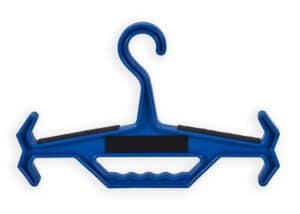
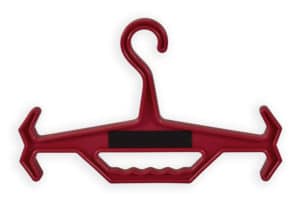
- High-impact polymer hangers (e.g., Tough Hook): Made from reinforced polypropylene, these offer the load capacity of metal with resistance to cracking, UV exposure, and moisture rated up to 200 lbs. They outperform all other materials in high-demand environments such as tactical gear storage, first-responder locker rooms, and heavy outdoor equipment.
Construction Quality
Seams and Welds: Look for hangers with well-welded or reinforced seams. Loose or weak construction points are the most common source of breakage under regular use.
Hooks: The hook is a critical component of any hanger. It should be sturdy and securely attached to the hanger body. Heavy-duty hangers often have reinforced hooks to prevent bending or breaking under heavy loads.
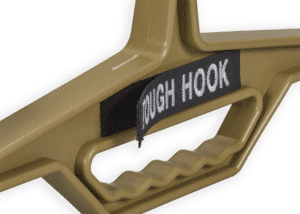
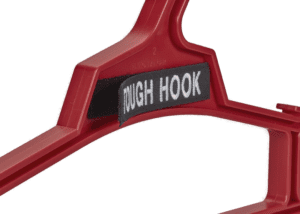
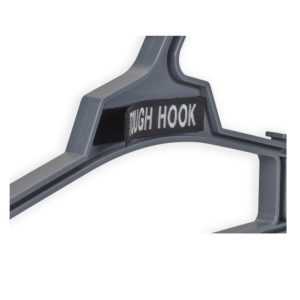
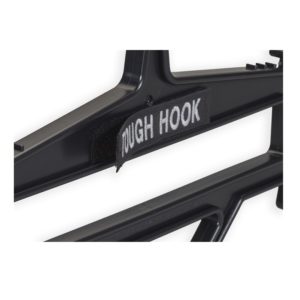
Tough Hook hangers use an integrated I-beam construction that distributes load across the full body of the hanger rather than concentrating stress at a single hook joint eliminating the most common single-point failure in standard hangers.
Load-Bearing Capacity of Different Hangers
Load capacity is one of the clearest measures of hanger durability. Understanding the weight limits of different hanger types helps you match the right hanger to each garment in your wardrobe.
Hanger Weight Capacity by Type
- Standard wire hangers: Best suited for shirts and lightweight items. These typically support only a few pounds before bending.
- Plastic hangers: Suitable for everyday clothing like shirts, pants, and light jackets. Most standard plastic hangers fail at a sustained load of 5–10 lbs and have an average lifespan of around 18.7 months.
- Wooden hangers: Can support up to 12.3 kilograms without warping, making them a reliable choice for suits, coats, and heavier garments.
- Heavy-duty metal hangers: Designed for maximum load capacity. Options like those from Tough Hook heavy-duty hangers are rated to hold up to 200 lbs, approximately 20 to 40 times the capacity of a standard plastic hanger, without bending, bowing, or breaking.
Impact of Environmental Conditions on Durability
Environmental factors play a significant role in how long a hanger lasts. Closet conditions, humidity levels, temperature changes, and exposure to moisture all affect the material performance and lifespan of hangers.
Key Environmental Factors
- Humidity and moisture: Wooden hangers exposed to high humidity over time can warp, swell, or crack. Metal hangers without rust-resistant coatings will corrode in damp closets or storage areas. Anti-rust coatings on metal hangers significantly extend their resistance to moisture damage.
- Temperature changes: Plastic hangers are particularly susceptible to brittleness in cold environments and to warping or softening in heat. This limits their reliability in garage closets, storage units, or seasonal storage areas.
- UV exposure: Prolonged sunlight exposure can degrade plastic hangers and fade wooden ones. Storing hangers in enclosed closets away from direct light preserves their structural integrity and appearance.
- Overloading: Consistently hanging items beyond a hanger’s rated capacity accelerates wear and increases the risk of breakage. Matching hanger type to garment weight is one of the simplest ways to extend hanger lifespan. Tough Hook hangers are constructed from UV-resistant, high-impact polypropylene that holds up in outdoor gear rooms, marine environments, and temperature-variable storage spaces where standard hangers quickly fail.
Testing Methods for Hanger Strength
Understanding how hangers are tested for durability helps you evaluate the claims made by manufacturers and make more informed purchasing decisions.
Common Durability Tests
- Load capacity test: Hangers are loaded with incremental weights to determine the point at which bending, cracking, or hook failure occurs. This directly measures the hanger’s strength and load-bearing capacity.
- Flexion and flexibility test: The hanger body is subjected to repeated bending to assess the material’s flexibility and fatigue resistance. Metal hangers with high flexibility and rigidity tend to outperform plastic alternatives on this test.
- Corrosion resistance test: Metal hangers are exposed to moisture and salt spray to evaluate the durability of coatings and finishes. Hangers with quality anti-rust coatings consistently perform better over longer test periods.
- Drop and impact test: Hangers are dropped from standard heights onto hard surfaces to assess whether the hook, body, or joints crack or deform. This simulates real-world use in busy closets and storage environments.
Common Wear and Tear Issues
Knowing the most common failure points in hangers helps you identify when it is time to replace them and what to avoid when selecting new ones.
Signs a Hanger is Wearing Out
- Bent or deformed hooks: A hook that no longer sits straight on a rail is under structural stress and may fail unexpectedly under load.
- Cracks in the body: Visible cracks in plastic or wooden hangers indicate weakened structural integrity. Cracked hangers should be replaced immediately, as they can damage clothing and cause items to drop unexpectedly.
- Rust or corrosion on metal: Rust weakens metal hangers and can transfer stains onto clothing. Replace any metal hangers showing visible rust or surface corrosion.
- Warping: Warped wooden or plastic hangers no longer support garments evenly, which can lead to creases, stretched shoulders, or misshapen clothing over time.
- Fraying coatings: On velvet hangers or coated wire hangers, surface coating fraying or peeling reduces grip and can snag delicate fabrics.
Maintenance Tips to Extend Hanger Life
Proper care and maintenance can significantly extend the lifespan of your hangers and protect your clothing investment.
Practical Hanger Care Tips
- Keep closets dry: Moisture is one of the biggest threats to hanger durability. Use a dehumidifier or moisture absorber in closets prone to dampness to protect both wooden and metal hangers.
- Do not overload: Hanging multiple heavy garments on a single hanger beyond its rated capacity accelerates wear and increases the risk of breakage. Distribute heavy clothing across several hangers when possible.
- Clean regularly: Wipe down metal and plastic hangers periodically to remove dust and debris. For wooden hangers, a light application of wood conditioner helps prevent drying and cracking over time.
- Inspect periodically: A quick visual check of your hangers every few months can catch early signs of wear before they become a bigger problem. Replace damaged items promptly to avoid clothing damage.
- Store unused hangers properly: Stack or bundle them in a dry, covered area rather than leaving them loose in a damp garage or basement.
Sustainable and Eco-Friendly Durable Hangers
As consumer awareness of environmental impact grows, sustainable hanger options have become increasingly popular. Eco-friendly, durable hangers are a practical and responsible choice for long-term wardrobe organization.
- Bamboo hangers: Bamboo is a rapidly renewable material that offers comparable strength and resilience to traditional wood. Bamboo hangers are biodegradable and hold their shape well under regular use.
- Recycled plastic hangers: Some manufacturers now produce hangers from post-consumer recycled plastic, reducing waste while still delivering reasonable durability for everyday clothing storage.
- Long-life heavy-duty hangers: Investing in fewer, higher-quality hangers reduces replacement frequency and generates less waste over time. High-durability hanger options consider replacing this tag archive link with a link to a strong product page or pillar blog post; tag archive pages carry minimal SEO value.
[/vc_column_text][/vc_column][/vc_row]
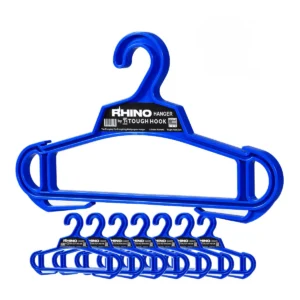
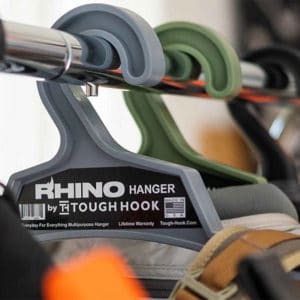

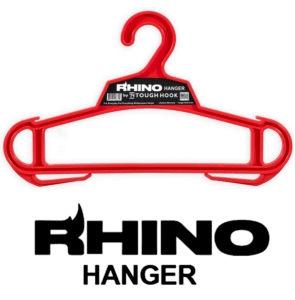
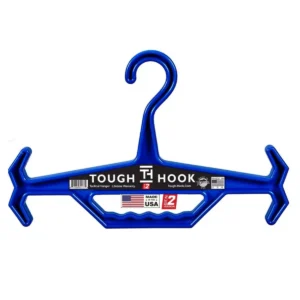


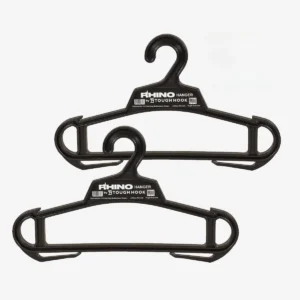
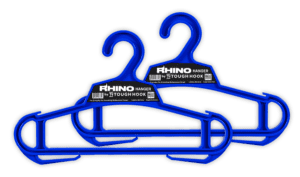
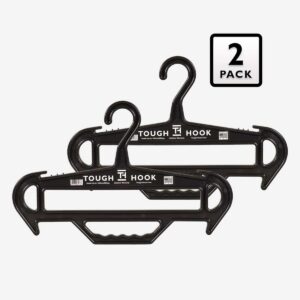
2 Pack RHINO Heavy Duty Clothes Hanger Bundle
Original price was: $27.95.$23.95Current price is: $23.95.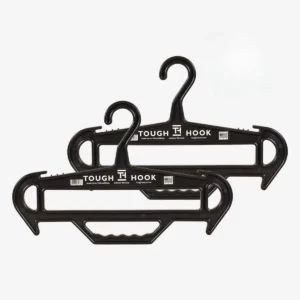
How Tough Hook Heavy-Duty Hangers Compare
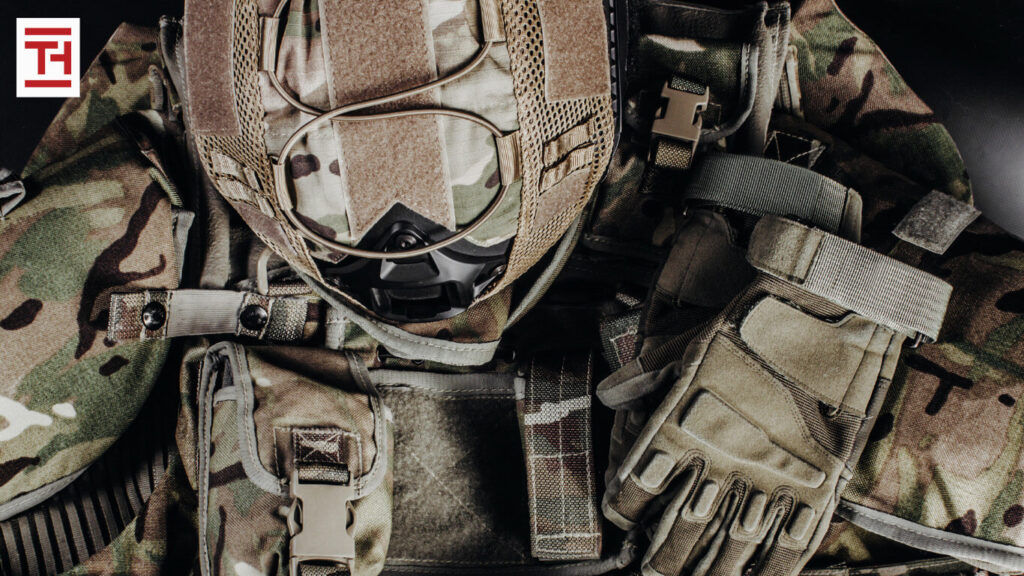
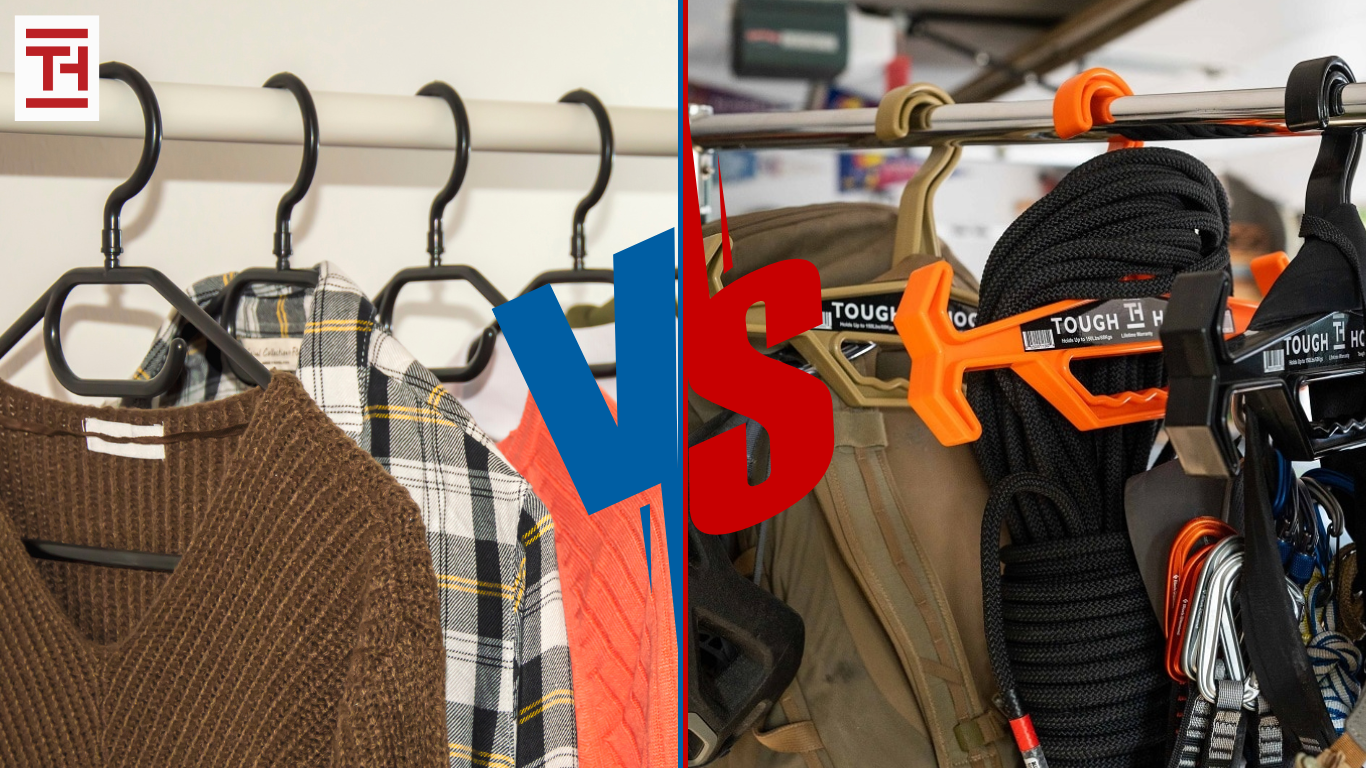
Standard hangers regardless of material share a common ceiling: they are designed for closet-weight clothing, not real-world gear. A winter coat, body armor, a loaded tactical vest, or scuba equipment far exceeds what plastic, wire, or even most wooden hangers can safely hold over the long term.
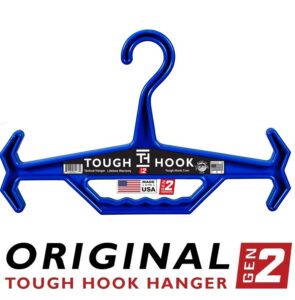
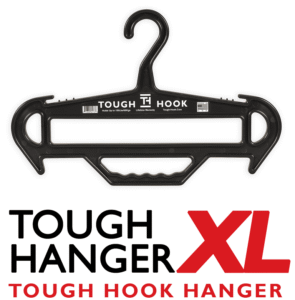
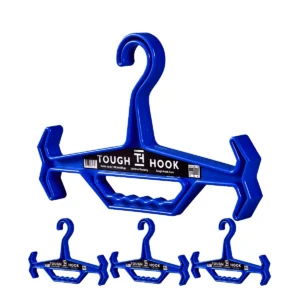
Tough Hook hangers are built from high-impact polypropylene with an integrated I-beam body design. The result is a rated capacity of 200 lbs — roughly 20 to 40 times what a standard plastic hanger supports — with no bending, bowing, or stress fractures over years of daily use. The hook is reinforced as a single molded unit with the body, eliminating the most common failure point seen in multi-piece hangers.
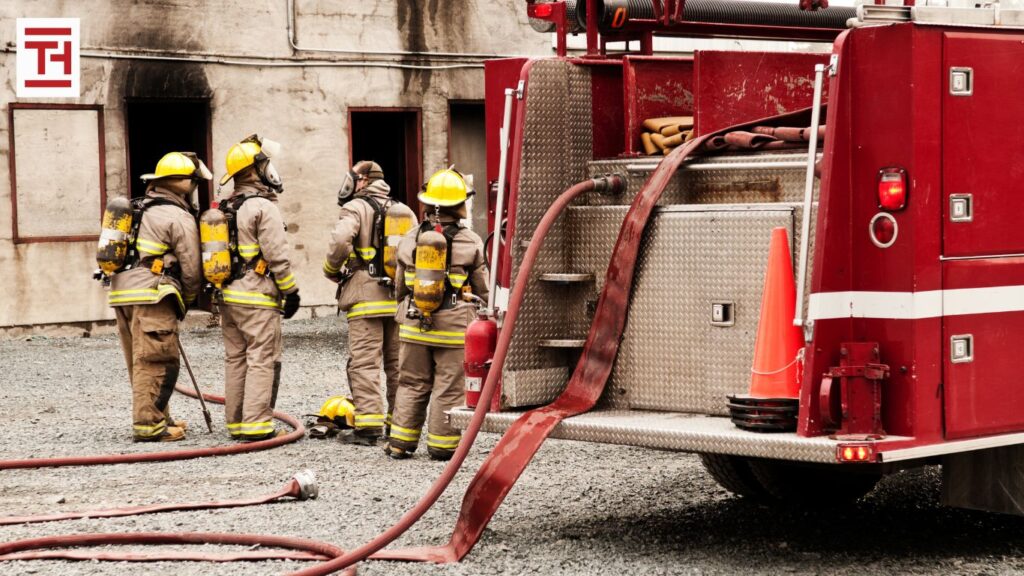
This is why Tough Hook hangers are the storage solution of choice for military personnel, law enforcement officers, firefighters, scuba divers, and serious outdoor enthusiasts who hang gear that standard hangers simply were not built to hold.

Why Choose Heavy-Duty Hangers?
If you are looking for a hanger that can withstand the test of time and provide reliable support for your garments, heavy-duty hangers are an excellent choice. Here are the key benefits:
- Enhanced durability: Heavy-duty hangers are built to last, offering superior durability compared to normal hangers. Their robust construction and quality materials deliver consistent performance across years of regular use.
- Support for heavier garments: They can easily handle the weight of coats, jackets, and other bulky items without bending or breaking.
- Protection for your clothes: By providing sturdy support, heavy-duty hangers help prevent your clothes from stretching, sagging, or losing their shape. This is especially important for suits, tailored jackets, and structured garments stored in a closet long-term.
- Cost-effective over time: While heavy-duty hangers may have a slightly higher upfront price, they are a long-term investment. Their superior lifespan and strength mean fewer replacements and less damage to your clothing.
- Resistance to wear and tear: Quality construction, anti-rust coatings, and reinforced hooks give heavy-duty hangers far greater resistance to the everyday wear and environmental conditions that quickly degrade standard options.
Your Source for Premium Heavy-Duty Hangers
At Tough Hook, we specialize in providing high-quality, heavy-duty hangers designed to meet the needs of discerning customers. Our hangers are crafted from durable materials and feature robust construction to ensure long-lasting performance.
Whether you are looking for hangers to organize your wardrobe or need a reliable solution for storing heavy equipment, Tough Hook has the perfect hanger for you. Visit our website to see our wide range of heavy-duty hangers and find out why we are the trusted choice for quality and durability.
When choosing between normal and heavy-duty hangers, the decision ultimately depends on your specific needs. If you frequently hang heavier garments or prioritize durability, heavy-duty hangers are the ideal choice. By investing in quality hangers, you can protect your clothes, maintain their shape, and enjoy a more organized wardrobe.
Remember, a durable hanger is not just a piece of clothing storage; it is an investment in the longevity of your wardrobe.
Frequently Asked Questions
How long do hangers typically last?
Lifespan varies by material. Standard plastic hangers last around 18.7 months on average. Metal hangers have only a 4.5% failure rate after 24 months. Wooden hangers last 5–10+ years with proper care. Heavy-duty polymer hangers like Tough Hook are built for indefinite long-term use.
Are wooden hangers more durable than plastic?
Yes. Wooden hangers support up to 12.3 kg (27 lbs) without warping, and 62.8% of users report they maintain garment shape better than plastic. For suits, coats, and structured clothing, wood significantly outlasts plastic in both strength and shape retention.
What is the best hanger material for heavy garments?
Heavy-duty polymer or metal hangers offer the best load capacity for heavy garments. The Tough Hook RHINO is rated to 200 lbs — 20 to 40 times the capacity of a standard plastic hanger — making it ideal for coats, tactical gear, and bulky outerwear.
How much weight can a standard plastic hanger hold?
Most standard plastic hangers fail at a sustained load of 5–10 lbs. ABS plastic hangers hold 10–12 lbs. For anything heavier, winter coats, suits, uniforms, or equipment, a heavy-duty hanger is necessary to avoid deformation, shoulder bumps, and breakage.
How can I extend the life of my hangers?
Keep closets dry to prevent rust and warping. Avoid overloading beyond rated capacity. Clean periodically and inspect every few months for cracks, bent hooks, or rust. Replace damaged hangers promptly. Proper storage of unused hangers in a dry area also prevents premature wear.
Do anti-rust coatings really improve hanger durability?
Yes. Anti-rust coatings increase hanger lifespan by approximately 27.6%. This makes coated metal hangers significantly more resilient in humid closets, marine environments, or damp storage areas where uncoated metal corrodes quickly and stains clothing.
What is the difference between a standard hanger and a heavy-duty hanger?
Standard hangers hold 5–10 lbs and are designed for everyday clothing. Heavy-duty hangers use reinforced materials, such as thicker metal, solid wood, or high-impact polymers, to support 50–200+ lbs. The structural difference means heavy-duty hangers resist bending, cracking, and hook failure better than standard hangers.