Emergency Medical Services (EMS) personnel operate in high-pressure environments where every second counts. When a call comes in, the last thing any responder needs is to fumble with tangled, damaged, or misplaced gear. Because EMS equipment is expensive, specialized, and vital for saving lives, the protection and organization of this gear between calls is not just a matter of convenience; it is a critical component of operational readiness. Maintaining equipment integrity requires a systematic approach to storage and care, ensuring that tools are ready for deployment the moment they are needed.
The Importance of Gear Longevity
EMS equipment, ranging from tactical vests and heavy-duty jackets to specialized communications gear, is subjected to extreme conditions. Responders move from sweltering heat to freezing temperatures and from the clean environment of a station to the grit and grime of an accident scene. Over time, this constant wear and tear can compromise the structural integrity of the materials. Without proper care, heavy equipment can sag, stretch, or warp, leading to premature failure.
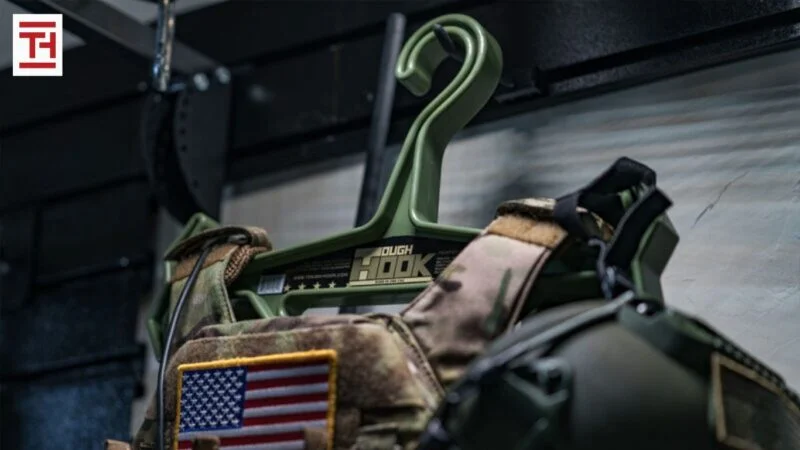
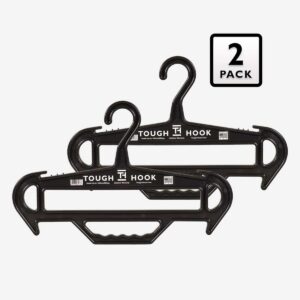
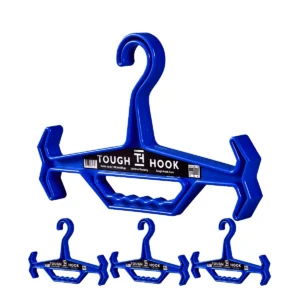
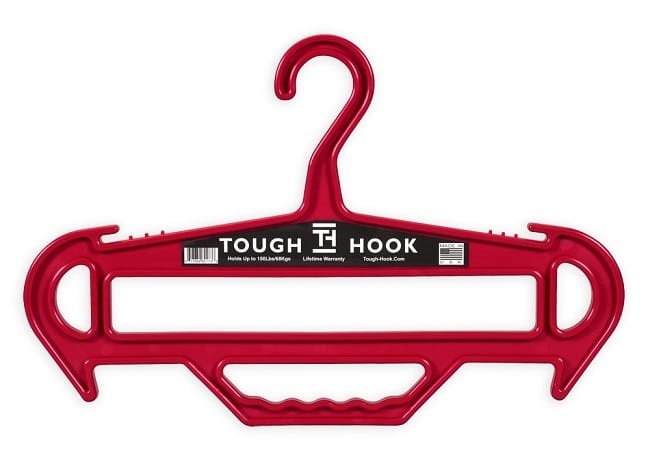
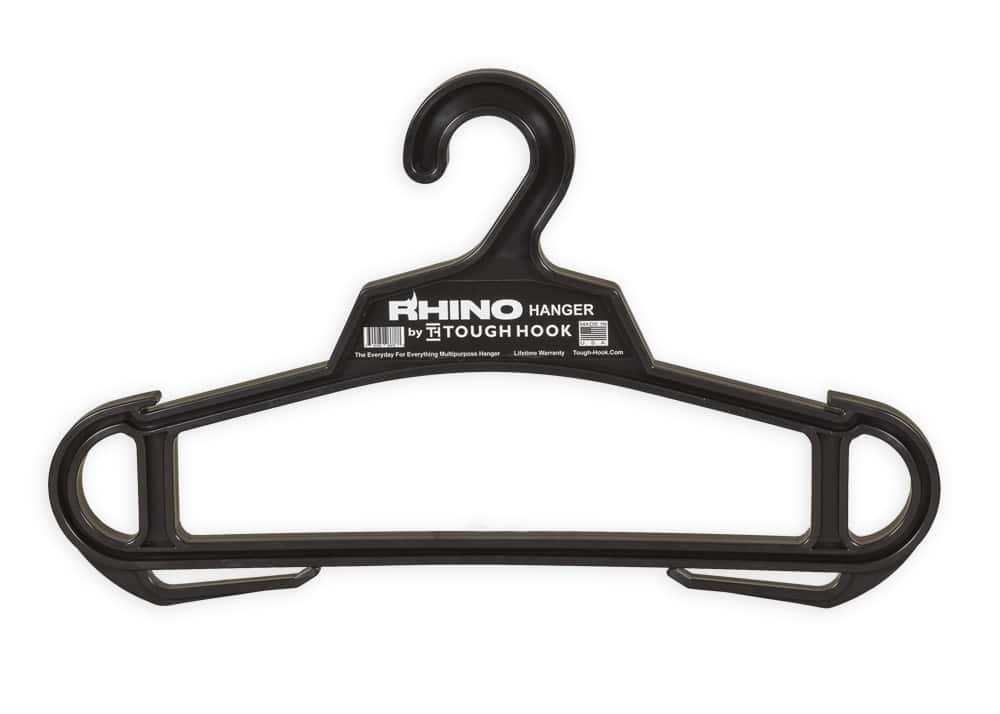
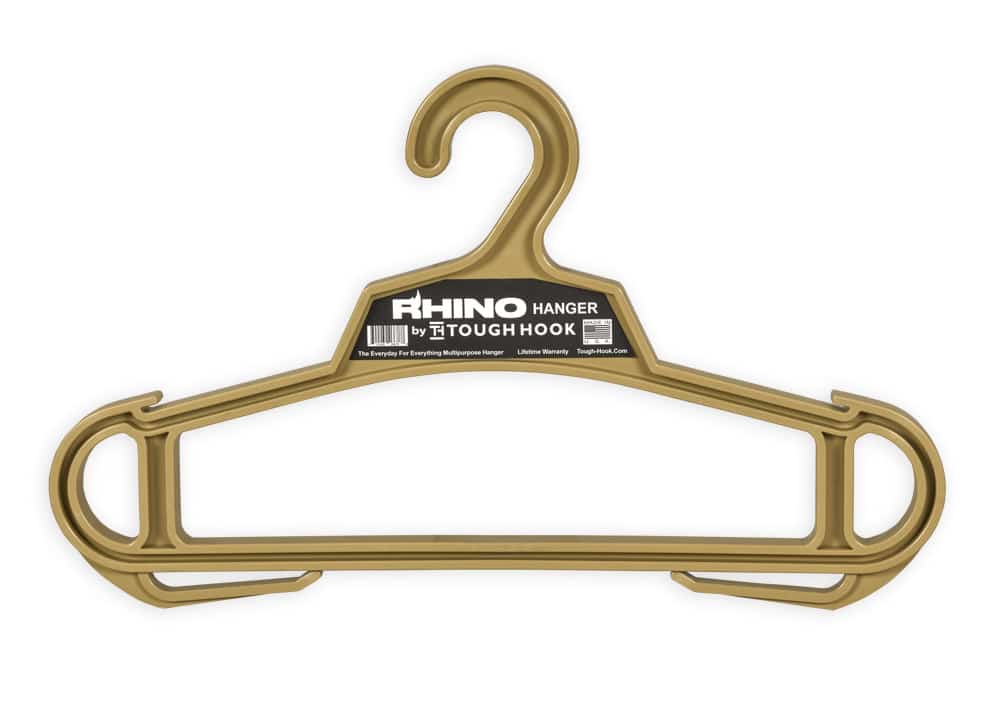
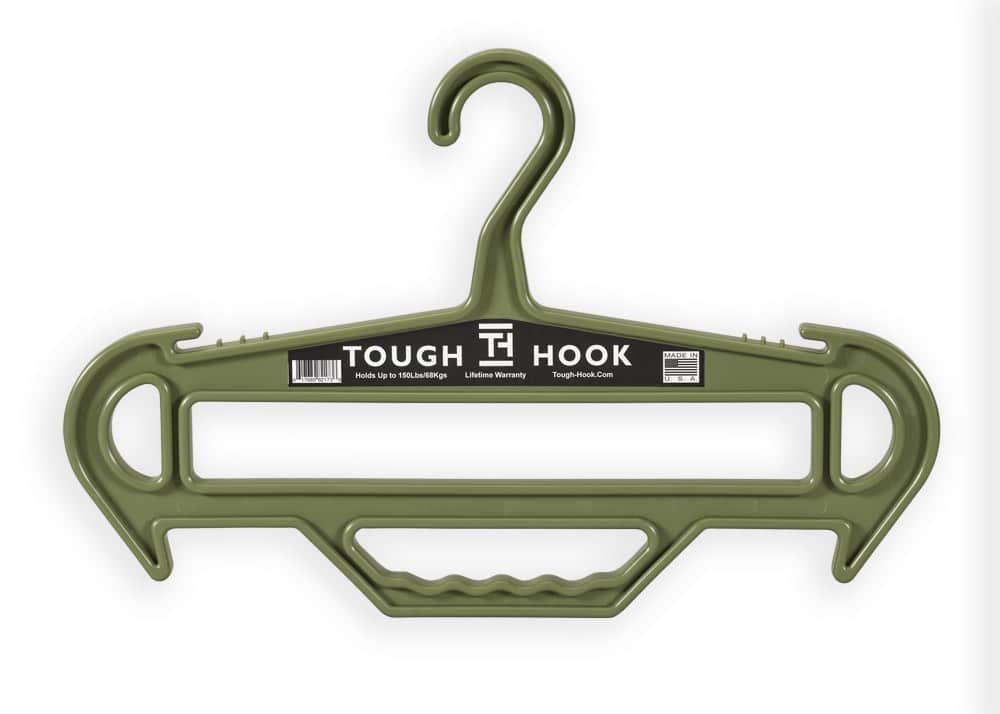
Protecting this gear starts with how it is stored during downtime. Often, gear is thrown into lockers or left in a heap, which accelerates fabric fatigue and damages electronic components. Implementing a strategy for hanging gear properly can significantly extend the lifespan of uniforms and tactical equipment. This is where high-quality organizational solutions come into play. Tough Hook provides clothing and equipment with heavy-duty hangers specifically designed to support the weight of professional gear, preventing the sagging and material stress that standard plastic or wire hangers simply cannot handle.

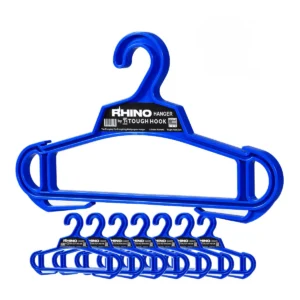
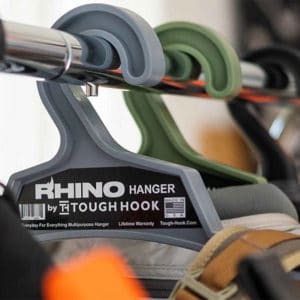

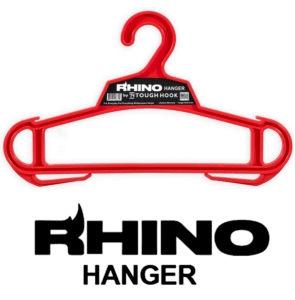
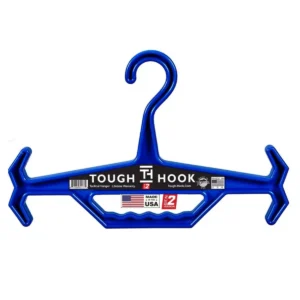

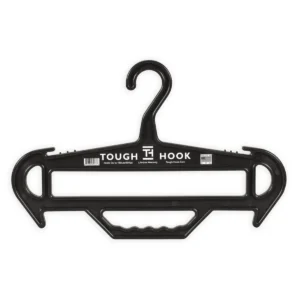
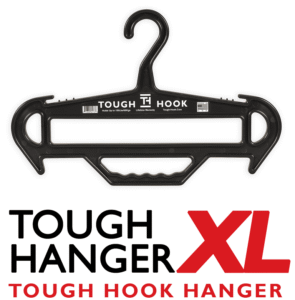
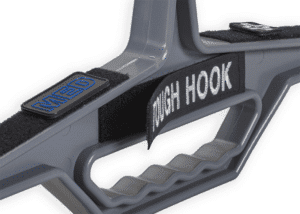
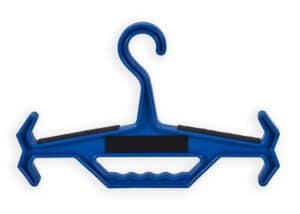
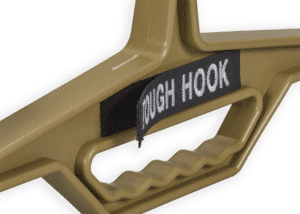
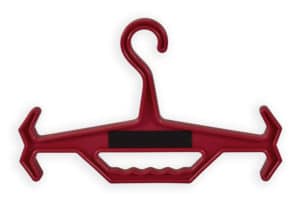
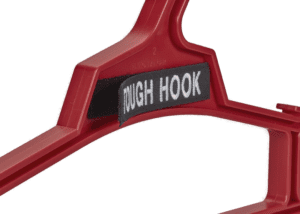
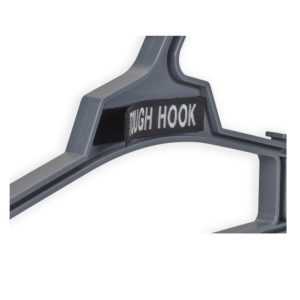
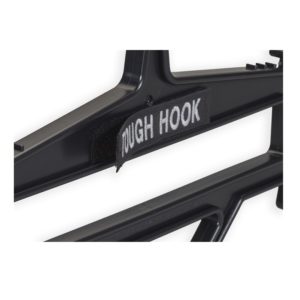


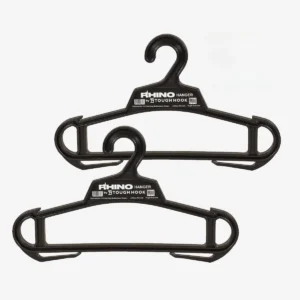
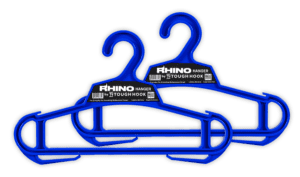
2 Pack RHINO Heavy Duty Clothes Hanger Bundle
Original price was: $27.95.$23.95Current price is: $23.95.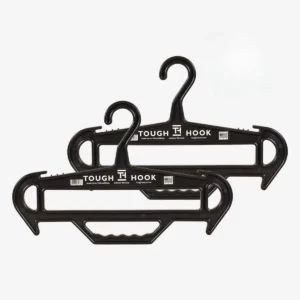
Strategies for Effective Equipment Maintenance
Maintaining EMS gear requires consistency and the right infrastructure within the station or vehicle. By focusing on proper storage, cleaning protocols, and inventory management, departments can ensure that their equipment remains in peak condition for as long as possible.
Create Dedicated Storage Zones
A disorganized station is a liability. Every piece of equipment, from heavy-duty tactical vests to radio harnesses, should have a designated, easily accessible storage location. This eliminates the frantic search for gear during an emergency and ensures that equipment is stored in a way that preserves its shape.
When storing gear, consider the following:
-
Utilize heavy-duty support systems: Standard hangers will collapse under the weight of a fully loaded EMS vest, causing the shoulders to stretch and the fabric to weaken over time. Tough Hook hangers are engineered to support the substantial weight of professional-grade equipment, ensuring that your gear maintains its form and is always ready for use.
-
Implement a rotating system: If gear is used in shifts, ensure that the most frequently used equipment is stored in the most accessible locations to minimize handling time.
-
Optimize ventilation: Tactical fabrics, especially those used in outer carriers, need to breathe after a call to prevent moisture buildup and the growth of bacteria or mold. Hanging gear properly on robust hangers promotes better airflow compared to folding it or leaving it in a closed locker.
Follow Strict Cleaning Protocols
After returning from a call, gear is often exposed to biohazards, dirt, and chemicals. Ignoring these contaminants not only degrades the material but also poses a health risk to the responder. Establishing a clear cleaning routine is essential.
Follow these steps for effective gear hygiene:
-
Inspect before cleaning: Before performing a deep clean, visually inspect the equipment for any signs of damage, such as loose stitching or cracked plastic.
-
Use appropriate cleaners: Always follow the manufacturer’s cleaning instructions, as using harsh chemicals or industrial-strength detergents can damage fire-resistant or specialized coatings on uniforms.
-
Air dry completely: Never store gear while it is still damp, as this is the primary cause of equipment odors and material degradation. Utilize sturdy hangers to hang heavy jackets and vests in a well-ventilated area until they are completely dry.
The Role of High-Quality Hangers
It is a common mistake to view hangers as an afterthought, but for EMS professionals, they are a fundamental piece of equipment infrastructure. A heavy-duty hanger is not merely a place to put a uniform; it is a tool designed to preserve the functionality and appearance of the gear. Tough Hook understands that EMS gear is heavy and bulky. By using hangers that are specifically manufactured to bear significant loads, responders can protect the structural integrity of their vests, jackets, and communication gear.
Using specialized hangers offers several distinct advantages:
-
Prevents shoulder damage: Standard hangers often create pressure points that can deform shoulder pads or weaken heavy-duty fabric.
-
Enhances organizational efficiency: When every item has a dedicated, secure place to hang, the station becomes more organized and professional.
-
Extends the lifespan of expensive equipment: By properly distributing the weight of the gear, you prevent unnecessary stress on seams and fasteners, effectively delaying the need for replacement.
Long-Term Benefits of Gear Protection
Investing in the proper maintenance and storage of EMS equipment provides long-term benefits that extend beyond the station walls. When gear is protected and organized, responders feel more confident in their tools. A clean, well-maintained uniform projects professionalism and ensures that the focus remains on patient care rather than equipment failure. Furthermore, from an administrative perspective, extending the life of high-end tactical equipment represents a significant cost saving for the department.
Ultimately, the goal is to ensure that when a call comes in, the equipment is ready to perform without hesitation. By focusing on the small details, such as how gear is hung between calls and how it is cleaned, departments can build a culture of readiness and care that supports every member of the team. Incorporating professional-grade solutions like those offered by Tough Hook into your station setup is a practical step toward achieving these operational goals, ensuring that your equipment is always built for the long hours you work.