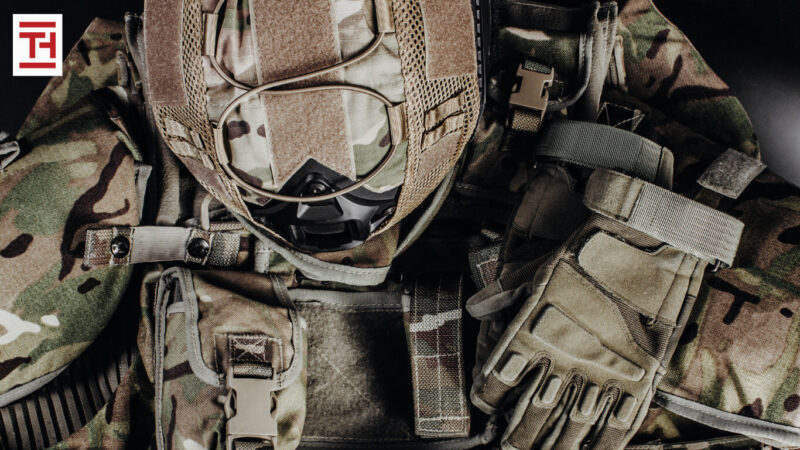
Military operations and intense training cycles place immense stress on tactical equipment. Body armor, load-bearing vests, helmets, and uniforms are engineered to withstand extreme conditions. However, the true test of longevity occurs when the training cycle ends. How equipment is treated during downtime dictates its reliability when the next deployment or exercise begins. Leaving valuable gear piled in a vehicle or shoved into a damp duffel bag is a recipe for equipment failure. Professional service members understand that maintenance is a continuous process. Treating your equipment with respect between cycles ensures that it remains functional, safe, and ready for immediate deployment.
The Risks of Improper Tactical Gear Storage
Improper storage causes premature equipment degradation. When heavy gear is tossed into a corner or piled carelessly, destructive processes take place. Moisture from sweat or environmental exposure becomes trapped within fabric fibers, leading to the rapid growth of mold and mildew. This biological growth creates an unpleasant odor and eats away at the integrity of nylon, stitching, and hook-and-loop fasteners. Furthermore, leaving heavy items like plate carriers compressed or folded incorrectly can deform internal ballistic materials or soft armor inserts. Over time, these materials develop permanent creases, reducing protective coverage and compromising safety. Straps and elastic components can also lose tension if left under improper stress for prolonged periods. For a professional, maintaining an organized storage routine is a matter of operational readiness.
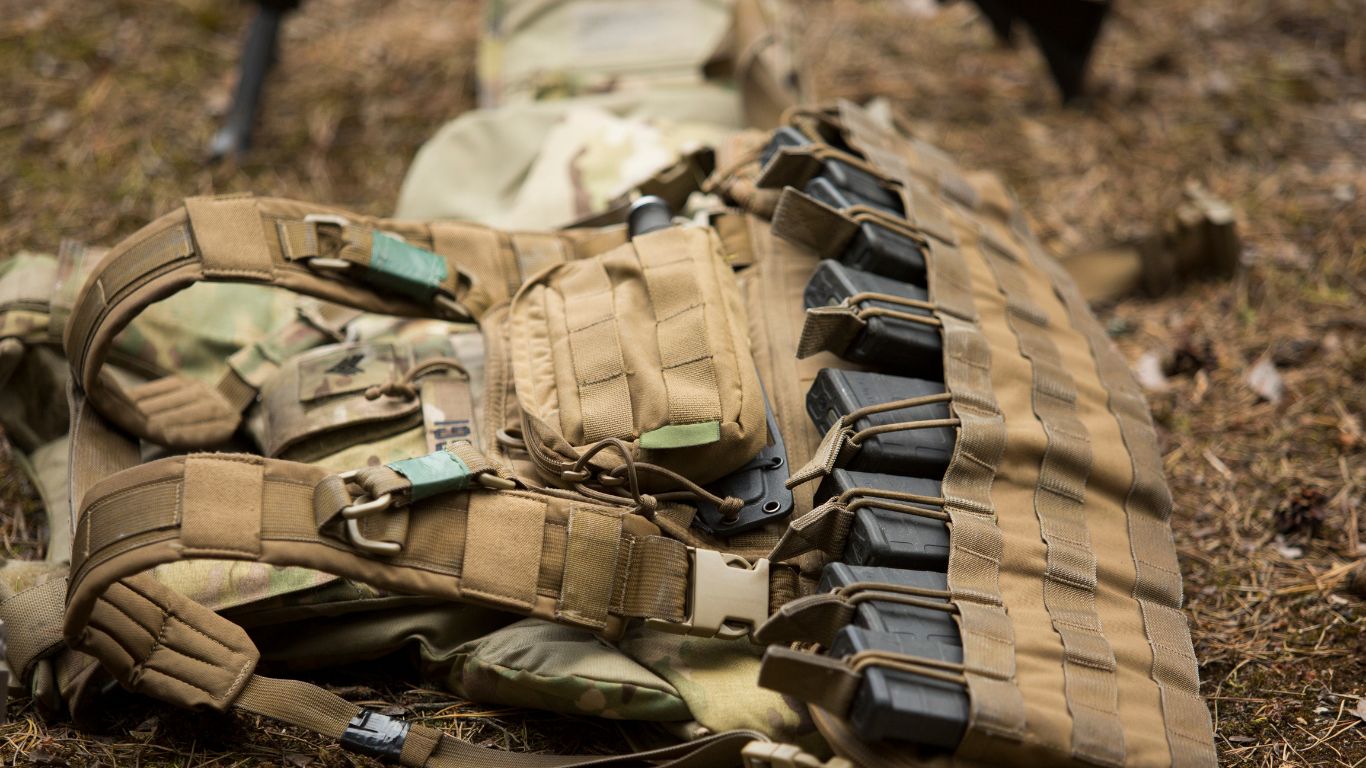
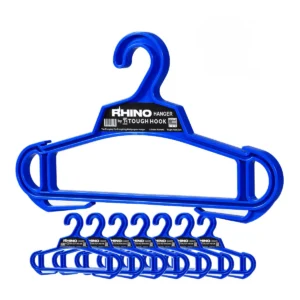
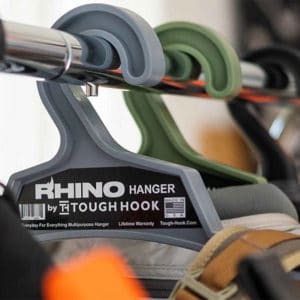

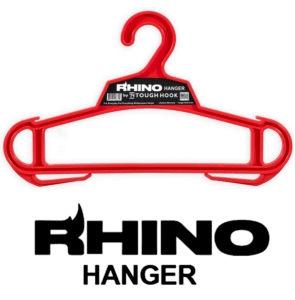
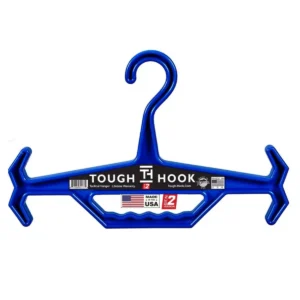

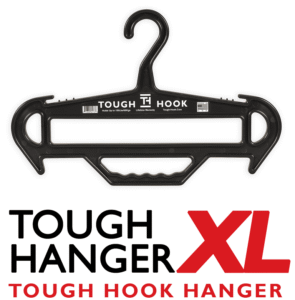
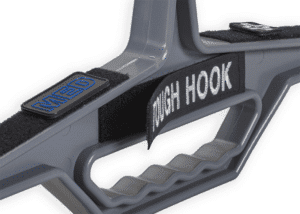
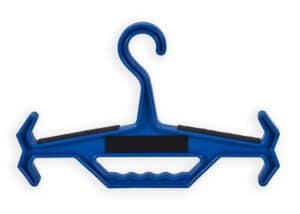
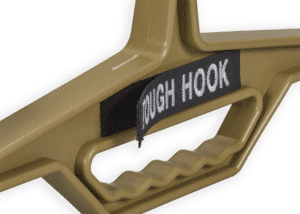
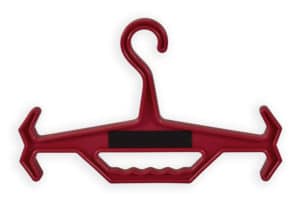
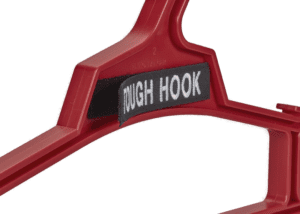
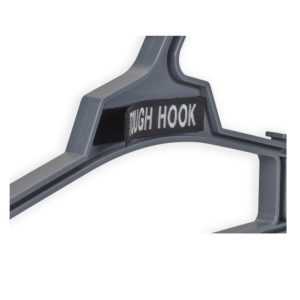
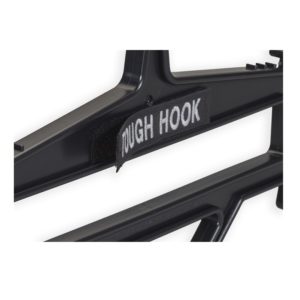


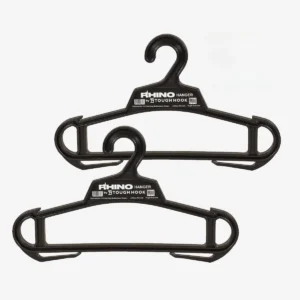
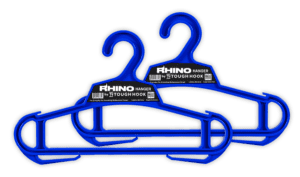
2 Pack RHINO Heavy Duty Clothes Hanger Bundle
Original price was: $27.95.$23.95Current price is: $23.95.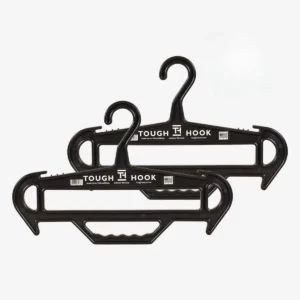
Pre-Storage Cleaning and Inspection Protocol
Before any piece of equipment is placed into storage, it must undergo a thorough cleaning and inspection process. Storing gear covered in sweat, salt, mud, or field grime accelerates structural damage. Salt from human sweat is particularly corrosive to metal zippers, snaps, and high-strength synthetic fibers. To clean tactical gear properly, follow specific manufacturer guidelines, but generally adhere to a manual cleaning approach. Avoid utilizing harsh industrial detergents or bleach, which strip away flame-retardant coatings or infrared-reflective properties. Instead, use mild soap, warm water, and a soft-bristled brush to gently scrub away dirt. Once washed, allow everything to air dry completely in a well-ventilated area away from direct sunlight. Ultraviolet rays weaken nylon fibers over time. During the drying phase, conduct a rigorous inspection of all components to identify issues requiring immediate repair.
Key inspection checkpoints:
-
Hardware and fasteners: Check all polymer buckles, metal snaps, and zippers to ensure they open and close smoothly without catching.
-
Stitching and seams: Examine high-stress areas such as shoulder straps, drag handles, and MOLLE webbing for any signs of fraying or separation.
-
Ballistic inserts: Remove plates and soft armor panels to check for cracks, delamination, or fluid penetration that could void protective ratings.
Maximizing Longevity Through Heavy-Duty Hanging Solutions
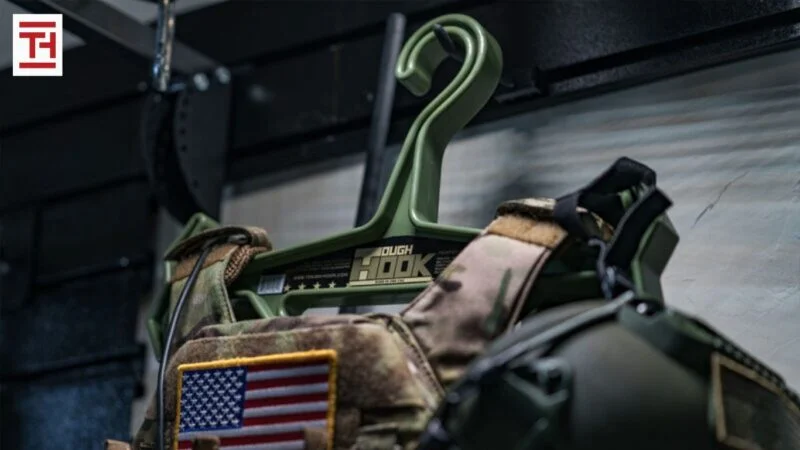
One of the most critical aspects of professional gear maintenance is how equipment is supported physically while stored. Body armor, tactical vests, and heavy cold-weather apparel should never be stored flat or folded for extended periods, as this restricts airflow and creates structural creases. Hanging these items is the superior choice, but standard residential hangers are wholly inadequate for the job. A fully loaded plate carrier or tactical vest can easily weigh anywhere from twenty to over forty pounds. Standard plastic or thin wire hangers bend, crack, or snap completely under this type of weight, dropping expensive gear onto the floor where it can accumulate dirt or suffer impact damage. To solve this problem, professional operators rely on specialized, heavy-duty storage infrastructure.
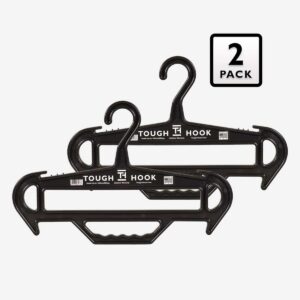
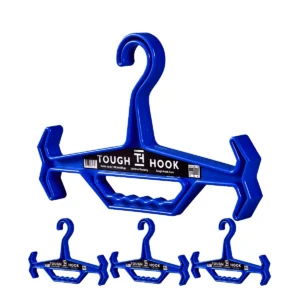
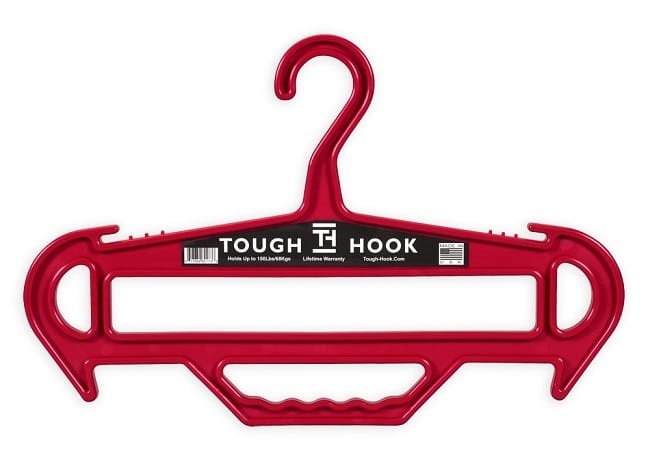
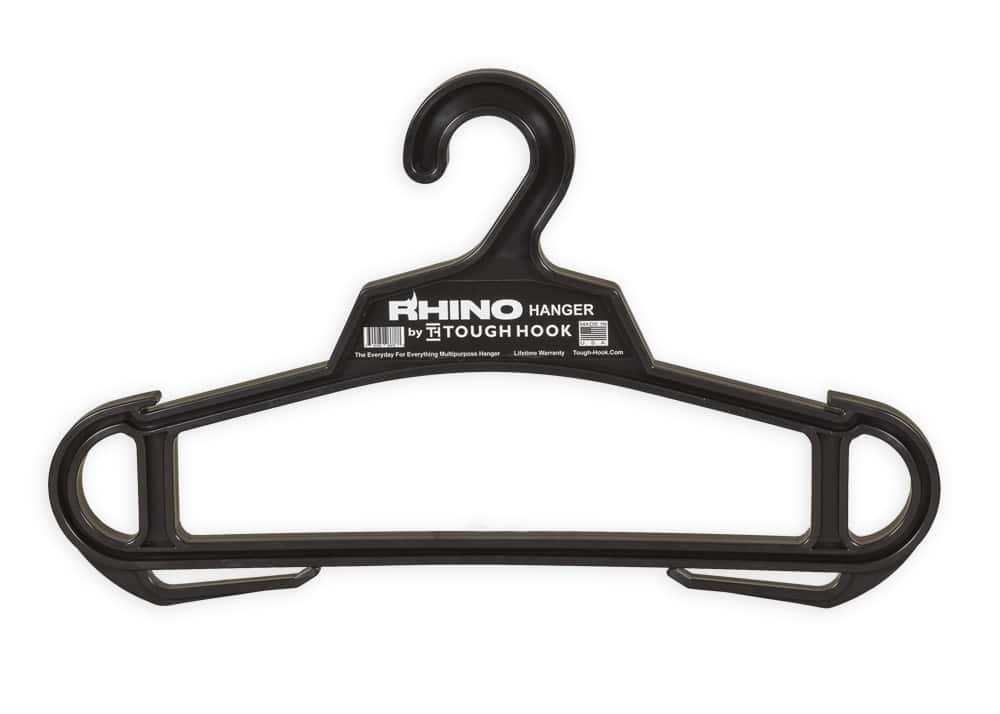
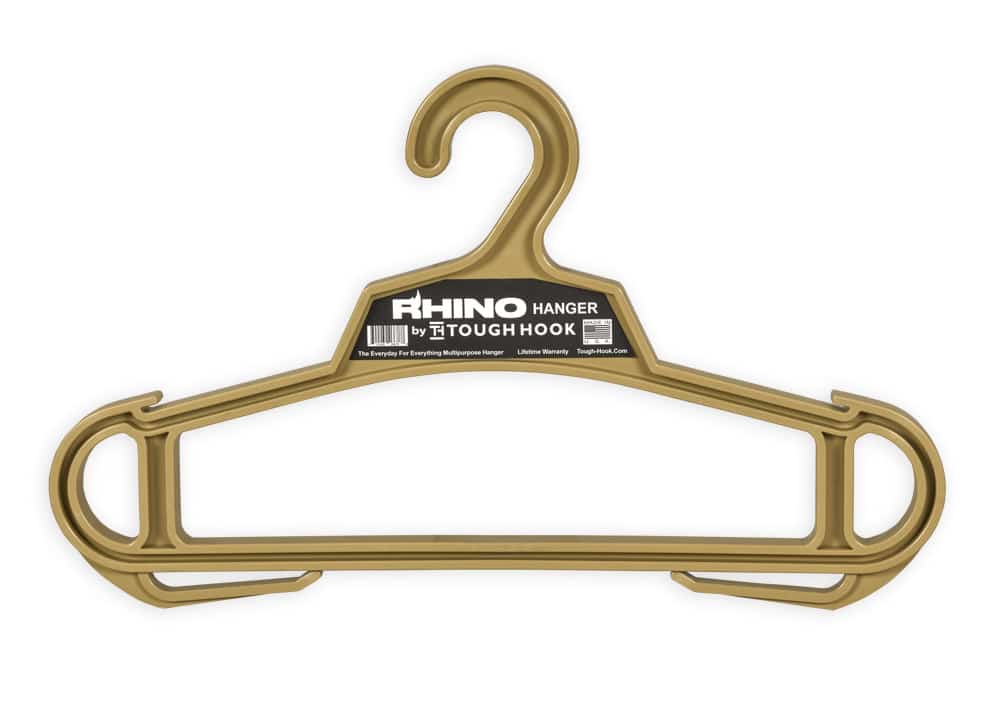
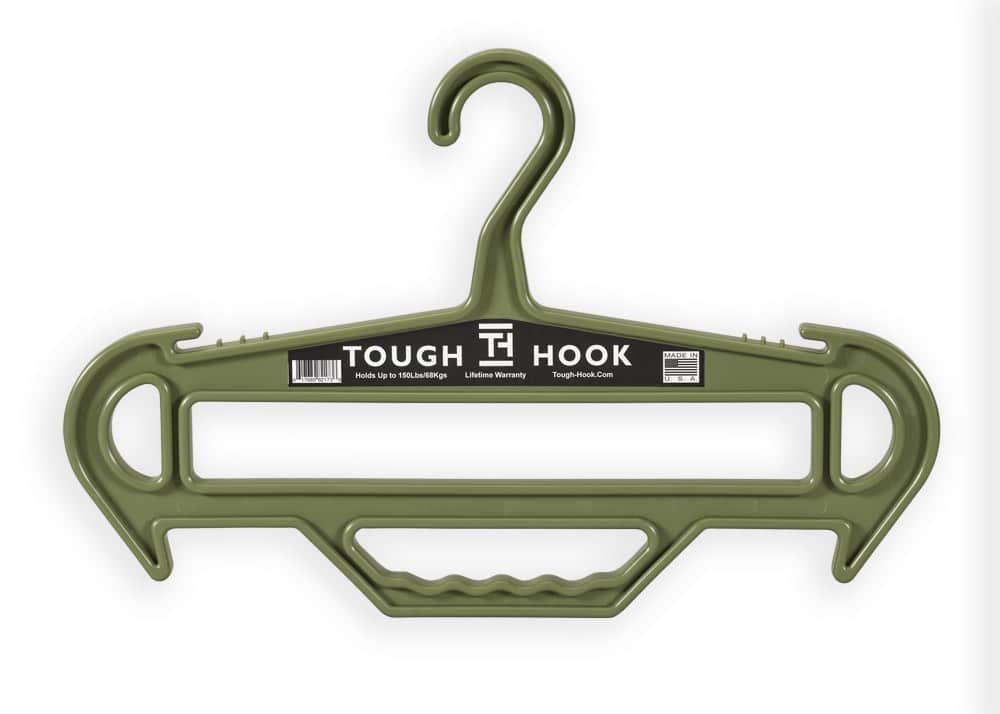
Our company, Tough Hook, manufactures premium clothing and equipment heavy-duty hangers designed specifically to handle the extreme weight of tactical equipment. These hangers are engineered from high-impact polymer materials supporting up to one hundred and fifty pounds without flexing or breaking. Utilizing a dedicated support system allows air to circulate fully around and through the gear, accelerating the evaporation of residual moisture and preventing odor accumulation. Additionally, keeping your gear suspended helps maintain the original shape and contour of shoulder pads and load-bearing straps, ensuring maximum comfort during your next training iteration.
Essential gear hanging guidelines:
-
Plate carriers: Suspend the carrier using an engineered heavy-duty hanger to keep the weight evenly distributed across the shoulder straps.
-
Uniforms and flight suits: Hang shirts, jackets, and specialized outerwear fully unzipped to maximize interior ventilation during the off-season.
-
Helmets and accessories: Utilize integrated hooks or attachment loops on specialized hangers to keep protective headgear and belts off the ground.
Environmental Controls and Spatial Organization
Where you choose to store your equipment is just as vital as how you hang it. The storage environment should always be cool, dry, and dark. High humidity levels are the primary enemy of tactical gear, as moisture accelerates the breakdown of polyurethane coatings used for water resistance on tactical bags and packs. If you store your gear in a closet, garage, or supply room, ensure there is consistent airflow. For areas prone to dampness, utilizing dehumidifiers or placing silica gel packs inside storage bins can help mitigate moisture risks. Furthermore, keep your equipment away from chemical hazards like automotive fluids, oils, or exhaust fumes, which chemically degrade synthetic textiles and plastics. Organization is another key component of professional storage. Grouping your equipment by kit type allows you to quickly inspect and inventory your belongings, meaning you can grab your gear and go at a moment’s notice.
Commitment to Operational Readiness
Maintaining military gear between training cycles is a reflection of professionalism and discipline. By establishing a strict routine of cleaning, inspecting, and hanging your equipment with high-quality solutions like those from Tough Hook, you extend the operational lifespan of your vital assets. Taking care of your gear ensures that it will perform perfectly when you need it most, allowing you to focus entirely on the mission or training objective at hand.