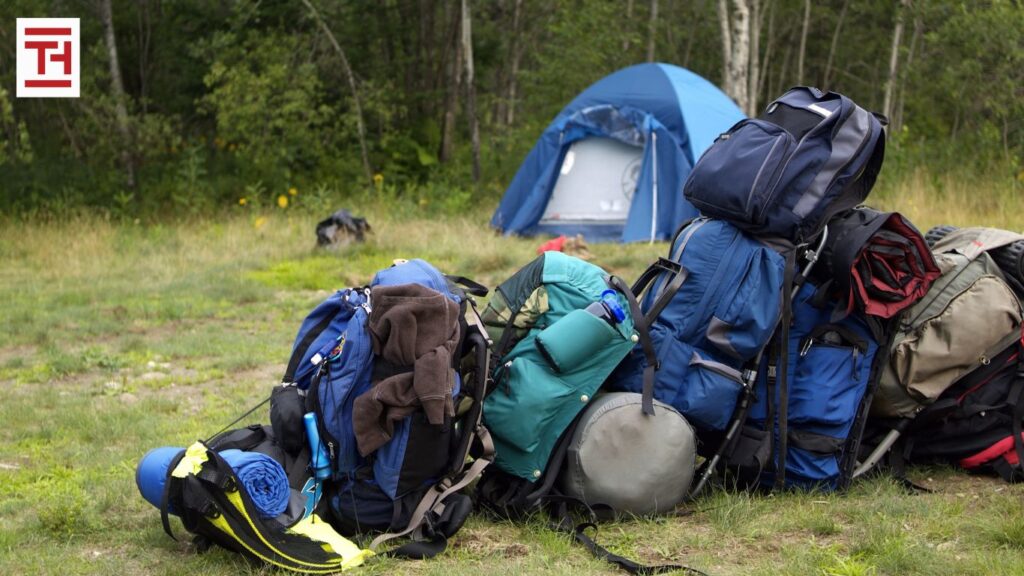
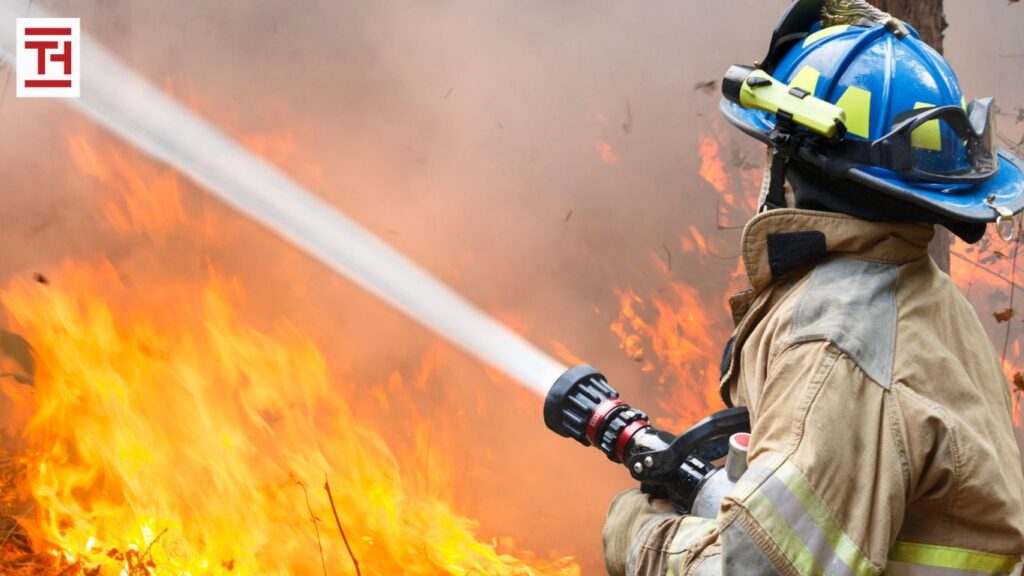
The investment in high-quality outdoor gear is rarely a small one. Whether you are a dedicated hunter, an avid hiker, a tactical professional, or a weekend camper, your equipment represents a significant financial commitment and, more importantly, your lifeline in the great outdoors. However, even the most rugged gear has a primary enemy: neglect during the off-season.
Proper storage is the difference between pulling out a ready-to-use kit next year or finding a pile of moldy, degraded, and brittle equipment. To ensure your gear maintains its integrity and performance, you must follow a disciplined protocol for cleaning, organizing, and hanging your items.
The Foundation of Gear Longevity: Cleanliness
Before any piece of equipment is tucked away for months, it must be meticulously cleaned. Storing gear with dirt, sweat, or moisture is a recipe for irreversible damage.
-
Remove organic matter: Dirt and mud can trap moisture against fabrics, leading to the breakdown of waterproof coatings and the rotting of natural fibers. Use a soft brush to remove loose debris before washing.
-
Eliminate salt and sweat: For tactical vests, plate carriers, and backpacks, salt from sweat is particularly corrosive. It can stiffen nylon and corrode metal zippers or buckles over time.
-
Dry completely: This is the most critical step. Even a small amount of residual moisture can lead to the growth of mold and mildew, which can ruin the structural integrity of fabrics and create odors that are nearly impossible to remove.
Once everything is scrubbed and rinsed, avoid the temptation to throw items in a high-heat dryer. Air drying in a well-ventilated, shaded area is the safest way to preserve the lifespan of technical textiles and plastics.

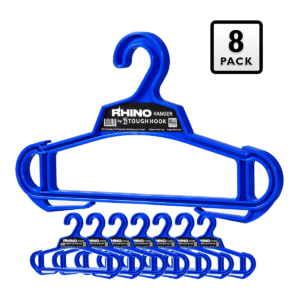
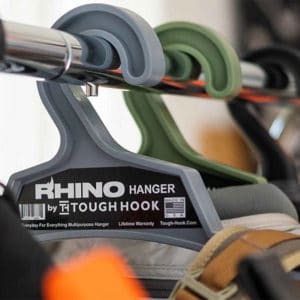
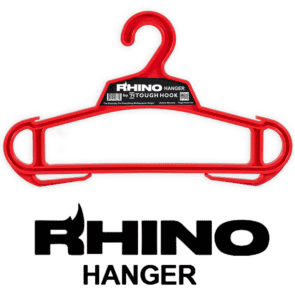

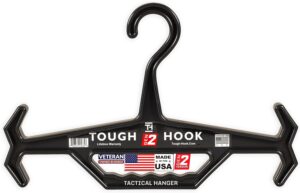
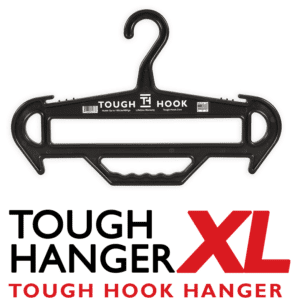
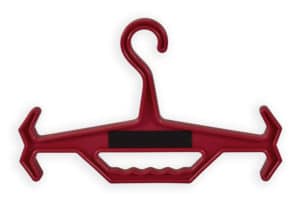
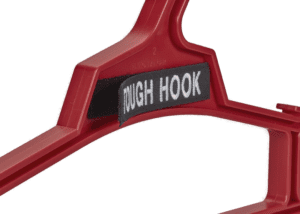
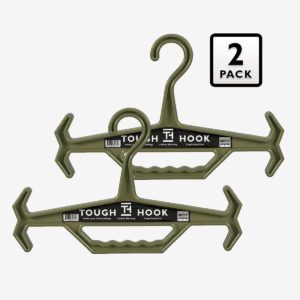

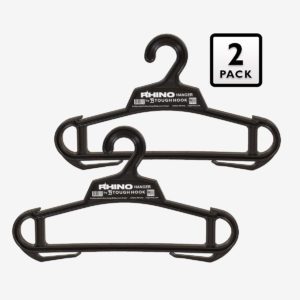
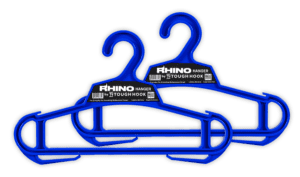
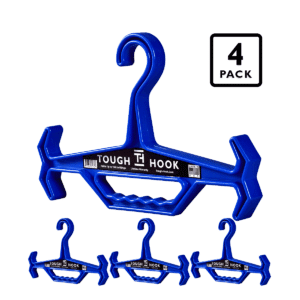
2 Pack RHINO Heavy Duty Clothes Hanger Bundle
Original price was: $27.95.$23.95Current price is: $23.95.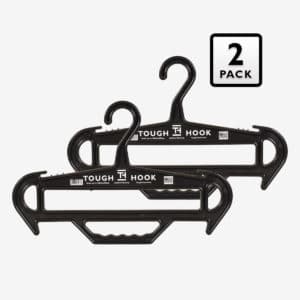
The Risks of Improper Storage
Many people make the mistake of shoving their gear into plastic bins or duffel bags and forgetting about them until the following season. This “pack and forget” mentality leads to several common issues that shorten the life of your equipment.
-
Compression set: When heavy items like body armor or thick winter parkas are folded or crushed under other gear, the fibers and foam inserts can lose their shape and protective qualities.
-
Lack of airflow: Sealed plastic bins can trap humidity. If the temperature in your storage area fluctuates, condensation can form inside the bin, creating a micro-environment for mold.
-
Pest damage: Rodents and insects are attracted to salt and food residues. Gear left on the floor of a garage or basement is an easy target for nesting.
To combat these risks, professional-grade storage solutions are required. This is where the method of elevation becomes vital.
The Importance of Vertical Storage
Hanging your equipment is vastly superior to stacking it. Vertical storage allows for consistent airflow around the entire item and prevents the permanent creasing of heavy materials. However, standard household hangers are notoriously inadequate for the weight of outdoor and tactical equipment. A flimsy plastic or wire hanger will snap or deform under the weight of a loaded hunting vest or a set of heavy-duty waders.
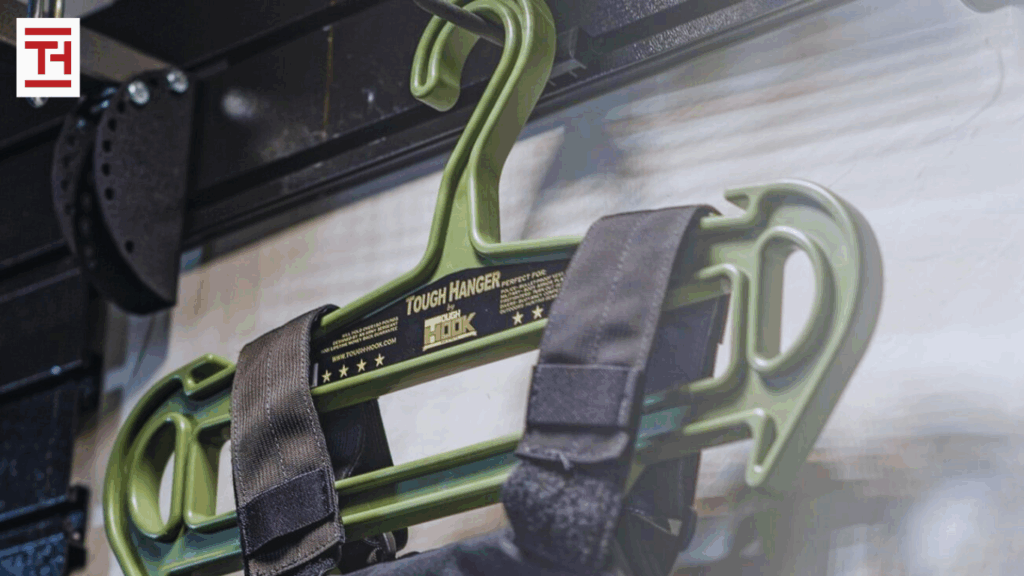
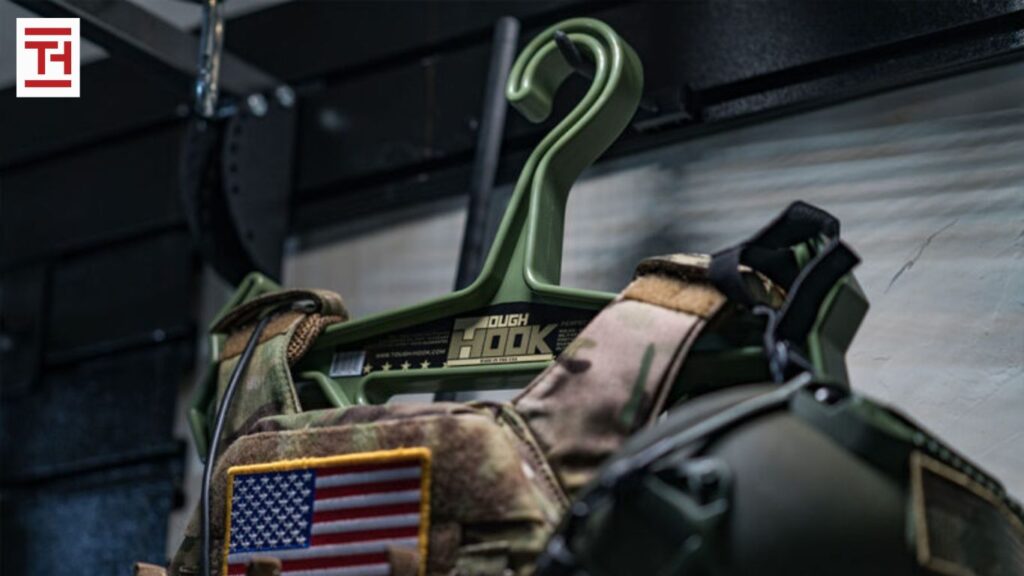
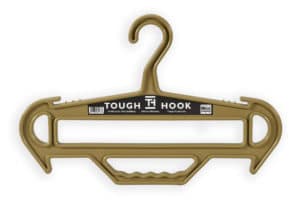
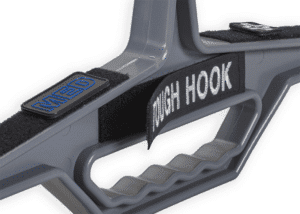
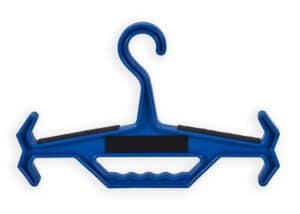
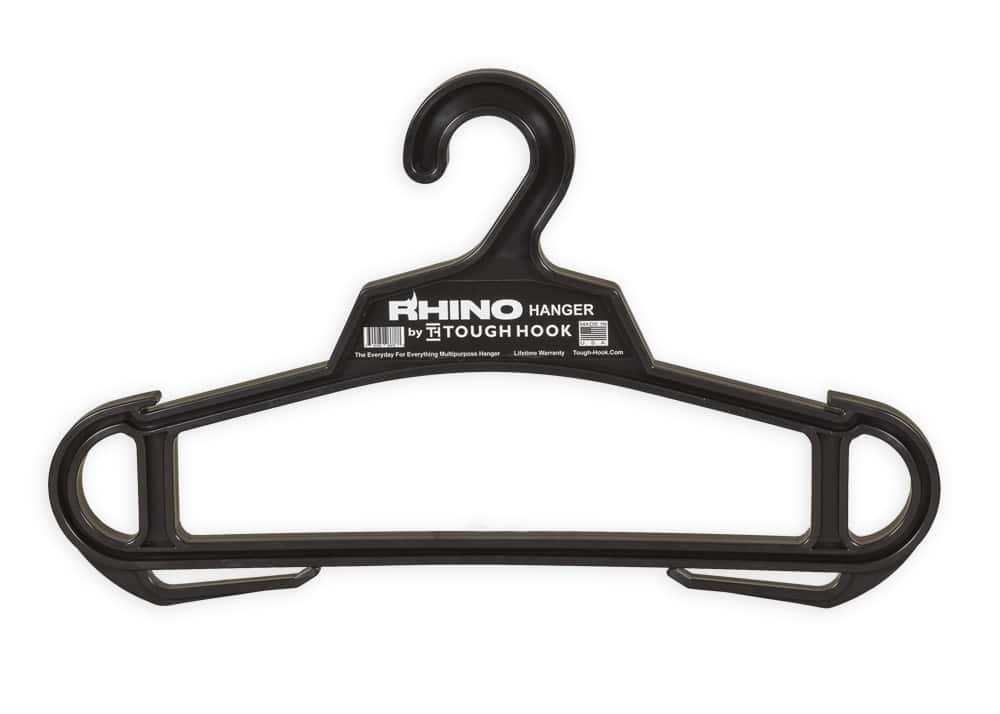
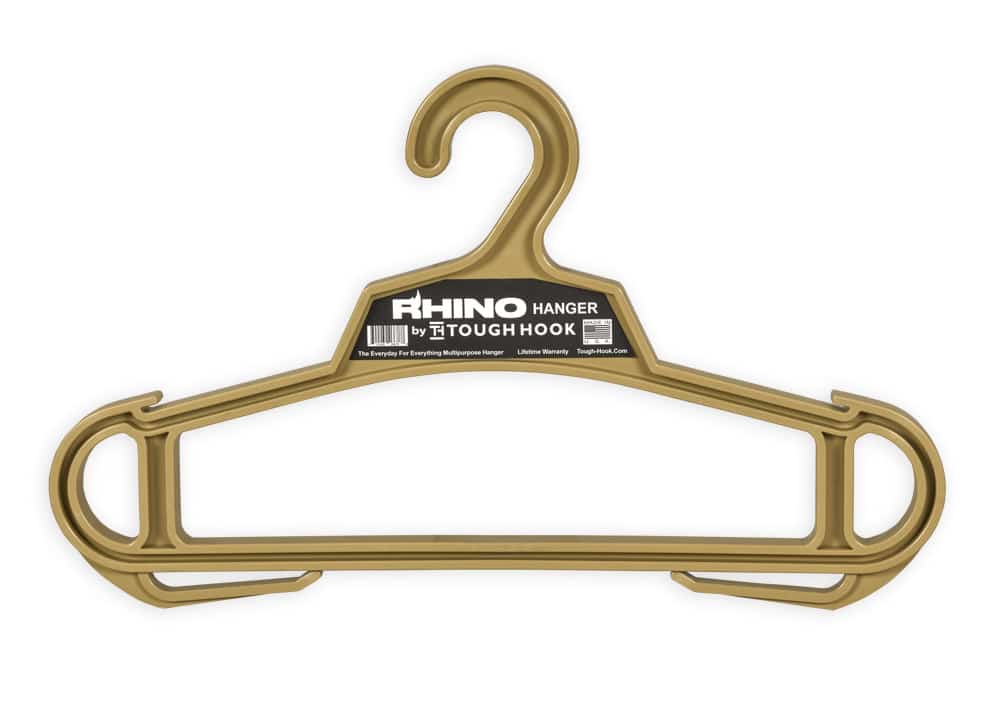
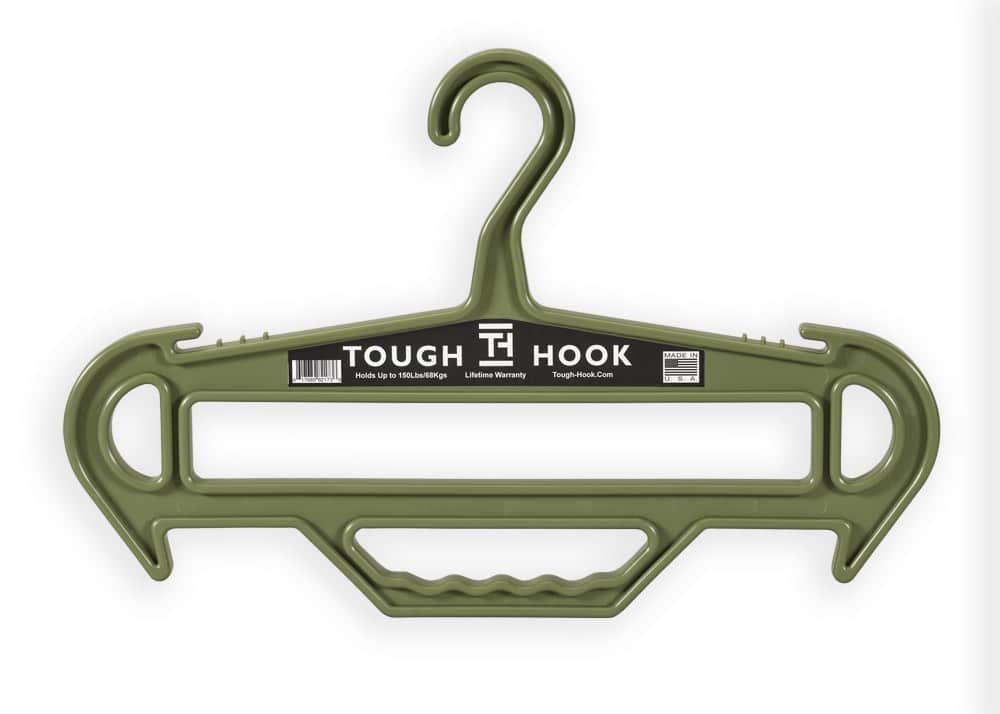
At Tough Hook, we recognized this gap in the market. Our heavy-duty hangers are engineered specifically to support the weight of the world’s heaviest gear, from scuba BCDs and tactical body armor to thick cold-weather coveralls. By using a specialized hanger, you ensure that the weight of the garment is distributed across a wide, reinforced shoulder area, preventing the “stretching” effect that occurs with inferior products.
Specialized Care for Technical Gear
Different types of outdoor equipment require specific approaches to ensure they remain in peak condition during the long months of the off-season.
-
Tactical Vests and Plate Carriers: Never store these items with the plates inside if they are being folded. If you choose to hang them, use a high-capacity hanger like a Tough Hook to ensure the stitching in the shoulder straps does not fail under the static load.
-
Waders and Wetsuits: These should never be folded, as the neoprene or rubber will eventually crack at the fold lines. Hanging them upside down or by the shoulders using a dedicated heavy-duty hanger allows them to retain their shape and ensures all internal moisture evaporates.
-
Sleeping Bags: Most people store sleeping bags in their compression sacks, but this is detrimental to the loft of the insulation. Instead, hang them or store them in a large, breathable mesh bag to maintain their thermal efficiency.
-
Tents and Tarps: Ensure these are bone-dry. Even a hint of dampness can cause the polyurethane coating to become “sticky” through a process called hydrolysis, which effectively ruins the waterproof capability of the tent.
Organizing Your Storage Environment
Where you store your gear is just as important as how you store it. A climate-controlled environment is always the gold standard, but it is not always possible for large equipment inventories.
-
Avoid UV exposure: Direct sunlight will degrade nylon and other synthetic fibers over time. Ensure your storage rack is away from windows.
-
Maintain temperature stability: Extreme heat in an attic or extreme cold in an uninsulated shed can cause plastics to become brittle. Aim for a cool, dry location like a closet or a finished basement.
-
Implement a “First-In, First-Out” system: Arrange your gear so that the items you need for the upcoming season are the most accessible. Using a consistent hanging system makes it easy to scan your inventory at a glance.
The Role of Tough Hook in Your Maintenance Routine
When we designed the Tough Hook, we did so with the understanding that gear is an extension of the person using it. Our hangers are not just pieces of plastic; they are tools designed to protect your most expensive assets.
-
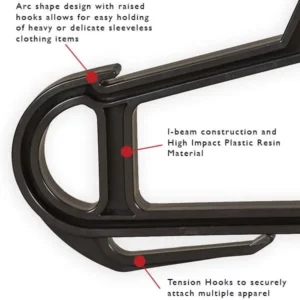
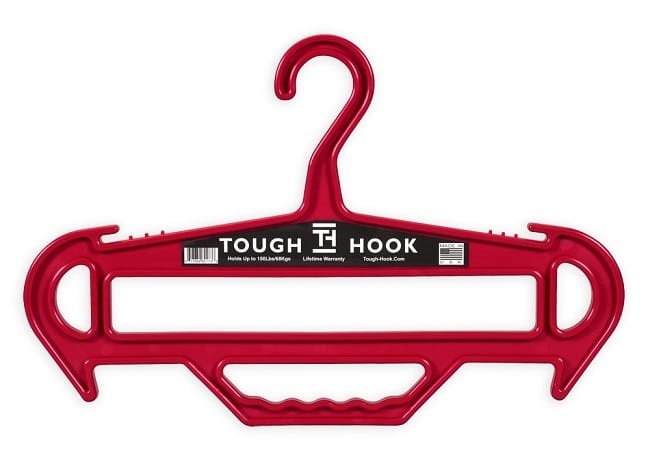
High weight capacity: Our hangers can support up to 150 lbs, making them perfect for fully loaded kits that would destroy any other hanging solution.
-
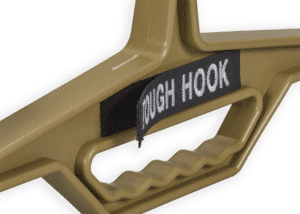
Integrated carry handle: The unique design includes a handle that allows you to transport your gear easily from the closet to the vehicle without removing it from the hanger.
-
Durability: Made from high-impact resin, these hangers are built to last as long as the gear they hold.
By integrating a heavy-duty hanging system into your storage routine, you are making a conscious choice to extend the life of your equipment. It is an insurance policy against the wear and tear that occurs when gear is poorly handled during its downtime.
Final Inspection and Inventory
The end of the season is also the perfect time to perform a gear audit. As you clean and hang each item, inspect it for signs of wear such as frayed stitching, cracked buckles, or thinning fabric. Taking the time to identify these issues now means you have months to repair or replace them before the next season begins.
List all the items you have successfully stored and make a note of any consumables—like waterproof sprays or batteries—that need to be replenished. This level of organization ensures that when the first day of the new season arrives, you aren’t scrambling to find missing parts or discovering broken equipment.
Off-season protection is about more than just finding a place to put your things. It is an essential part of the gear ownership cycle. By focusing on thorough cleaning, choosing vertical storage over compression, and utilizing the robust support provided by Tough Hook hangers, you can ensure that your equipment remains as reliable as the day you bought it. Take care of your gear, and it will take care of you when you are out in the elements.