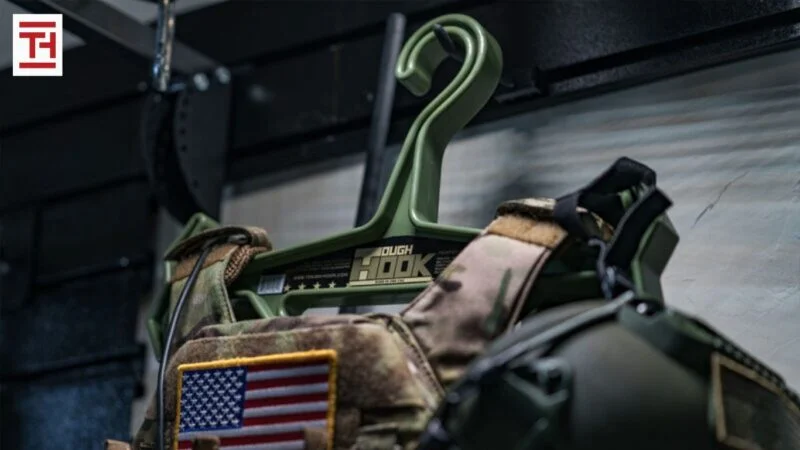
In high-risk professions such as military, law enforcement, firefighting, and healthcare, uniform hygiene is not just about appearance. It is about health and safety. Uniforms can be a significant source of cross-contamination, especially when they are not stored or rotated properly. Whether you are managing gear for a firehouse, a tactical team, or a busy hospital, correct uniform storage and rotation is one of the simplest ways to protect the people who wear that gear and everyone around them.
At Tough Hook, we understand the importance of proper uniform storage. Our heavy-duty hangers are designed to support the weight and structure of even the bulkiest gear, making them a practical choice in any hygiene-conscious setting. This article walks through how to correctly hang and rotate uniforms to reduce cross-contamination and maintain a clean, safe working environment.
Why Cross-Contamination Matters
Cross-contamination occurs when harmful bacteria or substances transfer from one item to another. In environments where uniforms come into contact with bodily fluids, chemicals, or dirt, failing to manage clothing properly can create health risks for the wearer and for anyone nearby.
Even simple habits, like tossing gear into a shared bin or reusing a dirty uniform, can contribute to the spread of germs and contaminants. Departments and facilities that are keeping uniforms looking sharp long-term usually start with the same basic habit: gear gets hung up correctly the moment it comes off.

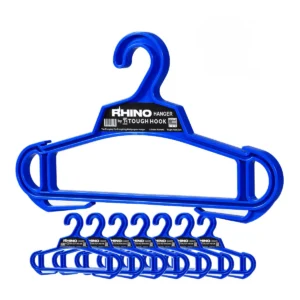


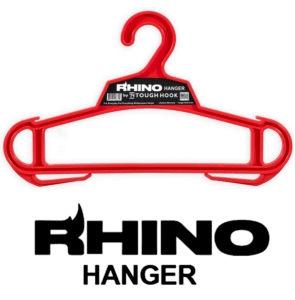
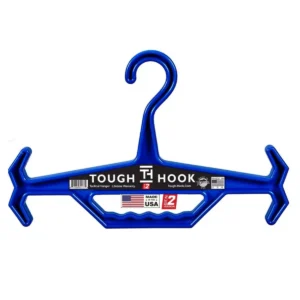

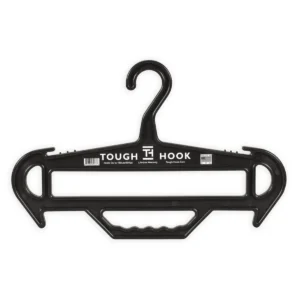


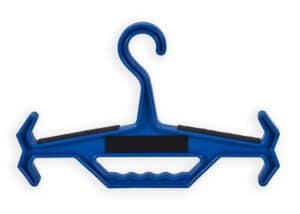

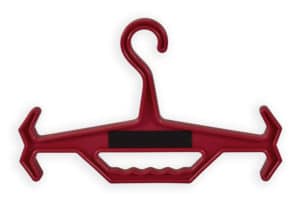





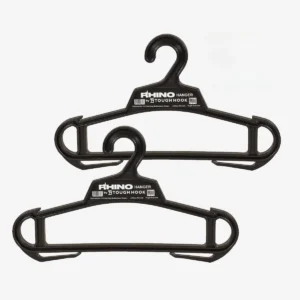
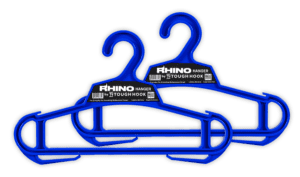
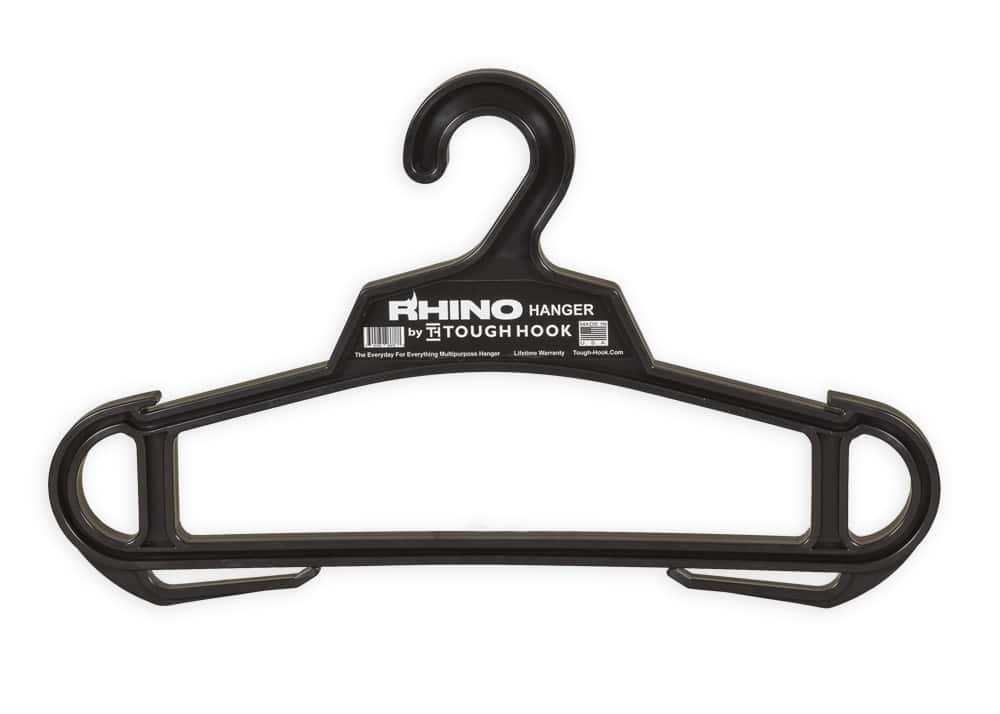
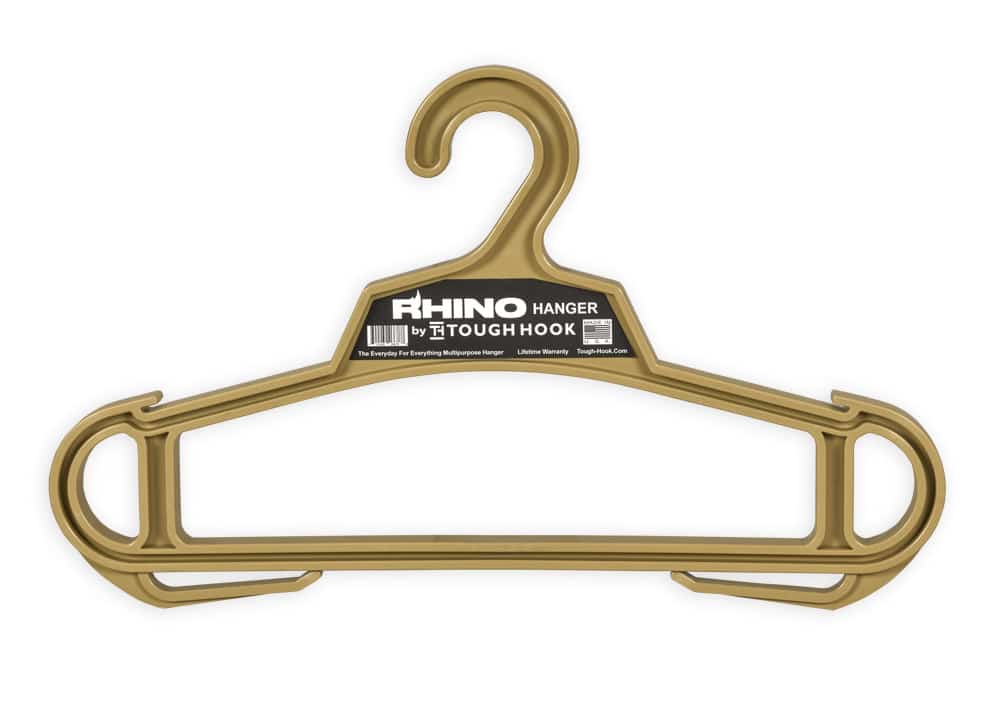
2 Pack RHINO Heavy Duty Clothes Hanger Bundle
Original price was: $27.95.$23.95Current price is: $23.95.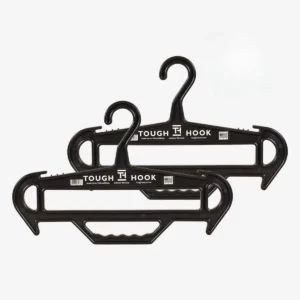
Health Risks of Wearing a Dirty or Soiled Uniform
A soiled uniform is not just unpleasant to wear. It can be a direct source of contamination on its own. Bodily fluids, chemical residue, or accumulated dirt on a uniform can transfer to skin, other clothing, and shared surfaces when the uniform is not stored or laundered promptly.
This is one reason many high-risk workplaces separate soiled uniforms from clean ones the moment a shift ends, rather than letting them sit in a bag or locker. Leaving a dirty uniform bundled up for hours, or storing it next to clean gear, gives bacteria more time to spread to whatever it touches next, which is why prompt hanging, airing, and laundering matters just as much as the storage system itself.
The Role of Uniform Storage in Preventing Cross-Contamination

Proper storage is not just about keeping things neat. It is a frontline defense against harmful contamination. Here is how uniform storage can help:
- Separates Clean from Dirty Gear: Dirty gear can contaminate clean uniforms if the two are stored together.
- Allows Uniforms to Air Out: Hanging gear helps with ventilation, reducing the growth of bacteria and mold.
- Prevents Gear Deformation: Proper hanging preserves the shape and integrity of uniforms and protective equipment, maintaining their effectiveness.
How to Hang Uniforms Correctly
One of the best practices for reducing cross-contamination is making sure uniforms are hung properly after every use. This also ties directly into maintaining a professional uniform standard over time, since gear that is hung correctly holds its shape and looks presentable for longer. Here is what you need to know:
Use Dedicated Hangers:
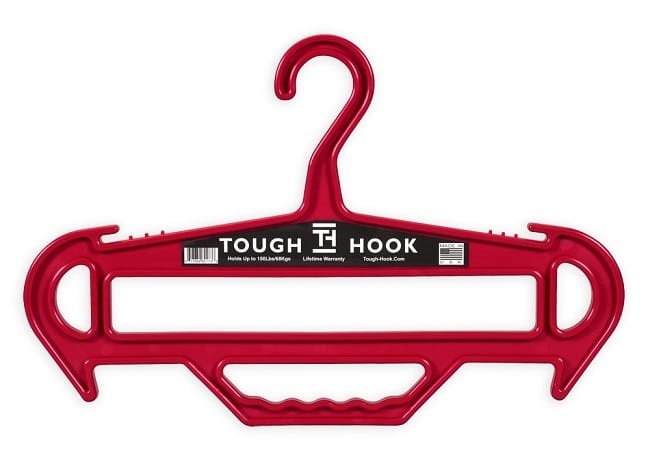
- Heavy-duty hangers like those from Tough Hook: Our hangers are engineered to support the shape and weight of uniforms, tactical vests, and protective gear without warping or collapsing, including hangers built around standard-issue uniform requirements.
- Avoid regular plastic or wire hangers: These can bend or break, causing gear to fall and potentially contaminating surrounding items.
Separate Storage Zones:
- Designate zones for clean and dirty uniforms: Keep soiled gear away from fresh uniforms. Many EMS teams manage this with a dedicated clean-to-dirty separation system so contaminated gear never touches ready-to-wear uniforms.
- Use labeled hooks or compartments: Make it clear which area is for clean versus used gear.
Hang by Weight Distribution:
- Use hangers with shoulder support: Tough Hook’s integrated shoulder structure evenly distributes weight, helping to prevent fabric stress and deformation over repeated use.
- Avoid hanging heavy gear on thin points: Doing so can cause sagging and damage, reducing the effectiveness of PPE.
Keep Air Circulation in Mind:
- Allow space between uniforms: Crowding can trap moisture, encouraging bacteria and mold growth.
- Avoid closed containers for wet gear: Instead, hang items in a well-ventilated area.
Choosing the Right Hook or Hanger for Uniforms
Not every hook or hanger is built to handle a uniform the way it is actually used day to day. A basic wire or thin plastic hook works fine for a light shirt, but it struggles once a uniform is layered with a duty belt, a vest, or wet outerwear.
When choosing a hook or hanger for uniform storage, look for shoulder support wide enough to hold the garment’s shape, enough weight capacity for anything regularly clipped or hung alongside the uniform, and a hook or bar strong enough not to bend under repeated daily use. For teams weighing their options, this breakdown of standard versus heavy-duty hanger durability walks through what separates a basic hanger from one built for daily uniform use.
How to Rotate Uniforms Effectively

Uniform rotation ensures that every piece of clothing has adequate time for cleaning and airing out between uses. Here is how to manage it:
Label Uniforms for Easy Tracking:
- Assign numbers or names to uniforms: This helps track usage frequency and cleaning cycles.
- Use color-coded tags or labels: Different colors can represent days of the week or level of cleanliness.
Follow a Scheduled Rotation:
- Rotate based on days or shifts: For example, uniform A for Monday, B for Tuesday, and so on.
- Use a laundry schedule: Make sure worn uniforms are cleaned before they go back into rotation.
Maintain a Uniform Inventory:
- Keep enough sets for full rotation: Every employee should have at least two to three sets of uniforms.
- Replace worn or damaged gear promptly: Torn or compromised clothing can no longer offer adequate protection.
Educate Staff on the Importance of Rotation:
- Train teams on proper procedures: Everyone should know when and how to change uniforms.
- Post guidelines in locker or storage areas: Visible reminders help reinforce good hygiene habits.
Additional Tips for Reducing Cross-Contamination
Beyond hanging and rotation, there are several other ways to further reduce risk:
- Wash uniforms separately from personal clothing: Uniforms may carry industrial contaminants that should not mix with everyday laundry.
- Use hot water and proper detergents: Follow manufacturer guidelines for effective sanitation.
- Wear gloves when handling soiled gear: This adds a layer of protection against bacteria and hazardous substances.
- Store footwear separately: Boots and shoes can carry contaminants into clean areas if not handled correctly.
- Regularly disinfect storage areas: Locker rooms and gear closets should be cleaned on a scheduled basis.
Common Uniform Storage Rules and Guidelines
Many workplaces that require uniforms also set basic rules for how they should be stored and maintained, even if those rules are not always written down.
Common guidelines include hanging uniforms immediately after each shift rather than leaving them balled up in a bag, never storing a soiled uniform in the same space as a clean one, reporting damaged or heavily contaminated gear so it can be replaced instead of returned to rotation, and keeping uniforms in a well-ventilated area rather than a sealed locker or closed bag.
These rules exist for the same reason storage and rotation habits matter in the first place: a uniform that is stored correctly stays professional-looking, holds up longer, and is less likely to become a source of cross-contamination.
Why Tough Hook Is the Right Choice
Tough Hook provides heavy-duty hangers engineered for professionals who rely on high-performance gear. Our hangers are:
- Designed by service members: Built with firsthand knowledge of the demands placed on tactical and safety equipment.
- Impact-resistant and durable: Made from high-quality polymer that can support over 150 lbs.
- Versatile for various applications: From plate carriers and turnout gear to wetsuits and medical gowns, Tough Hook handles it all.
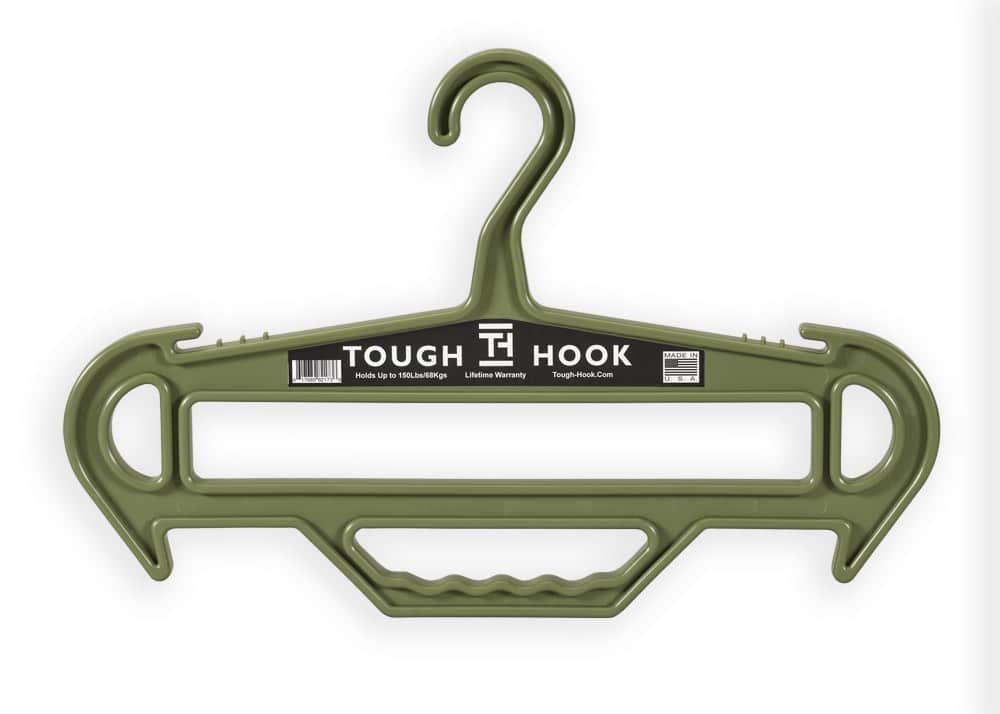
With a built-in handle and a patented design, Tough Hook hangers make it easy to store, transport, and hang gear without compromising its shape or cleanliness.
Ready to upgrade your uniform storage? Take a look at the Original Tough Hook Hanger, built to hold the shape and weight of uniforms, tactical vests, and PPE without warping.
Frequently Asked Questions
How often should work uniforms be rotated?
Most teams rotate uniforms daily or by shift, with each set cleaned before it goes back into use. Keeping two to three sets per person makes a consistent rotation easier to maintain.
Can a dirty uniform actually make you sick?
Yes. A soiled uniform can carry bacteria, bodily fluids, or chemical residue that transfers to skin, surfaces, or other clean gear on contact, which is why separating clean and dirty uniforms is a core part of any hygiene plan.
Should uniforms be washed separately from regular clothes?
Yes. Uniforms worn in medical, tactical, or industrial settings can carry contaminants that should not mix with everyday household laundry, so washing them in a separate load is the safer practice.
What is the best way to hang a uniform to prevent damage?
Use a hanger with shoulder support that matches the weight of the gear, leave space between items for airflow, and avoid thin wire or standard plastic hangers that can bend under heavier uniforms and equipment.
How many uniform sets does one person need for a proper rotation?
At least two to three sets per person is a practical baseline, so there is always a clean uniform ready while another is being laundered or aired out.