Every garment in your collection is an investment. Whether it is a bespoke wool suit, a heavy leather motorcycle jacket, or a piece of tactical body armor, the enemy of that investment is often invisible: gravity. While we focus on washing cycles and stain removal, we frequently overlook the mechanical stress placed on fibers by improper storage. Understanding the science of weight distribution is the key to ensuring your gear maintains its integrity and aesthetic appeal for years to come.
The Mechanics of Fiber Stress
At the molecular level, clothing is a network of interwoven fibers. When a garment is hung, the entire mass of the item pulls downward, concentrated at specific contact points. If the weight is not distributed evenly across a surface area that mimics the human frame, the fibers undergo “creep,” a slow and permanent deformation under constant stress.
-
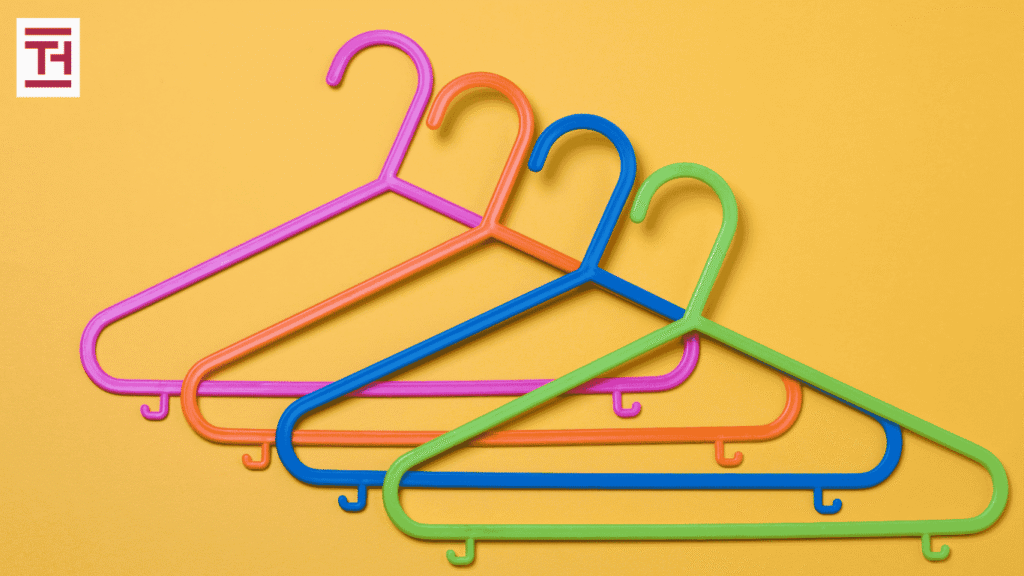
Load Concentration: When heavy items are placed on thin wire or plastic hangers, the entire weight of the garment rests on two narrow points. This creates extreme pressure that can snap delicate threads or permanently stretch durable ones.
-
Vertical Strain: The longer an item hangs without proper support, the more the vertical fibers (the warp) are pulled. This leads to the dreaded “growth” of garments, where a jacket becomes longer and narrower over time.
-
Shoulder Puckering: Also known as “hanger bumps,” these occur when the hanger ends are too short or too sharp, forcing the fabric to mold around a point rather than a curve.

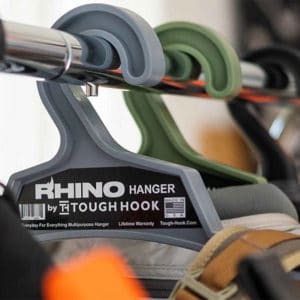
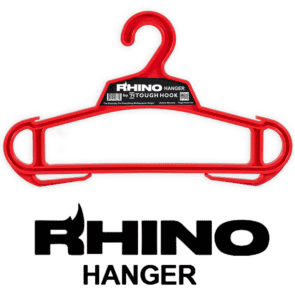

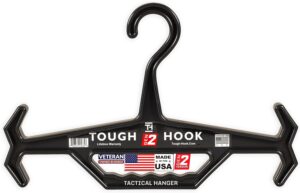
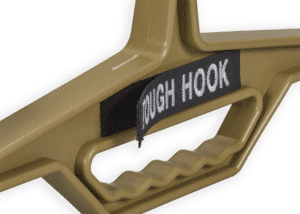
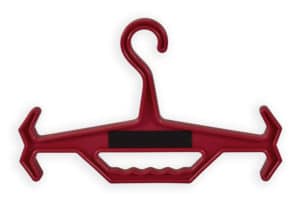

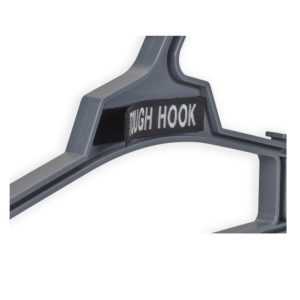
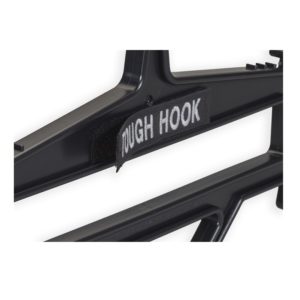
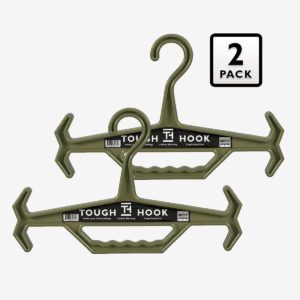

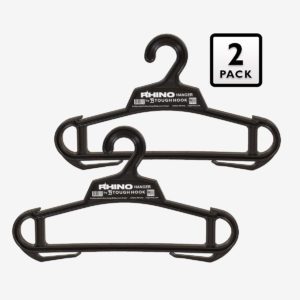
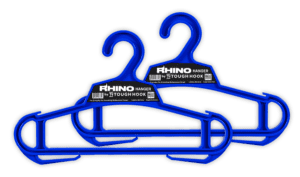
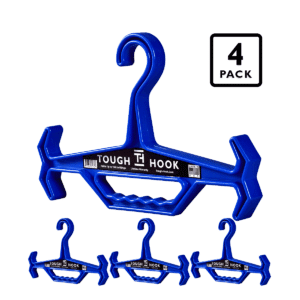
2 Pack RHINO Heavy Duty Clothes Hanger Bundle
Original price was: $27.95.$23.95Current price is: $23.95.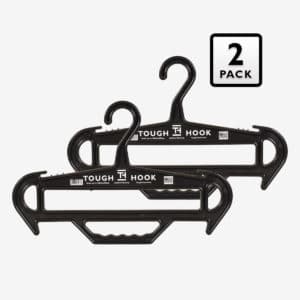
Why Weight Distribution Matters for Different Materials
Different materials react uniquely to the pull of gravity. Understanding these reactions helps in choosing the right storage solutions.
Leather and Suede
Leather is a skin; it has elasticity but also memory. A heavy leather coat stored on a flimsy hanger will develop permanent “shoulders” that look like points. Because leather is heavy, the weight distribution must be spread across a wide, contoured surface to prevent the hide from thinning at the neckline.
Knits and Woolens
Wool is highly susceptible to stretching. While most light sweaters should be folded, heavy wool overcoats require substantial support. Without widespread weight distribution, the weave of the wool will open up, leading to a loss of heat retention and a sagging silhouette.
Tactical and Heavy-Duty Equipment
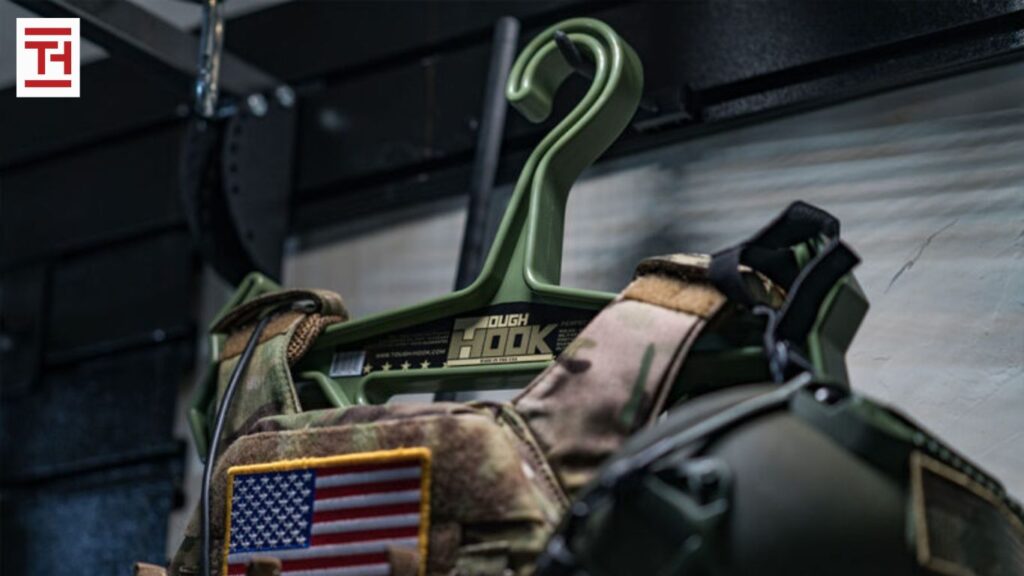
For professionals in law enforcement, the military, or extreme sports, the “clothing” in question might weigh 30 to 50 pounds. Standard hangers are not just inefficient here; they are a liability. When 40 pounds of plate carrier is hung on a standard point, the structural seams of the vest are under constant threat of tearing.
The Consequences of Poor Support
Ignoring how weight is distributed in your closet leads to three primary issues that shorten the life of your wardrobe.
-
Structural Fatigue: Just like a bridge, a garment has load-bearing seams. If the weight is not supported by the hanger, the seams at the shoulders must carry the entire load. This leads to popped threads and weakened joints.
-
Aesthetic Distortion: A garment that has lost its shape never fits the same way again. Once the “memory” of the fabric is set in a stretched position, even professional steaming often cannot return it to its original dimensions.
-
Increased Friction: When clothes sag or hang unevenly, they press against neighboring garments with more force. This increases the risk of pilling, snagging, and “closet crush.”
Solutions for Optimal Weight Distribution
To combat the effects of gravity, you must look for storage tools designed with load-bearing physics in mind.
-
Contoured Shoulders: Look for hangers that mimic the natural slope of the human shoulder. This ensures that the weight of the sleeves is supported by the hanger, not just the neckline of the shirt.
-
Increased Surface Area: The wider the hanger, the more the weight is distributed. By increasing the “footprint” of the support, you reduce the pounds-per-square-inch of pressure on the fabric.
-
Integrated Support Bars: For heavy trousers or equipment, a reinforced lower bar allows you to distribute weight horizontally, taking the strain off the waistband or straps.
Tough Hook: Engineered for the Heavy Lifters
At Tough Hook, we recognized that the world of high-performance gear was being failed by standard storage solutions. Whether it is a scuba BCD, a firefighter’s turnout gear, or heavy-duty winter parkas, these items represent a significant financial investment and, in many cases, are essential for safety.
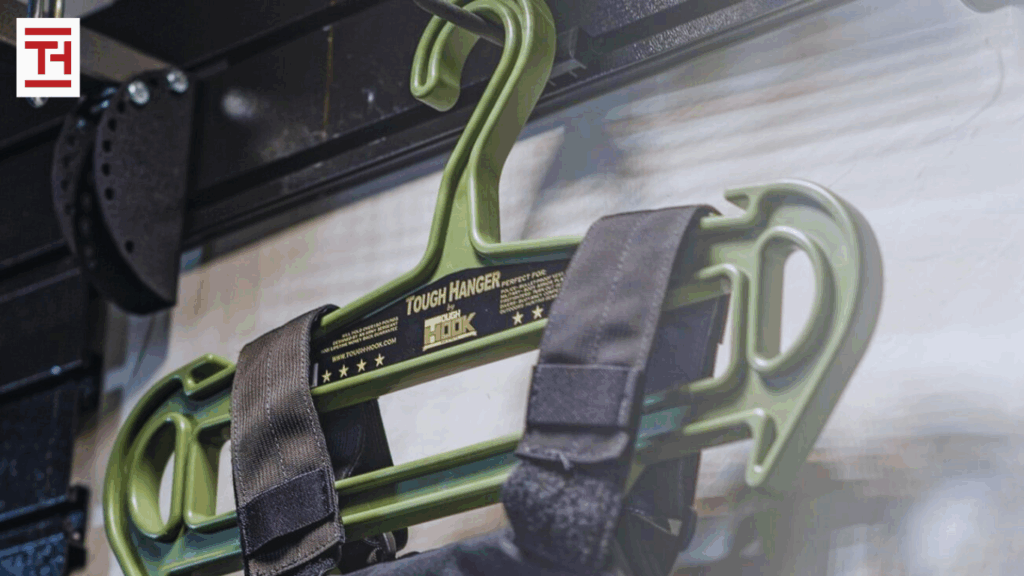
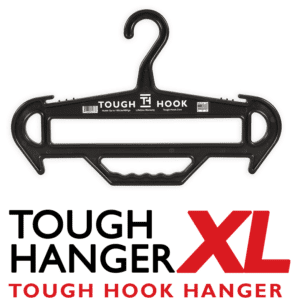
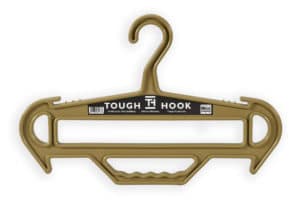
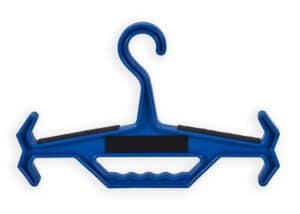
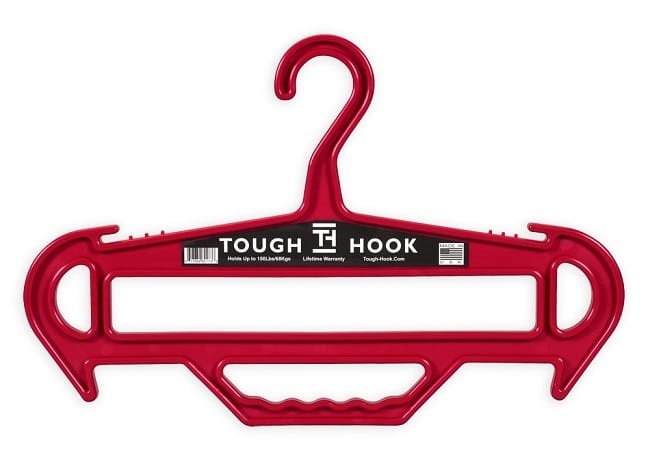
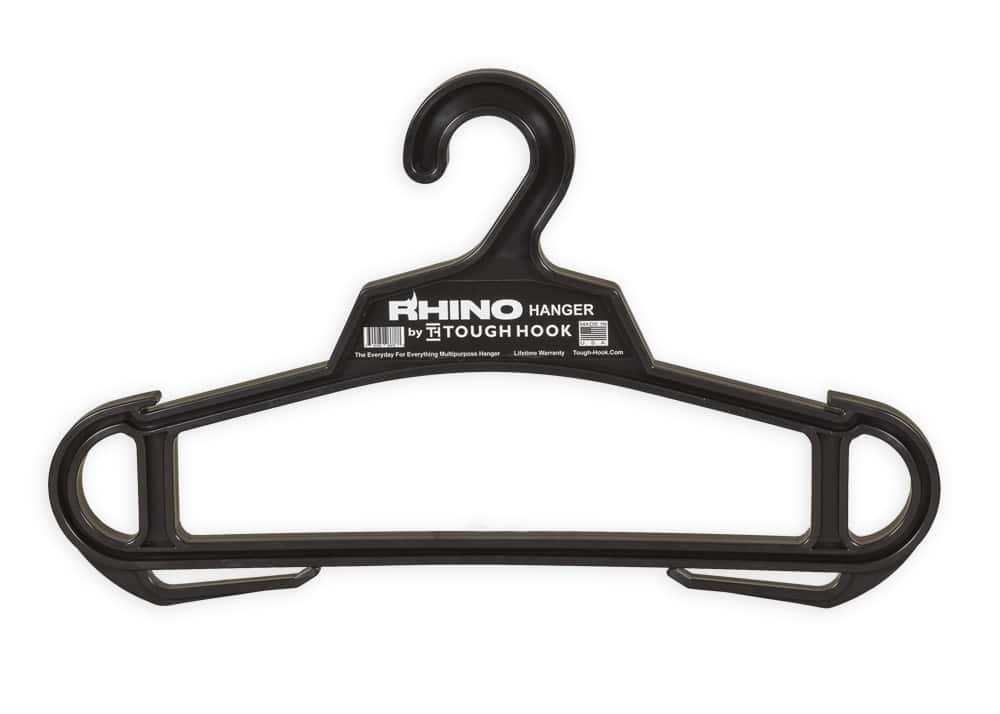
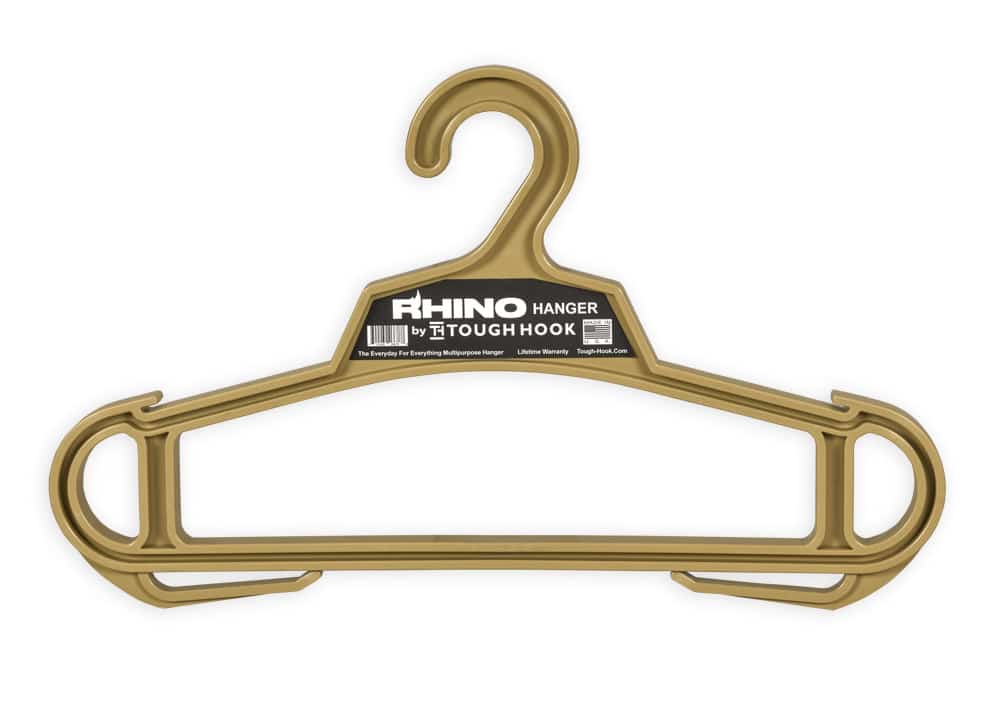
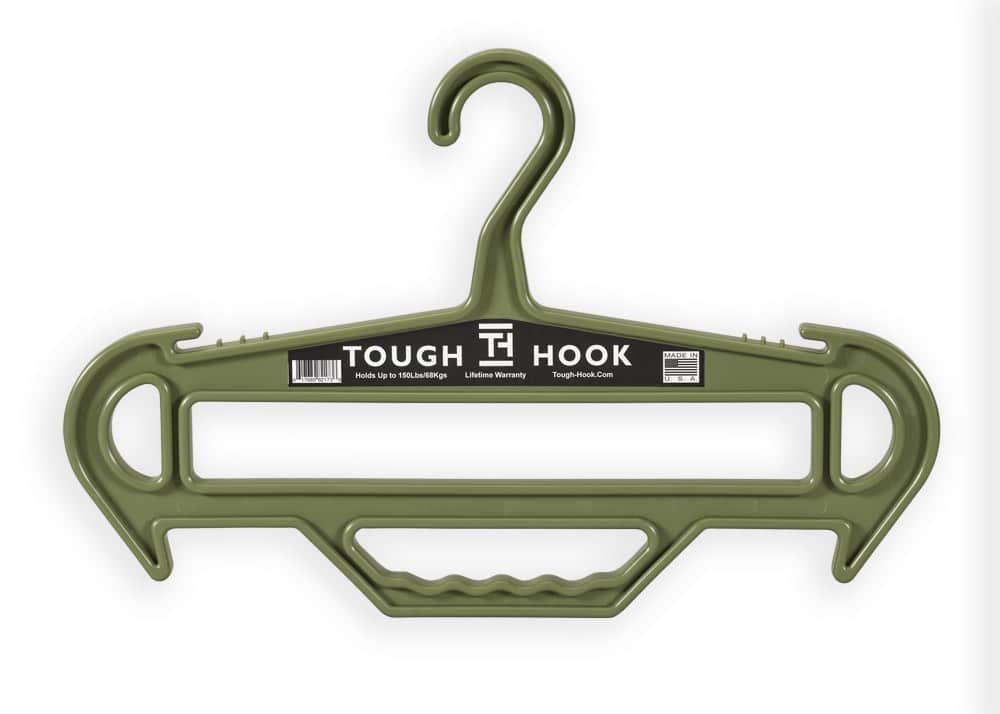
Our company, Tough Hook, specializes in heavy-duty clothing and equipment hangers that are specifically engineered to handle the physics of weight distribution. Unlike traditional hangers that bend or snap under pressure, a Tough Hook Hanger is designed to support up to 150 pounds of equipment.
-
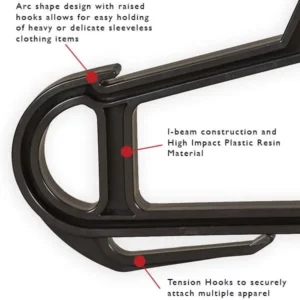
I-Beam Construction: We utilize a high-impact plastic I-beam design. This ensures the hanger remains rigid regardless of how much weight is applied.
-
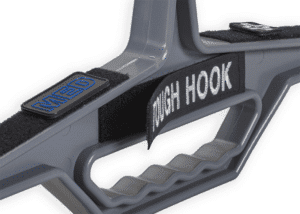
Patented Grip: Our design prevents straps and fabric from sliding to one side. By keeping the load centered, the weight remains perfectly balanced.
-
Versatility: Beyond just jackets, Tough Hook products are designed for the unique shapes of tactical vests, backpacks, and specialized equipment that require unconventional support points.
How to Audit Your Closet for Weight Issues
If you want to extend the life of your clothing, perform a quick audit of your storage area using these criteria.
-
Check for Bending: Look at your hangers. If any of them are bowing in the middle, they are failing to distribute weight properly and are currently damaging your clothes.
-
Assess the “Drop”: If the shoulder seams of your coats sit lower than the ends of the hanger, the garment is being stretched. You need a wider support base.
-
Identify Heavy Hitters: Isolate any item that weighs more than five pounds. These items should never be on standard wire or plastic hangers; they require heavy-duty specialized support.
Final Thoughts on Long-Term Care
The life of a garment is determined by how it spends 95% of its time: hanging in the dark. While we obsess over the hours we wear our clothes, it is the thousands of hours they spend on a hanger that truly dictates their lifespan. By investing in proper weight distribution through high-quality tools like those offered by Tough Hook, you are not just organizing your space; you are preserving the structural integrity of your gear.
Proper care is a marriage of cleaning and structural maintenance. When you distribute the weight of your clothing effectively, you prevent the slow degradation of fibers, keep your silhouettes sharp, and ensure that your equipment is ready for action whenever you are.