When most people think of a hanger, they picture the flimsy wire or thin plastic silhouettes found in a bedroom closet. For the average cotton t-shirt, these tools are perfectly adequate. However, for professionals in the military, law enforcement, scuba diving, and firefighting sectors, a hanger is not just a storage accessory; it is a critical piece of equipment management.
The physics of load-bearing is unforgiving. When you hang a sixty-pound plate carrier or a saturated drysuit on a standard consumer-grade hanger, you are witnessing a battle between gravity and material integrity. Understanding the science of strength is essential for anyone looking to protect expensive, life-saving gear. At Tough Hook, we specialize in the engineering required to win that battle.
The Physics of Stress and Strain
To understand why some hangers snap while others endure, we must look at the mechanical properties of materials. Every object subjected to a load experiences two primary forces: stress and strain.
-
Stress: This is the internal force per unit area that develops within a material as a result of an applied external load.
-
Strain: This refers to the physical deformation or change in shape that occurs when a material is stressed.
-
Yield Strength: This is the specific point at which a material will no longer return to its original shape after the load is removed.
-
Ultimate Tensile Strength: This is the maximum amount of stress a material can withstand before total structural failure or breakage occurs.
When a heavy load is applied to a low-quality plastic hanger, the material quickly reaches its yield point. The “creep” effect begins, where the plastic slowly stretches and thins over time under constant tension. Eventually, the material reaches its ultimate tensile strength and snaps. Professional-grade hangers are engineered to have a yield strength far beyond the weight of the equipment they are intended to hold.


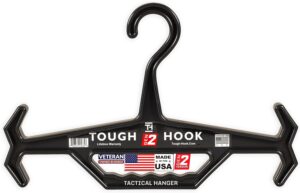

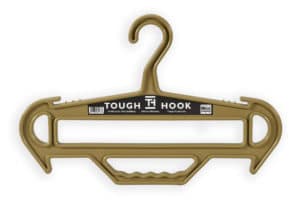
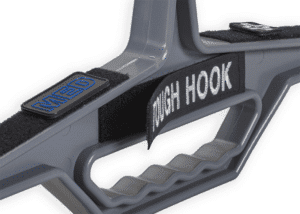
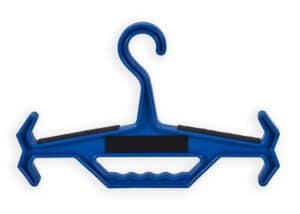
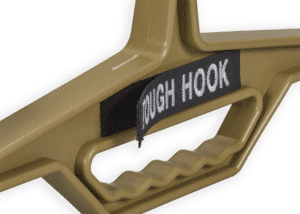
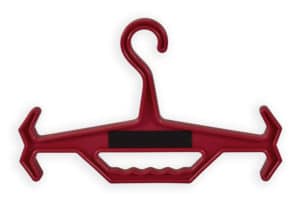
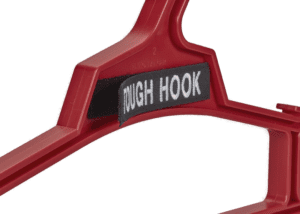
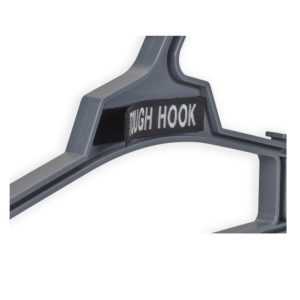
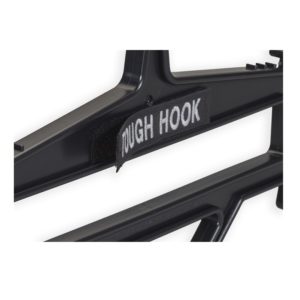
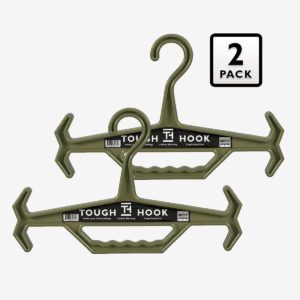

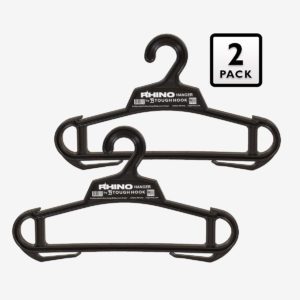
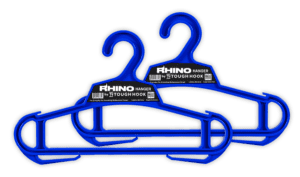
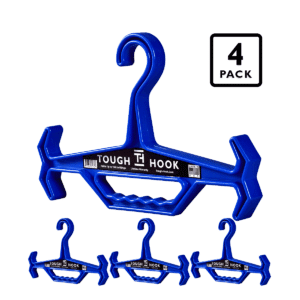
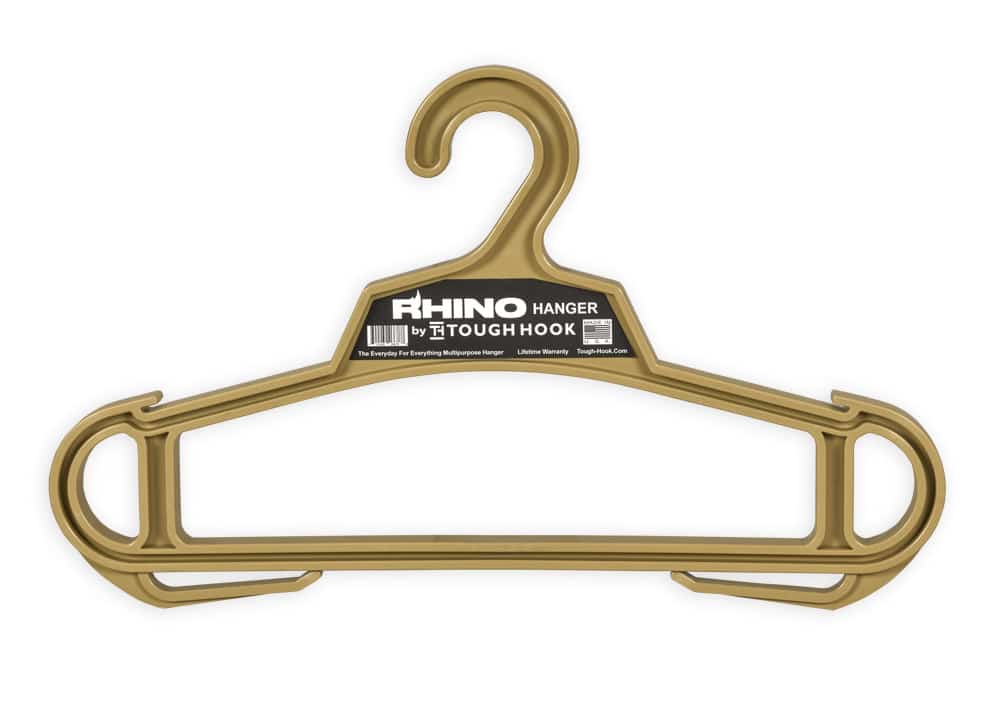
2 Pack RHINO Heavy Duty Clothes Hanger Bundle
Original price was: $27.95.$23.95Current price is: $23.95.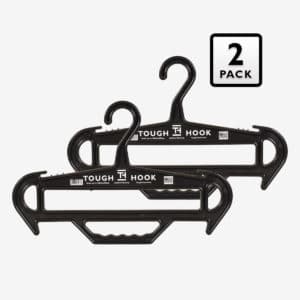
Material Composition: Polymers vs. Metals
The choice of material is the single most important factor in determining a hanger’s capacity. While metal might seem like the intuitive choice for strength, modern polymer science has changed the landscape of heavy-duty storage.
The Limitations of Wire and Low-Grade Plastics
Traditional wire hangers are made of thin steel that possesses high tensile strength but very low structural rigidity. They bend easily under minimal weight. Standard plastic hangers are typically made of polystyrene or low-density polyethylene. These materials are brittle and sensitive to temperature fluctuations, making them prone to snapping in cold environments or warping in high heat.
The Power of High-Impact Engineering
At Tough Hook, we utilize high-impact, industrial-grade polymers. These materials are chosen for several scientific reasons:
-
Impact Resistance: High-impact resins can absorb energy and resist shattering even when dropped or subjected to sudden shifts in weight.
-
Chemical Stability: Unlike certain metals that may corrode or react with the synthetic fibers of tactical vests or wetsuits, engineered polymers are inert.
-
Strength-to-Weight Ratio: Advanced polymers provide the necessary rigidity to hold over 150 pounds without the excessive weight and sharp edges associated with heavy iron or steel.
The Role of Geometry in Load Distribution
Material science is only half of the equation; the other half is geometry. Even the strongest material will fail if the design does not account for how weight is distributed across the frame.
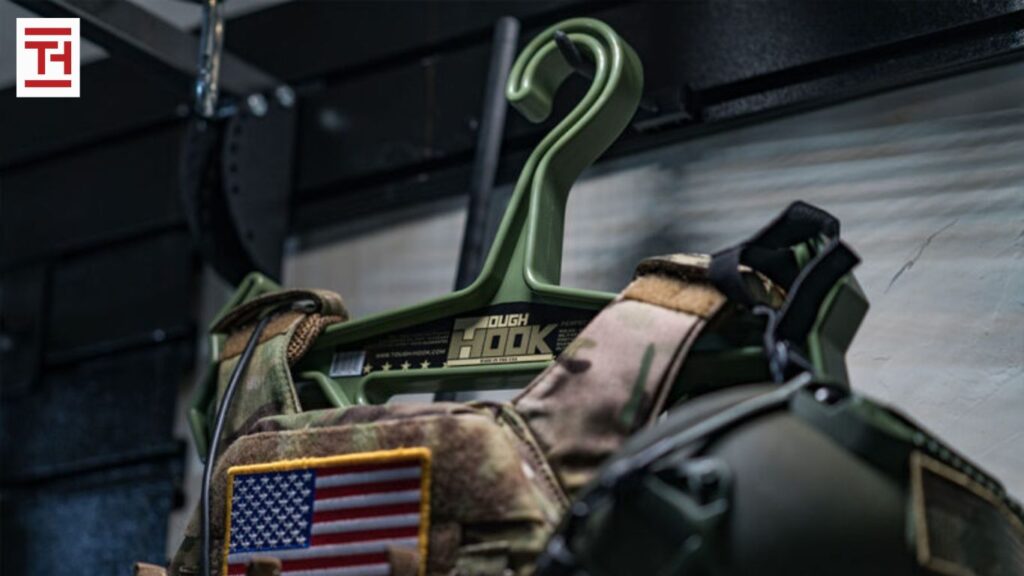
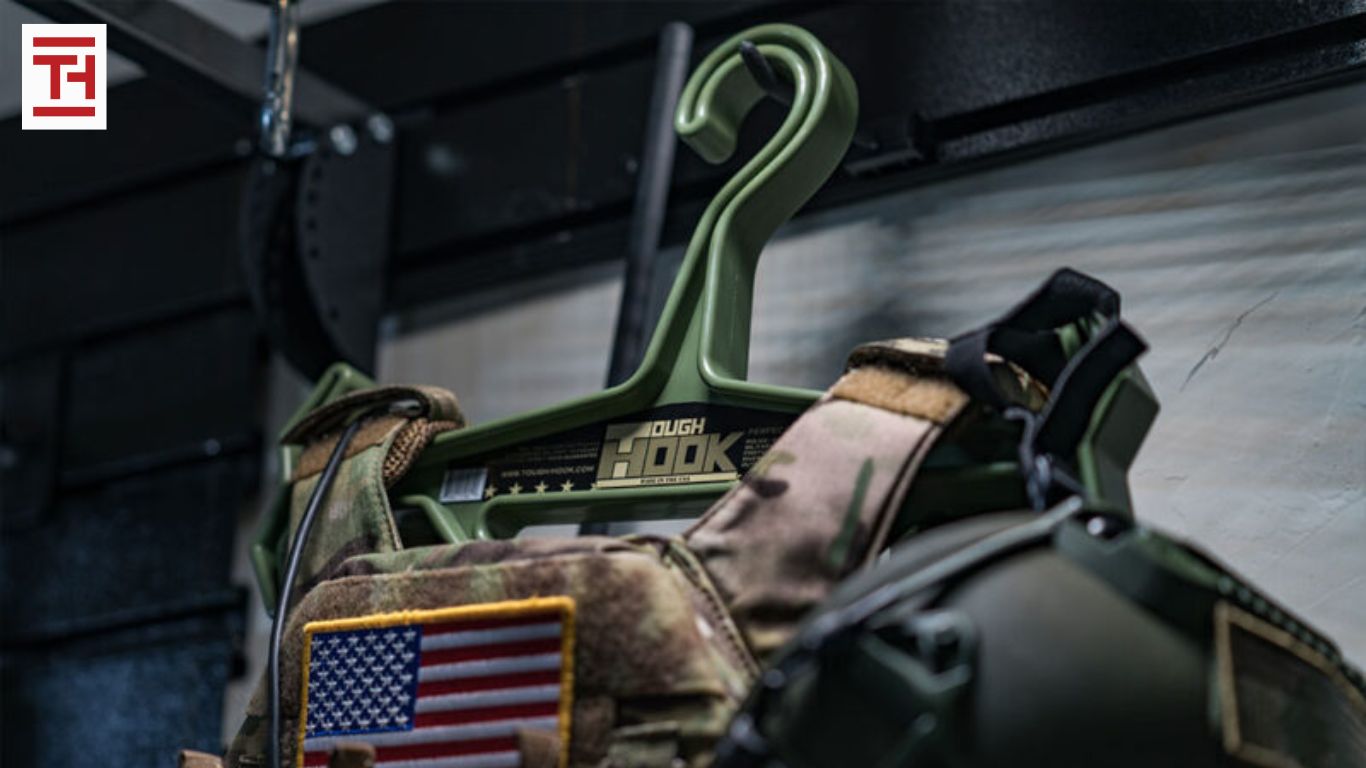
When a heavy vest is placed on a hanger, the weight is concentrated on the shoulders. A thin hanger creates a “pressure point” where the force is focused on a very small surface area. This can damage the equipment by stretching the seams or crushing the internal fibers of the gear.
-
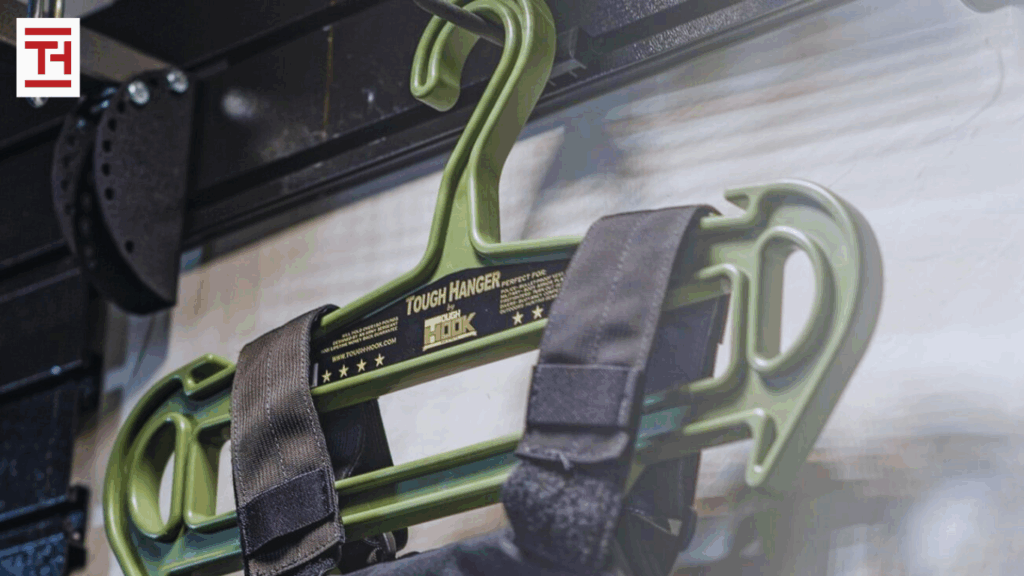
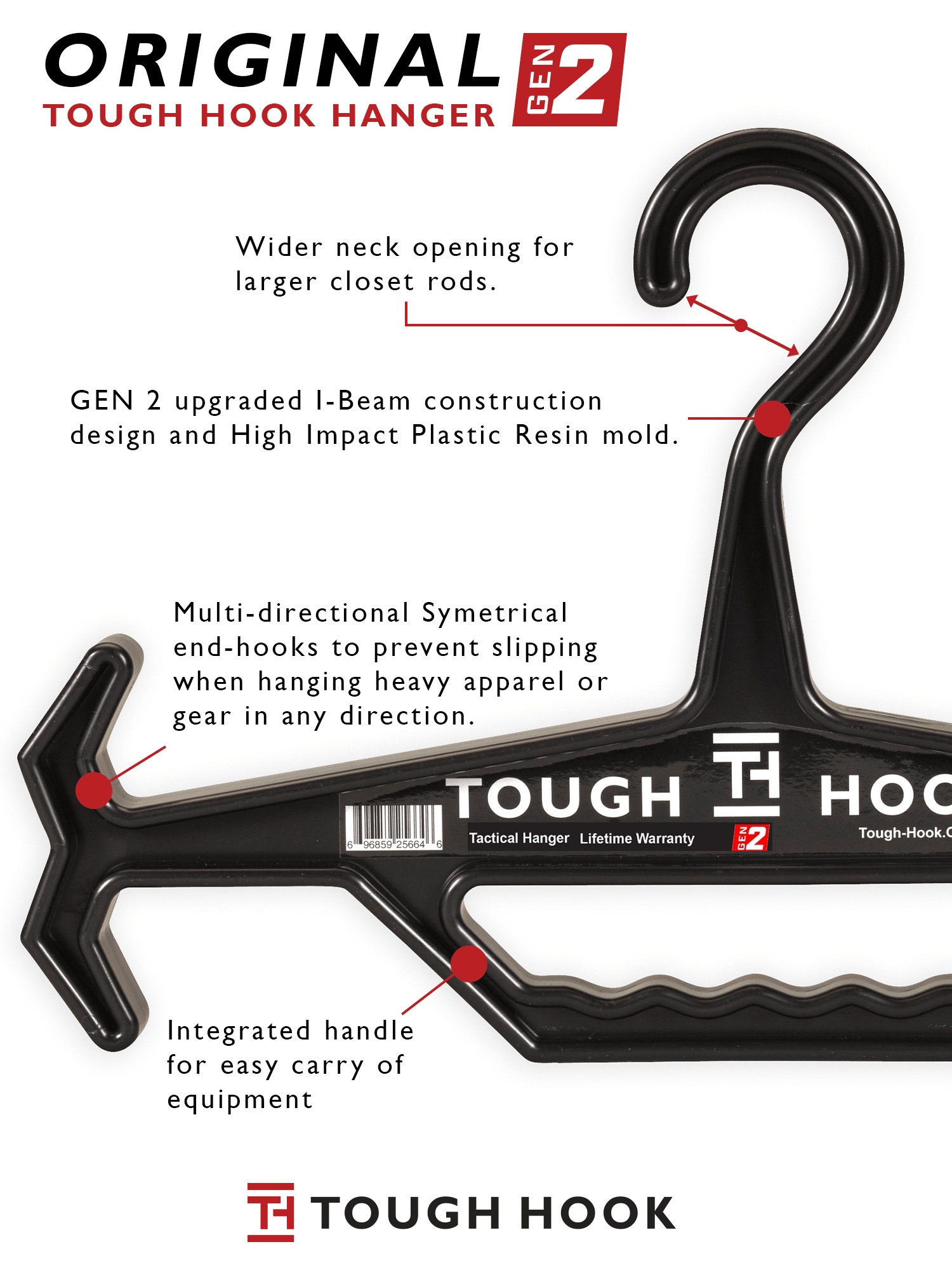
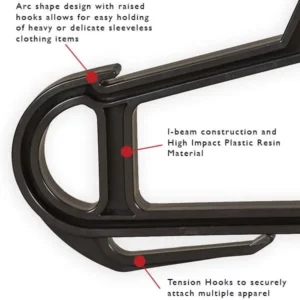
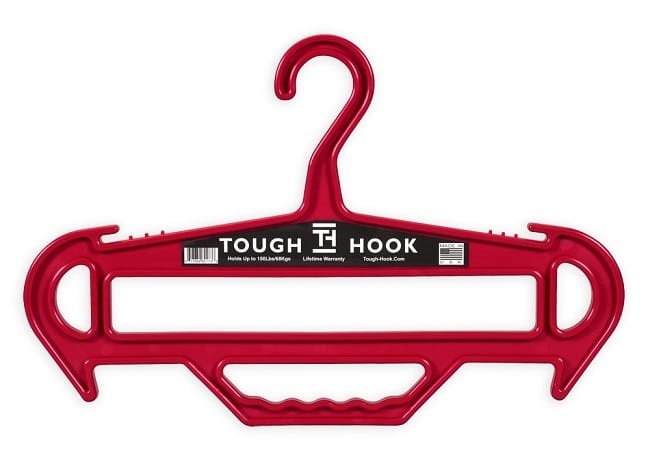
The I-Beam Construction: In structural engineering, the I-beam is used because it is exceptionally resistant to bending. By applying this same principle to hanger design, we ensure that the “spine” of the hanger resists vertical deflection.
-
Surface Area Expansion: A wider shoulder design distributes the weight of the load across a larger area. This reduces the stress on both the hanger and the garment, preventing “shoulder bumps” or fabric tearing.
-
The Hook Radius: The point of contact between the hanger and the rack is a frequent failure point. A thicker, reinforced hook prevents the “opening” of the hook shape that occurs when the plastic begins to yield under a heavy load.
Environmental Factors and Material Longevity
Strength is not just about what a hanger can hold today; it is about what it can hold after five years of use in the field. Environmental degradation is a major factor in material science.
-
UV Degradation: Standard plastics break down when exposed to ultraviolet light, becoming brittle and “chalky.” Heavy-duty hangers must be treated with UV stabilizers to ensure they can be used in outdoor or high-sunlight environments.
-
Thermal Cycling: Tactical gear is often stored in non-climate-controlled environments, such as the back of a patrol car or a maritime locker. Materials must be able to expand and contract without losing their structural integrity.
-
Moisture and Corrosion: In the scuba and firefighting industries, hangers are constantly exposed to water and salt. Metal hangers, even if coated, eventually succumb to rust. High-grade polymers are naturally immune to oxidation and corrosion.
Why Tough Hook Sets the Standard
Tough Hook was born out of a necessity for equipment that could withstand the rigors of the most demanding professions. We recognized that a broken hanger is more than an inconvenience; it can lead to damaged armor, compromised wetsuits, and disorganized gear during a rapid response.
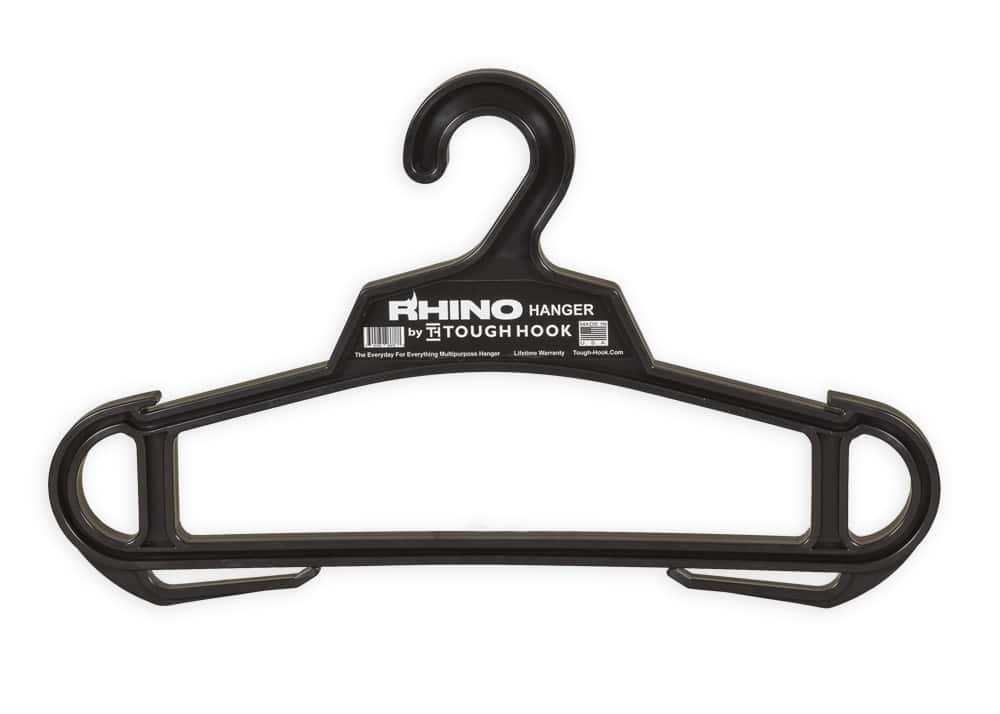
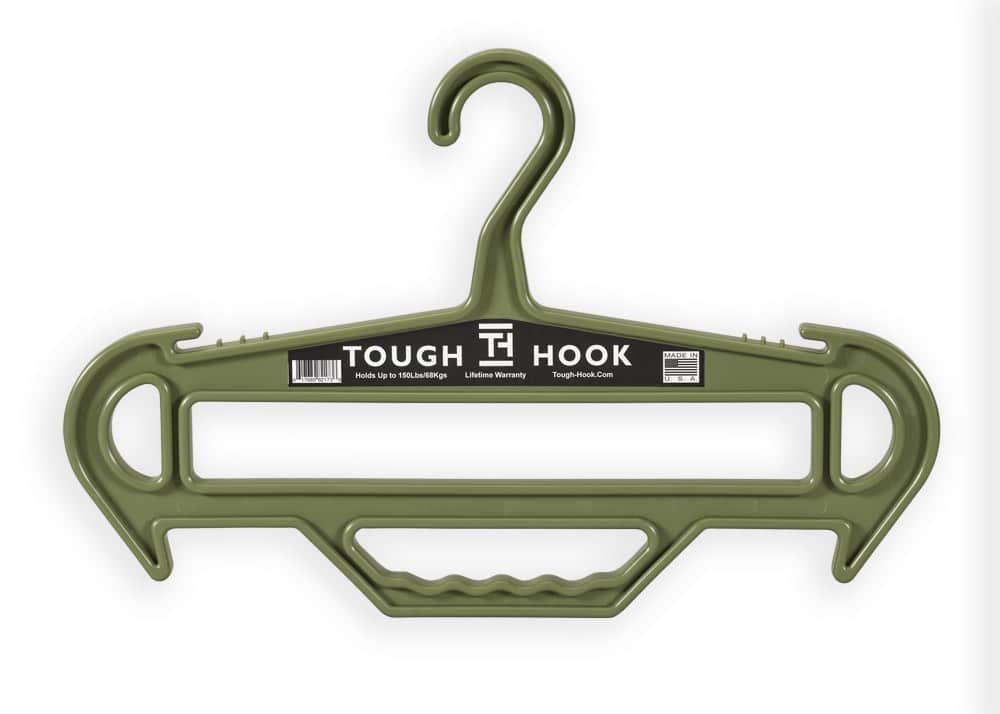
Our hangers are manufactured using a proprietary blend of high-strength materials and an I-beam construction that is virtually indestructible. While a standard hanger might support five to ten pounds, a Tough Hook is rated to support upwards of 150 pounds. This is achieved through a meticulous balance of material thickness and structural reinforcement.
Furthermore, we integrated a unique feature into our design: the ability to flip the hanger over and use it as a heavy-duty carrying handle. This dual-purpose design required even more rigorous material testing, as the “hook” then becomes a grip that must support the full weight of the gear while in motion.
Investing in Reliability
The science of strength teaches us that not all hangers are created equal. When you are responsible for gear that costs thousands of dollars and is designed to save lives, the container you hang it on should be held to the same standard as the gear itself.
By choosing hangers built with high-impact polymers and engineered for optimal load distribution, you are protecting your investment and ensuring that your equipment is ready when you are. At Tough Hook, we take the physics of gear storage seriously so that you never have to worry about a structural failure at the worst possible moment.
Whether you are hanging a heavy scuba BCD, a full set of turnout gear, or a ballistic vest, remember that material choice matters. Physics does not take a day off, and neither should your hangers.