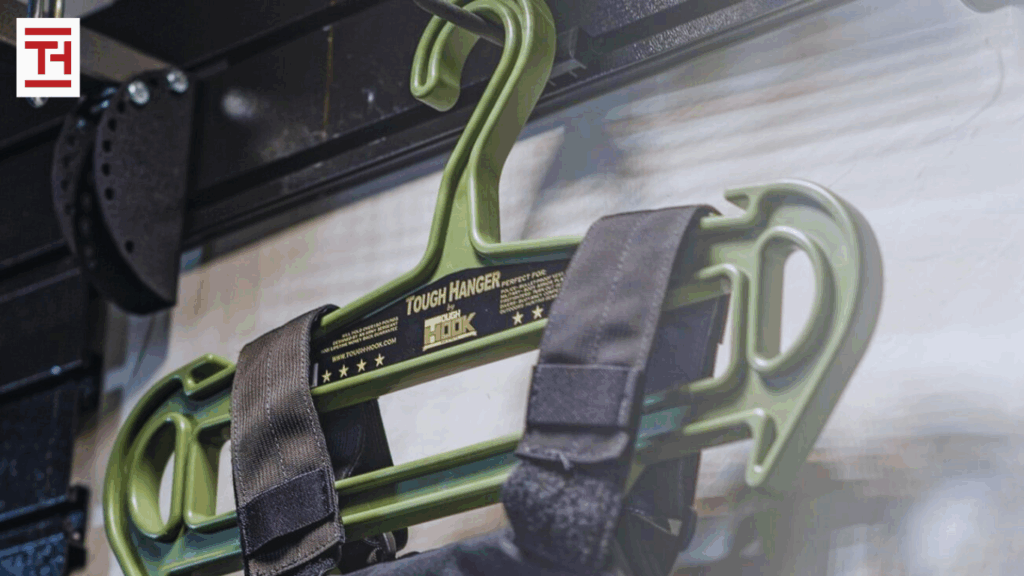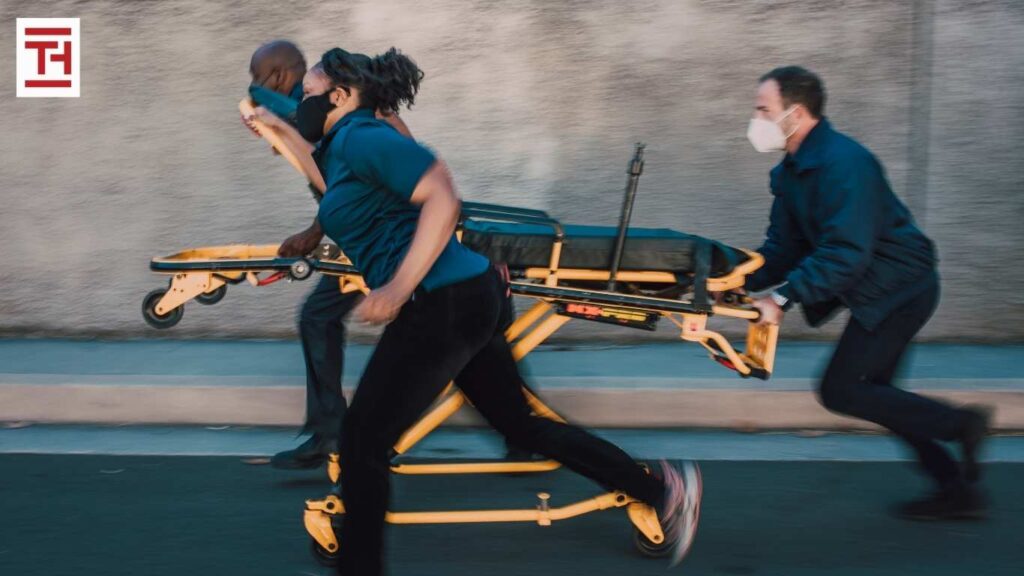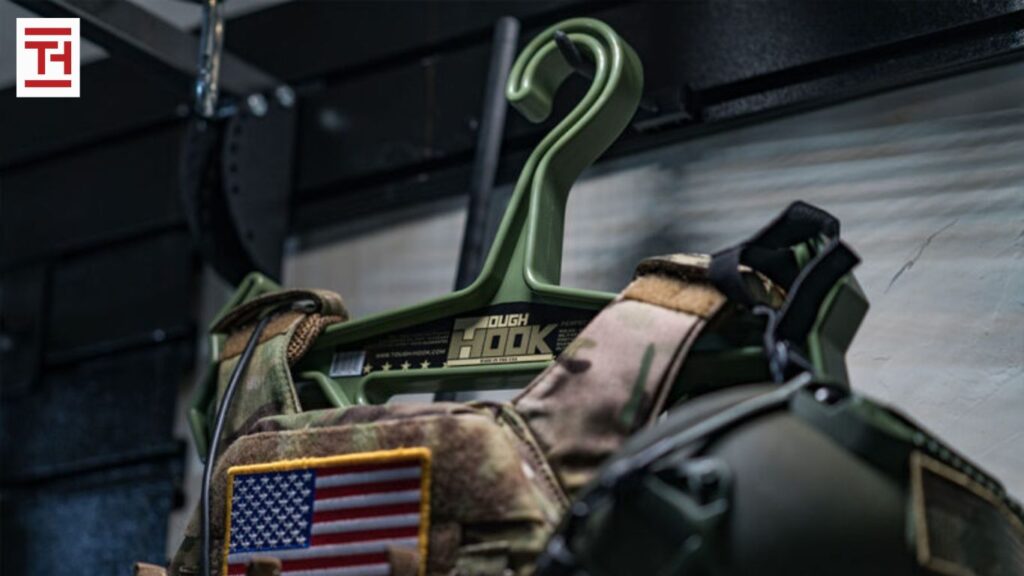
The life of a shift worker is defined by a schedule that rarely aligns with the rest of the world. Whether you are a nurse heading into a twelve-hour night shift, a first responder waiting for the next tone to drop, or a construction specialist starting a shift before the sun rises, your routine is built on efficiency and readiness. When the clock strikes the hour to head out, the last thing you need is to be hunting for a clean uniform or workwear, untangling a heavy vest from a flimsy plastic hanger, or realizing your gear is still damp from the day before. Effective storage is not just about organization; it is about performance, safety, and maintaining a sense of order in a high-pressure lifestyle.
The Unique Challenges of Shift Work Gear
Shift workers often utilize specialized equipment that carries significant weight and requires specific care. Unlike a standard office worker whose primary concern is keeping a dress shirt wrinkle-free, shift professionals deal with heavy-duty fabrics, protective layers, and utility belts. These items present unique storage hurdles that standard home organization systems are rarely equipped to handle.
-
Weight and Durability: Standard hangers are designed for lightweight cotton and polyester blends. When subjected to the weight of a ballistic vest, a heavy winter parka, or a fully loaded utility belt, they snap or sag. This leads to gear ending up on the floor where it can get dirty or damaged.
-
Ventilation Requirements: Many shift jobs involve physical exertion. Gear that has been worn for twelve hours straight needs proper airflow to dry out perspiration and prevent the growth of odor-causing bacteria. Cramming these items into a tight locker or a standard closet inhibits this process.
-
Accessibility: When you are operating on a rotating schedule, your internal clock is often fighting against you. You need a system that allows you to grab exactly what you need in the dark or in a hurry without second-guessing where a specific piece of equipment is located.
-
Preservation of Integrity: High-performance gear is an investment. Hanging a heavy coat on a thin hanger can cause permanent stretching in the shoulder area, compromising the fit and the protective qualities of the garment over time.

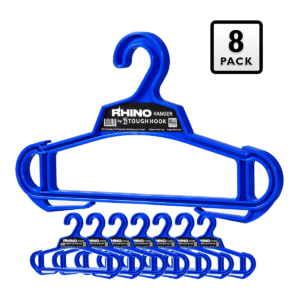
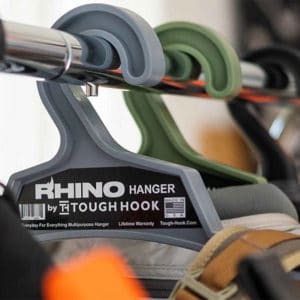
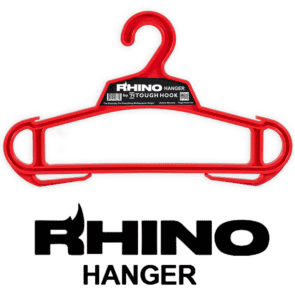
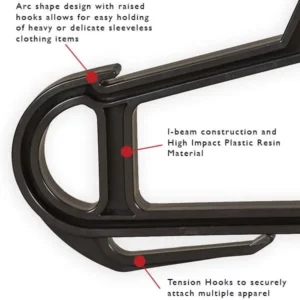

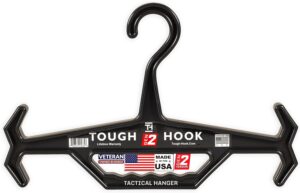
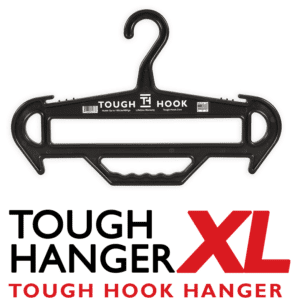
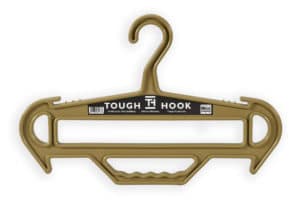
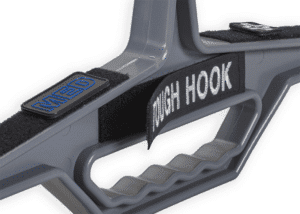
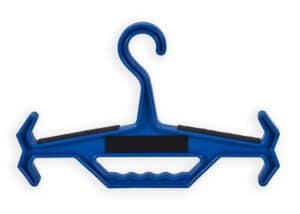
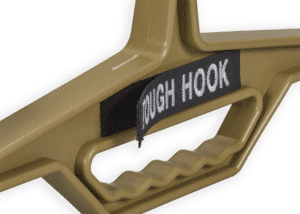
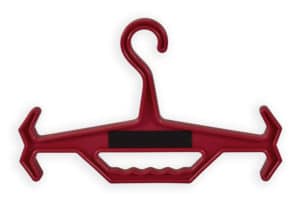
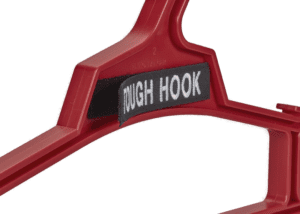
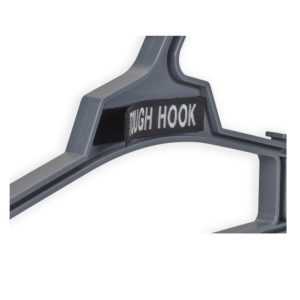
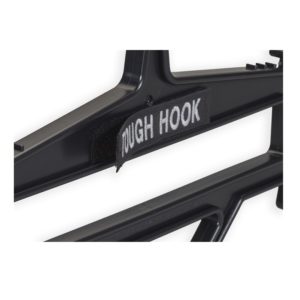
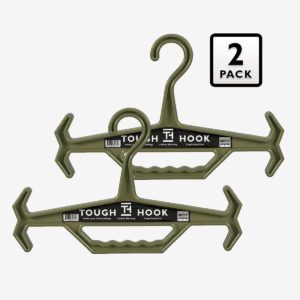

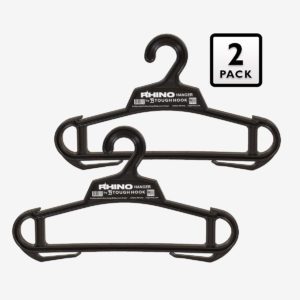
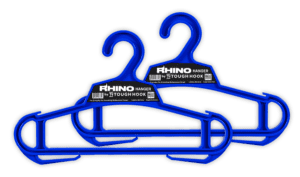
2 Pack RHINO Heavy Duty Clothes Hanger Bundle
Original price was: $27.95.$23.95Current price is: $23.95.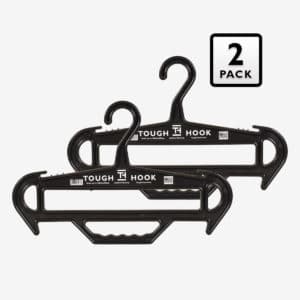
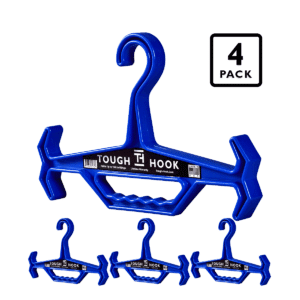
Revolutionizing the Closet with Tough Hook
To address the intense demands of shift work, professionals need equipment that matches their own resilience. This is where Tough Hook becomes an essential part of the storage equation. As a company dedicated to heavy-duty hangers for clothing and equipment, Tough Hook specializes in solutions that go far beyond the capabilities of retail-grade products.
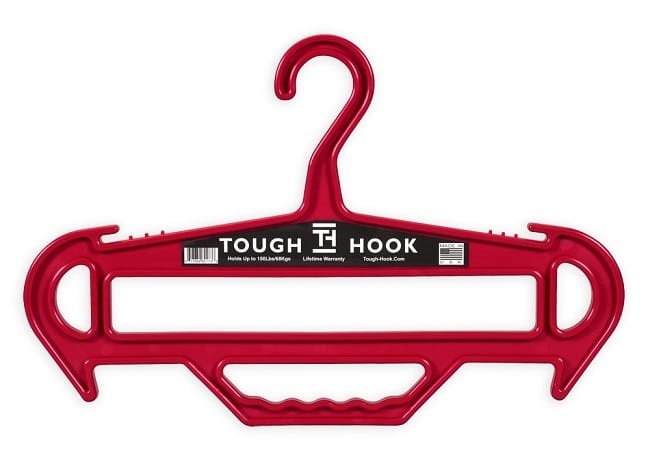
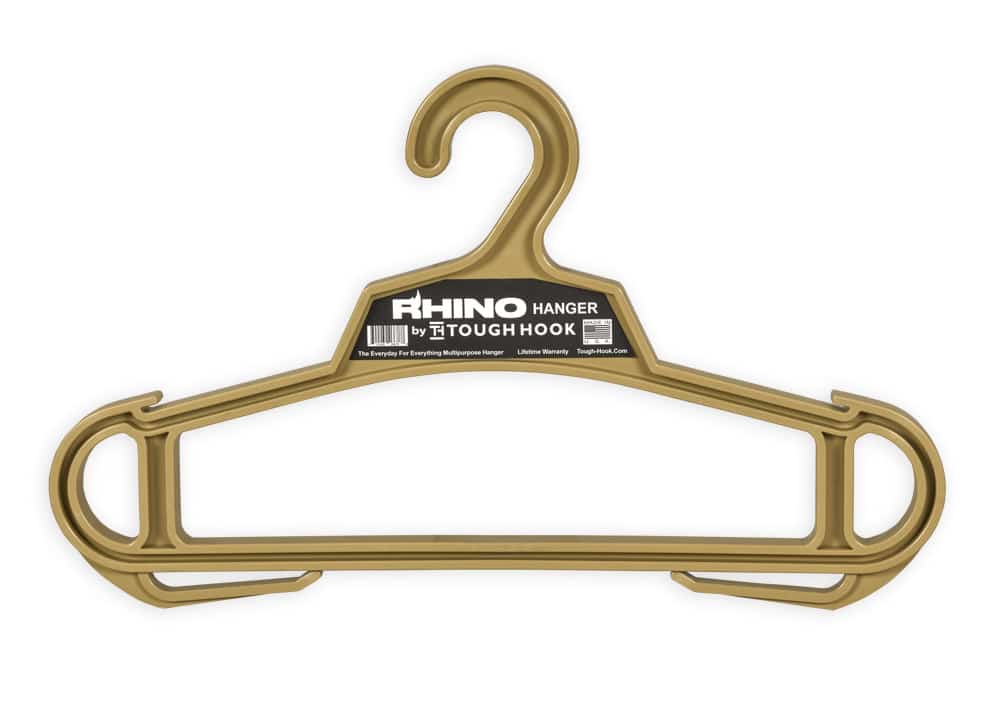
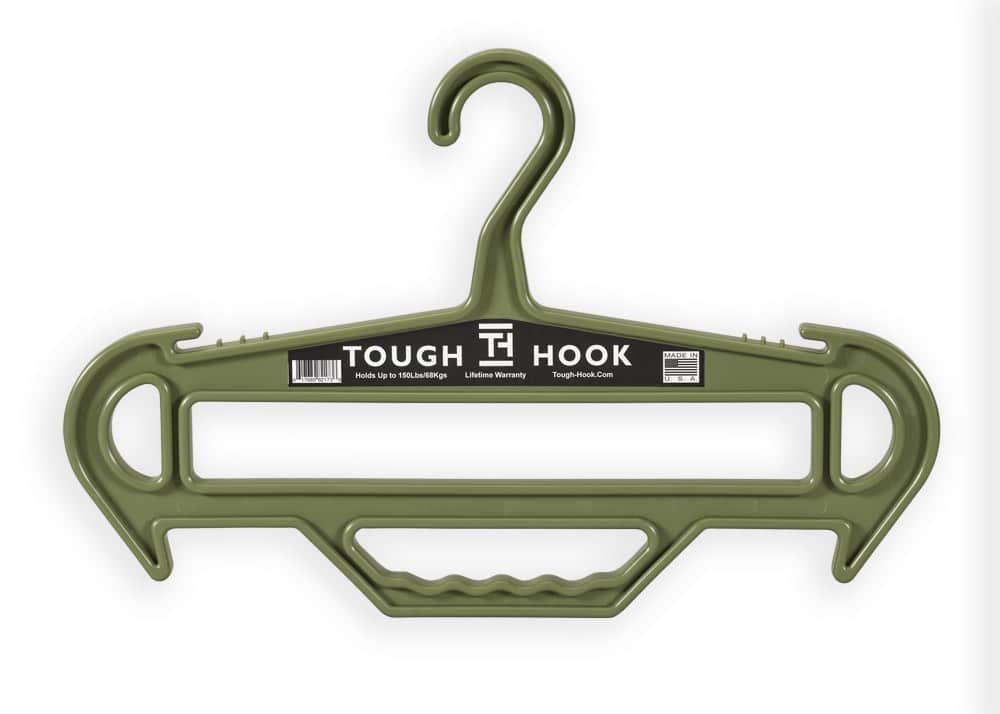
A Tough Hook hanger is engineered to support up to 150 lbs of equipment. For a shift worker, this means one hanger can easily manage a full set of turnout gear, a weighted plate carrier, or an entire week’s worth of heavy-duty overalls. By using a product specifically built for high-capacity loads, you eliminate the frustration of broken hangers and ensure that your most expensive gear remains off the ground and in peak condition.
Strategies for an Always-Ready Wardrobe
Creating a storage system that works as hard as you do requires a combination of the right tools and a disciplined layout. Since shift work often means coming home while others are sleeping, your storage should be localized to minimize disruption to your household.
-
Establish a Transition Zone: Create a dedicated area near your entry point or in a garage where you can strip off the day’s grime. This prevents work-related contaminants from entering your primary living space.
-
Use Vertical Space: Maximize small closets or mudrooms by installing high-strength rods that can accommodate the weight of specialized hangers. Since Tough Hook products are designed for durability, you can stack heavier items higher up without worrying about hardware failure.
-
Prioritize Airflow: Space out your items on the rack. Giving each piece of workwear a few inches of breathing room allows moisture to evaporate, ensuring your uniform feels fresh when you put it on for the next shift.
-
Implement a Rotation System: If you have multiple sets of uniforms, hang them in order of use. After a shift, wash the gear and place it at the back of the line so you are always pulling from the front of the rack.
Maintenance and Care of Professional Equipment
Proper storage is only half of the battle. Maintaining the cleanliness and structural integrity of your gear ensures that it will protect you throughout your career. Shift workers often face the temptation to leave gear in a bag or a trunk, but this is the fastest way to degrade the materials.
-
Inspection During Hanging: As you place your gear on a Tough Hook at the end of a shift, take thirty seconds to inspect it for wear and tear. Look for loose threads, broken zippers, or thinning fabric.
-
Odor Control: Use moisture-wicking inserts or charcoal bags in boots and gloves. Combined with the open-air hanging provided by heavy-duty hangers, this keeps the “work smell” at bay.
-
Load Distribution: When hanging heavy vests or equipment, ensure the weight is centered on the hanger. This prevents the garment from pulling to one side, which can cause uneven wear on the seams.
The Mental Benefit of Organized Gear
There is a significant psychological component to shift work. The stress of the job is often compounded by the chaos of a disrupted sleep schedule. Coming home to an organized, professional-grade storage setup provides a sense of closure to the workday. Conversely, waking up to a prepared and organized gear station reduces “decision fatigue.” When your equipment is exactly where it belongs, supported by a hanger that you know won’t fail, you can focus your mental energy on the task at hand rather than the logistics of getting out the door.
Why Quality Hangers Matter
It is easy to view a hanger as a commodity, but for the shift worker, it is a piece of foundational equipment. A cheap hanger is a liability that leads to wrinkled uniforms, damaged gear, and wasted time. Investing in a heavy-duty solution is a commitment to your profession.
-
Ergonomic Design: Tough Hook hangers often feature a “grip” handle, making it easy to transport heavy gear from the closet to a vehicle without straining your hands.
-
Environmental Resistance: Unlike wood that can rot or cheap plastic that becomes brittle in the cold, high-quality heavy-duty hangers are built to withstand the temperature fluctuations of a garage or a locker room.
-
Space Efficiency: Because one high-capacity hanger can hold multiple components of a kit, you actually save horizontal closet space compared to using five different flimsy hangers for one outfit.
Setting Up Your Command Center
If you are ready to overhaul your storage, start by clearing out everything that doesn’t belong in your work cycle. Focus on creating a “Command Center” where your workwear lives exclusively.
-
Install a Heavy-Duty Rail: Ensure your closet rod is anchored into studs to support the collective weight of your gear.
-
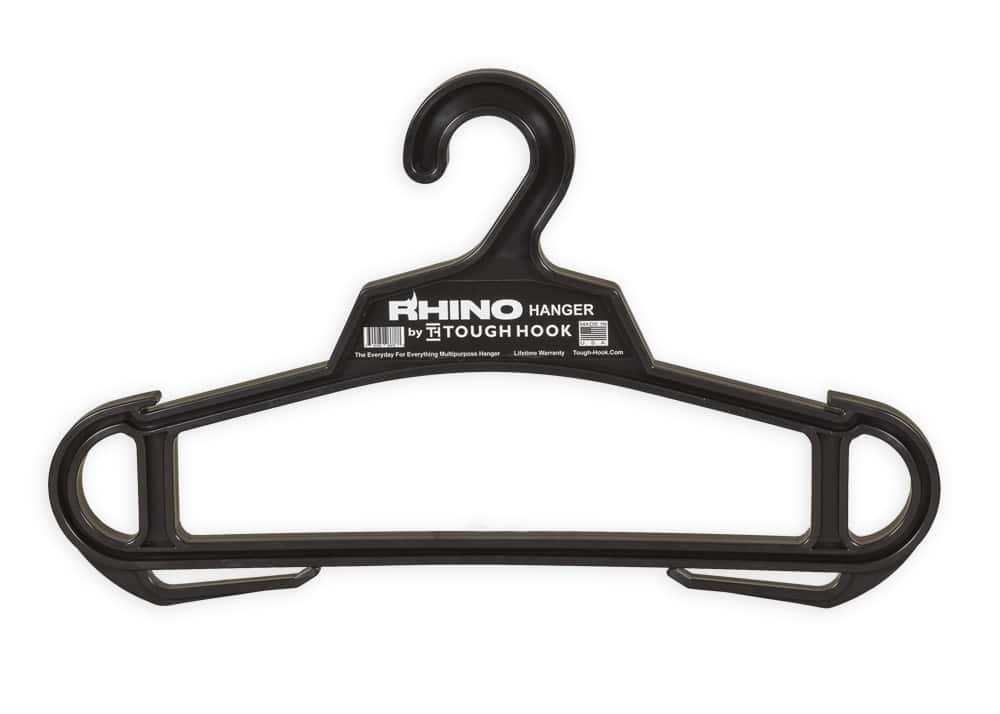
Select Your Tough Hook Models: Choose the specific hanger style that fits your gear, whether it is for tactical vests, scuba suits, or standard heavy jackets.
-
Light the Area: Install motion-activated LED strips so you can find your gear during those 3:00 AM wake-up calls without waking the rest of the house.
-
Keep Essentials Close: Use small bins or hooks near your main hanging area for keys, badges, and radios.
By treating your workwear with the respect it deserves and utilizing tools built for the toughest jobs, you ensure that you are always ready for the call, no matter what time it comes. A shift worker’s life is unpredictable, but your gear storage doesn’t have to be.