The arrival of a new year often brings a renewed sense of purpose and a desire for order. For professionals and enthusiasts who rely on specialized equipment—be it tactical gear, scuba suits, firefighting turnout gear, or heavy motorcycle leathers—this season is the perfect time to transition from a state of cluttered storage to a streamlined, organized system. Proper equipment management is not merely about aesthetics; it is a fundamental aspect of gear longevity, safety, and operational readiness.
When gear is shoved into plastic bins or hung on flimsy residential hangers, it undergoes unnecessary stress. Fabrics stretch, seams weaken, and critical components can become buried or damaged. To start the year on the right foot, you must develop a comprehensive strategy that treats your equipment with the respect it deserves.
The Importance of a Systematic Approach
Before diving into the physical act of cleaning and hanging, it is essential to understand why a system is necessary. An organized gear room or locker ensures that you can find exactly what you need in a high-pressure situation. Furthermore, it allows for better air circulation, which prevents the growth of mold and mildew—the silent killers of expensive technical fabrics.
A systematic approach involves three core phases: assessment, maintenance, and storage. By following these steps, you ensure that your investment remains functional for years to come.

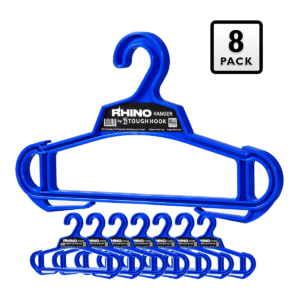
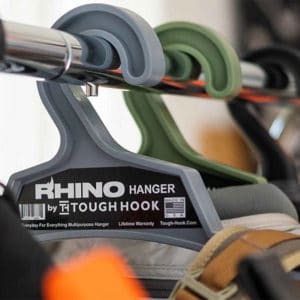
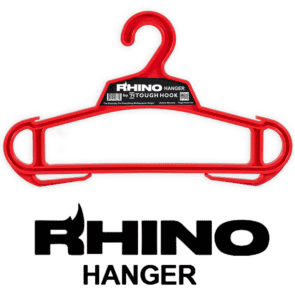

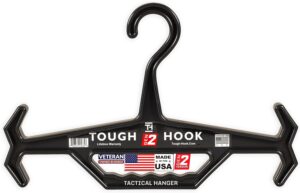
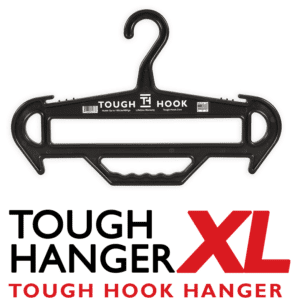
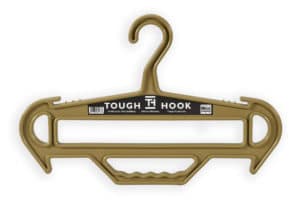
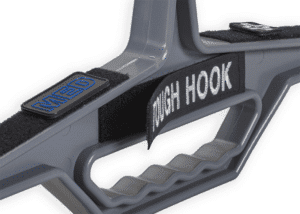
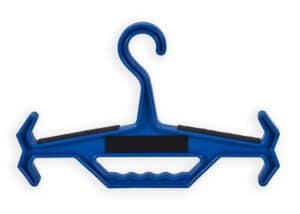
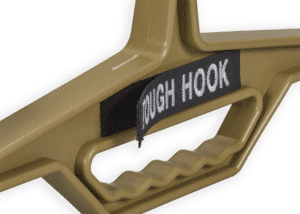
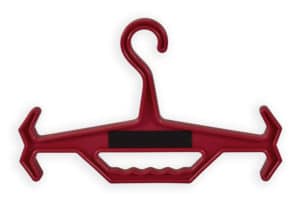
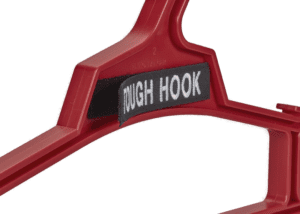
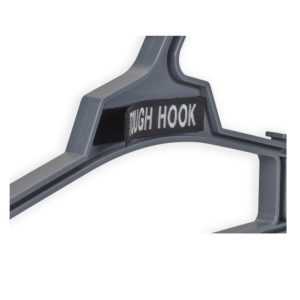
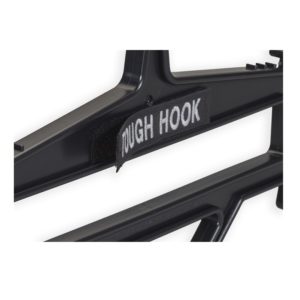
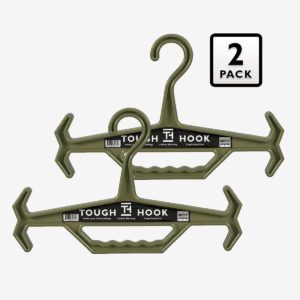

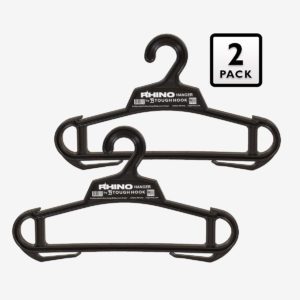
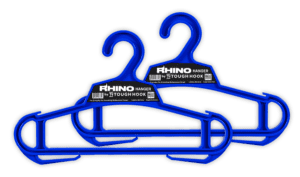
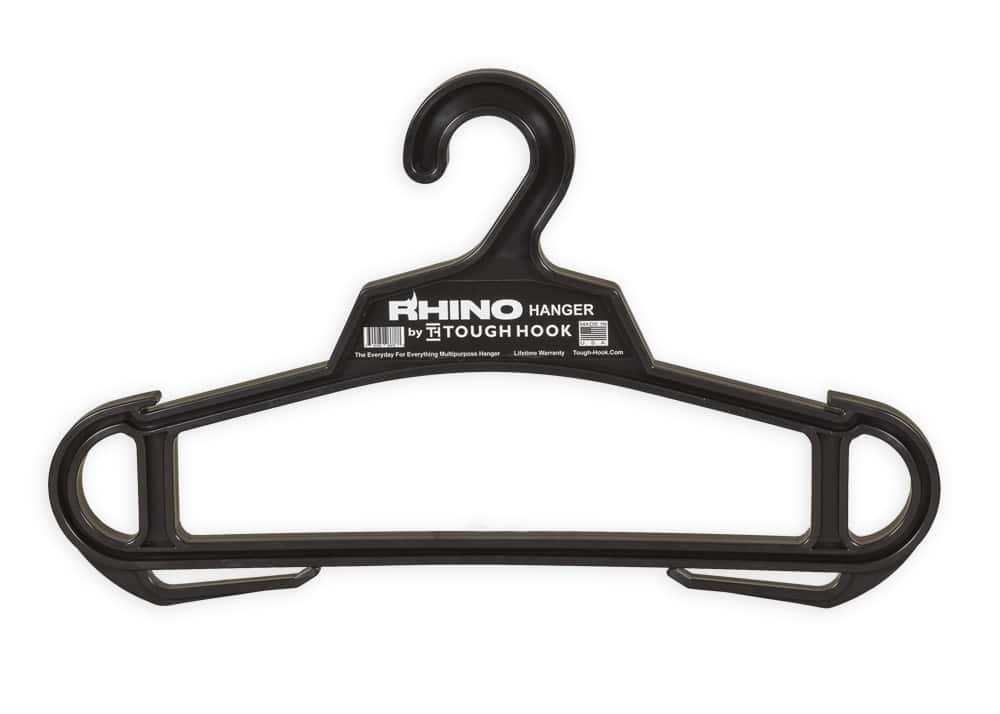
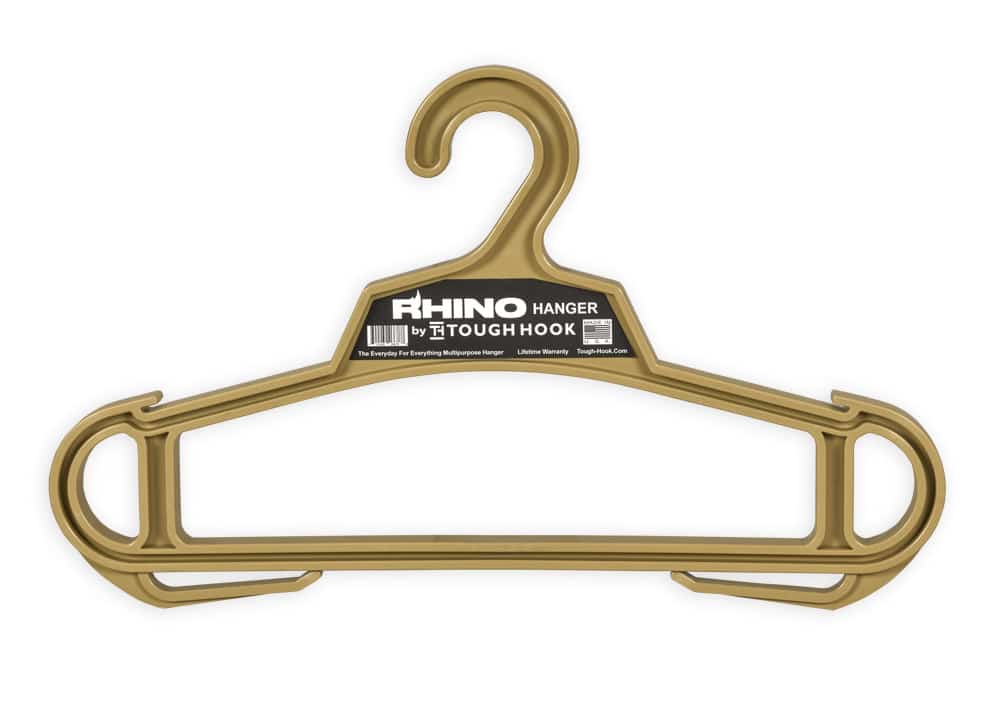
2 Pack RHINO Heavy Duty Clothes Hanger Bundle
Original price was: $27.95.$23.95Current price is: $23.95.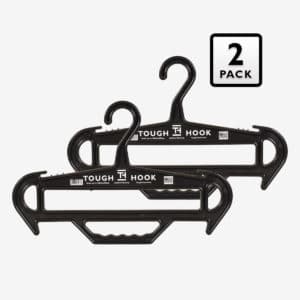
Phase One: The Gear Audit and Assessment
The first step in any New Year planning session is to take stock of what you currently own. This is the time to be honest about the condition of your equipment and whether it still serves its intended purpose.
-
Empty your storage area: Remove every item from your closets, lockers, or garage shelves to see the blank canvas you are working with.
-
Inspect for wear and tear: Look for frayed webbing, cracked buckles, or thinning fabric that might compromise the integrity of the gear.
-
Check expiration dates: Many life-saving components, such as ballistic plates or climbing ropes, have manufacturer-recommended lifespans that should be strictly followed.
-
Identify redundancies: If you have three sets of the same utility belt but only use one, consider donating or selling the extras to clear space.
Phase Two: Maintenance and Deep Cleaning
Once you have identified the gear that is staying, you must ensure it is clean before it goes into its new organized home. Storing dirty gear is a recipe for long-term degradation. Salt from sweat can corrode metal zippers, and dirt can act as an abrasive on nylon fibers.
-
Follow manufacturer labels: Always adhere to specific washing instructions to avoid stripping waterproof coatings or damaging flame-retardant properties.
-
Deodorize naturally: Use specialized gear cleaners that eliminate bacteria rather than masking odors with heavy perfumes.
-
Dry thoroughly: Never store gear while it is even slightly damp. Moisture trapped in folds can lead to rot and permanent damage.
Phase Three: Implementing High-Performance Storage Solutions
This is where many organizational plans fail. People often spend hundreds of dollars on high-end gear only to hang it on a thin plastic or wire hanger that was designed for a t-shirt. Heavy equipment requires heavy-duty solutions.
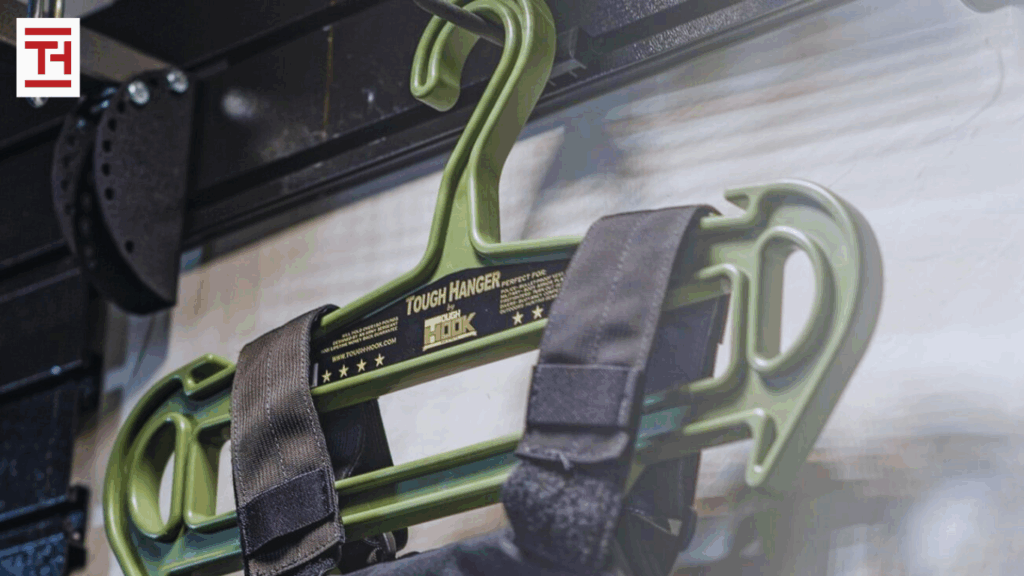
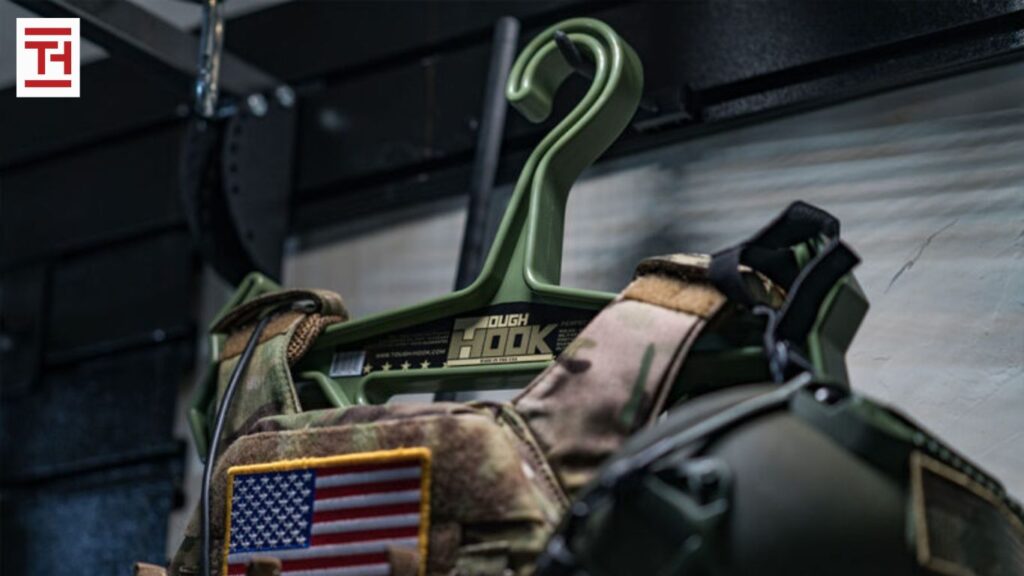
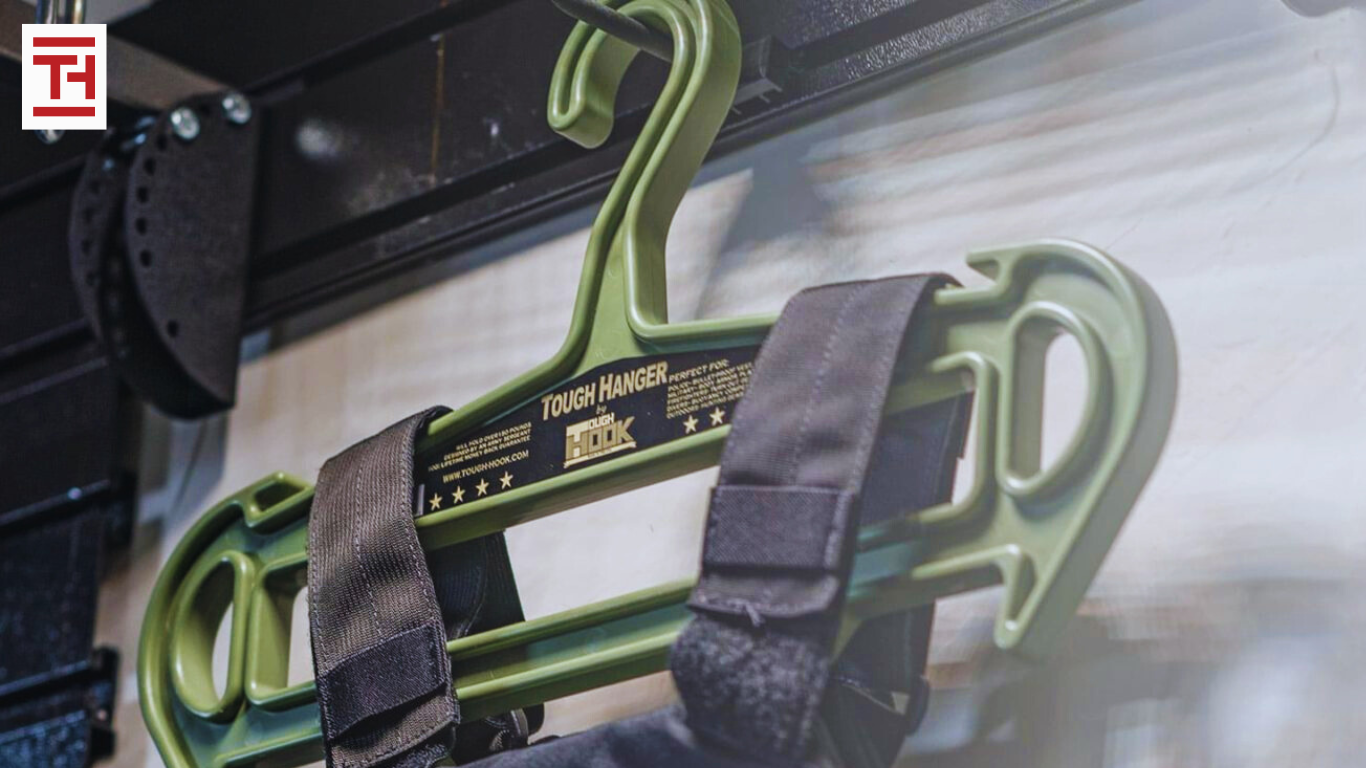
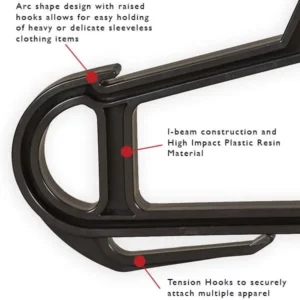
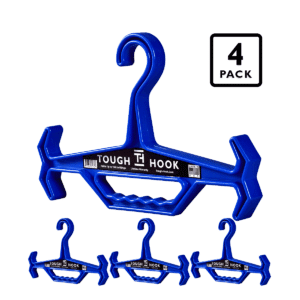
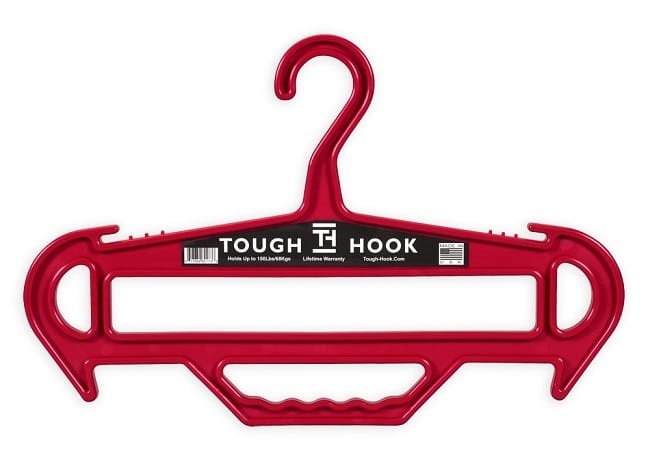
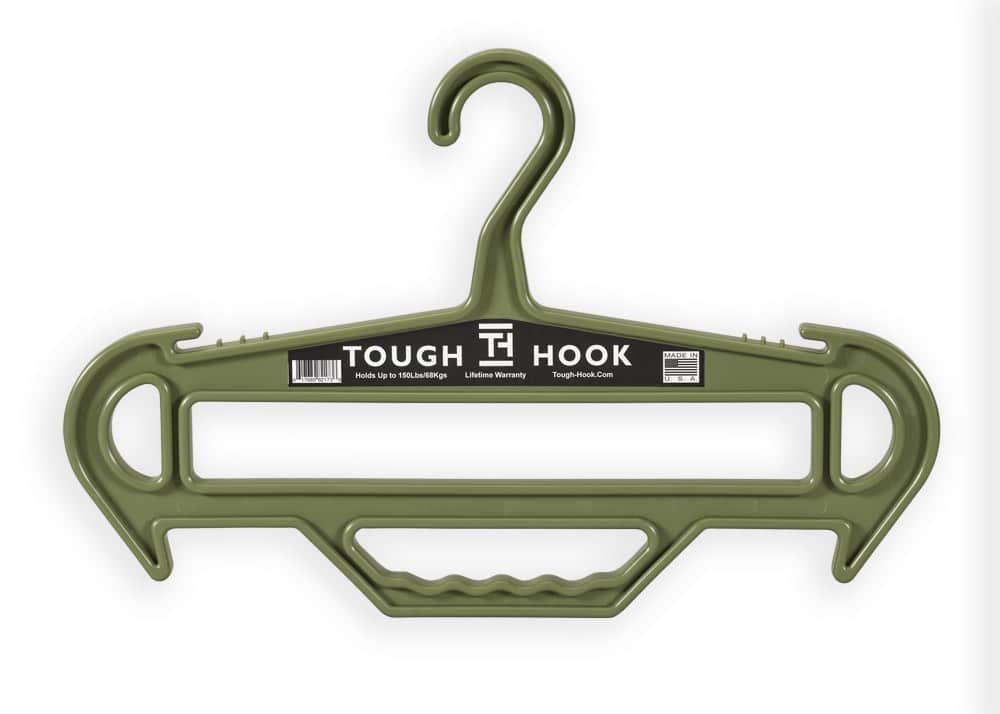
At Tough Hook, we understand that professional-grade gear carries significant weight. A standard hanger will snap under the pressure of a 50-pound plate carrier or a heavy-duty wetsuit. Our heavy-duty hangers are specifically engineered to support the world’s heaviest equipment without bending or breaking. By using a dedicated system like Tough Hook, you ensure that the structural integrity of your gear’s shoulders and straps is maintained over time.
Why Load-Bearing Hangers Matter
Standard hangers create “puckers” or “dimples” in the shoulders of heavy garments. Over time, the weight of the item pulls against the thin surface area of the hanger, leading to permanent deformation.
-
Weight distribution: A wide-set, heavy-duty hanger distributes the weight across a larger surface area, mimicking the shape of human shoulders.
-
Specialized features: Look for hangers with integrated hooks or grip features that prevent straps from sliding off.
-
Inversion capabilities: Tough Hook hangers feature a unique design that allows them to be flipped over and used as a carry handle, making transport from the closet to the vehicle seamless.
Categorization and Layout
With the right hardware in place, you can now begin the physical layout of your equipment. The goal is to create a flow that matches your routine.
-
Frequency of use: Keep the items you use daily at eye level and within easy reach.
-
Specialized zones: Create “kits” or zones based on activity. For example, keep all your diving equipment in one section and your range gear in another.
-
Vertical space: Maximize your storage by using wall-mounted racks. This keeps the floor clear and allows for better ventilation.
-
Labeling: Use clear, durable labels on bins or shelves for smaller accessories that cannot be hung, such as gloves, batteries, or spare parts.
Maintaining the System Throughout the Year
An organized system is only effective if it is maintained. The New Year is the starting point, but consistency is what preserves your gear.
-
The “One In, One Out” rule: To prevent clutter from returning, commit to removing an old piece of equipment every time you purchase something new.
-
Post-activity routine: Develop a habit of cleaning and properly hanging your gear immediately after use rather than letting it sit in a bag for several days.
-
Quarterly check-ups: Set a calendar reminder every three months to inspect your storage area and ensure everything is still in its proper place.
The Financial Impact of Gear Organization
Properly storing your equipment is a form of financial stewardship. Most professional gear is a significant investment. When you use a Tough Hook to store your body armor or heavy-duty outerwear, you are preventing the structural failures that lead to premature replacement costs.
Furthermore, an organized system prevents “double-buying.” When you know exactly where your backup flashlight or specific carabiner is located, you avoid the frustration of buying a replacement simply because you could not find the original in a cluttered garage.
Preparing for the Unexpected
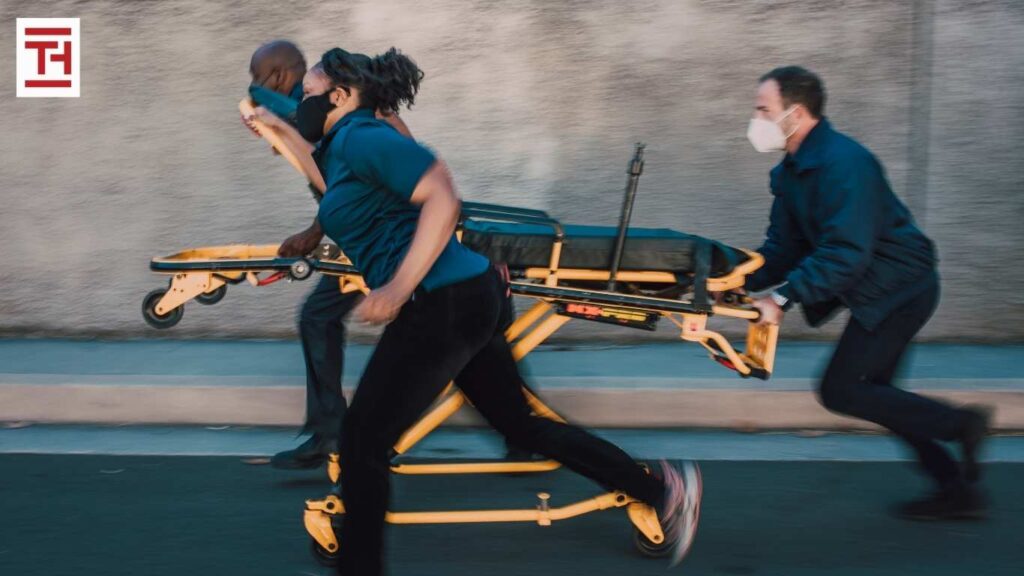
Beyond daily convenience, an organized gear system is a hallmark of emergency preparedness. Whether you are a first responder or an outdoor enthusiast, being able to “grab and go” can be a critical requirement. A system that utilizes heavy-duty hangers and clear categorization ensures that your response time is minimized.
-
Pre-staged kits: Ensure your most critical gear is already on its hanger and ready to be moved.
-
Accessibility: Ensure that your storage location is not blocked by holiday decorations or household clutter.
-
Ready-to-wear condition: By hanging gear properly, you ensure it is not wrinkled, tangled, or compressed when you need to put it on quickly.
As you look forward to the challenges and adventures of the coming year, do not let disorganized equipment hold you back. By taking the time to audit your inventory, perform necessary maintenance, and invest in high-quality storage solutions like Tough Hook hangers, you are setting yourself up for success. An organized system protects your gear, saves you time, and provides the peace of mind that comes with knowing you are truly prepared for whatever lies ahead.
A well-maintained gear room is a reflection of a professional mindset. This year, move beyond the chaos and build a system that supports your lifestyle and protects your most valuable tools.