A heavy-duty hanger for formalwear keeps its shape under load, supports the garment across the full shoulder, and holds it in place without slipping. For a tailored suit or tuxedo jacket, that means a wide, shaped shoulder. For a wool overcoat, evening gown, or dress uniform, it means a rigid frame that will not flex or snap. This guide explains how to choose the right hanger, how to size it, and how to hang each type of formalwear so it stays wearable for years.
Why standard hangers damage formalwear
Formalwear is built differently from everyday clothing. Suit jackets have canvas and padding inside the shoulders. Gowns can combine silk, satin, or velvet with beading, boning, and several layers of lining. Both react badly to a hanger that was designed for a light cotton shirt.
- Shoulder bumps and dimples. A hanger that is too narrow lets the shoulders droop and form bumps. One that is too wide pushes against the seams and leaves dimples.
- Stretching and distortion. Thin hangers cannot spread weight, so heavy fabric pulls on the shoulder seams and straps and gradually changes the fit.
- Bending and breaking. Thin wire and flimsy plastic can bend or crack under a heavy coat or a gown with a full skirt, and the garment ends up on the closet floor.
- Snagging. Rough seams, burrs, or unfinished edges can catch delicate weaves such as satin and chiffon.
A better hanger costs a small fraction of the garment it protects, and it is far cheaper than a tailoring repair for a shoulder that has already lost its shape.

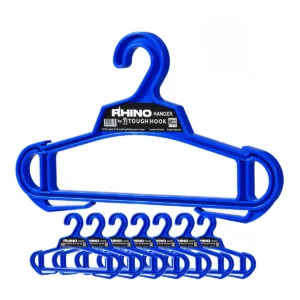
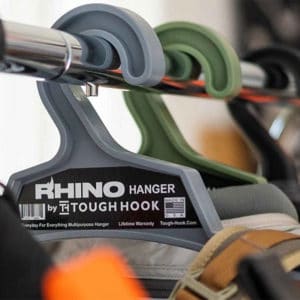

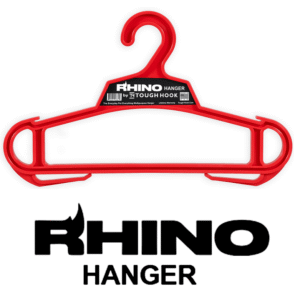
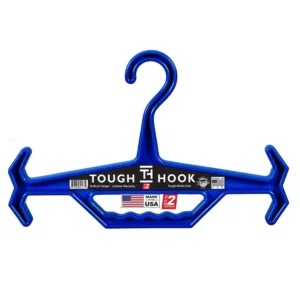

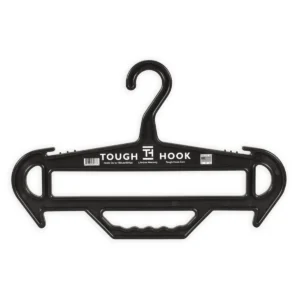
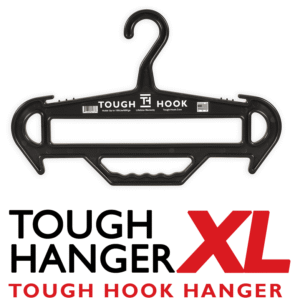
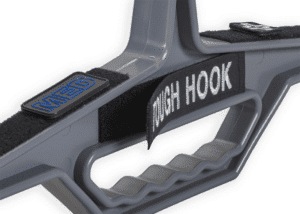
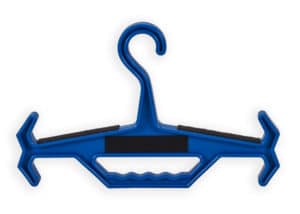
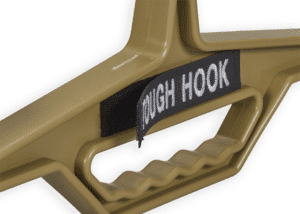
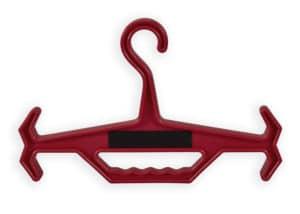
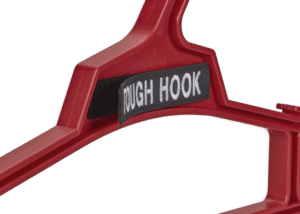
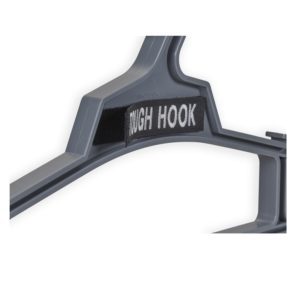
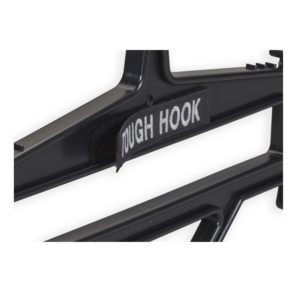


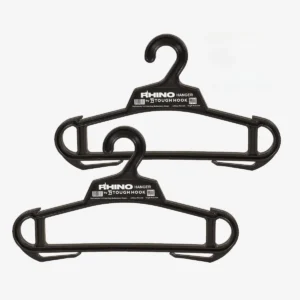
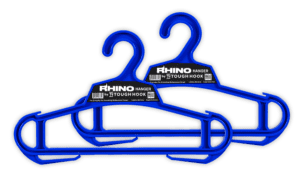
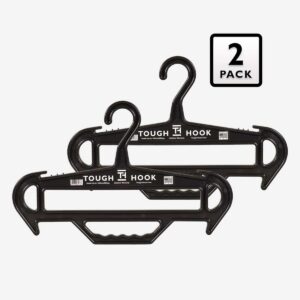
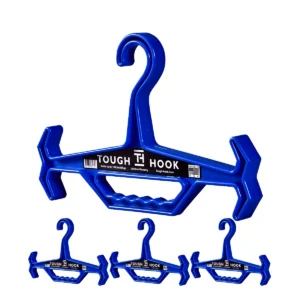
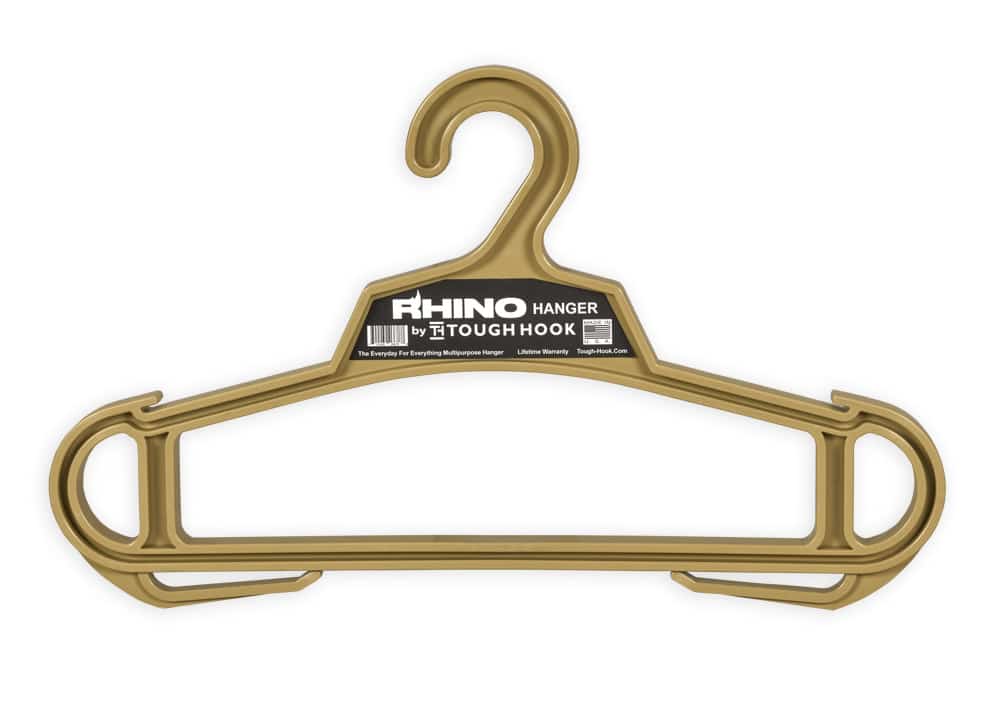
2 Pack RHINO Heavy Duty Clothes Hanger Bundle
Original price was: $27.95.$23.95Current price is: $23.95.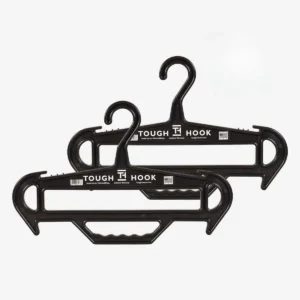
What makes a hanger heavy-duty enough for formalwear
Marketing terms such as “heavy-duty” and “premium” are not standardized, so check the specifics instead.
- Shoulder width. The hanger should reach the garment’s shoulder seam and stop there. Measure the garment from seam to seam, or compare it with a hanger that already fits well. Going past the seam strains the sleeve join.
- Shoulder depth. Thicker, rounded shoulders spread the weight over more fabric. Some hanger makers suggest roughly 1.2 inches (3 cm) or more for suit jackets and about 2 inches (5 cm) for coats.
- Rigidity. The frame should not visibly flex when loaded with the heaviest garment you plan to hang.
- Stated weight capacity. Look for a manufacturer rating, not just the word “sturdy.”
- Smooth edges and finish. Run a fingertip along the shoulders and hook. Anything that catches your skin can catch silk.
- Grip. Notches, tabs, or a non-slip surface keep straps and lightweight fabrics from sliding off.
- A hook that suits your rail. Swivel hooks make it easier to slide garments in and out of tight rows.
How much weight can a heavy-duty hanger hold?
Weight capacity is the clearest way to separate a truly heavy-duty hanger from one that only claims to be. Consumer listings for heavy-duty plastic and wooden hangers commonly state ratings of roughly 8 to 10 lbs, which suits most suits and everyday coats. Some thick metal hangers advertise much higher figures, and specialist molded hangers can be rated for far more. The Tough Hanger XL, for example, is rated by Tough Hook for loads over 200 lbs.
Before you buy, weigh your heaviest garment on a bathroom scale while it is on a hanger, then choose a rating with a comfortable margin above it. Embellished gowns, wool overcoats, and dress uniforms with insignia are usually the pieces that expose a weak hanger first.
Choosing hanger size and length
Hanger length is the dimension that most often goes wrong. Listings for suit and coat hangers commonly run from about 16.5 to 18 inches, and some extra-large suit hangers reach about 20 inches for broad shoulders. Shirts, blouses, and lightweight dresses generally need a shorter hanger than a structured jacket or coat.
- Measure the garment from one shoulder seam to the other, or hold a hanger up inside the jacket to see where its ends fall.
- Choose the size whose ends sit at the seam. Avoid hangers that are noticeably shorter or longer.
- For a mixed wardrobe, buy two or three sizes instead of forcing every garment onto one.
Hanger materials compared
| Material | Best for | Watch out for |
|---|---|---|
| Contoured solid wood | Tailored suits, blazers, tuxedo jackets | Bulky in a crowded closet. Rough or unsanded wood can snag fine fabric. |
| Thick coated metal | Coats and everyday formal pieces where space is limited | Thin wire bends under load. Bare metal can corrode in humid rooms and mark fabric. |
| Padded or satin | Silk, knits, and gowns with delicate straps | Padding can compress under very heavy garments. |
| Slim velvet | Lightweight dresses and dress shirts | Not built for heavy coats or structured jackets. |
| Molded high-impact polymer | Heavy gowns, overcoats, dress uniforms, rental stock | A flat frame shapes the shoulder less than a contoured wood suit hanger. |
No single material wins everywhere. Many closets work best with a mix: shaped wood for fine tailoring and a rigid heavy-duty hanger for the pieces that are simply too heavy for anything else.
Hanger features worth paying for
Beyond material and size, a few design details make a real difference to formalwear.
Match the hanger to the garment
| Garment | What it needs |
|---|---|
| Suit jacket or blazer | Wide, shaped shoulders that end at the seam, plus a trouser bar if you hang the set together. |
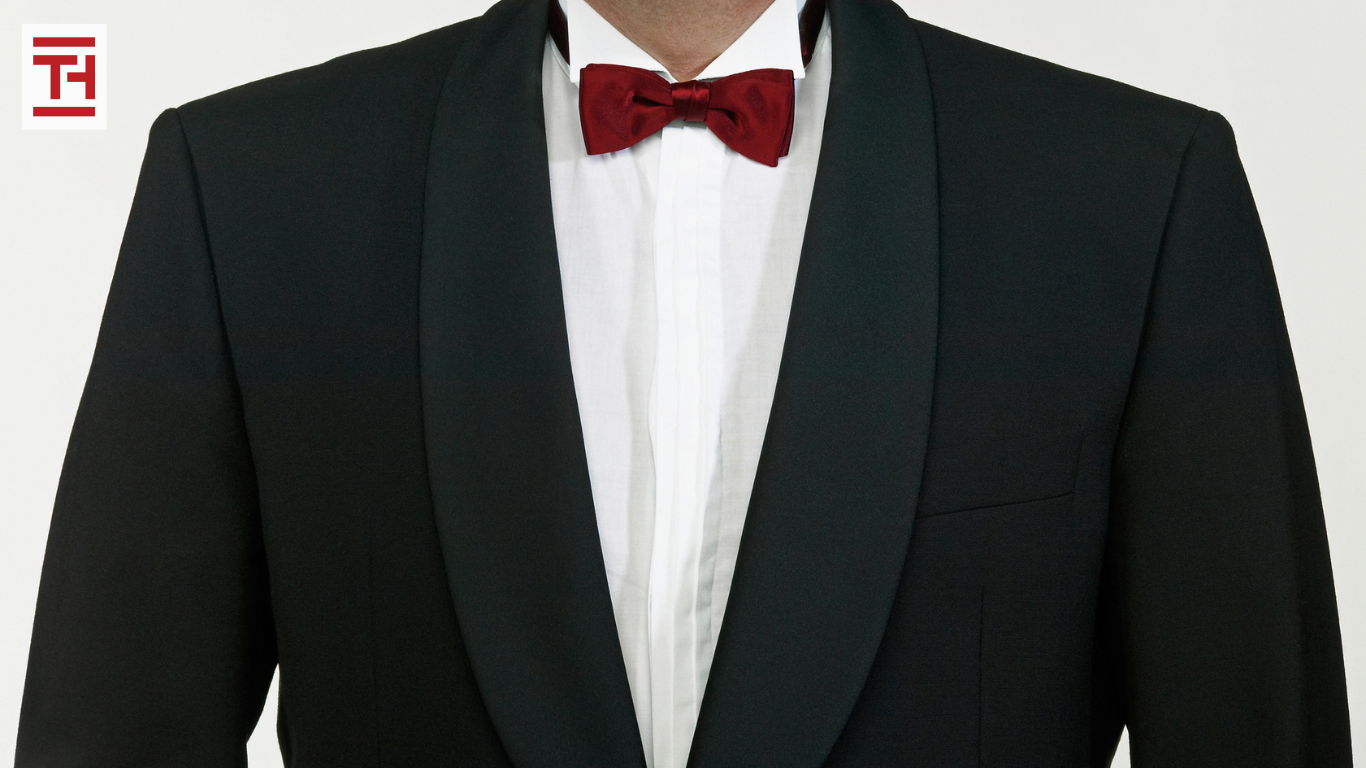
| Tuxedo | The same shaped support for the jacket. Hang the trousers from a bar or clips so the crease stays aligned. |
| Wool overcoat or formal coat | Deep, rigid shoulders and a weight rating that clearly exceeds the coat’s weight. |
| Evening gown | A padded or notched hanger, with the weight carried by the gown’s internal hanging loops instead of the straps. |
| Heavy ball gown or wedding dress | A very strong frame and hanging loops. If the gown is heavily beaded, consider flat storage (see below). |
| Dress uniform | Full-width shoulder support so the structured shoulders and any attached insignia stay put. |
| Dress shirts and blouses | Hangers that reach the shoulder edge, so collars and shoulder lines do not pucker. |
Space-saving options for crowded closets
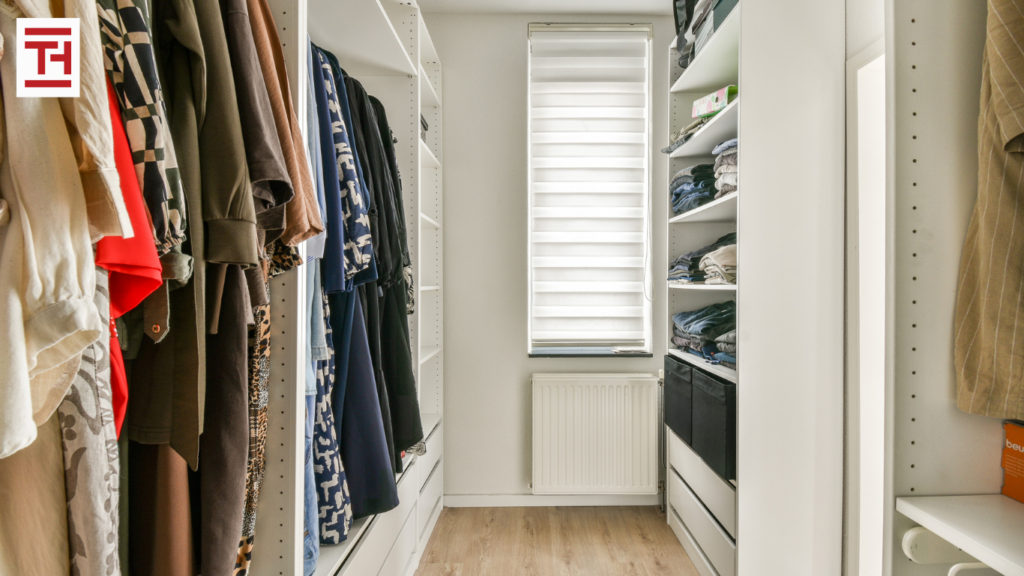
Heavy-duty support usually takes more room than a slim hanger, so it helps to plan the closet around it. Slim velvet hangers save space for lightweight shirts and dresses, so keep the thicker frames for the garments that need them. Cascading hangers and swivel hooks can reduce the rail length that matched sets use, and a dedicated rack or a lowered shelf can create a long-hang zone for full-length gowns.
If you have limited space, store seasonal formalwear in a second closet or wardrobe rather than squeezing every garment onto one rail. Crowded garments crease and rub against each other, which undoes the benefit of a good hanger.
When a gown should not hang at all
Even the strongest hanger cannot change what gravity does to a heavy gown over months. Skirts with beading, sequins, or many layers pull constantly on the bodice, and fabric at the shoulder can stretch or tear over time. Gown-care guides from bridal and formal-dress retailers commonly recommend folding heavily embellished gowns into a clean box with acid-free tissue between the folds for long-term storage.
A practical rule: hang a gown for short-term storage or before an event, and box it if it will sit unworn for a season or longer. Either way, store it clean, because stains left on fabric tend to set and can attract pests.
How to hang formalwear step by step
- Air it out. After wearing, let a jacket or gown hang open for a day before it goes into a closed closet, so moisture and odor can escape.
- Clean it first. Spot-treat or dry clean before storage. Pests and stains target soiled fabric.
- Empty the pockets and fasten the closures. Zip zippers and button the top button of a jacket to help it hold its shape.
- Choose the right size. Match the hanger to the shoulder seam, not to the garment’s labeled size alone.
- Use the loops. If a gown or dress has internal hanging loops, use them. If the loops are long, wrap them around the hanger so the weight sits inside the bodice instead of on the straps.
- Support trousers separately. Use a trouser bar, or clip the cuffs or waistband.
- Cover with something breathable. Cotton or muslin garment bags let fabric breathe. Avoid sealing garments in plastic for long-term storage.
- Leave room. Cramped garments crease. Keep the rail cool, dry, and out of direct sun, and add cedar blocks if moths are a concern.
Hanger care for formalwear rental shops and boutiques
For businesses, the hanger is part of the inventory. A garment that goes out on a sagging or broken hanger can come back creased, stretched, or snagged, and customers notice. A simple routine protects both the garments and the presentation.
- Inspect regularly. Check for cracks, bent shoulders, loose hooks, and rough edges. Pull damaged hangers from circulation right away.
- Standardize. Use one hanger type per garment category so staff do not have to make judgment calls during busy fittings.
- Clean on a schedule. Wipe hangers to remove dust and any residue transferred from garments.
- Reserve the strongest hangers for the heaviest pieces. Gowns, coats, and uniforms benefit most from a rigid frame.
- Keep a dedicated storage spot for empty hangers. Loose hangers get bent, stepped on, and lost.
How long do heavy-duty hangers last, and when should you replace them?
A well-made hanger can outlast many of the garments it holds, but lifespan depends on the material and how it is used. Wood can crack or splinter if it is dropped or stored in damp conditions. Thin metal bends, and unprotected metal can corrode in humid rooms. Lower-quality plastic can turn brittle or crack under repeated stress.
Replace a hanger as soon as you see cracks, a bent shoulder, a loose hook, or any rough edge that could snag fabric. For a business, build that check into your regular inventory routine. For a home closet, a quick look each season is enough.
Cost, brands, and where to buy heavy-duty hangers
Cost. Price depends on material, size, pack count, and rated capacity. Generic multipacks are inexpensive per piece, while specialist heavy-duty hangers cost more each but are a one-time purchase if they last. Multi-pack hanger bundles bring the per-hanger price down, which matters for rental shops and families outfitting a whole closet.
Comparing brands. Instead of relying on a brand name, compare the manufacturer’s stated weight rating, the shoulder width and depth, the finish, the warranty, the country of manufacture, and verified customer reviews. A clear warranty and a published rating are good signs that the maker stands behind the product.
Where to buy. You can buy direct from the Tough Hook shop, and the Tough Hanger XL also lists more than 2,600 Amazon ratings on its product page. Retailers and rental businesses that want to stock the line can look at the dealer program. For wood and metal suit hangers, menswear suppliers and wholesale hanger distributors are the usual sources.
Where Tough Hook hangers fit
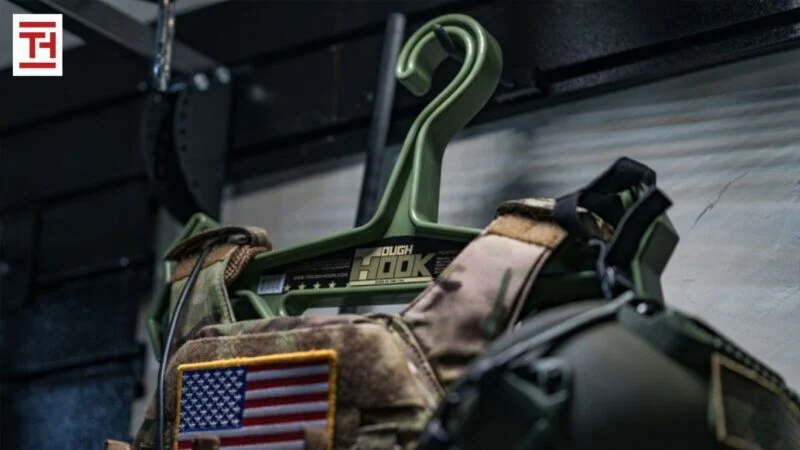
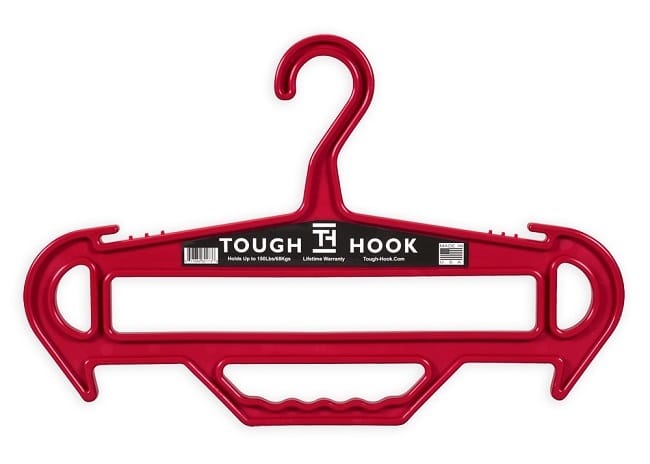
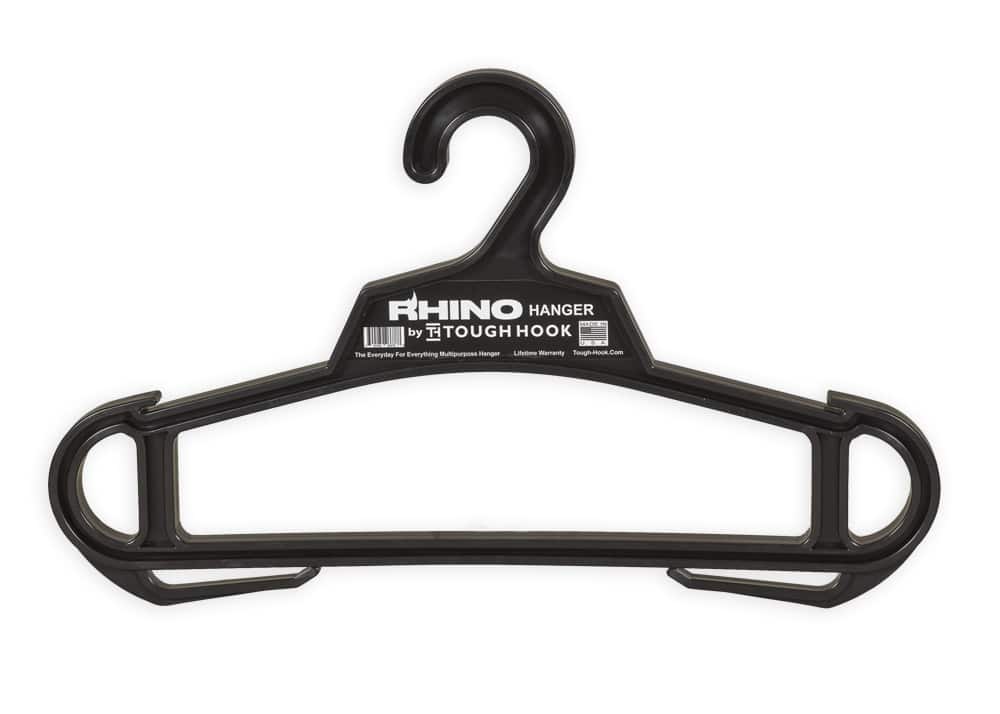
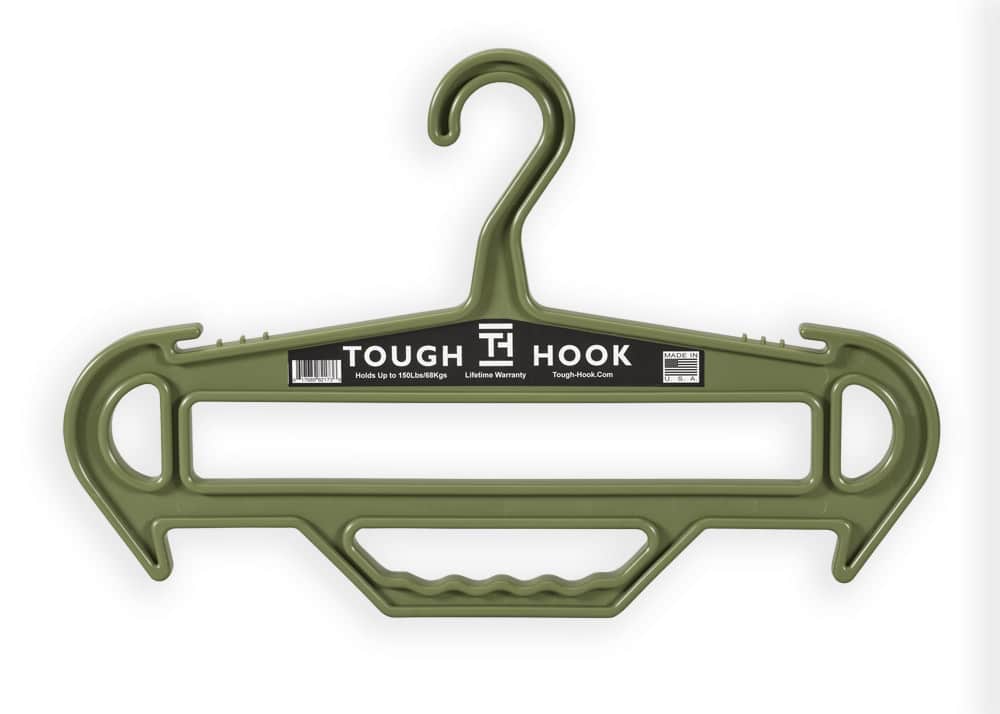
Tough Hook hangers are molded in the USA from impact-resistant resin and designed for loads that ordinary hangers cannot handle. The Tough Hanger XL is the largest in the line. It measures about 18.5 inches across, uses an I-beam construction, and is rated by Tough Hook for loads over 200 lbs, with a lifetime warranty. Tabs and perforations help keep garments from slipping, and the manufacturer lists heavy wedding dresses and ballroom gowns among the items it is meant to carry. You can compare the full range in the Tough Hook shop.
To be clear about the trade-off: a flat, rigid hanger gives strong, even support but does not contour the shoulder the way a wooden suit hanger does. For fine tailoring, many people pair shaped wood with a heavy-duty hanger for gowns, coats, and uniforms.
For more on closet setup, see our guides to why hanger shape matters for long-term storage, the difference between a hanger that holds clothing and one that protects it, hanger choices for wedding gowns and formal wear, and the benefits of heavy-duty hangers.
Frequently asked questions
How are heavy-duty hangers different from regular ones?
They are thicker, more rigid, and wider at the shoulder, so they support more weight without bending and spread that weight across more fabric. Good ones also have smooth edges and a grip surface so garments stay put.
How wide should a hanger be for a suit jacket?
Wide enough to reach the jacket’s shoulder seam, but not past it. If the hanger is too narrow, the shoulders droop. If it is too wide, it leaves dimples and strains the sleeve seams.
Are wooden hangers good for formalwear?
Yes, especially for tailored jackets. Wide, contoured wood supports the shoulder shape well. Choose a smooth, sanded finish, and keep in mind that wood takes more rail space than slim hangers.
Can plastic heavy-duty hangers support suits and coats?
Thick, rigid plastic or molded polymer can, provided the shoulders are wide and the frame does not flex. Thin, lightweight plastic is a poor choice for structured or heavy garments.
Should a heavy wedding or ball gown be hung or boxed?
Either can work. Hang a gown by its internal loops for short-term storage. For heavily beaded or very heavy gowns kept for a long time, flat storage in a box with acid-free tissue is usually gentler on the fabric.
How much weight can heavy-duty hangers hold?
It depends on the model. Many heavy-duty plastic and wooden hangers are rated around 8 to 10 lbs, while specialist designs are rated much higher. Check the manufacturer’s stated capacity and leave a margin above your heaviest garment.
How much do heavy-duty hangers cost?
Prices vary with material, size, and pack count. Multipacks cost less per hanger, while single specialist hangers cost more but are built to last. Bundles are a good way to lower the cost per piece.
Where can I buy heavy-duty hangers for formalwear?
You can buy Tough Hook hangers directly from the Tough Hook shop, and wood and metal suit hangers are sold by menswear and wholesale hanger suppliers. Compare weight ratings, warranty, and reviews before you choose.
Your Partner in Heavy-Duty Hanger Solutions
At Tough Hook, we understand the critical role that high-quality hangers play in maintaining the integrity of your formalwear inventory. We specialize in manufacturing a wide range of heavy-duty hangers designed to meet the unique needs of businesses like yours. Our commitment to quality and customer satisfaction ensures that you receive durable, reliable, and cost-effective solutions for all your garment storage needs.