When we talk about equipment maintenance, we often focus on the mechanical aspects—oiling the joints, cleaning the lenses, or patching the fabric. However, one of the most silent yet aggressive enemies of professional gear is the environment in which it is stored. Whether you are operating in the sweltering, arid deserts of the Southwest or the thick, salt-laden air of a tropical coastline, the climate is constantly working against your equipment.
Standard plastic or wire hangers are designed for climate-controlled closets and lightweight cotton shirts. They were never intended to survive “climate-challenged” environments, especially when supporting the weight of body armor, scuba gear, or heavy turnout suits. To preserve the integrity of your mission-critical gear, you need a hanging solution that treats climate resistance as a primary feature, not an afterthought.
The Science of Material Failure in Harsh Climates
To understand why specialized hangers are necessary, one must understand how extreme environments degrade materials. Most off-the-shelf hangers utilize cheap, low-density plastics or thin metals that react poorly to atmospheric stress.
-
UV Degradation: In high-heat, high-sunlight areas, ultraviolet rays break down the polymer chains in standard plastic. This leads to “chalking,” where the surface becomes brittle and eventually snaps under the slightest pressure.
-
Oxidative Stress: Heat accelerates chemical reactions. In a hot warehouse or the back of a patrol vehicle, the oxidation process speeds up, causing materials to lose their elasticity and tensile strength.
-
Corrosion and Rust: In high-humidity or maritime environments, metal hangers are a liability. Even “coated” wire hangers eventually chip, leading to rust that can transfer onto and ruin expensive fabrics or specialized equipment.
-
Creep and Deformation: Persistent high temperatures soften many plastics. When a heavy load—such as a 30-pound tactical vest—is placed on a softened hanger, the material undergoes “creep,” slowly stretching until the hanger deforms and the gear falls to the floor.

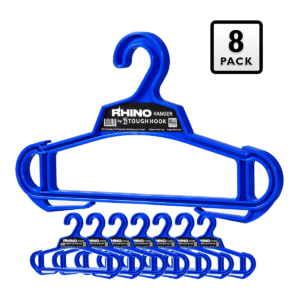
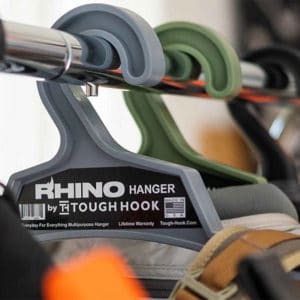
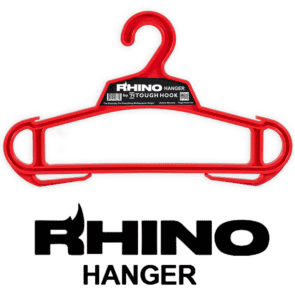

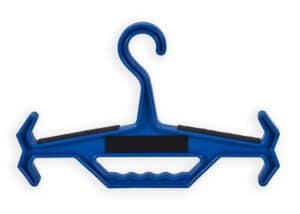
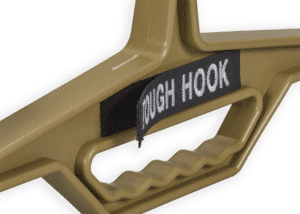
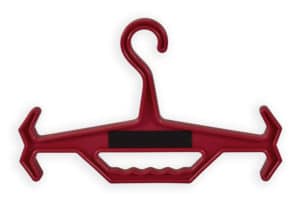
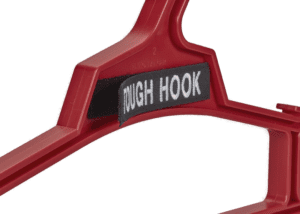
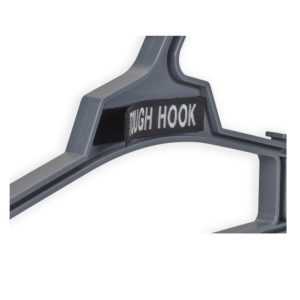
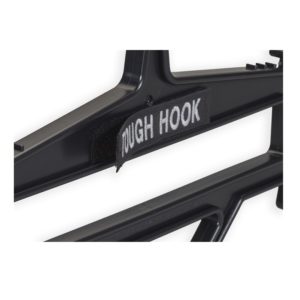
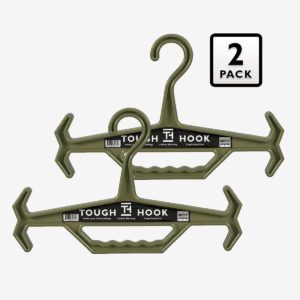

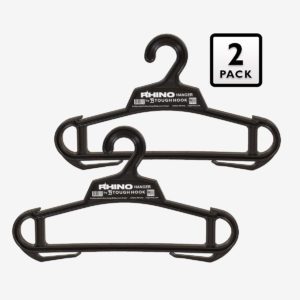
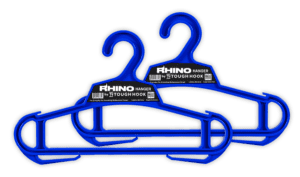
2 Pack RHINO Heavy Duty Clothes Hanger Bundle
Original price was: $27.95.$23.95Current price is: $23.95.
The Humidity Factor: Why Airflow is Non-Negotiable
Humidity is perhaps the most insidious climate challenge. In regions where the dew point is consistently high, moisture becomes trapped within the folds of heavy gear. If a piece of equipment is hung on a flimsy hanger that allows the garment to bunch or sag, it creates pockets of stagnant, moist air.
This environment is a breeding ground for mold, mildew, and bacteria. Not only does this create an unpleasant odor, but biological growth can actually eat away at the fibers of high-tech materials like Kevlar or Nomex. To combat this, a hanging solution must be robust enough to hold the garment open, allowing for maximum surface area exposure and airflow.
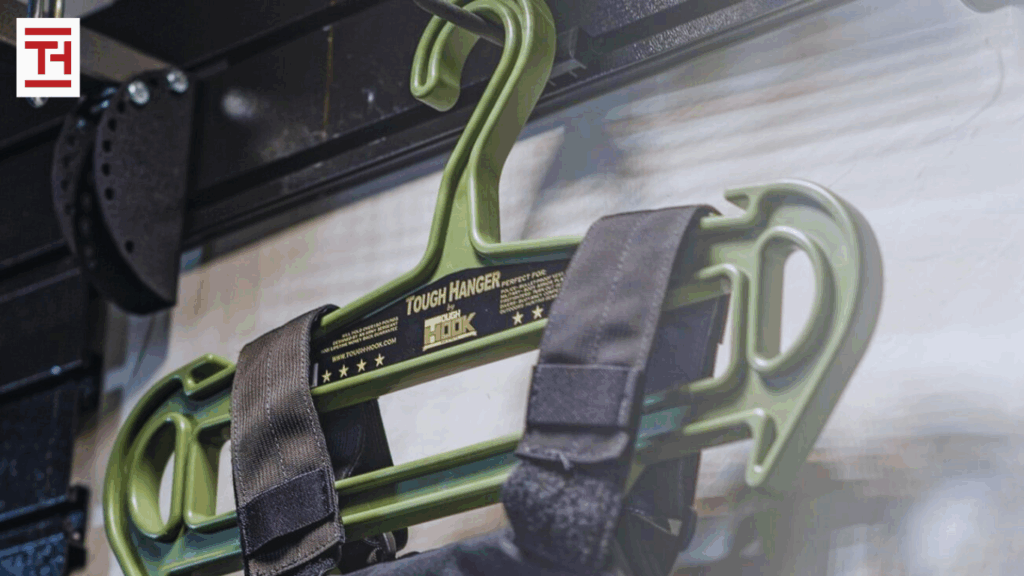
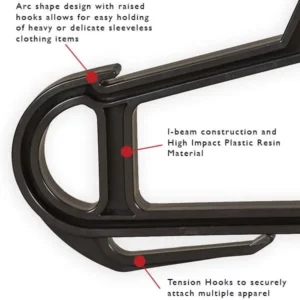
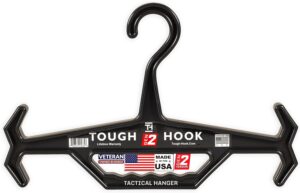
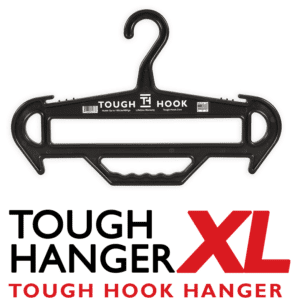
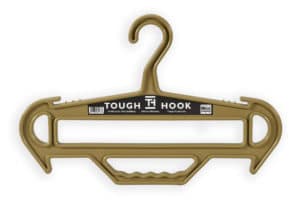
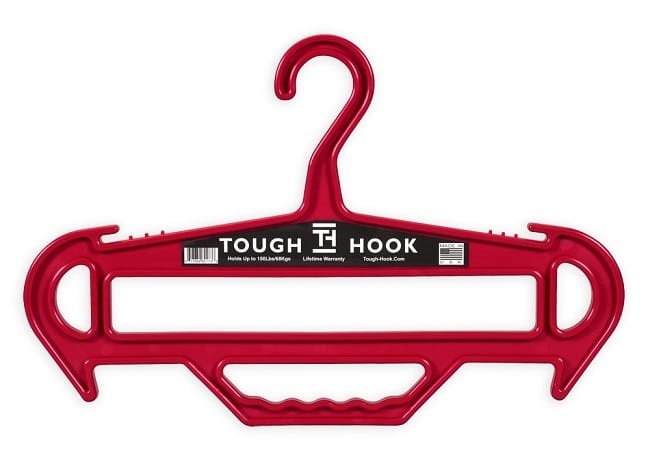
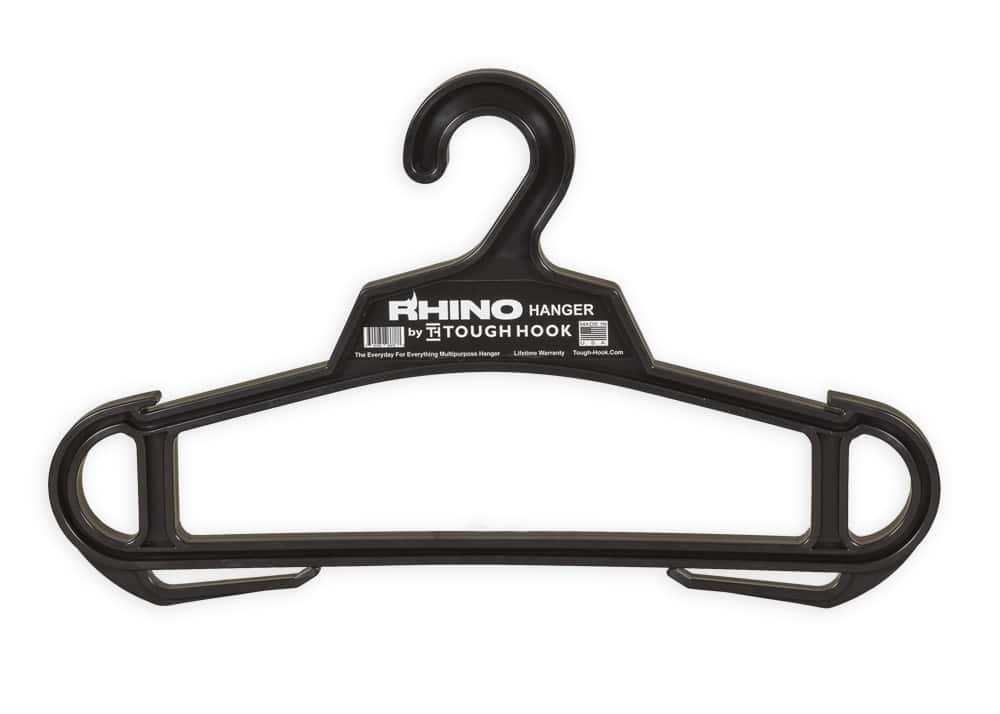
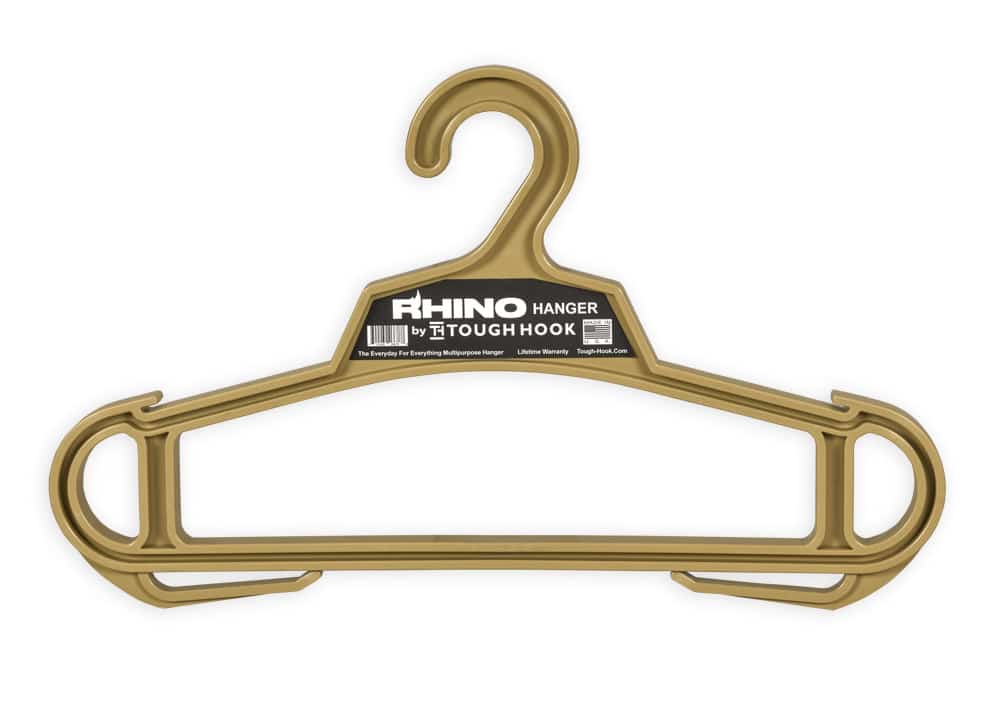
Tough Hook hangers are engineered with a wide-frame design specifically to address this issue. By maintaining the natural shape of the gear and preventing collapsing, these hangers facilitate the evaporation of moisture, even in the most humid conditions.
High-Heat Environments: Beyond the Melting Point
In desert operations or summer patrol shifts, equipment is often stored in non-refrigerated containers or vehicles where temperatures can easily exceed 120 degrees Fahrenheit. At these temperatures, the structural integrity of a standard hanger is compromised.
A heavy-duty hanger must be manufactured from materials with high thermal stability. Tough Hook utilizes high-impact, industrial-grade polymers that are designed to withstand extreme temperature fluctuations without warping. This ensures that whether your gear is in the back of a humid trailer or a sun-baked locker, the hanger remains a rigid foundation for your equipment.
Solving the Weight-to-Strength Ratio
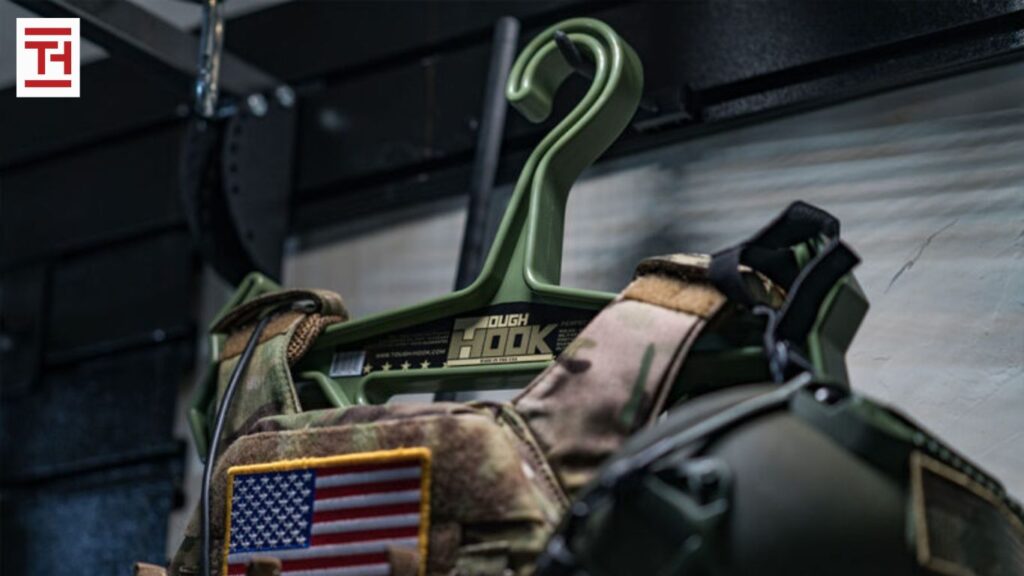
A climate-challenged environment puts extra stress on the hanger’s hook and “shoulders.” When you add the weight of a fully loaded plate carrier or a wet drysuit—which can weigh upwards of 50 to 150 pounds—the physics of the hang become critical.
-
Load Distribution: A wide shoulder design is essential to prevent “puckering” or structural damage to the shoulder straps of the gear.
-
I-Beam Construction: Just as engineers use I-beams for skyscrapers, heavy-duty hangers use this geometry to provide maximum rigidity with minimum weight.
-
Impact Resistance: In rugged environments, gear is often tossed, dropped, or shoved. A hanger must be able to survive a fall onto a concrete floor while carrying a full load.
The Tough Hook Advantage: Engineering for the Extreme
At Tough Hook, we recognized that professionals in the military, law enforcement, and search and rescue sectors were being underserved by domestic storage solutions. A hanger is not just a piece of plastic; it is an insurance policy for the gear that keeps you safe.
Our products are built to handle the most punishing conditions on the planet. By focusing on reinforced construction and climate-resilient materials, we have created a tool that eliminates the “weakest link” in your equipment lifecycle.
-
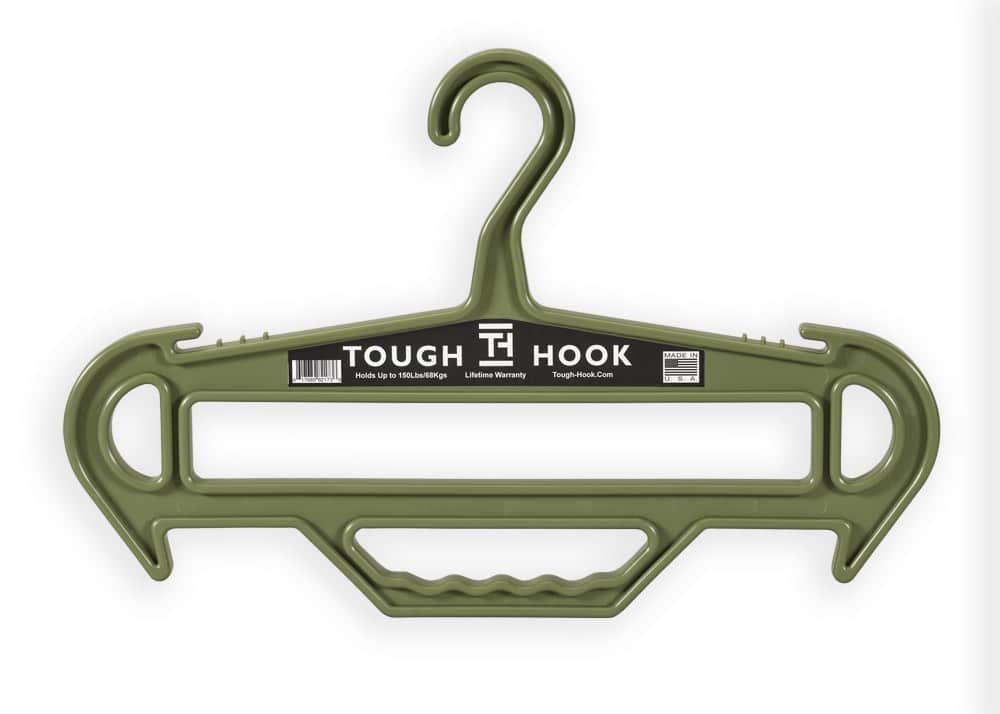
Unrivaled Load Capacity: Our hangers are rated to hold over 150 pounds, making them the gold standard for heavy-duty applications.
-
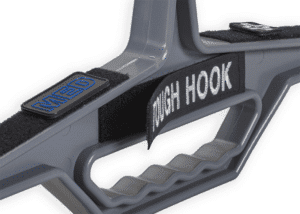
Integrated Carry Handle: One of our signature features is the built-in handle, allowing users to flip the hanger over and use it as a heavy-duty carry grip for easy transport in the field.
-
Corrosion-Proof Composition: Because we use high-grade resins rather than metal, there is zero risk of rust or chemical leaching, regardless of the humidity level.
-
American-Made Durability: We take pride in manufacturing our products in the USA, ensuring that every unit meets strict quality control standards for performance in theater.
Applications Across Diverse Industries
Climate challenges aren’t limited to the battlefield. Various professional sectors require hanging solutions that can withstand the elements.
-
Public Safety and First Responders: Firefighters deal with extreme heat and high moisture daily. Their turnout gear must be hung in a way that promotes rapid drying to prevent steam burns during the next call.
-
Scuba and Maritime Professionals: Saltwater is incredibly corrosive. Hangers used for BCDs and wetsuits must be completely impervious to salt-induced degradation.
-
Outdoor Enthusiasts: Hunters and campers often store heavy cold-weather gear in garages or sheds that lack climate control, necessitating a hanger that won’t fail during the off-season.
-
Gyms and Athletics: Weight vests and heavy training gear are often saturated with sweat, requiring heavy-duty hanging solutions that can handle both the weight and the moisture.
Maintenance Tips for Gear in Challenging Climates
While a Tough Hook provides the structural support you need, proper equipment care is a holistic process. To maximize the life of your gear in harsh climates, consider the following best practices.
-
Avoid Direct Sunlight: Even with UV-resistant hangers, the fabrics of your gear can fade and weaken if left in direct sun for extended periods.
-
Ensure Proper Spacing: Do not crowd your hangers. Leave at least two to three inches between garments to allow air to circulate freely.
-
Rotate Your Gear: If possible, rotate the equipment you use to allow each piece to fully decompress and dry out between uses.
-
Regular Inspections: Periodically check your gear for signs of environmental wear, such as salt crusting or brittle fibers, and clean them according to the manufacturer’s specifications.
The environment is a constant variable that can either preserve or perish your most expensive equipment. In climate-challenged areas, the difference between a successful deployment and equipment failure often comes down to the smallest details. By moving away from flimsy, consumer-grade hangers and adopting professional-grade solutions from Tough Hook, you ensure that your gear is ready to perform the moment you reach for it. Don’t let heat, humidity, or weight dictate the lifespan of your equipment. Invest in a hanging solution that is as tough as the job you do.