Disasters, by their very nature, are unpredictable and chaotic. From the surging waters of a flood to the devastating inferno of a wildfire, emergency responders face immense challenges. Amidst the urgency and the unfolding crisis, one seemingly small detail can make a monumental difference: disaster response gear organization. The ability to quickly locate, deploy, and maintain essential equipment isn’t just about efficiency; it can literally be the difference between life and death.
The Crucial Role of Preparedness and Organization
Effective disaster response hinges on meticulous preparation. This isn’t limited to training and strategic planning but extends deeply into the realm of equipment management. When seconds count, fumbling for a specific tool or piece of protective clothing can have dire consequences.
Responders need systems built for rapid deployment, easy to use even under stress. A true first responder gear organization system is built for that stress, not around it.
- Minimizing Downtime: Disorganized gear leads to wasted time. Every minute spent searching for equipment is a minute lost in critical response efforts.
- Enhancing Safety: Knowing where personal protective equipment (PPE) is at all times ensures responders can don it quickly, reducing exposure to hazards.
- Optimizing Resource Allocation: A clear inventory of available gear prevents unnecessary duplication and ensures resources are directed where they’re most needed.
- Maintaining Equipment Integrity: Proper storage protects gear from damage, extending its lifespan and ensuring it’s always in working order.
Challenges in Disaster Environments
Disaster zones present a unique set of challenges to gear organization, whether the team is staging out of a mobile command unit or working USAR gear readiness protocols in a collapsed-structure environment.
The environment is often harsh, characterized by extreme weather, debris, limited space, and constant movement.
- Contamination Risks: Exposure to hazardous materials, biological agents, or simply mud and water necessitates rigorous cleaning and decontamination protocols. Storing clean and contaminated gear separately is paramount, which is why many departments build a dedicated decontamination setup into their response plan.
- Rapid Deployment Needs: Equipment often needs to be accessed and deployed in a hurry, sometimes under stressful conditions and with limited visibility.
- Space Constraints: Response vehicles, temporary shelters, and field command centers often have limited space, making efficient storage solutions essential.
- Durability Requirements: Storage solutions must withstand the rigors of frequent transport, rough handling, and exposure to adverse conditions.
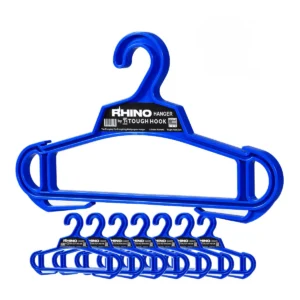
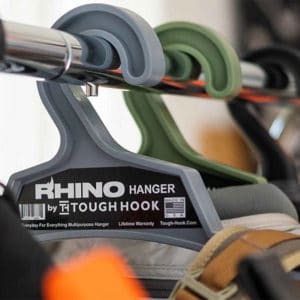


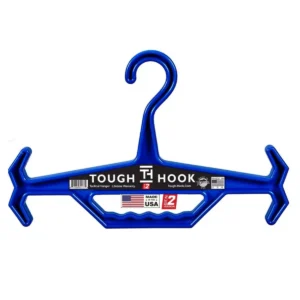

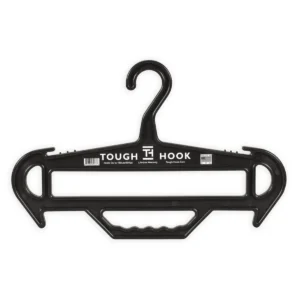
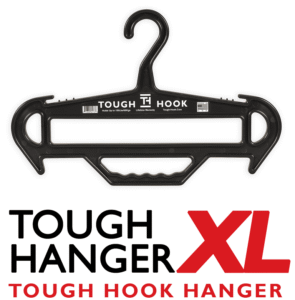
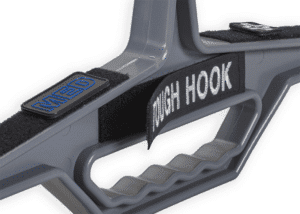

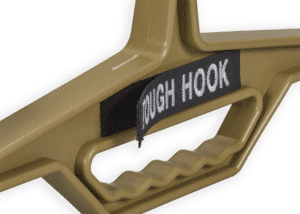


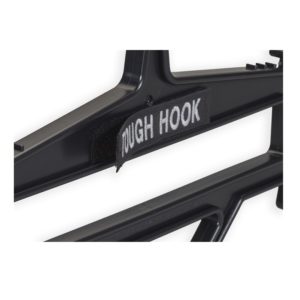


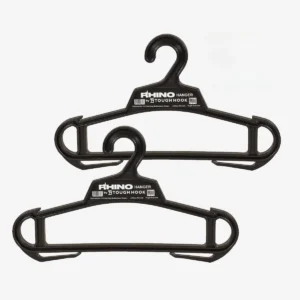
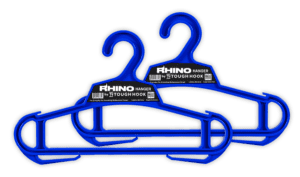
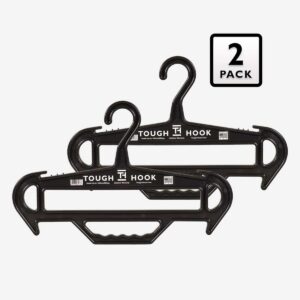
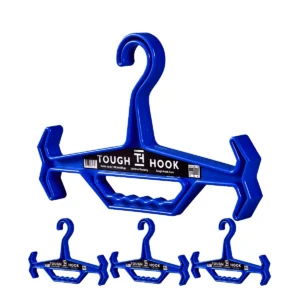
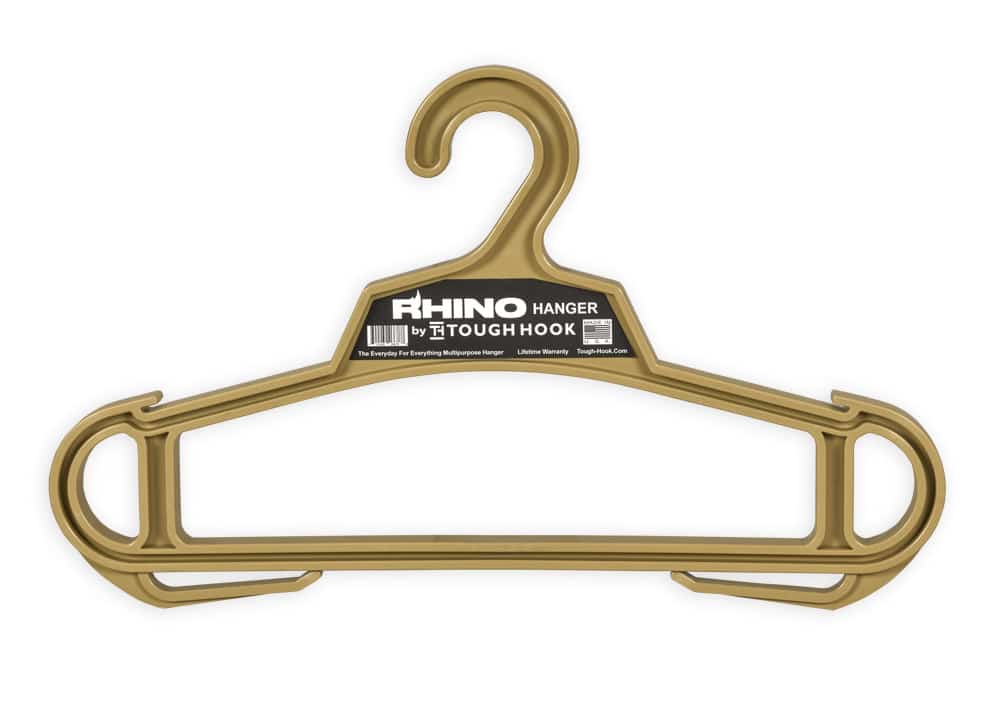
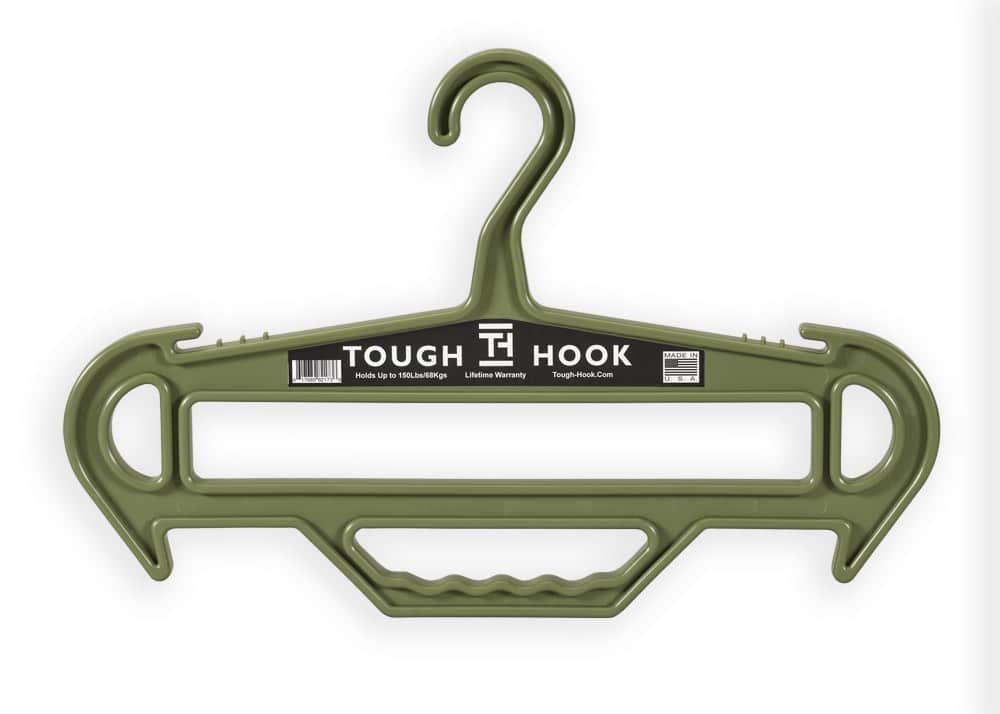
2 Pack RHINO Heavy Duty Clothes Hanger Bundle
Original price was: $27.95.$23.95Current price is: $23.95.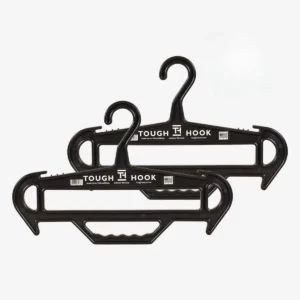
Strategies for Superior Gear Organization
Implementing effective organizational strategies requires a proactive approach and a commitment to maintaining systems, even in the midst of chaos.
Categorization and Labeling
This is the cornerstone of any effective organizational system. A simple category checklist posted inside each storage unit keeps the system self-auditing between formal reviews, so any team member can spot a gap at a glance.
- By Function: Grouping similar items together, such as medical supplies, search and rescue tools, or communications equipment.
- By Team/Individual: Ensuring each responder’s personal gear is readily identifiable and accessible.
- Clear Labeling: Using durable, waterproof labels with large, easy-to-read text and, where appropriate, color-coding or pictograms.
Modular Storage Solutions
Using stackable bins, clear containers, and compartmentalized bags allows for flexible storage that can be adapted to various spaces and needs.
- Transparent Containers: These are invaluable for quickly identifying contents without needing to open every container.
- Standardized Kits: Pre-packed kits for specific scenarios (e.g., first aid, rope rescue) reduce preparation time.
Strategic Staging Areas
Designating specific zones for different types of equipment in response vehicles or temporary bases is one of the fastest ways to cut retrieval time. Building out a dedicated gear storage space at the station makes it far easier to replicate the same zones in the field.
- “Hot Zones” for Immediate Use: Easily accessible areas for frequently used tools and PPE.
- “Cold Zones” for Replenishment: Secure areas for backup supplies and less frequently accessed items.
Dedicated Cleaning and Decontamination Stations
Establishing clear protocols and physical spaces for cleaning gear immediately after use prevents cross-contamination and prolongs equipment life.
Heavy-Duty Hangers for PPE
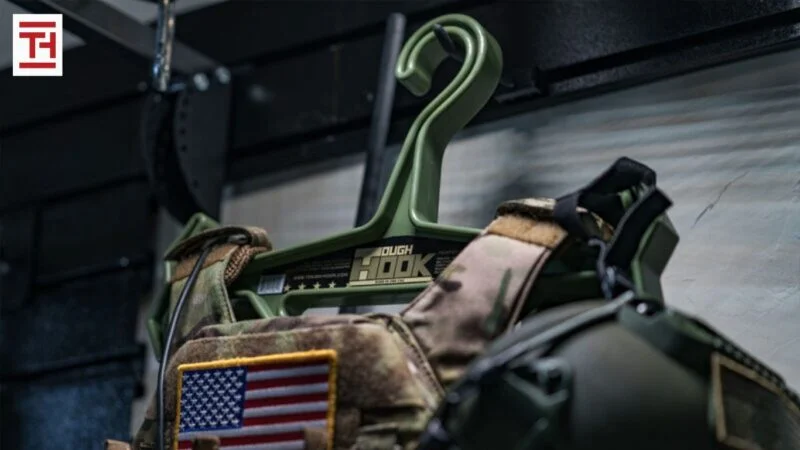
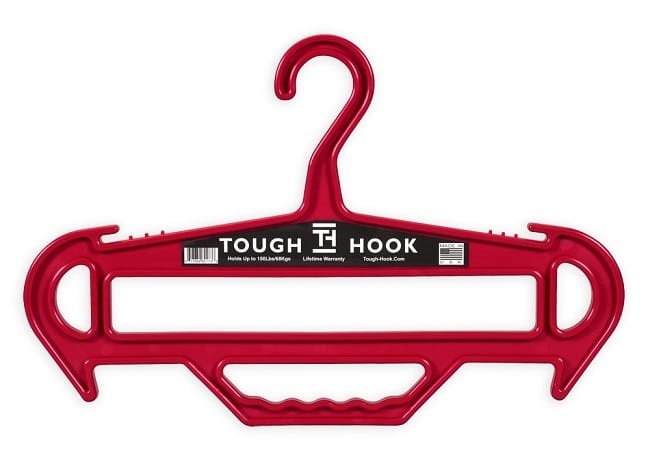
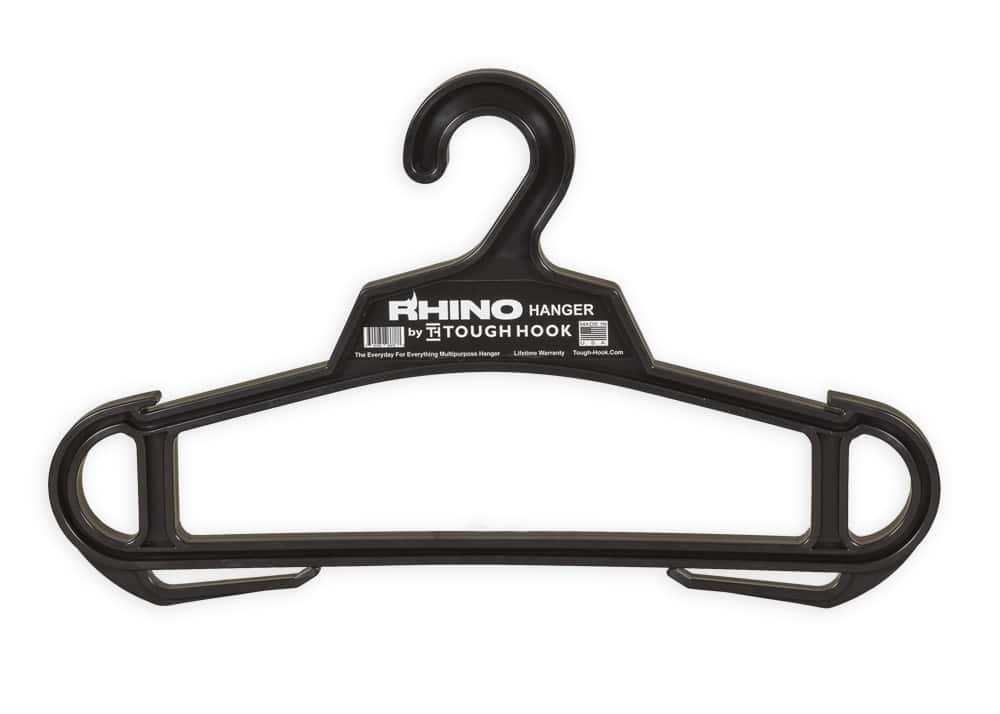
Heavy-duty hangers are often overlooked but are crucial for maintaining the integrity and readiness of personal protective equipment. Items like turnout gear, dry suits, and ballistic vests are expensive and heavy and need to be stored in a way that allows them to dry properly and maintain their shape.
Our company, Tough Hook, specializes in creating virtually indestructible hangers specifically designed for heavy tactical gear, wetsuits, plate carriers, and uniforms.
These hangers ensure that vital PPE is stored correctly, dries efficiently, and is always ready for immediate deployment, preventing creases or damage that could compromise effectiveness. You can shop heavy-duty hangers built for exactly this kind of use.
Packing and Transportation for Fast Deployment
An organized gear room only pays off if that organization survives the move from storage to vehicle. Packing and transportation are where a lot of well-labeled systems fall apart under real time pressure.
Packing Techniques for Quick Access
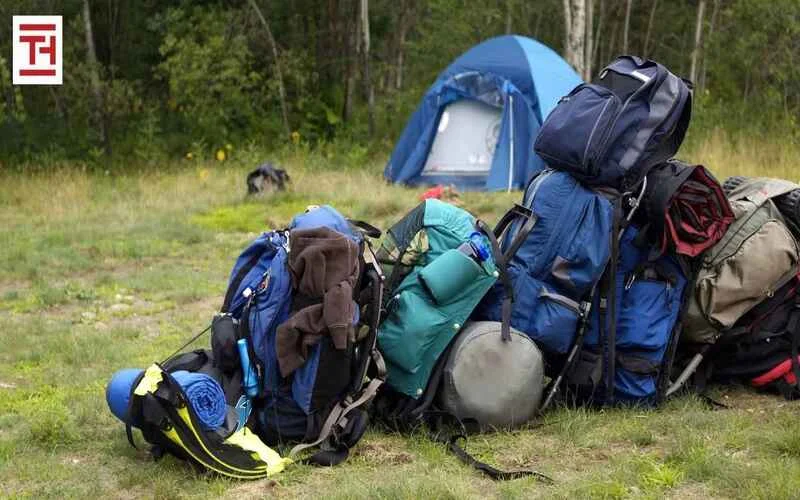
Pack heavier, less-frequently-used items at the bottom of a bag or bin and keep the gear a responder reaches for first, gloves, eye protection, a radio, on top or in an outer pocket. Compact, uniform packing also means less shifting during transport, which keeps the same layout intact call after call.
Transportation and Mobility Considerations
Response vehicles and mobile command units need gear secured well enough that it doesn’t become a hazard in transit, but still fast to release once on scene. Teams that standardize around a grab-and-go storage standard can move a fully kitted-out set of PPE from rack to vehicle to scene without repacking anything along the way.
Logistics and Coordination Across Response Teams
Gear organization stops being a personal habit and becomes a logistics problem the moment more than one team or unit is involved. Coordination across shifts, departments, or mutual-aid partners depends on everyone using the same categorization and staging conventions described above.
For multi-unit departments, that usually means standardizing hanger racks and storage zones across every station so gear is interchangeable and instantly recognizable no matter who’s grabbing it. Distribution of shared or backup equipment should follow the same hot zone and cold zone principle used for an individual kit, just scaled up.
Departments running tactical hanger racks built for multi-unit coordination report far fewer misplaced items during joint operations, and the same logic extends to mobile command unit hanger systems where several teams may be pulling gear from the same vehicle.
Embracing Technology for Inventory Management
While physical organization is vital, technology can significantly enhance inventory management during disaster response.
- Barcode and RFID Systems: These technologies allow for rapid tracking of equipment, monitoring usage, and streamlining replenishment.
- Real-time Inventory: Provides an accurate, up-to-the-minute overview of available resources.
- Automated Check-in/Check-out: Reduces manual errors and speeds up the process of issuing and retrieving gear.
- Cloud-Based Inventory Software: Accessible from multiple devices, these platforms facilitate collaboration among teams and provide centralized data on equipment status and location.
Gear Maintenance and Inspection Schedules
Inventory tracking tells a team what it has. A separate maintenance and inspection schedule tells them what’s actually still safe to use.
The two get confused often enough that it’s worth calling out as its own discipline rather than folding it into a general review.
A basic cadence works for most departments: a quick visual check after every deployment, a more thorough inspection monthly, and a full equipment audit, hangers included, on a quarterly or annual basis depending on how hard the gear gets used.
Watch specifically for stress cracks, warping, or brittleness in storage hardware, since a hanger that fails is just as much a readiness problem as gear that’s gone missing.
The same signs it’s time to upgrade your hangers apply whether the storage is at the station or staged in a response vehicle.
Continuous Review and Adaptation
No organizational system is perfect from the outset, especially in the dynamic environment of disaster response. Regular review and adaptation are essential.
- After-Action Reviews: Following each response, conduct thorough debriefs to identify what worked well and what challenges were encountered regarding gear organization.
- Feedback from Responders: Front-line personnel have invaluable insights into the practicalities of equipment management. Their input should be actively sought and incorporated.
- Training and Drills: Regularly practice accessing and deploying gear under simulated disaster conditions to identify bottlenecks and refine procedures.
Frequently Asked Questions
What’s the best way to store wet turnout gear after a disaster response call?
Hang it in a ventilated decontamination or drying area on a hanger built to hold the weight of soaked gear without stretching the shoulders. Keep wet gear separated from clean, ready-to-deploy PPE until it’s fully dry and inspected.
How should plate carriers be stored to prevent damage?
Plate carriers should be hung upright on a wide, load-rated hanger rather than folded or stacked, which can warp the plates and stress the carrier’s straps over time. Storing them in the same hot-zone area as the rest of a responder’s kit keeps gear-up time short.
What’s the difference between a “hot zone” and a “cold zone” in gear staging?
A hot zone holds the tools and PPE a team reaches for constantly, kept in the most accessible spot in a vehicle or station. A cold zone is for backup supplies and less-used equipment, stored securely but out of the way of daily traffic.
How often should a disaster response team review its gear organization system?
After every deployment, at minimum. A short after-action review focused specifically on gear (what was hard to find, what broke, what was missing) catches problems before they become a liability on the next call.
Can barcode or RFID tracking realistically work in a field disaster environment?
Yes, for staging areas and base-of-operations inventory, though most teams still pair it with simple physical labeling for gear that goes into the field itself, since connectivity and battery life aren’t guaranteed in a disaster zone.
What’s the best way to keep disaster response gear accessible during transport?
Pack the gear a responder will reach for first, PPE, a radio, basic tools, on top or in an outer pocket, and secure everything with the same hot zone layout used at the station so the vehicle mirrors the storage room.
How often should tactical gear and storage hardware be inspected for wear?
A quick visual check after every deployment, a fuller inspection monthly, and a complete audit of gear and hangers quarterly or annually depending on use. Cracked or warped hangers should be pulled from service immediately rather than waiting for the next scheduled check.
What role does logistics play in disaster response gear organization?
Logistics is what keeps gear organization consistent once more than one team is involved, standardizing storage zones, hanger racks, and labeling across stations or mutual-aid partners so equipment is interchangeable and easy to find regardless of who’s pulling it.
What containers work best for organizing field gear?
Transparent, stackable bins for anything that needs to be identified at a glance, and pre-packed standardized kits for scenario-specific gear like first aid or rope rescue equipment, so a team grabs one case instead of assembling supplies under pressure.
By prioritizing and investing in effective gear organization strategies, emergency responders can enhance their effectiveness, improve safety, and ultimately make a greater impact when disaster strikes.
From maintaining clean PPE on heavy-duty hangers to implementing advanced inventory tracking and strong field gear organization habits, every organized piece of equipment contributes to a more efficient and successful response.