In the dynamic world of emergency response, law enforcement, and disaster relief, mobile command units, often called mobile command centers, serve as vital hubs for communication, coordination, and strategic decision-making. These units are designed to be rapidly deployed, providing a fully functional operational center wherever and whenever it’s needed.
However, the effectiveness of a mobile command unit isn’t just about its sophisticated electronics or heavy-duty chassis; it’s also profoundly influenced by its internal organization and the accessibility of critical gear. When every second counts, the ability to quickly locate and deploy essential equipment can be the difference between success and significant challenges.
This is where advanced hanger systems come into play, transforming chaotic interiors into highly efficient, mission-ready environments. For a closer look at how the same principle applies in the field, see our guide to grab-and-go storage for rapid-response units.
The Critical Need for Streamlined Gear Access
Imagine a scenario: a critical incident unfolds, and the mobile command unit arrives on scene. Personnel need immediate access to tactical vests, communication headsets, specialized tools, and personal protective equipment. Without a well-designed storage system, valuable time can be wasted rummaging through cluttered compartments or disentangling tangled straps. This not only delays response but can also lead to frustration and decreased operational efficiency.
Traditional storage solutions, such as simple shelves or bins, often fall short in a mobile environment. According to the Department of Homeland Security’s mobile command vehicle guidance, these units are built to deliver interior and exterior workspace for on-scene command and control, which makes efficient use of that limited interior space essential.
During transit, items can shift, creating disarray. Furthermore, these methods often require personnel to stack or pile gear, making it difficult to retrieve specific items without disturbing others. The inherent limitations of space within a mobile unit also necessitate a storage solution that maximizes verticality and minimizes footprint. Every interior layout decision inside a mobile command center has to account for this constraint, since space that isn’t used well for storage becomes space unavailable for personnel and equipment.

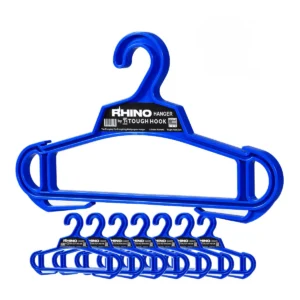


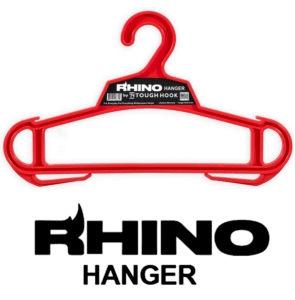
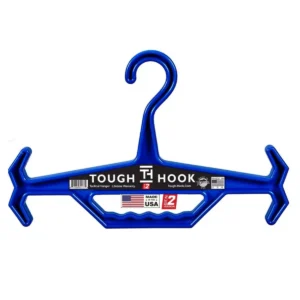

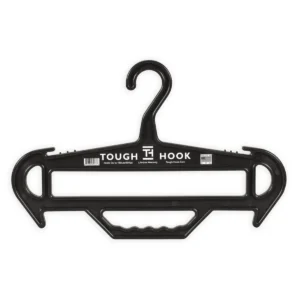
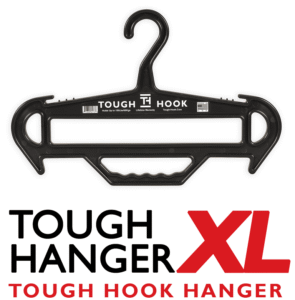
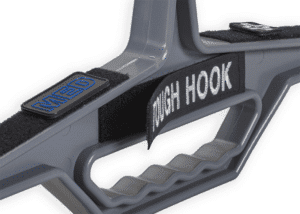
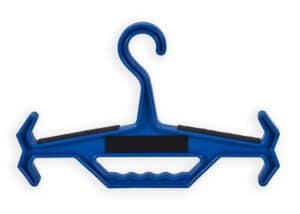
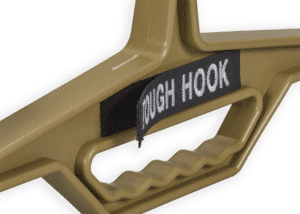
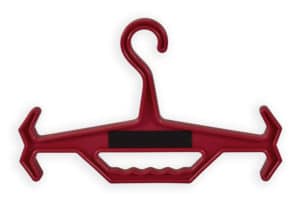

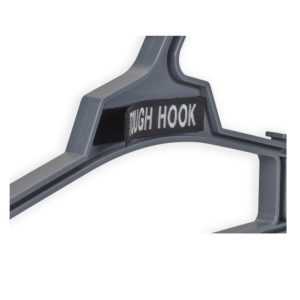
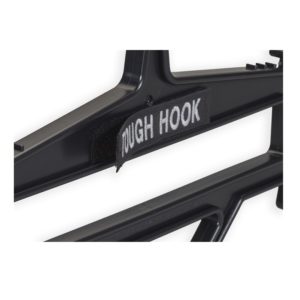


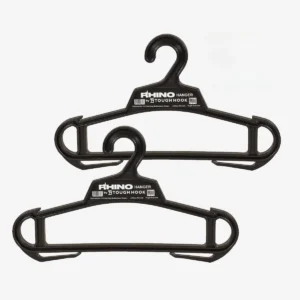
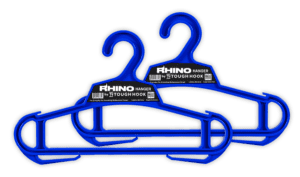
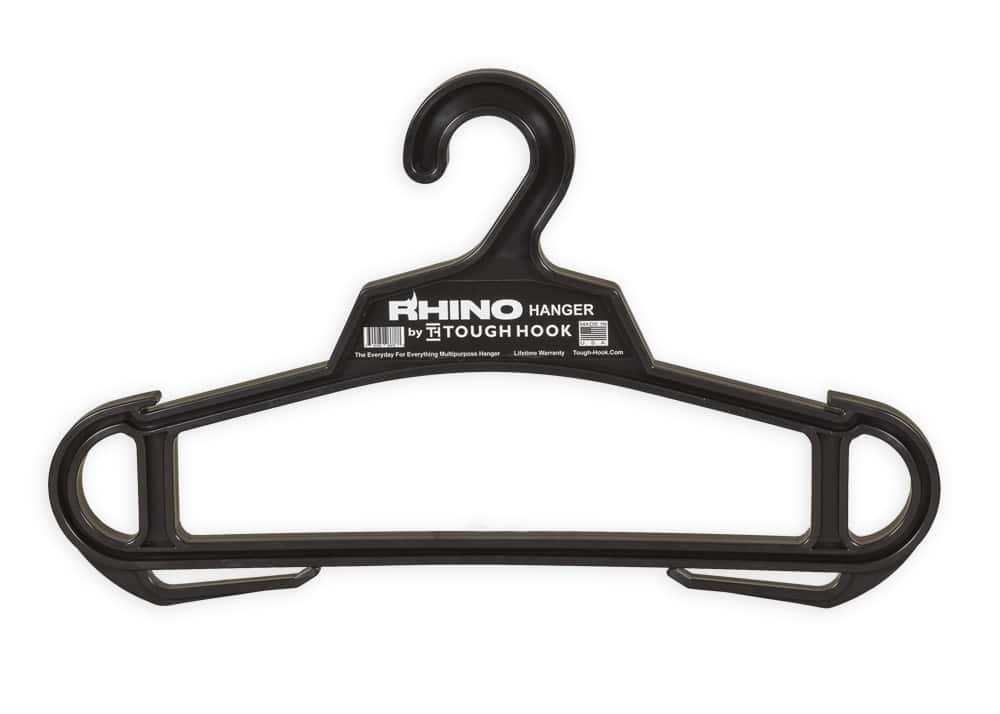
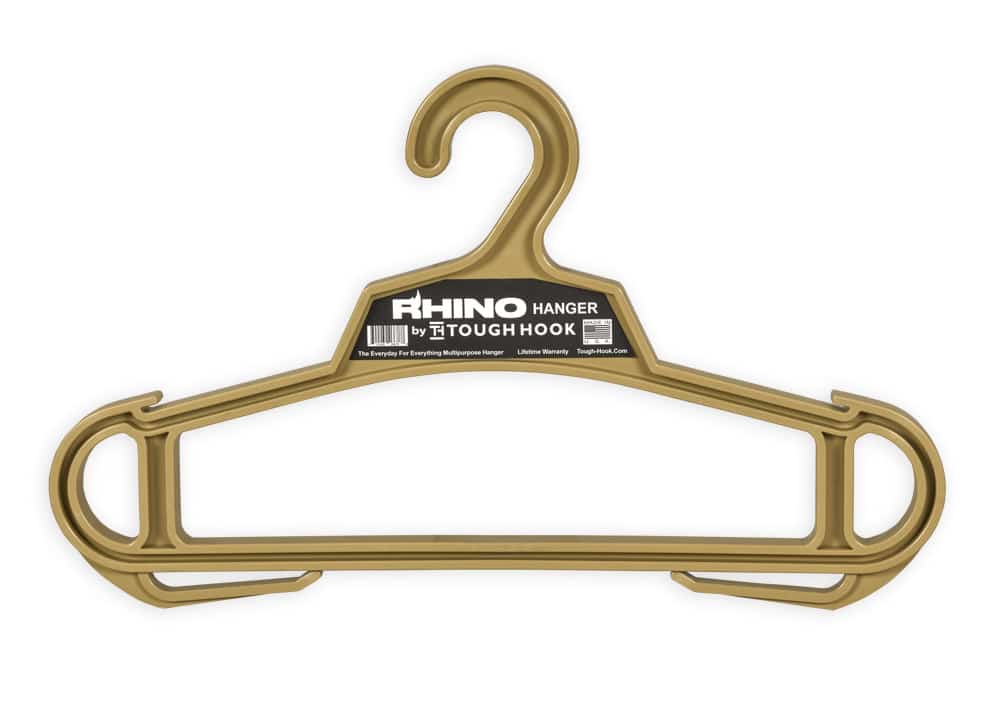
2 Pack RHINO Heavy Duty Clothes Hanger Bundle
Original price was: $27.95.$23.95Current price is: $23.95.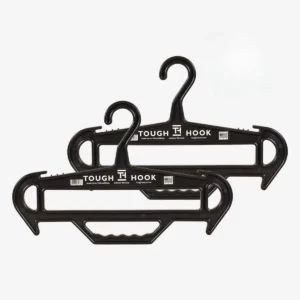
The Role of Specialized Hanger Systems
Specialized hanger systems are engineered to address these challenges head-on. Unlike standard coat hangers, these systems are designed to securely hold heavy and awkwardly shaped items, ensuring they remain in place even during rapid deployment or maneuvers. They allow for vertical storage, optimizing the limited space within a mobile command unit and keeping gear readily visible, portable, and accessible. Our tactical hangers built for field deployment follow the same design logic, adapted here for a vehicle interior.
Consider the diverse array of equipment used in a mobile command unit:
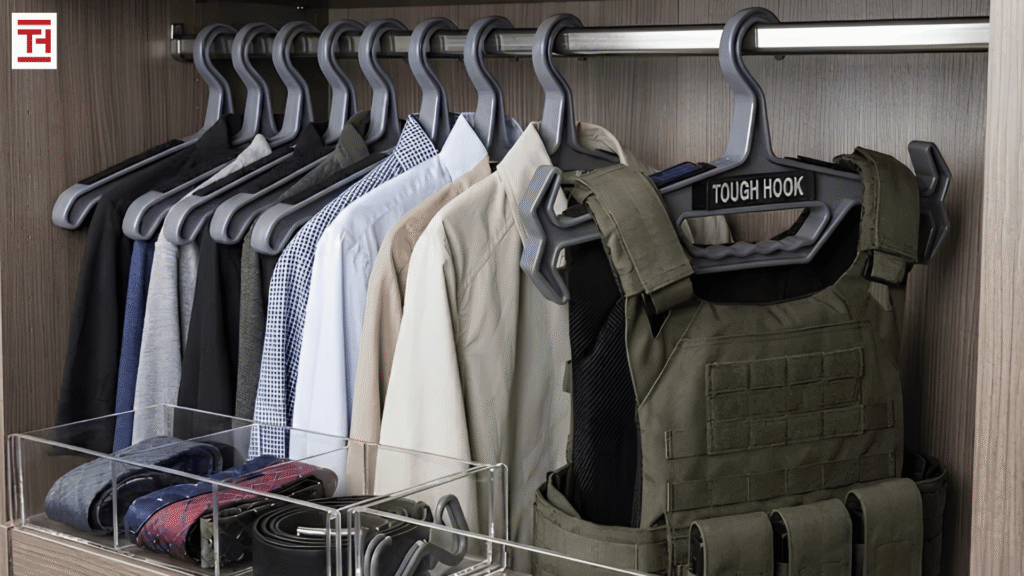
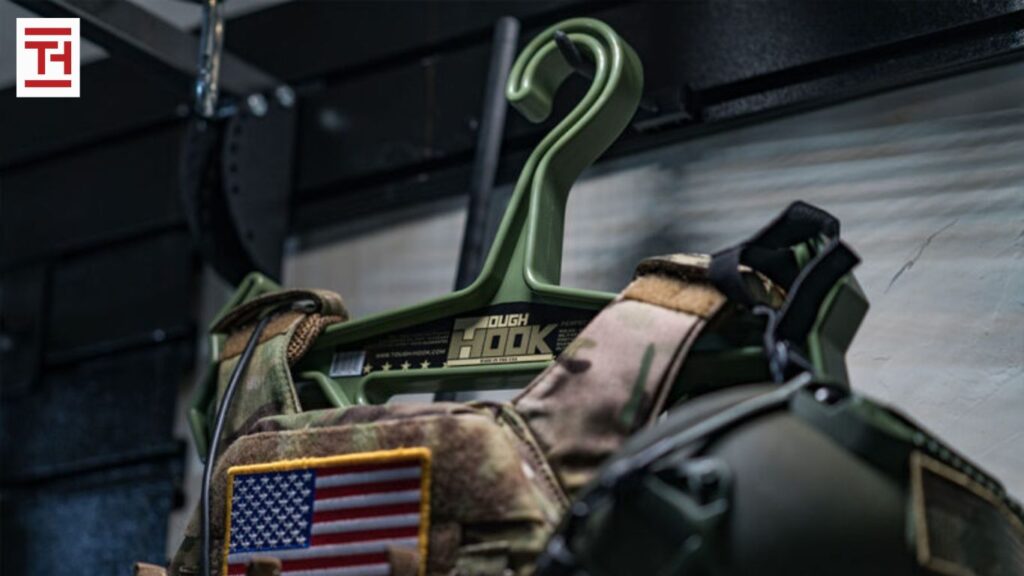
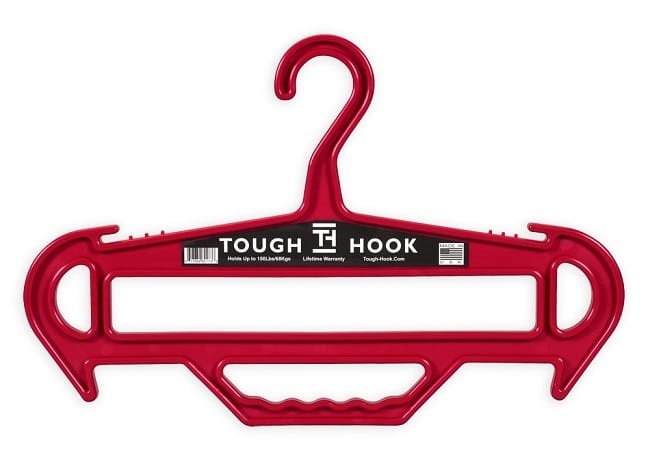
- Tactical Vests and Body Armor: These are bulky and heavy, requiring hangers like the Tough Hanger XL that can bear their weight without bending or breaking.
- Communication Headsets and Microphones: Delicate yet essential, these items need to be stored in a way that prevents tangling of wires and damage to sensitive components.
- Specialized Tools: From breaching tools to diagnostic equipment, these often have irregular shapes and can be heavy.
- Personal Protective Equipment (PPE): Helmets, gloves, and respirators need to be easily reachable and organized to ensure rapid donning.
- Uniforms and Outerwear: Keeping uniforms neat and ready for use contributes to a professional appearance and operational readiness.
Each of these items presents unique storage challenges that a well-designed hanger system can overcome.
Features of an Ideal Hanger System for Mobile Command Units
An effective hanger system for a mobile command unit should possess several key features:
- Durability and Strength: Mobile command units operate in demanding environments. The hangers themselves must be constructed from high-strength materials capable of withstanding significant weight and constant motion without failing. This is where companies like Tough Hook excel, manufacturing heavy-duty hangers specifically designed for demanding applications, ensuring your gear stays secure no matter the conditions.
- Secure Mounting Options: Hanger systems need to be securely affixed to the interior of the unit, preventing them from swaying or detaching during transit. This often involves sturdy mounting brackets or integrated rail systems.
- Versatility and Adaptability: The system should be able to accommodate a wide range of gear types and sizes. Modular designs that allow for reconfigurations are highly beneficial as operational needs evolve, as outlined in our piece on setting up mobile gear racks for field operations.
- Ease of Access and Retrieval: The primary goal is efficient gear access. Hangers should allow for quick one-handed removal and replacement of items, minimizing downtime.
- Space Optimization: Vertical storage is paramount. The system should effectively utilize wall space, freeing up valuable floor area and shelf space for other critical equipment.
- Corrosion Resistance: Given the potential for exposure to varying environmental conditions, materials should be resistant to rust and corrosion, ensuring longevity.
Materials and Load Capacity Considerations for Mobile Hanger Systems
Not all hanger materials perform the same way inside a moving vehicle. The right choice affects how much weight a hanger can hold and how long it lasts under constant vibration.
Comparing Hanger Materials
Wire and standard plastic hangers bend or snap under a loaded tactical vest within weeks of daily use. Metal hangers resist bending but can rust in humid or coastal conditions and scratch sensitive electronics stored nearby. High-impact polymer resin, the material used across Tough Hook’s hanger line, holds its shape under sustained weight and resists corrosion without the added weight of metal. The I-beam construction built into each hanger spreads the load along its length instead of concentrating stress at a single hook point, which is part of why the Tactical Hanger line can carry over 150 pounds without deforming.
Matching Load Capacity to Gear Weight
Before mounting any hanger system, weigh the heaviest loadout it will carry. A fully equipped tactical vest with plates, pouches, and a radio can exceed 30 pounds on its own, and that weight adds up quickly across a wall of hangers. Choosing a hanger rated well above the expected load, rather than one that just meets it, leaves margin for added gear and for the extra stress that comes with constant motion inside a mobile command center.
The Tough Hook Advantage in Mobile Command Units
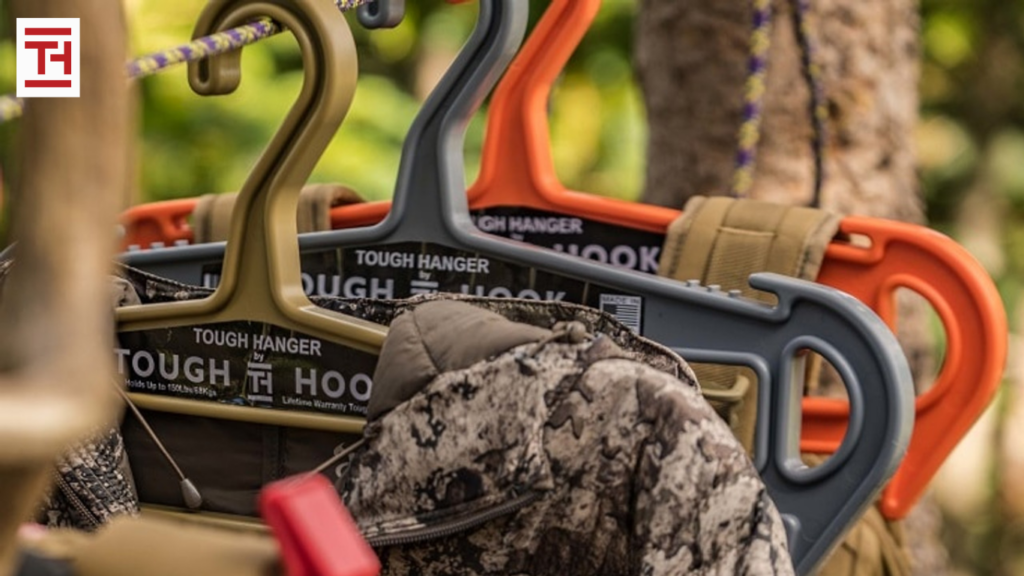
Our company, Tough Hook, specializes in manufacturing heavy-duty hangers that are perfectly suited for the rigorous demands of mobile command units. Unlike flimsy plastic or standard metal hangers, Tough Hook hangers are engineered from high-impact, lightweight polymer, making them virtually indestructible. They are designed to hold substantial weight, up to 150 pounds on our RHINO Hanger, far exceeding the capacity of typical hangers.
Here’s why Tough Hook hangers are an ideal choice for mobile command units:
- Unrivaled Strength: Our hangers can easily support fully loaded tactical vests, body armor, and heavy equipment without bending or breaking. This ensures that even the heaviest gear is securely held in place.
- Integrated Storage Solutions: Many of our hangers feature integrated handles or additional attachment points, allowing for the hanging of multiple items or even the secure transport of gear without it shifting.
- Durability in Harsh Conditions: Constructed from durable materials, Tough Hook hangers are resistant to extreme temperatures, chemicals, and impact, ensuring reliable performance in any operational environment.
- Space-Saving Design: Their sturdy yet compact design allows for maximum gear storage in limited spaces, contributing to a clutter-free and efficient mobile command center.
- Enhanced Organization: By providing dedicated hanging points for each piece of equipment, Tough Hook hangers promote superior organization, making it easy to see what’s available and quickly retrieve it.
Customization Options for Mission-Specific Gear Organization
A mobile command unit rarely serves just one team or one mission type, so the ability to adapt a hanger system to changing needs matters as much as raw strength.
Color-Coding and Labeling
The ID Hanger series from Tough Hook adds Velcro loop strips directly to the hanger, so personnel can attach a name patch or unit designation without extra hardware. Pairing that with color-coded hangers for different gear categories, such as communications, medical, or tactical equipment, makes it possible to identify the right gear at a glance during a fast-moving incident.
Modular and Expandable Setups
Because individual hangers mount independently, a system built around them can grow or shrink without tearing out an entire rail or cabinet. Agencies can start with hangers for core gear and add more as staffing or equipment needs change, keeping the unit’s interior useful as its mission evolves.
Implementing Hanger Systems: Best Practices
Integrating hanger systems into a mobile command unit requires thoughtful planning to maximize their benefits:
- Assess Current Gear Inventory: Before selecting a system, thoroughly catalog all the equipment that needs to be stored. This will help determine the types and quantities of hangers required, such as our 8-pack RHINO hanger bundle for outfitting a full unit at once.
- Map Out Interior Space: Identify optimal locations for hanger systems, considering wall space, door clearances, interior layout, and proximity to workstations.
- Prioritize Frequently Accessed Items: Position the most frequently used gear in easily accessible locations to minimize movement within the unit.
- Categorize and Label: Organize gear by category (e.g., communication, medical, tactical) and use clear labels to further enhance rapid identification.
- Consider Modular Systems: Opt for systems that can be expanded or reconfigured as operational needs or equipment change.
- Regular Maintenance and Inventory Checks: Periodically review the system’s effectiveness and conduct inventory checks to ensure all gear is accounted for and properly stored. Inspect mounting hardware for looseness, check hangers for cracks or stress marks, and confirm that loaded weight still falls within each hanger’s rated capacity.
Installation Techniques for Mounting a Hanger System Securely
How a hanger system is mounted matters as much as the hanger itself. A well-chosen hanger installed loosely will still shift and rattle once the vehicle is moving.
Tools and Mounting Hardware
Most hanger systems attach using wall-mounted brackets, a rail system, or direct-to-stud mounting, depending on the interior construction of the unit. A basic install typically calls for a drill, fasteners suited to the wall material (sheet metal screws for aluminum panels, wood screws for plywood-lined interiors), and a stud finder to locate solid mounting points.
Positioning for Stability and Access
Mount hangers at a height that allows one-handed removal without bending or reaching overhead, and space them so loaded gear does not press against neighboring items. Anchor points should sit over structural framing rather than thin paneling alone, since the repeated vibration of transit will work loose any hardware that is only holding onto a wall skin.
Testing Before Deployment
Once mounted, load each hanger with its intended gear and drive a short test route before relying on the system in the field. This surfaces loose brackets or shifting hardware while there is still time to fix them.
The Future of Mobile Command Unit Organization
As mobile command units and mobile command centers continue to evolve with increasingly sophisticated technology, the importance of efficient internal organization will only grow. Advanced hanger systems represent a fundamental shift from simple storage to strategic gear management. By investing in well-designed hanging solutions, agencies can ensure their mobile command units are not just technologically advanced but also operationally streamlined, empowering personnel to perform at their peak when it matters most.
Frequently Asked Questions
What are hanger systems for mobile command units?
Hanger systems for mobile command units are heavy-duty mounted hanging solutions built to hold tactical vests, body armor, uniforms, and other gear securely inside a vehicle, keeping it organized and accessible during transit and deployment.
How much weight can hanger systems hold in a mobile command unit?
Capacity varies by hanger. Our RHINO Hanger holds up to 150 pounds, far more than a standard clothes hanger, which makes it suitable for fully loaded tactical vests and body armor.
How are hanger systems installed in a mobile command unit?
Most hanger systems mount to the interior wall or a rail system using secure brackets, positioned to keep frequently used gear within easy reach of workstations and entry points.
Can hanger systems be reconfigured as equipment needs change?
Yes. Modular hanger systems can be added, removed, or repositioned as an agency’s gear inventory or mission needs evolve, without needing to redesign the entire interior layout.
Where can I buy hanger systems for mobile command units?
Tough Hook’s heavy-duty hangers, including the Tough Hanger XL and RHINO Hanger, are available directly through tough-hook.com, including multi-pack bundles for outfitting a full unit.
What types of hanger systems are available for mobile command units?
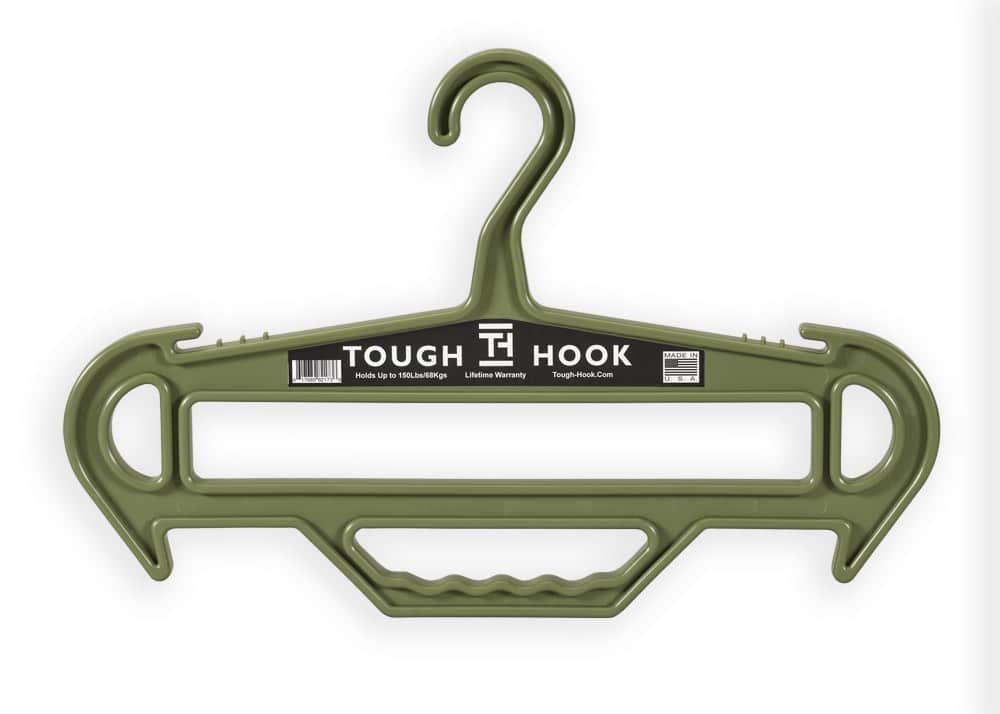
Tough Hook offers several hanger types suited to different gear and mounting needs, including the Original Tough Hook Hanger, the Tough Hanger XL, the RHINO Hanger, and ID Hanger versions with Velcro loop strips for labeling and identification.
Do hanger systems come with a warranty?
Tough Hook hangers are made in the USA and backed by a 100% lifetime warranty, so they are built to hold up to years of daily use inside a mobile command unit.
From critical incidents to large-scale events, the ability to operate “On the Move, In Control” hinges on every detail. And often, it’s the seemingly small details, like how gear is stored and accessed, that make the biggest difference in overall mission success. With solutions like those offered by Tough Hook, mobile command units can truly become agile, efficient, and ready for anything.