Maintaining military readiness relies heavily on the condition of specialized equipment. From tactical vests and plate carriers to heavy-duty rain gear and cold-weather systems, the gear issued to service members is designed to survive extreme environments. However, the most significant threat to the lifespan of this equipment is not necessarily the heat of combat or the grit of a training exercise; it is often the improper way that gear is stored during downtime. The weight of modern combat equipment poses a unique engineering challenge for storage systems, and failing to address this “weight problem” leads directly to premature material fatigue, structural failure, and unnecessary replacement costs.
The Hidden Impact of Gravity and Improper Storage
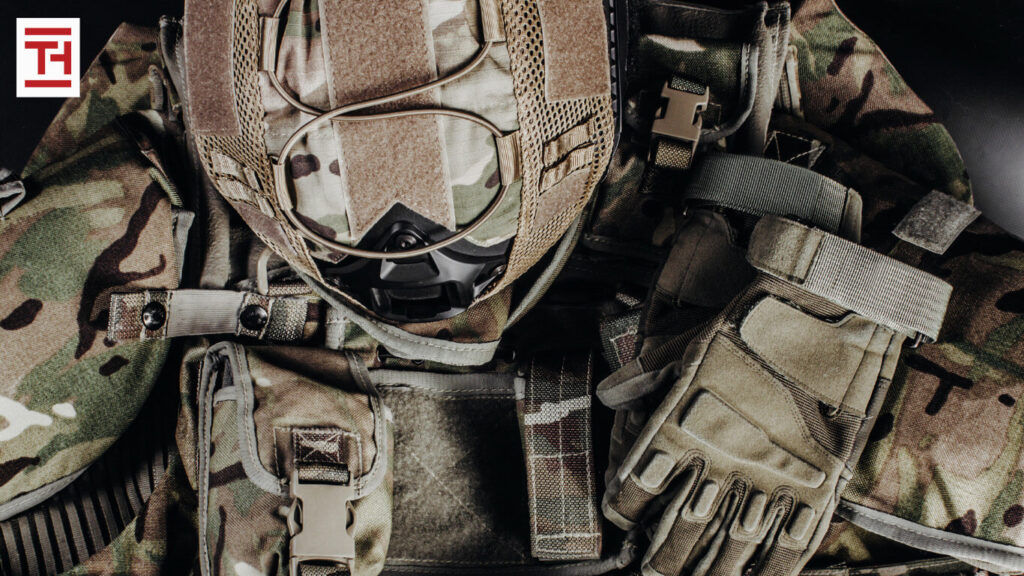
Military-grade equipment is engineered for durability, but it is not impervious to the laws of physics. When heavy tactical vests, which can weigh upwards of 40 to 60 pounds when fully loaded with armor plates and ammunition, are thrown into a pile on the floor or hung on flimsy, non-rated plastic hangers, the structural integrity of the gear is compromised.
Gravity acts constantly on these materials. When heavy gear is folded, bunched, or suspended on inadequate supports, the weight is not distributed evenly. This creates stress concentration points where fabric fibers stretch, seams become strained, and protective coatings begin to degrade. Over time, this causes the gear to lose its shape, leading to a compromised fit that can reduce a soldier’s mobility and comfort in the field. Furthermore, internal components, such as ballistic inserts, can shift or become deformed if they are not stored in an upright, neutral position, potentially impacting their protective performance.
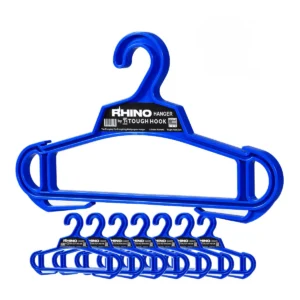


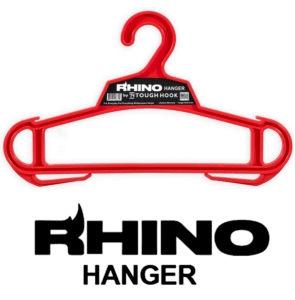
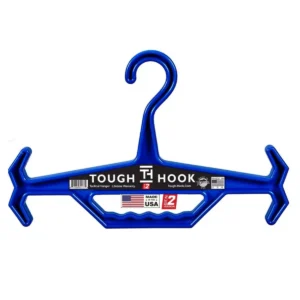

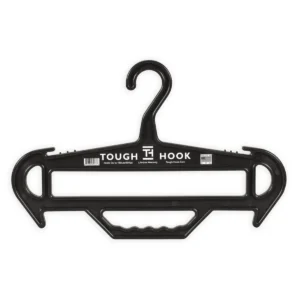
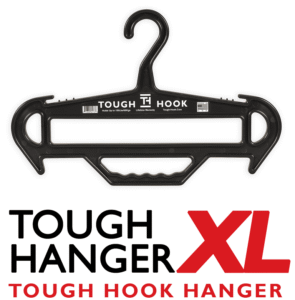
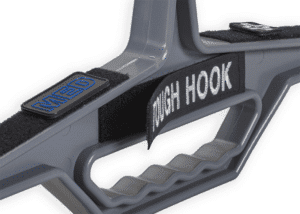
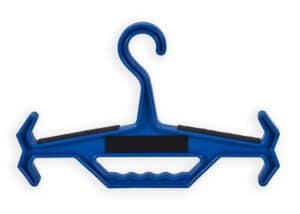
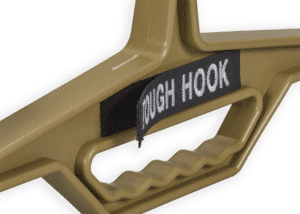
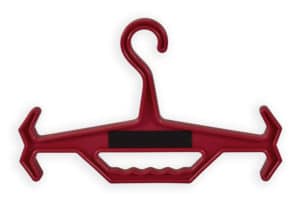
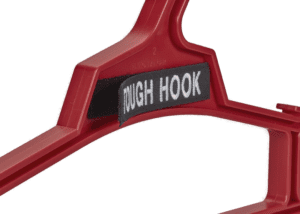
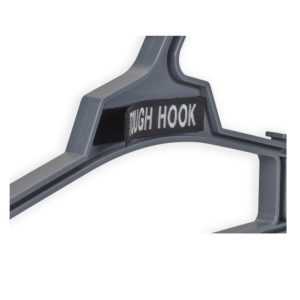
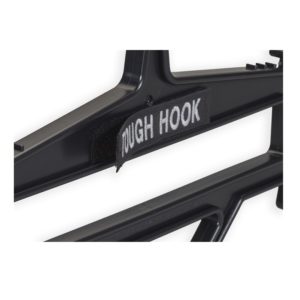


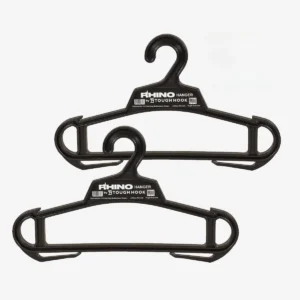
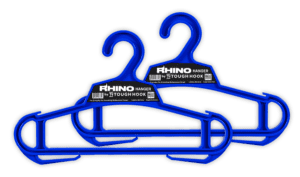
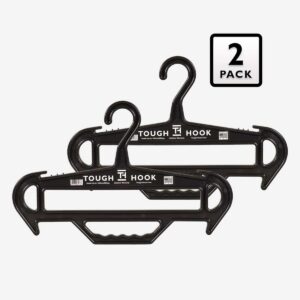
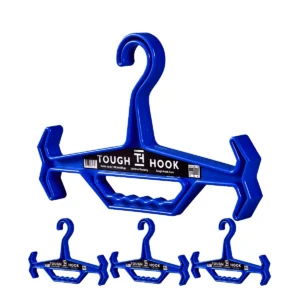
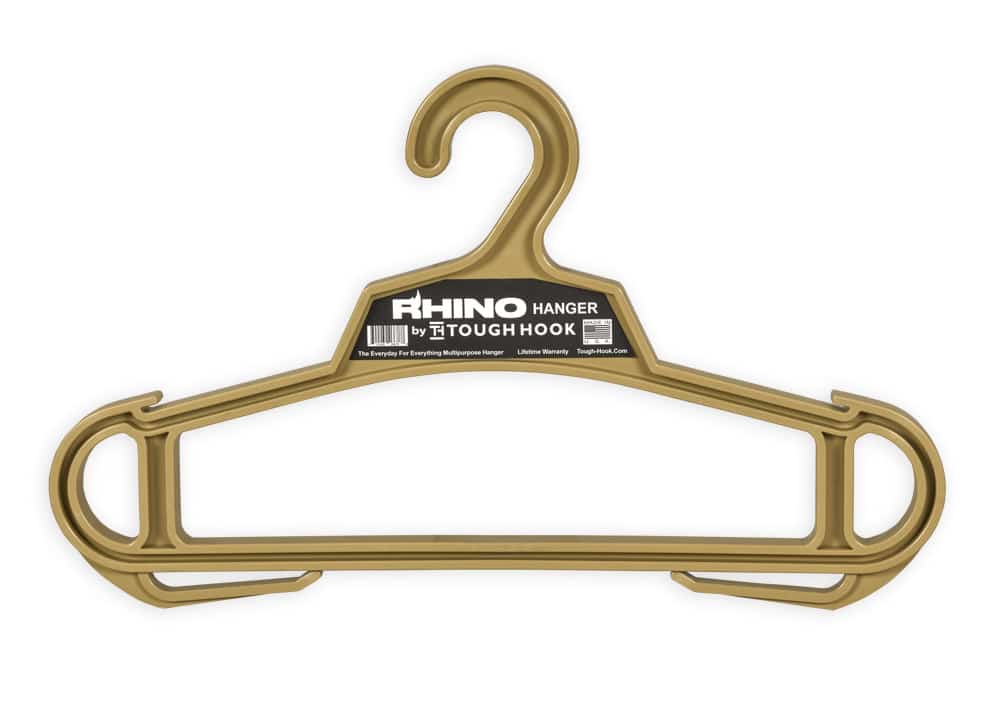
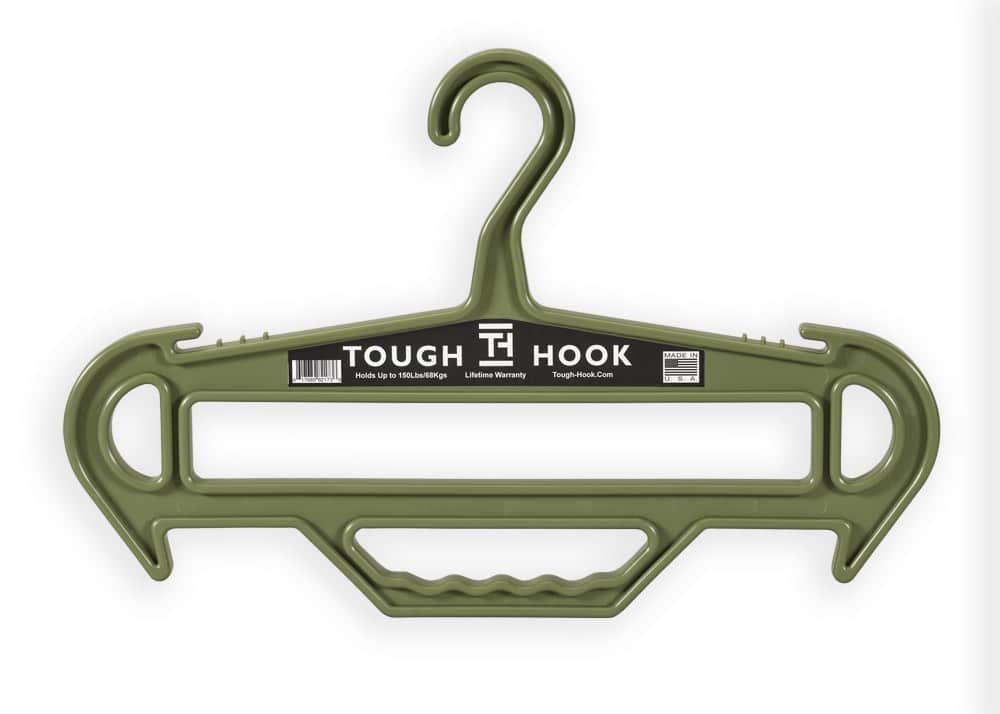
2 Pack RHINO Heavy Duty Clothes Hanger Bundle
Original price was: $27.95.$23.95Current price is: $23.95.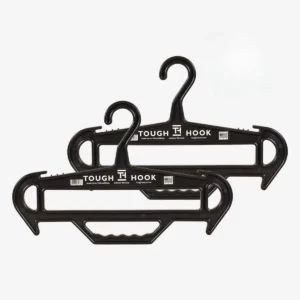
Common Storage Mistakes to Avoid
In many armories and personal living quarters, storage solutions are often an afterthought. Service members and logistics officers frequently fall into habits that accelerate the wear and tear of mission-critical equipment. Understanding these mistakes is the first step toward better gear management.
-
Stacking or Piling Gear: Throwing gear into a heap prevents proper airflow and places uneven, crushing pressure on the components located at the bottom of the pile.
-
Using Non-Rated Hangers: Standard department store hangers are not designed to support the substantial weight of a combat loadout. They will bend, crack, or snap, causing the gear to drop and damage the equipment or the floor.
-
Storing Gear While Damp: Moisture trapped in fabric due to improper hanging leads to the growth of mold and mildew, which can rot natural and synthetic fibers alike.
-
Long-Term Folding: While folding is necessary for transport, leaving heavy plate carriers folded for long periods creates permanent creases and weakens the core materials of the vest.
The Role of Heavy-Duty Storage Solutions
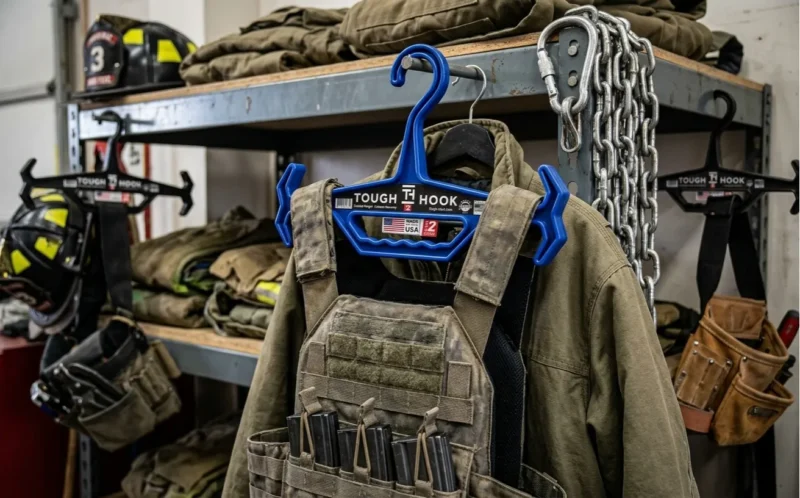
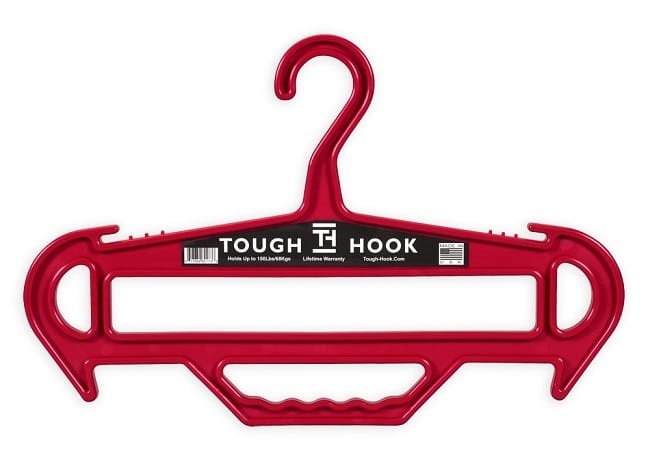
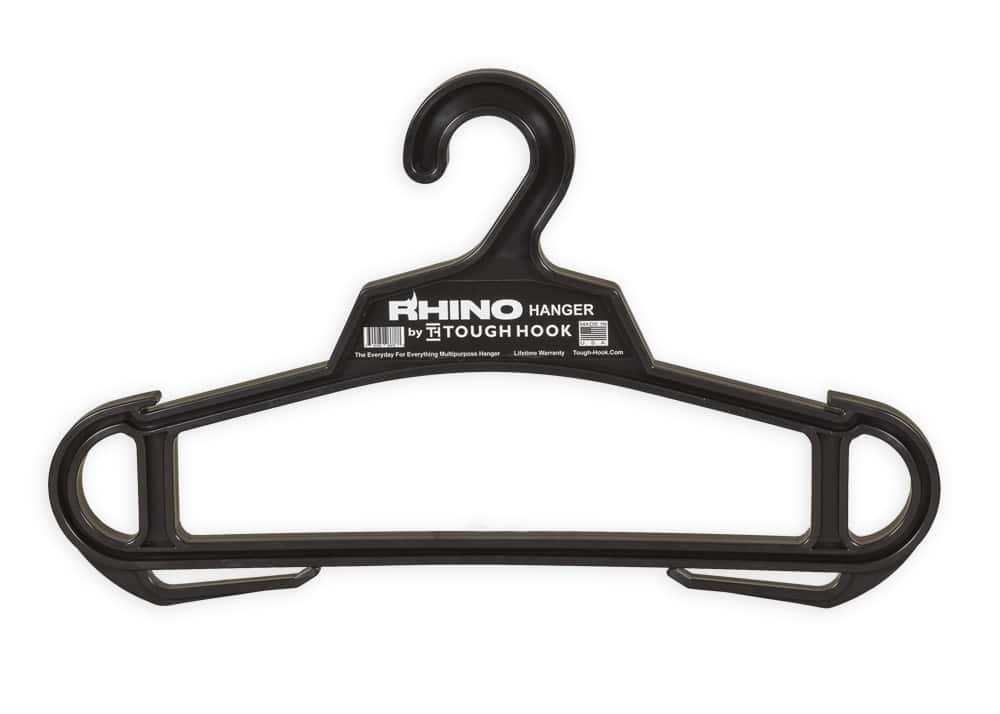
To mitigate the weight problem, storage must be approached with the same engineering rigor as the equipment itself. The objective is to distribute the weight across a surface area that mimics the human body while ensuring the equipment remains upright and ventilated. This is where professional-grade storage equipment, such as that provided by Tough Hook, becomes essential.
Tough Hook was founded on the principle that if equipment is built to save lives, the gear used to store and maintain it should be just as robust. Our company specializes in heavy-duty hangers designed specifically to handle the immense weight of military-grade equipment. By utilizing materials capable of withstanding hundreds of pounds of direct load, our hangers ensure that heavy vests, tactical gear, and cold-weather clothing are stored in a manner that maintains their structural integrity.
Benefits of Proper Storage Practices
Implementing better storage habits, supported by the right hardware, provides immediate and long-term benefits to military units and individual operators.
-
Extended Equipment Lifespan: By distributing weight correctly, the stress on seams, fabrics, and structural components is minimized, significantly extending the service life of expensive gear.
-
Improved Rapid Deployment Capability: When gear is properly hung and organized, it is readily accessible, allowing service members to kit up quickly during urgent operational requirements.
-
Enhanced Sanitation and Hygiene: Proper hanging ensures that gear is fully exposed to air, facilitating faster drying times and preventing the accumulation of moisture that leads to mold.
-
Better Inventory Management: Organized, hung gear is easier to inspect, count, and repair, ensuring that missing or damaged items are identified before they become a critical failure point.
Designing a Better Storage Protocol
Transitioning to a better storage protocol involves both a change in organizational culture and an investment in proper infrastructure.
-
Assess Current Inventory: Identify which items are heaviest and are currently being improperly stored, prioritizing these for improved storage solutions immediately.
-
Invest in High-Strength Hardware: Replace weak, plastic, or improvised hangers with heavy-duty alternatives engineered for high-capacity loads.
-
Maximize Vertical Space: Utilize vertical space for hanging gear to reduce the footprint and ensure that items do not need to be stacked.
-
Standardize Procedures: Implement standard operating procedures for cleaning, drying, and hanging gear after use, ensuring that every member of the unit understands the importance of proper storage.
The weight problem is a silent killer of military equipment, but it is entirely preventable. By recognizing that gravity is a constant force acting on gear even during rest, units can shift their focus toward proper, structural storage solutions. Investing in high-quality support systems, such as the heavy-duty hangers manufactured by Tough Hook, is a simple yet highly effective strategy to protect expensive assets and ensure that equipment remains reliable, functional, and ready for deployment at a moment’s notice. Proper storage is not just about keeping a room tidy; it is a critical component of logistics, maintenance, and operational readiness.