Football teams and athletic programs have plenty of hard problems to solve, from preventing player injuries to building a winning game plan. Decluttering football gear in the locker room is not one of them. It is one of the easiest fixes in the building, and the ideal tool for the job has been under your nose the whole time: a simple hanger.
A good football gear hanger setup isn’t just about keeping things looking nice. When pads, jerseys, and towels hang off the floor, they air out between practices, stay easy to find, and hold up longer. Below, we cover the benefits of an organized locker room, how to hang each piece of football equipment, a quick routine for practice days and the off-season, and which types of hangers handle heavy gear best.
What Is a Football Gear Hanger?
A football gear hanger is a hanger built to carry heavier, bulkier equipment than a standard closet hanger. Football gear is heavy, awkward, and often still damp after practice, so thin plastic or wire hangers tend to bend, snap, or let pads slide off. A sturdier hanger gives every player one place for the items they use most and keeps that gear off the locker room floor.
What Football Gear Can You Hang?
Most of a player’s kit can live on a hanger: shoulder pads, game and practice jerseys, practice pants, compression layers, warm-ups, and towels. Bulky accessories like ball bags and training gear can often hang too. Helmets, cleats, and gloves are the exceptions, and they do better on a shelf, a hook, or in a mesh bag, which we cover below.
How Much Weight Should It Hold?
Load ratings vary by hanger model, so check the product details before you hang anything heavy. A practical rule is to pick a hanger rated well above the weight of the heaviest set of pads or the fullest ball bag you plan to hang, since wet gear weighs more than dry gear.
Benefits of an Organized Football Locker Room
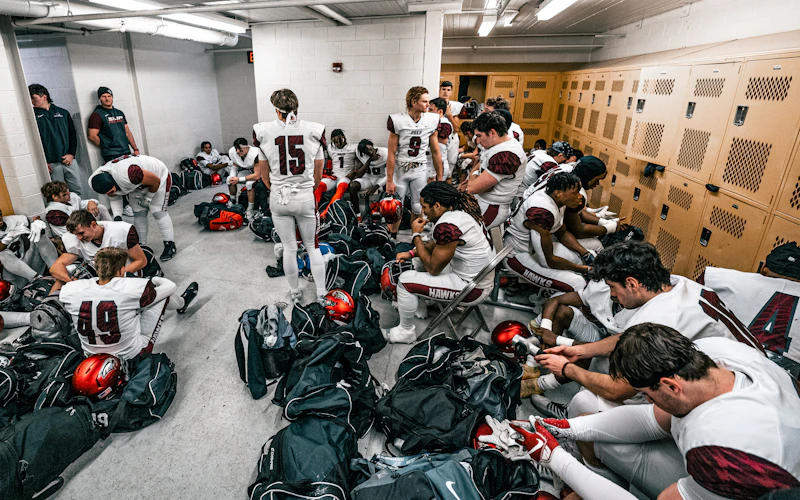
Keeping the locker room in order pays off in more ways than appearance. Here are a few of the biggest benefits:
- Boost morale: You know the feeling you get when your entire house is clean and organized? The same goes for any space where you spend a lot of time. An organized locker room is an easy way to lift team morale and get games and practices off to a good start. Players and coaches see that you care about them, and they take more pride in the team and the program in return.
- Improve efficiency: We’re not just talking about your equipment managers. Everyone saves time knowing exactly where the items they need are located. It also becomes much easier to keep track of equipment and know when items need to be replaced when they’re properly stored and maintained.
- Better hygiene: Stinky football gear is a sign that mold or bacteria might be growing on it, which is a health risk to your players and staff. Gear that hangs open can air out instead of sitting damp in a pile or a closed bag.
- Extend the life of your gear: We all have budgets, and the longer we can make equipment last, the better. Keeping it organized and stored properly is one way to stretch its lifespan.
- Impress recruits: A well-kept locker room reflects well on the program itself. Recruits and their families notice how a team takes care of its space.
How to Use a Football Gear Hanger for Each Piece of Equipment
The more equipment you can hang and get off the ground, the better you can use the limited space in your locker room. For more space-saving ideas, see our guide to help you maximize closet space. Here is how to handle the main categories of football gear.
Shoulder Pads
Shoulder pads are one of the bulkiest items in any football locker, and they are a natural fit for hanging. Compared to other ways of storing them, hanging doesn’t take up much more space. It also lets the padding dry and air out after each use, which helps prolong its life. Choose a sturdy hanger with enough width to support the rigid arches of the pads, so they keep their shape instead of sagging off a thin wire hook.
Jerseys, Practice Uniforms, and Street Clothes
This might seem obvious, but you’d be surprised how many athletic programs still keep uniforms in boxes or drawers. Hanging jerseys and practice uniforms keeps them easy to inspect and quicker to dry after washing. While you’re at it, require players to hang their street clothes in their own lockers so the floor stays clear.
Helmets
Helmets don’t belong on a clothes hanger, but they still need a dedicated spot off the floor. A shelf above the hanging rod or a hook made for helmets keeps them from rolling around or getting crushed under a pile of pads. Leave room for air to reach the inside padding after practice, and follow the helmet manufacturer’s guidance for cleaning and inspection.
Cleats and Gloves
Cleats and gloves are small, but they create a surprising amount of mess when they end up on the floor. Give each player a set spot for them, such as a hook, a mesh bag hung inside the locker, or a shelf, so they can dry and don’t wander off between practices.
Towels
You undoubtedly go through towels at an exponential rate. Hang clean towels in one area and used towels in another, so they can dry out instead of sitting in a damp heap until laundry day.
Ball Bags, Tension Gear, and Training Equipment
You’d be surprised how much you can get off the ground with a little creativity. Bags of balls, resistance bands, and other training items can often be hung, too. Heavy-duty hangers designed for fitness equipment are a better match for these loads than standard closet hangers.
Keep Gear Easy to Reach
Even though you want bulky items out of the way, you still need to be able to grab them quickly. Hanging them in a storage closet or equipment room lets you do both.

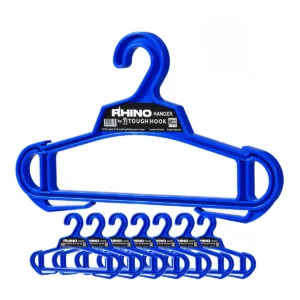
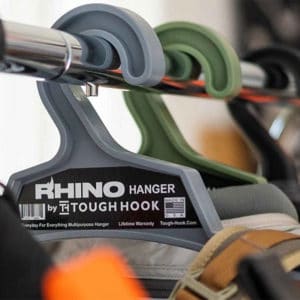

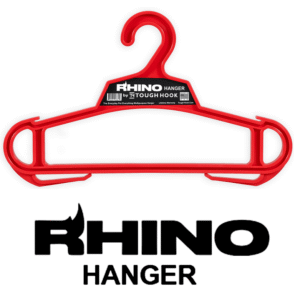
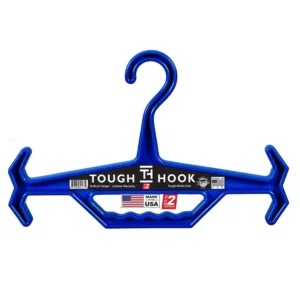

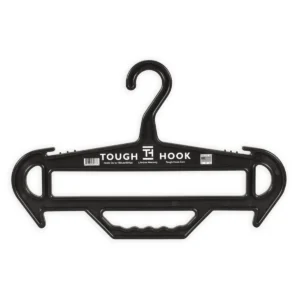
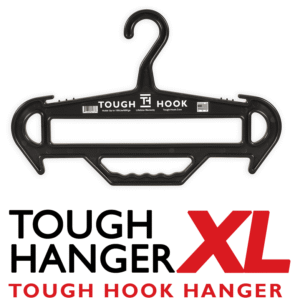
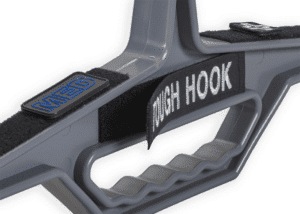
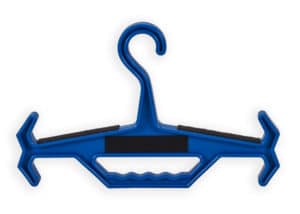
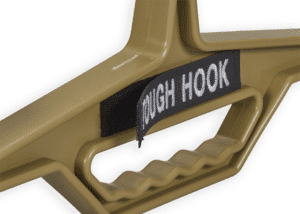
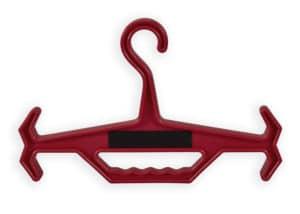
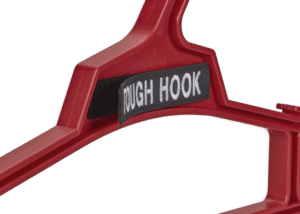
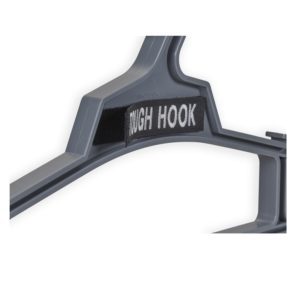
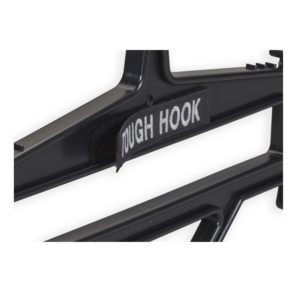


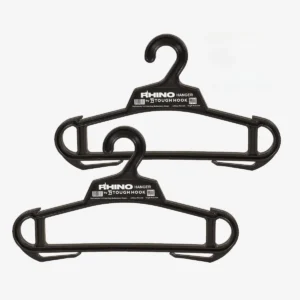
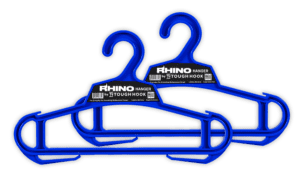
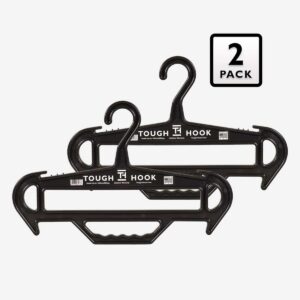
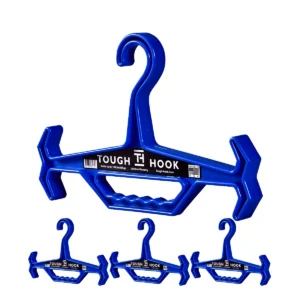
2 Pack RHINO Heavy Duty Clothes Hanger Bundle
Original price was: $27.95.$23.95Current price is: $23.95.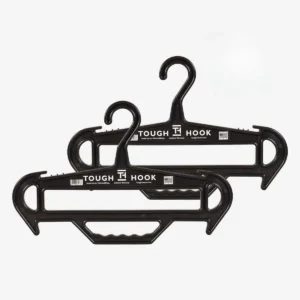
A Simple Routine for Storing Football Equipment After Practice
Hangers work best when the whole team uses them the same way every day. A short routine like this one keeps the locker room from sliding back into chaos:
- Empty bags right away. Gear left zipped in a bag overnight stays damp. Have players unpack as soon as they get back to the locker room.
- Open up pads. Loosen straps and open up shoulder pads so air can reach every surface.
- Hang with space in between. Crowding hangers together slows drying, so leave a little room between each set of pads and jerseys.
- Clean on a schedule. Follow each manufacturer’s care instructions for jerseys, pads, and helmets.
- Label by player. Identification hangers or simple labels make it obvious whose gear is whose and where it belongs.
- Check weekly. Look and sniff for signs of mold or lingering odor, and pull worn equipment for repair or replacement.
For more detail on cleaning and drying, see our guide on how to maintain sports equipment.
How to Hang and Care for Football Clothes
Football clothes take as much abuse as the pads. Game jerseys, practice jerseys, practice pants, compression shirts, socks, and warm-ups all soak up sweat and grass stains, and they wear out faster when they sit balled up in a bag. A few simple habits keep them in rotation longer.
Game Jerseys and Practice Jerseys
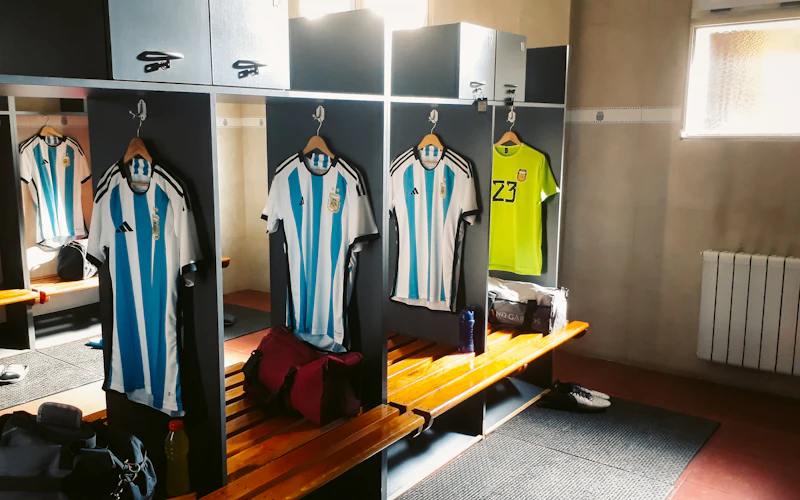
Hang jerseys on their own hangers instead of stacking them, which helps avoid creases in numbers and lettering. Keep game jerseys separate from practice jerseys so the game set stays clean and ready for game day.
Practice Pants, Compression Layers, and Socks
Practice pants can hang by the waistband or folded over the bar of a hanger. Compression shirts, shorts, and socks are lighter, so a space-saving hanger, a hanging organizer, or a mesh laundry bag in each locker keeps them together and lets them air out until wash day.
Washing and Drying Football Clothes
Wash football clothes soon after practice rather than letting them sit, and follow the care labels, especially on game jerseys. Once they’re clean, hang them to finish drying where the label allows, so they’re ready for the next session.
Storing Football Gear at the End of the Season
When the season wraps up, don’t just shove everything into bins. Clean and fully dry each item first, inspect it for damage, and note what needs replacing before next year. Then hang pads and uniforms in a dry storage room rather than sealing damp gear in a closed container, where moisture has nowhere to go. A little effort now means a much easier start to preseason.
Recommended Methods to Store Football Equipment
There is no single right way to store football equipment. Most programs combine a few methods depending on the item, the space, and the size of the roster. Here is how the common options compare:
- Hangers: Best for shoulder pads, jerseys, practice uniforms, and towels. Hanging keeps gear open to the air and off the floor, and it takes very little room in a locker or on a closet rod.
- Hooks: Useful for helmets, ball bags, and mesh bags of small items. Wall hooks also free up floor space in an equipment room.
- Shelving: A good home for helmets, cleats, and gloves, where they can sit upright and dry without getting crushed.
- Racks and carts: Larger programs often use a shoulder pad rack or a rolling cart to store and move a whole team’s equipment between the locker room and the field.
- Bags and bins: Fine for transport and for gear that is already clean and fully dry, but they trap moisture when damp equipment goes inside.
Whatever mix you choose, the goal is the same: keep protective gear dry, ventilated, organized by player, and easy to reach.
Where to Hang Football Gear: Lockers, Walls, and Equipment Rooms
Where you hang football gear matters almost as much as what you hang it on. The right spot depends on how much room you have and who needs to reach the equipment.
Inside Player Lockers
Lockers are the natural home for each player’s daily gear. Before buying hangers, measure the locker’s width and depth and check how the hanging bar or hook is set up, so pads and jerseys can hang without being jammed against the door or the back wall.
Wall-Mounted Hooks and Rods
Wall-mounted hooks and rods work well in equipment rooms, coaches’ offices, and home garages. They keep the floor clear and put spare gear, ball bags, and team equipment at eye level where it’s easy to grab.
Freestanding and Rolling Racks
Freestanding racks are useful when you can’t drill into walls or when gear needs to move. A rolling rack loaded with hangers lets an equipment manager take a full set of uniforms or pads from the locker room to the laundry room or the field in one trip.
What to Look for in a Football Gear Hanger
Before you outfit a locker room, it helps to know which features matter for heavy, sweaty equipment. Keep these points in mind when comparing hangers:
- Durable material: Heavy-duty plastic holds up well in a damp locker room and won’t rust the way thin wire can. Look for a hanger that keeps its shape under load instead of bowing in the middle.
- Wide shoulders: Broad arms support the rigid arches of shoulder pads and the shoulders of jerseys, so gear doesn’t stretch or slip.
- A strong hook: The hook should sit securely on a locker bar or closet rod and not twist or open up when the hanger is loaded.
- A clear load rating: Choose a hanger rated for more weight than your heaviest gear, and check the product details rather than guessing.
- Easy to clean: A smooth surface is simple to wipe down, which matters when gear comes back from practice wet and muddy.
- Labeling options: For teams, a way to mark each hanger with a player’s name or number saves time sorting gear.
Choosing the Right Hanger for Football Gear
Not every hanger is up to the job. If you’re weighing options, our comparison of heavy-duty vs. regular hangers breaks down the differences. Here are the specialty types many athletic programs use to keep football gear and locker rooms organized:
- Heavy-duty hangers: Our Original hanger can hold 150 pounds or more, which makes it useful for a number of jobs in a locker room. You could even hang bags of balls or other equipment, getting more and more off the ground.
- Magnetic hangers: These are quite useful if you have a lot of lockers or other metal surfaces in your locker room. Players can hang their street clothes and even cleats on them.
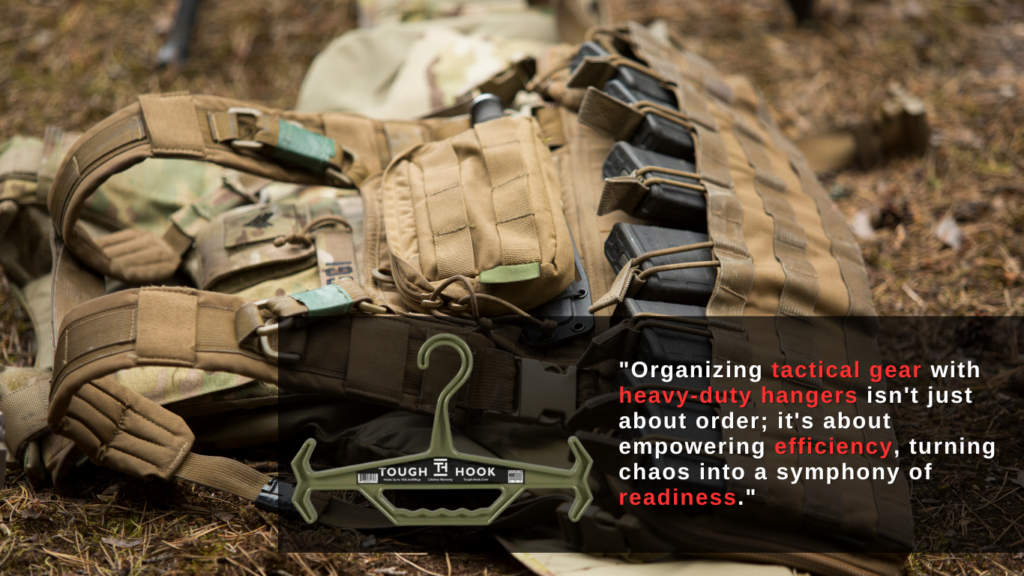
- Tactical hangers: Tactical hangers were designed specifically for heavy gear such as police or military vests, and that same build suits bulky sports equipment.
- Hanging shelves: You might even have one of these in your home. Hanging shelves are great for storing small items like gloves, mouthguards, and tape.
- Space-saving hangers: You may have seen these used in homes for hanging multiple shirts or pairs of pants on a single hanger. They’re great for decluttering a locker room too, since you undoubtedly need to hang multiples of everything.
- No-slip hangers: It might seem silly, but think about what a pain in the neck it would be to go to all this trouble to declutter your locker room, only to have items slipping off hangers onto your freshly cleared floor.
Football Gear Storage at Home
Not every football player has a locker room. For parents and young athletes, the same ideas work in a garage, mudroom, or bedroom closet: hang the pads, give helmets and cleats their own shelf, and keep the routine simple enough that a kid will actually follow it. Our guide to building a sports gear storage system covers how to set up a space that adapts as your athlete moves up through the levels.
Be Creative With Your Space
How you use the organizational tools at your disposal will depend greatly on your space, which even in the best athletic programs is always going to be limited. Be creative! Hangers are just one outside-the-box option for decluttering and maintaining football gear in the locker room, and the same thinking applies to sports clubs and community programs that share a single facility.
Ready to clear the locker room floor? Shop heavy-duty hangers made in the USA and built for heavy gear, so your team’s pads, uniforms, and equipment have a proper place to hang.
Frequently Asked Questions
Can hangers really help extend the life of football gear?
Yes. Hanging gear lets it air out and dry properly, which reduces moisture, mold, and wear and keeps equipment usable longer.
Does the type of hanger matter for decluttering football gear?
Yes. Heavy items like shoulder pads need a durable hanger that won’t bend or snap, while lighter items like jerseys can go on standard or space-saving hangers. A sturdy hanger keeps protective gear stored safely and efficiently.
How should you store football shoulder pads?
Hang shoulder pads on a sturdy, wide hanger with the straps loosened so air can reach the padding. Avoid leaving them in a closed bag or piled on the floor, where moisture gets trapped.
Can you hang a football helmet on a hanger?
A clothes hanger isn’t the right tool for a helmet. Store helmets on a shelf or a dedicated helmet hook off the floor, leave room for the inside padding to air out, and follow the manufacturer’s care guidance.
What is the best way to store football equipment after practice?
Unpack bags right away, open up pads, hang pads and jerseys with space between them, keep cleats and gloves in a set spot, and check gear weekly for odor or mold.
How does an organized locker room affect equipment management?
With everything in its place, tracking, maintenance, and replacement become more streamlined and efficient.
Is it just about aesthetics, or are there health benefits too?
Besides looking neat, organized gear reduces the risk of mold and bacteria, which promotes a healthier environment for players and staff.
How should football gear be stored in the off-season?
Clean and fully dry everything, inspect it for damage, then hang pads and uniforms in a dry storage area instead of sealing damp gear in closed bins.
What is a football gear hanger?
A football gear hanger is a sturdy hanger built to carry heavy, bulky football equipment like shoulder pads, jerseys, and practice uniforms, so the gear stays off the floor and can air out between practices.
What are the recommended methods to store football equipment?
Hang pads, jerseys, and towels; use hooks or shelves for helmets, cleats, and gloves; use racks or carts to move team gear; and keep bags and bins for clean, fully dry items only.
Will a football gear hanger fit in my locker?
It depends on the locker and the hanger. Measure the locker’s width and depth and check the hanging bar or hook before buying, so pads and jerseys can hang freely without pressing against the door or back wall.
What material is best for a football gear hanger?
Heavy-duty plastic is a strong choice for locker rooms because it won’t rust and is easy to wipe clean. Whatever the material, pick a hanger that holds its shape under the weight of your heaviest gear.
How do you clean a football gear hanger?
Wipe it down with a damp cloth and mild soap, then let it dry before hanging gear back on it. Cleaning hangers now and then keeps sweat and dirt from transferring back onto clean uniforms.