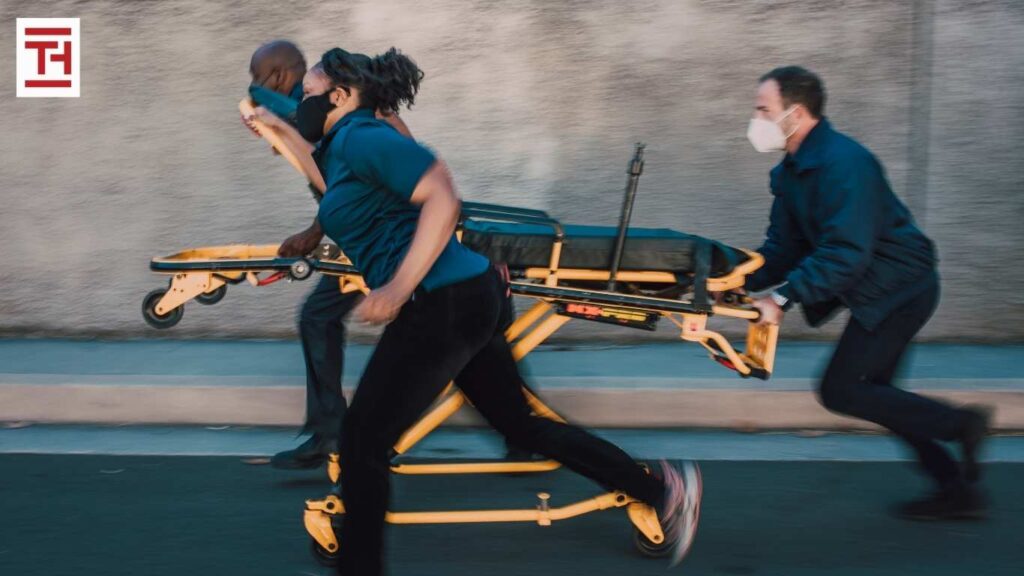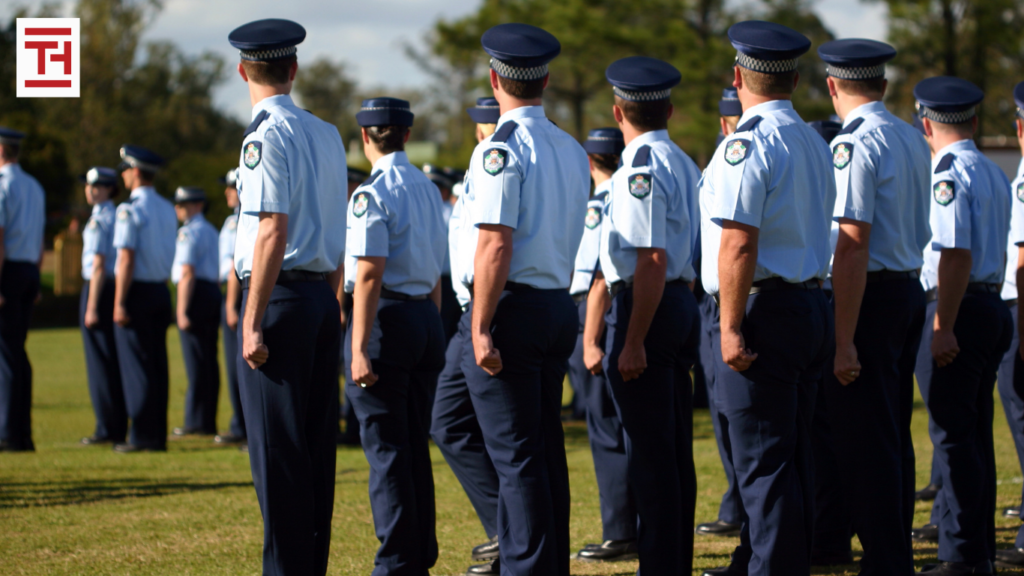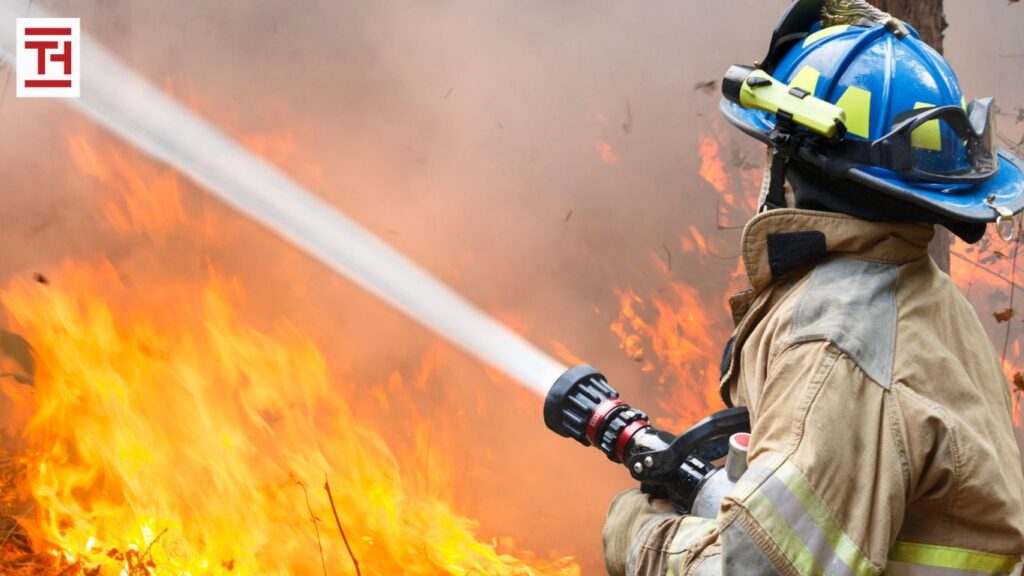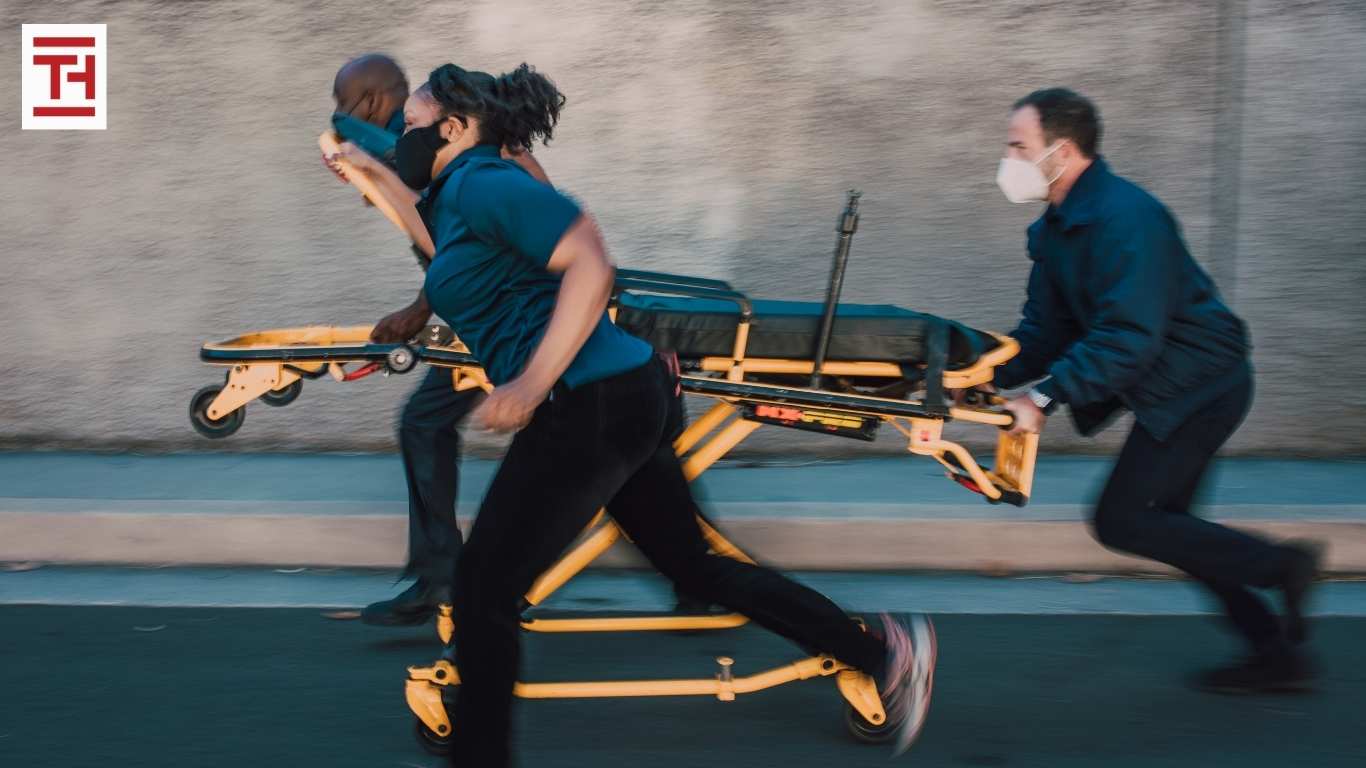
In the high-stakes world of first response, every second counts. Whether you’re a firefighter, an EMT, or a law enforcement officer, the difference between a successful intervention and a tragedy can often be measured in mere moments. When the alarm sounds, first responders must be able to move with precision, speed, and absolute confidence. This necessitates a system where critical gear is not just stored but organized for swift, unimpeded access. The traditional methods of gear storage—piling, stacking, or using flimsy, residential-grade organizational tools—are not only inefficient but can also pose a significant risk when time is of the essence. The solution lies in adopting heavy-duty, purpose-built systems designed to withstand the rigors of service and ensure that essential equipment is always ready for deployment.
The Critical Imperative of Organization
For first responders, the equipment they carry is an extension of their ability to perform their duties and remain safe. A firefighter’s turnout gear, a medic’s trauma bag, or a police officer’s vest and load-bearing equipment are all mission-critical items. Disorganization introduces friction into the process of donning or retrieving gear, which translates directly into lost time. Imagine a scenario where a first responder is delayed by just 30 seconds because they have to untangle straps, search for a misplaced helmet, or wrestle their heavy vest off a hook that is buckling under the weight. In an active emergency, those 30 seconds can be the margin of life and death.
The need for robust organization is driven by several key factors:
-
Speed of Deployment: The quicker a responder can suit up or grab necessary tools, the faster they can be en route or on scene.
-
Safety of the Responder: Properly stored gear, particularly items like body armor and breathing apparatus, is less likely to be damaged, ensuring it functions as intended to protect the wearer.
-
Accountability and Inventory: Organized systems make it easier to conduct rapid checks for missing or damaged equipment, ensuring full readiness.
-
Hygiene and Decontamination: Proper hanging and storage of gear, especially post-call, allows for adequate ventilation and drying, which is crucial for minimizing exposure to contaminants and preventing the growth of mildew.
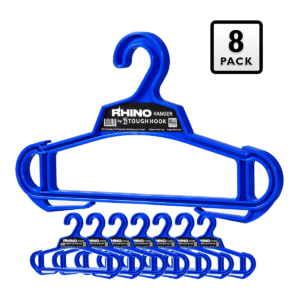
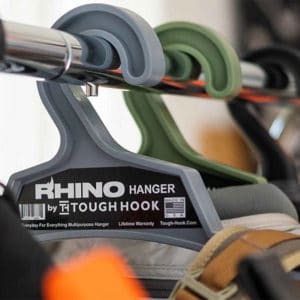

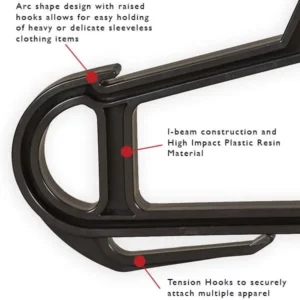

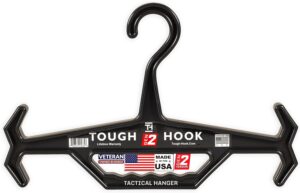
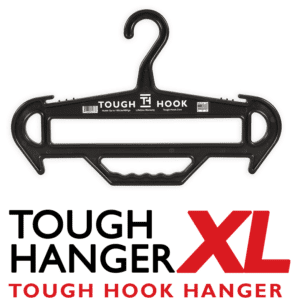
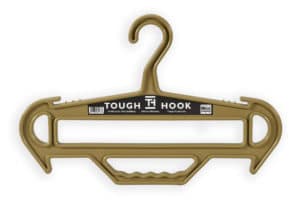
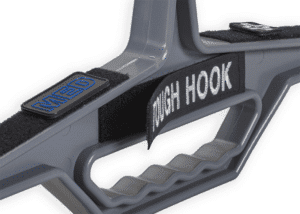
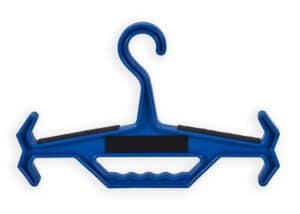
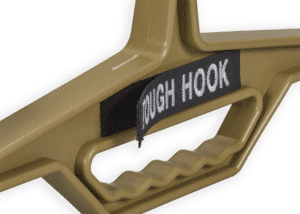


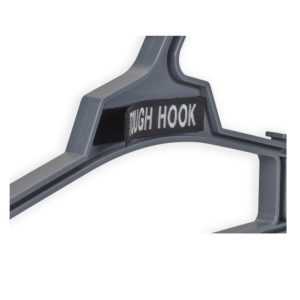
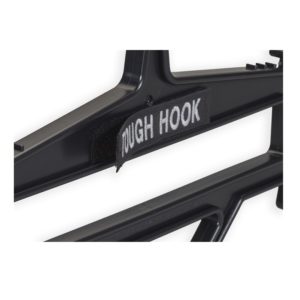
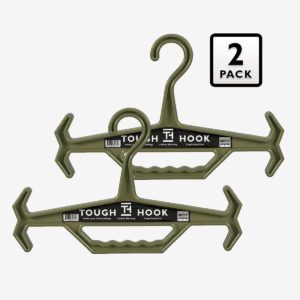

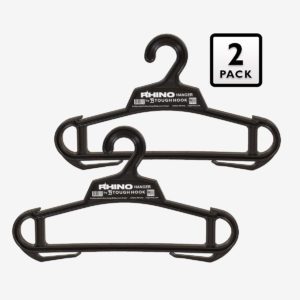
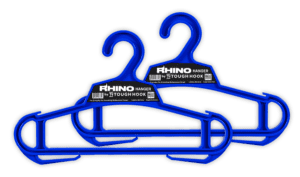
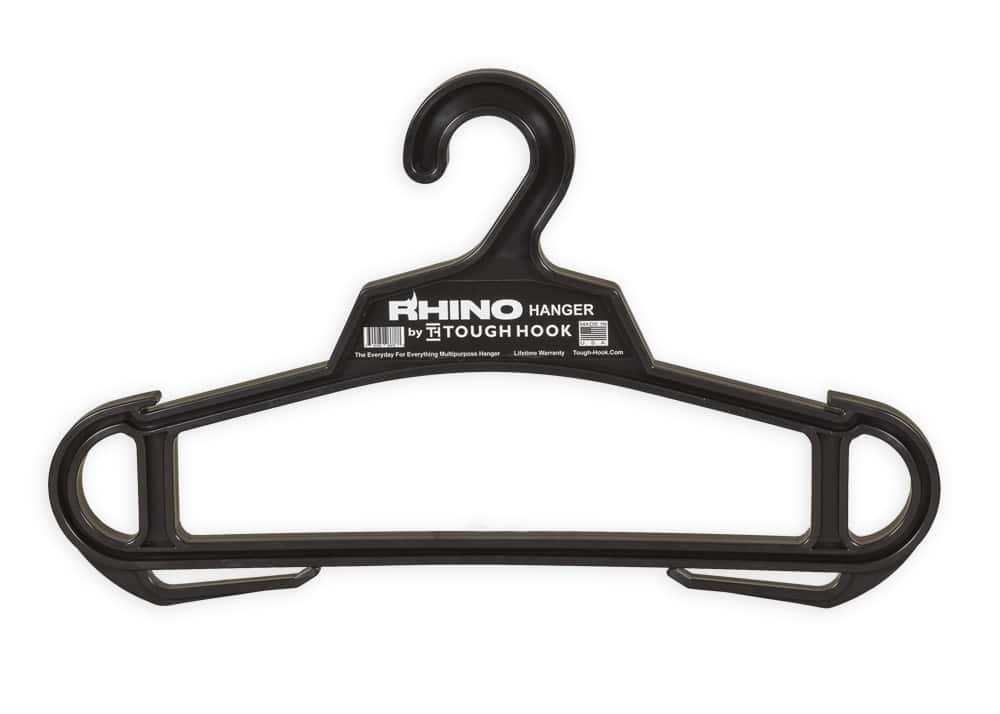
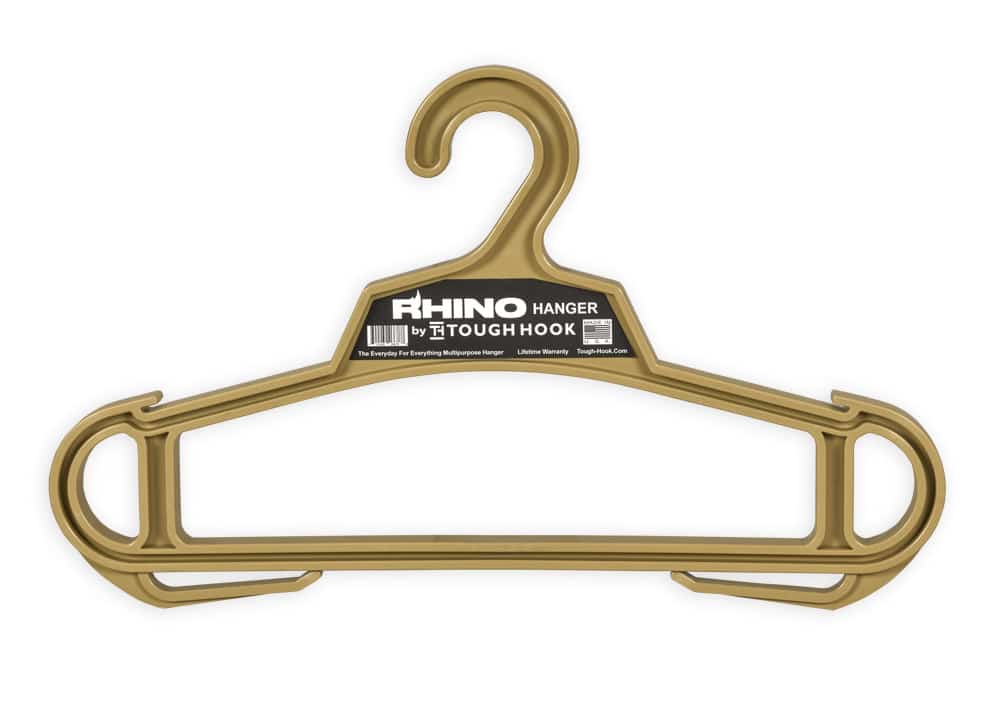
2 Pack RHINO Heavy Duty Clothes Hanger Bundle
Original price was: $27.95.$23.95Current price is: $23.95.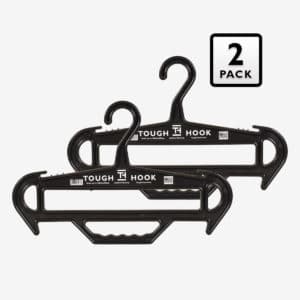
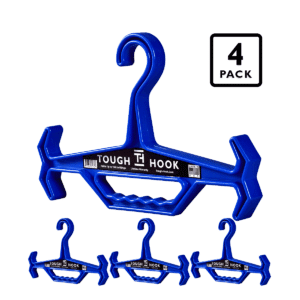
The Problem with Standard Storage Solutions
The heavy nature and specific geometry of first responder gear overwhelm standard organizational products quickly. Turnout coats, SCBA packs, body armor, and duty belts are inherently heavy. This weight, often coupled with bulk, demands a far higher level of durability than standard consumer-grade products can offer.
Here are common failures associated with inadequate storage:
-
Flimsy Hangers and Hooks: Standard hangers, often made of thin plastic or wire, cannot support the weight of wet or dry turnout gear, body armor, or even a fully loaded vest and belt. They bend, break, or collapse, sending expensive and crucial gear to the floor.
-
Lack of Ventilation: Piling gear into lockers or onto benches traps moisture, which accelerates wear, degrades materials, and creates an environment where hazardous contaminants can thrive.
-
Poor Accessibility: Stacking items means the bottommost gear is difficult to reach, creating a bottleneck during rapid deployment.
-
Insufficient Weight Bearing: Shelving units or pegboards not rated for the extreme weight of emergency equipment often fail prematurely, leading to maintenance costs and, more importantly, a breakdown in the readiness system.
Engineering Strength for Mission-Critical Gear
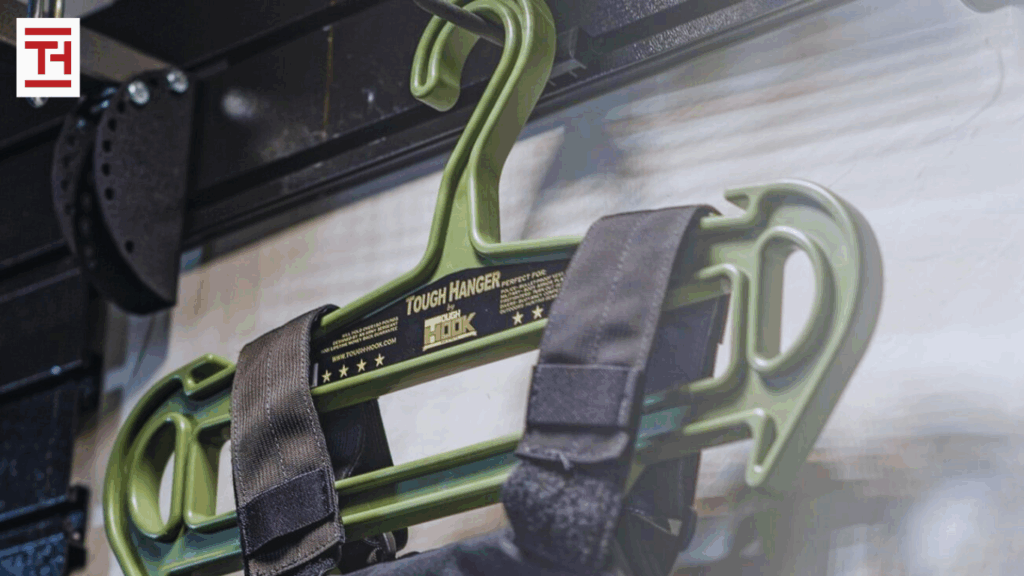
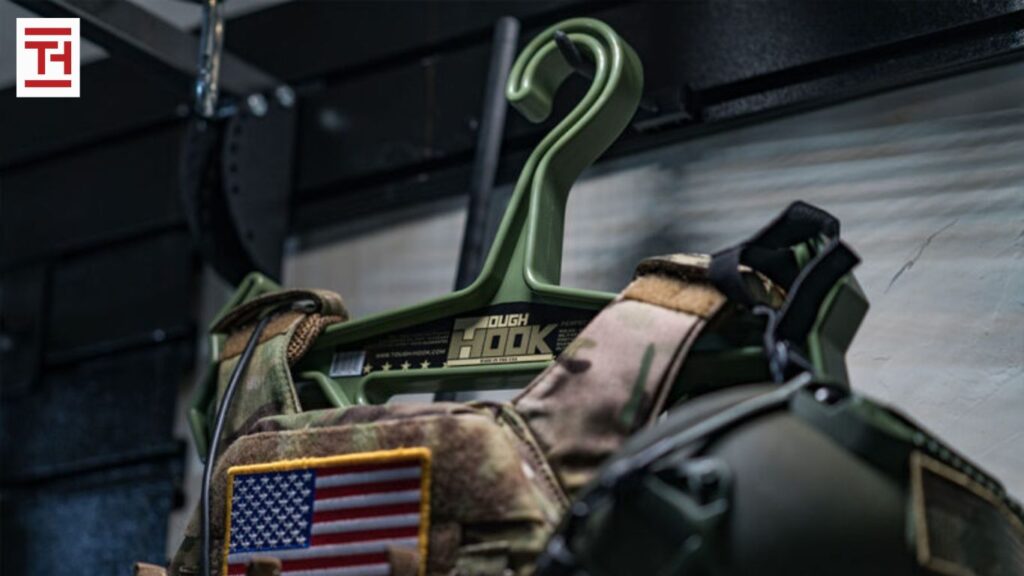
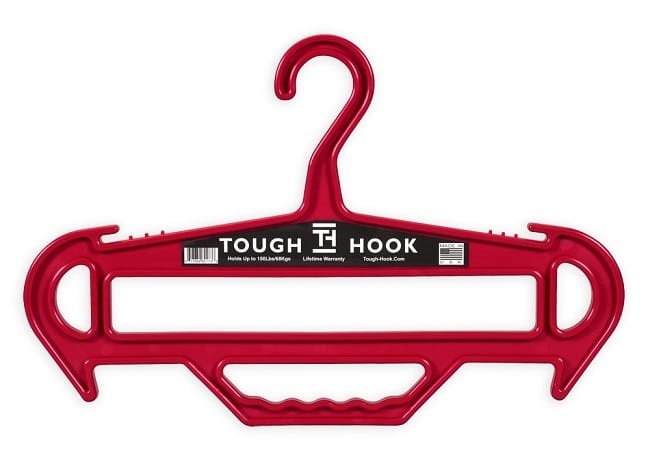
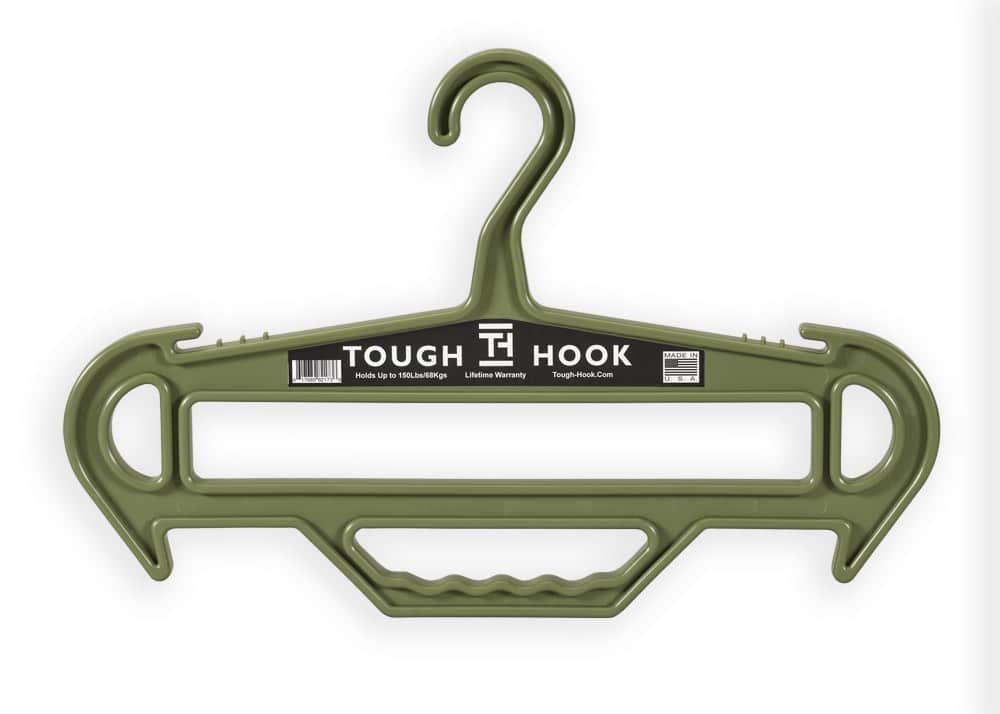
This is where companies specializing in extreme-duty equipment organization, such as Tough Hook, step in to provide solutions that meet the demanding specifications of first response. Recognizing the critical nature of the gear, Tough Hook developed a line of heavy-duty hangers and organizational tools specifically engineered to handle the immense weight and bulk of equipment used by military, law enforcement, and fire/EMS professionals.
Tough Hook products are designed from a core understanding of the challenges faced by responders: the gear is heavy, bulky, and needs to be ready at a moment’s notice. The company’s flagship product—a nearly indestructible hanger—is often utilized in gear lockers and ready rooms across the country and the globe precisely because of its structural integrity.
Key features that make purpose-built systems like those from Tough Hook essential include:
-
Extreme Load Capacity: The hangers are often rated to support weights far exceeding a hundred pounds, easily handling a full set of wet turnout gear, a heavy plate carrier, or an entire SCBA mask and cylinder assembly. This ensures the gear stays securely stored and off the floor.
-
Impact Resistance: Constructed from high-impact plastic resins or durable composites, these systems are built to endure the frequent, sometimes hurried, handling that is standard in a station environment.
-
Integrated Design for Specific Gear: The shape and structure of the hangers are often contoured to properly support vests and jackets, ensuring material integrity and preventing strain on the shoulders or straps.
Designing a High-Efficiency Gear Storage System
Implementing heavy-duty storage is only the first step; the true gain in efficiency comes from the systematic layout of the gear. A well-designed gear room or personal locker system follows principles of lean organization, minimizing movement and maximizing visual clarity.
Here are best practices for organizing first responder gear:
-
“Top Down” Readiness: Place the gear needed first at the highest point of accessibility. For a firefighter, this might mean the helmet and hood are immediately visible and reachable, followed by the turnout coat and pants, which are hung on a heavy-duty Tough Hook system.
-
Use Vertical Space: Leverage vertical storage to maximize floor space and improve ventilation. Hanging gear, rather than stacking it, is paramount.
-
Dedicated Zones: Assign every piece of equipment a permanent, dedicated location. Items should never be allowed to “float” between zones. This is critical for post-shift inventory and pre-shift readiness checks.
-
Standardize Across the Facility: Ensure that the same organizational method is used for every responder’s locker. This standardization allows for rapid cover or assistance, as any responder can locate and retrieve gear from a colleague’s locker without having to pause and reorient themselves.
The Return on Investment: Measured in Safety and Time
The investment in heavy-duty organizational systems may seem minor compared to the cost of a fire truck or advanced medical equipment, but the return on investment is priceless. It translates directly into enhanced operational readiness, reduced wear and tear on expensive equipment, and, most importantly, saved time in critical situations.
When a first responder can instinctively reach for their gear, knowing it is precisely where it should be—securely held by a durable system like those provided by Tough Hook—it eliminates a source of stress and delay. It allows them to focus their full attention on the mission at hand, rather than the logistics of getting dressed. In the demanding and often chaotic environment of an emergency, having a gear organization system that is dependable, robust, and designed for speed is not a luxury; it is an essential component of professional readiness.
By embracing heavy-duty, purpose-built storage and organization, first responder agencies are ensuring that their personnel are not only protected by the best gear but also have the fastest possible route to deployment. This commitment to readiness truly reinforces the fundamental mission of first response: swift access saves lives. The operational efficiency gained from moving away from flimsy, residential products to industrial-grade solutions is a decision that impacts the community every time the siren wails. Ensuring every piece of equipment is hung, ventilated, and instantly accessible is a non-negotiable step toward optimal public safety. The time saved in the ready room is the time gained on the street, and that difference can be everything.