The post-run feeling is a unique blend of exhaustion, euphoria, and—let’s be honest—sweat. You’ve pushed your limits, enjoyed the runner’s high, and now you are faced with a logistical dilemma: what to do with your thoroughly soaked running gear? It’s not just a collection of clothes; it’s an investment in performance, comfort, and injury prevention. Treating your running kit right after a grueling session is just as important as the cool-down stretch, and proper storage is the first critical step toward long-term gear health.
Throwing your sweat-drenched apparel into a pile or a gym bag is a recipe for disaster. It fosters an environment where odor-causing bacteria thrive, permanently damages technical fibers, and drastically shortens the lifespan of your expensive apparel. The solution isn’t complicated, but it does require a deliberate, immediate action: air it out. For runners who train hard and rely on high-tech gear, a standard flimsy plastic or wire hanger simply won’t cut it. You need a robust, reliable solution capable of handling not just a damp shirt but a fully saturated vest, a weighted pack, or a thick, multi-layered winter running shell. This is where the concept of tactical storage—heavy-duty, purposeful, and reliable—comes into play, revolutionizing how you manage your sweaty gear.
The Invisible Threat: Why Immediate Airing is Non-Negotiable
Ignoring your sweaty gear for even a few hours can have significant negative consequences that compromise both your equipment and your living space. The issue extends far beyond a temporary, unpleasant smell.
-
Bacterial Growth and Odor Retention: Sweat itself is mostly odorless, but the bacteria on your skin break down sweat components into pungent volatile organic compounds. Synthetic fabrics, common in running apparel, are excellent at wicking moisture away from your skin, but they also tend to hold on to these bacteria and the resulting odors. When you wad up or stuff damp gear, you create a dark, humid incubator where these microbes rapidly multiply, leading to that notorious, permanent “gym funk.”
-
Fiber Degradation and Loss of Performance: Running gear is an engineered product. Its technical properties—like moisture-wicking and stretch—depend on the integrity of its synthetic fibers (polyester, nylon, and spandex). Leaving sweat and body oils to sit on these fibers for too long causes them to break down prematurely. This degrades the fabric’s ability to perform, meaning your $80 running shirt will lose its shape, elasticity, and wicking power much sooner than it should. The constant presence of moisture can also lead to mildew, which is nearly impossible to remove completely and is a sure sign that your gear is ruined.
-
The Weight of Wetness: A fully saturated running jacket, a hydration pack, or a pair of compression tights can weigh substantially more than a casual cotton shirt. Standard hangers are not designed for this weight. They bend, droop, or snap under the load, causing the gear to fall back into a pile on the floor, negating the entire airing-out effort and potentially damaging the gear further with creases or stretching.
This trinity of threats—odor, decay, and structural damage—highlights the urgent need for a robust, sweat-proof storage solution that promotes maximum airflow immediately after your run.

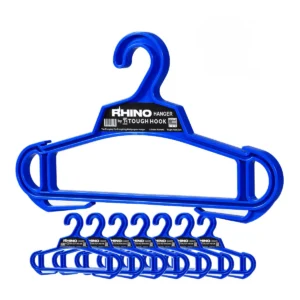
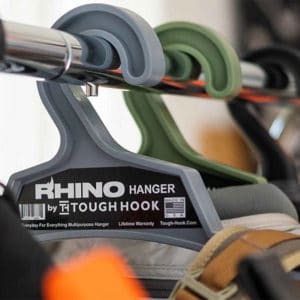

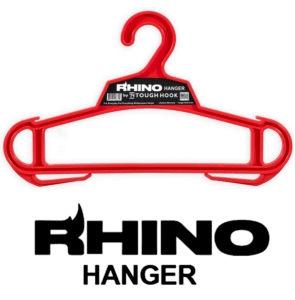
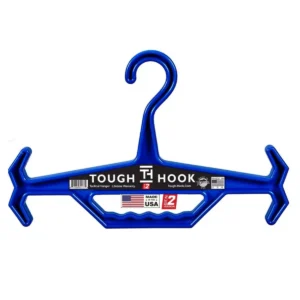

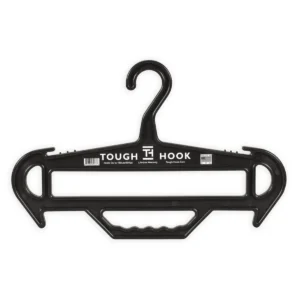

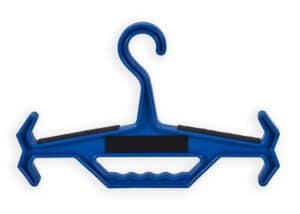



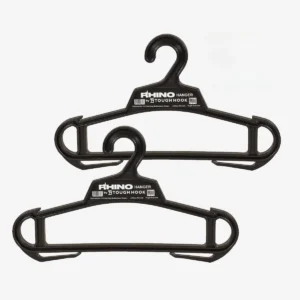
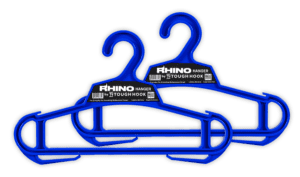
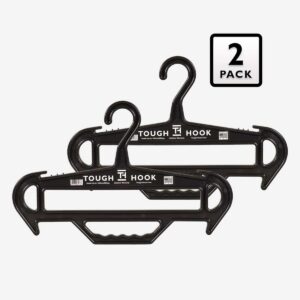
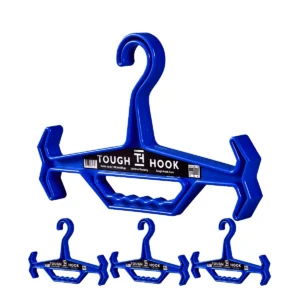
2 Pack RHINO Heavy Duty Clothes Hanger Bundle
Original price was: $27.95.$23.95Current price is: $23.95.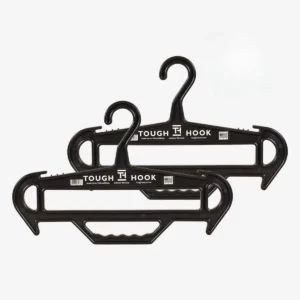
Why Standard Hangers Fail the Runner’s Test
For the dedicated runner, the average closet hanger is a structural weakness waiting to fail. They were designed for dry, lightweight, everyday clothing, not the heavy, specialized equipment that constitutes a serious runner’s kit.
Consider the common materials and their shortcomings:
-
Wire Hangers: These are the epitome of flimsy storage. They bend instantly under the weight of even a damp jacket, their narrow points cause creases, and they are prone to leaving rust stains on light-colored technical fabrics if the protective coating chips off.
-
Plastic Hangers: While slightly sturdier than wire, standard plastic hangers are often made from brittle, lightweight material. The stress of a heavy hydration vest or a pair of thick, cold-weather tights can cause the shoulder pieces to bow, or worse, the hook to snap entirely, sending your gear crashing to the floor.
-
Wood Hangers: These offer good support for suits but are utterly inappropriate for wet athletic gear. Wood is porous; it absorbs moisture, leading to warping, swelling, and, again, the risk of mildew growth that could then transfer to your clothes.
The runner’s kit demands a hanger that is not just a storage tool but a piece of heavy-duty equipment in its own right. It must be engineered for extreme load and constant exposure to moisture and designed with a wide, supportive profile to protect technical materials.
The Tactical Edge: Introducing Tough Hook for Runners
To truly solve the problem of sweat-proof storage, runners need to look beyond the home closet and toward gear designed for the toughest jobs. This is where Tough Hook steps in, offering a tactical, heavy-duty solution perfectly suited for the demands of the running life.
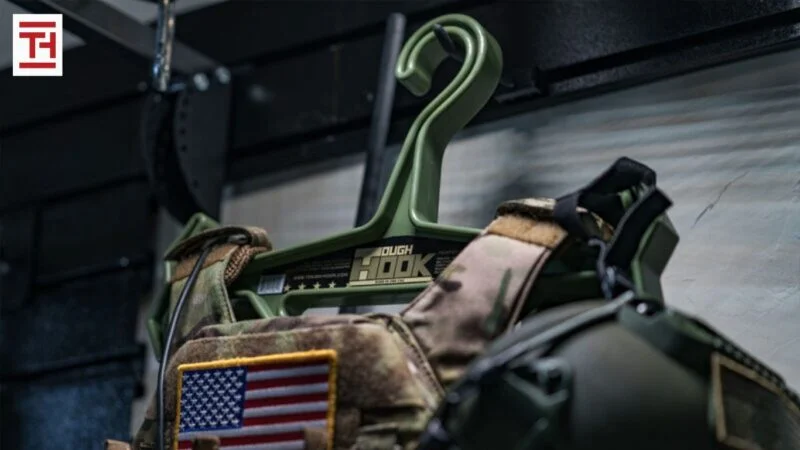
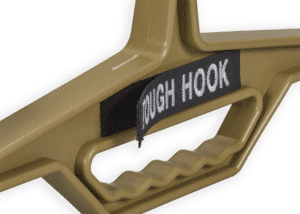
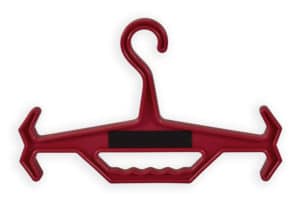
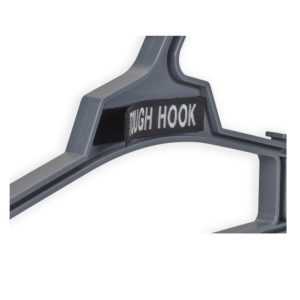
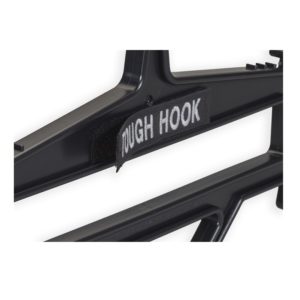
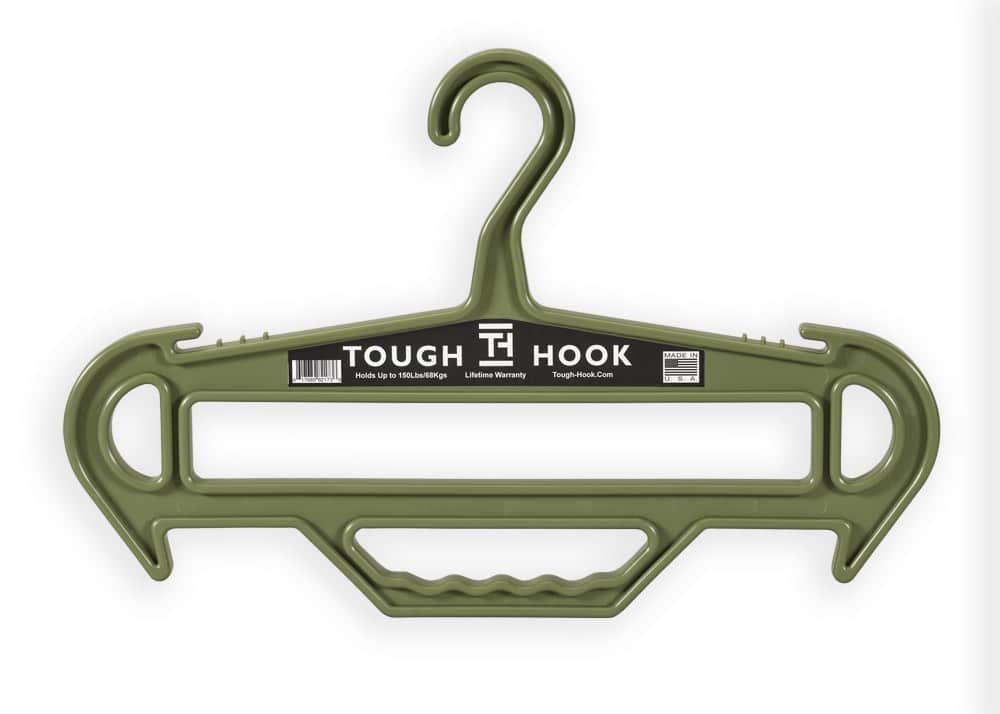
Tough Hook is not a regular hanger; it is a meticulously engineered piece of equipment. Originally developed by a U.S. Army Sergeant to hold over 150 lbs. of military gear—such as fully loaded tactical vests and plate carriers—it is uniquely overbuilt for the comparatively lighter, yet still demanding, weight of a runner’s gear.
Here are the key features that make Tough Hook hangers the ultimate sweat-proof storage solution for your running kit:
-
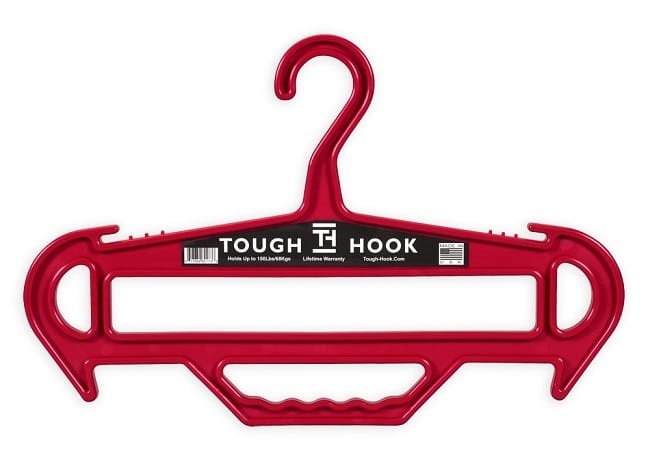
Unrivaled Load Capacity: Tough Hook’s patented I-beam construction and impact-resistant resin are virtually indestructible. They can support an entire collection of your wet gear, including a full hydration pack, a winter jacket, and wet trail shoes draped over the shoulders, without the slightest bend or sign of stress.
-
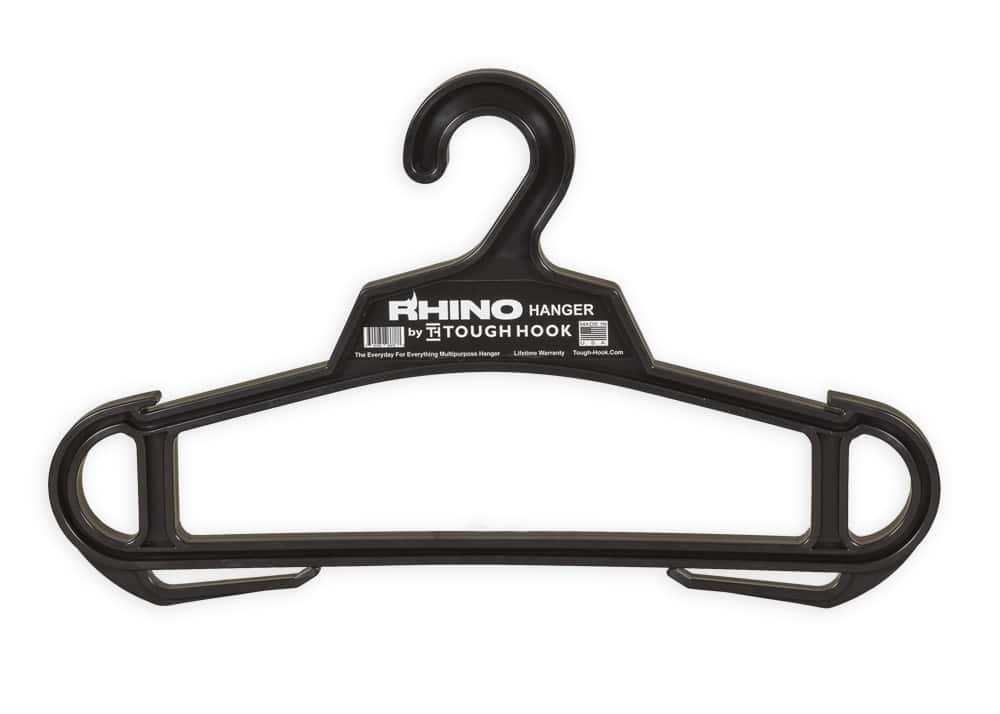
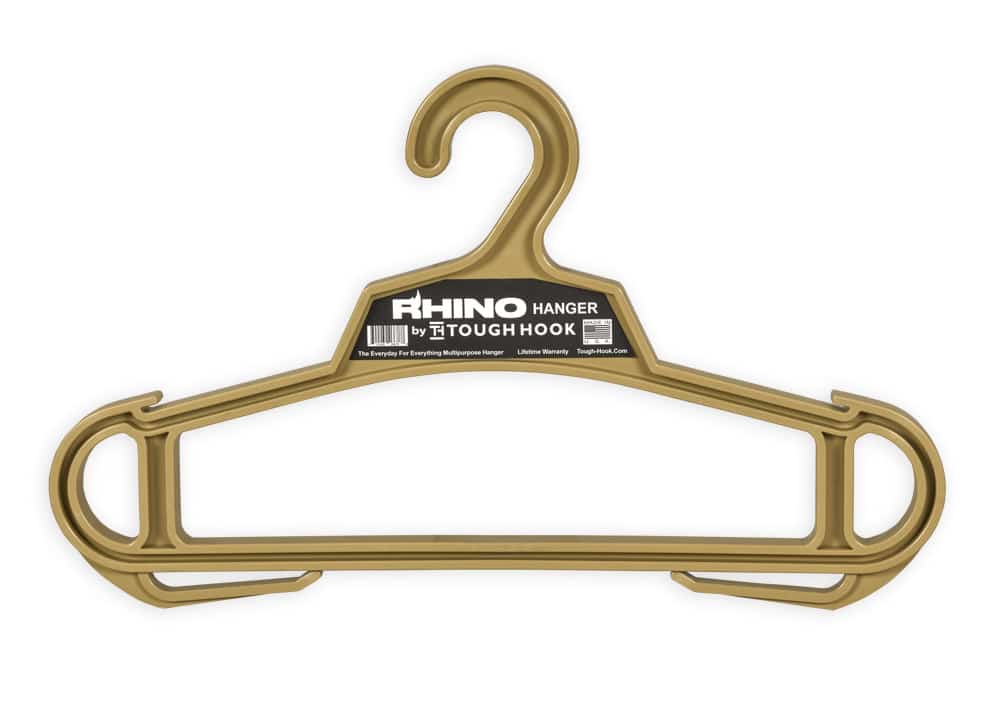
Optimal Airflow Design: Unlike standard hangers that allow clothes to bunch up, the wide, structured design of the Tough Hook provides a large surface area to drape and spread your gear. This maximizes exposure to air, accelerating the drying process and preventing bacteria from settling in concentrated, damp folds.
-
A “No-Fail” Investment: The core appeal of Tough Hook is reliability. It is a one-time purchase, often backed by a 100% lifetime warranty, ensuring you never have to deal with another snapped, bent, or ruined hanger. This is a true investment in the longevity and integrity of your performance apparel.
-
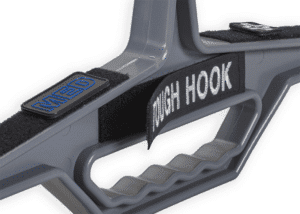
Integrated Carry Handle: A unique and often overlooked feature is the integrated, reversible carry handle. After a long run, you can grab your entire kit—pack, vest, and top—in one secure grip to transport it directly to the laundry room or a dedicated drying space, minimizing contact with other surfaces.
By providing a platform that can securely suspend and perfectly articulate your gear for maximum airflow, Tough Hook solves the sweat-proof storage problem with a tactical, engineering-first approach.
Practical Steps for Sweat-Proof Gear Management
Effective gear management is a simple, three-step process that utilizes a heavy-duty hanger like the Tough Hook to preserve your investment.
The Post-Run Protocol:
-
Immediate Hanging and Disassembly: Do not let your gear sit in a bag or a laundry basket. The moment you walk in the door, take off your clothes and any accessories.
-
Hang Strategically for Airflow: Place your items on a Tough Hook hanger, ensuring maximum surface area is exposed.
-
Hydration Vests and Packs: Hang the entire pack over the wide shoulders of the Tough Hook. Unzip all pockets and straps to allow air to penetrate the interior and the padded mesh back panel, which traps the most sweat.
-
Jackets and Shells: Zip the main zipper halfway and hang it, keeping the inner lining from pressing against itself. Ensure any underarm or back vents are open.
-
Shirts and Tights: Drape shirts over the wide shoulders. For tights, use the integrated accessory hooks on the bottom of the hanger to secure the waistband or place them over the bottom bar for easy air circulation.
-
-
Choose a High-Airflow Location: Select a spot for air-drying that is out of direct sunlight but has excellent ventilation.
-
Ideal Spots: A mudroom, a covered patio, a shower rod away from the wall, or an open doorway.
-
Areas to Avoid: A closed closet, the trunk of your car, or directly in front of a heat vent (excessive heat can damage technical fibers).
-
The Pre-Wash Pre-Treat:
Once your gear is dry, it’s ready for the wash, but a pre-treatment is essential for fighting persistent odors:
-
Use a Vinegar Soak: Before tossing the items into the washing machine, give them a quick soak in a bucket or utility sink with a solution of water and half a cup of white distilled vinegar for about 30 minutes. This naturally breaks down the odor-causing bacteria and residual detergents.
-
Avoid Fabric Softeners: Fabric softeners and dryer sheets clog the pores of synthetic, technical fabrics, destroying their wicking properties and trapping bacteria inside the fibers.
By adopting a tactical approach to gear storage—immediately hanging your kit on an indestructible platform like the Tough Hook and prioritizing fast, efficient air drying—you are actively extending the performance, feel, and odor-free life of your running apparel. Don’t let your investment deteriorate in a heap. Treat your gear with the respect it deserves, and it will keep performing run after run.