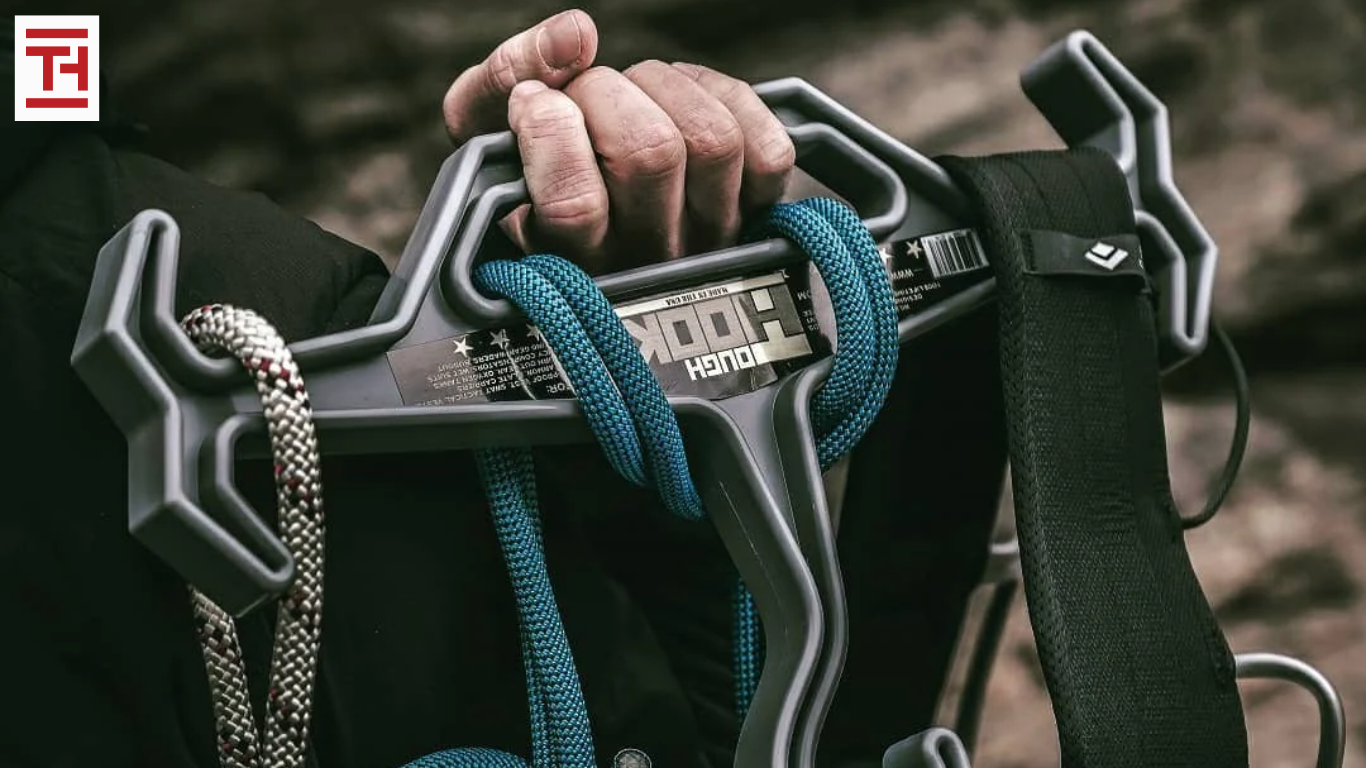
The battle against the “floor pile” is a daily struggle for many households, professionals, and outdoor enthusiasts. It begins innocently enough: a backpack dropped by the front door after work, a heavy winter coat draped over the back of a chair that eventually slides to the ground, or a set of fitness gear left in a heap in the corner of the garage. Over time, these individual items transform into a disorganized mountain of fabric and plastic that creates a tripping hazard, damages your expensive equipment, and adds unnecessary mental clutter to your environment.
Creating a functional hanging system is the most effective way to reclaim your floor space and extend the lifespan of your belongings. While standard plastic hangers often fail under the weight of modern gear, a heavy-duty approach ensures that everything from a lightweight windbreaker to a fully loaded tactical vest has a secure place off the ground.
The Hidden Costs of Floor Piles
Leaving your gear on the floor is more than just an aesthetic issue; it has practical consequences that can cost you time and money. When items are left in a pile, several negative factors come into play:
-
Lack of Airflow: Moisture trapped in crumpled fabrics leads to the growth of mold, mildew, and unpleasant odors. This is particularly problematic for gym bags and rain gear.
-
Physical Damage: Constant pressure on zippers, buckles, and straps from being stepped on or buried can lead to premature failure.
-
Pest Risks: Dark, undisturbed piles of clothing on the floor provide the perfect nesting ground for spiders, silverfish, and other household pests.
-
Accessibility Issues: Finding a specific item at the bottom of a pile wastes time and causes frustration when you are trying to get out the door.
By implementing a dedicated hanging system, you address these issues head-on, ensuring your gear remains clean, dry, and ready for immediate use.

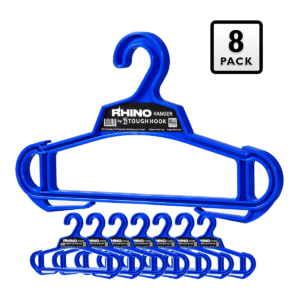
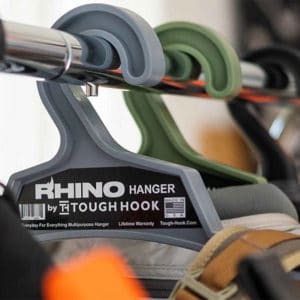
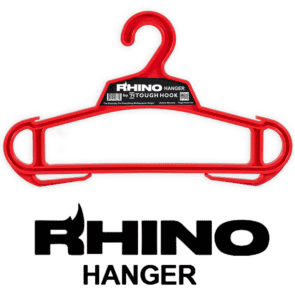

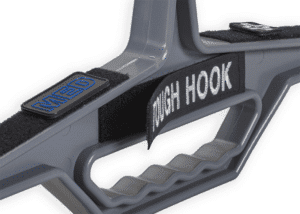
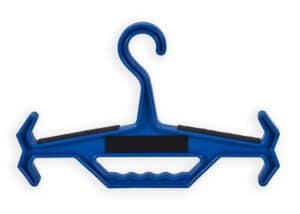
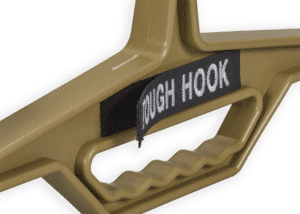
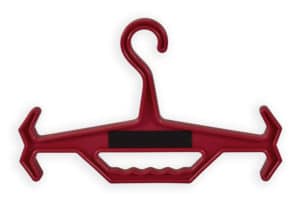
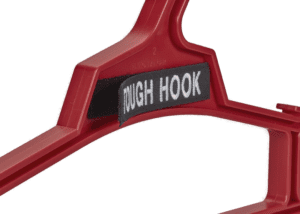
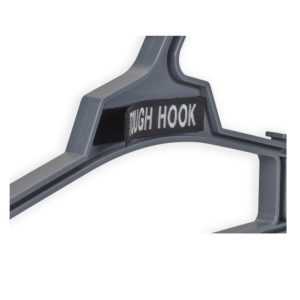
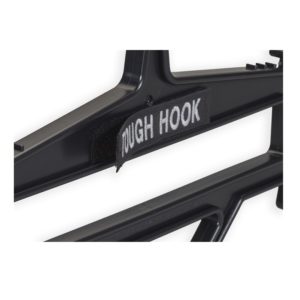
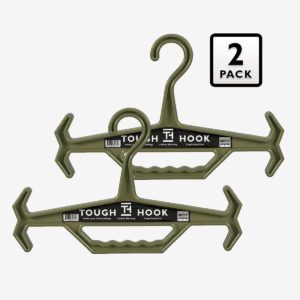

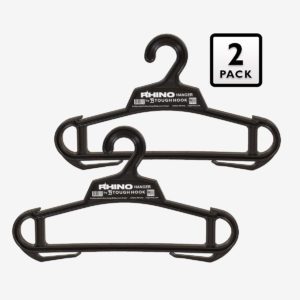
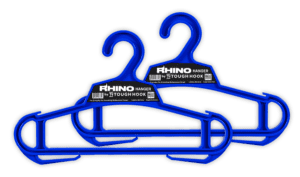
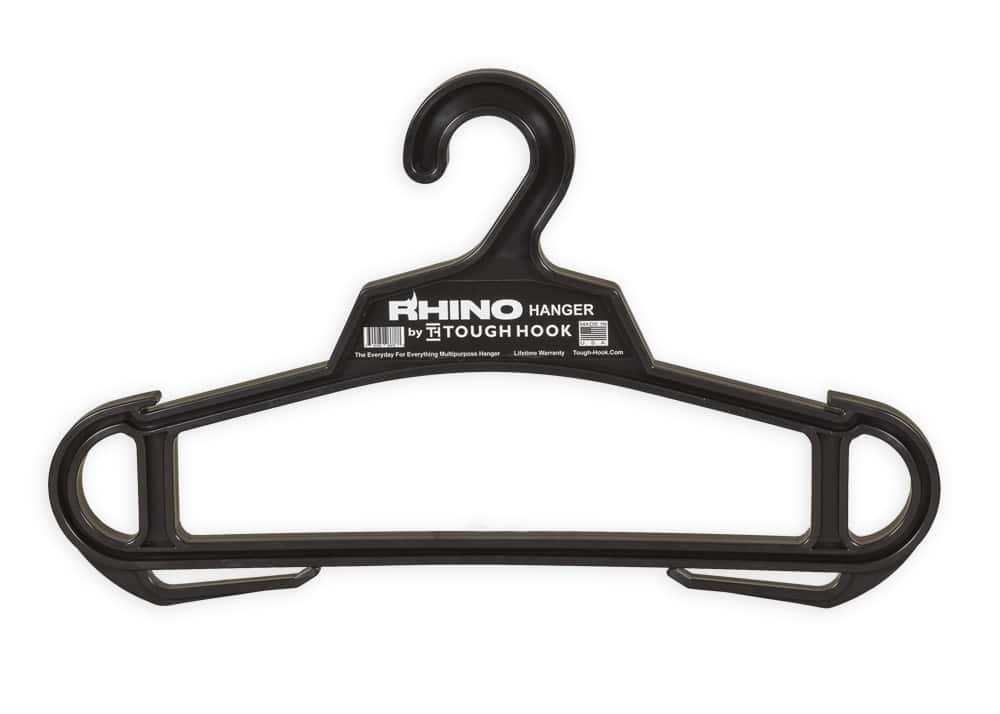
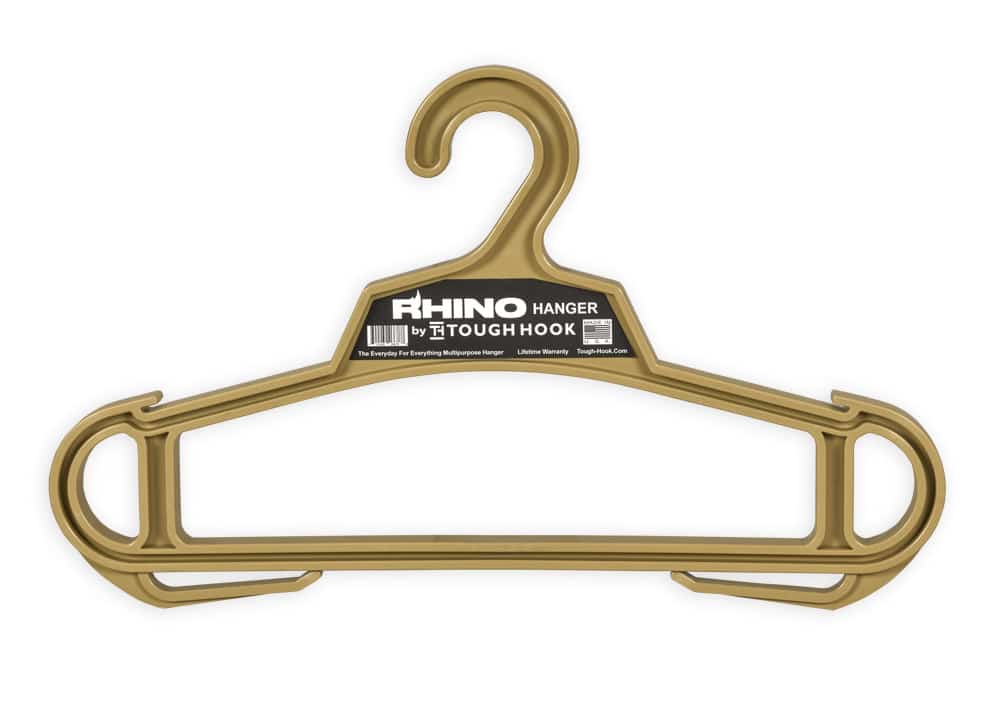
2 Pack RHINO Heavy Duty Clothes Hanger Bundle
Original price was: $27.95.$23.95Current price is: $23.95.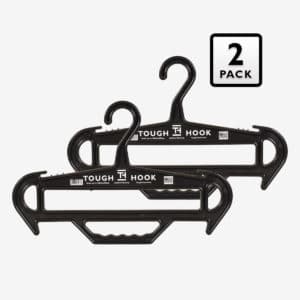
Assessing Your Storage Needs
Before you start installing hooks or buying hangers, you must evaluate the specific types of gear you own. Not all equipment is created equal, and a “one size fits all” approach rarely works for heavy-duty items. Consider the following categories:
-
Daily Wear: This includes light jackets, hoodies, and handbags that are used frequently and need to be easily accessible near an entryway.
-
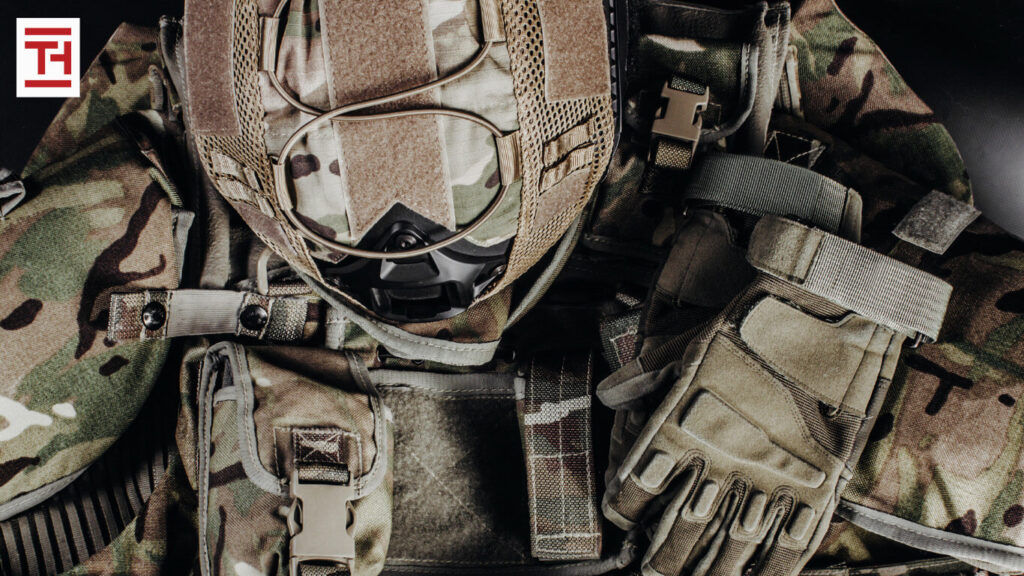
Professional Gear: For those in law enforcement, emergency services, or the military, this includes heavy body armor, plate carriers, and utility belts.
-
Outdoor Equipment: Items such as heavy hiking packs, waders, and technical shells require significant vertical space and strong support.
-
Seasonal Storage: Bulky winter parkas or specialized sports equipment that may stay hanging for months at a time without use.
Once you have categorized your belongings, you can determine the weight capacity required for your hanging system. This is where many people make their first mistake: relying on thin wire or brittle plastic hangers that are designed for dress shirts rather than rugged gear.
Why Heavy-Duty Solutions Matter
Standard hangers are notorious for “shoulder flare” or snapping under tension. If you have ever found a heavy coat lying on the floor of your closet because the hanger hook snapped, you know exactly how frustrating this is. To truly solve the problem of floor piles, you need industrial-grade hardware.
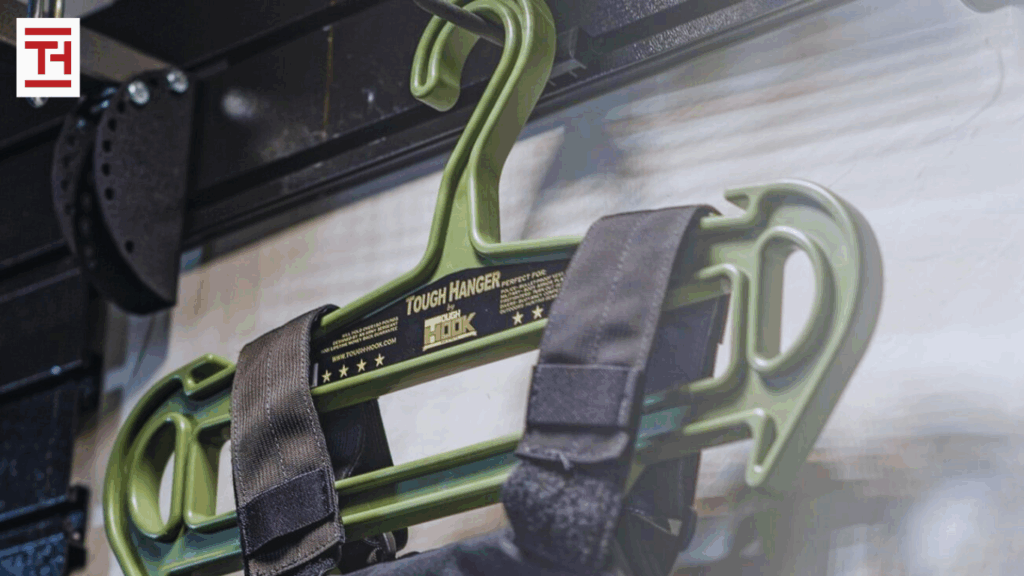
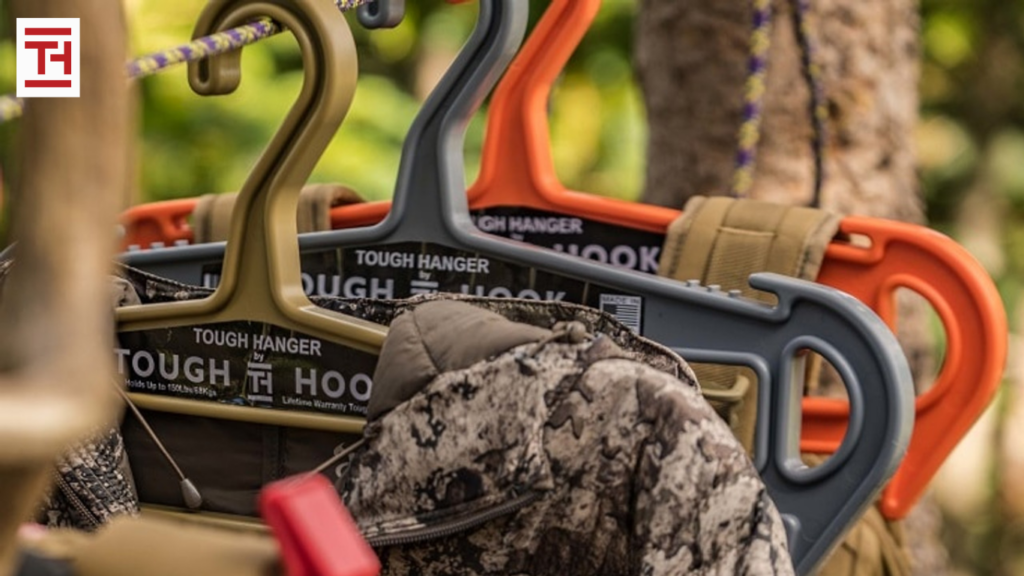
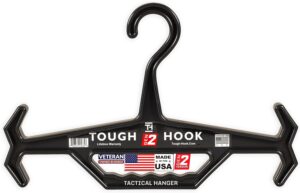
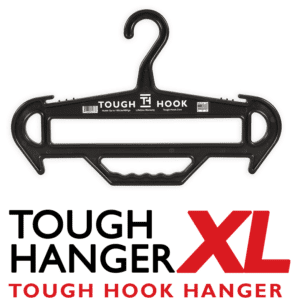
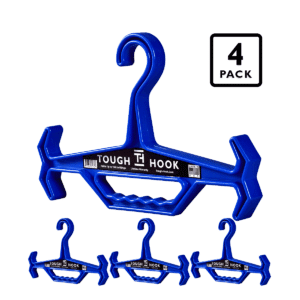
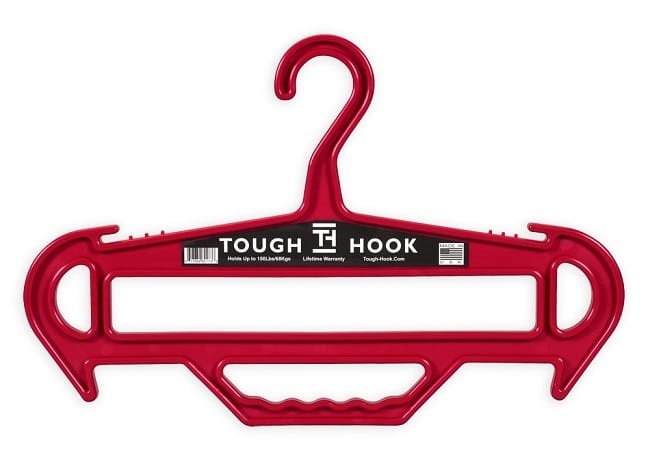
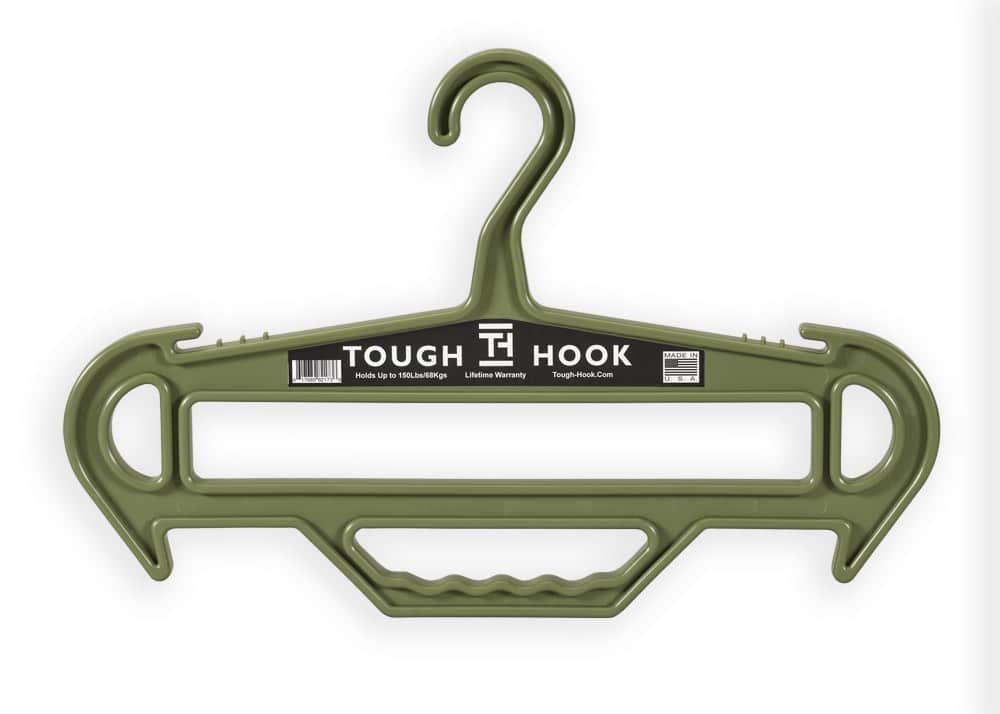
This is where Tough Hook becomes an essential part of your organizational strategy. Our company, Tough Hook, specializes in heavy-duty clothing and equipment hangers designed to handle the most demanding loads. Unlike traditional hangers, these are engineered to support upwards of 150 lbs, making them the ideal foundation for any hanging system.
Using a specialized hanger provides several benefits:
-
Weight Distribution: The wide, reinforced frames prevent the stretching of garment shoulders and the warping of backpack straps.
-
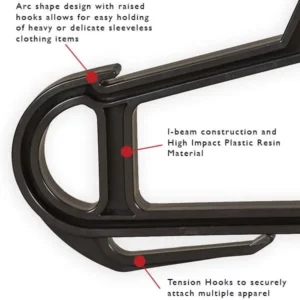
Structural Integrity: High-impact resin construction ensures the hanger will not bend or break, even when supporting heavy-duty gear like scuba BCDs or tactical vests.
-
Versatility: The unique design often includes features like “I-beam” construction and integrated handles, allowing you to transport your gear directly on the hanger.
Designing Your Hanging System
A simple hanging system does not require a complete home renovation. It can be as straightforward as a well-placed wall rail or a reinforced closet rod. To build a system that lasts, follow these steps:
1. Choose the Right Location
Identify a “high-traffic” zone where gear naturally tends to accumulate. For most people, this is the mudroom, the garage, or a specific corner of the bedroom. The goal is to make hanging the item easier than dropping it on the floor.
2. Install Robust Wall Anchors
If you are mounting hooks or a rail, ensure you are drilling into wall studs. If studs are not available, use heavy-duty toggle bolts. A hanging system is only as strong as its connection to the wall.
3. Implement the Right Hangers
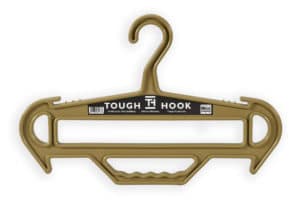
Discard your flimsy hangers and replace them with options that can actually hold the weight. For heavy backpacks or professional equipment, using a Tough Hook ensures that the item stays exactly where you put it. The flip-over handle feature on these hangers also makes it easy to move gear from the closet to a vehicle without ever taking it off the hanger.
4. Group by Frequency of Use
Place your most-used items at eye level and in the most accessible spots. Seasonal or rarely used gear can be moved to the ends of the rail or higher up.
Organizing Specific Types of Gear
Different gear requires different handling to remain in peak condition. Here is how to manage the most common “floor pile” culprits:
-
Bags and Backpacks: Never hang a heavy backpack by the small grab loop at the top, as this can tear the stitching. Instead, loop the main shoulder straps over a heavy-duty hanger to distribute the weight evenly.
-
Heavy Coats and Parkas: These should be hung on wide-shouldered hangers to maintain the shape of the garment and prevent the insulation from shifting or bunching.
-
Tactical and Fitness Vests: These items are often dense and heavy. They require a specialized hanger that can support the weight without bowing, allowing the internal liners to air out after use.
-
Hydration Packs: Hanging these upside down with the reservoir open allows them to dry completely, preventing the growth of bacteria.
Maintaining the System
The most common reason organizational systems fail is that they are too difficult to maintain. A hanging system avoids this by being “low friction.” It takes the same amount of effort to put a coat on a sturdy hanger as it does to toss it over a chair.
To keep your system functional, perform a monthly “gear check.” Remove anything you haven’t used in several weeks and move it to long-term storage. This keeps your primary hanging area clear for the items you use every day. If you find that a certain area is still accumulating piles, it usually means you need more hooks or a higher-capacity hanger in that specific spot.
Reclaiming Your Space
Stopping floor piles is about more than just cleaning up a room; it is about respecting the equipment you have invested in. Whether you are an athlete, a professional in uniform, or simply someone who appreciates a tidy home, a dedicated hanging system provides a sense of order and readiness. By utilizing high-quality tools like the ones we produce at Tough Hook, you ensure that your gear is protected, organized, and always within reach.
When every bag, coat, and piece of equipment has a designated, heavy-duty home, the floor stays clear, the room feels larger, and your gear stays in top condition for years to come. It is a simple change that yields significant results in your daily routine.