For climbers, gear is more than just a collection of accessories; it is the lifeline that allows for vertical exploration. From the dynamic ropes that catch falls to the intricate camming devices placed in granite cracks, every piece of equipment serves a vital safety purpose. However, as any seasoned climber knows, the accumulation of gear happens rapidly. One day you are buying your first harness and chalk bag, and the next you are trying to find space for a double rack of trad gear, a 70-meter rope, ice tools, and heavy belay parkas.
The storage of this equipment is often an afterthought. Many climbers resort to stuffing expensive gear into plastic bins, leaving it in the trunk of a car, or hanging it on flimsy plastic hangers that bend and snap under the weight of a full rack. proper storage is not merely about aesthetics or organization; it is about extending the lifespan of the equipment that keeps you safe. This is where the concept of elevated gear storage comes into play, utilizing heavy-duty solutions designed specifically to handle the unique demands of the climbing world.
The Problem with Standard Storage Solutions
When a climber attempts to organize a gear closet using standard household items, frustration usually follows. The equipment used in climbing is heavy, bulky, and often made of materials that require specific care. Standard department store hangers are designed for lightweight cotton shirts or polyester blends, not the rugged materials of the outdoors.
Here are the primary issues climbers face with standard storage:
-
Weight Capacity Failures: A standard plastic hanger is rated for only a few pounds, whereas a fully loaded climbing rack or a wet heavy rope can weigh significantly more, leading to immediate breakage.
-
Structural Deformation: Even if a standard hanger does not snap immediately, it will warp over time, causing the gear to slide off or hang in a way that damages the structure of the garment or sling.
-
Lack of Portability: Standard hangers are stationary tools meant for a closet rod, offering no utility when it comes to transporting gear from the garage to the truck or the crag.
-
Material Degradation: Storing gear in piles on the floor or in non-breathable bins can trap moisture, leading to mold on textiles or corrosion on aluminum and steel hard goods.
To solve these issues, climbers need a suspension system that rivals the strength of the gear itself. This is where heavy-duty hangers, such as those manufactured by Tough Hook, transition from a luxury to a necessity.

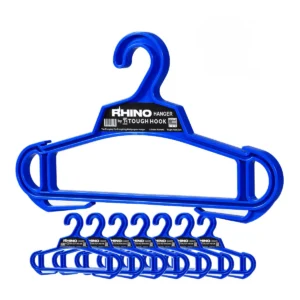
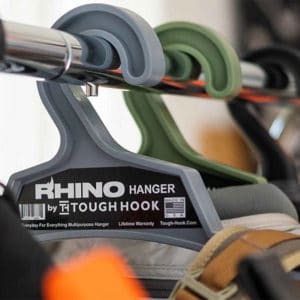

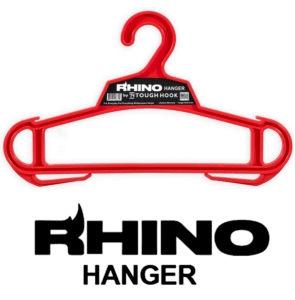
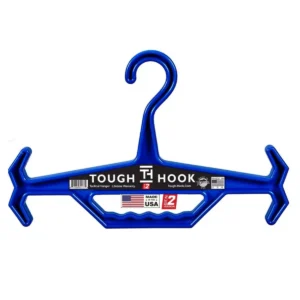

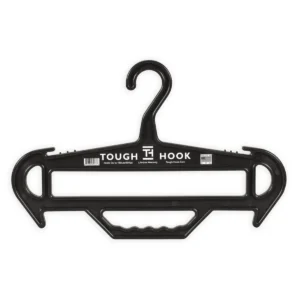
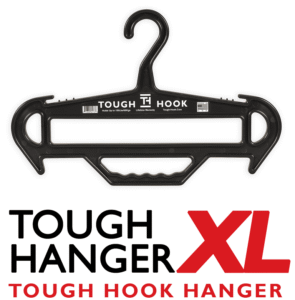
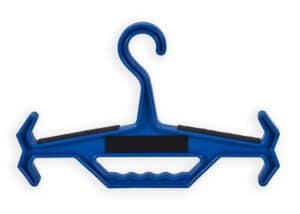
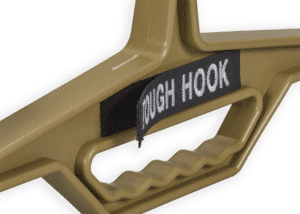
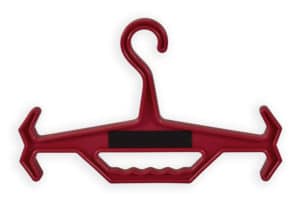

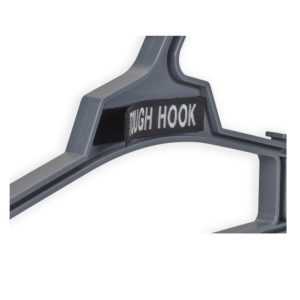
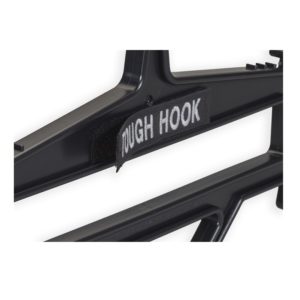


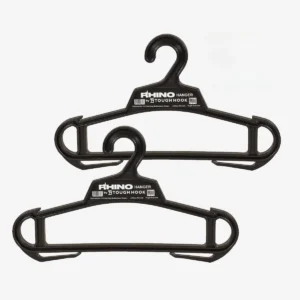
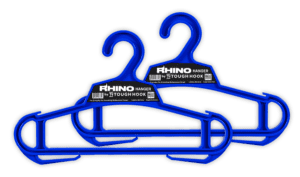
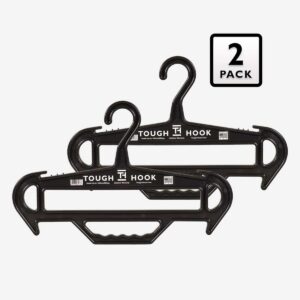
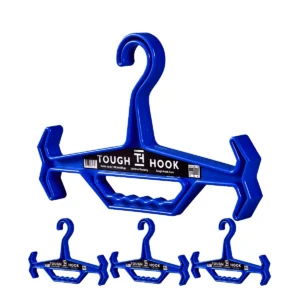
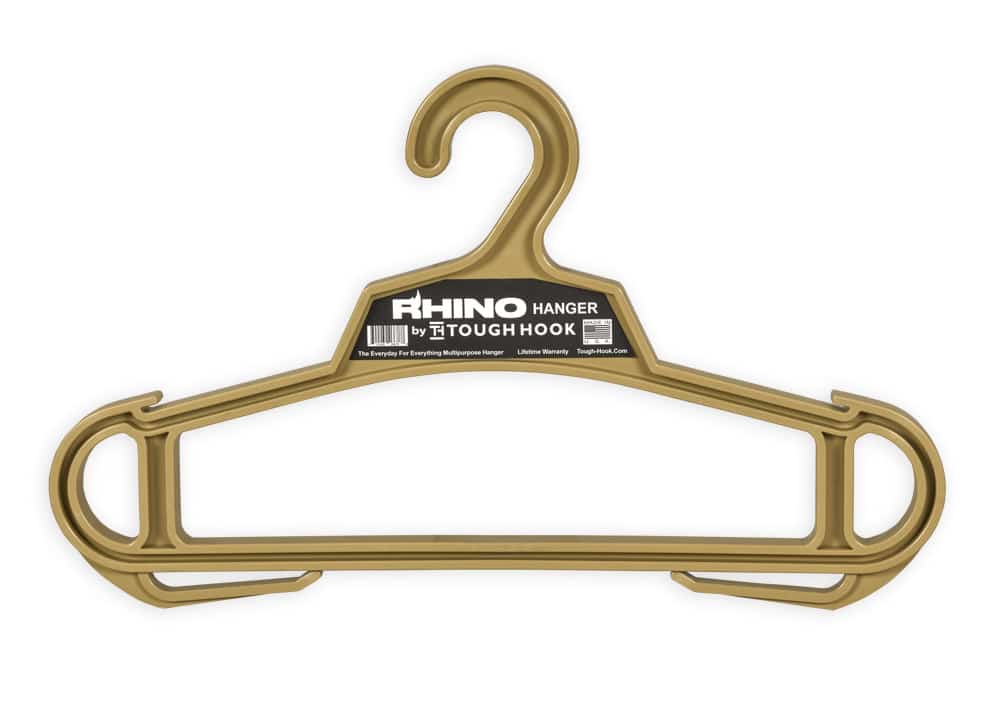
2 Pack RHINO Heavy Duty Clothes Hanger Bundle
Original price was: $27.95.$23.95Current price is: $23.95.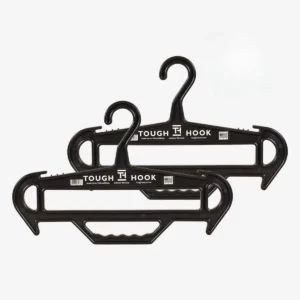
The Role of Heavy-Duty Hangers in Gear Maintenance
Upgrading to a heavy-duty hanger changes the dynamic of a gear closet. It allows climbers to utilize vertical space efficiently while ensuring that their equipment is accessible, visible, and safe from damage. Unlike standard options, a purpose-built hanger is an industrial-grade tool.
When utilizing a product like the Tough Hook, you are utilizing a hanger capable of holding over 200 pounds of equipment. This load-bearing capacity is essential for the modern climber. It allows for the consolidation of gear. Instead of spreading a rack across ten different hooks, you can organize a full set of quickdraws, cams, and nuts onto a single unit.
The benefits of heavy-duty hanging storage include:
-
Enhanced Airflow: Hanging ropes, harnesses, and sweaty approach clothes allows air to circulate around the entire item, which dries moisture quickly and prevents the growth of mildew or bacteria that can degrade nylon.
-
Visual Inspection: When gear is hung neatly, it is much easier to inspect slings for fraying, check carabiners for sticky gates, and ensure that your rack is complete before heading out on a trip.
-
Space Optimization: Vertical storage frees up floor space and shelf space, turning a cramped closet into a functional equipment room where every piece of gear has a dedicated home.
-
Grab-and-Go Efficiency: A heavy-duty hanger acts as a staging area, allowing you to prep your kit the night before so you can simply grab the hanger and load it into the vehicle without searching for missing pieces.
Organizing Specific Climbing Essentials
Different types of climbing gear require different storage considerations. Using a robust hanging system allows you to tailor your organization strategy to the specific needs of each category of equipment.
Ropes and Slings
Ropes are the most critical and often the most expensive part of a climber’s kit. Leaving a rope coiled in a bag is acceptable for transport, but for long-term storage, hanging is superior.
-
Coil Preservation: Hanging a coiled rope on a wide, heavy-duty hanger prevents the coil from becoming compressed or kinked, which makes flake-out at the crag much smoother.
-
Sling Management: Alpine draws and dyneema slings can be girth-hitched or draped over the hanger, keeping them untangled and ready for racking.
The Rack (Hard Goods)
Whether you are a sport climber with a dozen quickdraws or a trad climber with a double rack of cams, the weight adds up quickly.
-
Load Distribution: A Tough Hook hanger allows you to clip carabiners directly to the bottom bar or the integrated handling areas, mimicking the way gear sits on a harness gear loop.
-
Prevention of Micro-fractures: By keeping hard goods suspended and separated, you avoid the clanging and banging that happens when gear is tossed into a bin, reducing surface wear and tear.
Technical Apparel and Harnesses
Climbing apparel, such as belay parkas and gore-tex shells, is often bulky. Harnesses, specifically, need to retain their shape to function correctly.
-
Padding Protection: Hanging a harness by its structural loops ensures the waist belt padding does not become crushed or permanently creased.
-
Loft Retention: Down jackets and synthetic puffy coats maintain their insulating properties better when hung freely rather than being compressed in a stuff sack for months.
The Tough Hook Advantage
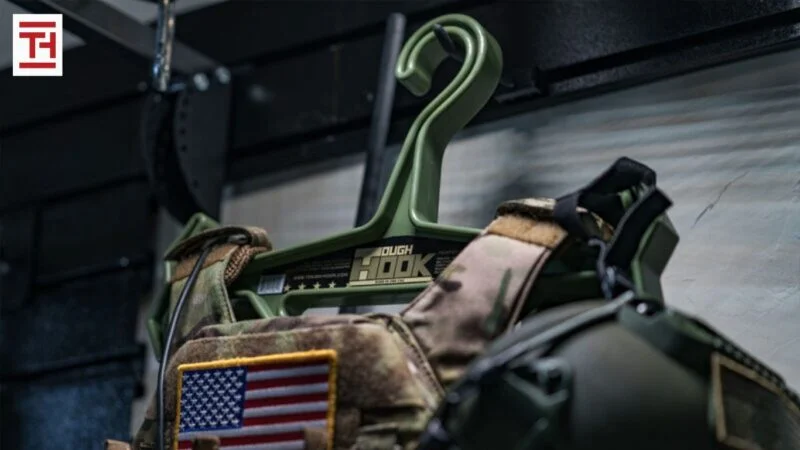
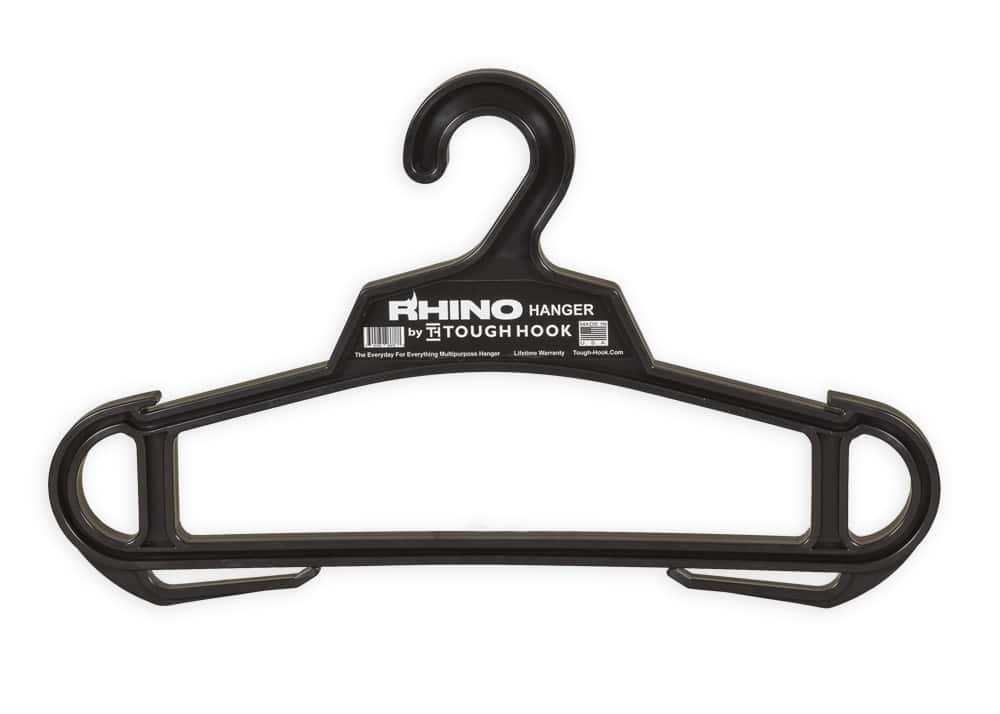
While the concept of a heavy-duty hanger is simple, the engineering behind Tough Hook sets it apart in the outdoor industry. These hangers were originally designed for military and law enforcement applications, specifically to hold heavy body armor and tactical vests. This lineage makes them uniquely suited for rock climbing.
The features that make Tough Hook ideal for climbers include:
-
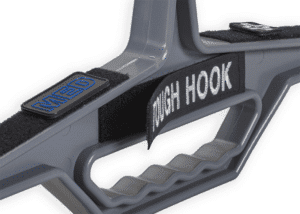
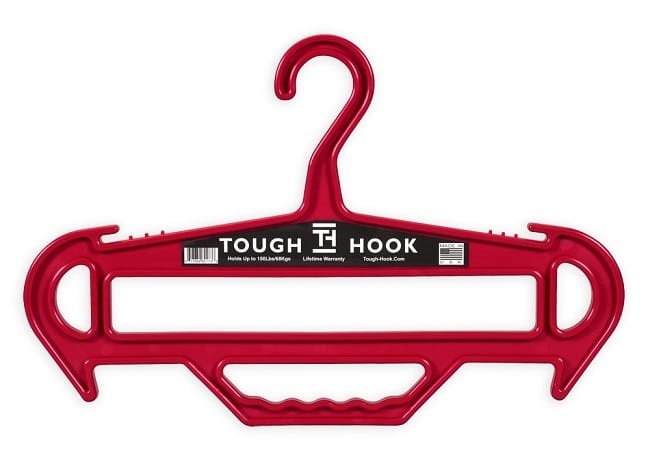
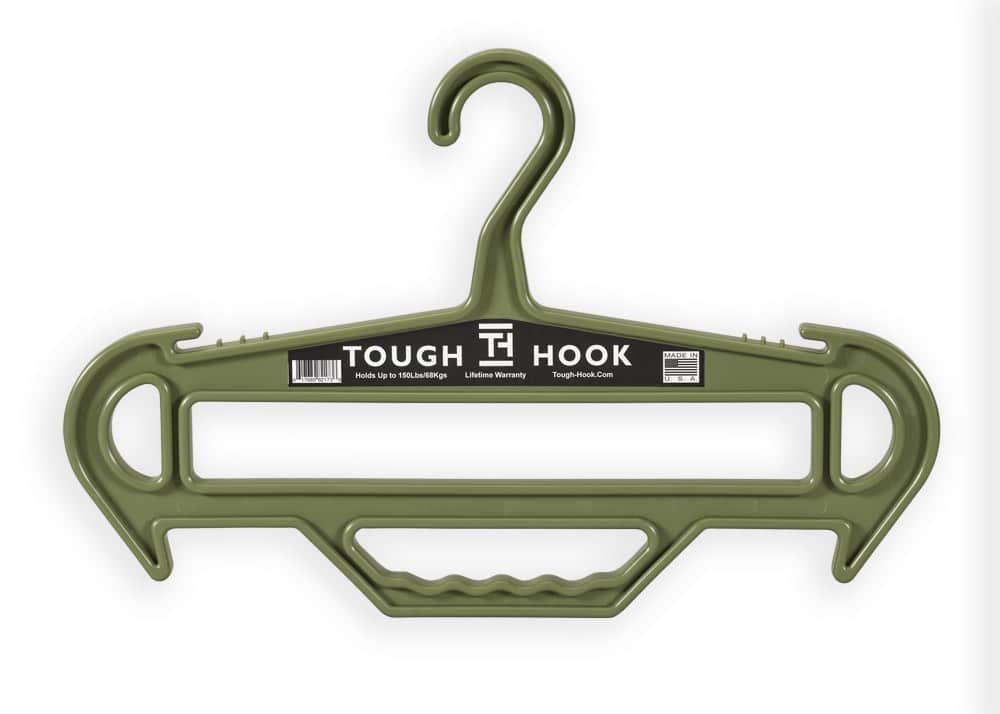
Integrated Carry Handle: The built-in handle allows the user to flip the hanger upside down and carry the entire load of gear like a briefcase, making the transition from closet to car effortless.
-
I-Beam Construction: The structural design ensures that the hanger remains rigid even under the maximum load of a heavy trad rack or wet static ropes.
-
Impact Resistance: Made from high-impact resin, these hangers can survive being dropped, thrown into a truck bed, or knocked around at a basecamp without shattering.
-
American Manufacturing: Tough Hook products are made in the USA, ensuring quality control and material reliability that generic imported plastic hangers cannot match.
Transforming the Gear Closet into a Basecamp
Ultimately, the goal of organizing climbing gear is to reduce the friction between the desire to climb and the act of climbing. When gear is disorganized, packing becomes a chore, and the likelihood of forgetting a critical piece of equipment increases. By implementing a system anchored by heavy-duty hangers, you transform a messy closet into a functional basecamp.
This level of organization also instills a sense of confidence. When you look at your gear wall and see your rack organized on a Tough Hook, your ropes neatly coiled, and your harness airing out, you know that your equipment is ready for the next ascent. It shifts the mindset from chaotic scrambling to professional preparation.
Investing in proper storage is investing in the longevity of your passion. Your gear takes care of you on the wall, so it is only fair that you take care of it when you are back on the ground. By elevating your storage standards, you ensure that you are always ready for the next adventure.