Whether you are a first responder wearing fifty pounds of body armor, a scuba diver with a soaked wetsuit, or a fitness enthusiast with a locker full of damp gym clothes, you have faced the same enemy: moisture. When gear stays damp, it does more than just feel unpleasant the next time you put it on. It becomes a breeding ground for bacteria, mold, and odors that can eventually degrade the integrity of the materials.
Proper gear maintenance starts with how you store it after use. Most people simply toss their equipment in a pile or hang it on a flimsy plastic hanger that bows under the weight. To preserve your investment and keep your gear smelling fresh, you must master the science of airflow and heavy-duty storage. At Tough Hook, we specialize in equipment hangers designed to handle the heaviest, wettest gear, ensuring that your kit stays off the floor and in peak condition.
The Science of the Smell: Why Gear Stinks
The “locker room smell” that plagues athletic and tactical gear is not actually the scent of sweat itself. Human sweat is mostly water and salt. The odor is the byproduct of bacteria breaking down the proteins and lipids found in your perspiration. These microbes thrive in dark, warm, and moist environments.
-
Lack of Airflow: When gear is folded or piled, moisture is trapped in the fabric folds.
-
Material Porosity: Synthetic fibers used in tactical vests and gym wear are designed to wick moisture, but they also provide ample surface area for bacteria to hide.
-
Organic Residue: Skin cells and oils provide the fuel that bacteria need to multiply.
To stop the smell, you have to break the cycle. This means cleaning your gear regularly, but more importantly, it means ensuring it dries as quickly as possible after every use. The faster the moisture evaporates, the less time bacteria have to colonize your equipment.
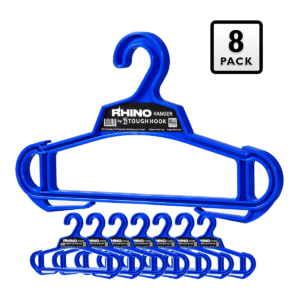
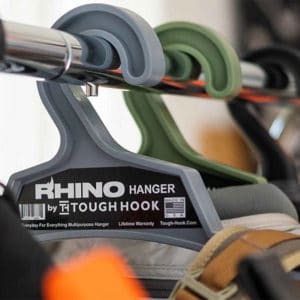
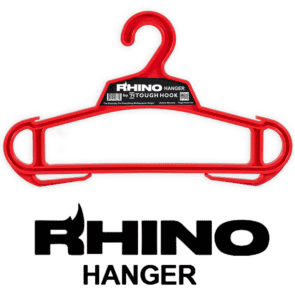

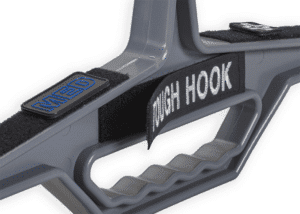
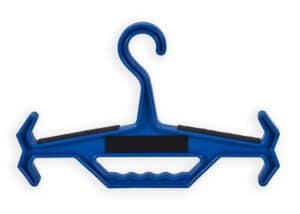
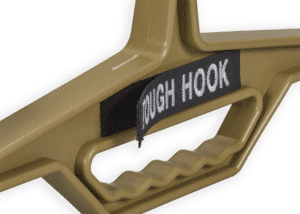
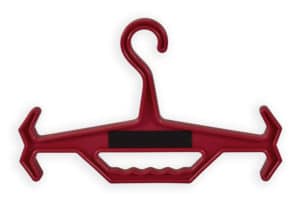
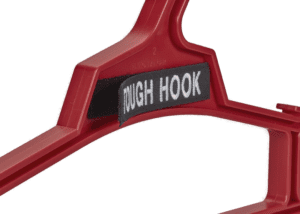
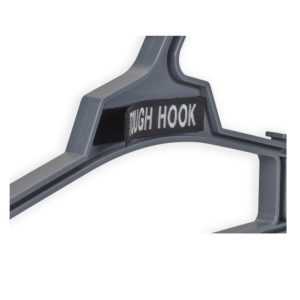
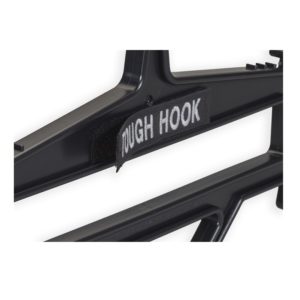
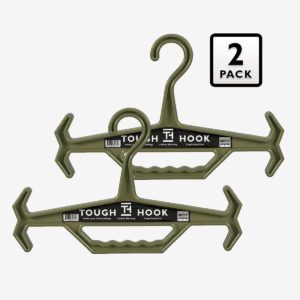

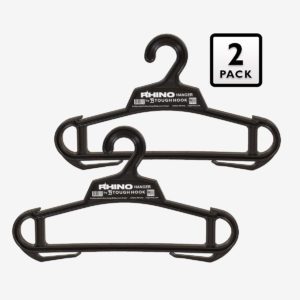
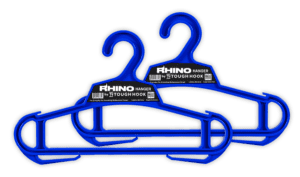
2 Pack RHINO Heavy Duty Clothes Hanger Bundle
Original price was: $27.95.$23.95Current price is: $23.95.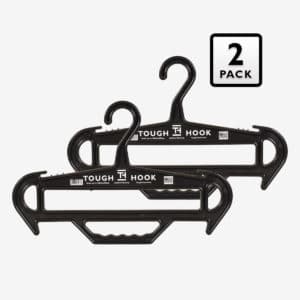
The Pillars of Effective Drying
Drying gear effectively is about more than just hanging it up; it is about maximizing the surface area exposed to moving air. If you use a standard clothes hanger for a heavy plate carrier or a thick neoprene wetsuit, the shoulders of the hanger will often collapse, pinching the garment and closing off the internal airflow.
1. Maximize Surface Area
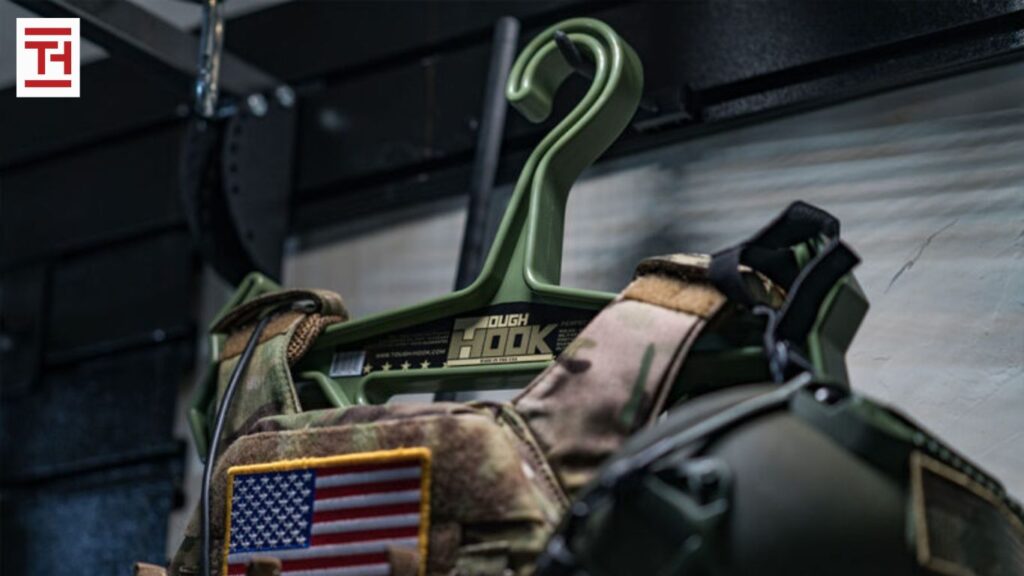
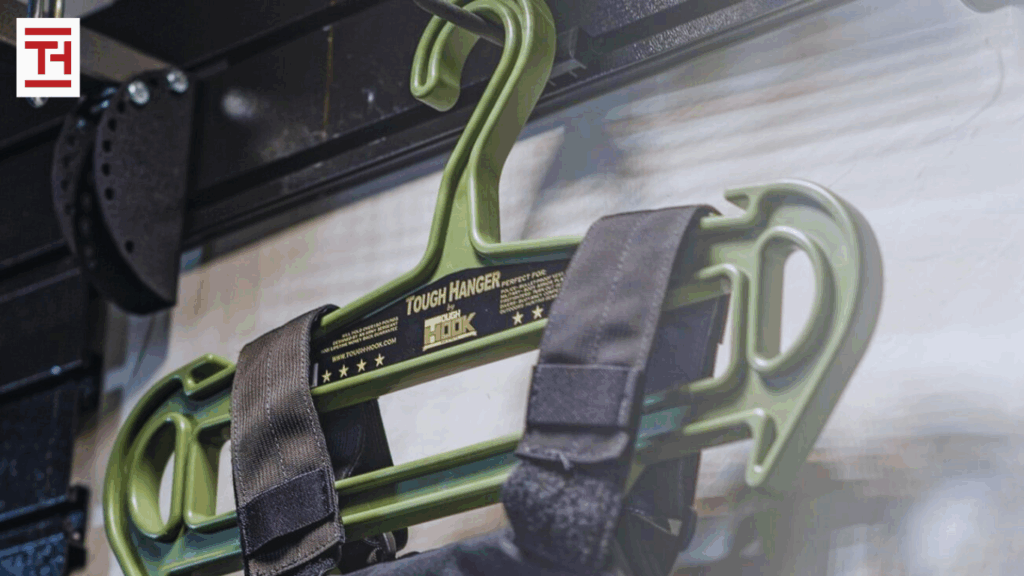
To dry gear quickly, you need to keep the interior of the garment open. For tactical vests, this means unbuckling side straps so the front and back panels are separated. For wetsuits, it means ensuring the torso is not pressed flat against itself. A wide, heavy-duty hanger like a Tough Hook is essential here, as the reinforced structure keeps the garment’s shape held open, allowing air to circulate through the core.
2. Prioritize Air Circulation
Stagnant air is the enemy of dryness. Even in a dry room, a layer of high-humidity air will settle around damp fabric, slowing down evaporation.
-
Use a Fan: Placing a small floor fan near your hanging gear can cut drying time in half.
-
Avoid Closets: Never put damp gear inside a closed closet. The lack of ventilation turns the closet into a humidor.
-
Elevate the Gear: Hanging gear high up allows air to hit it from all angles, including from underneath.
3. Manage Humidity
If you live in a humid climate, hanging your gear indoors might not be enough. In these cases, a dehumidifier in your gear room is a worthy investment. By lowering the ambient humidity, you create a “thirstier” atmosphere that pulls moisture out of your equipment more aggressively.
Why Hanger Strength Matters for Longevity
Most people do not realize that using the wrong hanger can actually damage their gear. Standard hangers are designed for shirts and light jackets. When you subject them to twenty, thirty, or even a hundred pounds of wet equipment, several things happen that can ruin your kit.
-
Shoulder Stress: Thin hangers create “pressure points” on the shoulders of your gear. This can stretch out the fabric or cause permanent indentations in foam padding.
-
Structural Failure: A snapped hanger often leads to your expensive gear falling onto a dirty floor, where it may sit in a heap until you find it.
-
Deformation: Over time, the weight of the gear pulling down on an inadequate hanger will misshape the neck and shoulder area, affecting the fit and comfort of your equipment.
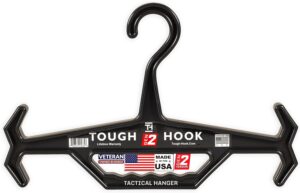
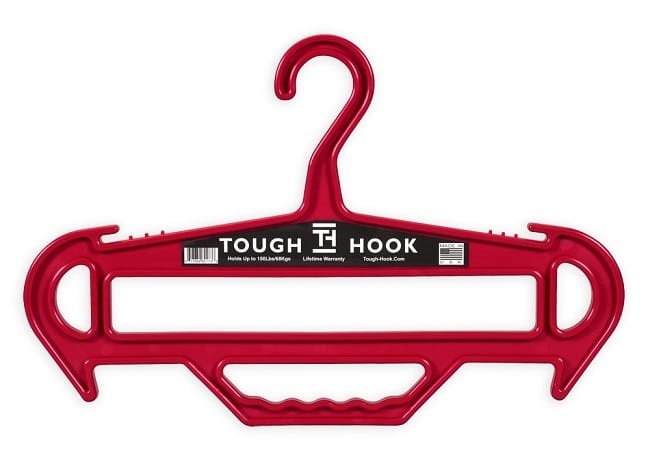
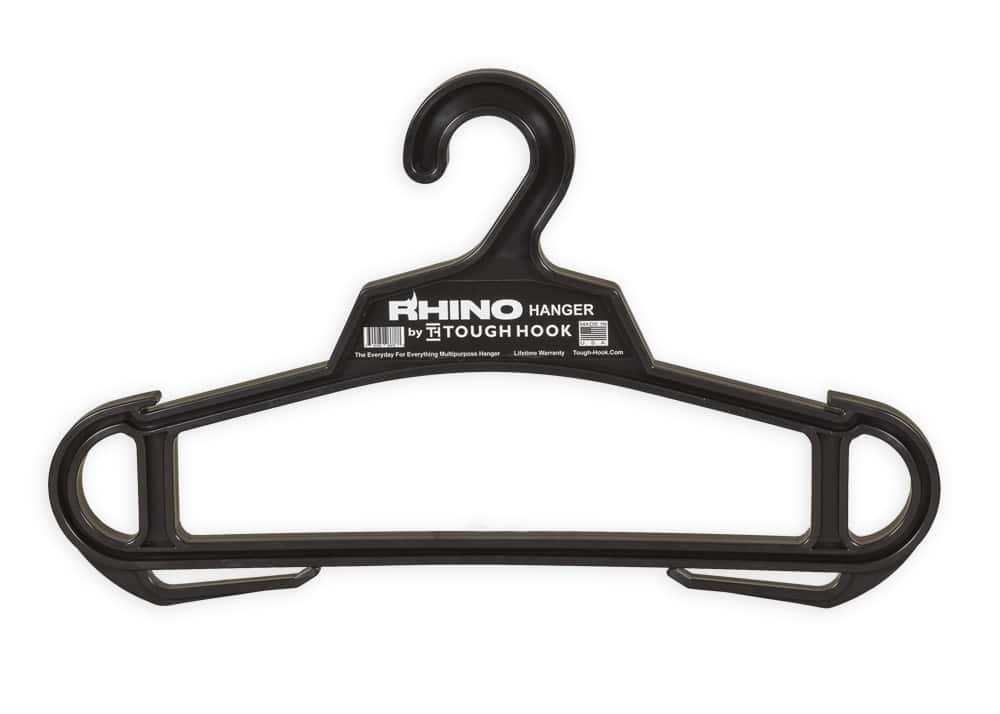
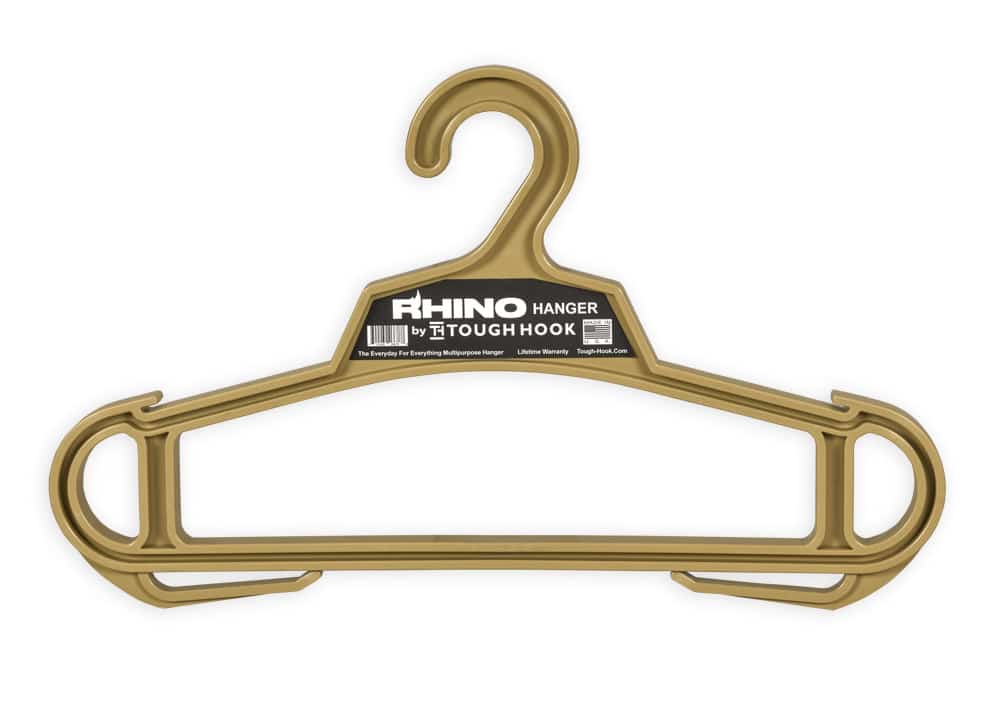
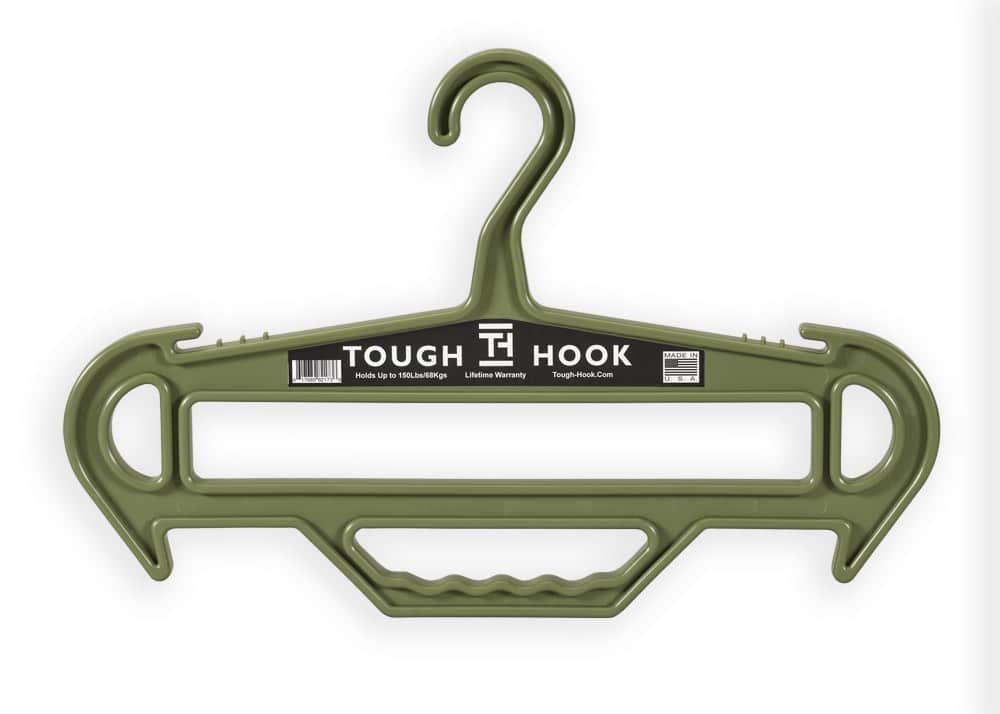
Tough Hook hangers are engineered to eliminate these risks. Our hangers are rated to hold over 150 pounds, meaning they will not flex or break regardless of how much water weight your gear has absorbed. By distributing the weight across a wider, sturdier frame, you protect the structural integrity of your equipment while it dries.
Specialized Tips for Different Types of Gear
Different types of equipment require specific strategies to ensure they dry without developing a permanent funk.
Tactical and Body Armor
Body armor is perhaps the most difficult gear to dry because the ballistic panels are encased in non-breathable carriers.
-
Remove Panels if Possible: If you have the time, removing the ballistic inserts allows the carrier to be laundered and dried more thoroughly.
-
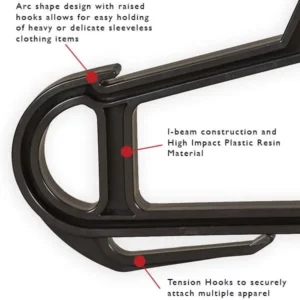
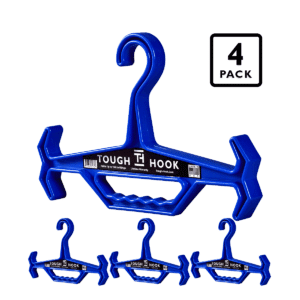
Flip the Hook: Tough Hook hangers feature a unique reversible design. You can hang the gear upright or flip the hanger to use the integrated handle for easy transport.
-
Wipe Down Surfaces: Before hanging, wipe down the interior liners with a damp cloth to remove excess salt and skin cells.
Scuba and Wetsuits
Wetsuits are heavy and hold a significant amount of water.
-
Dry Inside Out First: Start by drying the inside of the suit to protect your skin from bacteria. Once the inside is dry, flip it to dry the exterior.
-
Avoid Direct Sunlight: UV rays degrade neoprene. Always hang your wetsuits in a shaded, well-ventilated area.
-
Use a Heavy-Duty Hanger: A wet 7mm wetsuit is incredibly heavy; a standard hanger will snap or stretch the neck of the suit.
High-Performance Athletic Gear
Even simple gym clothes benefit from better hanging habits. Instead of throwing your gym bag in the trunk of your car, hang your items immediately upon returning home. This prevents “perma-stink,” a condition where the smell remains even after washing because the bacteria have become deeply embedded in the synthetic fibers.
The Role of Tough Hook in Your Maintenance Routine
At Tough Hook, we believe that your gear is an investment in your safety, your hobby, or your profession. We manufactured our hangers in the United States to withstand the toughest conditions on earth. Whether you are in the military, law enforcement, or an extreme athlete, your equipment deserves a storage solution that is as rugged as you are.
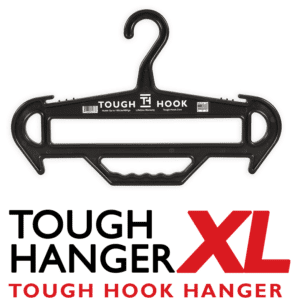
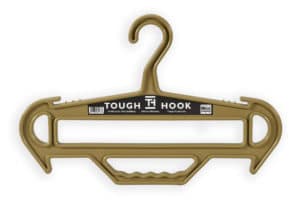
Our hangers are not just pieces of plastic; they are tools designed to extend the life of your equipment. By providing a stable, wide platform for hanging, Tough Hook ensures that your gear dries faster and stays organized. The integrated carry handle also makes it easy to move your gear from the drying rack to your vehicle without ever taking it off the hanger.
Summary of Best Practices
To recap, keeping your gear fresh and functional requires a proactive approach to moisture management.
-
Never leave damp gear in a bag: Take it out and hang it up as soon as possible.
-
Invest in heavy-duty hangers: Use a Tough Hook to prevent gear deformation and hanger breakage.
-
Ensure 360-degree airflow: Position your gear away from walls and use fans if necessary.
-
Clean the salt away: Rinse gear that has been exposed to salt water or heavy sweat to prevent material degradation.
By following these steps, you will find that your equipment lasts longer, fits better, and—most importantly—smells significantly better. Don’t let a cheap hanger be the reason your expensive gear fails. Give your equipment the support it needs to stay dry and ready for action.