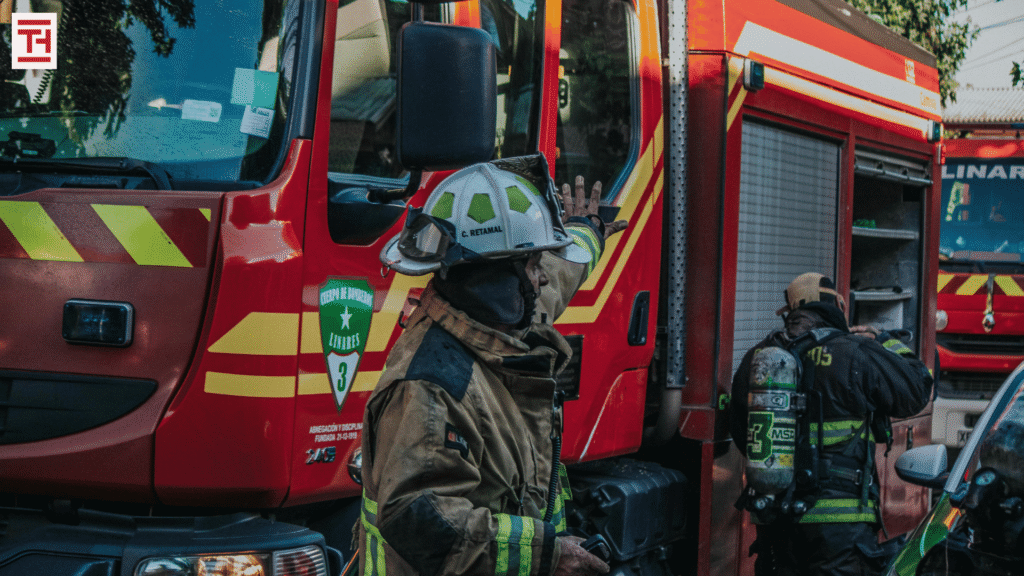
For first responders, every second counts. Whether gearing up for a structural fire, a high-angle rescue, or a critical medical emergency, your equipment must be accessible, fully operational, and ready for deployment. Yet, many fire stations, EMS hubs, and law enforcement precincts struggle with disorganized gear rooms. Piles of heavy turnout gear, tangled ropes, and damp vests not only slow down response times but also drastically reduce the lifespan of expensive equipment. Building an efficient, high-capacity storage system for high-use gear is essential for operational readiness and team safety.
Assessing Your Storage Needs
Before purchasing bins, racks, or shelving units, you need to conduct a thorough inventory audit of your department’s equipment. Different types of gear require specific storage environments to prevent premature degradation, mildew, and structural wear. Group your inventory into distinct categories based on usage frequency and material requirements to map out your floor plan effectively.
-
Heavy Turnout Gear: Heavy bunker coats and thick trousers need high-weight-capacity hanging solutions to maintain their shape and allow proper airflow for drying after a shift.
-
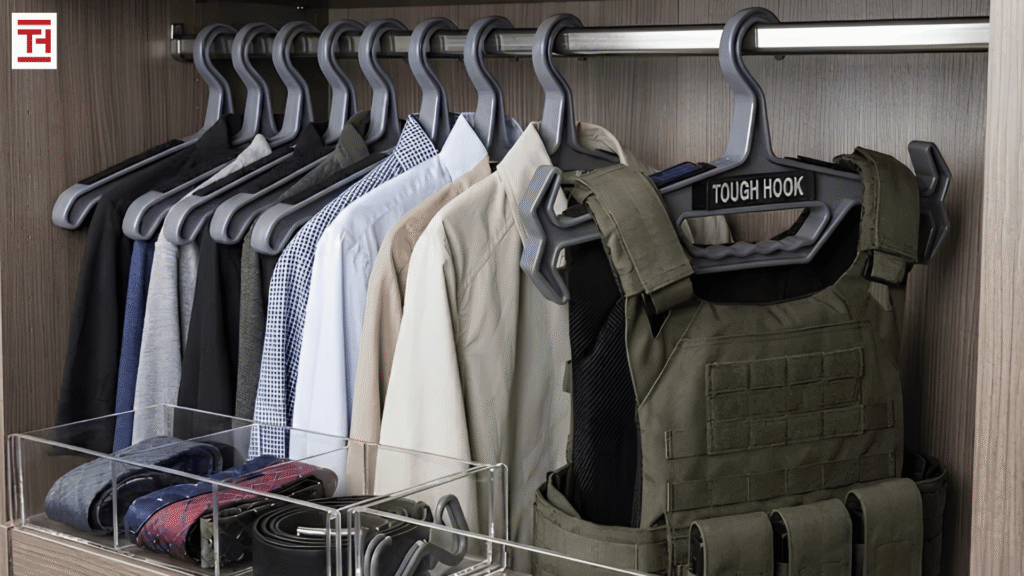
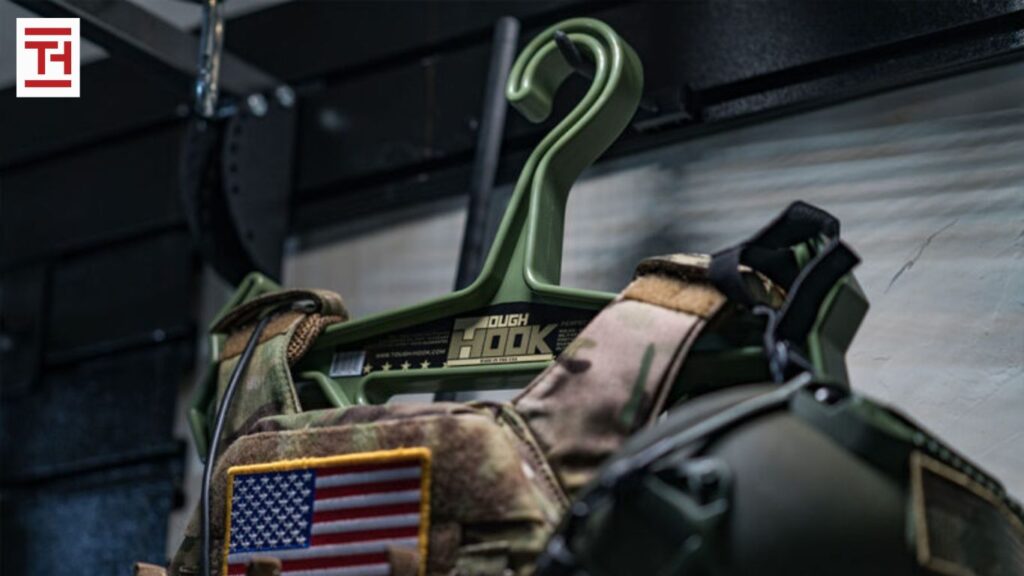
Tactical Vests and Body Armor: Rigid plate carriers and ballistic vests require robust support structures that prevent sagging and evenly distribute heavy loads without stretching the fabric.
-
Specialized Rescue Equipment: Ropes, harnesses, and technical hardware need dedicated bins, pegboards, or specialized wall mounts to keep them untangled and clearly labeled for rapid deployment.
-
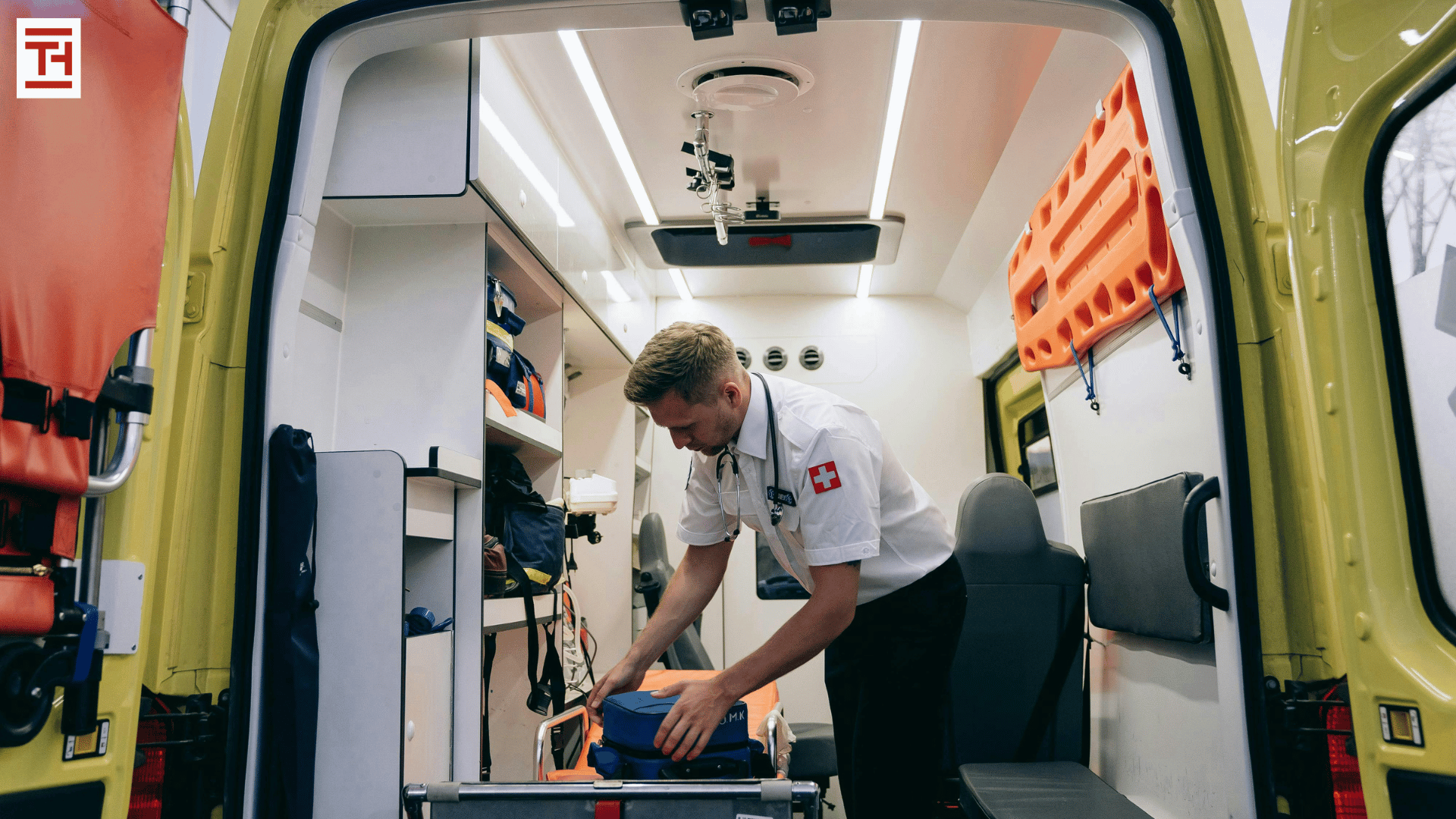
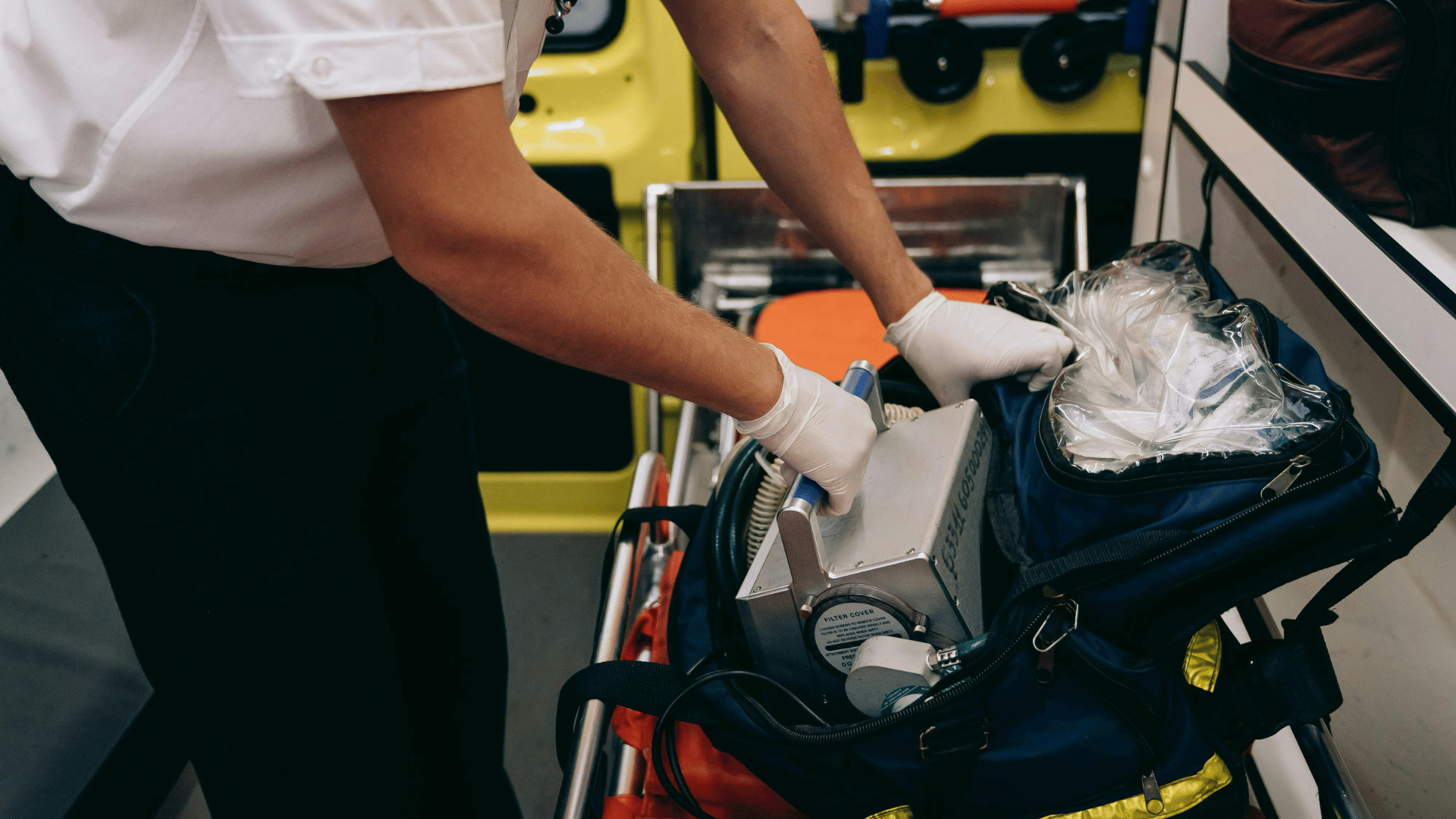
Medical Bags and Trauma Kits: High-use medical backpacks and duffels should sit on open, easily accessible shelving units at waist or eye level for immediate grab-and-go access.


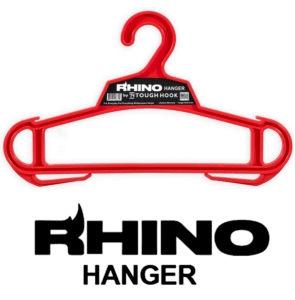
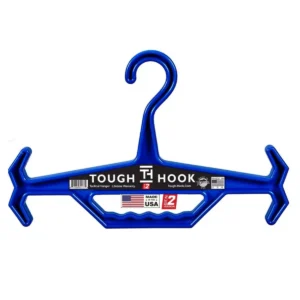

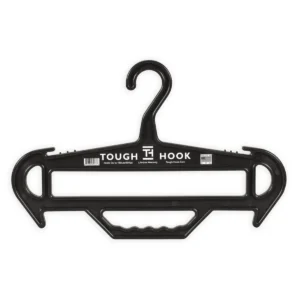

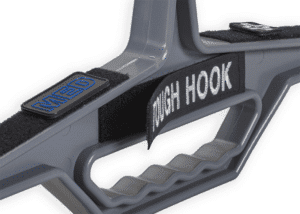

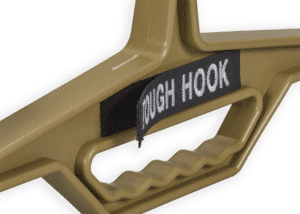





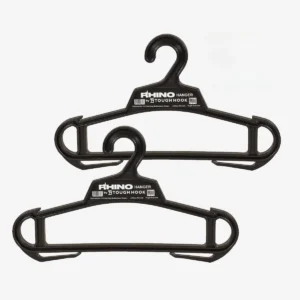
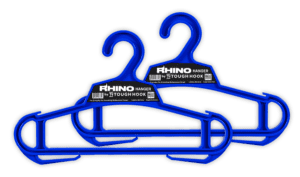
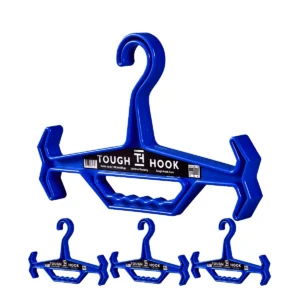
2 Pack RHINO Heavy Duty Clothes Hanger Bundle
Original price was: $27.95.$23.95Current price is: $23.95.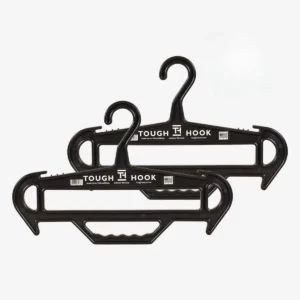
Optimizing Floor Plan and Vertical Space
Most first responder stations suffer from a common limitation: finite square footage. When floor space is at a premium, looking upward is the most effective strategy for maximizing your storage potential. Floor-to-ceiling shelving and wall-mounted systems free up valuable walking paths while keeping critical equipment visible and within arm’s reach.
Heavy-duty wall anchors and commercial-grade steel framing are non-negotiable when dealing with gear that weighs dozens of pounds per set. Every rack, hook, and shelf must be securely bolted into wall studs or masonry to support the immense cumulative weight of fully loaded tactical and rescue gear. Furthermore, organizing your layout by zones ensures that personnel can easily locate and retrieve items without creating bottlenecks during shift changes or emergency dispatches.
Choosing the Right Hardware for Heavy Equipment
Standard residential hangers and cheap plastic hooks will inevitably fail under the extreme weight of professional first responder equipment. Wet turnout gear, heavy leather boots, and loaded plate carriers place massive stress on hanging hardware, often resulting in snapped plastic, bent metal, and damaged gear. Investing in heavy-duty equipment is a critical step in preventing gear failure and reducing replacement costs.
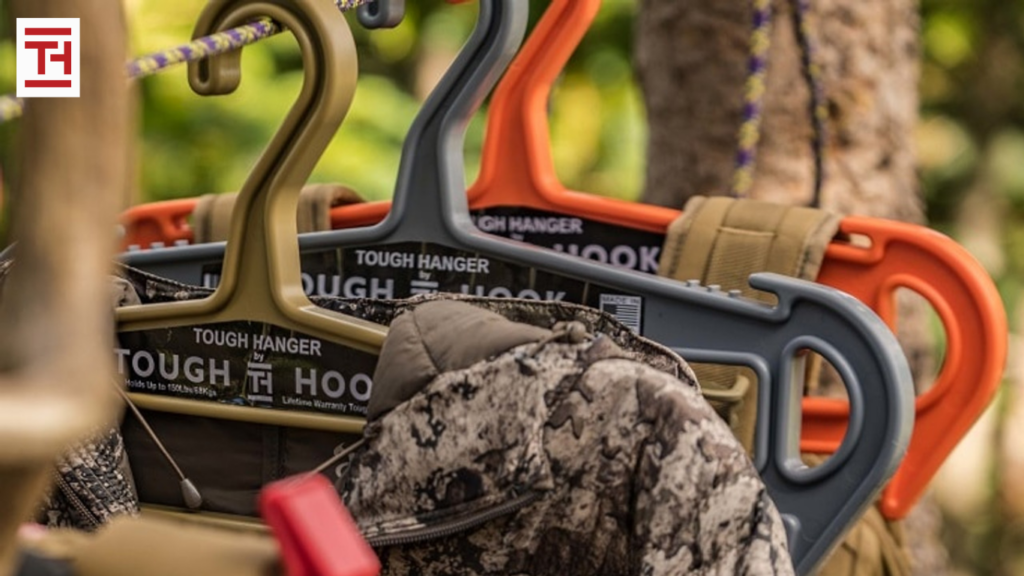
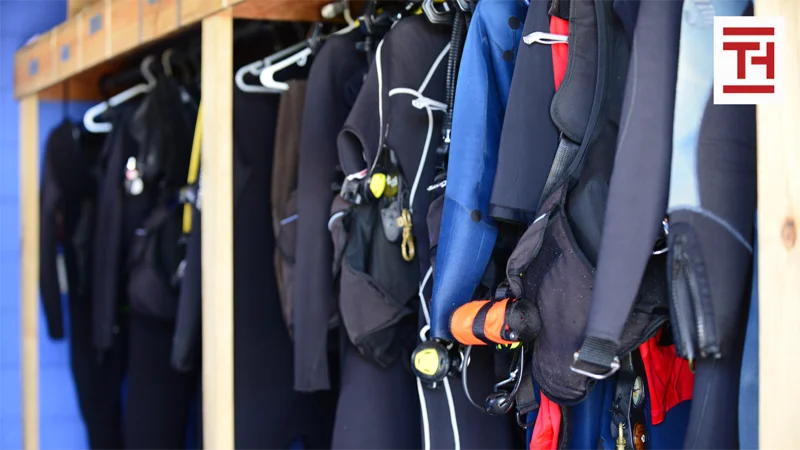
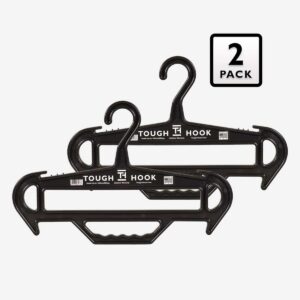
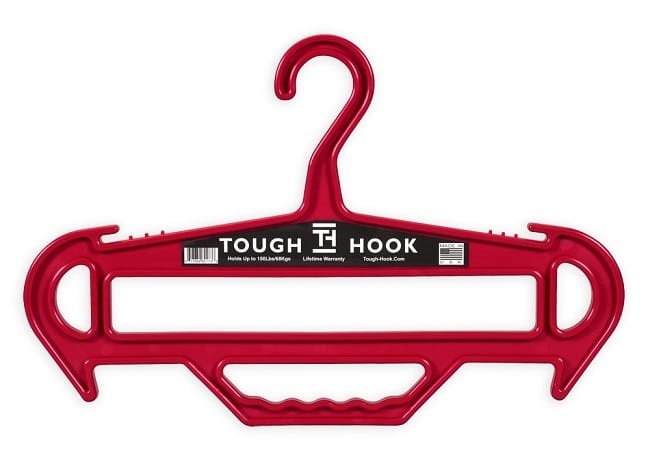
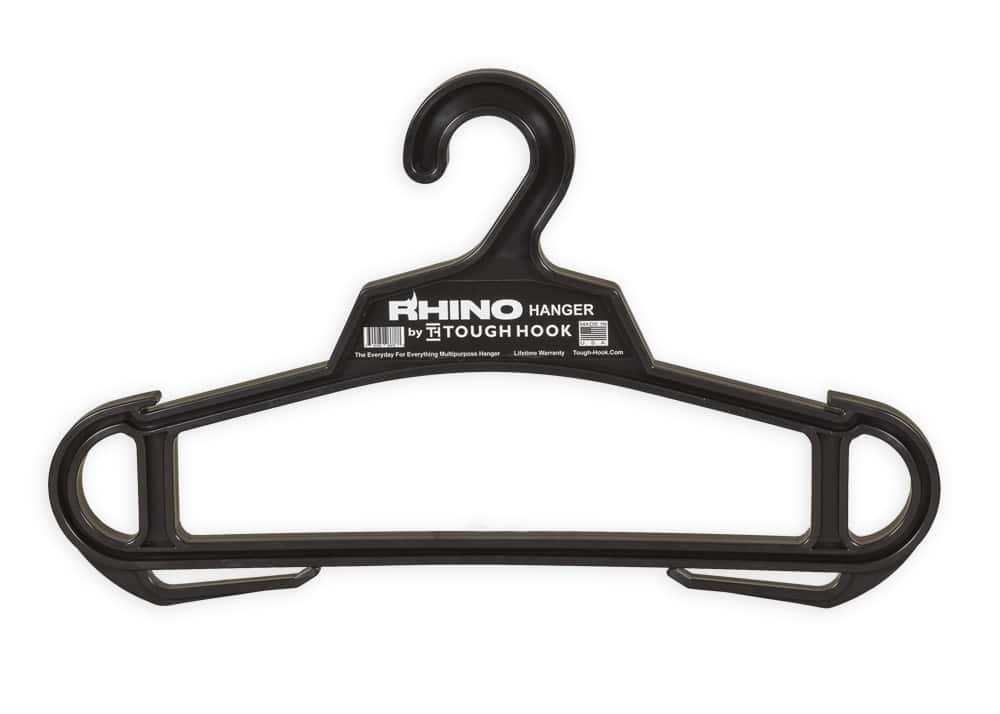
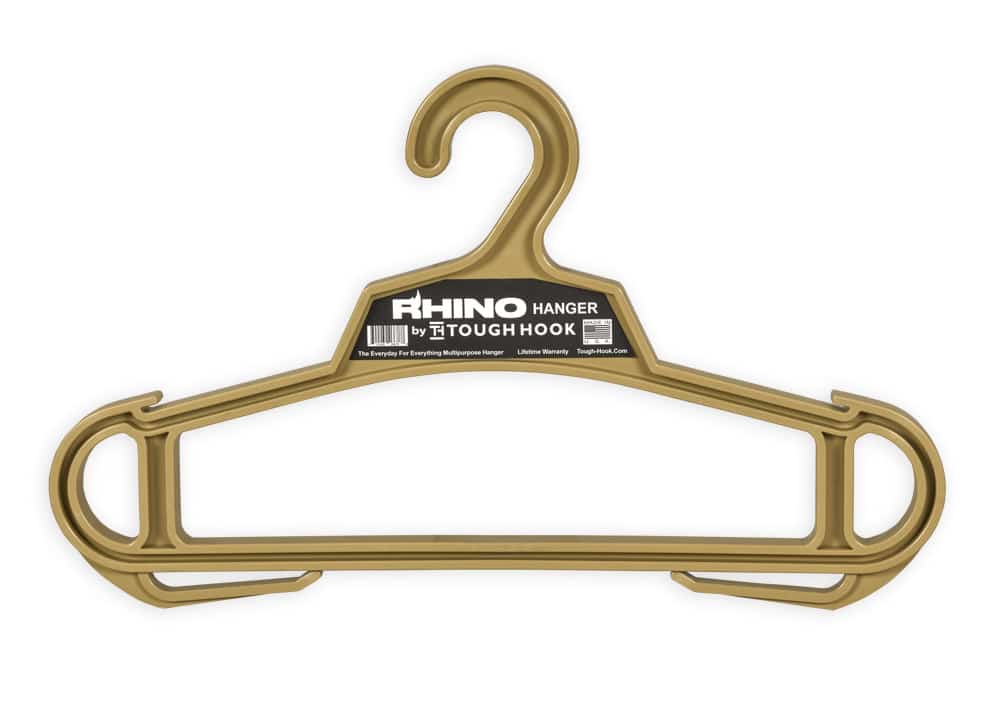
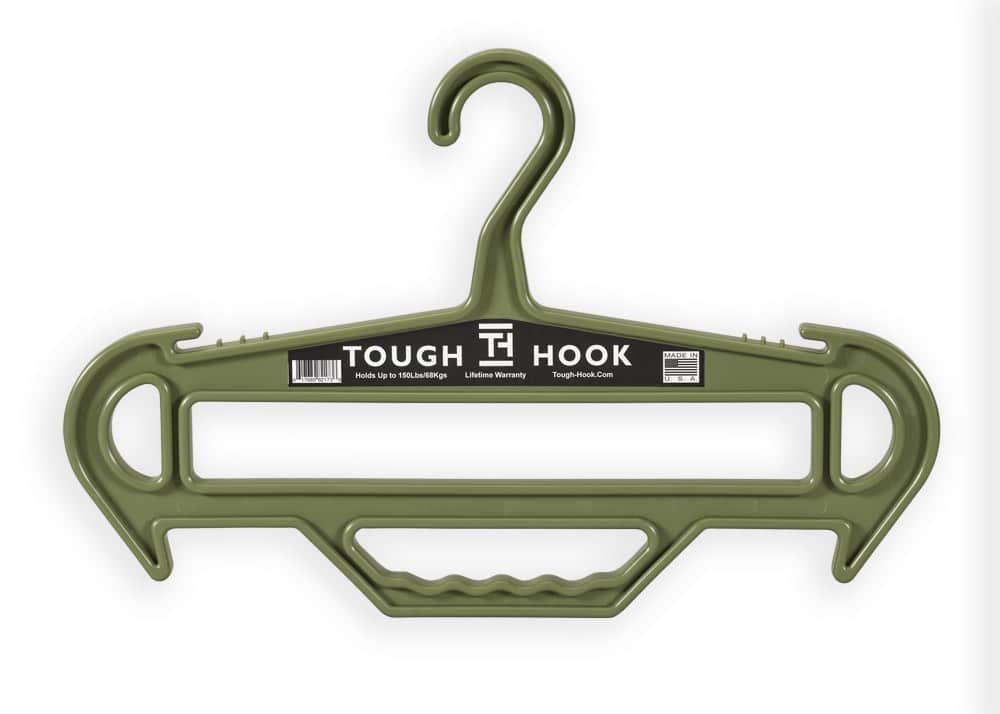
This is where companies like Tough Hook step in to solve the common frustration of broken storage solutions. Tough Hook specializes in manufacturing heavy-duty clothing and equipment hangers designed specifically to hold heavy tactical gear, wetsuits, and firefighting turnout gear. By utilizing patented, high-impact polypropylene designs capable of supporting over 150 pounds, Tough Hook hangers ensure that heavy vests, coats, and belts remain securely hung, properly ventilated, and ready for action without warping or breaking.
Implementing Proper Drying and Ventilation Protocols
One of the most destructive elements in a first responder gear room is moisture. Storing damp bunker gear, wet ropes, or sweaty uniforms in enclosed, unventilated lockers traps humidity, creating a breeding ground for mold, mildew, and hazardous bacteria while breaking down the integrity of advanced fabrics.
An effective gear room storage system incorporates proactive drying and airflow management strategies. Ensure your hanging solutions allow adequate space between individual sets of gear rather than packing items tightly together. Integrating commercial-grade dehumidifiers, industrial oscillating fans, or dedicated drying racks into your storage layout accelerates the drying process, protects expensive fabrics, and eliminates foul odors before they become a persistent problem.
Establishing Maintenance and Accountability Routines
Building an exceptional first responder storage system is only the first phase of the process. Maintaining long-term organization requires clear protocols, routine inspections, and a culture of accountability among all shift personnel. Without clear guidelines, even the most well-designed gear room can quickly devolve into a chaotic storage catch-all.
-
Daily Shift Inspections: Designate specific times during shift handovers for team members to inspect their assigned gear, ensure items are properly returned to their designated hooks, and report any damaged equipment immediately.
-
Color-Coding and Labeling: Implement a clear labeling system for bins, shelves, and hanging stations using distinct color codes for different trucks, squads, or special response teams to minimize confusion.
-
Regular Deep Cleaning Schedules: Schedule monthly deep cleaning and inventory audits to remove obsolete items, check expiration dates on medical supplies, and wipe down storage surfaces to maintain a clean, professional environment.
Tough Hook’s Conclusion
Transforming a cluttered and inefficient gear room into a streamlined operational hub requires thoughtful planning, durable hardware investments, and consistent maintenance routines. By evaluating your department’s specific inventory, maximizing vertical space, utilizing heavy-duty solutions like Tough Hook hangers, and prioritizing proper ventilation, you protect your valuable equipment and empower your team to respond faster and safer. A well-organized gear room is a direct reflection of a professional, prepared, and high-performing first responder unit.