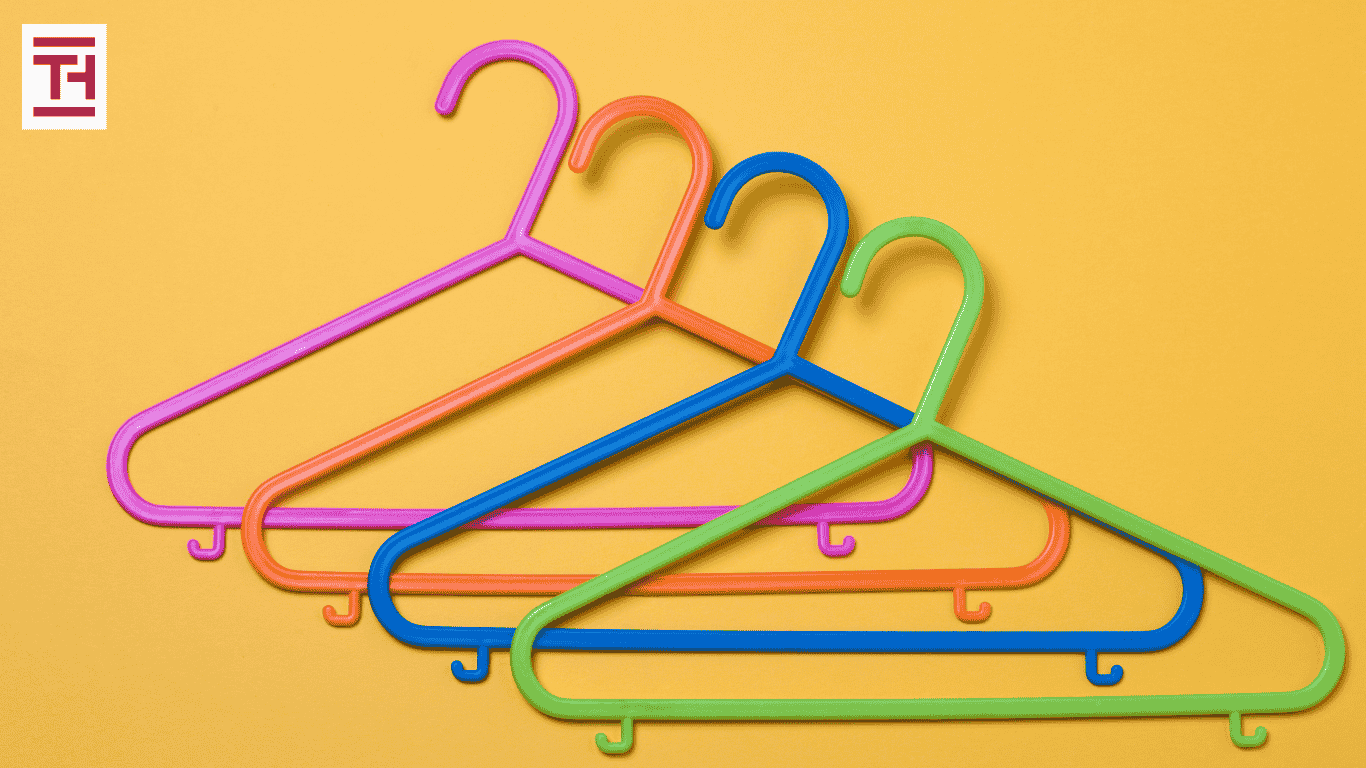
Closet organization is often treated as a secondary concern in the grand scheme of home maintenance, yet the tools we use to store our garments play a critical role in the longevity of our wardrobe. Most people rely on the thin, brittle plastic hangers that come free with a store purchase or are sold in bulk for a few dollars at a local big-box retailer. While these might suffice for a lightweight cotton t-shirt, they are fundamentally ill-equipped for the demands of a modern lifestyle that includes heavy winter coats, formal wear, or specialized professional gear. There comes a moment in every closet’s life when the snap of breaking plastic signals a larger problem. Recognizing the signs that it is time to upgrade your hangers is essential for protecting your investment in your clothing and equipment.
The structural integrity of a hanger is what stands between your favorite jacket and a heap on the floor. When plastic fails, it rarely does so gracefully. It bends, warps, and eventually fractures, often leaving sharp edges that can snag delicate fabrics or ruin expensive linings. If you find yourself replacing broken hangers once a month, you are not just dealing with a minor inconvenience; you are witnessing the slow degradation of your storage system. Transitioning to heavy-duty solutions, like those provided by Tough Hook, ensures that your gear remains off the ground and in pristine condition.
The Visible Warning Signs of Failure
Before a hanger actually breaks, it usually offers several warnings. Ignoring these signs often leads to damaged clothing or disorganized spaces. You should begin looking for an upgrade if you notice any of the following issues:
-
The Sagging Arch: When the top horizontal curve of a plastic hanger begins to dip downward under the weight of a garment, the plastic is reaching its stress limit. This creates “shoulder nipples” or permanent puckers in the fabric of your shirts and sweaters.
-
Discoloration at Stress Points: If you see white stress marks or “blushing” in the plastic, particularly around the neck or the hook, it indicates that the material has been stretched beyond its intended capacity.
-
The Hook Twist: Cheaper hangers often feature hooks that begin to rotate or lean to one side. This instability can cause the garment to sit at an angle, leading to uneven stretching of the collar and shoulders.
-
Surface Roughness: Over time, cheap plastic can degrade and become “chalky” or develop small burrs. These imperfections act like sandpaper against your clothes, causing pilling and snagging.
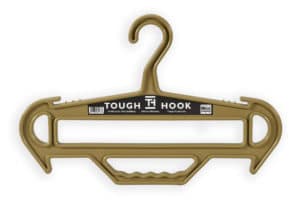
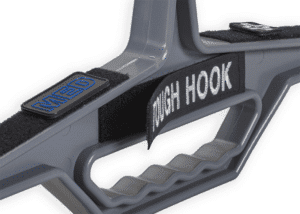
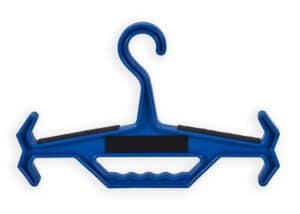
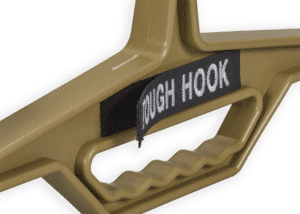
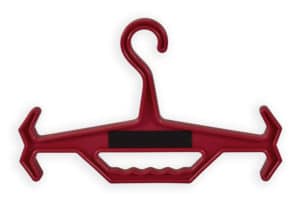
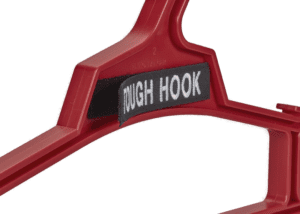
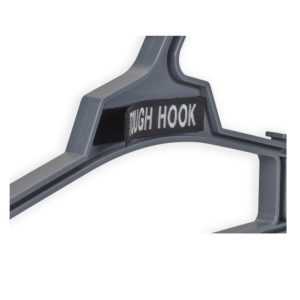
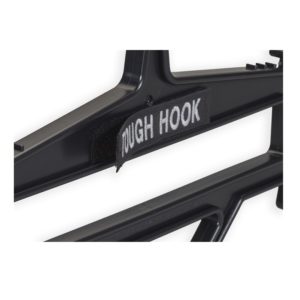
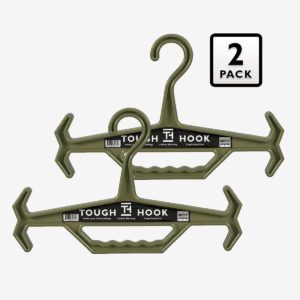

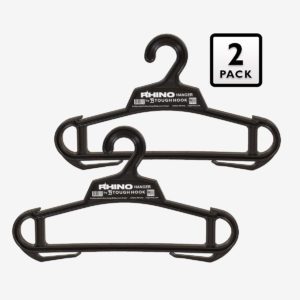
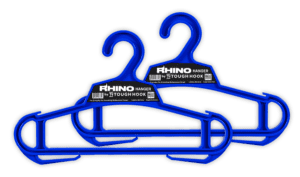
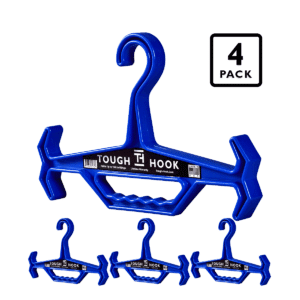
2 Pack RHINO Heavy Duty Clothes Hanger Bundle
Original price was: $27.95.$23.95Current price is: $23.95.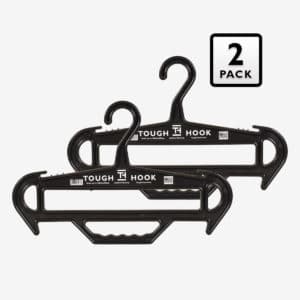
Why Weight Matters for Your Wardrobe
The primary reason hangers fail is that they are frequently asked to carry more weight than they were engineered to handle. A standard plastic hanger is designed for roughly two to five pounds of pressure. However, many items in a typical household far exceed this limit. Heavy leather jackets, wool overcoats, and formal gowns can easily double that weight. For professionals in fields like law enforcement, the military, or extreme sports, the weight of a single kit can reach fifty pounds or more.
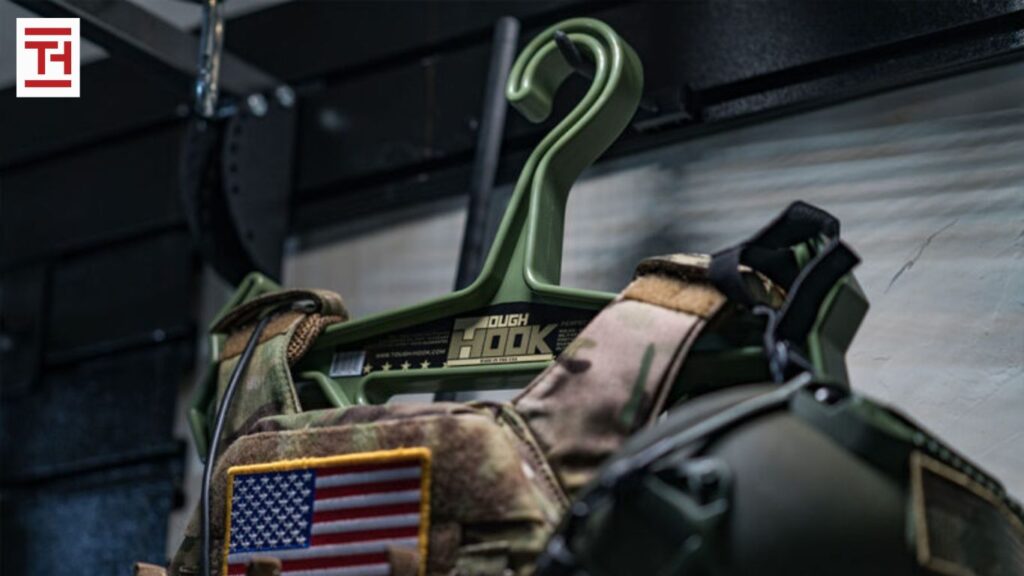
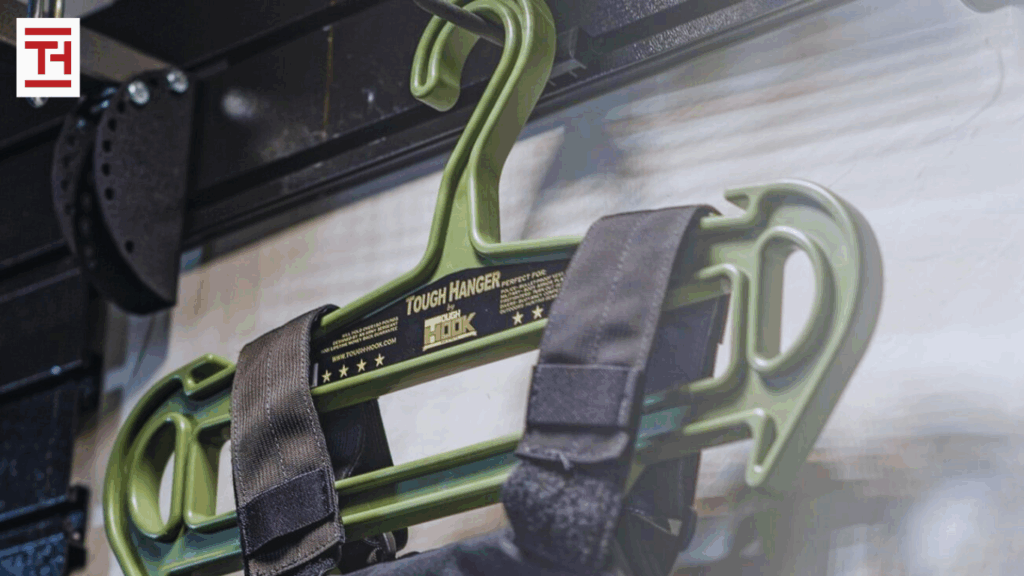
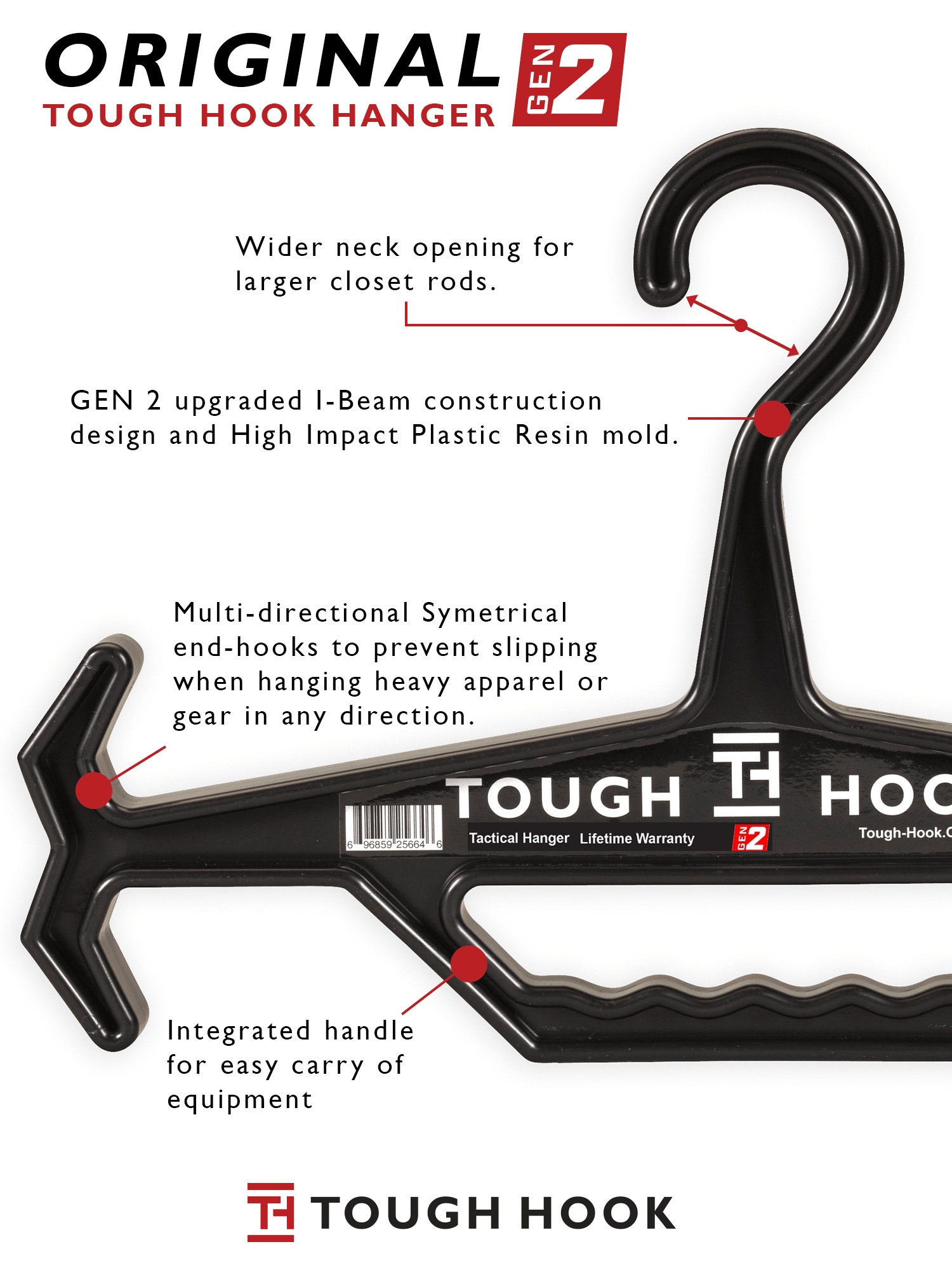
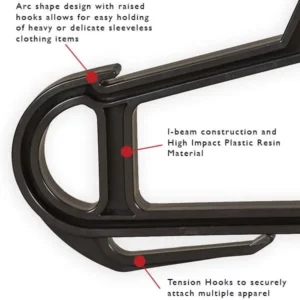
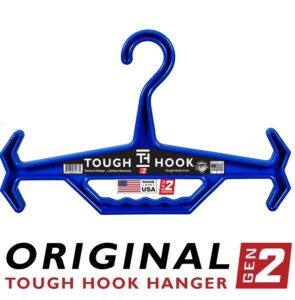
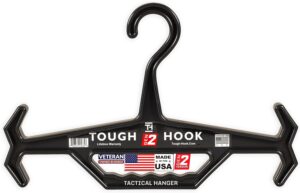
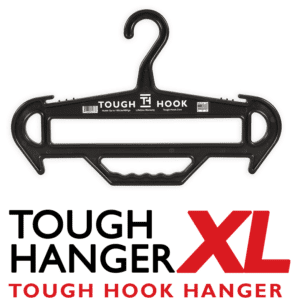
Using a flimsy hanger for heavy equipment is a recipe for disaster. This is where specialized hardware becomes a necessity rather than a luxury. Tough Hook hangers are specifically engineered to support up to 200 lbs, making them the gold standard for anyone needing to hang heavy-duty equipment. When your gear represents a significant financial or functional investment, trusting it to a twenty-cent piece of plastic is a risk not worth taking.
The Impact of Poor Hangers on Clothing Longevity
Beyond the risk of a clean break, poor-quality hangers actively damage the shape of your clothes. Every hour a garment spends on a hanger that is too thin or too weak, gravity is working against the fabric.
-
Loss of Structural Integrity: Suits and structured blazers rely on internal padding and stitching to maintain their shape. A thin hanger focuses all the weight on two tiny points, eventually collapsing the shoulder structure.
-
Fabric Stretching: Heavy sweaters and knits should generally be folded, but if they must be hung, they require wide, contoured hangers to distribute the weight. Plastic hangers are too narrow, causing the necklines to elongate and the sleeves to distort.
-
Creasing and Marks: The thin bars on budget hangers often leave sharp horizontal creases on trousers. Once these creases are “set” by the weight of the fabric over time, they can be difficult to remove even with professional pressing.
Organizing for Efficiency and Aesthetics
An upgrade to heavy-duty hangers is also an investment in the efficiency of your space. When all your hangers are uniform and sturdy, your closet becomes easier to navigate. You no longer have to fight with tangled hooks or garments that have slipped off and bunched up at the bottom of the rack.
A high-quality hanger provides a sense of uniformity that transforms a cluttered closet into a professional-grade storage area. For those who manage tactical gear, scuba suits, or heavy fitness equipment, organization is not just about looks; it is about readiness. Being able to grab a piece of equipment and know it is exactly where it should be, held securely by a hanger designed for the task, saves time and reduces frustration.
Choosing the Right Upgrade
When you decide it is time to move away from fragile plastic, you should look for features that guarantee long-term performance. Not all upgrades are created equal. Some wooden hangers are aesthetically pleasing but still lack the weight capacity for heavy items. Metal hangers can be strong but often lack the surface area to protect garment shoulders.
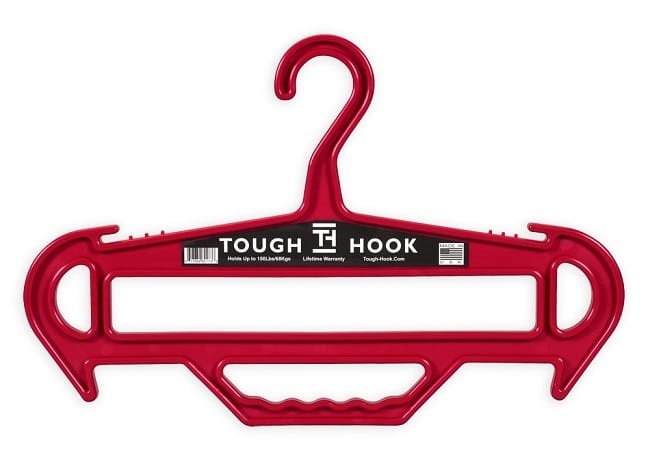
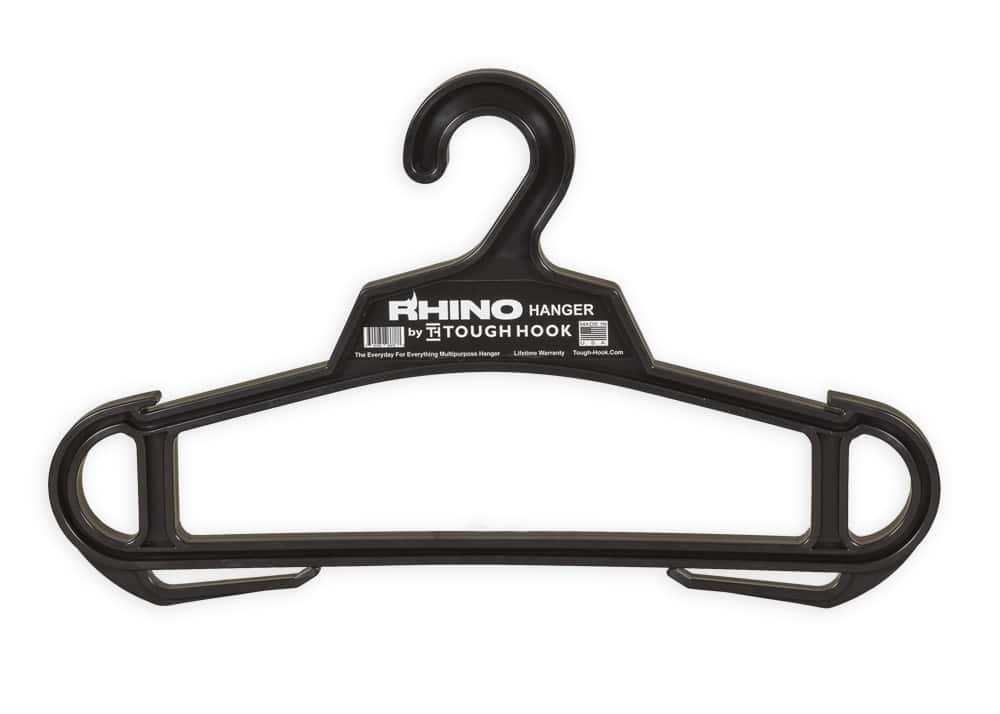
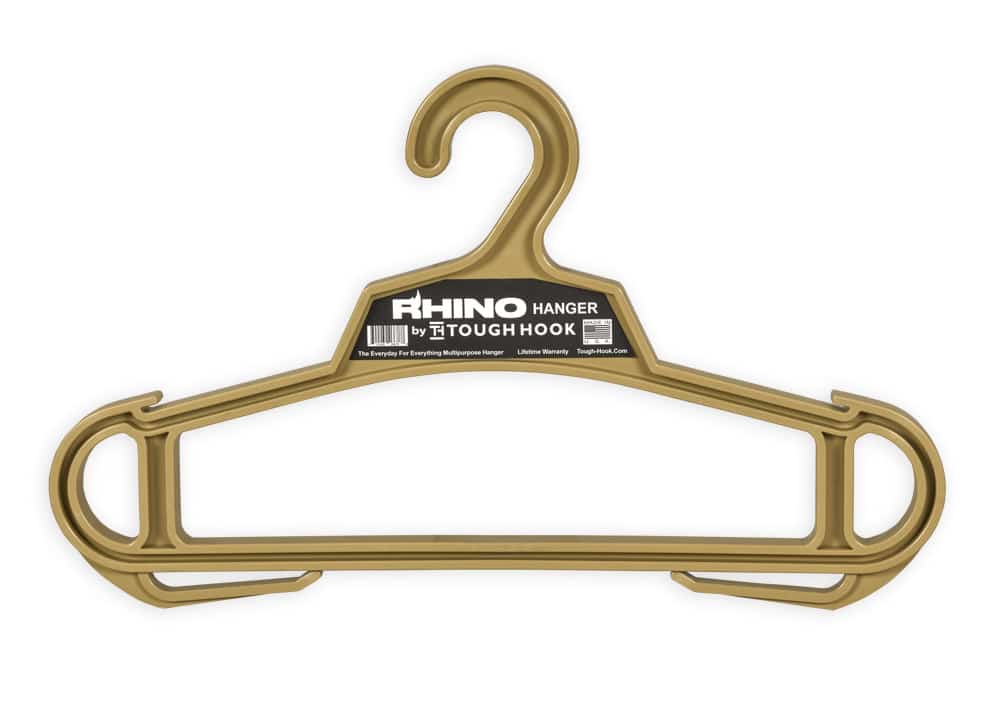
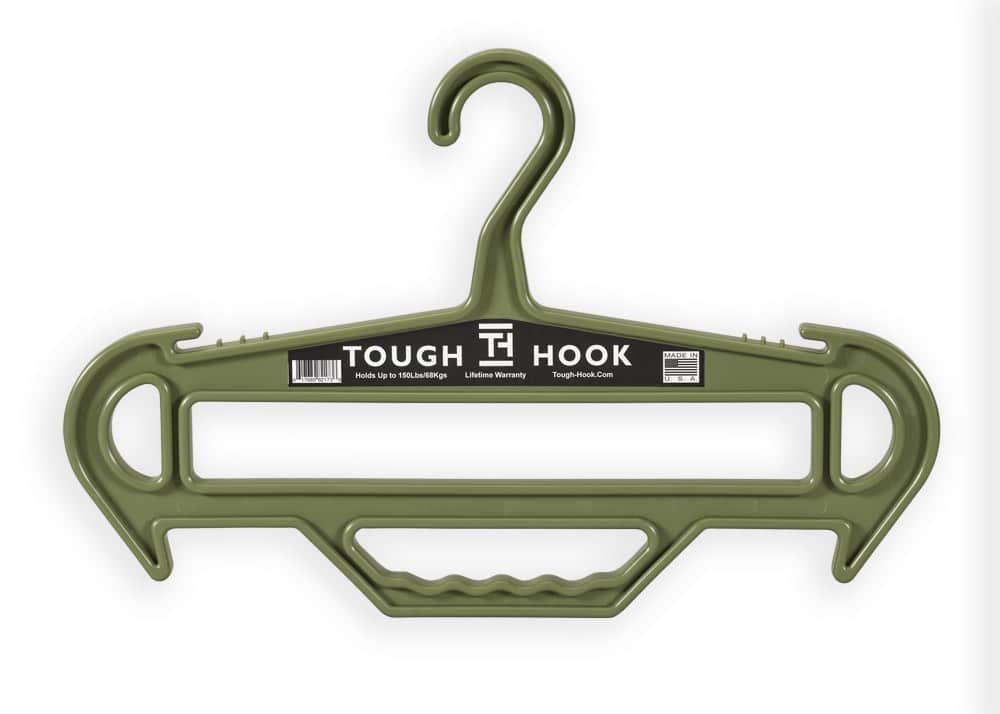
Tough Hook offers a unique solution by combining the durability of high-impact resin with a design that prioritizes functionality. These are not just “thick hangers”; they are purpose-built tools.
-
Integrated Carry Handles: Many heavy-duty hangers from Tough Hook feature a handle design, allowing you to transport your gear easily without removing it from the hanger.
-
Non-Slip Features: Large hooks and specialized notches ensure that straps and heavy waistbands stay in place.
-
Impact Resistance: Unlike standard plastic that shatters when dropped, high-quality heavy-duty resin is designed to withstand the rigors of travel and rough handling.
-
Corrosion Resistance: For those hanging wet gear, such as wetsuits or sweat-soaked fitness vests, choosing a hanger that will not rust or degrade in moisture is vital.
Sustainability Through Durability
There is also an environmental component to the “plastic snap.” Every time a cheap hanger breaks and is tossed in the trash, it contributes to the growing problem of plastic waste. Most curbside recycling programs do not accept low-grade plastic hangers because they get tangled in the sorting machinery.
By investing in a high-quality, heavy-duty hanger like those from Tough Hook, you are practicing a “buy it once” philosophy. A hanger that can support 200 lbs is a hanger that you will likely never need to replace. Moving away from the cycle of disposable plastic is a small but meaningful step toward a more sustainable and organized home.
Your closet is the staging area for your day. Whether you are preparing for a business meeting, a hiking trip, or a shift on duty, your equipment should be ready when you are. If you are still dealing with the frustration of bent hooks and broken plastic, the signs are clear. It is time to stop settling for the bare minimum and upgrade to a storage solution that can actually handle the weight of your life. Protecting your clothes and gear starts with the foundation they hang on, and there is no substitute for the strength of a Tough Hook heavy-duty hanger.