In the high-stakes world of commercial garment care, the difference between a satisfied repeat customer and a costly insurance claim often hangs by a thread—or more accurately, a hanger. Dry cleaners and industrial laundry facilities process thousands of garments daily, ranging from delicate silk blouses to massive, multi-layered tactical gear and heavy winter overcoats. While much of the industry’s focus remains on solvent quality, pressing techniques, and automated sorting systems, the most fundamental tool in the facility is often the most overlooked: the hanger.
For businesses aiming for long-term success, the transition from flimsy wire or plastic alternatives to professional-grade, heavy-duty solutions is not just an upgrade in equipment; it is a critical investment in quality control and operational efficiency. At Tough Hook, we understand that a hanger is not just a piece of plastic or metal; it is the structural support system that maintains the integrity of a garment throughout its lifecycle.
The Hidden Costs of Inferior Hangers
Many commercial operations fall into the trap of viewing hangers as a disposable commodity. While thin wire hangers are inexpensive in bulk, they carry hidden costs that can erode a business’s profit margins and reputation.
-
Garment Distortion: Thin hangers create “shoulder bumps” or “puckers” in heavy fabrics. Once a suit jacket or heavy coat is deformed by a narrow support point, it often requires steaming or re-pressing to fix, wasting time and labor.
-
Breakage and Workplace Safety: Standard plastic hangers are prone to snapping under the weight of wet laundry or heavy uniforms. Shards of broken plastic can damage expensive machinery or pose a tripping and cutting hazard to employees.
-
The Professional Image Gap: A customer who pays a premium for dry-cleaning services expects their item to be returned in pristine condition. Presenting a high-end leather jacket on a sagging, flimsy hanger sends a message of poor quality and lack of care.
-
Replacement Cycles: Cheap hangers are frequently discarded because they cannot withstand the rigors of industrial conveyors. This constant cycle of replacement creates unnecessary waste and recurring expenses.
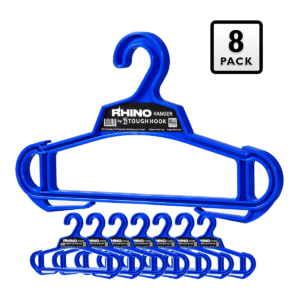

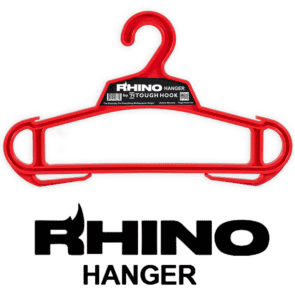
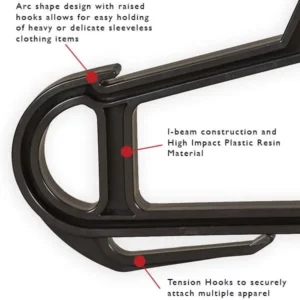

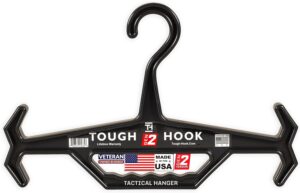
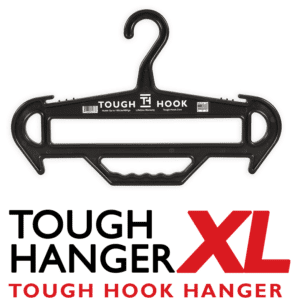


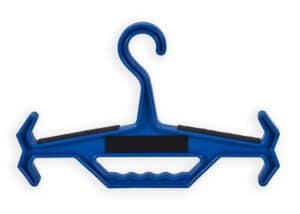

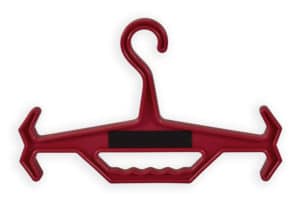

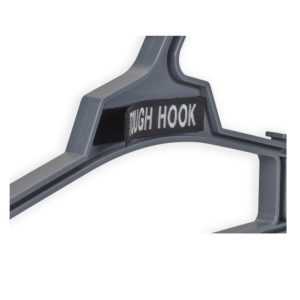
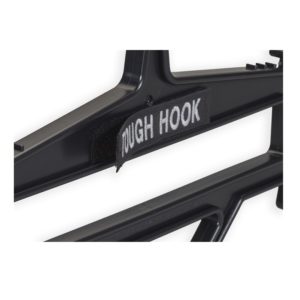
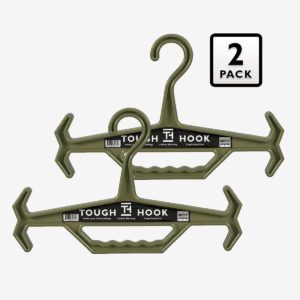

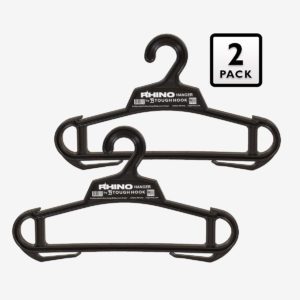
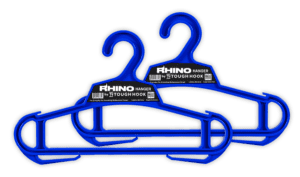
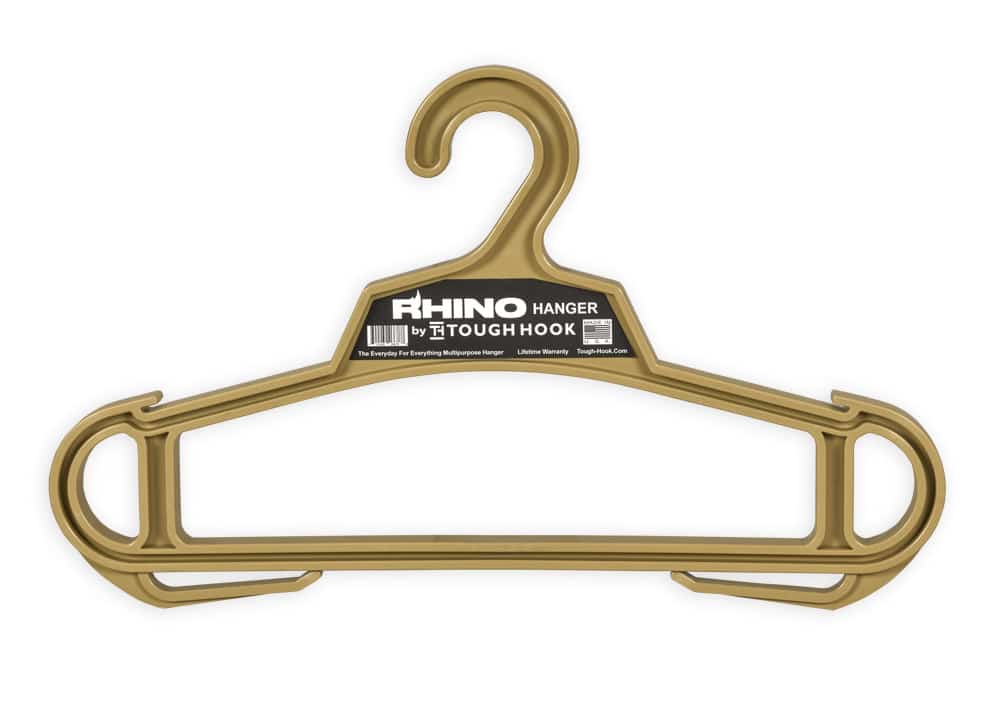
2 Pack RHINO Heavy Duty Clothes Hanger Bundle
Original price was: $27.95.$23.95Current price is: $23.95.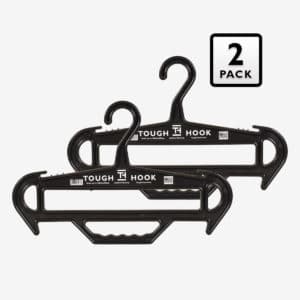
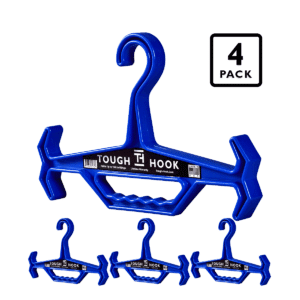
Why Heavy-Duty Hangers are a Strategic Asset
Transitioning to heavy-duty hangers, such as those engineered by Tough Hook, provides a level of reliability that standard consumer-grade products simply cannot match. In a commercial setting, these tools serve as the literal backbone of the workflow.
Superior Load-Bearing Capacity
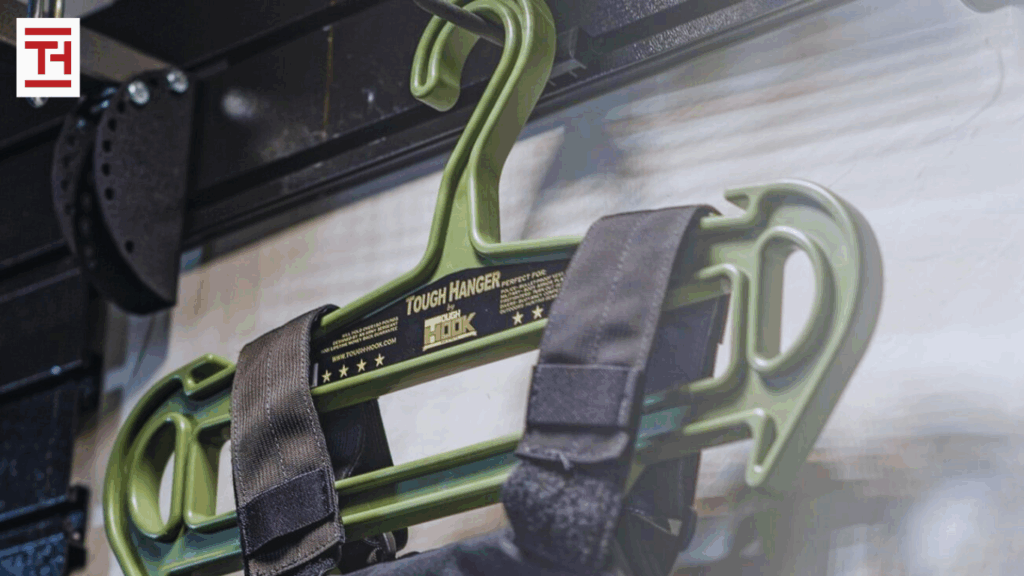
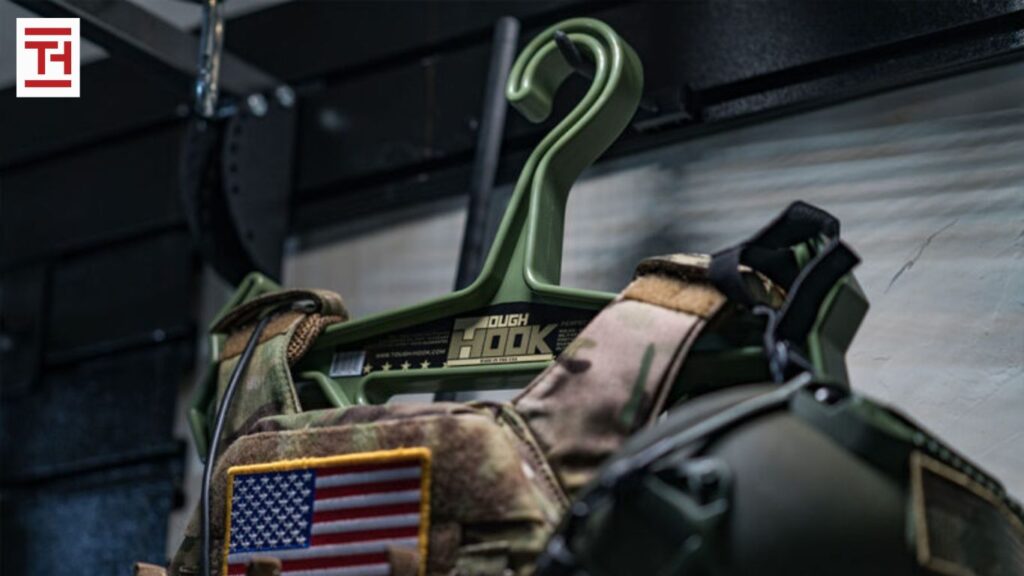
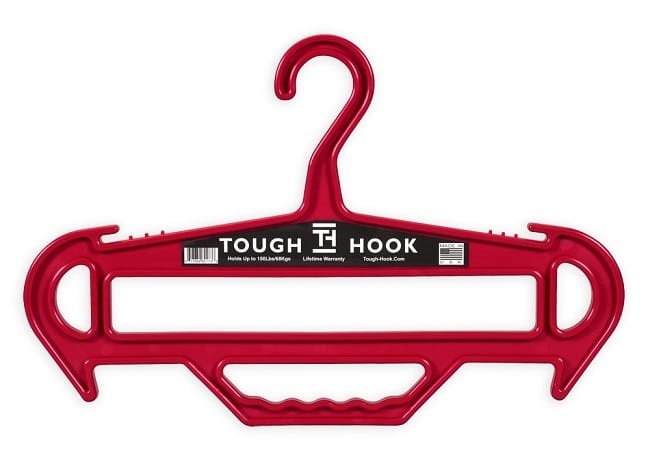
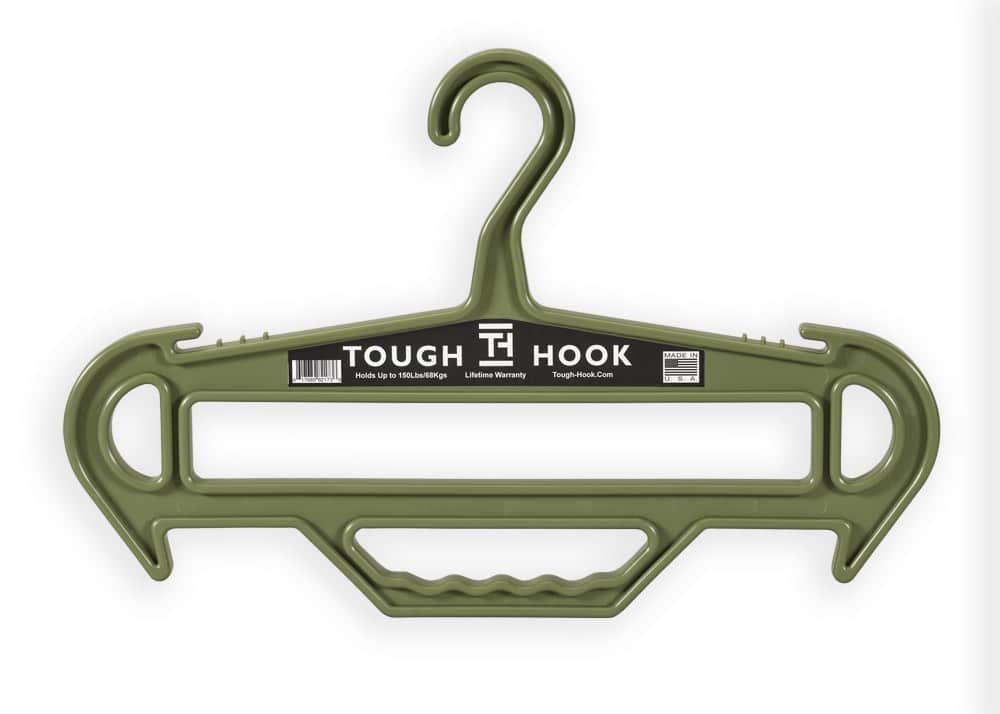
Commercial laundry facilities often handle specialized equipment, including firefighting turnout gear, scuba suits, and body armor. Standard hangers fail instantly under these loads. Heavy-duty hangers are designed to support upwards of 150 pounds, ensuring that even the heaviest saturated fabrics remain secure. This capacity is essential for dry cleaners who specialize in “wash and fold” services for heavy bedding or industrial uniforms.
Structural Integrity and Shape Retention
The primary goal of professional garment care is to return the item to the customer in “like-new” condition. A wide-shoulder design is crucial for this. By distributing the weight of the garment across a broader surface area, heavy-duty hangers prevent the fabric from stretching at the seams. This is particularly important for structured garments like blazers, coats, and specialty equipment where the fit is dictated by the shoulder alignment.
Durability in Harsh Environments
Industrial laundry environments are characterized by high humidity, heat, and exposure to various chemicals. Unlike wire hangers that can rust and stain clothing or cheap plastic that becomes brittle when exposed to heat, high-quality heavy-duty hangers are constructed from high-impact resins. This makes them resistant to the temperature fluctuations found in professional pressing and drying rooms.
Optimizing the Commercial Workflow
Efficiency in a dry-cleaning or laundry plant is measured by how quickly and safely a garment moves from the intake counter to the delivery van. High-quality hangers contribute to this optimization in several key ways:
-
Conveyor Compatibility: Many automated sorting systems rely on the hook of the hanger to navigate complex rail networks. A reinforced hook prevents the garment from falling off the line, which can cause significant mechanical jams and production delays.
-
Ease of Handling: Ergonomically designed hangers allow staff to move multiple garments at once without the hangers interlocking or “nesting” in a way that is difficult to separate.
-
Specialized Features: Many heavy-duty models include integrated grips or specialized hooks for accessories. This allows a dry cleaner to keep a suit’s trousers, jacket, and vest on a single, secure unit, reducing the risk of lost items.
The Tough Hook Advantage: Engineering for Extremes
At Tough Hook, our mission began with a focus on the most demanding users: military, law enforcement, and first responders. We realized that if a hanger could support a full set of tactical body armor or a saturated drysuit, it could handle anything a commercial laundry facility could throw at it.
Our hangers are manufactured in the United States using high-impact, industrial-grade materials. This ensures that every unit we produce meets a standard of excellence that helps commercial businesses protect their clients’ most valuable assets. When a dry cleaner chooses a Tough Hook product, they are choosing a tool that is virtually indestructible, backed by a design that prioritizes the preservation of the garment’s shape and weight.
Sustainability and Long-Term Value
In the modern business landscape, sustainability is becoming a major factor in consumer choice. The dry-cleaning industry has historically struggled with the environmental impact of single-use wire hangers and plastic bags.
-
Reducing Plastic Waste: By investing in durable, long-lasting hangers, facilities can implement “hanger return” programs that actually work. Because these hangers do not break easily, they can be sanitized and reused hundreds of times.
-
Lowering Carbon Footprints: Reducing the frequency of equipment orders lowers the carbon emissions associated with shipping and manufacturing. A single heavy-duty hanger can outlast dozens of cheaper alternatives.
-
Financial ROI: While the initial price point of a heavy-duty hanger is higher than wire, the return on investment is realized through the elimination of replacement costs and the reduction in labor hours spent on reprocessing damaged or misshapen garments.
Enhancing Customer Satisfaction and Trust
Ultimately, the dry-cleaning business is a service-based industry built on trust. A customer trusts a professional to care for an expensive suit or a sentimental heirloom better than they could at home. The presence of a robust, professional-grade hanger serves as a silent testimonial to the quality of the work.
When a customer picks up their items and feels the weight of a sturdy hanger, it reinforces the value of the service. It suggests that the business did not cut corners and that they respect the customer’s investment in their wardrobe. This level of detail is what builds brand loyalty and encourages word-of-mouth referrals in a competitive market.
Investing in the Foundation
Success in the commercial laundry and dry-cleaning industry requires a balance of sophisticated technology and fundamental reliability. While the latest cleaning solvents and computerized tracking systems are important, they cannot compensate for a failure at the most basic level of garment support.
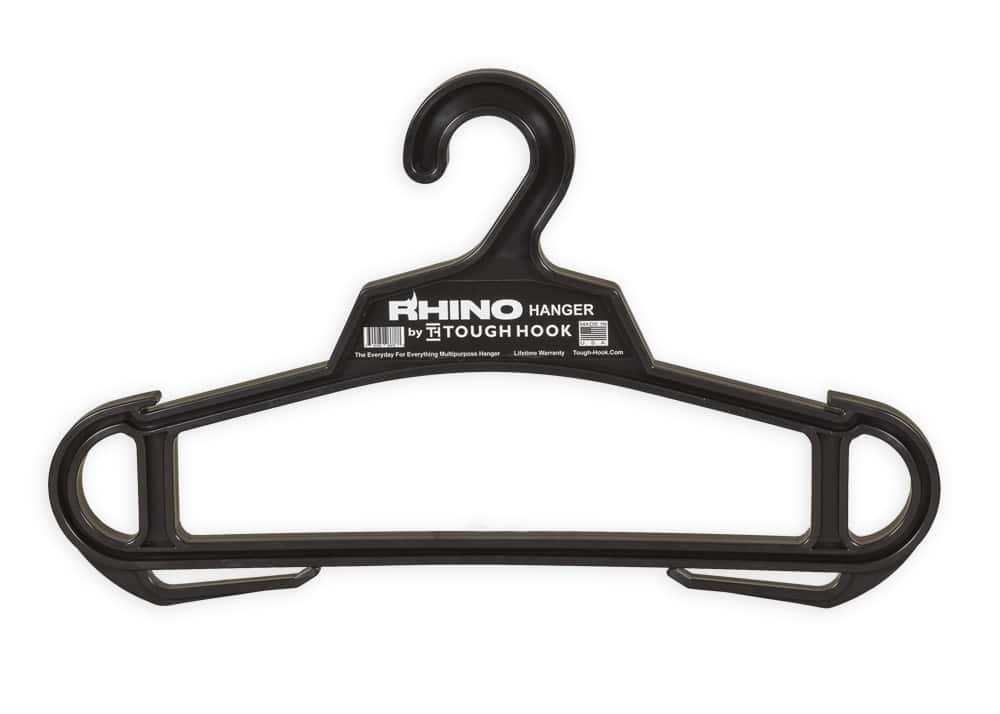
Heavy-duty hangers are the unsung heroes of the cleaning world. They protect the garment, protect the business from liability, and protect the professional reputation of the facility. By partnering with a company like Tough Hook, commercial operators can ensure that their “backbone” is strong enough to handle any challenge, ensuring that every garment leaves the facility looking just as the manufacturer intended.