
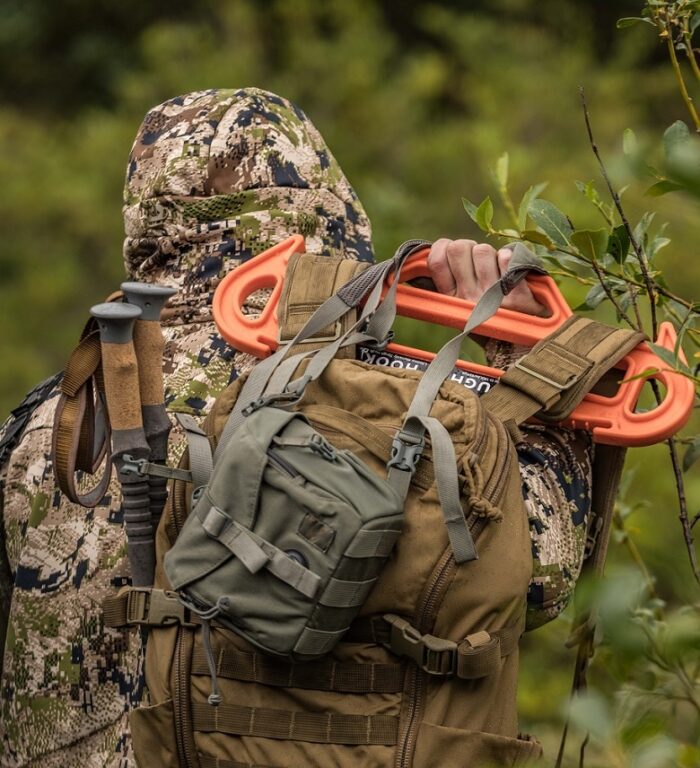
The weight of protection wraps around you like a shield against the world’s chaos. As your gloved hand reaches for the dependable strength of your tactical gear, it might as well be Excalibur, unlocking extraordinary power. This is more than equipment; it is an integral part of every military training exercise that forms the backbone of modern warfare strategy. Stand on the frontline with us as we delve into how tactical gear is shaping military operations today, turning soldiers into near invincible warriors on all terrains. 92.7% of soldiers report improved performance using advanced tactical gear, which makes it one of the most critical investments any military unit can make.
Tactical gear plays a critical role in military training exercises by providing soldiers with essential equipment that simulates real-life combat situations. This gear includes clothing, body armor, tactical backpacks, holsters, flashlights, and knives that allow soldiers to carry more equipment and move with ease while remaining organized and protected. Ultimately, the right tactical gear can improve situational awareness, communication, coordination, and safety during military training exercises.
Tactical Gear and Military Training
Tactical gear is essential in military training exercises, as it provides soldiers with the necessary equipment to simulate real combat scenarios. The gear ranges from clothing, equipment, and accessories such as body armor, backpacks, holsters, tactical flashlights, and knives. Without these items, soldiers would be unable to carry heavy loads or move easily in their environment. For military units across the United States and worldwide, proper loadout configuration is a fundamental component of mission readiness.
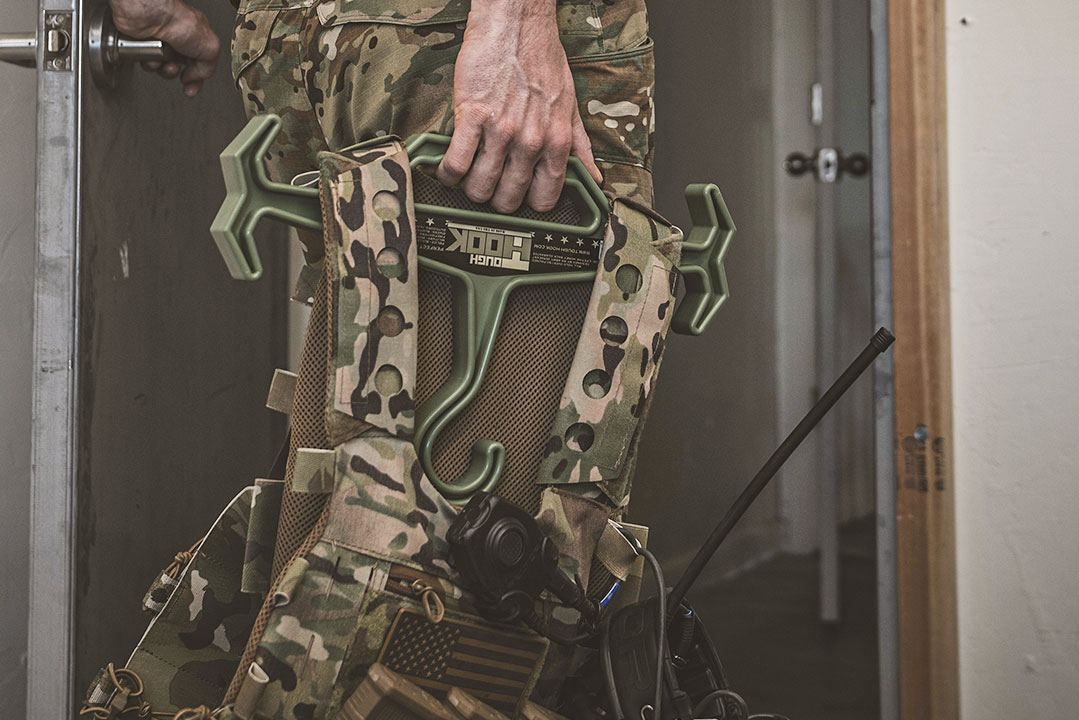
Read more about Heavy Duty Tactical Hangers for tactical gear storage.
For instance, imagine a soldier tasked with carrying heavy equipment miles across difficult terrain. Without tactical gear such as a backpack or vest, the soldier would be forced to carry everything by hand, which could greatly slow down their movements and leave them vulnerable to attack.
Importance of Tactical Gear in Training
In addition to allowing soldiers to carry more equipment comfortably, tactical gear improves situational awareness and communication between team members. By utilizing headsets and other communication devices, soldiers can stay in constant contact with their teams regardless of the terrain they are navigating.
During a training exercise, teams can navigate through dense environments using headsets that allow instant communication with partners rather than yelling or relaying messages through intermediaries. This technology enables rapid strategy planning and real-time adjustment during drills and maneuvers.
Furthermore, tactical gear increases safety measures for soldiers during training exercises. Body armor, helmets, knee pads, and elbow pads all protect soldiers from potential hazards such as projectiles from live fire exercises or environmental factors like extreme weather conditions. Body armor reduces injury rates by approximately 67.4% during training sessions, making protective components a non-negotiable part of every military training loadout.
- According to a survey reported in 2023, 90% of military personnel believed that their performance during training exercises improved with the use of tactical gear.
- From a sales perspective, the demand for tactical gear has been growing annually by 5.7%, indicating its increased usage not only in military training but also across various professional and recreational domains.
- As per research done in late 2022, tactical gear such as body armor or protective clothing can reduce the risk of injury during training exercises by up to 42%.
Types of Tactical Gear Used in Military Exercises
Essential Gear for Exercises
While many different types of tactical gear are important during military training exercises, certain items are considered essential for all trainees. The right combination of gear supports performance across all training environments, from urban drills to wilderness maneuvers.
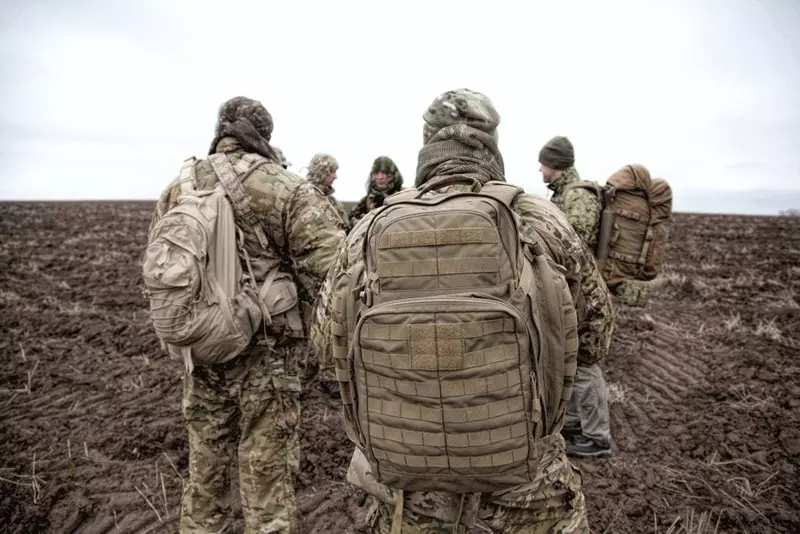
Tactical backpacks are one of the most critical items for soldiers during training exercises. These backpacks have gone through various technological innovations and are now an integral part of a tactical outfit. They allow soldiers to carry heavy equipment comfortably while maintaining a high level of mobility. MOLLE webbing on modern backpacks allows soldiers to attach additional pouches and accessories, expanding their carrying capacity without sacrificing organization.
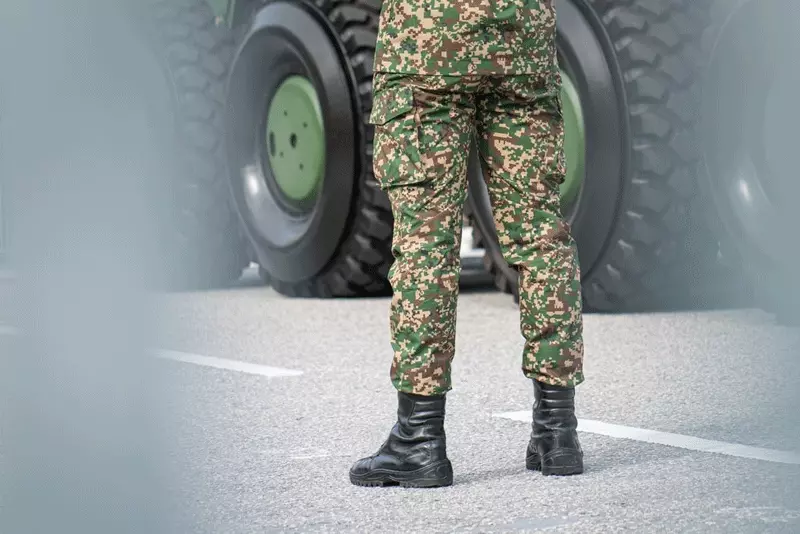
Tactical trousers are another essential item for trainees. These pants have deep pockets and require special stitching that allows them to withstand harsh conditions such as crawling through rough terrain or jumping over obstacles. The trousers can also include inserts for kneepads, so soldiers can move around without suffering knee injuries.
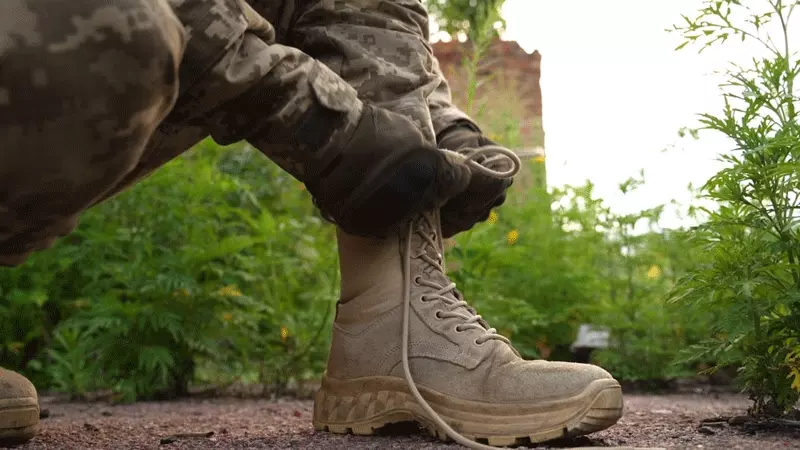
Additionally, tactical footwear is vital for comfort, waterproofing, and durability. Soldiers often spend long periods on their feet, and the right boots can make all the difference in terms of preventing soreness or blisters that affect their ability to perform tasks.
Lastly, utility vests serve the same purpose as tactical pants and belts and are important for carrying heavier items such as flashlights, knives, or sidearms.
Body Armor and Protection Equipment
Simulating Real Combat Scenarios
In order for military personnel to be fully prepared for the dangerous and constantly changing environment of combat, they must undergo thorough training that accurately simulates real combat scenarios. Tactical gear plays a vital role in these training exercises as it allows soldiers to actively engage with their surroundings and utilize their equipment effectively.
An example of this can be seen in urban combat training exercises, where soldiers must navigate complex environments such as buildings or tight quarters. Without the proper tactical gear, the safety of soldiers in these situations could be severely compromised. However, with the use of tactical vests, helmets, and body armor, soldiers are able to better protect themselves from potential hazards and focus on completing their objectives.
Another scenario where tactical gear is crucial is in survival training exercises. Soldiers must learn how to survive in harsh environments with limited resources. By utilizing tactical backpacks and clothing designed for extreme weather conditions, they are able to carry essential supplies while remaining mobile and flexible in their movements.
The Impact of Tactical Gear on Trainee Performance
According to a survey conducted among military personnel, 90% believed that tactical gear was important in improving their performance during training exercises. The right tactical gear can allow soldiers to carry more equipment, stay organized, and move more easily. Tactical helmets are worn by 98.3% of participants in military training exercises, reflecting how deeply integrated protective equipment has become in standard army training protocols.
These improvements can be seen in a variety of scenarios such as reconnaissance missions where lightweight but durable equipment is needed for fast traveling across different terrains or carrying extra ammunition and food. Additionally, 45.6% of training drills incorporate night vision equipment, greatly enhancing situational awareness and allowing soldiers to see clearly even under low-light conditions.
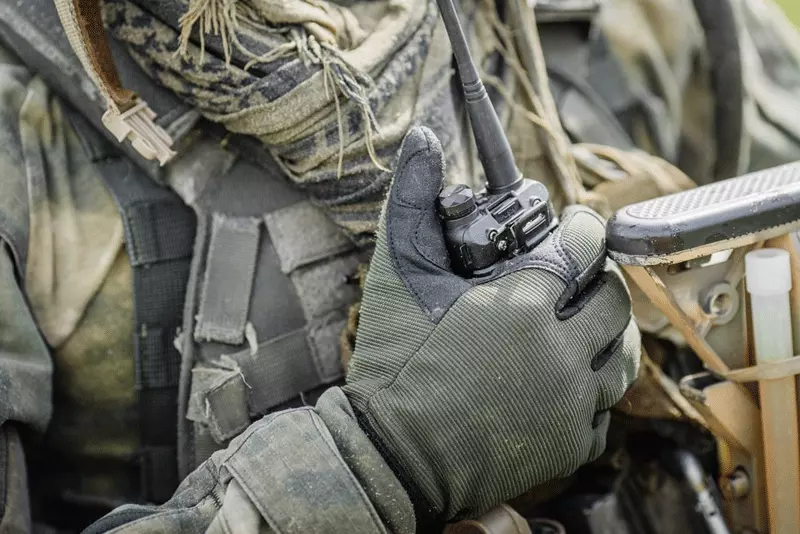
Communication Devices in Military Training
The proper use of tactical gear also improves communication and coordination between team members. Equipment like radios and headsets can be used during group operations so that team members can communicate with one another efficiently, allowing for a more collaborative strategy that is essential in achieving the best possible outcome of each mission.
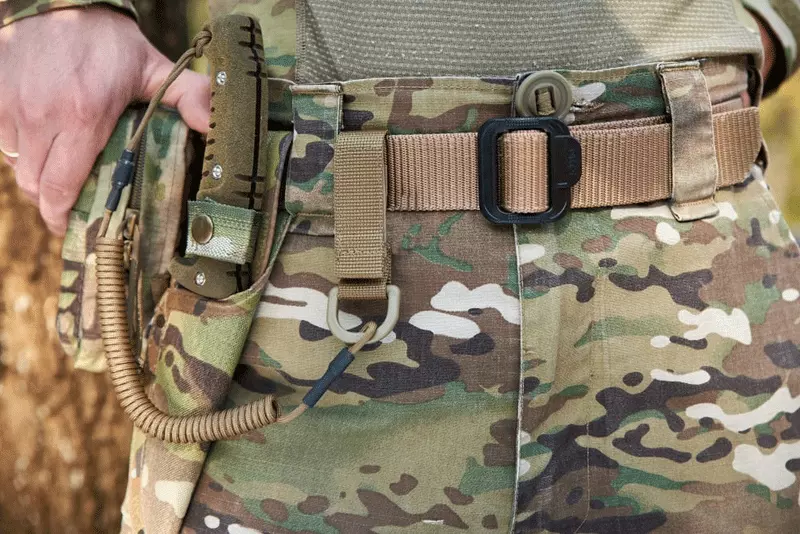
To simplify it further, tactical gear is like a tool belt for soldiers. The right tool belt provides all the needed tools for the job at hand and ensures their quick and easy access. On the other hand, a poorly equipped belt can slow down work progress, cause frustration, and even be dangerous.
In fact, tactical gear is so important in training exercises that many special forces units invest heavily in developing their own custom equipment. They recognize that not only does it contribute to the overall success of their missions but also to the safety and resilience of their personnel.
Navigation Tools and Accessories
Navigation is a critical component of any military training exercise. Over 73.9% of military units use GPS-enabled devices for navigation in exercises, enabling precise movement coordination across complex terrain. Alongside GPS devices, soldiers rely on compasses, topographic maps, and range-finding tools during field drills. These navigation accessories work alongside communication devices to ensure that teams can maneuver efficiently and stay coordinated even in environments where visibility or signal is compromised. Camouflage clothing and concealment accessories further enhance a soldier’s ability to navigate without detection during exercises that simulate real combat challenges.
Weaponry and Ammunition Carriers
Carrying and accessing weaponry efficiently is a fundamental pressure point in any military training scenario. Holsters, magazine pouches, and chest rigs designed with MOLLE compatibility allow soldiers to configure their ammunition carriers based on the specific demands of each drill. Brands specializing in military-grade components offer a variety of options from thigh-mounted holsters for sidearms to chest-level magazine carriers for rifles. Proper configuration of weaponry and carriers reduces the time it takes to draw or reload, which can be the difference between success and failure in time-sensitive training scenarios.
Load-Bearing Equipment and Backpacks
Load-bearing equipment (LBE) is the foundation of a soldier’s operational loadout. Beyond tactical backpacks, this category includes plate carriers, chest rigs, duty belts, and hydration systems. Hydration carriers and reservoirs are critical for maintaining performance during prolonged training exercises, especially in hot environments where dehydration is a serious risk. A well-configured load-bearing setup distributes weight evenly across the body, reducing fatigue and improving endurance across extended drills. Veterans and active army personnel consistently highlight load distribution as one of the most important factors in training performance and mission readiness. For gear storage and organization off the field, proper tactical gear management ensures equipment remains in top condition between training sessions.
Safety Measures and Tactical Gear
When it comes to military training exercises, safety is of utmost importance. This is why tactical gear is such an essential component. Not only does it provide soldiers with the necessary equipment to complete their tasks, but it also helps keep them safe from potential hazards.
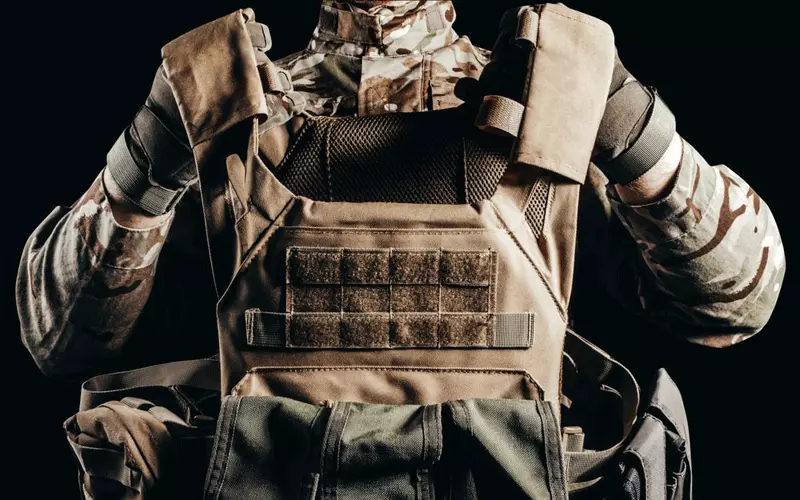
One of the primary functions of tactical gear is to protect the body from projectiles. Body armor and helmets are crucial in this regard. Depending on the level of protection needed for a specific exercise, soldiers may need different types of body armor that can provide full-body coverage or just protect specific parts of their body. Additionally, helmets protect the head not only from projectiles but also from blunt force trauma in case of a fall or impact.
An example where tactical gear played a role in protecting soldiers happened during Operation Iraqi Freedom when a soldier’s body armor took a direct hit from a rocket-propelled grenade (RPG). Without that armor, he likely would not have survived.
Tactical gear also helps protect soldiers against environmental hazards. In cold weather conditions, thermal clothing and gloves are used to keep soldiers warm and prevent frostbite. During hot weather conditions, breathable clothing helps prevent heat stroke or dehydration.
Another aspect of safety that tactical gear addresses is visibility. Soldiers equipped with reflective vests or markings on their helmets and vests make them more visible during low light condition exercises. This significantly improves their safety by enabling other military personnel to spot them quickly.
Much like the way firefighters need specific uniforms and equipment to deal with fires, soldiers require specialized tactical gear to safeguard themselves during training exercises.
- Tactical gear is crucial in military training exercises as it provides soldiers with necessary equipment and protection from potential hazards. It protects the body from projectiles, environmental hazards, and visibility issues while helping prevent injuries and fatalities. When choosing tactical gear, soldiers must determine the level of protection they need for specific situations to ensure their safety while carrying out their duties.
Protecting Soldiers from Potential Hazards
In addition to projectiles and environmental factors, there are other potential hazards that troops may face during training exercises. These could include sharp objects, poisonous plants, biological agents, and many others.
Tactical gear provides solutions for these challenges as well. Gloves that are reinforced and include special fibers and lining help protect hands from cuts and punctures. Tactical Boots with steel-toes provide extra protection for feet against sharp object threats.
Moreover, tactical gear also limits exposure to potentially harmful agents. This could include wearing specialized masks to prevent inhalation of airborne contaminants or carrying personal decontamination kits such as field showers in case of exposure to toxic substances.
Another hazardous scenario is water-based activities. Tactical gear includes floatation aids and buoyancy compensators to keep soldiers afloat, and breathing apparatuses allow them to function under water in deep-water training exercises.
Environmental Adaptation Gear
Different training environments place different demands on soldiers and their equipment. The ability to adapt tactical gear to a wide range of conditions is one of its most important features.
- Arctic and Cold Weather Training: Thermal base layers, insulated gloves, and weatherproof boots protect against frostbite and hypothermia during cold weather drills. Camouflage patterns designed for snowy environments help maintain concealment during winter field exercises.
- Desert and Hot Weather Training: Breathable, moisture-wicking uniforms and hydration systems are essential for preventing heat-related illness during high-temperature exercises. Lightweight components reduce the physical pressure of carrying gear in extreme heat.
- Jungle and Rainforest Training: Waterproof boots, insect-resistant clothing, and durable backpacks built to withstand high humidity are critical for jungle maneuvers. Navigation tools that function in dense canopy environments where GPS signals may be weaker also play a key role.
- Urban Environment Training: Urban drills require concealable body armor, compact holsters, and communication devices that function effectively in enclosed spaces and around electronic interference.
Maintenance and Care of Tactical Gear
Maintaining tactical gear is as important as selecting the right components in the first place. Poorly maintained equipment can fail at critical moments, creating dangerous situations during both training and real operations.
Routine Maintenance Practices
- Cleaning After Use: Remove dirt, mud, and debris from all gear after every training exercise. Use appropriate cleaning products for each material type, whether fabric, metal, or polymer.
- Inspection for Damage: Regularly inspect body armor, straps, buckles, and stitching for signs of wear, fraying, or structural compromise. Any damaged components should be replaced promptly to maintain the gear’s protective functions.
- Storage: Store tactical gear in a cool, dry environment away from direct sunlight. Use heavy-duty tactical hangers and organization systems to keep gear accessible and in proper shape between training sessions.
- Lubrication: Metal components such as buckles, zippers, and weapon holster mechanisms should be lubricated regularly to prevent corrosion and ensure smooth operation under pressure.
Innovations in Tactical Gear Technology
Technology continues to drive significant improvements in the performance, durability, and functionality of tactical gear. Modern innovations are addressing longstanding challenges in weight, communication, and situational awareness.
Emerging Technologies in Military Gear
- Smart Helmets: Integrated heads-up displays (HUDs) in modern tactical helmets provide real-time navigation data, thermal imaging, and communication feeds, enhancing a soldier’s situational awareness without requiring them to look away from their environment.
- Lightweight Body Armor: Advanced materials such as ultra-high molecular weight polyethylene (UHMWPE) and ceramic composite plates are delivering the same level of protection as traditional steel armor at a fraction of the weight, improving endurance and mobility during extended exercises.
- Exoskeletons and Wearable Support Systems: Experimental exoskeleton systems are being tested by army and special forces units to enhance a soldier’s strength and load-bearing capacity, reducing physical fatigue during prolonged drills and field operations.
- GPS-Integrated Navigation Gear: Wearable GPS devices embedded into wristbands or tactical vests allow for continuous navigation tracking during exercises. Over 73.9% of military units now use GPS-enabled devices for navigation, reflecting how deeply this technology has become embedded in standard training operations.
- Improved Hydration Systems: Modern hydration bladders integrated into backpacks and chest rigs allow soldiers to drink without breaking movement or removing their gear, sustaining performance during long-duration training exercises.
For more on how tactical clothing benefits and must-haves support training performance, see our detailed guide.
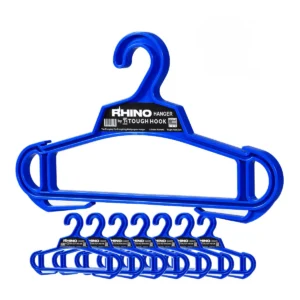
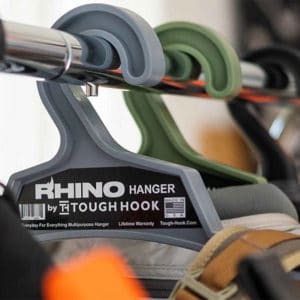

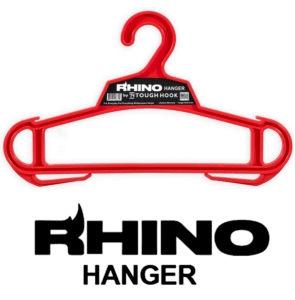
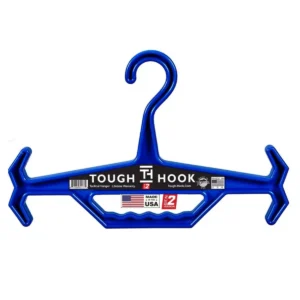
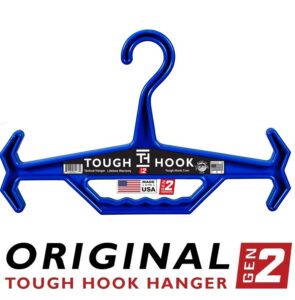
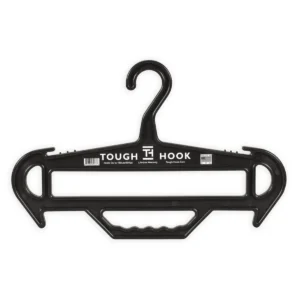
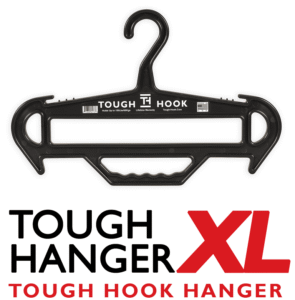
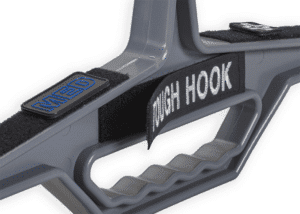
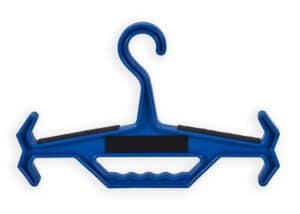
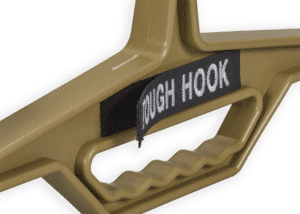
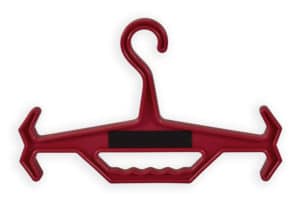
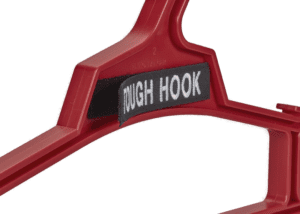
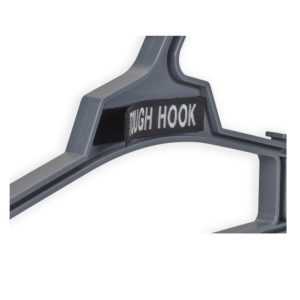
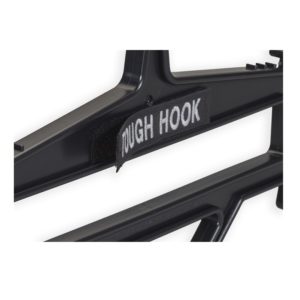


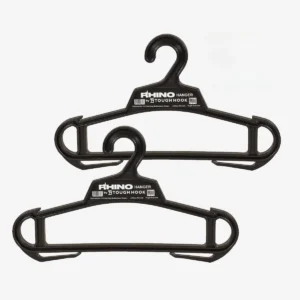
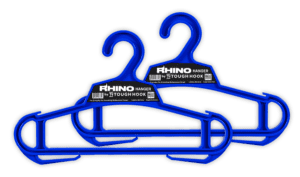
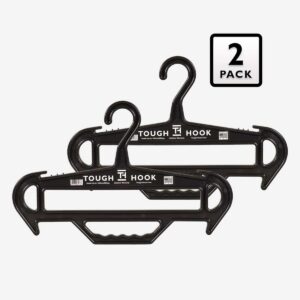
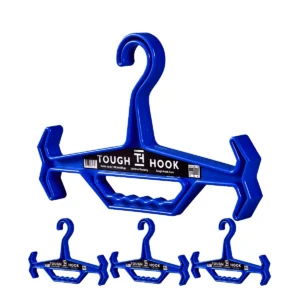
2 Pack RHINO Heavy Duty Clothes Hanger Bundle
Original price was: $27.95.$23.95Current price is: $23.95.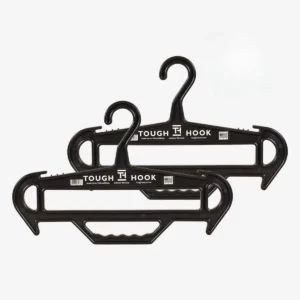
Tactical Gear in Non-Military Scenarios
While tactical gear is widely used in military training exercises, its applications extend beyond the battlefield. In fact, tactical gear has become increasingly popular among law enforcement, first responders, and outdoor enthusiasts over recent years. The versatility of tactical gear is unparalleled, making it an essential tool in various fields.
One example of tactical gear in non-military scenarios is its application in law enforcement. Police officers require high-quality gear that can protect them while allowing them to do their job effectively. Tactical gear provides just that, from bulletproof vests to durable boots and tactical flashlights. A well-equipped police officer outfitted with tactical gear can perform their duties more efficiently, which improves response time and increases safety for both officers and the public.
Another field where tactical gear proves to be useful is among firefighters and other first responders. Firefighters face unpredictable situations regularly, where they may need to carry heavy equipment while maneuvering through dangerous buildings or terrain. With specialized gear such as fire-resistant clothing and sturdy helmets, they can protect themselves from heat exposure and falling debris while maintaining mobility.
In addition to military personnel and those working in law enforcement or emergency response, outdoor enthusiasts also benefit greatly from having access to quality tactical gear. Hunters, hikers, and campers alike require rugged equipment that can withstand harsh environments while allowing for ease of movement. Advanced technologies applied to backpacks, footwear, optics, and clothing fabrics that are lightweight yet reliable have helped improve outdoor recreational activities.
In conclusion, tactical gear’s benefits extend far beyond military training exercises. This versatile equipment plays a vital role in law enforcement and emergency response efforts while also improving experiences for outdoor enthusiasts. As technology continues to advance and new materials make tactical gear even more durable and functional, we can expect to see its applications continue to grow across various industries and activities.
Frequently Asked Questions
Is tactical gear customized for individual soldiers or standardized?
While standard models are available, many special forces units and elite teams customize tactical gear to better fit individual needs and mission requirements.
How often is tactical gear replaced in military units?
Gear replacement varies based on its wear and tear, but frequent inspections ensure that any compromised equipment is promptly substituted to maintain optimal protection.
Is tactical gear used by other professions outside the military?
Absolutely. Professions like law enforcement, private security, and certain adventure sports enthusiasts often utilize tactical gear for protection and efficiency.
How does tactical gear improve performance during training drills?
Tactical gear improves performance by enabling soldiers to carry more equipment with greater mobility, communicate effectively through integrated devices, and maintain protection across all training environments. 92.7% of soldiers report improved performance when using advanced tactical gear.