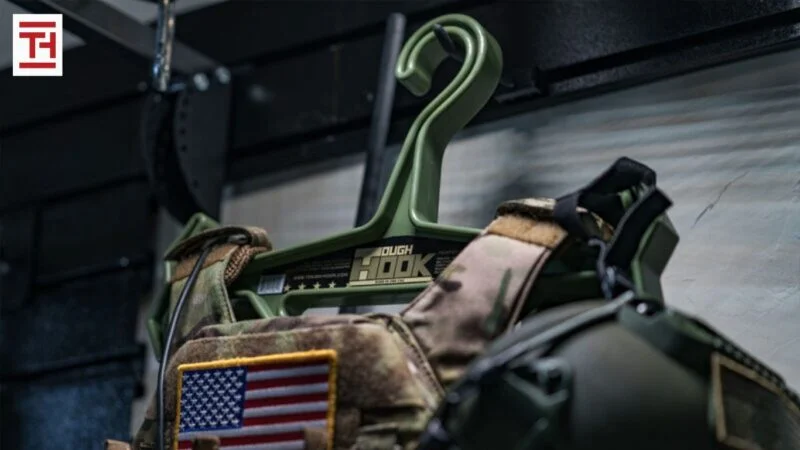
In the world of law enforcement, military service, and tactical operations, equipment is often treated as a secondary concern compared to the mission itself. Professionals spend countless hours training, refining their tactics, and maintaining their physical readiness. Yet, when they clock out or return to the barracks, the gear that literally keeps them alive is often tossed into a locker, left in the trunk of a vehicle, or draped haphazardly over a chair. This approach to storage is not just disorganized; it is detrimental to the longevity of expensive, life-saving equipment. Understanding the nuances of proper storage for body armor, duty belts, and tactical gear is essential for any professional who relies on their equipment to perform under pressure.
The Importance of Maintenance Through Storage
Your gear is designed to withstand harsh environments, but it is not indestructible. Body armor, in particular, is subject to material degradation when improperly stored. Ballistic vests contain sophisticated fibers that can be damaged by heat, moisture, and incorrect physical stress. When a vest is folded, bunched up, or hung on a thin, wire hanger, the internal panels can lose their shape, develop creases, or experience uneven weight distribution. Over time, this stress compromises the integrity of the ballistic materials. Similarly, duty belts are built to hold a significant amount of weight. Leaving them loaded with heavy accessories while storing them in tight, unventilated spaces can cause the belt material to warp, tear, or lose its structural rigidity. Proper storage is the final, often overlooked step of equipment maintenance. It ensures that your gear is not only clean and dry but also preserved in its optimal functional state.
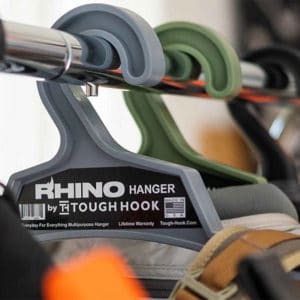

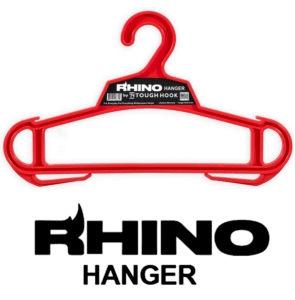
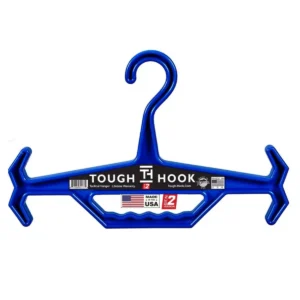

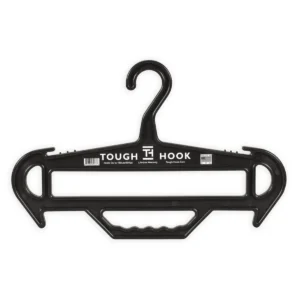
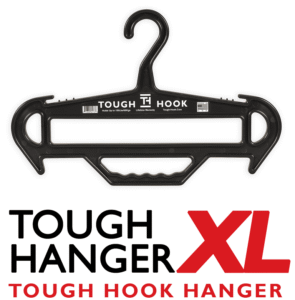
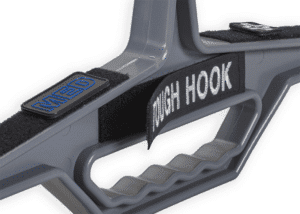
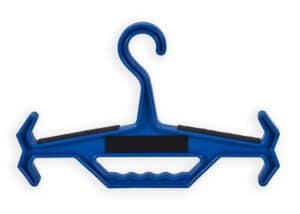
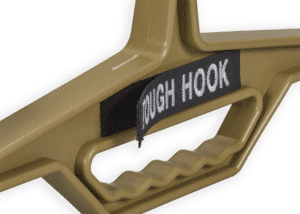
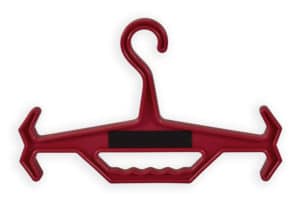
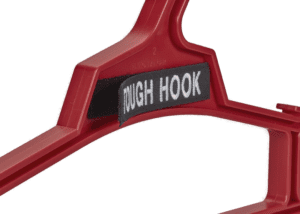
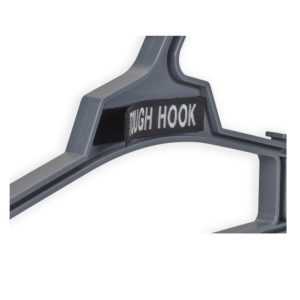
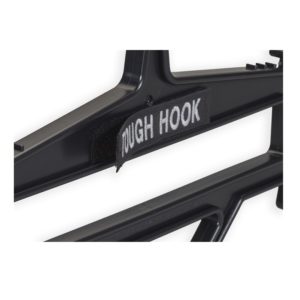


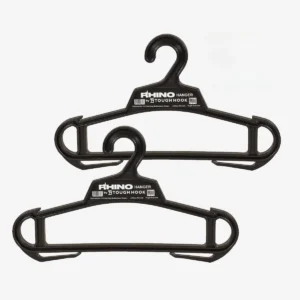
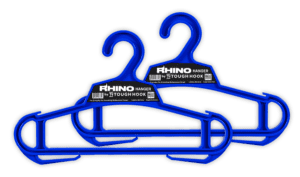
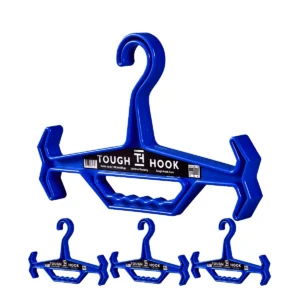
2 Pack RHINO Heavy Duty Clothes Hanger Bundle
Original price was: $27.95.$23.95Current price is: $23.95.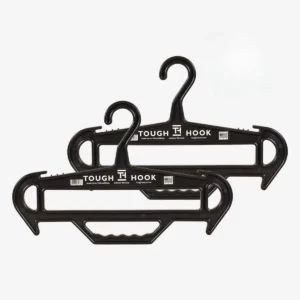
The Role of Specialized Equipment Hangers
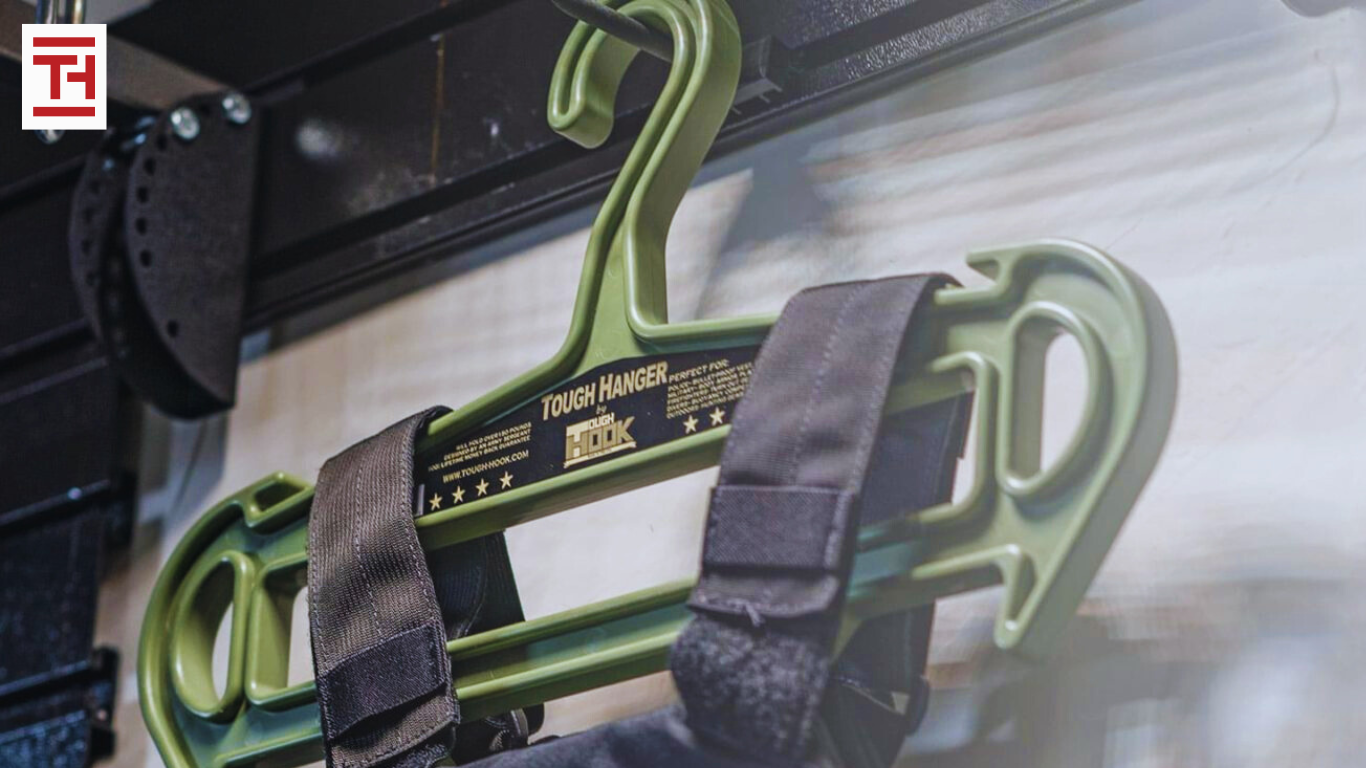
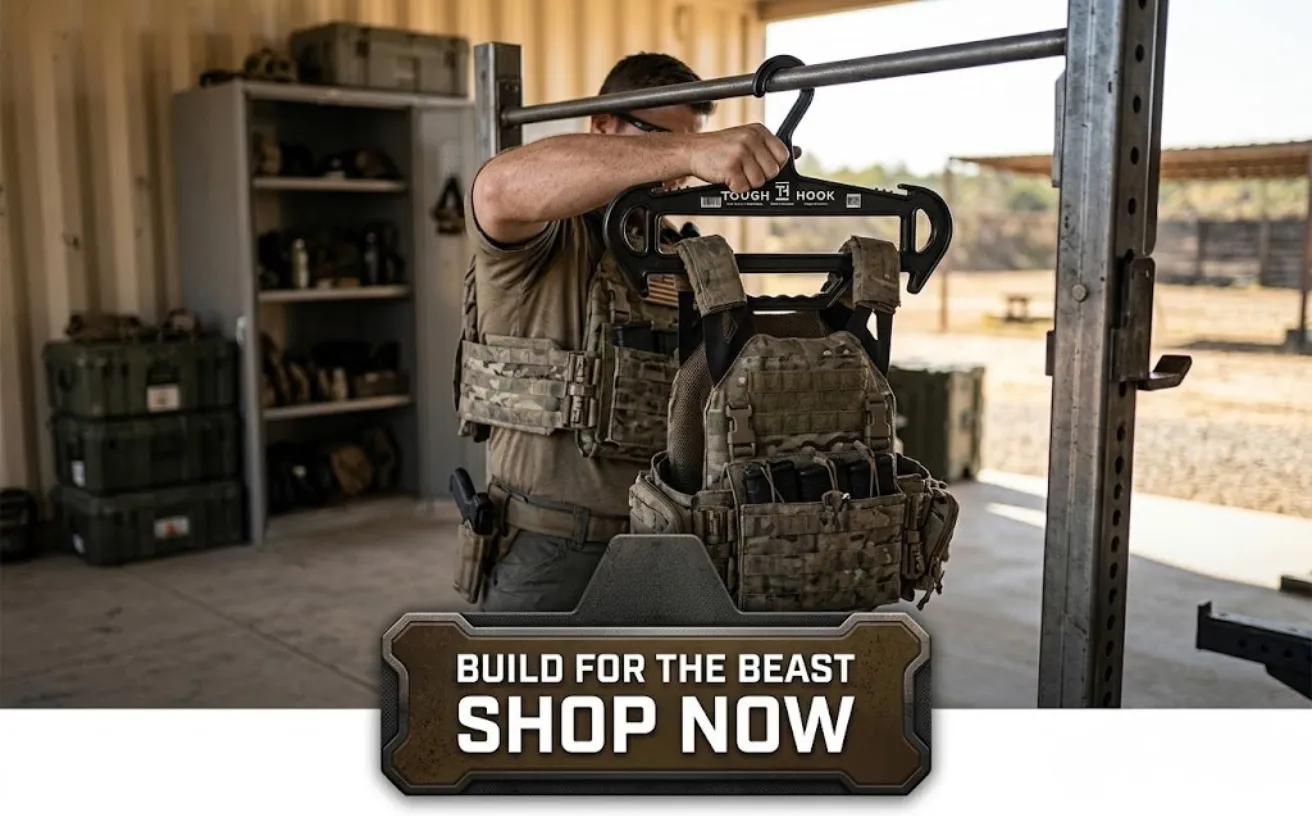
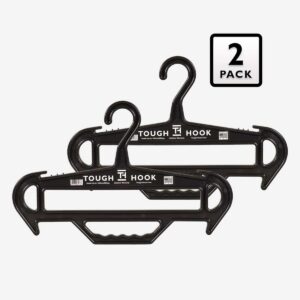
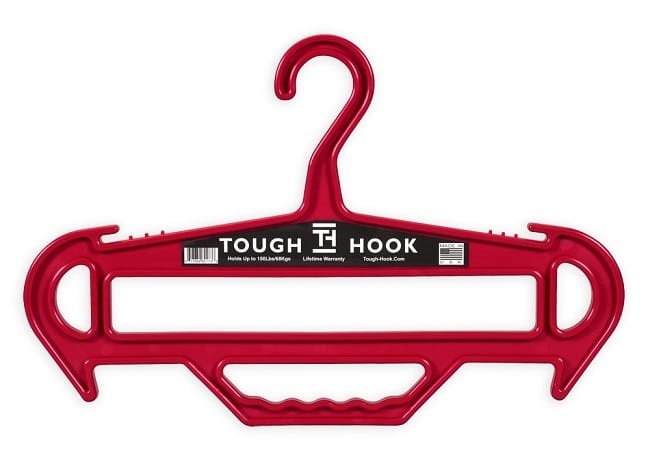
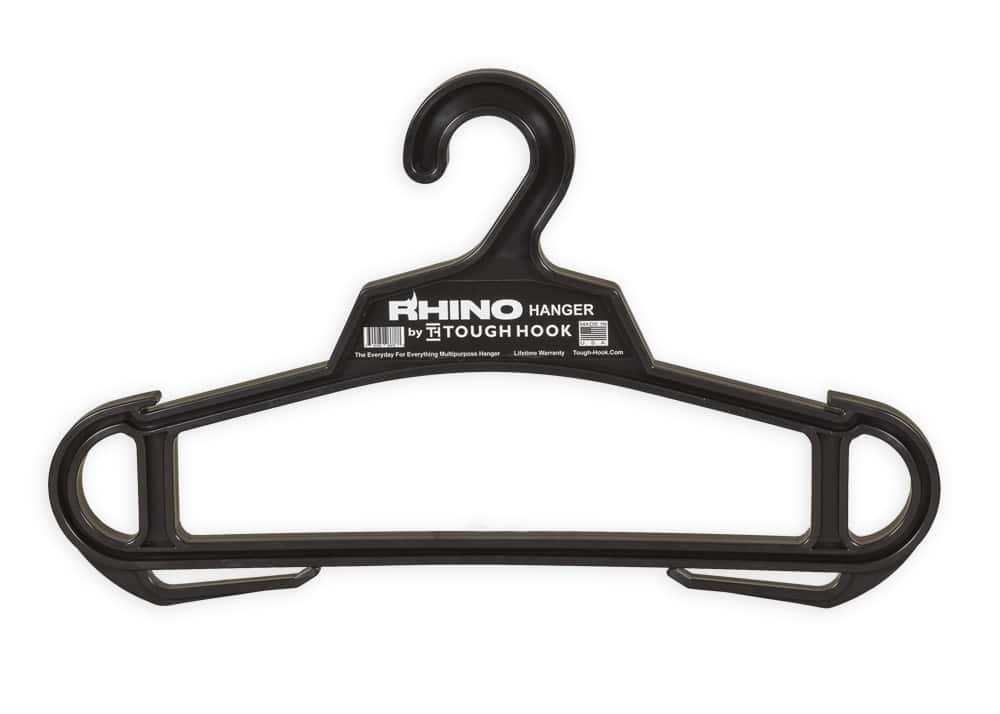
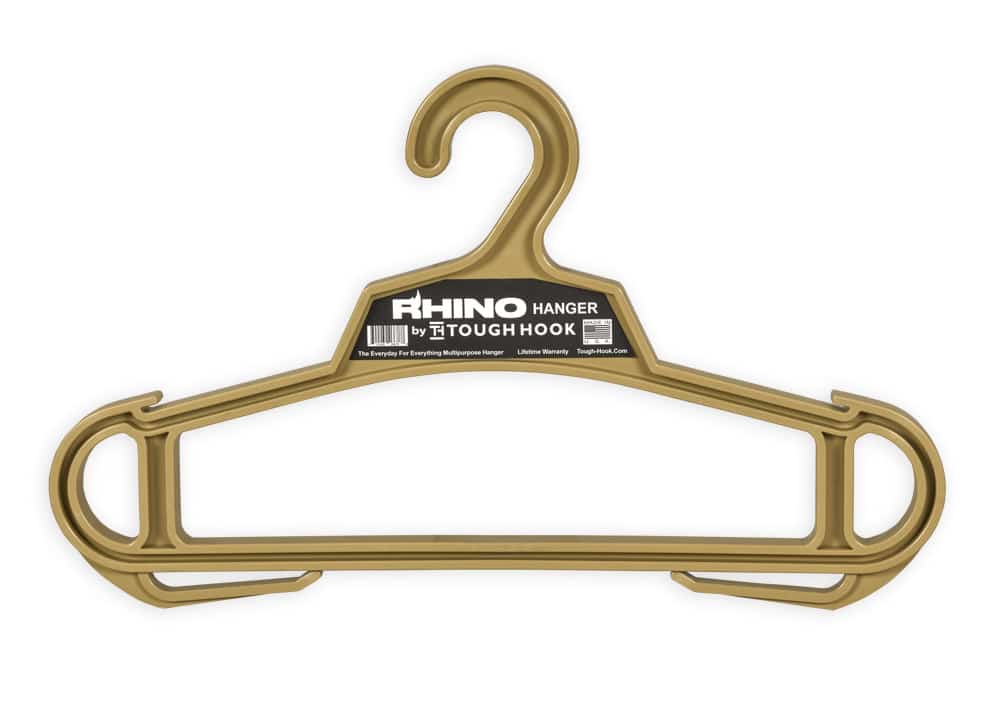
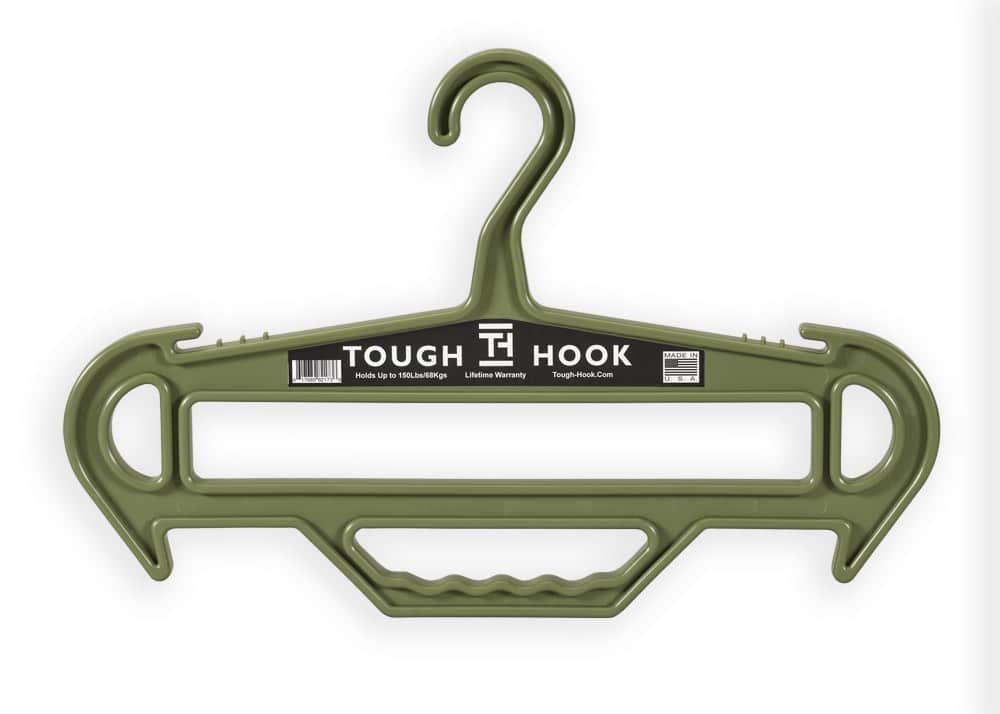
The standard plastic or wire hangers found in a household closet are wholly inadequate for tactical gear. A loaded plate carrier can weigh twenty pounds or more, far exceeding the weight limit of residential hangers. When you use a flimsy hanger, you risk breakage, which sends your expensive body armor crashing to the floor. Furthermore, thin hangers create pressure points that can permanently distort the shoulders of your gear, making it uncomfortable or even hazardous during a high-stakes situation. This is where companies like Tough Hook come into play. Tough Hook specializes in heavy-duty hangers engineered specifically for this purpose. These hangers are designed to support the immense weight of body armor, tactical vests, and fully loaded duty belts without buckling. By utilizing a product designed to hold heavy gear, you ensure that the weight is distributed evenly across the frame of the hanger, mimicking the human body and maintaining the structural integrity of the vest over time.
Strategic Storage for Duty Belts and Accessories
Duty belts are often the most cumbersome items to store. They are heavy, rigid, and loaded with pouches, holsters, and tools. Many officers mistakenly leave their holsters and pouches on the belt during storage. While this saves time, it also places immense strain on the belt material and can cause the belt to lose its circular shape. If you must leave your gear on the belt, you need a storage solution that supports the entire structure. Consider the following best practices for belt and accessory storage:
-
Remove heavy, non-essential items: Clearing your belt of unnecessary tools reduces the cumulative weight and allows the belt to relax during storage.
-
Use a sturdy mounting point: Instead of a hook that creates a single stress point, look for hangers that provide a wide base of support for the belt.
-
Store in a cool, dry, and dark environment: UV rays and extreme temperatures are the enemies of synthetic materials like nylon and cordura.
-
Keep accessories organized: Using modular storage systems allows you to keep your pouches and holsters accessible without cluttering your main work surface.
Protecting Ballistic Integrity
Body armor is the most significant investment a professional will make in their personal safety. The ballistic panels within a vest are sensitive to environmental conditions. Improper storage in a hot car, for example, can cause the ballistic fibers to become brittle or lose their resistance to penetration. When you remove your armor at the end of a shift, it is vital to inspect it for signs of moisture. If the vest is damp from sweat or rain, it must be allowed to air dry completely before being stored in a locker. Storing a damp vest in a closed container is a recipe for mold, mildew, and foul odors, all of which will degrade the carrier fabric and make the vest unpleasant to wear. A high-quality, wide-frame hanger from Tough Hook allows for airflow around the vest, which accelerates the drying process and prevents the buildup of moisture.
Creating a Dedicated Gear Station
Organizing your space is not just about aesthetics; it is about efficiency. When you have a dedicated gear station, you reduce the time required to prep for duty. If your vest, belt, and radio are all hung in a systematic manner, you can quickly verify that your gear is present and ready for use. A well-organized gear station should feature the following:
-
A designated area for body armor: A heavy-duty hanger ensures the vest maintains its shape and is easily accessible.
-
A specific rack for the duty belt: This prevents the belt from curling or warping while in storage.
-
Proper lighting: Being able to see your gear clearly allows you to perform necessary safety inspections before each shift.
-
A ventilated storage environment: This is crucial for preventing the growth of mold and ensuring that your gear remains hygienic.
By investing in the right storage equipment, you demonstrate a professional commitment to your safety and the longevity of your gear. Tough Hook provides the foundational support needed to keep your equipment organized and in peak condition. Every piece of equipment you wear is a tool, and every tool deserves a proper place to rest when it is not in service. Treat your gear with the respect it requires, and it will be there for you when you need it most.