In the high-stakes environment of military and tactical operations, success is often measured by a unit’s ability to respond to a crisis with speed and precision. While much of the focus regarding unit readiness centers on rigorous training, physical fitness, and high-tech weaponry, the logistical foundation of these elements is frequently overlooked. One of the most critical, yet underappreciated, components of maintaining a rapid-response posture is the organization and preservation of individual equipment. Standardized hanging solutions represent a vital intersection of logistics and operational capability, ensuring that gear is not only protected but also positioned for immediate deployment.
Operational consistency is not merely about aesthetic uniformity in the barracks or the locker room; it is a strategic approach to equipment management. When every member of a team follows a standardized protocol for how their body armor, plate carriers, and load-bearing equipment are stored, the entire unit benefits from reduced response times and enhanced gear longevity. At Tough Hook, we understand that a tactical hanger is not just a piece of plastic; it is a specialized tool designed to support the heavy-duty requirements of professionals who cannot afford equipment failure or logistical delays.
The Pillars of Equipment Readiness
Unit readiness is defined by the capacity of a military or law enforcement unit to perform its assigned missions effectively. This readiness is built upon several key pillars that standardized hanging directly influences.
-
Rapid Accessibility: In an emergency, seconds matter. When equipment is stored on standardized, heavy-duty hangers, operators know exactly where every piece of kit is located and can kit up without fumbling or searching for misplaced items.
-
Preventative Maintenance: Tactical gear is an investment in safety. Leaving heavy plate carriers or damp tactical vests in a pile on the floor leads to material degradation, mold growth, and the warping of ballistic inserts.
-
Standardization of Gear Layout: A uniform locker or equipment room allows leaders to conduct rapid visual inspections. This ensure that all necessary components are present and in good working order before a mission begins.
-
Space Optimization: Specialized hanging solutions allow for vertical storage, which maximizes the footprint of a gear room or armory. This organization creates a safer, more efficient workspace for personnel.
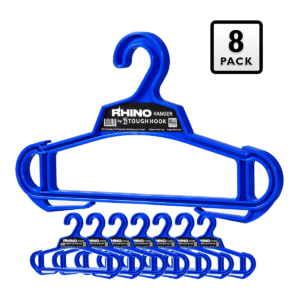

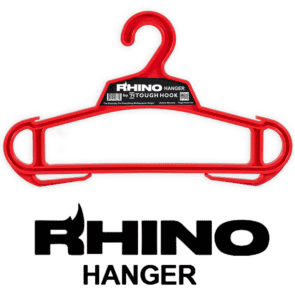

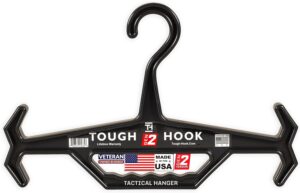



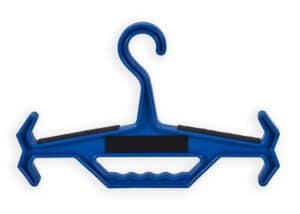

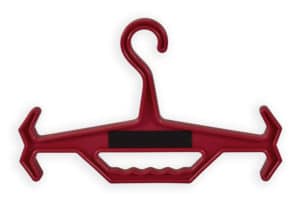

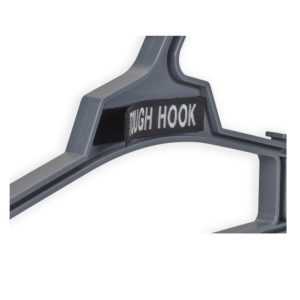

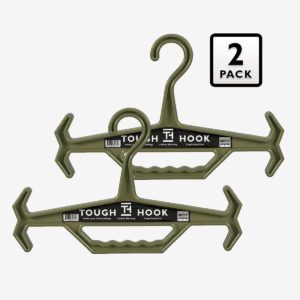

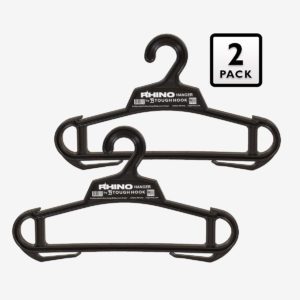
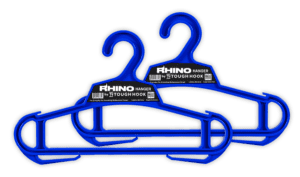
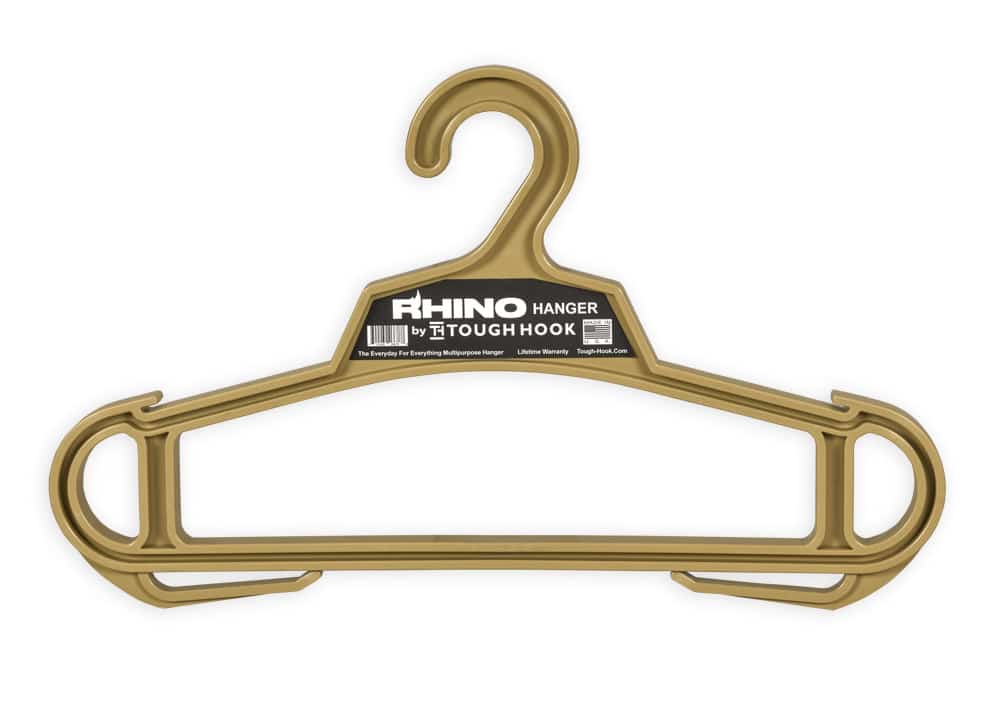
2 Pack RHINO Heavy Duty Clothes Hanger Bundle
Original price was: $27.95.$23.95Current price is: $23.95.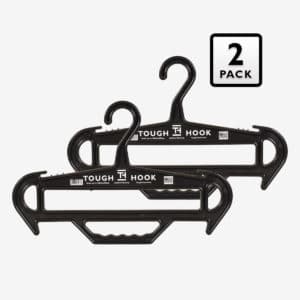
The Engineering Behind Tactical Storage
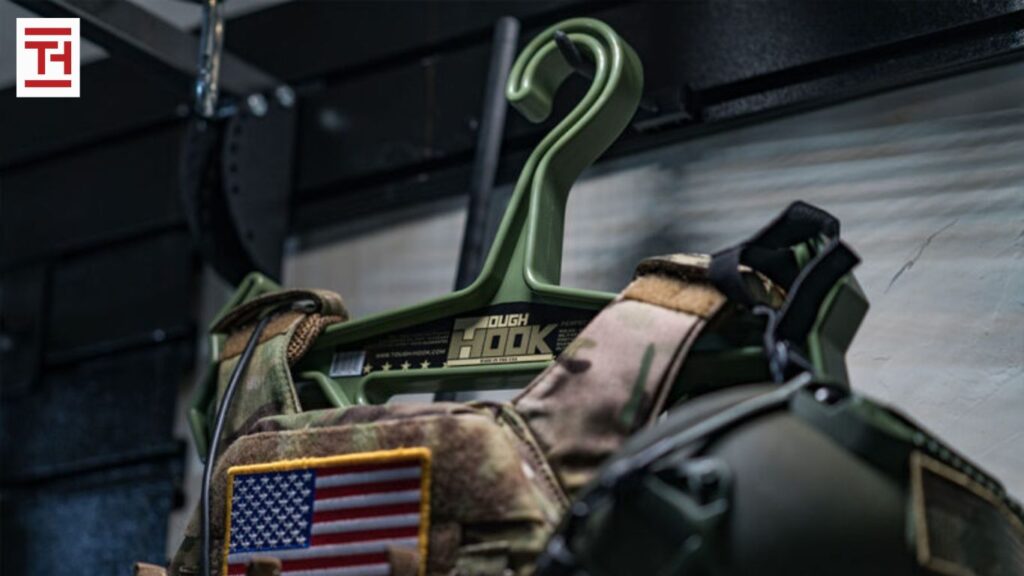
Standard retail hangers are designed for shirts and light jackets, typically supporting no more than a few pounds. In contrast, a fully loaded plate carrier or a set of search-and-rescue turnout gear can weigh upwards of 50 or 60 pounds. Attempting to use substandard storage solutions for this equipment creates a significant point of failure.
-
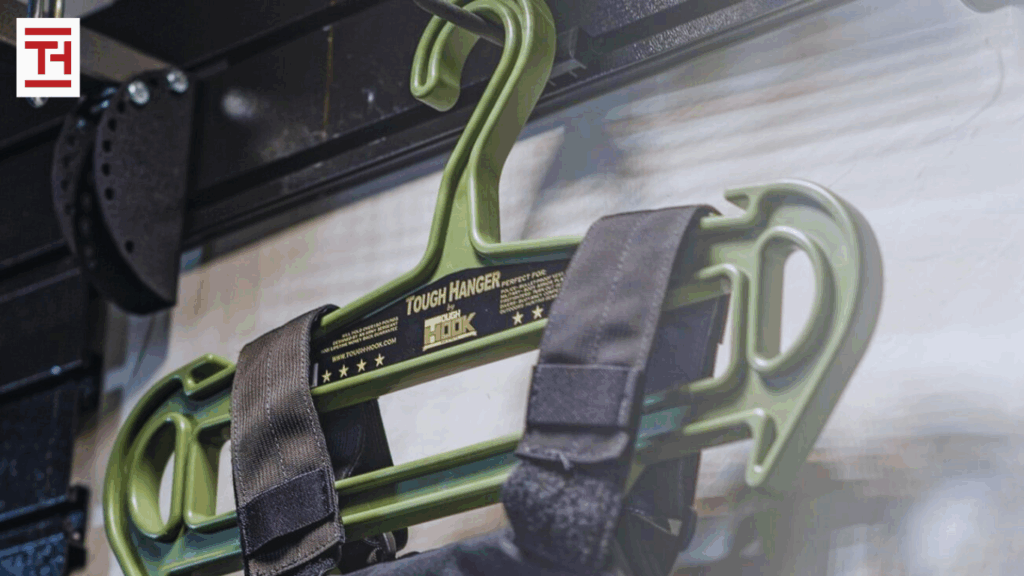
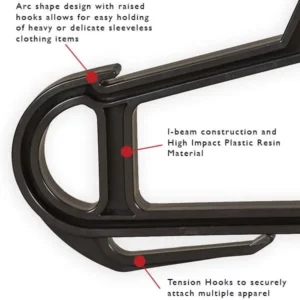
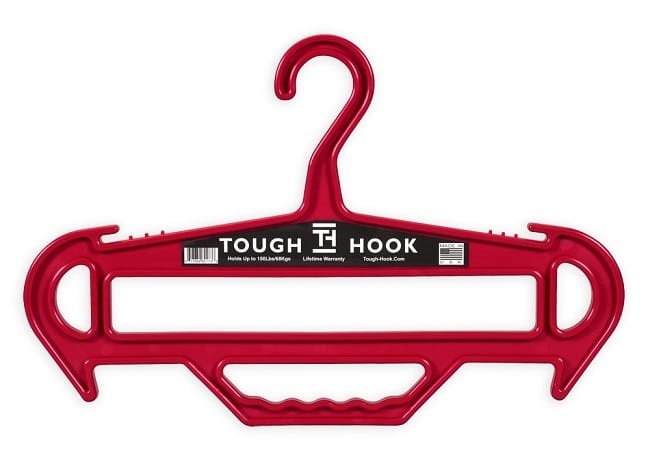
Load Bearing Capacity: High-quality tactical hangers, such as those manufactured by Tough Hook, are engineered to support over 150 pounds. This ensures that even the heaviest EOD suits or specialized breach gear can be stored safely.
-
Material Integrity: Tactical environments are often harsh, involving extreme temperatures and humidity. Standardized hangers must be constructed from high-impact polymers that do not become brittle or snap under stress.
-
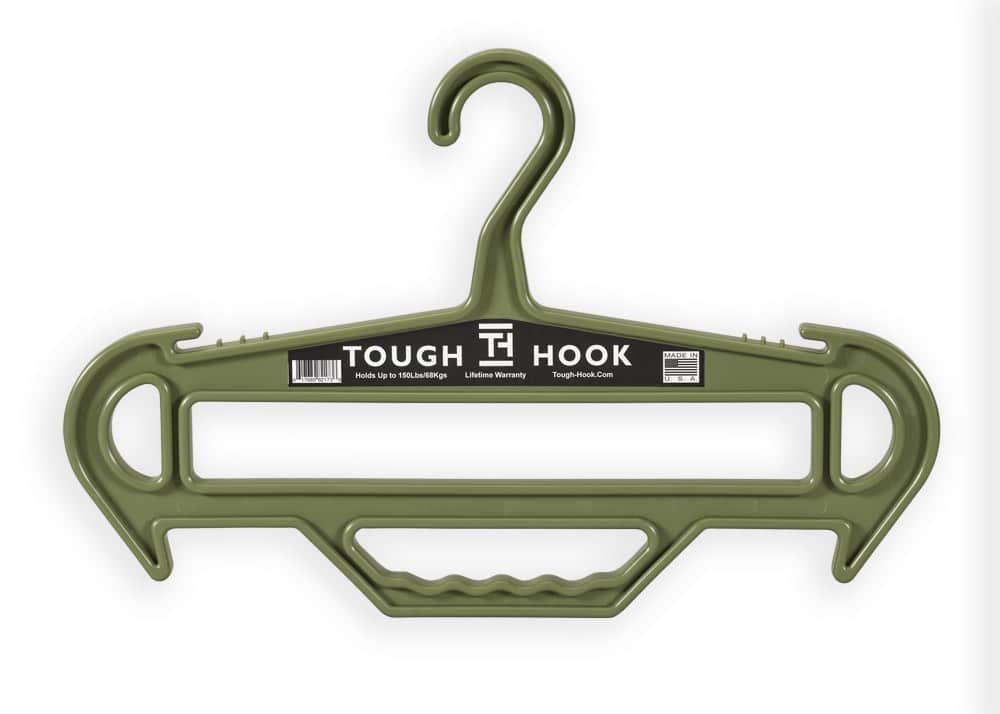
Ergonomic Design: Features such as integrated carry handles allow operators to transport their gear directly on the hanger. This dual-purpose design streamlines the transition from storage to transport.
Impact on Gear Longevity and Cost Savings
From a budgetary perspective, operational consistency via standardized hanging is a form of fiscal responsibility. Replacing damaged tactical vests or specialized suits due to improper storage is a significant and avoidable expense.
-
Preserving Ballistic Panels: Ballistic inserts are sensitive to moisture and physical deformation. Hanging them vertically on a sturdy frame ensures they maintain their shape and protective qualities.
-
Enhanced Airflow and Hygiene: Tactical operations are physically demanding, often leaving gear soaked in sweat or rainwater. Standardized hanging allows for 360-degree airflow, which facilitates rapid drying and prevents the buildup of bacteria and odors.
-
Reduced Mechanical Stress: Heavy gear draped over thin hangers or sharp edges can cause stitching to fray and straps to stretch. A wide-shoulder hanger distributes weight evenly across the garment, preserving the structural integrity of the equipment.
Standardized Hanging as a Component of Discipline
Discipline is the bedrock of any tactical organization. The way an operator treats their equipment is often a reflection of their overall attention to detail. By implementing a standardized hanging system, leadership reinforces a culture of excellence and accountability.
-
Accountability and Inspections: When every locker looks the same, it is immediately obvious when a piece of gear is missing or damaged. This simplifies the process for Quartermasters and Team Leads to manage inventory.
-
Professionalism and Morale: A clean, organized equipment room fosters a sense of pride within the unit. It demonstrates that the organization values both the personnel and the tools they use to accomplish the mission.
-
Streamlined Mobilization: During a mass mobilization, the chaos of the “ready room” is mitigated by standardized layouts. Personnel can move through the room with a predictable flow, reducing bottlenecks during critical moments.
Choosing the Right Solution with Tough Hook
Not all hangers are created equal, and when it comes to life-saving equipment, “good enough” is rarely sufficient. Tough Hook has dedicated years to refining the design of tactical hangers to meet the specific needs of the military, law enforcement, and first responders.
-
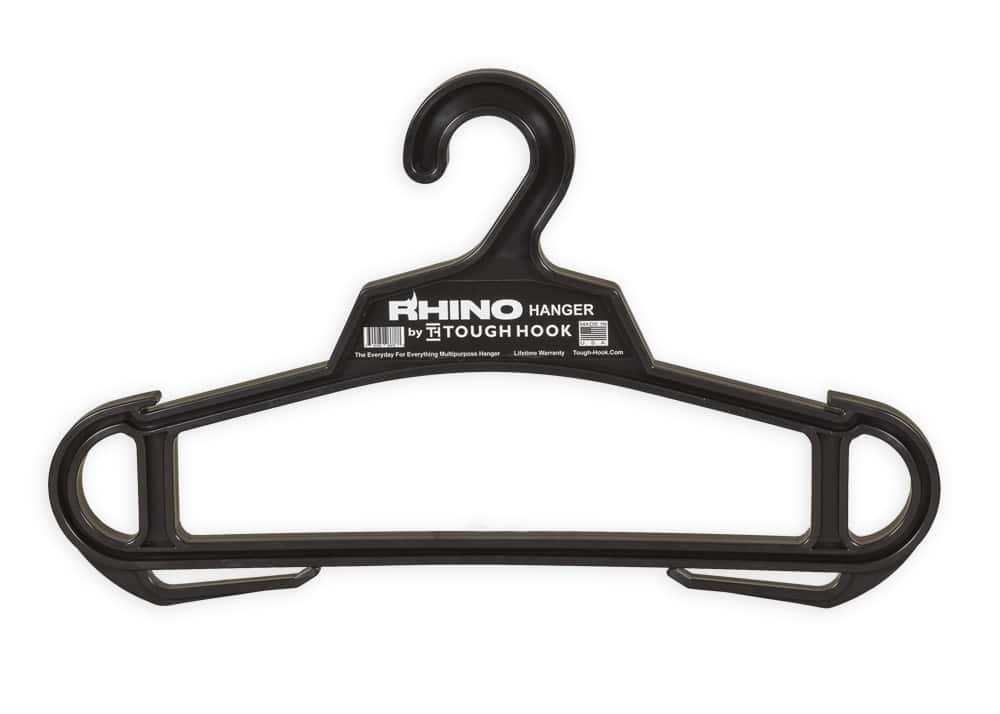
I-Beam Construction: Our hangers utilize a specialized I-beam design that provides maximum strength while remaining lightweight. This allows for the suspension of heavy loads without the risk of bending or breaking.
-
Reversible Handle Design: The unique handle at the base of a Tough Hook allows for the easy transport of gear. This feature is particularly useful for divers, firefighters, and tactical teams who frequently move their kit between stations and vehicles.
-
Versatility Across Industries: While designed for tactical use, our standardized hanging solutions are equally effective for scuba diving suits, heavy winter gear, and even high-end photography or film equipment.
Implementing a Standardized System
Transitioning to a standardized hanging system requires more than just purchasing hardware; it requires a commitment to a specific workflow. Units should establish clear guidelines for how gear is to be prepped and stored.
-
Step 1: Inventory Assessment: Determine the weight and dimensions of all primary gear sets to ensure the hangers selected are rated for the specific load.
-
Step 2: Installation of Storage Rails: Ensure that the wall-mounted rails or lockers are capable of supporting the cumulative weight of multiple loaded hangers.
-
Step 3: Personnel Training: Educate the team on the importance of proper gear hanging. This includes the correct orientation of the hanger and the importance of clearing moisture before long-term storage.
-
Step 4: Regular Audits: Conduct periodic checks to ensure that the standards of organizational consistency are being maintained and that no hangers have been replaced with substandard alternatives.
Operational consistency is a force multiplier. By standardizing the way equipment is stored and maintained, units can ensure that their gear is as ready as their personnel. The implementation of high-strength, purpose-built hangers is a simple yet profound way to enhance unit readiness, protect expensive assets, and maintain the high standards of discipline required in tactical professions. At Tough Hook, we are proud to provide the hardware that supports those who serve. Investing in standardized hanging is an investment in the safety, efficiency, and longevity of the entire team.