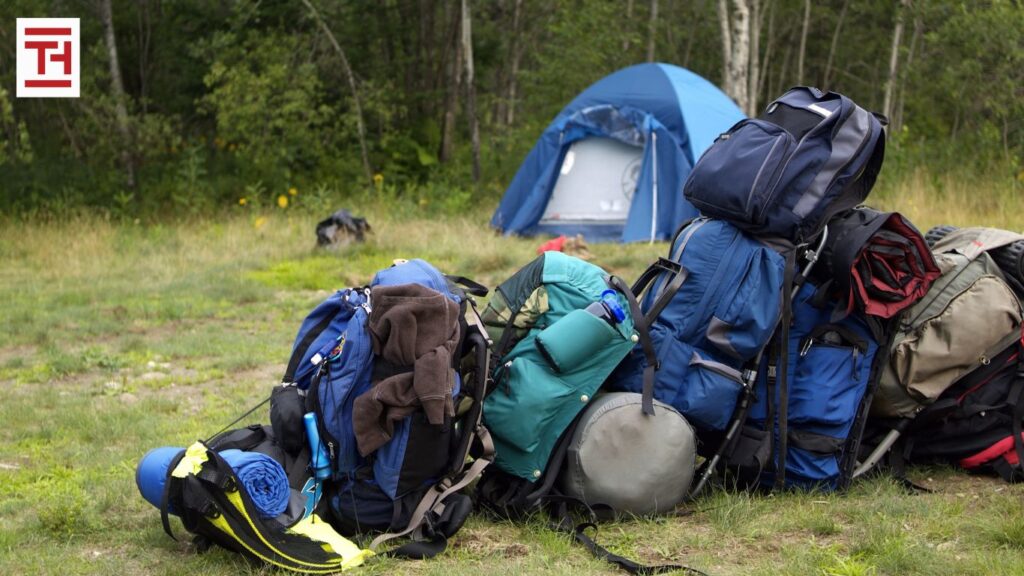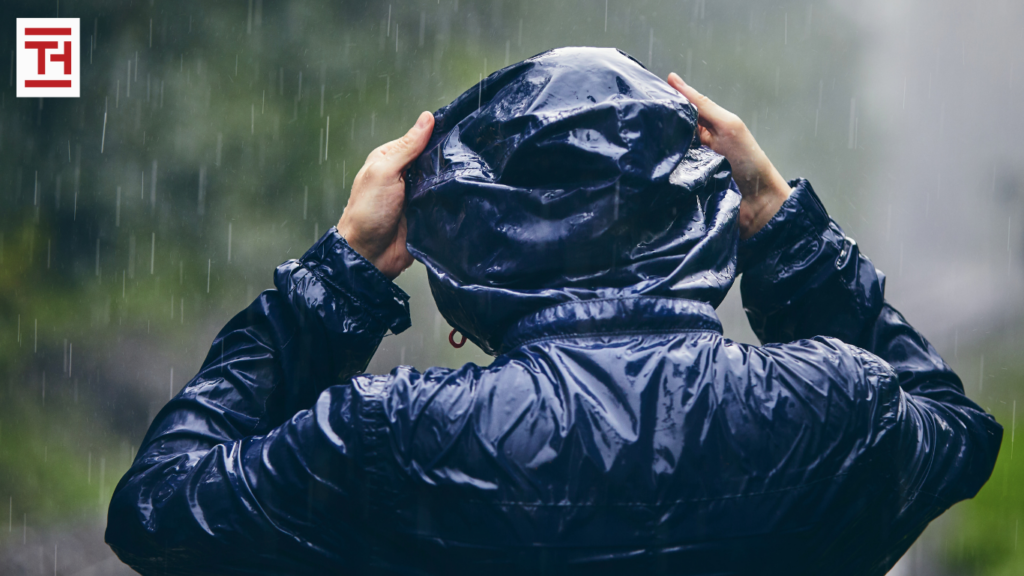
Whether you are a weekend warrior hitting the local trails, a dedicated first responder finishing a grueling shift, or an outdoor enthusiast returning from a backcountry trek, one universal truth remains: mud happens. While the grit and grime are often badges of honor from a job well done or a day well spent, they are less welcome once you cross the threshold of your home. If left unmanaged, wet and dirty equipment can lead to permanent floor stains, lingering odors, and the premature degradation of expensive technical fabrics. Protecting your living space requires more than just a welcome mat; it demands a strategic approach to storage that prioritizes airflow, separation, and heavy-duty organizational tools.
The Problem with Traditional Storage
Most home storage solutions are designed for civilian clothing, not for the rugged demands of soaked tactical vests, muddy waders, or sweat-drenched turnout gear. When you place wet items in a standard closet or toss them into a plastic bin, you create a breeding ground for problems:
-
Microbial Growth: Moisture trapped in dark, enclosed spaces facilitates the growth of mold and mildew. This not only ruins the integrity of your gear but can also release spores into your home air.
-
Structural Damage: Wet gear is significantly heavier than dry gear. Standard plastic or wire hangers often snap or bend under the weight, leading to a pile of wet fabric on your carpet or hardwood.
-
Cross-Contamination: Mud and road salt can easily transfer from your boots to nearby clean items if your storage zone is not properly demarcated.
To avoid these pitfalls, you need a system that treats your gear with the same respect you gave the mission or the trail.

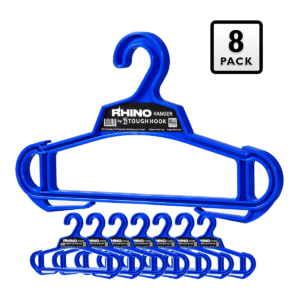
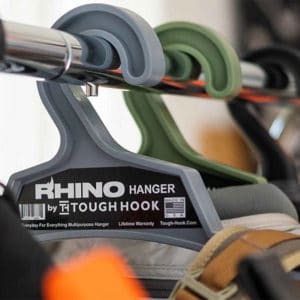
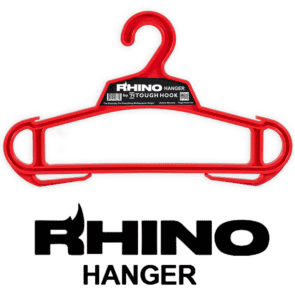
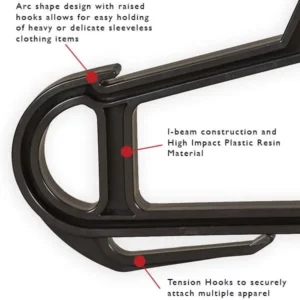


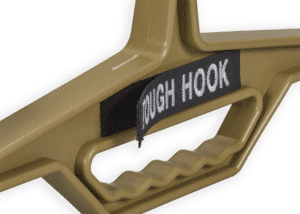
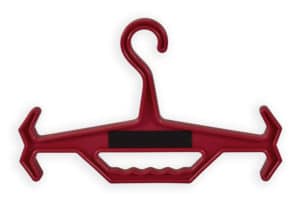
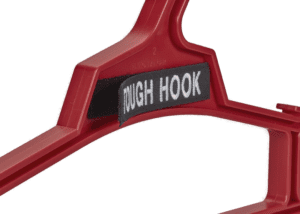
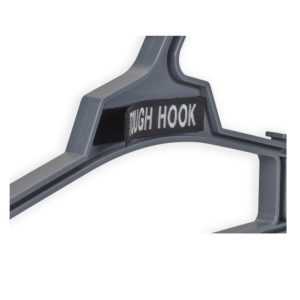
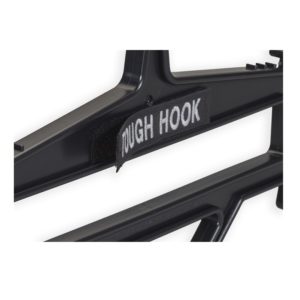
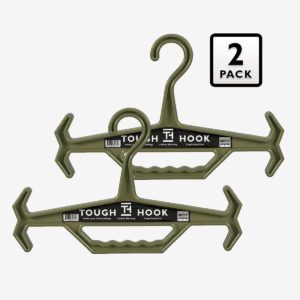

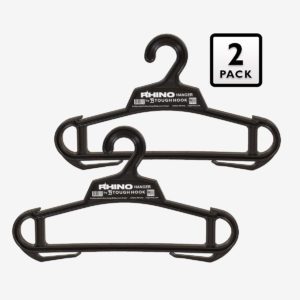
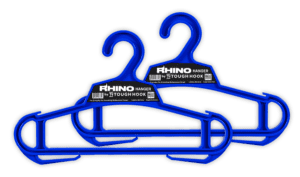
2 Pack RHINO Heavy Duty Clothes Hanger Bundle
Original price was: $27.95.$23.95Current price is: $23.95.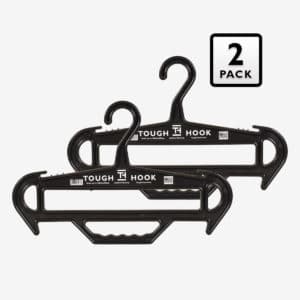
Creating a Transition Zone
The first step in safeguarding your home is establishing a designated transition zone. This is usually a mudroom, garage, or laundry area where dirty equipment can “decompress” before moving further into the house. The goal is to contain the mess to a surface that is easy to clean.
-
Waterproof Flooring: Use heavy-duty rubber mats or specialized boot trays to catch dripping water and falling debris. These can be easily hosed off later.
-
Ventilation: Ensure this area has adequate airflow. A simple floor fan or an open window can drastically reduce drying time, which is essential for preventing the sour smell of damp fabric.
-
Vertical Space Utilization: Keeping gear off the floor is the most effective way to prevent permanent floor damage. This is where specialized hardware becomes indispensable.
The Power of the Right Hanger
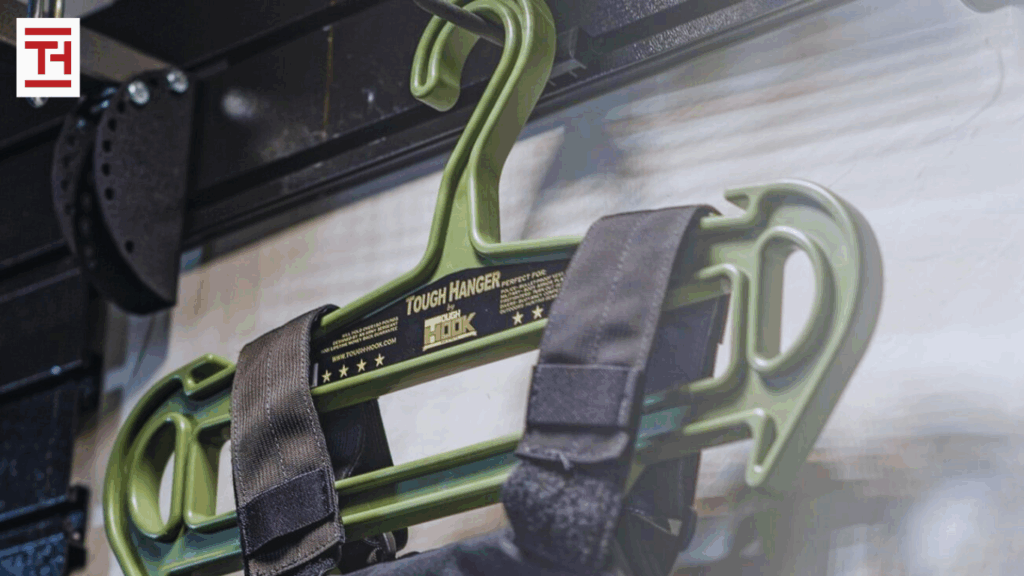
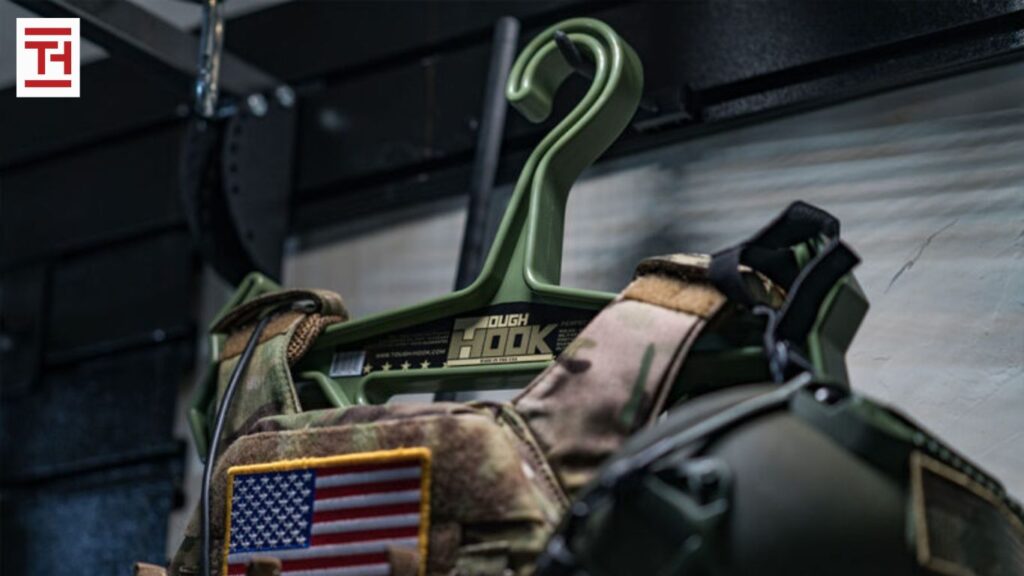
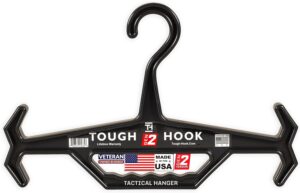
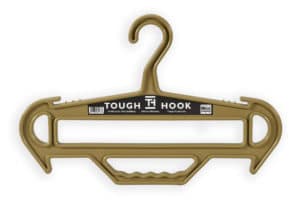
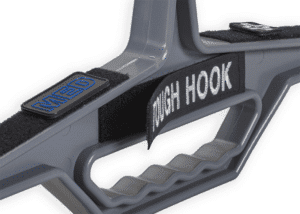
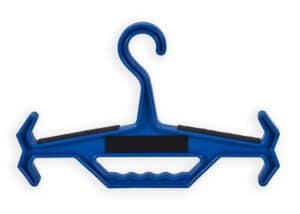
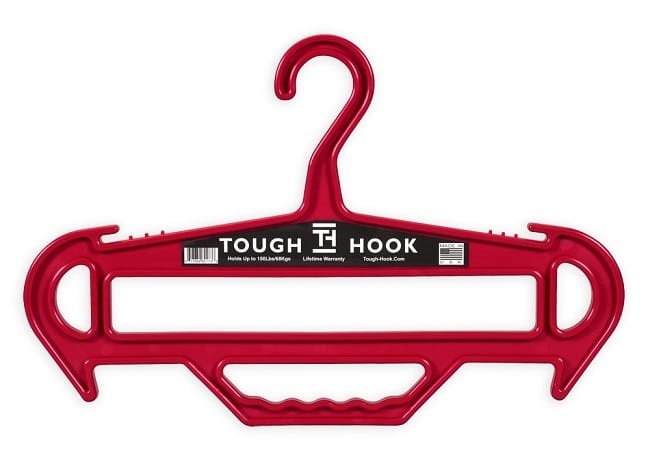
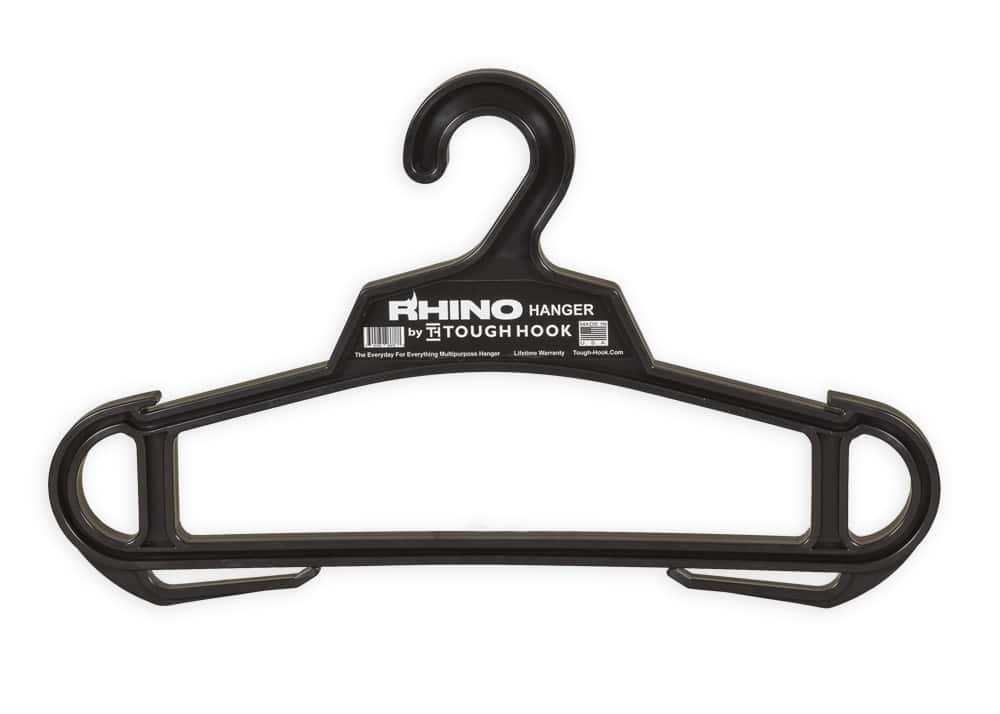
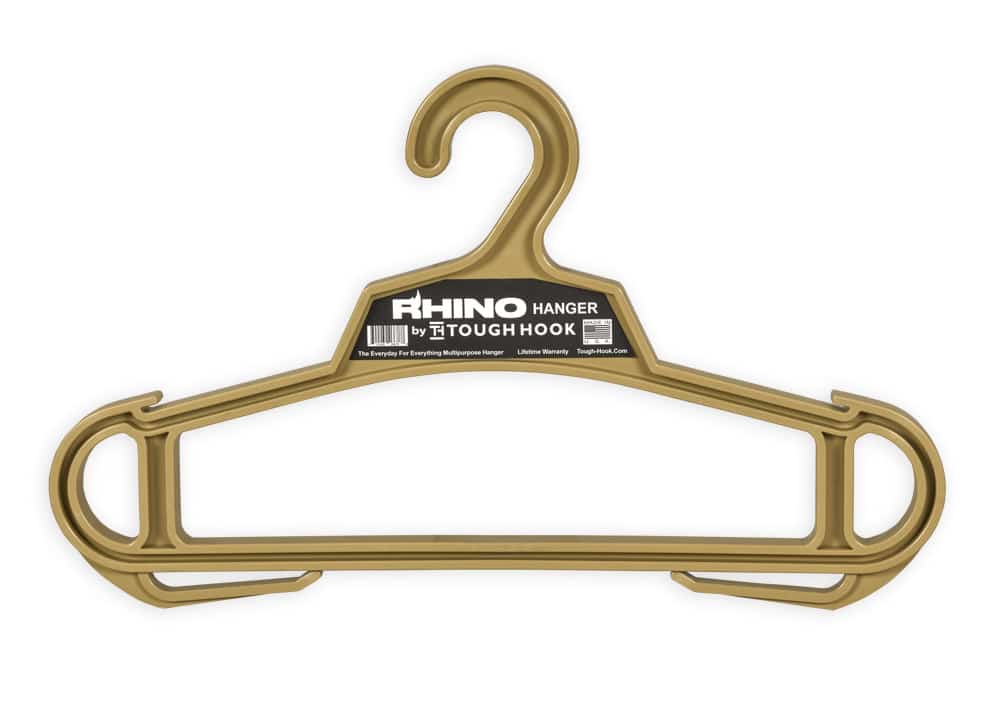
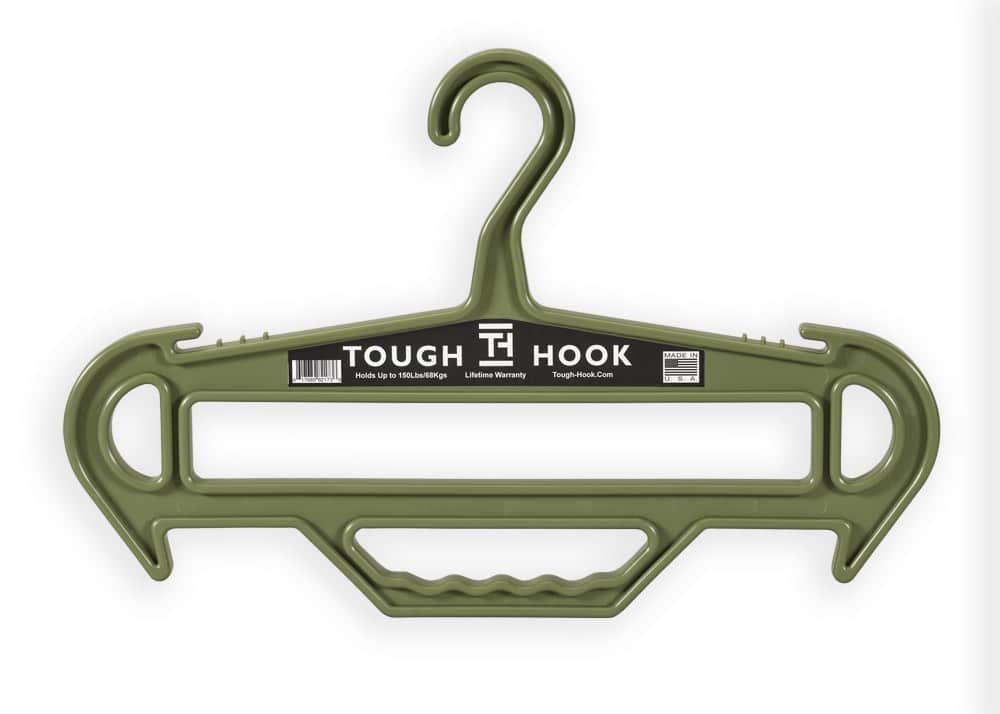
When dealing with heavy, soiled equipment, the standard plastic hangers found in big-box stores are your worst enemy. A soaked tactical vest or a set of heavy-duty overalls can easily weigh twenty to thirty pounds. This is where Tough Hook provides a necessary solution. As a company dedicated to clothing and equipment heavy-duty hangers, Tough Hook designs products specifically for the weight and bulk of professional and outdoor gear.
Using a high-quality, heavy-duty hanger allows you to hang your gear in a way that maximizes surface area exposure to the air. This ensures that the insides of sleeves and the heavy padding of vests dry as quickly as the exterior. Furthermore, Tough Hook products are built to withstand the rigors of heavy equipment, meaning you will not wake up to find your expensive gear in a heap on a damp floor because a flimsy hanger failed overnight.
Step-by-Step Cleaning and Storage Protocol
To ensure your home remains pristine and your gear remains functional, follow a consistent protocol every time you return from the field.
-
Initial Debris Removal: Before entering the house, give your gear a vigorous shake or use a soft-bristle brush to remove large clumps of dried mud. This keeps the majority of the grit outside.
-
The Rinse Phase: If the gear is excessively muddy, use a low-pressure hose or a damp cloth to wipe down the exterior. Avoid high-pressure washers, as they can force grit deeper into the fibers of the fabric.
-
Hang to Dry: Place your items on a heavy-duty hanger like those from Tough Hook. Ensure the items are not touching the wall, as moisture can seep into drywall and cause paint to bubble or mold to form.
-
Boot Care: Use boot dryers or stuff your footwear with crumpled newspaper to pull moisture from the inside out. Never place wet boots directly over a high-heat source like a radiator, as this can crack leather and degrade adhesives.
Managing Odors and Longevity
The “smell” of dirty gear is actually the smell of bacteria breaking down organic matter. If you store your gear while it is still damp and dirty, that odor will eventually permeate your entire storage area and even the surrounding rooms of your home.
-
Use Specialized Sprays: Once an item is hanging and the visible mud has been removed, a light mist of an enzyme-based odor eliminator can help neutralize bacteria.
-
Avoid Long-Term Compression: Never store dirty or damp gear in a compressed bag. This breaks down the loft of insulation and traps moisture in the seams.
-
Regular Inspection: Periodically check your storage area for signs of moisture buildup on the walls or ceiling. High-performance gear holds a lot of water, and that humidity has to go somewhere.
Investing in the Right Infrastructure
Proper storage is an investment in both your home and your equipment. When you consider the cost of replacing damaged hardwood flooring or repurchasing high-end tactical gear, the price of organizational tools becomes negligible.
-
Sturdy Racks: Ensure your hanging rods are bolted into studs. The combined weight of multiple sets of gear can pull a standard rod right out of the drywall.
-
Heavy-Duty Hooks: For items like helmets, bags, and belts, use wall-mounted hooks that are rated for high weight capacities.
-
Specialized Hangers: Utilizing the specific designs from Tough Hook ensures that the shoulders of your jackets and the straps of your vests do not become misshapen under their own weight.
The Impact of Salt and Chemicals
If your outdoor activities involve winter sports or professional duties on salted roads, your storage strategy must be even more rigorous. Salt is highly corrosive and can be tracked deep into home carpeting.
-
Neutralizing Salt: Salt stays active as long as it is moist. It will continue to eat away at zippers and metal grommets. Always rinse salt-exposed gear thoroughly before hanging it up.
-
Chemical Safety: If your gear has been exposed to oils or fuels, it should never be stored in a living area. Use a well-ventilated garage and ensure these items are hung separately to avoid cross-contamination with other fabrics.
Protecting your home from the elements you encounter outside requires a proactive mindset. By establishing a dedicated transition zone, focusing on vertical storage, and using the right tools for the job, you can enjoy your adventures without the stress of a messy household. Tough Hook understands the needs of those who push their equipment to the limit, providing the structural support necessary to keep heavy, dirty gear off the floor and in optimal condition. With a little discipline and the right heavy-duty hangers, you can ensure that while mud might happen, it certainly does not have to stay.