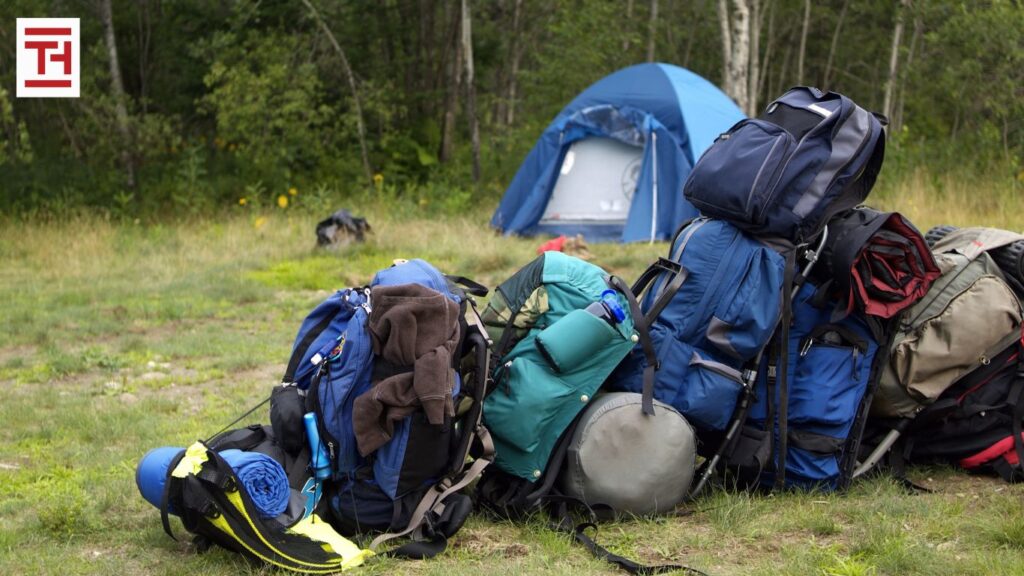
The investment in high-quality hiking gear is often significant. When you purchase a three-layer waterproof shell, a moisture-wicking merino base layer, or a rugged pair of abrasion-resistant trekking pants, you are paying for advanced material science. These technical fabrics are engineered to keep you dry, regulate your temperature, and withstand the brutal realities of the backcountry. However, many hikers unknowingly shorten the lifespan of their gear through improper storage and maintenance.
Preserving the integrity of technical fabrics requires moving beyond the standard “wash and fold” mentality. To maintain the performance standards of your apparel, you must understand how these materials function and how mechanical stress, such as permanent creasing and improper hanging, can lead to premature failure.
Understanding Technical Fabric Composition
Before diving into preservation techniques, it is essential to understand what makes your hiking clothes “technical.” Most modern outdoor apparel relies on complex constructions that are sensitive to physical and chemical environments.
-
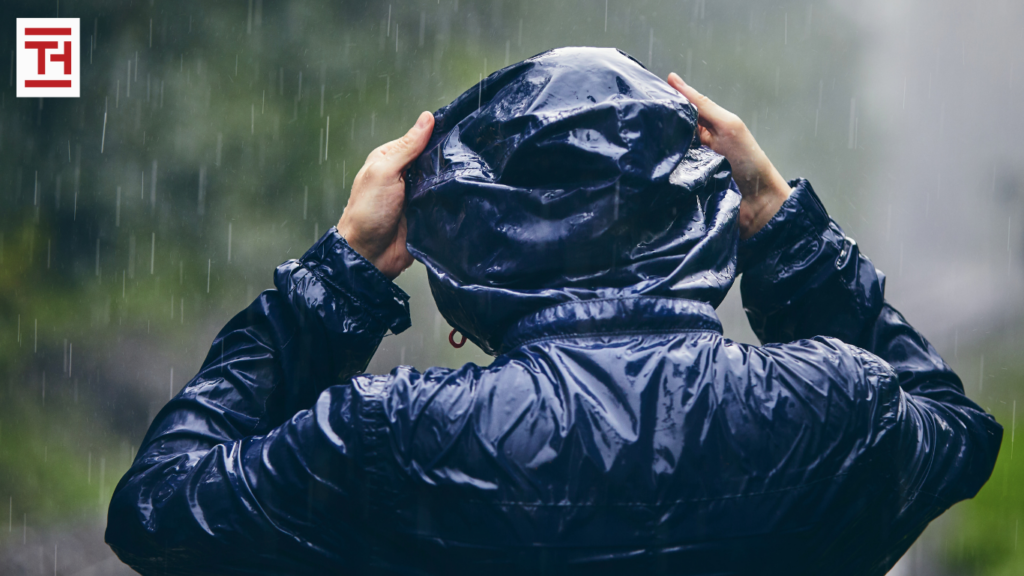
Membrane Technology: Waterproof-breathable jackets often use a microporous membrane, like ePTFE, sandwiched between fabric layers. Constant folding or crushing can create micro-cracks in these membranes, leading to leaks.
-
Durable Water Repellent (DWR): This chemical coating allows water to bead off the surface. Abrasion and deep creases can rub this coating away, causing the fabric to “wet out.”
-
Synthetic Insulation: High-loft polyesters are designed to trap air. When compressed for long periods in a drawer or a tight stuff sack, these fibers can lose their “spring,” resulting in cold spots.
-
Elastane Blends: Many hiking pants include stretch fibers. Over time, high-heat drying or sharp folds can cause these fibers to snap, leading to a loss of shape and “baggy” knees or seats.

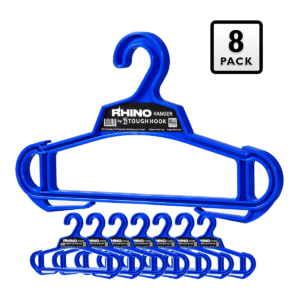
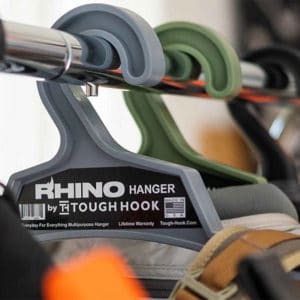
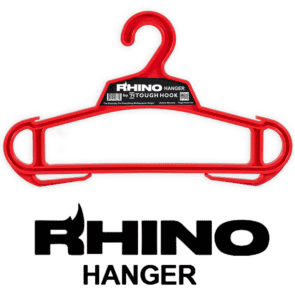
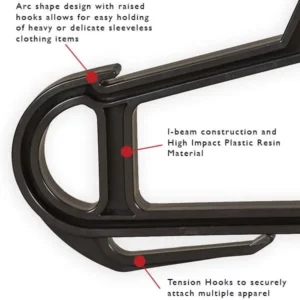

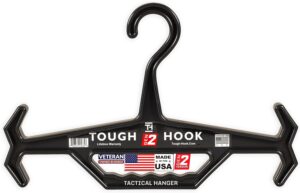

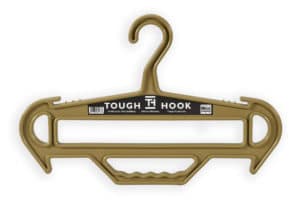
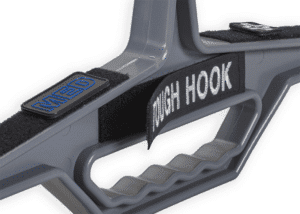
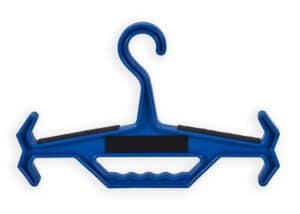
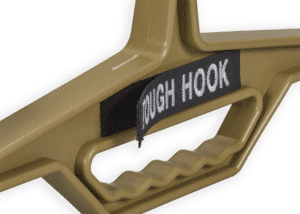
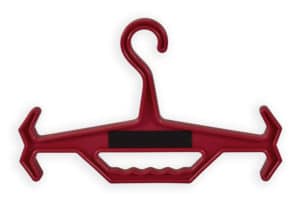
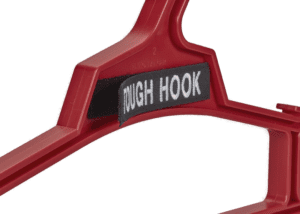
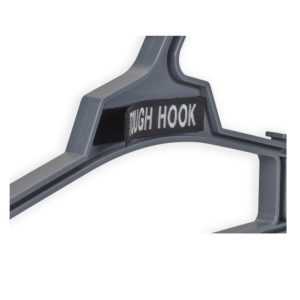
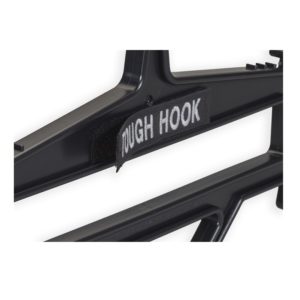
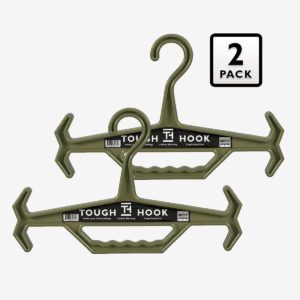

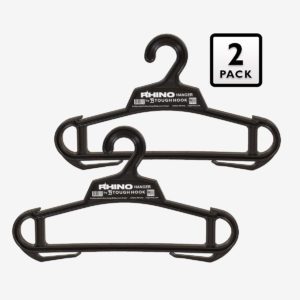
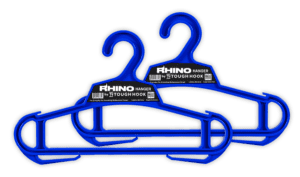
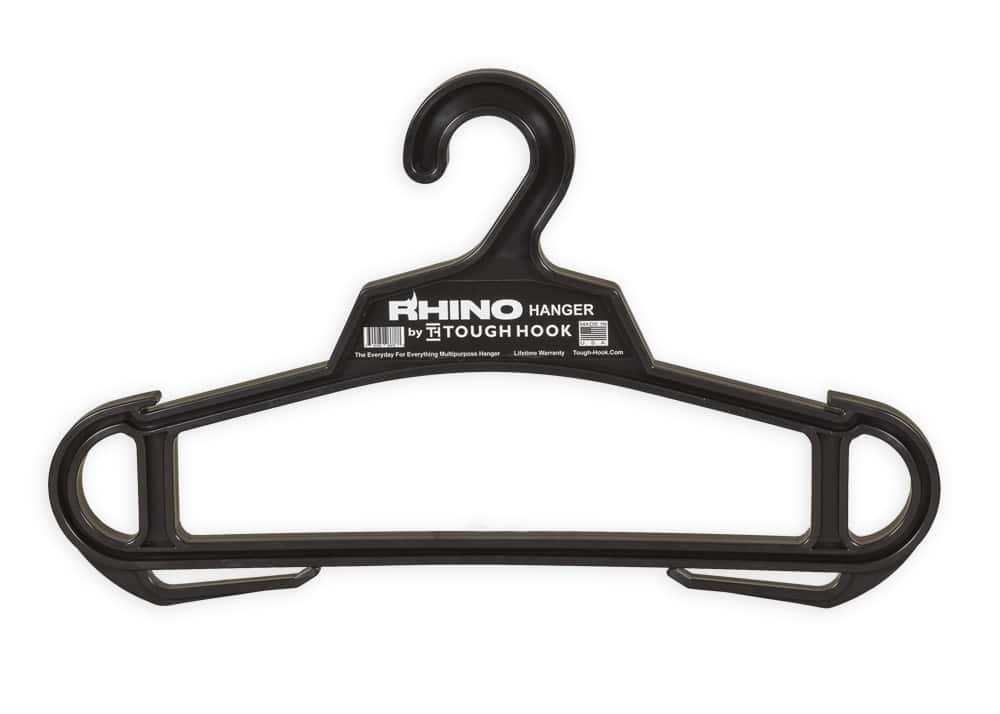
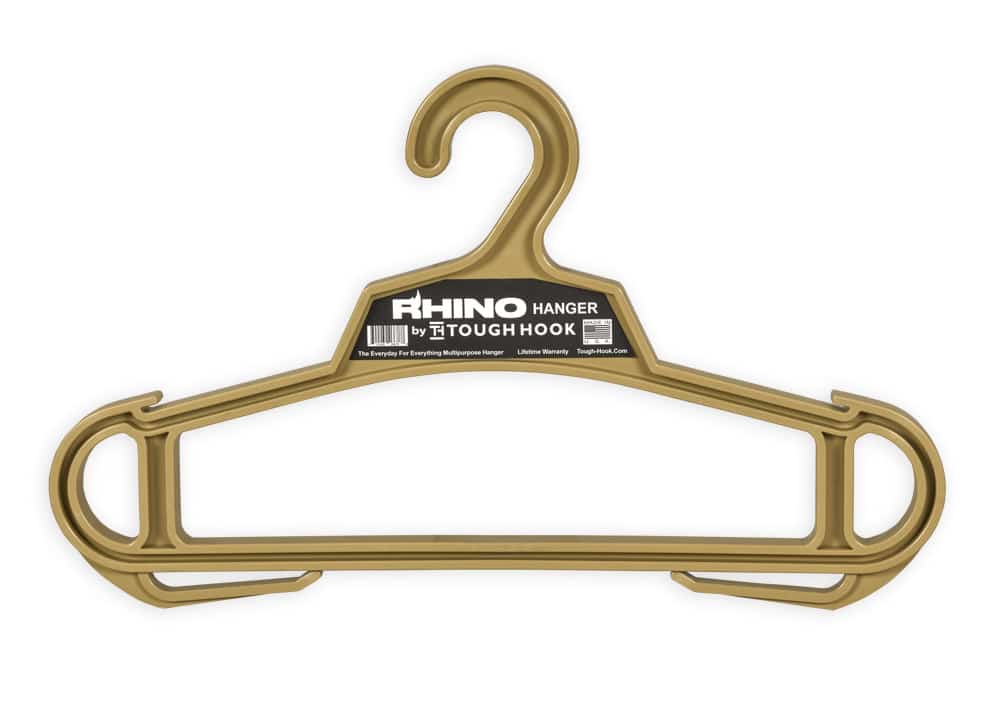
2 Pack RHINO Heavy Duty Clothes Hanger Bundle
Original price was: $27.95.$23.95Current price is: $23.95.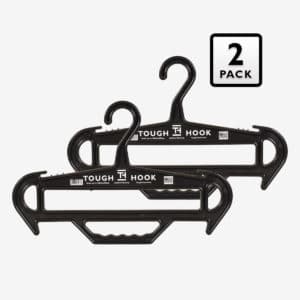
The Danger of the Fold: Why Creases Matter
In the world of technical apparel, a crease is more than an aesthetic nuisance. It is a point of concentrated mechanical stress. When you fold a heavy-duty GORE-TEX jacket and stack other items on top of it, you are applying pressure to the same specific lines of the membrane and the DWR finish.
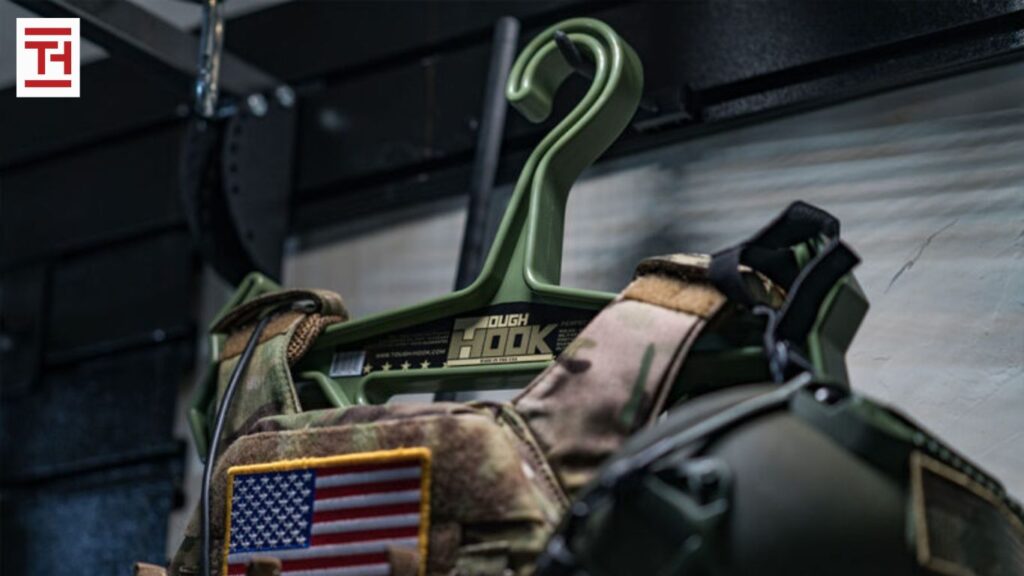
Over time, these “stress lines” become permanent. In waterproof gear, the internal laminate can begin to delaminate—separating from the outer face fabric—specifically along those fold lines. Once delamination occurs, the gear is effectively compromised. Similarly, for heavy-duty tactical or search-and-rescue hiking vests, folding can damage internal structural components or specialized coatings.
This is where storage philosophy shifts from “stowing” to “preserving.” Proper vertical storage is the gold standard for maintaining the architectural integrity of high-performance textiles.
Vertical Storage and the Role of Heavy-Duty Support
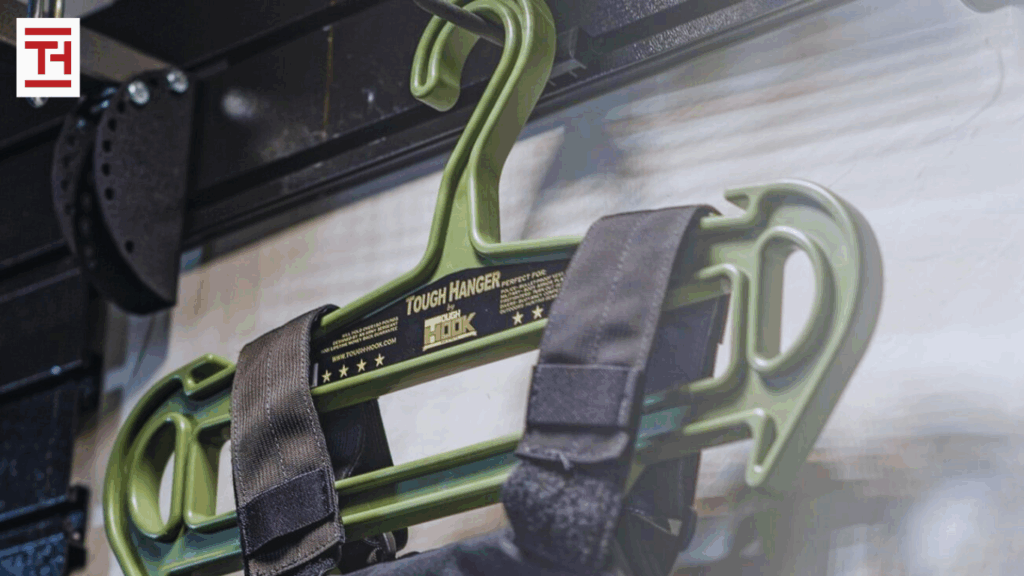
Most standard plastic or wire hangers are insufficient for technical hiking gear. A heavy, moisture-laden rain shell or a tactical hiking vest weighted with tools can cause a cheap hanger to bow or snap. More importantly, thin hangers create “hanger bumps” in the shoulders, stretching the fabric out of its original anatomical shape.
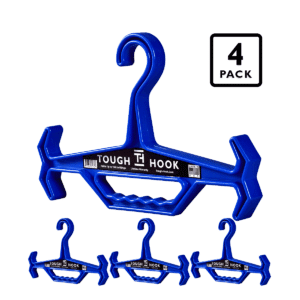
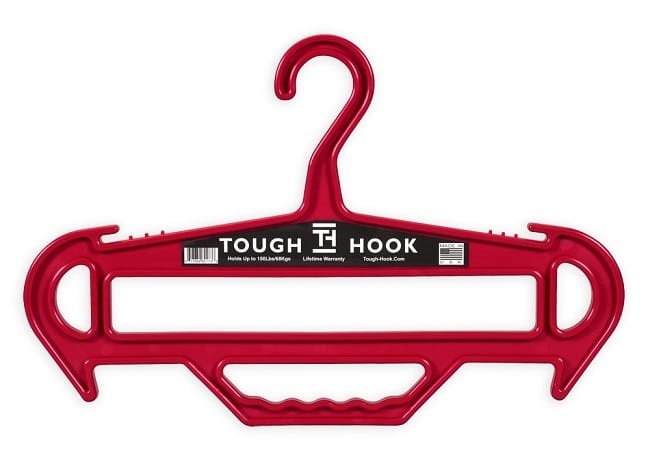
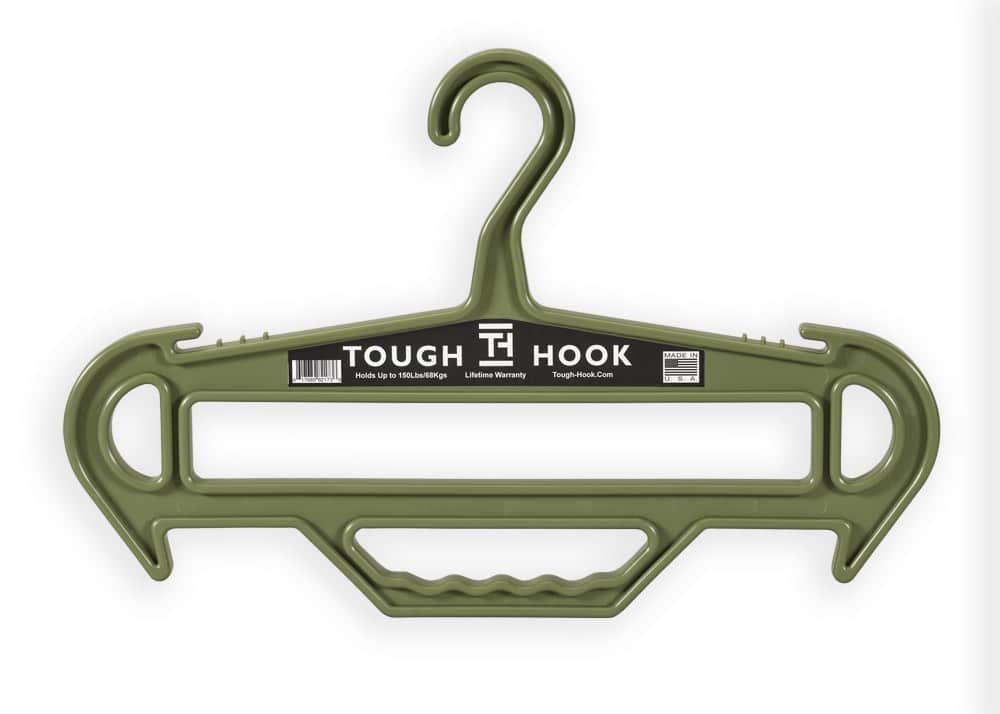
This is why we at Tough Hook engineered a solution specifically for heavy-duty equipment and clothing. Technical apparel often carries extra weight—whether it is the density of the fabric itself or the gear stored in the pockets. Using a Tough Hook heavy-duty hanger ensures that the weight is distributed evenly across a wide, reinforced shoulder frame. This prevents the fabric from stretching and ensures that the garment hangs in a natural position, free from the sharp bends that lead to fiber fatigue.
Benefits of Heavy-Duty Hanging Systems:
-
Airflow Circulation: Hanging your gear allows air to move around the entire garment, preventing the buildup of mildew or “trail funk” that occurs in dark, cramped drawers.
-
Shape Retention: Wide-shoulder hangers mimic the human frame, ensuring that specialized stitching and articulated joints in hiking jackets remain true to their design.
-
Easy Inspection: When gear is hung properly, it is easier to spot areas where the DWR is wearing thin or where a seam may need re-taping before your next expedition.
-
Weight Capacity: Tough Hook products are designed to hold over 150 pounds, making them ideal for hanging full kits, including heavy winter parkas and weighted hydration vests.
Best Practices for Washing Technical Gear
Preservation is not just about how you store the item but also how you clean it. Dirt, body oils, and campfire smoke can all clog the pores of breathable fabrics.
-
Use Technical Detergents: Standard household detergents often contain perfumes, dyes, and optical brighteners that leave a residue on technical fibers. Use a specialized “tech wash” to clean without stripping the DWR.
-
Close All Fasteners: Before washing, zip up all zippers and secure all Velcro tabs. This prevents the metal teeth or hook-and-loop patches from snagging and abrading the face fabric during the agitation cycle.
-
Rinse Thoroughly: Ensure that all soap is removed. An extra rinse cycle is often recommended for heavy waterproof shells.
-
Low Heat Drying: Most DWR coatings actually require a bit of heat to “reactivate” the fluoropolymers. A short stint in the dryer on low heat can restore water-beading performance, provided the care label allows it.
Long-Term Off-Season Storage
When the season ends and you are putting away your heavy winter shells or specialized mountaineering gear, the temptation is to vacuum-seal them to save space. This is a mistake for technical fabrics.
Vacuum sealing creates extreme, high-pressure creases and completely collapses the loft of insulated items. Instead, follow these steps for off-season preservation:
-
Clean Before Storing: Never store gear dirty. Body oils can degrade synthetic fibers and laminates over several months of inactivity.
-
Choose a Cool, Dry Place: Humidity is the enemy of seam tape. Store your gear in a climate-controlled environment rather than a damp basement or a sweltering attic.
-
Utilize Vertical Space: Hang your heaviest items on a Tough Hook. If you must store items in bins, fold them loosely and place the heaviest items at the bottom with lighter items on top to minimize compression.
-
Avoid Plastic Bags: Technical fabrics need to breathe. Use cotton storage bags if you need to protect them from dust, as these allow moisture to escape.
Repair Rather Than Replace
Part of preserving technical apparel is addressing small issues before they become catastrophic failures. Because technical fabrics are so specialized, a small tear in a down jacket can lead to a total loss of insulation if not patched immediately.
Keep a repair kit that includes tenacious tape, seam sealer, and a DWR restoration spray. If you notice water is no longer beading on the shoulders of your jacket—even after washing and drying—it is time to apply a topical DWR treatment. By maintaining the surface chemistry of the fabric, you reduce the workload on the internal membrane, extending the life of the garment by years.
A Commitment to Longevity
Technical hiking apparel is designed to protect you from the elements, but it requires a level of protection in return. By understanding the science of membranes and the mechanical risks of creasing, you can ensure your gear lasts for hundreds of miles rather than just a few seasons.
Investing in the right maintenance routine and the proper hardware, such as Tough Hook heavy-duty hangers, is a commitment to sustainability and performance. When you leave no crease behind, you ensure that your gear is always ready for the next peak, the next storm, and the next adventure.
Would you like me to provide a specific guide on how to clean and hang specialized high-altitude down suits using our heavy-duty hangers?