A men’s closet works best when it’s built around actual habits, not just tidiness for a day. Most guys clean a closet out once, and within a month everything’s back in a pile because the setup never matched how clothes actually get worn. Get the system right the first time and it holds, no matter how busy the mornings get. Get the basics right first: the right pants hangers make more difference than most men expect, since standard hangers let pants slip and pile up loose on a shelf instead of staying put on the rod.
How to Organize a Men’s Closet the Easy Way
These 10 steps cover every part of a men’s closet, from the rod setup to the one habit that keeps it from filling back up. Work through them in order and the closet stays organized for good, not just for the week after a cleanout.
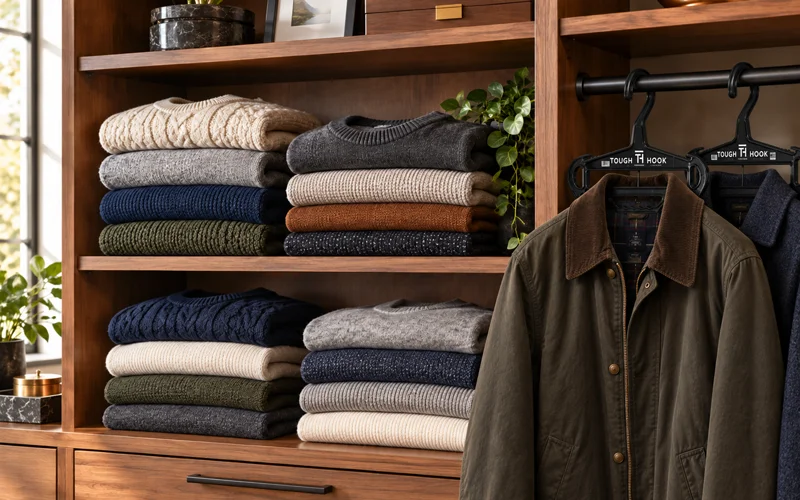
1. Fold Sweaters Instead of Hanging Them
Hanging a sweater is the fastest way to ruin it. The shoulders stretch out around the hanger within a few wears, and knit fabric develops shoulder bumps that never fully relax back out, even after a wash.
Fold every sweater instead: lay it flat, fold the sleeves in toward the center, then fold the body in thirds so it sits at a manageable size on the shelf. Wool and cashmere sweaters especially need this treatment, since those fibers hold a stretch mark permanently.
If the closet has no shelving, that’s the first fix to make, not an excuse to keep hanging sweaters. A single shelf above the rod is enough to hold a season’s worth of folded knitwear.
Read more: Maximize Your Closet Space: Best Coat Hanger Options
2. Add a Second Hanging Rod
Most men’s closets have one rod running the full width, which wastes the bottom third of the closet completely, since shirts and jackets only use the top two-thirds of that vertical space.
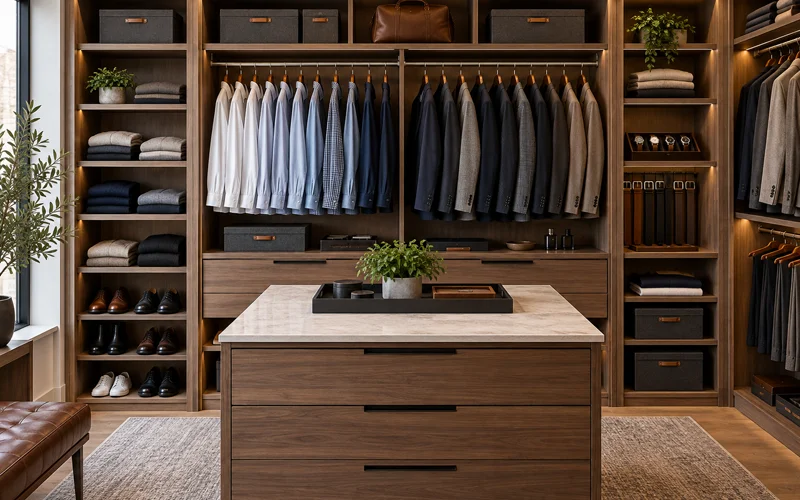
Installing a second closet rod about 40 inches below the first one turns that wasted space into a second full row of hanging storage, usually enough for every shirt in rotation.
Measure before buying: shirts need roughly 34 to 38 inches of clearance from the lower rod to the floor, so leave that much room between the two rods rather than splitting the closet height evenly.
For a deeper look at getting the whole rod-and-shelf layout right, this closet-with-hangers breakdown covers spacing for different closet sizes.
3. Keep Casual Clothes and Athletic Wear in Drawers
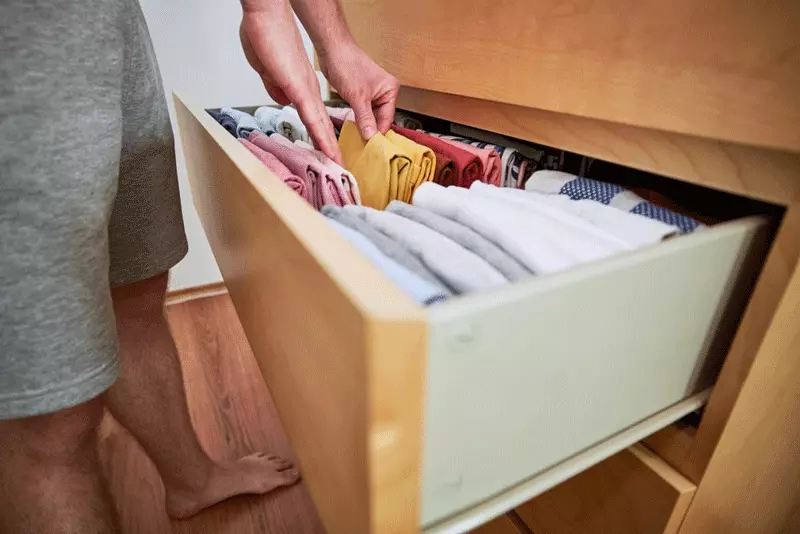
Athletic shorts, t-shirts, and gym gear don’t need to be on display, and hanging them wastes rod space that dress shirts and jackets need more. Fold these and store them in drawers instead, whether that’s a built-in closet drawer system or a small chest of drawers set inside the closet itself. Keep the folding consistent, same fold, same orientation, so drawers stay scannable at a glance instead of turning into a dig-through pile after the first busy week.
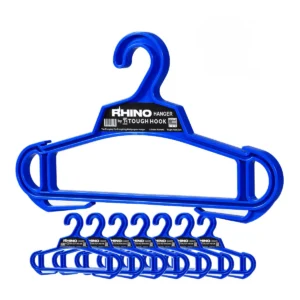
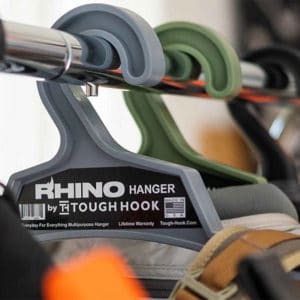

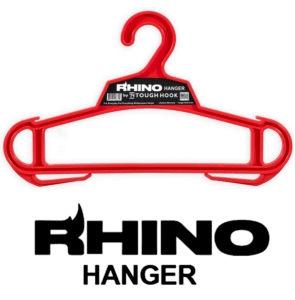
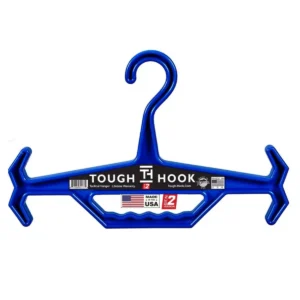

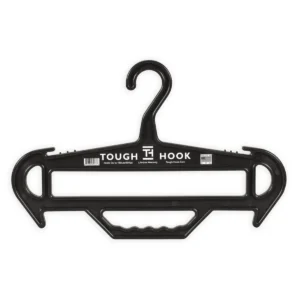
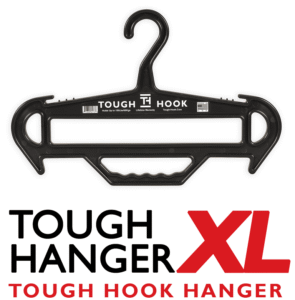
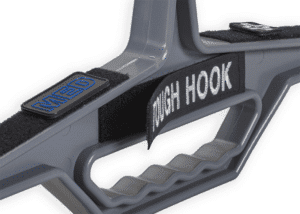
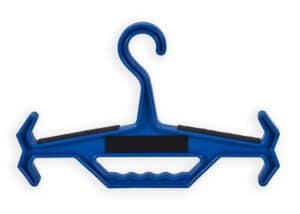
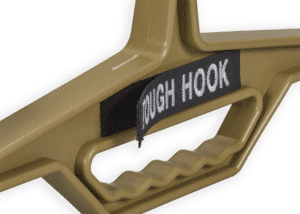
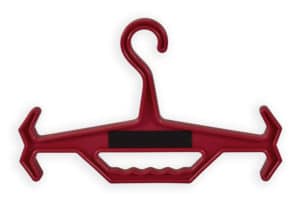
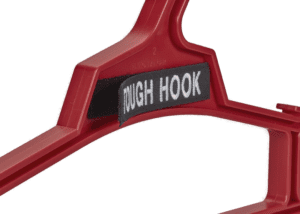
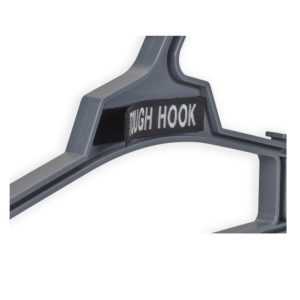
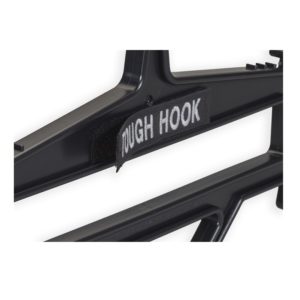


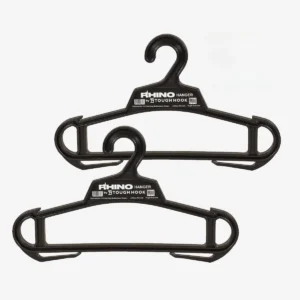
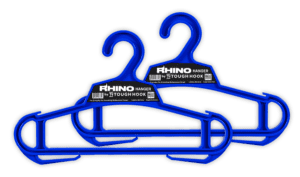
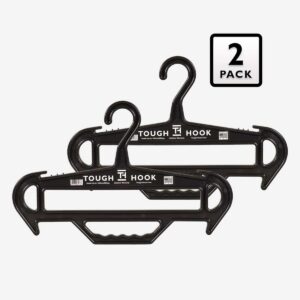
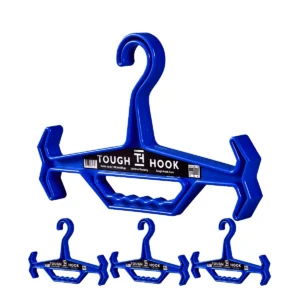
2 Pack RHINO Heavy Duty Clothes Hanger Bundle
Original price was: $27.95.$23.95Current price is: $23.95.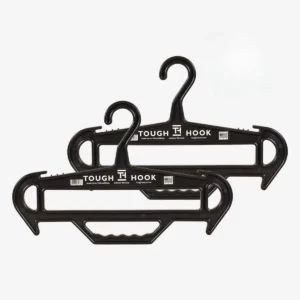
4. Give Every Pair of Shoes a Fixed Spot
Shoes are usually the first thing that turns an organized men’s closet back into a mess, since they tend to pile up loose on the floor the moment laundry day gets skipped. The fix is to give every pair a defined spot and match the storage method to how often that pair actually gets worn.
Start with the everyday pairs. Keep sneakers, work shoes, and whatever gets grabbed on the way out the door on a low, tiered shoe rack at floor level, where they’re easy to reach without bending or digging. A simple two or three tier rack holds far more than a floor pile and keeps pairs together.
For dress shoes and seasonal pairs, clear stackable shoe boxes work well. They keep leather free of dust, let you see each pair at a glance, and stack neatly on a higher shelf so they stay out of the daily rotation but still easy to find. Cedar shoe trees are worth adding for good leather shoes, since they hold the shape and pull moisture out after wear.
Boots need their own approach. Stand tall boots upright with boot shapers (a rolled towel works in a pinch) so they don’t slump and crease at the ankle, and keep all the boots together rather than scattered around. If floor space is tight, an over-the-door shoe organizer is the easiest win in a smaller men’s closet.
It moves a dozen or more pairs off the floor entirely and is ideal for flats, sandals, and lighter sneakers. For more small-closet tricks like this one, these vertical storage hacks are worth a look. One rule keeps the whole system working: most-worn pairs stay at floor or eye level, occasional pairs go up high, and shoes get wiped down before they go back so dirt doesn’t spread to the rest of the wardrobe.
5. Set Up a Small Storage Spot for Watches, Wallets, and Cufflinks
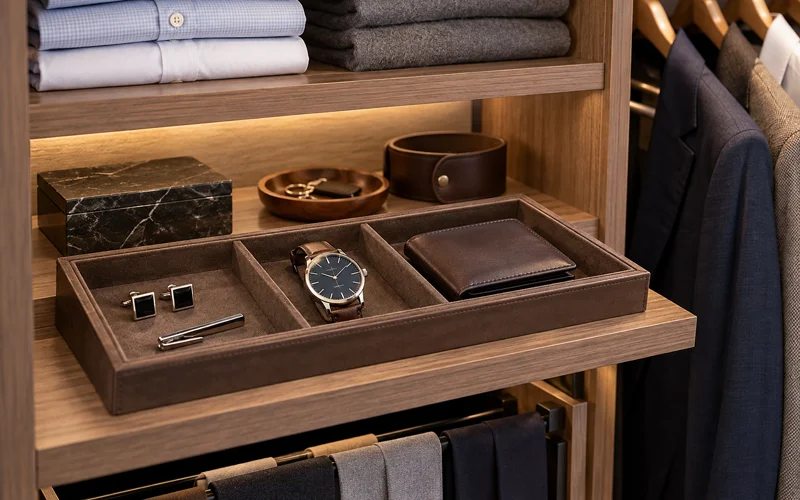
Small items need a home of their own, or they end up scattered across a nightstand, a car cupholder, and every jacket pocket in the closet at once. A shallow tray or dish on top of a dresser or shelf solves this in one move: watches, cufflinks, a wallet, and loose change all land in the same spot every night, which also makes it obvious the moment something’s missing.
6. Put Shirts on the Top Rod
Dress shirts and button-downs belong on the top rod, and the hanger matters more than most guys assume. Thin wire or cheap plastic hangers leave shoulder dimples in dress shirts within a season, especially on shirts with any structure to the shoulder.
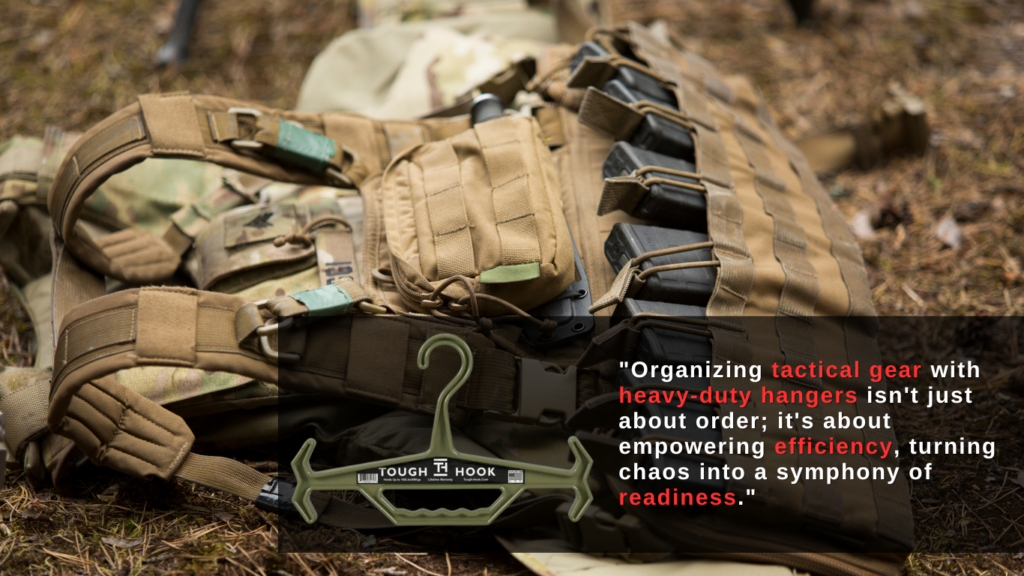
At Tough Hook, hangers get engineered the same way for tactical and military gear as for everyday clothing, so a shirt on a heavy-duty shirt hanger holds its shape instead of sagging at the shoulder points.
7. Put Pants on the Bottom Rod
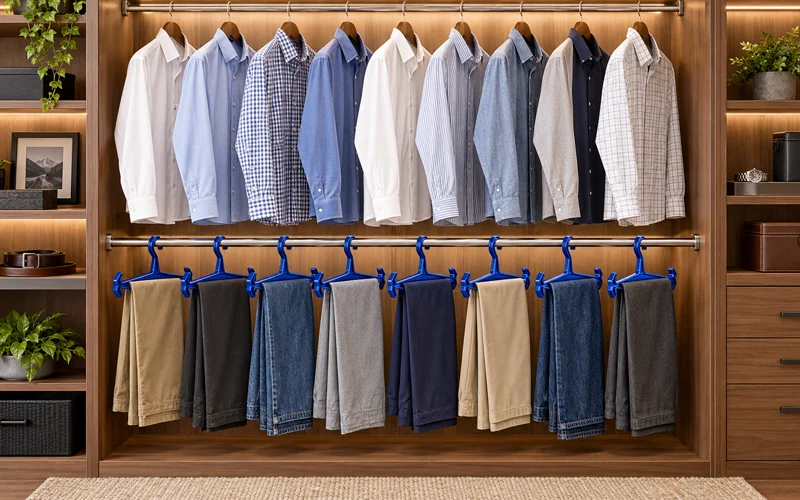
Fold pants lengthwise over a bar-style hanger rather than draping them flat on a shelf, where creases set in the wrong places and everything blurs into one pile. Both dress pants and casual pants like jeans do better hung this way on hangers built to hold the weight without bending. With pants on the bottom rod and shirts on the top, it’s easy to see which pair goes with which shirt at a glance, no digging required.
8. Sort Ties by Color and Pattern
Ties usually end up in one of two places: hanging on a tie rack in the closet, or rolled and stored in a drawer. Either method works fine as long as they’re sorted the same way every time, by color first and then by solid versus patterned. A tie rack takes seconds to scan visually; a drawer takes a little more discipline to keep sorted, but either beats a tangled pile at the back of a shelf.
9. Move Seasonal Clothing Out of Daily Rotation
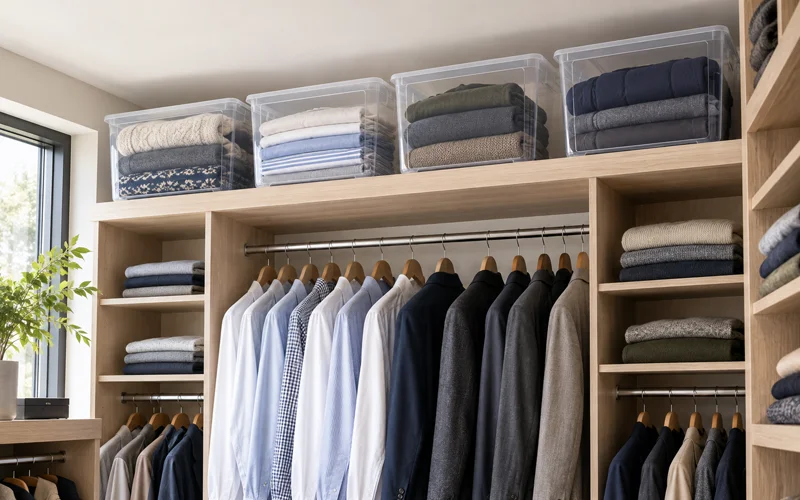
Heavy coats in July and swim trunks in January are just taking up prime closet space for gear that won’t get touched for months. Move seasonal pieces into clear bins on the top shelf, both because clear bins make it obvious what’s inside without opening them, and because the top shelf is the hardest spot to reach, exactly where out-of-season clothing belongs. For the swap itself, especially with anything bulky like winter coats, storing seasonal gear the right way prevents the creasing and musty smell that comes from cramming heavy fabric into a bin without airflow.
10. Apply the One-Year Rule
The one-year rule is the simplest way to keep a men’s closet from filling back up: if a piece hasn’t been worn in a full year, it’s time to let it go. Twelve months covers all four seasons, so anything still untouched after that almost certainly isn’t earning its spot on the rod. The hard part is remembering what actually gets worn week to week.
An easy trick is to turn every hanger backward at the start of the year. Each time something gets worn and hung back up, flip the hanger to face the normal direction. After a year, anything still facing backward hasn’t been touched, and those pieces are the first candidates to clear out.
When clearing items, sort them as they come off the rod instead of building one big pile to deal with later: donate what’s still in good shape, sell anything with resale value, set aside pieces that need a quick repair or tailoring, and toss what’s worn out completely. A couple of exceptions are worth keeping in mind.
Formalwear like a suit or tux gets worn rarely but still needs a spot, and genuinely seasonal gear counts as worn even if it sat untouched for months at a time. Everything else that fails the year test is just taking up room a well-organized men’s closet doesn’t have to spare. Once the closet’s down to what actually gets worn, a hanger system built to last keeps it that way instead of sliding back into a pile by spring.
Frequently Asked Questions
How often should you fold sweaters instead of hanging them?
Every time. Sweaters should never go on a hanger, since the shoulders stretch out and knit fabric develops permanent shoulder bumps within a few wears. Fold every sweater flat and store it on a shelf, especially wool and cashmere, which hold a stretch mark for good once it sets in.
How far apart should two closet rods be?
Leave about 34 to 38 inches of clearance between the lower rod and the floor, which means the second rod usually sits around 40 inches below the first. That gap is enough for shirts to hang without dragging or bunching at the bottom.
Where should shoes go in a men’s closet?
Everyday shoes belong on a low, tiered rack at floor level for quick access. Dress shoes and seasonal pairs do better in clear stackable boxes on a higher shelf, and boots should stand upright with boot shapers so they don’t crease at the ankle.
What is the one-year rule for closet organization?
If a piece of clothing hasn’t been worn in a full twelve months, it’s time to let it go. Turning every hanger backward at the start of the year and flipping it forward each time that item gets worn makes it easy to see, a year later, exactly what’s actually earning its spot.
How should seasonal clothing be stored in a closet?
Move out-of-season pieces into clear bins on the top shelf. Clear bins make it obvious what’s inside without opening them, and the top shelf keeps bulky items like winter coats out of the way without taking up prime rod space needed for daily wear.
Should ties be hung or stored in a drawer?
Either works, as long as they’re sorted consistently by color first and then by solid versus patterned. A tie rack is faster to scan at a glance, while a drawer takes a bit more discipline to keep organized but works just as well.