When you invest in high-performance gear, you are paying for reliability. Whether it is a ballistic plate carrier, heavy scuba diving equipment, or firefighter turnout gear, this equipment is designed to save lives and withstand the harshest environments on Earth. However, there is a critical disconnect in how many professionals store this expensive life-saving equipment. Too often, a two-thousand-dollar vest is hung on a ten-cent piece of plastic that was designed for a button-down shirt.
Real-world operations do not pause for equipment failure. In extreme conditions—ranging from the freezing temperatures of an arctic deployment to the searing heat of a desert base—standard storage solutions warp, snap, and fail. This is where tactical hangers bridge the gap. Unlike standard department store hangers, tactical hangers are engineered tools designed to support massive loads under significant stress.
In this article, we will explore the engineering behind these survival-grade tools, the environmental factors they must overcome, and why companies like Tough Hook have set the industry standard for clothing and equipment heavy-duty hangers.
The Engineering of Durability: It Is Not Just Plastic
To understand why a tactical hanger survives where others fail, one must look at the material science. A standard hanger is typically made from cheap polystyrene or thin wire. These materials have low tensile strength and are highly susceptible to “creep,” which is the tendency of a solid material to move slowly or deform permanently under the influence of mechanical stresses.
Tactical hangers are constructed differently. They utilize high-impact, industrial-strength resins specifically formulated to handle static loads that would shatter ordinary plastic.
Here is what separates a tactical hanger from a standard household item:
-
Impact Resistance: High-grade resin is formulated to absorb shock rather than shatter, meaning the hanger can be tossed into the back of a truck or dropped on concrete without compromising its structural integrity.
-
Load Capacity: While a standard hanger snaps under 10 pounds of pressure, a purpose-built tactical hanger is often rated for over 150 pounds, ensuring it can hold fully loaded rigs without bending.
-
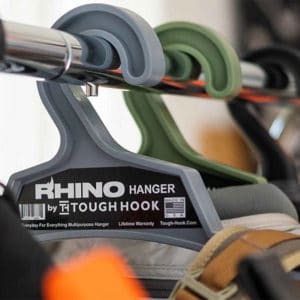
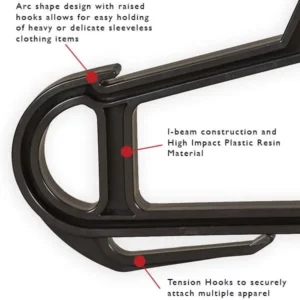
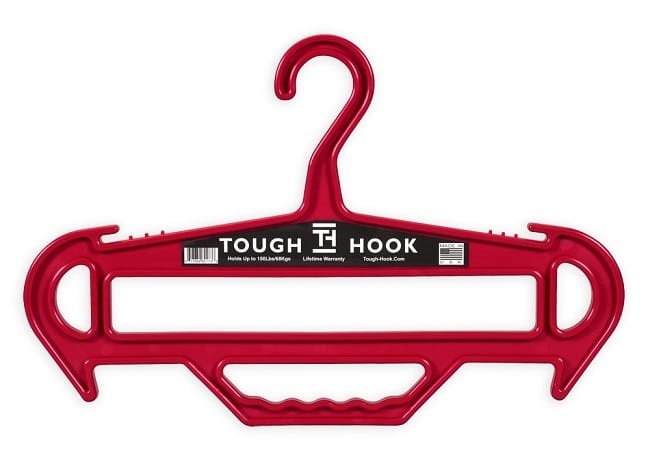
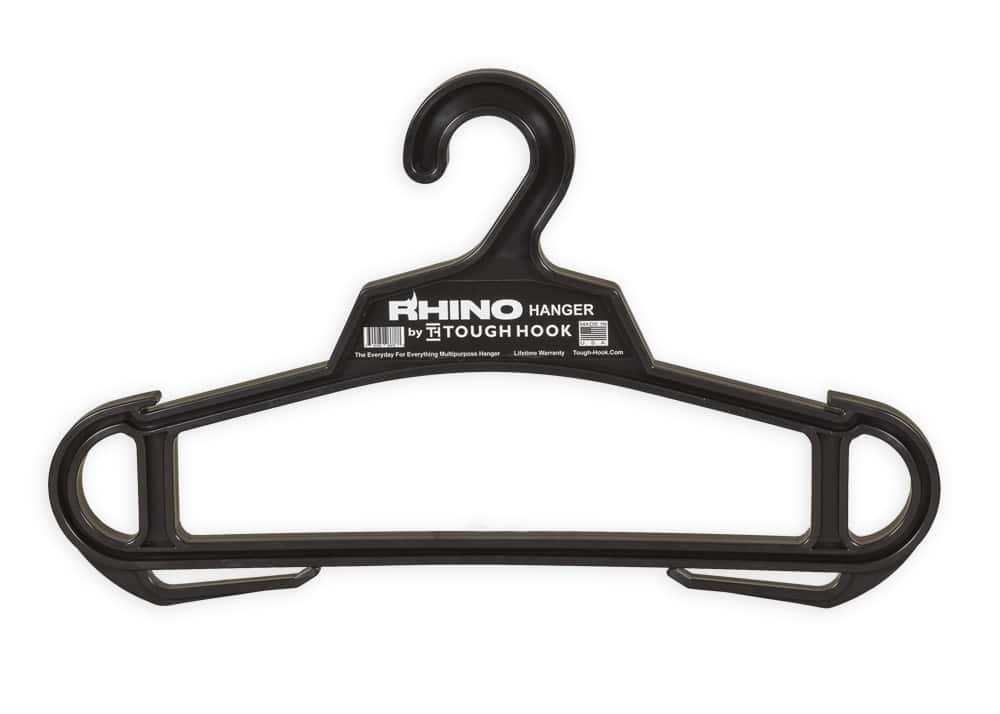
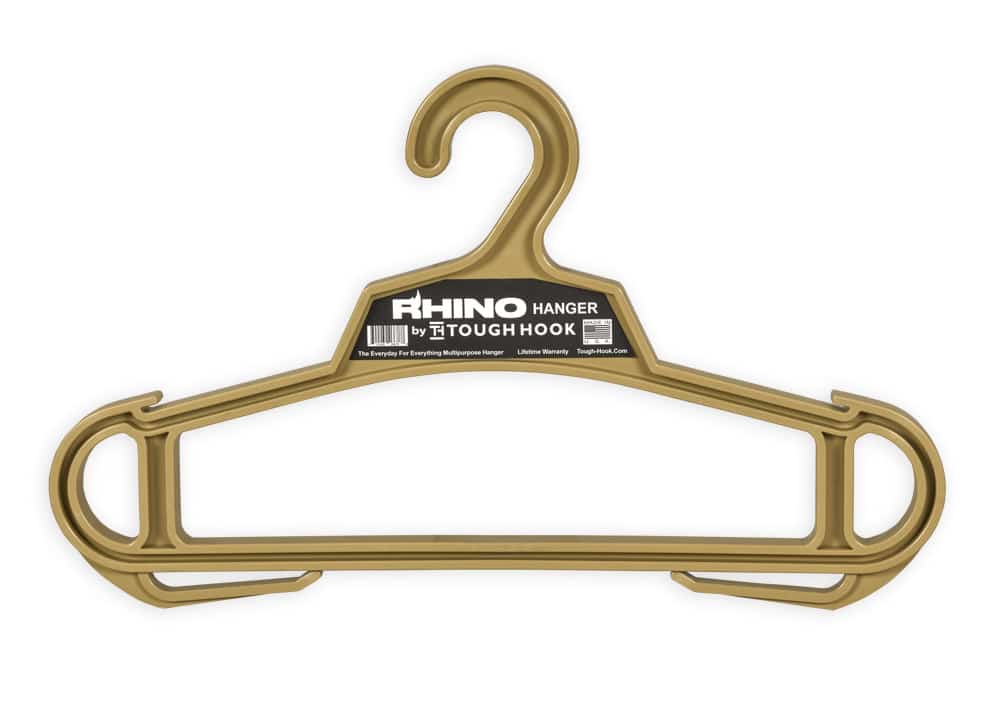
I-Beam Construction: Similar to the steel girders used in skyscraper construction, the physical design of a tactical hanger often features I-beam geometry to maximize stiffness and minimize weight.

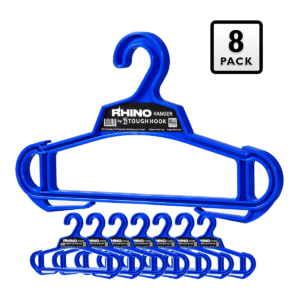

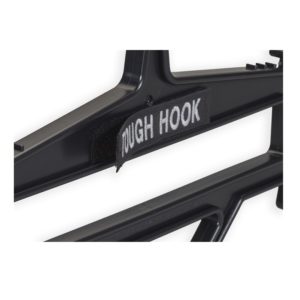
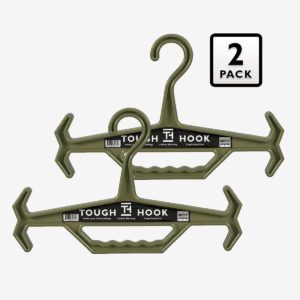

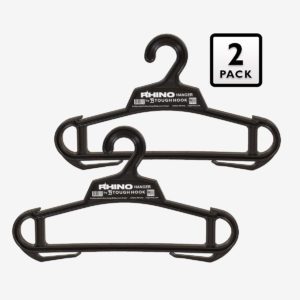
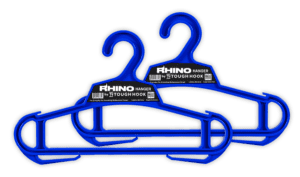
2 Pack RHINO Heavy Duty Clothes Hanger Bundle
Original price was: $27.95.$23.95Current price is: $23.95.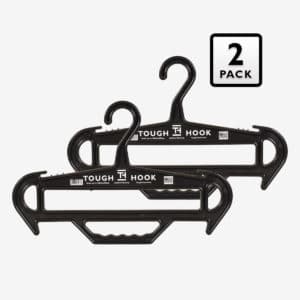
Surviving the Elements: Environmental Stress Factors
Tactical gear is rarely stored in climate-controlled, dust-free closets. It is stored in the back of patrol cars, in damp lockers on oil rigs, or in open-air tents in combat zones. A hanger in these environments faces three primary enemies: temperature, moisture, and UV radiation.
Extreme Heat and Cold
Temperature fluctuations are the silent killers of standard plastics. In extreme cold, standard plastic becomes brittle. If you attempt to remove a heavy coat from a standard hanger in freezing temperatures, the plastic hook is likely to snap off instantly. Conversely, inside a vehicle parked in direct sunlight, temperatures can exceed 140°F (60°C). At these temperatures, standard plastic softens and warps, causing heavy gear to slide off and pile up on the floor.
Tactical hangers are built to remain chemically stable across a wide temperature spectrum. Whether you are a police officer in Arizona or a researcher in Antarctica, the polymer blend used in Tough Hook hangers maintains its rigidity and strength.
Moisture and Chemical Exposure
For scuba divers and marine units, salt water is a constant corrosive threat. Metal wire hangers rust, which can stain and degrade the fabric of expensive wetsuits or drysuits. Tactical hangers made from non-corrosive industrial resin are impervious to rust. Furthermore, they are resistant to many common chemicals, oils, and solvents found in garages and armories.
The Operational Necessity of “Grab-and-Go” Readiness
The value of a tactical hanger goes beyond simple storage; it is about operational readiness. When the alarm sounds, first responders and military personnel do not have the luxury of untangling gear from a broken hanger or picking their vest up off the floor.
Equipment that is properly supported retains its shape. For body armor, this is critical. If a plate carrier is left on the floor or hung on a weak hanger that deforms, the fabric can bunch, and the weight distribution can shift. This leads to discomfort and potential fatigue when the gear is finally worn.
Here is how proper support aids operational success:
-
Shape Retention: Keeping shoulder straps and padding aligned ensures that the gear fits correctly immediately upon donning.
-
Airflow and Hygiene: Heavy-duty hangers allow gear to hang openly, promoting airflow that dries sweat and moisture, which prevents the growth of bacteria and mold on vital equipment.
-
Organization: A standardized hanging system keeps lockers and transport vehicles organized, reducing the cognitive load during high-stress preparation.
The Tough Hook Advantage
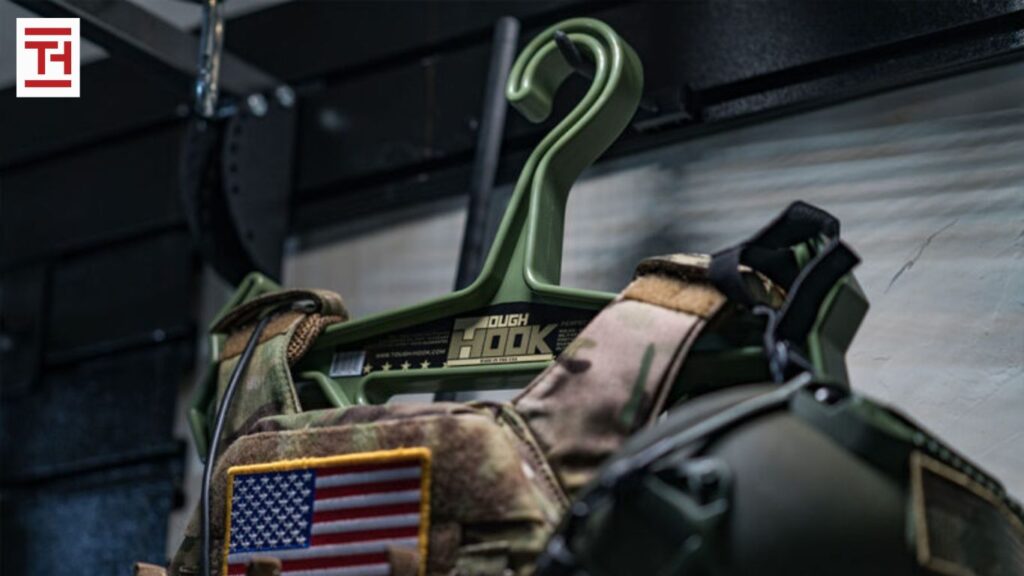
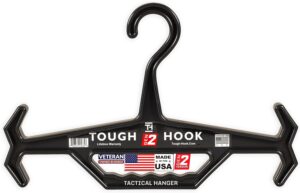
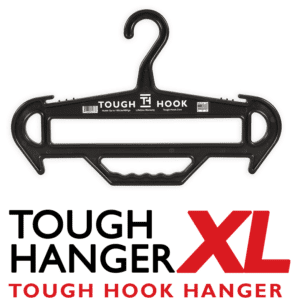
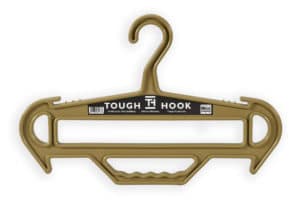
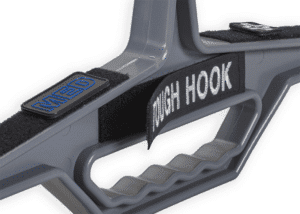
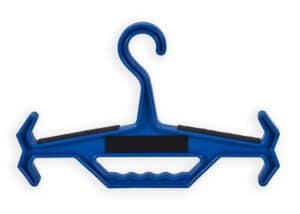
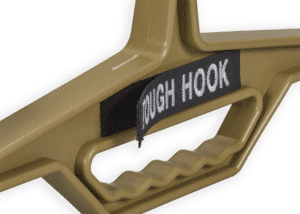
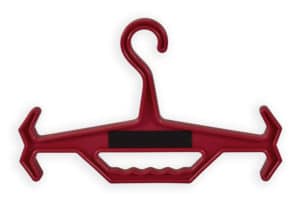
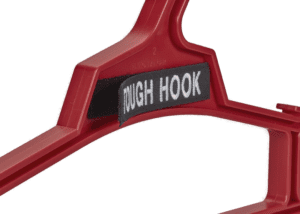
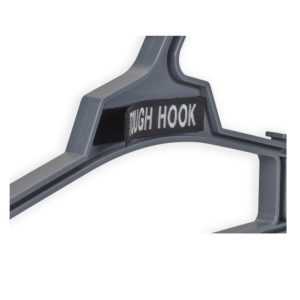
While the concept of a heavy-duty hanger is simple, the execution requires precision. Tough Hook has emerged as a leader in this space by designing a hanger that is not merely strong but also multifunctional. The Tough Hook is not just a piece of plastic; it is a patented piece of equipment manufactured in the USA, designed specifically for the needs of those who serve.
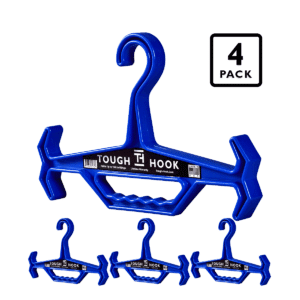
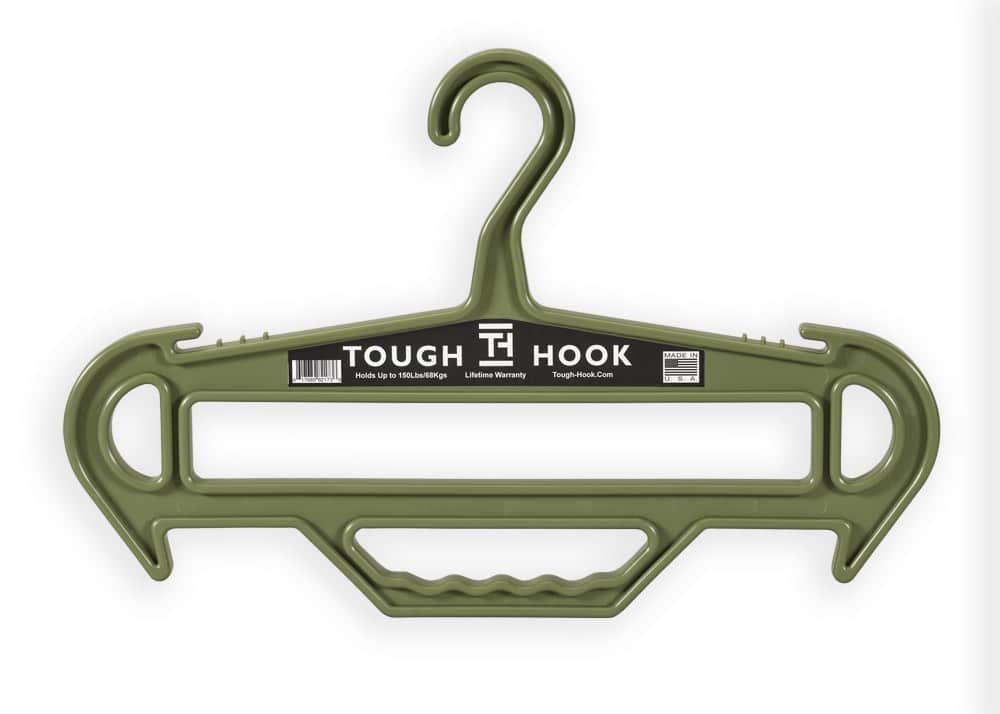
What makes the Tough Hook design distinct is its unique feature set tailored for tactical applications. Most notably, the reversible hook design allows for easier carrying and storage versatility that standard fixed hooks cannot offer.
Key features of the Tough Hook include:
-
Patented Reversible Handle: The hook portion can flip over, transforming the hanger into a carrying handle for heavy gear, which allows for easy transport from the locker to the vehicle.
-
Over 200-lb Load Rating: The hanger is capable of holding the heaviest operational loads, including fully equipped plate carriers, firefighter turnout gear, and dual-tank scuba setups.
-
GP (General Purpose) Versatility: While built for tactical use, these hangers are equally effective for heavy civilian gear such as motorcycle leathers, hunting waders, and weighted training vests.
Why You Should Stop Using Standard Hangers Immediately
If you are still using standard plastic or wire hangers for equipment that weighs more than five pounds, you are taking a gamble. The failure of a hanger usually happens at the worst possible moment—during transport or right when you reach for your gear.
When a hanger snaps, heavy equipment falls. This can damage ceramic ballistic plates, crack helmet visors, or damage delicate scuba regulators. The cost of replacing a damaged piece of tactical equipment far outweighs the cost of upgrading to a specialized hanger.
Consider the following risks of using inadequate storage:
-
Gear Deformation: Prolonged hanging on thin hangers creates pressure points in the shoulder straps of vests and wetsuits, leading to permanent material breakdown.
-
Floor Damage: When gear falls, heavy buckles and plates can gouge flooring or damage other equipment stored below.
-
Lost Time: In a rapid-response scenario, dealing with fallen gear costs seconds that you simply do not have.
Protect Your Investment
Your gear takes care of you in the field; you need to take care of it in the garrison. The philosophy of “field-tested” means that equipment has been pushed to the breaking point and survived. Tactical hangers are not a luxury accessory; they are a fundamental component of equipment maintenance.
By utilizing a dedicated solution like Tough Hook, you ensure that your heavy-duty clothing and life-support equipment are secure, aired out, and ready for deployment at a moment’s notice. Do not let a ten-cent piece of plastic compromise thousands of dollars’ worth of gear. Upgrade your storage to match the intensity of your mission.