For first responders, firefighters, and tactical professionals, the job does not end when the fire is extinguished or the operation concludes. One of the most critical phases of the mission occurs immediately after returning to the station: decontamination. In recent years, the industry has seen a significant shift in focus toward health and safety, specifically regarding the mitigation of carcinogen exposure. The decontamination room has evolved from a simple wash-down area into a sophisticated environment designed to protect the long-term health of those who serve.
While air filtration systems and industrial extractors often receive the most attention in decontamination room design, the physical setup for drying gear is equally vital. Proper drying prevents mold growth, maintains the structural integrity of personal protective equipment (PPE), and ensures readiness for the next call. Central to this process is the equipment used to suspend the gear. This is where the distinction between standard hardware and specialized equipment becomes apparent, and where Tough Hook clothing and equipment heavy-duty hangers prove to be an essential component of a safe, efficient decontamination strategy.
The Critical Role of the Decontamination Room
The modern decontamination room is an engineered control against occupational hazards. Turnout gear, tactical vests, and wetsuits absorb a dangerous cocktail of toxins, soot, chemicals, and biological pathogens during use. If this gear is not cleaned and dried correctly, it continues to off-gas harmful substances even when stored in a locker, posing a respiratory risk to the entire station.
Furthermore, moisture is the enemy of protective fabrics. When PPE is left damp, it becomes a breeding ground for bacteria and mildew. This not only creates a sanitary hazard but also degrades the fibers of the material, reducing the thermal protective performance of turnout gear or the ballistic integrity of tactical vests. Therefore, the decontamination setup must prioritize two main objectives: thorough cleaning and rapid, unimpeded drying.
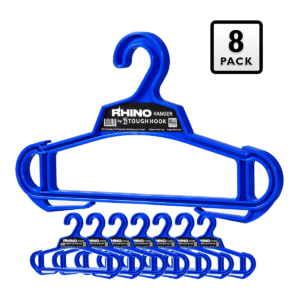

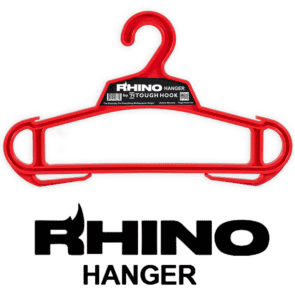





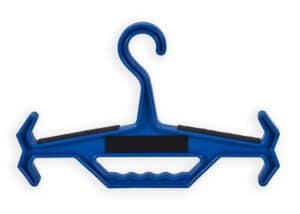







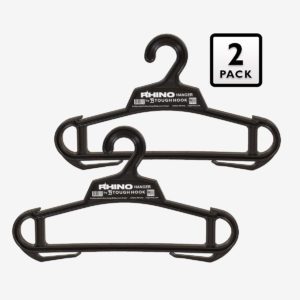
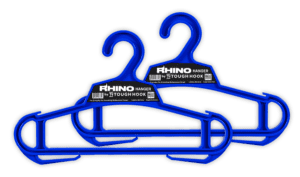
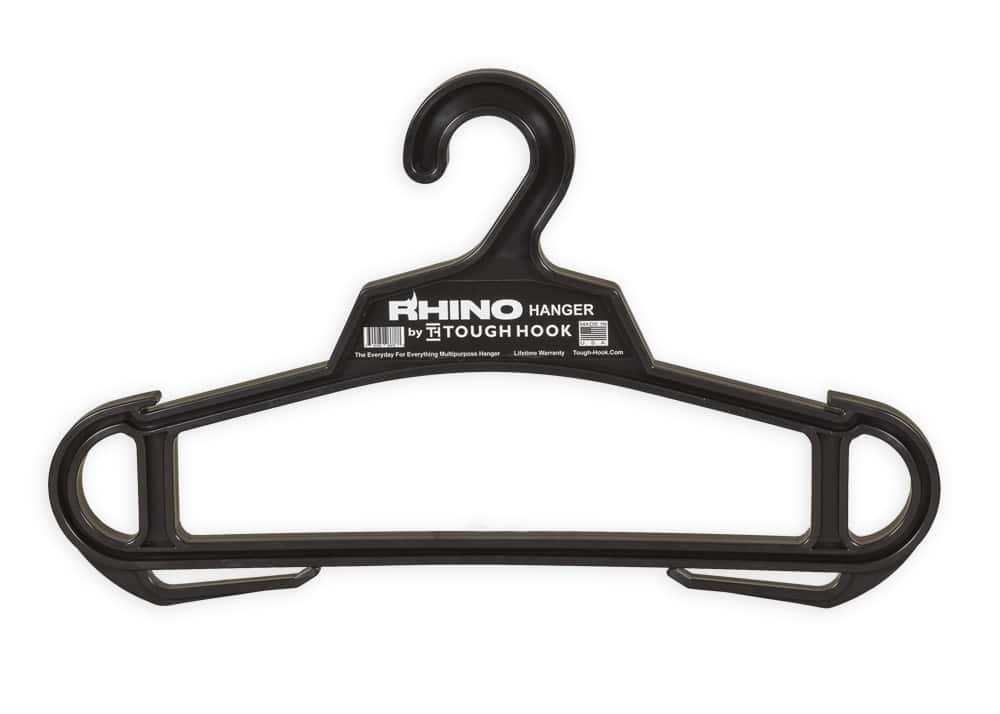
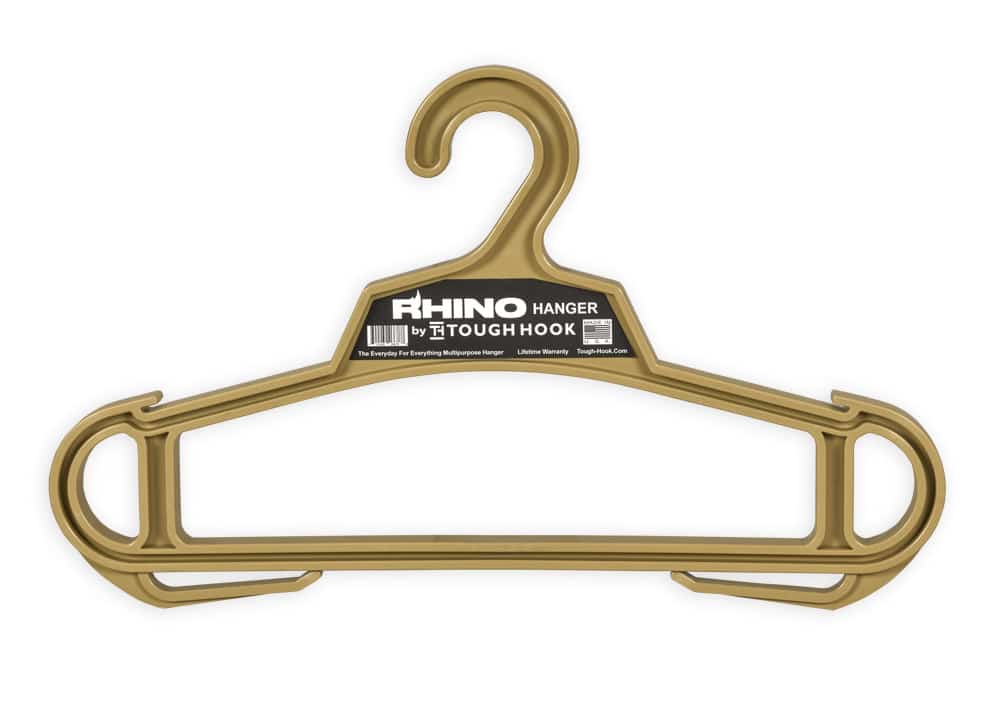
2 Pack RHINO Heavy Duty Clothes Hanger Bundle
Original price was: $27.95.$23.95Current price is: $23.95.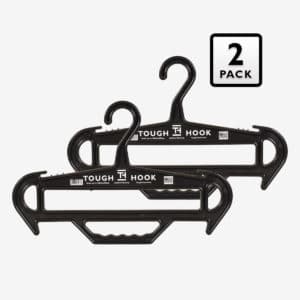

The Challenge of Drying Heavy Gear
Drying heavy-duty protective equipment presents a unique set of logistical challenges that standard residential or light-commercial equipment cannot handle. The primary issue is weight. Dry turnout gear is already heavy, but when it is saturated with water from the washing process, its weight increases exponentially. A wet set of bunker gear can easily weigh upwards of 50 to 60 pounds.
When facility managers attempt to dry this gear using standard plastic hangers or thin wire alternatives, the results are often catastrophic for the drying process. Weak hangers snap under the load, causing expensive gear to fall onto the floor, where it risks re-contamination. Even if standard hangers do not break immediately, they often bend or warp, causing the shoulders of the coat to bunch up. This prevents proper airflow through the garment, trapping moisture in the liner and slowing down the drying process significantly.
Designing the Optimal Drying Setup
To create a decontamination room that functions effectively, the drying area requires a strategic layout that maximizes airflow and supports the sheer weight of the equipment. A professional setup should facilitate spacing that allows air to circulate freely around and through every piece of equipment.
Ideally, the room should be equipped with industrial racking systems or open-air drying stalls. However, the connection point between the rack and the gear—the hanger—is the linchpin of the system. This is why incorporating Tough Hook hangers into the decontamination room setup is a strategic decision for facility safety and efficiency.
Why Heavy-Duty Hangers Are a Necessity
In a high-stakes environment, equipment failure is not an option, and this philosophy extends to the maintenance room. Using a hanger designed for a dress shirt to hold a wet tactical vest is a setup for failure. Heavy-duty hangers are engineered specifically to handle the extreme demands of first responder gear.
The benefits of utilizing purpose-built hangers in a decontamination setup include:
-
Weight Capacity: High-quality hangers must be capable of holding over 100 pounds without bending or breaking, ensuring that wet gear remains suspended securely during the entire drying cycle.
-
Airflow Promotion: A broad, robust shoulder design on a hanger holds the garment open, mimicking the shape of the human body, which allows air to circulate through the interior of the coat or vest to dry the inner liners effectively.
-
Impact Resistance: In a busy station, gear is often tossed, dropped, or handled roughly, so the hanger must be made of high-impact resin that can withstand the rigors of daily station life.
-
Versatility: The equipment needs to handle various types of gear, from turnout coats and wetsuits to plate carriers and buoyancy compensators, without requiring different types of storage solutions.
The Tough Hook Advantage in Decontamination
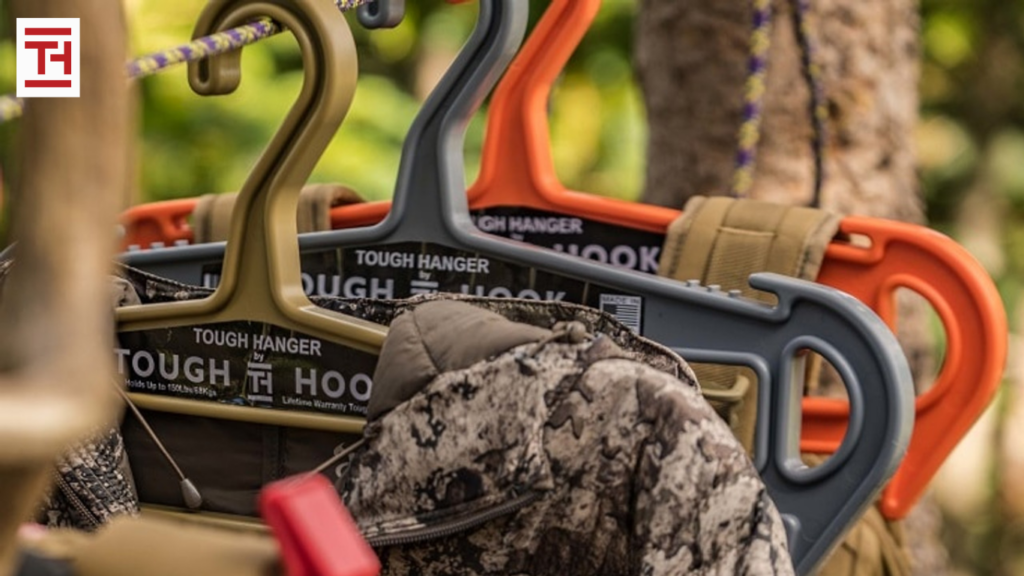
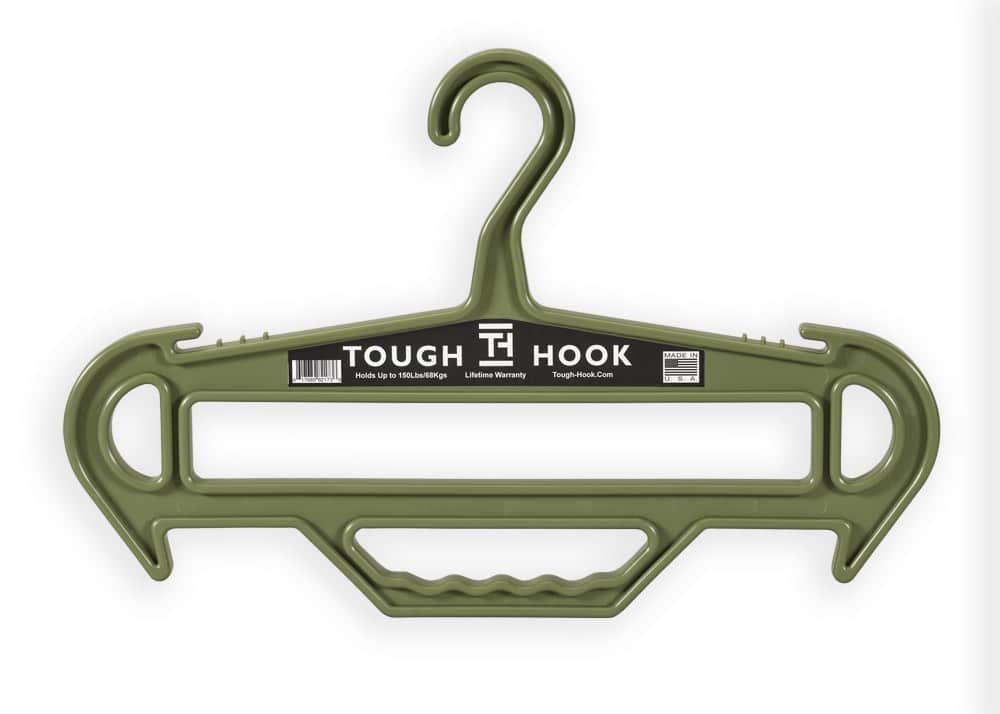
Tough Hook has established itself as the industry standard for clothing and equipment heavy-duty hangers because its design specifically addresses the failures of conventional hangers. In a decontamination room, the Tough Hook serves as more than just storage; it is a tool for preservation.
The specific features of the Tough Hook that support efficient post-call drying include:
-
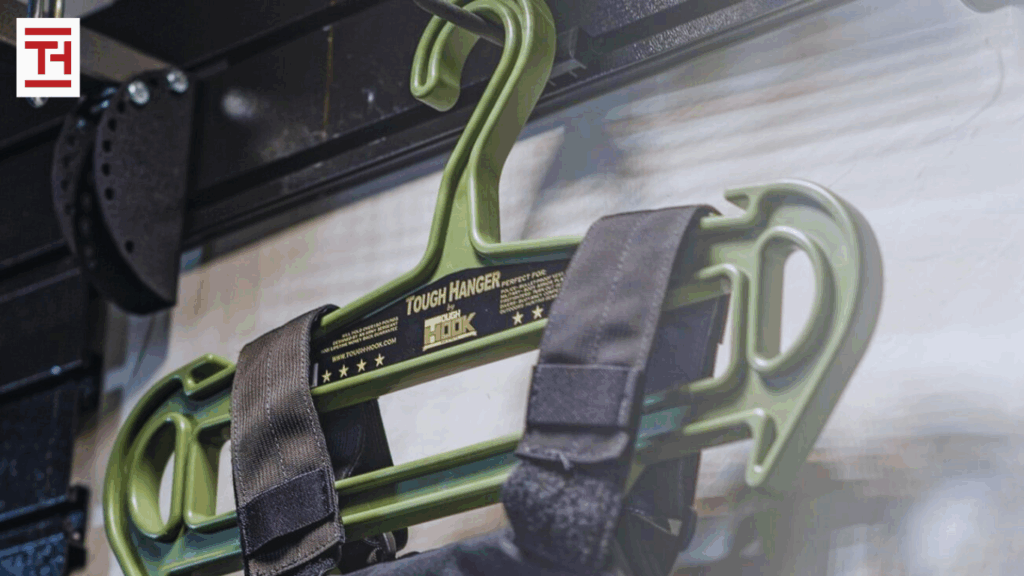
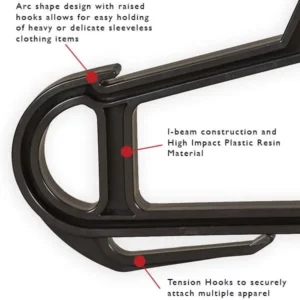
I-Beam Construction: The hanger utilizes a specially engineered I-beam design that provides immense structural strength, allowing it to hold up to 200 pounds of gear without warping or snapping.
-
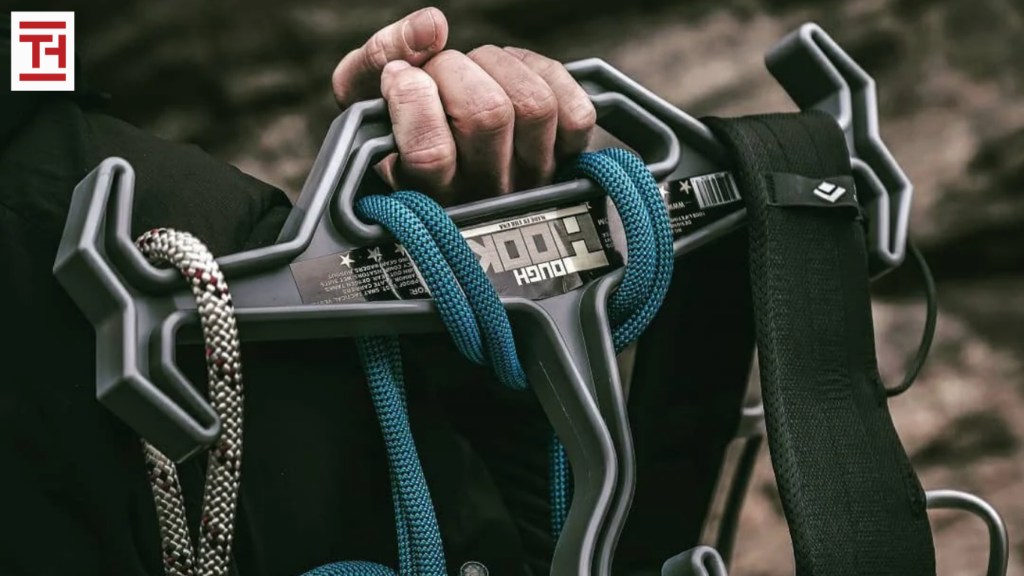
Integrated Carry Handle: The patented design includes a built-in handle, which allows firefighters and personnel to transport wet, heavy gear from the washer to the drying rack without having to struggle with the garment or touch the potentially contaminated exterior more than necessary.
-
Reversibility: The hook is designed to be reversible, which is particularly useful when hanging gear on racks with limited spacing or unusual configurations, ensuring that the gear faces the direction of optimal airflow.
-
Chemical and UV Resistance: The high-grade resin used in Tough Hook hangers is resistant to degradation from cleaning chemicals and UV light, meaning the hangers will not become brittle over time despite exposure to harsh decontamination agents.
Best Practices for Post-Call Gear Drying
Equipping the room with Tough Hook hangers is the first step, but following a strict protocol ensures the longevity of the gear. To maximize the efficiency of the decontamination room, departments should adhere to a consistent drying routine.
Here are the essential steps for proper gear drying:
-
Inspect the Hardware: Before hanging any gear, ensure the drying rack is stable and that the hangers are free of any sharp edges or damage that could snag the fabric liner.
-
Separate the Liners: Whenever possible, separate the inner liner from the outer shell of turnout gear to reduce the density of the material and cut drying time in half.
-
Maximize Spacing: Place hangers at least six inches apart on the rack to ensure that humid air can escape and fresh air can circulate between the garments.
-
Open the Garment: Utilize the broad shoulders of the heavy-duty hanger to keep the coat or vest fully expanded, rather than zipped up, to encourage internal evaporation.
-
Avoid Direct Heat: Never place gear directly against a heater or heat source, as this can damage the thermal protective performance materials; instead, rely on ambient air circulation supported by fans.
-
Rotate Equipment: If drying space is limited, rotate the position of the gear halfway through the drying cycle to ensure all items receive equal exposure to airflow.
The Hidden Costs of Improper Drying
Investing in proper decontamination room setup, including the acquisition of Tough Hook hangers, is also a financial decision. The cost of replacing turnout gear or tactical vests is astronomical compared to the cost of proper storage hardware. When gear is dried improperly on thin hangers, the stress on the shoulder seams can cause premature tearing. Furthermore, if gear falls and is damaged or develops mold, it must be taken out of service for professional cleaning or repair.
By utilizing hangers that are virtually indestructible and backed by a lifetime warranty, departments eliminate the recurring cost of replacing broken plastic hangers. More importantly, they extend the lifecycle of their most expensive assets—the PPE that keeps their personnel safe.

The decontamination room is the shield that protects first responders from the invisible dangers of their profession. Every element of this room, from the ventilation to the drying racks, plays a role in health and safety. While a hanger may seem like a minor detail, it carries the weight of the most important equipment a first responder owns.
By integrating Tough Hook clothing and equipment heavy-duty hangers into the decontamination protocol, departments ensure that gear is dried efficiently, stored safely, and ready for the next call. It is a simple upgrade that yields significant dividends in operational readiness, equipment longevity, and, ultimately, the health of the crew.