For the dedicated outdoor enthusiast, gear is more than just a collection of objects; it is an investment in safety, comfort, and performance. Whether you are a scuba diver relying on a dry suit, a law enforcement officer trusting a tactical vest, or a hunter maintaining a heavy coat, you spend a significant amount of time and money selecting the best equipment available. You likely clean your gear meticulously and store it with care, yet there is a silent, often overlooked enemy that threatens the longevity of your storage solutions: ultraviolet (UV) radiation.
Most people do not give a second thought to the hangers they use. A hanger is simply a tool to keep equipment off the floor. However, when you are dealing with heavy-duty outdoor equipment, the structural integrity of that hanger is paramount. Standard plastic hangers are not designed to withstand the harsh realities of the outdoor environment, particularly the degrading effects of the sun. Understanding the science behind UV degradation and switching to UV-resistant materials is a crucial step in protecting your valuable kit.
The Science of UV Degradation
To understand why your standard department store hangers snap after a few months in the garage or on the back porch, one must understand photodegradation. This is the process by which materials are altered by the absorption of light photons. While visible light can cause some fading, ultraviolet radiation is energetic enough to break the chemical bonds within the polymers of standard plastics.
When a standard plastic hanger is exposed to sunlight, the UV radiation attacks the long polymer chains that give the plastic its strength and flexibility. Over time, these chains are severed, leading to a breakdown in the material’s molecular weight. The result is a hanger that may look fine from a distance but has undergone a fundamental structural failure.
The signs of this degradation are often subtle until it is too late. You might notice a slight discoloration or a chalky residue on the surface of the plastic. This “chalking” is the physical manifestation of the surface layer eroding. Beneath that surface, the plastic becomes brittle. Instead of flexing under the weight of a heavy wetsuit or a loaded plate carrier, the hanger snaps aggressively, sending your gear crashing to the ground.

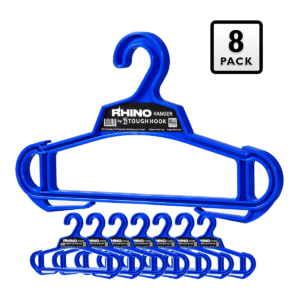
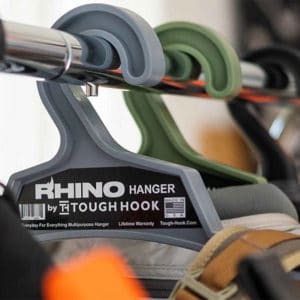
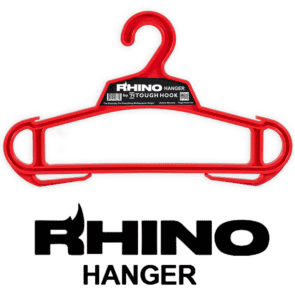
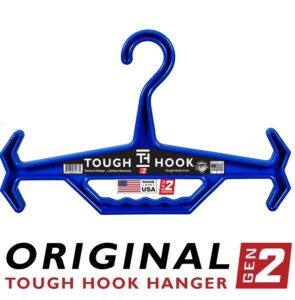
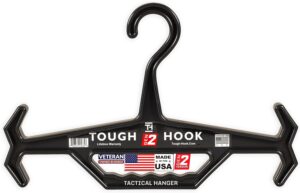
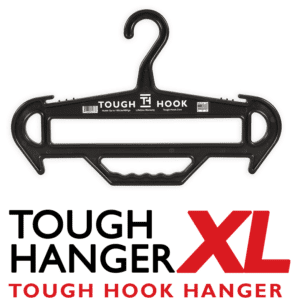
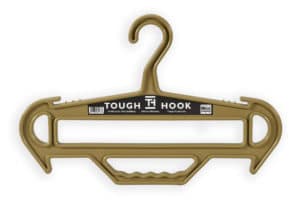
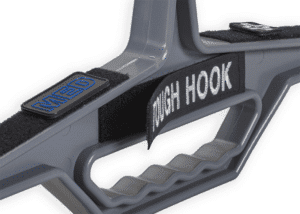
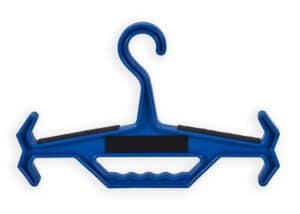
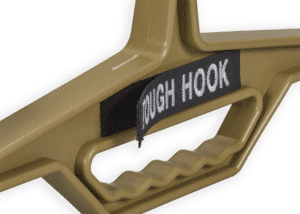
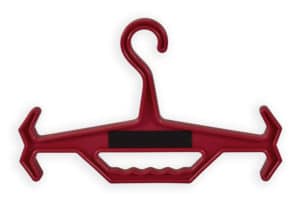
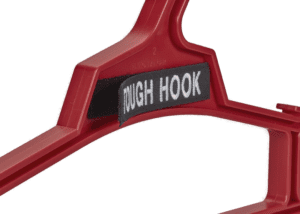
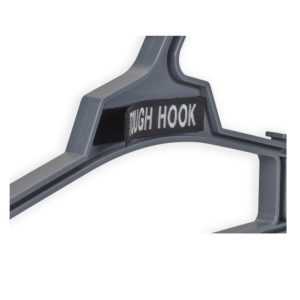
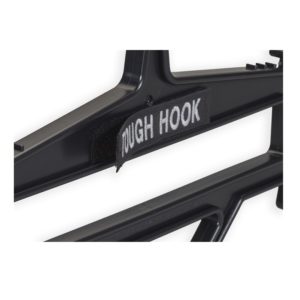
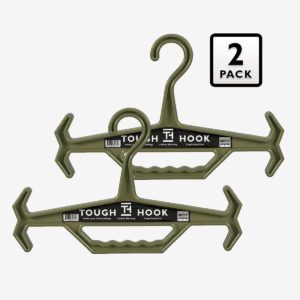

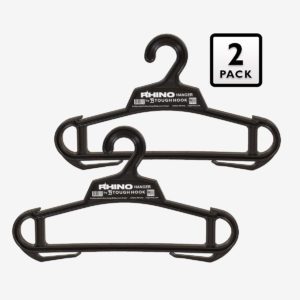
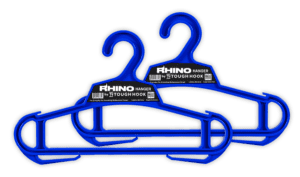
2 Pack RHINO Heavy Duty Clothes Hanger Bundle
Original price was: $27.95.$23.95Current price is: $23.95.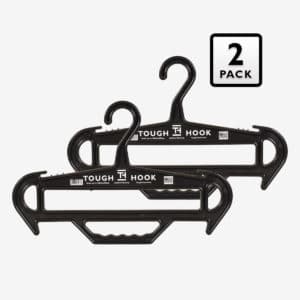
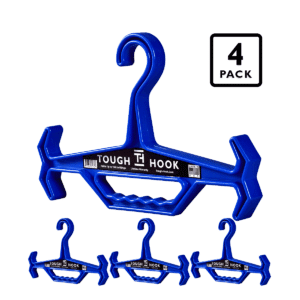
Why Outdoor Gear Requires Specialized Storage
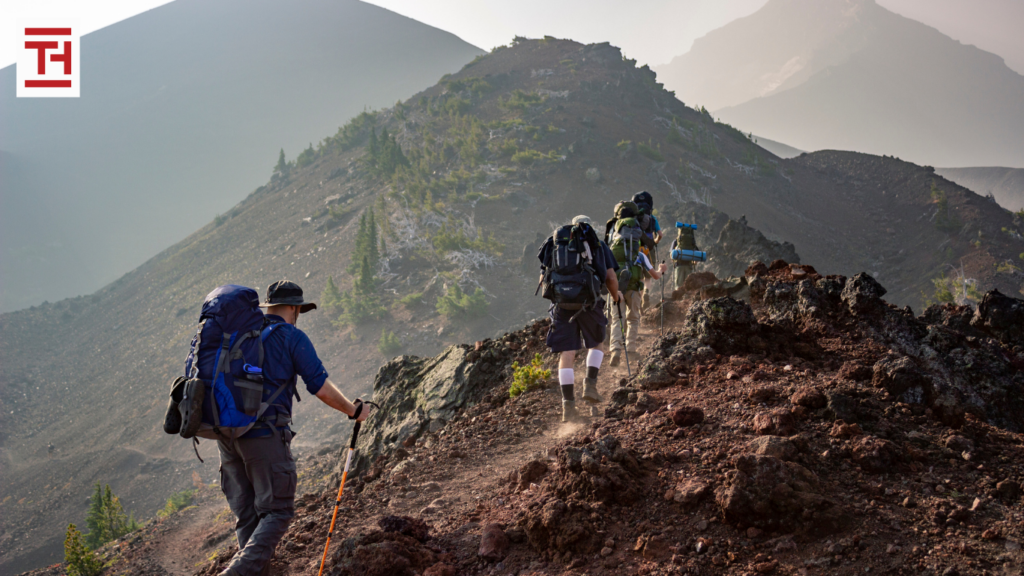
Outdoor enthusiasts face a unique set of storage challenges that the average person does not. Your gear is rarely stored in a climate-controlled, dark closet 100 percent of the time. The nature of outdoor activities often dictates that gear must be aired out, dried, or transported in ways that expose it to the elements.
There are specific reasons why the standard hanger fails the outdoor adventurer:
-
Environmental exposure: Outdoor gear often needs to dry in the open air, meaning hangers are frequently left on drying racks, hanging from trees at a campsite, or suspended from the side of a vehicle where direct sunlight is unavoidable.
-
Temperature fluctuations: Hangers kept in garages, sheds, or the back of a truck are subject to extreme heat and cold, which accelerates the brittleness caused by UV exposure.
-
Moisture and chemical interaction: Saltwater from diving or sweat from tactical operations can interact with degrading plastic, further weakening the structural integrity of a non-resistant hanger.
-
Excessive weight loads: Standard hangers are designed for light cotton shirts, not 50-pound tactical vests or water-logged neoprene suits, meaning the material is already stressed before UV damage even begins.
The Consequences of Hanger Failure
It might seem trivial to worry about a broken hanger, but for the outdoor enthusiast, the failure of a storage device can lead to significant frustration and potential damage to expensive equipment. When a hanger snaps due to UV-induced brittleness, it rarely happens when the gear is empty. It happens when the gear is heavy, wet, and most vulnerable.
Consider the consequences of using inferior materials for your heavy equipment:
-
Damage to expensive gear: When a hanger breaks, your equipment hits the floor, often landing on dirty concrete, mud, or gravel, which can tear fabrics, crack hard plates, or contaminate sanitized diving regulators.
-
Loss of shape and structure: As UV-damaged hangers weaken, they may not snap immediately but will warp and bend, causing heavy leather jackets or wetsuits to deform and stretch in the shoulder areas.
-
Inconvenience in the field: Nothing ruins a trip faster than gear failure, and having your storage system crumble while you are trying to dry gear at a base camp adds unnecessary stress to your expedition.
What to Look for in UV-Resistant Materials
Not all plastics are created equal. High-quality heavy-duty hangers are engineered using specific resins and manufacturing processes designed to resist the ionizing effects of the sun. When looking for hangers that can survive the outdoor lifestyle, you should look for specific material properties that indicate durability.
Here are the key indicators of a UV-resistant, heavy-duty hanger:
-
High-impact resin construction: The material should be an industrial-grade resin rather than standard polystyrene, ensuring that the polymer chains are robust enough to resist immediate breakdown from solar radiation.
-
Substantial material thickness: A thicker cross-section provides a physical buffer, as UV radiation degrades the surface first; a thicker hanger retains its core structural integrity far longer than a thin one.
-
Flexibility and memory: The material should have enough give to absorb the shock of movement or wind without snapping, returning to its original shape rather than becoming permanently warped.
-
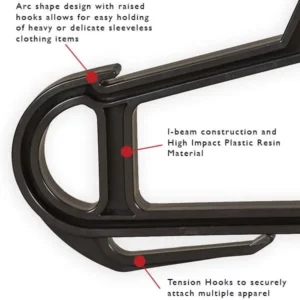
Integrated I-beam design: Beyond just the chemical composition, the physical engineering of the hanger should utilize I-beam construction to maximize strength-to-weight ratios and prevent the twisting that often precedes a break.
The Tough Hook Advantage
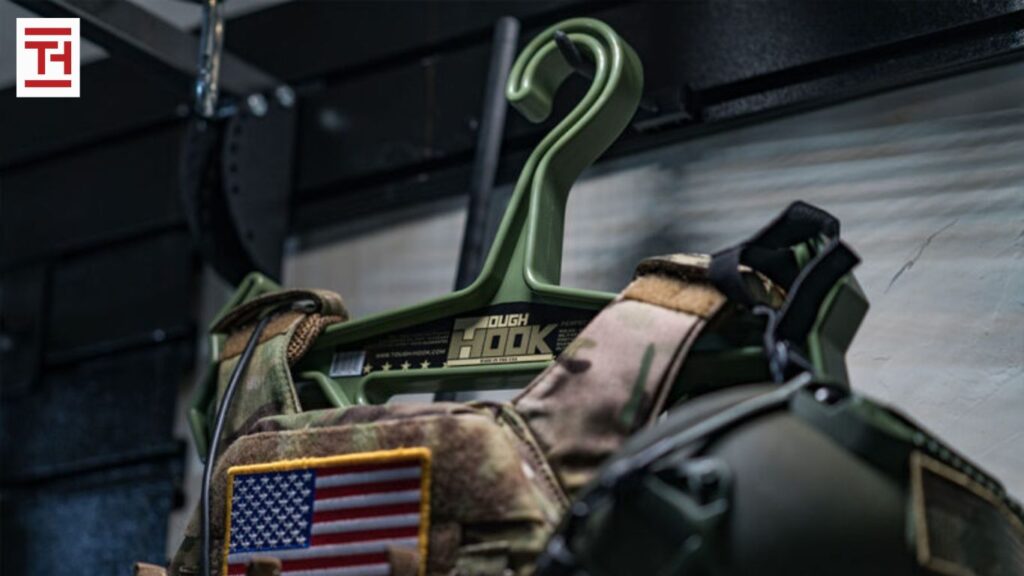
This is where specialized equipment becomes essential. At Tough Hook, we recognized early on that standard hangers were wholly insufficient for the demands of military, law enforcement, and outdoor adventure applications. We did not simply make a standard hanger bigger; we re-engineered the concept of gear storage from the ground up.
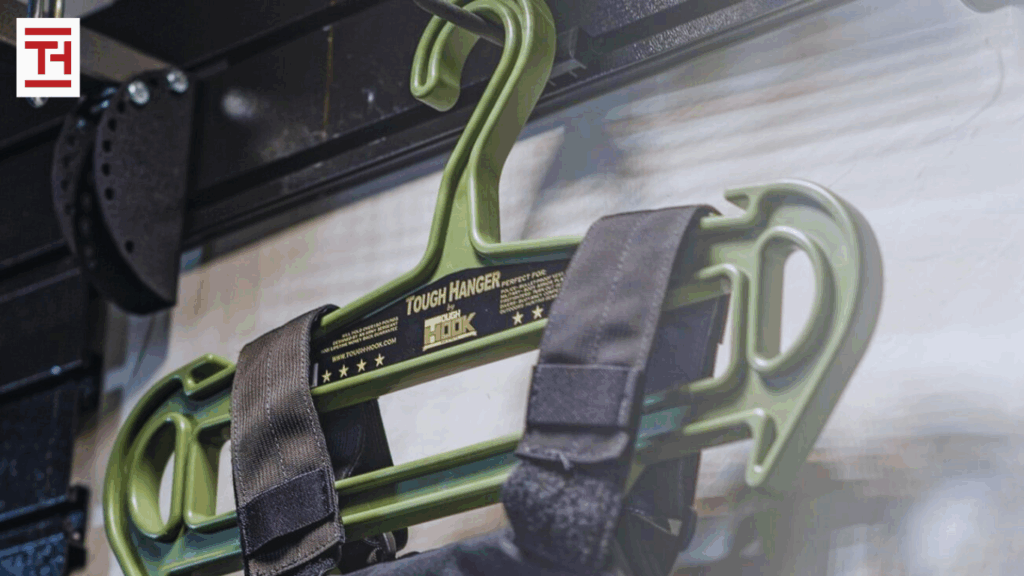
Tough Hook hangers are manufactured in the United States using high-impact, industrial-strength resin. This material choice is deliberate. It is designed to handle extreme loads—supporting over 200 pounds—while resisting the environmental factors that destroy lesser products. Whether you are drying a buoyancy control device on a sunny boat deck or storing a heavy winter parka in a garage with windows, the material composition of a Tough Hook is built to withstand UV exposure without becoming brittle.
Furthermore, the design of our hangers acknowledges that outdoor enthusiasts are mobile. The patented reversible handle allows you to transport gear securely, while the material ensures that leaving the hanger in the back of a truck or exposed to the sun at a campsite will not result in catastrophic failure. By choosing a hanger built specifically for heavy loads and harsh environments, you are extending the life of the gear that protects you.
Investing in Longevity
The logic behind buying high-quality outdoor gear is simple: you want equipment that works when you need it. It makes little sense to spend hundreds or thousands of dollars on a protective vest, a dry suit, or a firefighter turnout coat, only to hang it on a distinctively weak piece of plastic that degrades the moment the sun hits it.
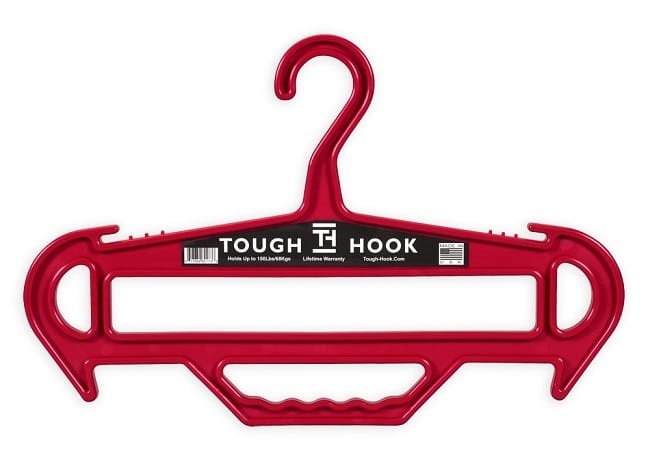
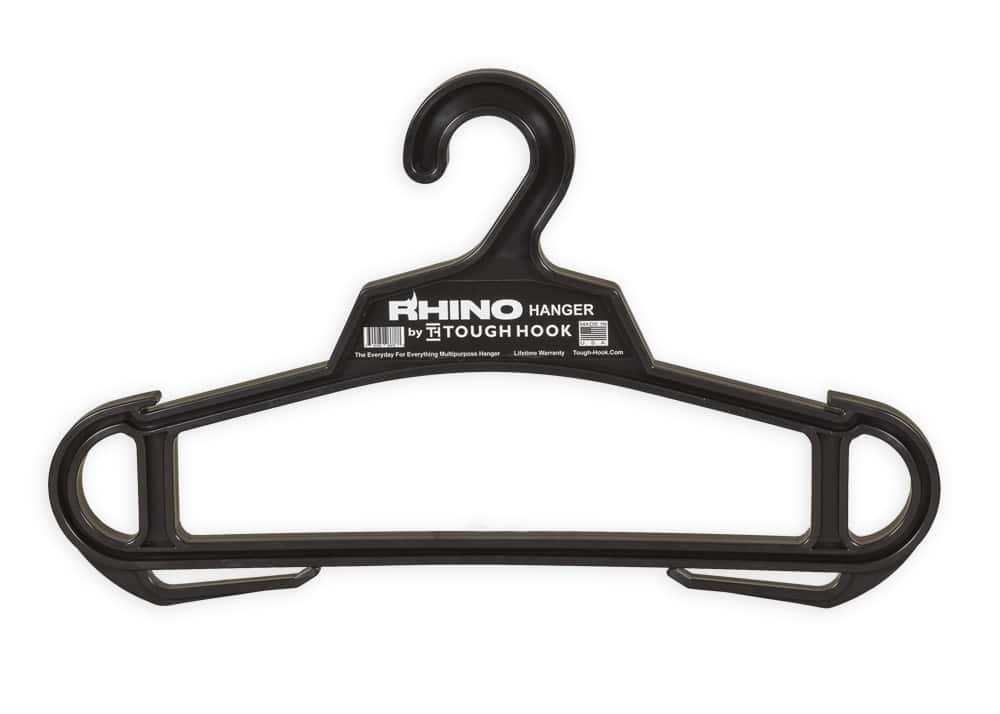
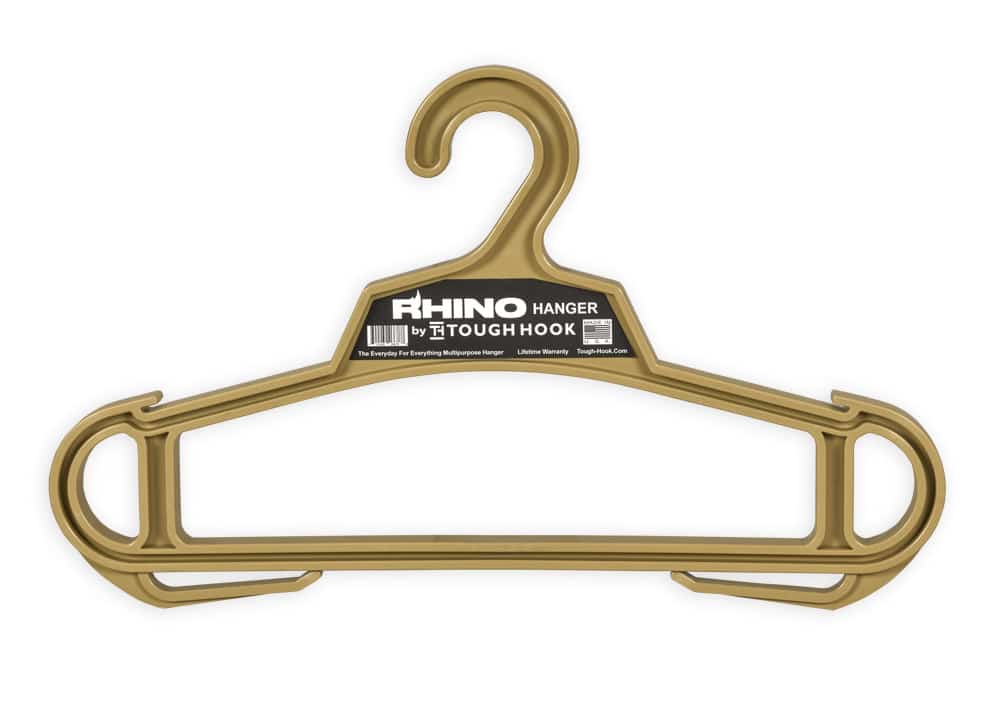
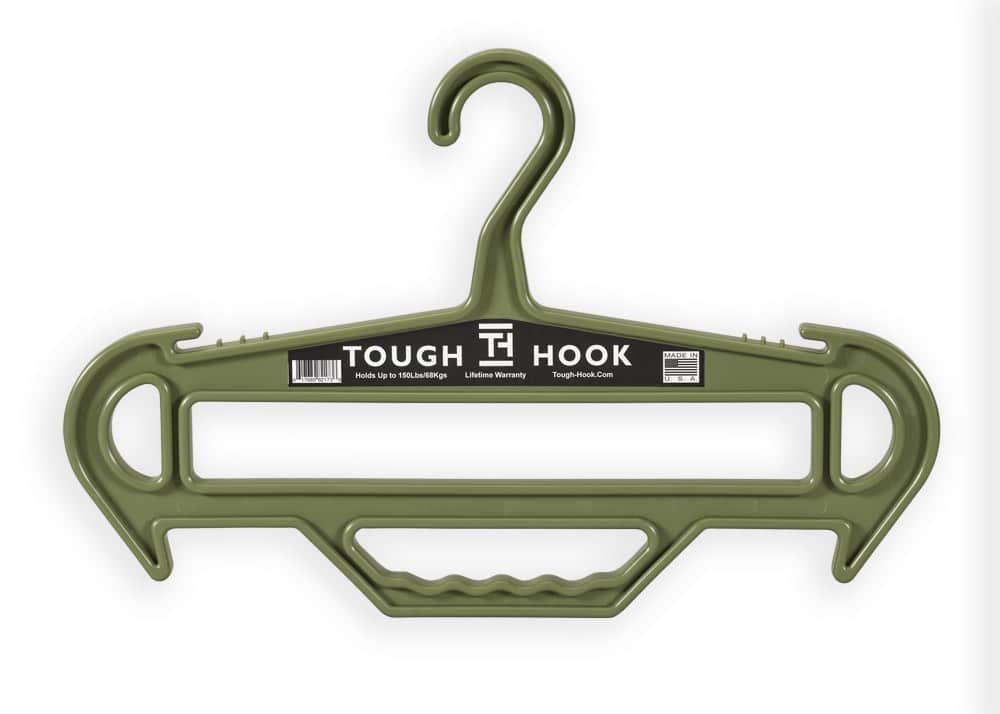
A hanger is the resting place for your equipment. It is where your gear recovers, dries, and waits for the next adventure. If that resting place is compromised by UV radiation, your gear is at risk. By upgrading to UV-resistant, heavy-duty options like those offered by Tough Hook, you ensure that your storage system is as rugged and reliable as the rest of your kit.
Don’t let the sun destroy your storage. Recognize the signs of UV degradation and make the switch to materials that are built to endure the elements. Your gear supports you in the most challenging environments; it deserves a support system that can handle the same pressure.