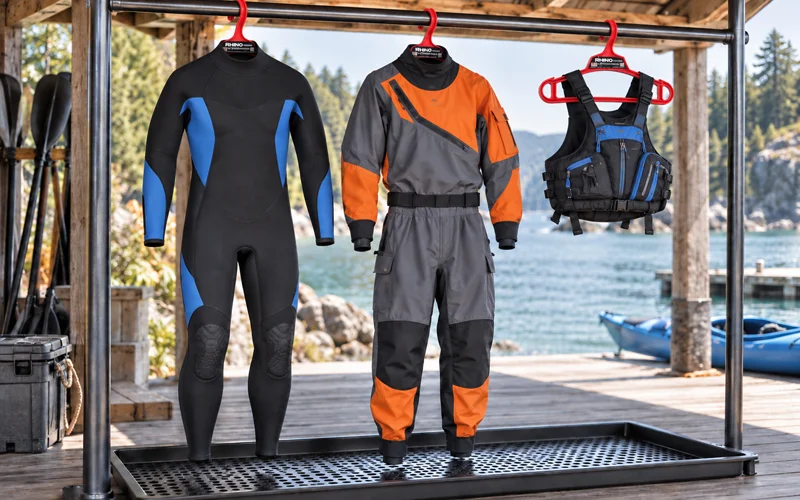
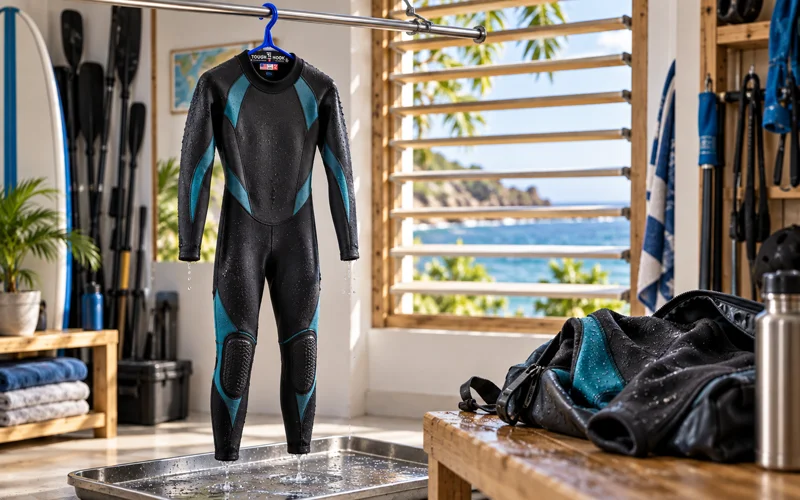
Wetsuits, dry suits, and paddling gear take a beating from saltwater, chlorine, and sweat every time you use them, and how you dry that gear afterward matters almost as much as how you rinse it. The best wetsuit hangers are built to hold wet, heavy gear without bending, stretching the shoulders, or trapping moisture that leads to mildew and odor. This guide covers why proper drying matters, where standard hangers fall short, and what to look for in a dedicated dry suit hanger so your gear, zippers, and seals last season after season.
Why Proper Drying Is Non-Negotiable
Let’s face it, nobody wants to slip into a clammy, smelly wetsuit. Beyond the unpleasantness, improper storage creates genuine risks for your gear:
- Mildew and Mold Growth: These fungi thrive in damp, dark environments. Once they take hold, they can be incredibly difficult to remove, leaving behind a persistent musty odor and potentially compromising the material’s integrity.
- Bacterial Buildup: Just like mildew, bacteria flourish in moist conditions. This can lead to skin irritations, rashes, and a generally unhygienic experience.
- Material Degradation: Neoprene, trilaminate, and other technical fabrics used in water sports gear are designed for performance, but they are not impervious to neglect. Prolonged exposure to moisture, especially without proper air circulation, can break down the adhesives, weaken seams, and cause the material to become brittle or lose its elasticity.
- Odor Retention: The combination of sweat, saltwater, and bacteria creates an unpleasant cocktail of odors that can be permanently absorbed into the fabric if not properly dried and aired out.
- Creasing and Weak Points: Laying a wetsuit or dry suit over a standard clothesline or a thin hanger can create sharp creases. Over time, these creases become weak points, leading to cracks, tears, and a significantly reduced lifespan for your gear.
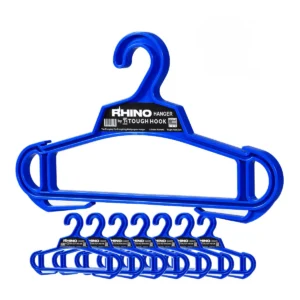
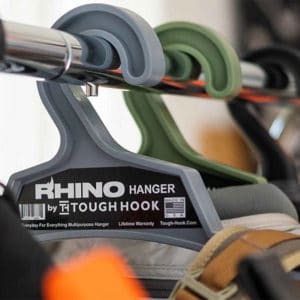

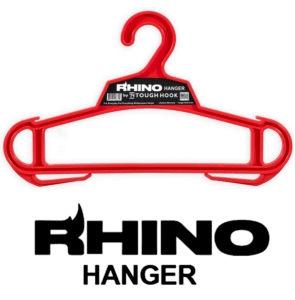
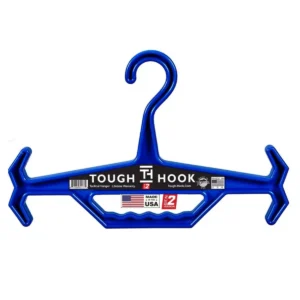
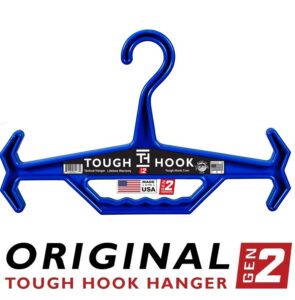
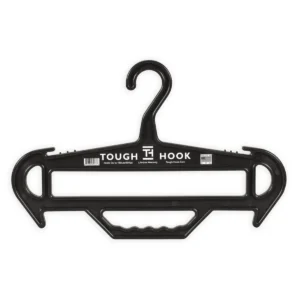
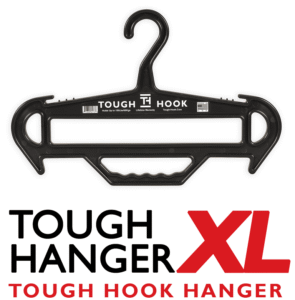
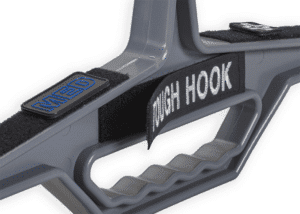
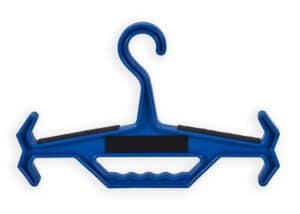
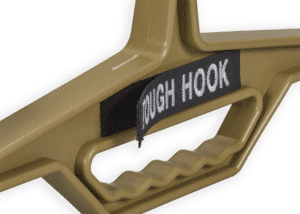
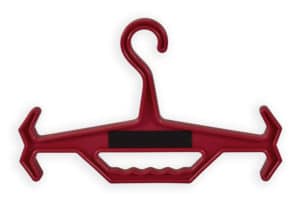
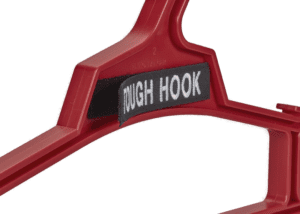
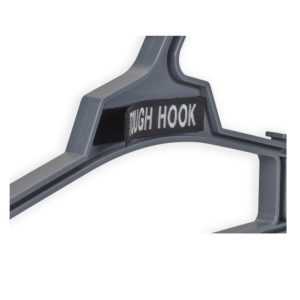
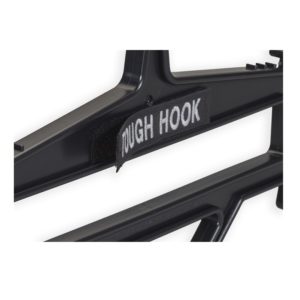


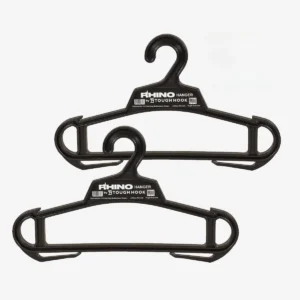
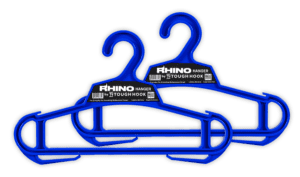
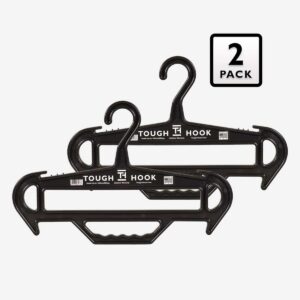
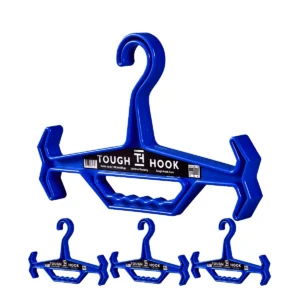
2 Pack RHINO Heavy Duty Clothes Hanger Bundle
Original price was: $27.95.$23.95Current price is: $23.95.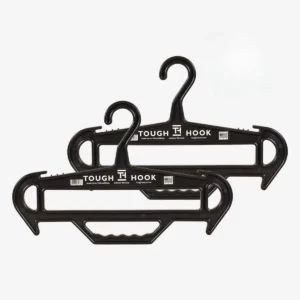
The Pitfalls of Standard Hangers
Many newcomers to water sports, and even some seasoned veterans, mistakenly opt for standard hangers or simply drape their gear over a railing. Understanding how heavy-duty hangers compare to regular ones makes it clear why this approach is fraught with problems:
- Weight Distribution: Wetsuits and dry suits, especially when wet, can be surprisingly heavy. Thin plastic or wire hangers are not designed to support this weight and will often bend, warp, or even break. This leads to uneven drying and concentrated stress points on the shoulders of your gear.
- Shoulder Distortion: The narrow profile of conventional hangers can cause permanent stretching and distortion in the shoulders of your wetsuit or dry suit, sometimes called shoulder bumps. This compromises the fit, reduces insulation, and can lead to uncomfortable rubbing during use.
- Limited Airflow: Standard hangers often hold the garment too close to a wall or allow it to bunch up, restricting crucial airflow. This significantly slows down the drying process and exacerbates the risk of mildew and odor.
- Rust Stains: Metal hangers, particularly those not specifically designed for wet environments, can rust. This rust can then transfer onto your expensive gear, leaving unsightly and often permanent stains.
The Superiority of Specialized Drying Hangers
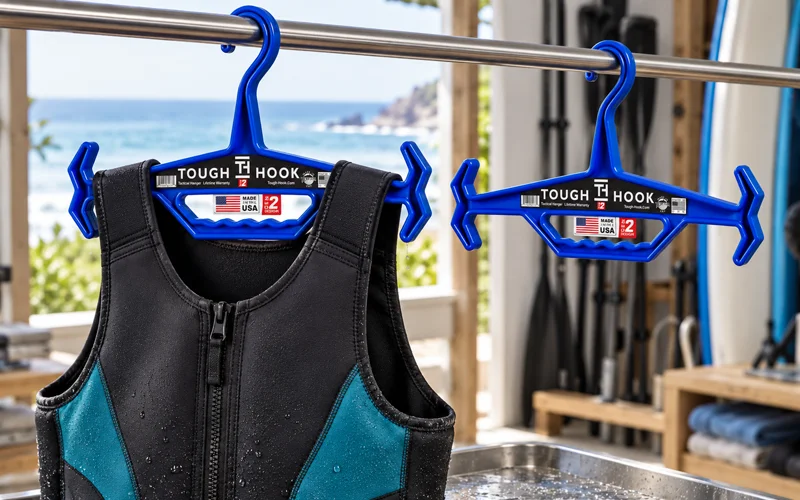
This is where a specialized drying hanger makes the difference, engineered with specific features to address the challenges of drying heavy, often delicate, water-soaked garments.
Here’s what sets them apart:
- Robust Construction: They are built to withstand significant weight. This often means using high-strength plastics, reinforced designs, or even marine-grade metals that resist corrosion. A sturdy hanger prevents stretching and ensures your gear maintains its shape.
- Wide Shoulder Design: Unlike conventional hangers, specialized drying hangers feature wide, often contoured, shoulder areas. This distributes the weight evenly across the garment, preventing pressure points, creasing, and shoulder distortion.
- Ventilation Channels and Openings: Many advanced drying hangers incorporate strategically placed holes, vents, or an open-frame design. These features promote maximum airflow around and through the garment, accelerating the drying process and inhibiting microbial growth.
- Non-Slip Surfaces: Some hangers include rubberized or textured surfaces to prevent wet, slippery gear from sliding off. This is particularly useful when hanging heavy dry suits or multiple pieces of paddling apparel.
- Drainage Systems: While not all hangers have this, some innovative designs include channels or an angled shape that facilitates water runoff, ensuring water drips away from the garment and onto the floor, rather than pooling within the hanger or the suit itself.
- Durability and Longevity: Investing in a high-quality drying hanger means you won’t have to replace it constantly. They are designed to withstand the harsh conditions of a wetsuit drying environment, including exposure to saltwater, chlorine, and UV rays.
Tough Hook: The Ultimate Solution for Heavy-Duty Gear
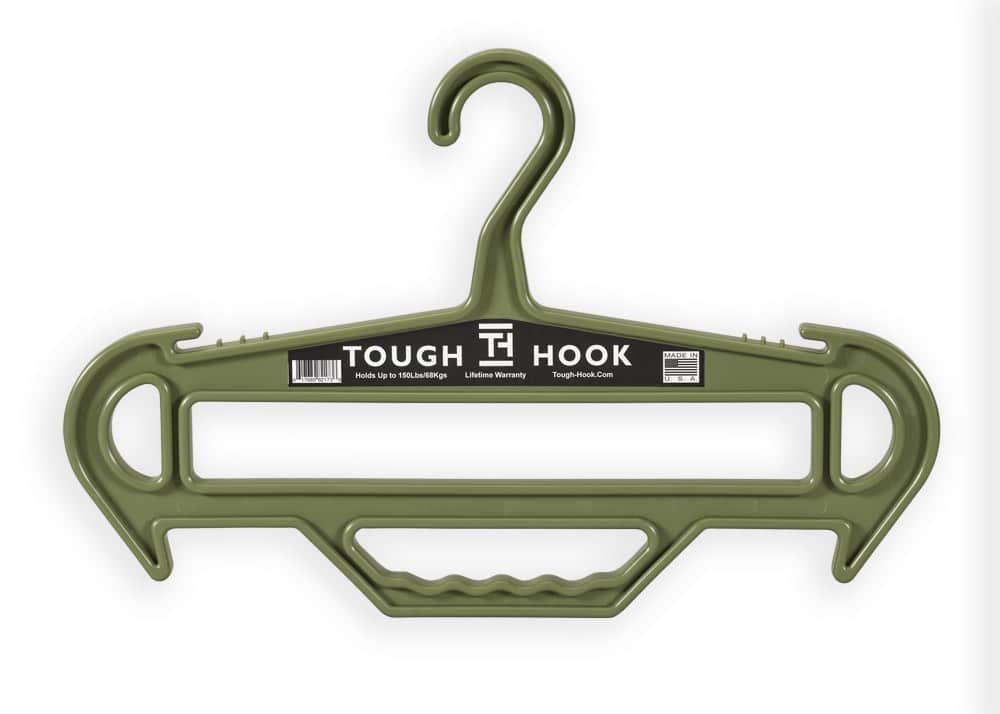
For heavy-duty, reliable drying solutions for your wetsuits, dry suits, and extensive paddling gear, Tough Hook stands out as an industry leader. Our hangers are specifically engineered to tackle the challenges of wet, heavy equipment, offering durable construction and thoughtful design features.
Here’s why Tough Hook hangers are the go-to choice for serious water sports enthusiasts:
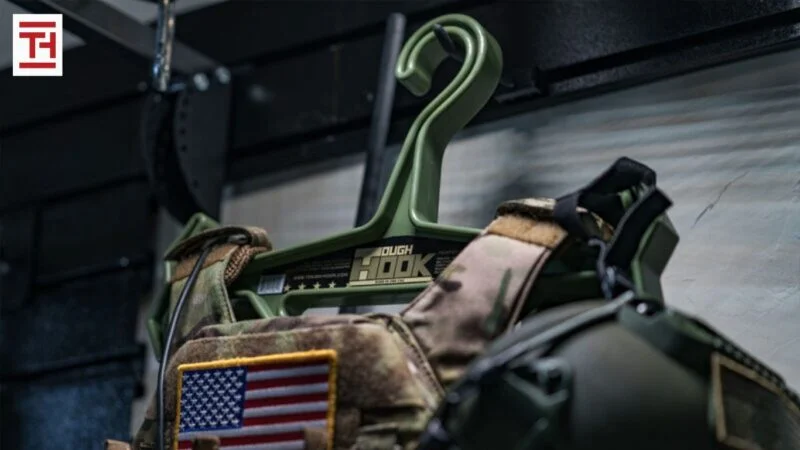
- Unmatched Strength: Tough Hook hangers are renowned for their incredible strength, capable of supporting hundreds of pounds. This means your heaviest wet/dry suit, multiple wetsuits, or all your paddling gear can be hung confidently without any risk of bending, breaking, or warping. This robust construction is paramount for preserving the shape and integrity of your expensive gear. For gear that needs the widest possible shoulder support, the Rhino Hanger is built specifically for this kind of load.
- Ergonomic Design for Optimal Drying: Our hangers feature wide, robust shoulders that are specifically designed to distribute the weight of your gear evenly. This prevents the common problem of shoulder distortion and creasing that plagues thinner hangers. The open frame design further promotes maximum airflow, drastically reducing drying time and preventing mildew and odors.
- Versatility: Beyond wetsuits and dry suits, Tough Hook hangers are perfect for a wide range of paddling and water sports gear, including:
- Paddling jackets and tops.
- Spray skirts.
- Life vests and PFDs.
- Scuba gear, including BCDs and dive skins.
- Thermal undergarments and base layers worn beneath a dry suit.
- Boots and gloves (many users creatively hang these using carabiners or clips attached to the hanger).
- Heavy-duty backpacks and dive bags.
- Built to Last: Manufactured from impact-resistant polymer, Tough Hook hangers are impervious to rust, corrosion, and UV degradation. They are designed to withstand the rigors of frequent use in wet and outdoor environments, making them a long-term investment in the care of your gear.
- Space-Saving Solutions: Despite their robust nature, Tough Hook hangers are designed to be practical. Their sturdy build often allows for multiple items to be hung on a single hanger, maximizing drying space in your garage, mudroom, or outdoor drying area.
Not Just Water Sports Gear: Drying Heavy, Everyday Laundry
A wide-shoulder, heavy-duty hanger is not only useful for wetsuits and dry suits. The same weight capacity and airflow that protects technical gear also make these hangers a practical, sturdy upgrade for everyday wet or heavy laundry that regular hangers struggle with, including:
- Soaked towels and bath sheets that sag and stretch on thin wire hangers.
- Heavy winter coats, denim jackets, and rain gear that need to dry without losing their shape.
- Bulky bedding items, like comforters or heavy blankets, that need extra support while air drying.
- Freshly washed clothes in a mudroom, laundry room, or garage that needs a sturdier alternative to standard plastic hangers.
Because the same hanger handles both your technical gear and your everyday wet clothes, it earns a permanent spot near the washer or drying area, not just in a garage corner for post-adventure gear.
Tips for Optimal Drying
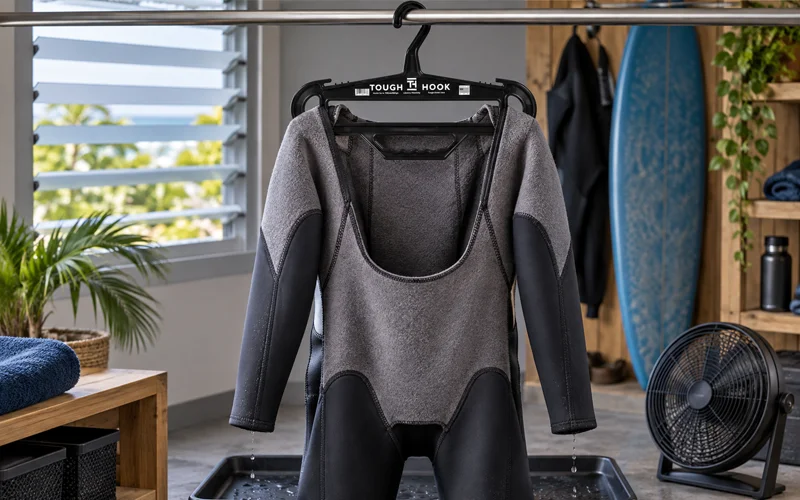
Even with the best hangers, a few best practices, covered in more detail in our guide to how to dry and store a wetsuit, will ensure your gear lasts as long as possible:
- Rinse Thoroughly: Always rinse your wetsuit, dry suit, and paddling gear with fresh water immediately after use. This removes saltwater, chlorine, sand, and other contaminants that can degrade materials.
- Hang Immediately: Don’t leave your wet gear crumpled in a bag. Hang it up as soon as possible after rinsing.
- Choose the Right Location:
- Good Airflow: Hang your gear in a well-ventilated area. A garage, a mudroom with a fan, or even outdoors on a breezy day are ideal.
- Avoid Direct Sunlight: While sun helps dry, prolonged exposure to direct UV rays can damage neoprene and other synthetic materials, making them brittle and fading their color. Hang in the shade or indoors.
- Temperature: A moderate temperature is best. Avoid extremely hot or cold environments that can stress the materials.
- Inside Out First (for wetsuits): For wetsuits, it’s often beneficial to dry them inside out first. This allows the internal lining, which absorbs the most sweat and body oils, to dry completely. Once the inside is dry, flip it right side out to dry the exterior.
- Allow Complete Drying: Ensure your gear is completely, thoroughly dry before storing it. Even slight dampness can lead to mildew.
Protecting Zippers, Seals, and Undergarments While You Dry
The zippers and seals on a dry suit take as much wear as the fabric, and how you hang the suit affects both. A few extra habits will keep them working smoothly:
- Keep the zipper closed or slightly open, not strained. Hanging a suit with the zipper pulled tight across a narrow hanger puts constant tension on the teeth and can make it harder to open next time.
- Apply zipper lubricant sparingly. A dry suit-specific zipper lubricant, applied along the teeth before storage, keeps the zipper sliding easily and helps prevent it from sticking. Avoid household oils or greases, which can attract dirt and degrade the zipper seal over time.
- Support the neck and wrist seals. Latex and neoprene seals crease and weaken if they are folded or pinned under the weight of the suit while it dries. A wide-shoulder hanger keeps the suit hanging naturally so the seals aren’t forced into a fold.
- Dry undergarments separately. Thermal base layers and undergarments hold as much moisture as the outer shell. Hang them on their own hanger nearby so they get full airflow instead of drying while pressed against the suit.
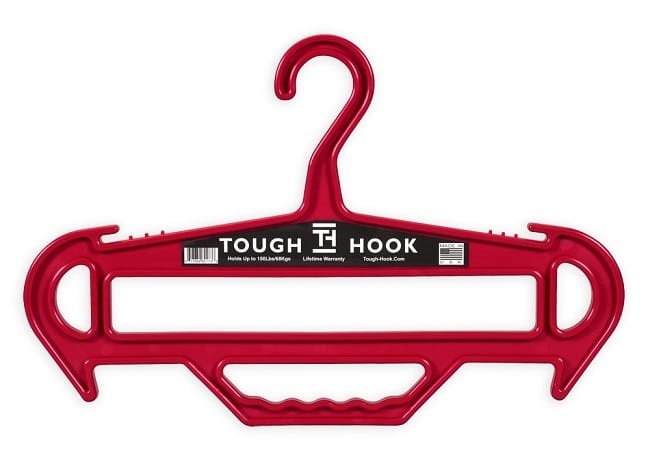
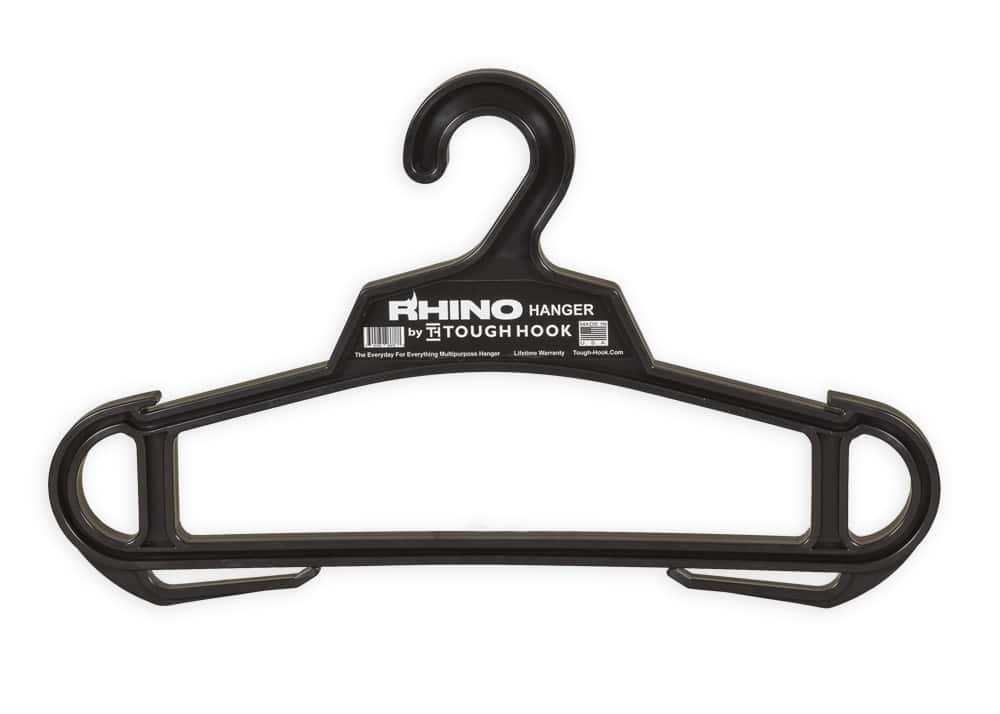
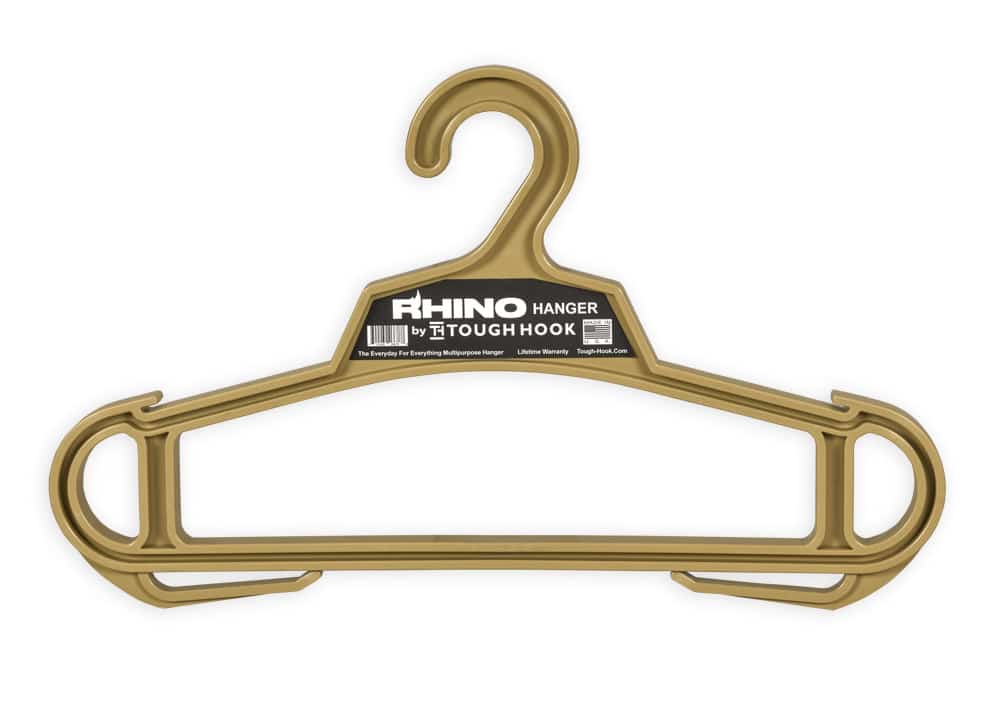
Proper drying is not just about convenience; it’s a critical component of maintaining the longevity and performance of your expensive wetsuits, dry suits, and paddling gear. While standard hangers fall short, specialized drying hangers offer the robust support, optimal airflow, and damage-free solution your equipment deserves. Ready to protect your gear? Shop Tough Hook’s heavy-duty hangers and keep your wetsuits, dry suits, and paddling gear drip-free, damage-free, and ready for your next aquatic adventure.
Frequently Asked Questions
What is the best type of hanger for drying a wetsuit or dry suit?
A hanger with wide, contoured shoulders and an open frame is best. The wide shoulders spread the weight of wet gear evenly to prevent stretching and creasing, while the open design lets air move through the suit so it dries faster and doesn’t hold onto moisture.
Can I use a regular hanger to dry a wetsuit?
You can, but it isn’t ideal. Standard wire or thin plastic hangers concentrate the weight of a wet suit on a narrow point, which stretches the shoulders and can bend or break the hanger. A heavy-duty, wide-shoulder hanger avoids these problems.
Should I dry a wetsuit inside out?
Yes. Drying a wetsuit inside out first lets the inner lining, which absorbs most of the sweat and body oils, dry completely. Once the inside is dry, flip it right side out to finish drying the exterior.
How should I store paddling gear like PFDs and spray skirts between uses?
Hang each piece separately on a sturdy, well-ventilated hanger rather than stacking damp gear in a bag or bin. This keeps air moving around each item and stops moisture from transferring between pieces of gear.
How do I keep a dry suit zipper from sticking?
Clean the zipper with fresh water after every use, let it dry fully, then apply a dry suit-specific zipper lubricant along the teeth before storage. Avoid hanging the suit with the zipper under tension, since that added strain is a common reason zippers become difficult to open.
Are Tough Hook hangers suitable for dry suits and paddling gear?
Yes. Tough Hook hangers are built to support the weight of wet wetsuits, dry suits, and paddling gear such as jackets, spray skirts, PFDs, and dive bags, with wide shoulders and an open frame designed for faster, damage-free drying.