Managing professional gear requires more than just throwing items into a dark locker at the end of a long shift. For military personnel, law enforcement officers, firefighters, and outdoor adventurers, high-use professional gear represents safety, readiness, and a significant financial investment. When equipment is piled up incorrectly, it degrades faster, traps moisture, and causes frustrating delays during rapid deployments. Implementing a reliable uniform rotation system backed by proper storage infrastructure completely changes how daily gear is handled. By combining smart organizational habits with heavy-duty equipment management tools, professionals can drastically extend the lifespan of their daily assets while ensuring everything stays ready for immediate deployment.
Understanding the Challenges of Heavy Gear Storage
Standard household closets and flimsy plastic retail hangers simply cannot handle the extreme physical demands of professional equipment. Heavy-duty uniforms, wet tactical vests, duty belts, and bulky outerwear weigh down traditional wire or thin plastic alternatives until they snap under pressure. When a standard hanger breaks, the expensive gear it supports crashes onto the floor where it gathers dust, gets stepped on, or sustains structural damage. Furthermore, stacking heavy gear in tight heaps prevents adequate airflow, leading to trapped sweat, unpleasant odors, and the growth of mold or mildew. Organizing high-use professional gear demands a specialized approach that prioritizes structural integrity, visibility, and accessibility.

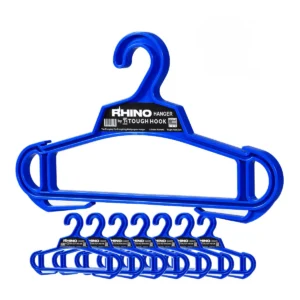
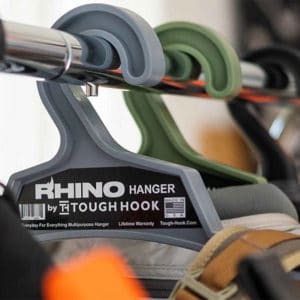

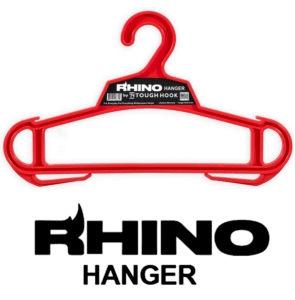
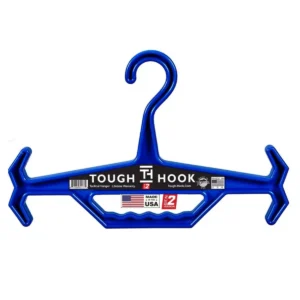

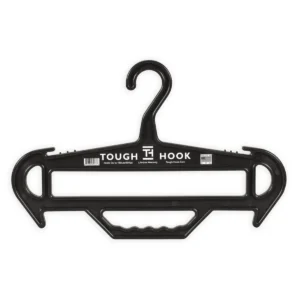
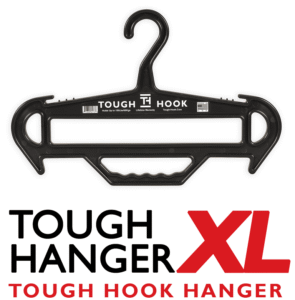
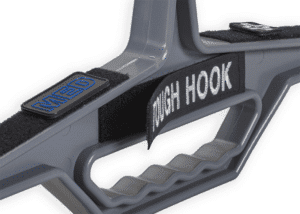
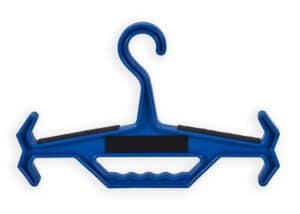
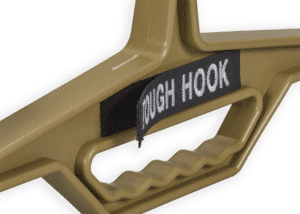
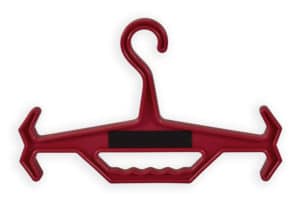
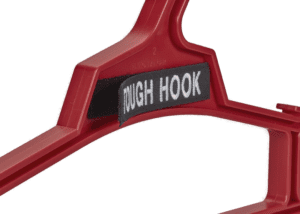
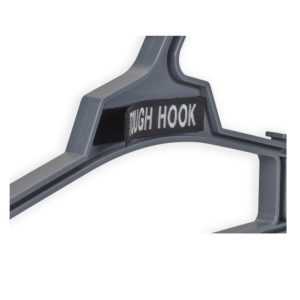
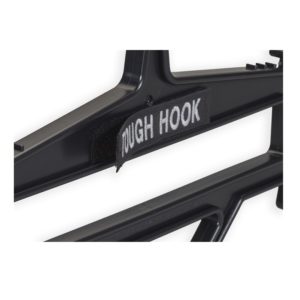


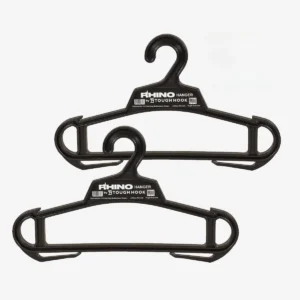
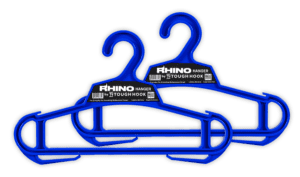
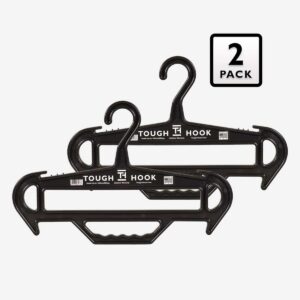
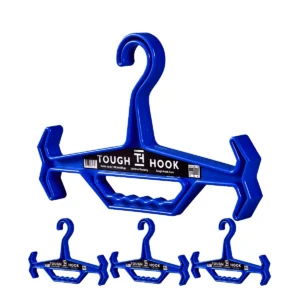
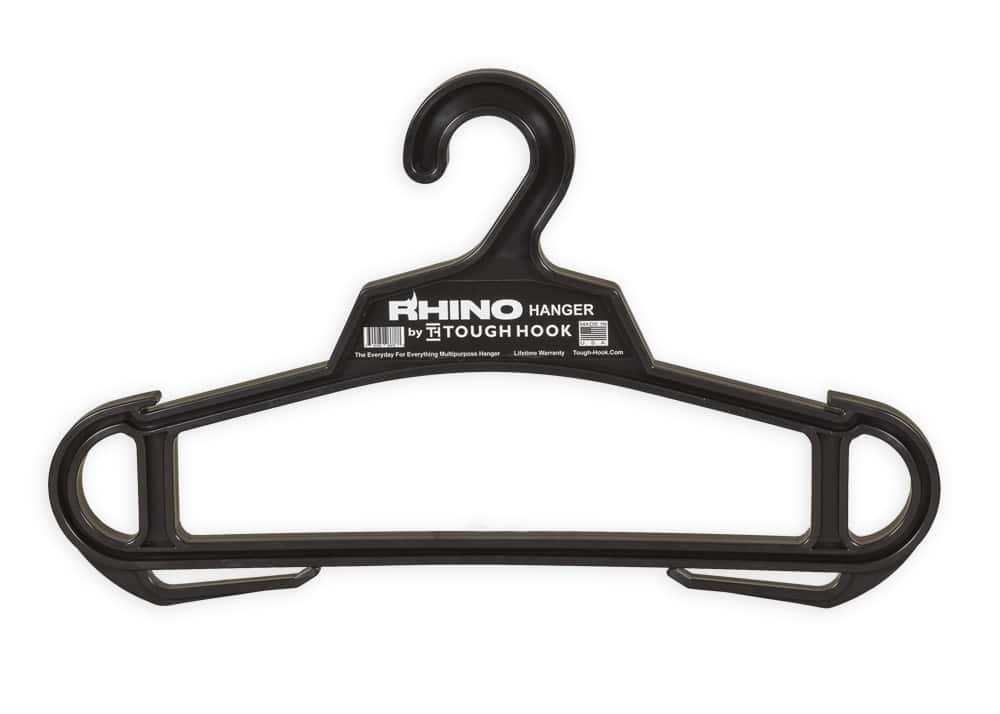
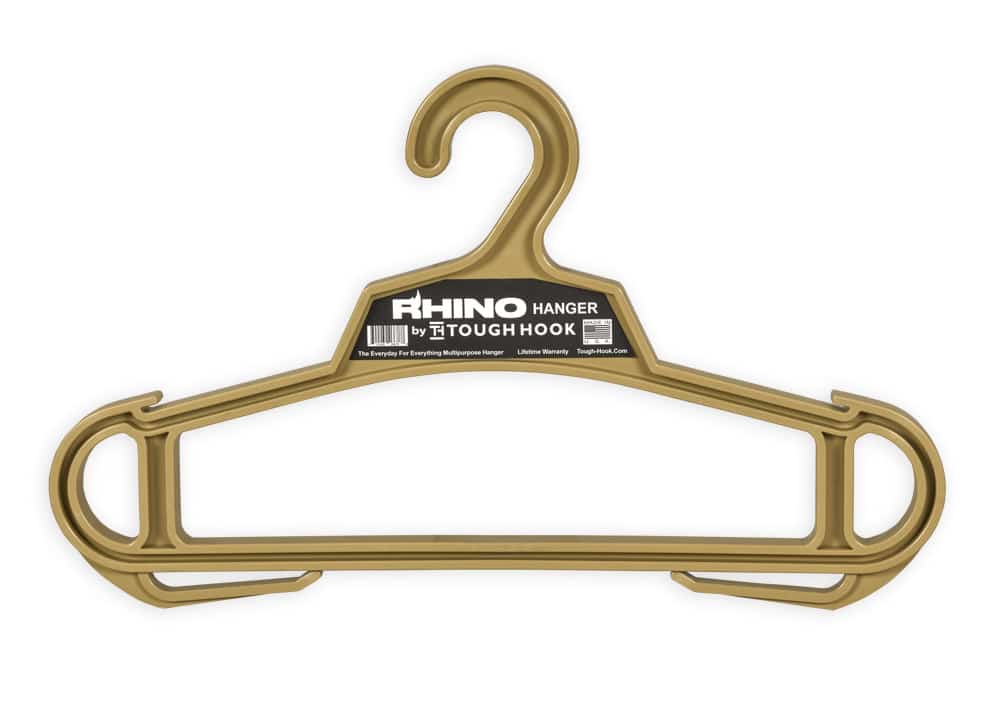
2 Pack RHINO Heavy Duty Clothes Hanger Bundle
Original price was: $27.95.$23.95Current price is: $23.95.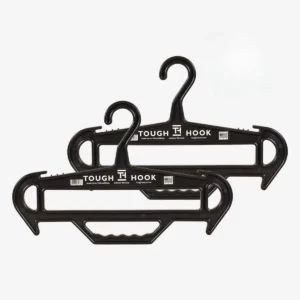
The Core Principles of Uniform Rotation
Uniform rotation is a systematic method ensuring that all working sets of clothing and equipment receive equal wear over time. Without a structured rotation schedule, professionals tend to grab the exact same jacket, vest, or uniform top every single morning, causing one set to wear out prematurely while others sit untouched in the back of the storage area. Establishing an effective rotation workflow relies on a few key actions:
-
Sequencing by usage: Always hang newly washed or freshly inspected uniforms at one end of the rack to naturally push older rotations forward.
-
Conducting weekly audits: Review all stored items regularly to check for wear and tear, missing patches, or fading fabrics before they turn into critical field failures.
-
Separating active and backup gear: Keep primary operational units separate from long-term storage reserves so that seasonal or emergency assets remain untouched and pristine until needed.
Building a Robust Storage System From the Ground Up
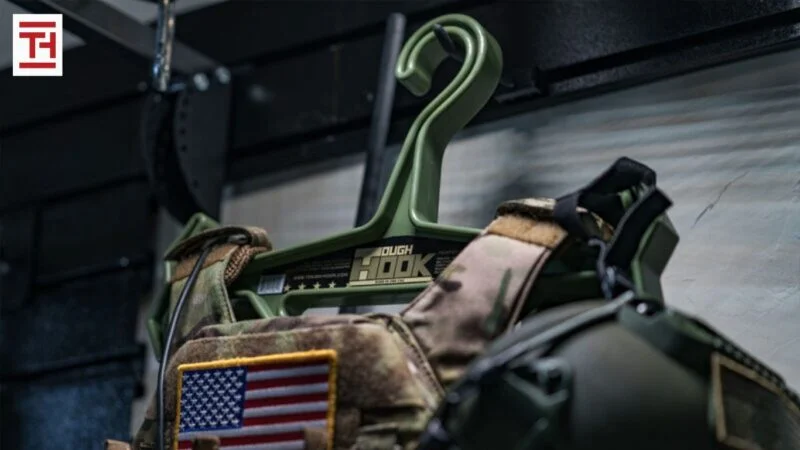
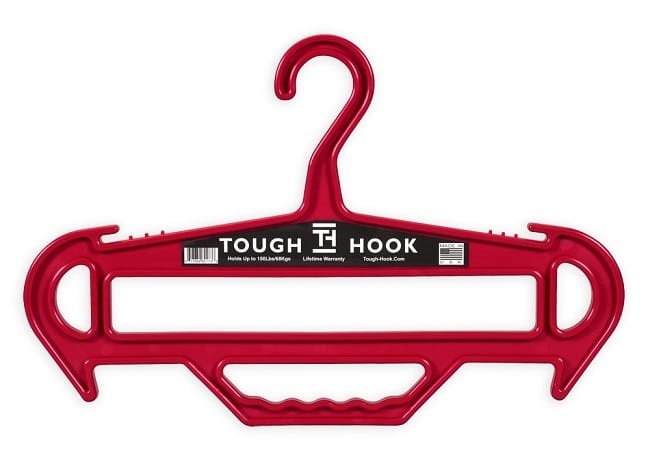
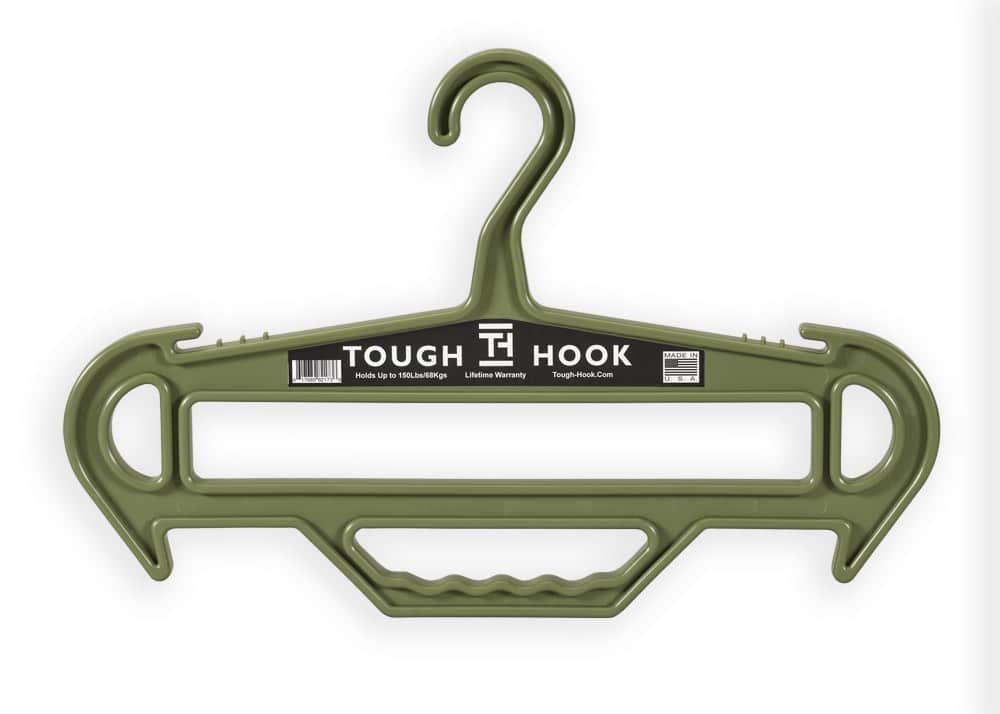
Creating a high-efficiency gear locker or storage room starts with heavy-duty structural support. Professionals need equipment that matches the rugged nature of their daily duties. This is where Tough Hook steps in as a trusted industry leader by providing specialized, nearly indestructible clothing and equipment hangers engineered to support over two hundred pounds of dead weight. Designed by veterans and manufactured in America using military-grade materials, Tough Hook products eliminate the headache of broken storage accessories. Integrating these heavy-duty solutions into a storage room ensures that heavy plate carriers, tactical vests, scuba gear, and full-duty uniforms hang securely without straining the frame.
Optimizing Layout and Airflow in Your Gear Room
Once the structural hanging units are secure, layout planning dictates how quickly gear can be retrieved during an urgent call to action. A disorganized gear room wastes critical seconds when every moment counts. Arranging a seamless storage space involves several practical steps:
-
Zoning by profession or activity: Group items logically so that duty belts stay near footwear, and outer shells stay adjacent to headwear and communication tools.
-
Maximizing vertical space: Utilize multi-tiered hanging systems to keep floor areas completely clear for larger storage bins and tactical footwear.
-
Promoting rapid drying: Leave adequate spacing between hanging heavy gear items to allow free airflow, preventing moisture accumulation after wet weather deployments or rigorous physical training sessions.
Long-Term Benefits of Upgrading Your Gear Infrastructure
Investing time and resources into an organized, rotation-friendly storage system pays off in dividends across a professional career. When gear is hung correctly on engineered solutions like Tough Hook hangers, fabric stress points are minimized, and structural seams maintain their integrity for years longer than they would in a piled heap. Proper weight distribution prevents sagging shoulder pads on heavy jackets and plate carriers, which directly preserves the ergonomic fit required for comfortable field use. Moreover, a clean and orderly workspace reduces mental clutter, allowing professionals to transition smoothly between shifts with absolute confidence in their equipment readiness.
Uniform rotation and high-use gear management do not have to be an ongoing struggle against clutter and equipment degradation. By establishing disciplined rotation habits and upgrading to industrial-grade storage solutions, professionals can protect their valuable investments and guarantee peak performance on every single shift. Taking control of a gear room today translates directly to enhanced safety, improved efficiency, and total operational readiness tomorrow.