The scenario is familiar to almost every parent. It is 7:45 a.m., the school bus is minutes away, and the front entryway looks like a supply closet exploded. There is a frantic search for a missing left sneaker, a backpack is buried under a pile of coats on the floor, and someone cannot find their gym bag. This daily morning chaos is the reality for countless busy families operating out of cramped mudrooms or narrow hallways.
The entryway is the highest-traffic zone in any family home. It is the transitional space where the outside world meets domestic life, and unfortunately, it usually bears the brunt of the clutter. When every family member sheds their outer layers the moment they walk through the door, the resulting pileup is inevitable. The traditional solutions, including flimsy coat racks, overburdened wall hooks, and standard closet rods, are rarely up to the task of managing modern family gear.
However, there is a strategy to tame the chaos. It does not involve expensive custom cabinetry or a complete home renovation. It requires a shift in perspective regarding a humble household tool: the hanger. By adopting “The Hanger Hack” and upgrading your equipment, you can create a designated “one spot” for every heavy item that currently clutters your floors. The right heavy-duty hangers make this possible without a full renovation.
The Anatomy of the Entryway Disaster
To solve the problem, we must understand why standard organizational methods fail busy families. The primary culprit is underestimating the sheer weight and bulk of what we carry daily.
A standard department store coat hanger is designed for a dress shirt or a light blazer. It is not engineered to hold a high schooler’s backpack loaded with three textbooks, a laptop, and a water bottle. It cannot sustain the weight of a soaking wet canvas chore coat or a hockey equipment bag.
When we attempt to hang heavy items on standard hangers, the hangers snap, sending the items to the floor. When we rely solely on wall hooks, they become overloaded mountains of fabric where the item at the bottom is inaccessible without knocking three other things down.
The result is “floor storage,” which is just a polite term for clutter. This creates tripping hazards, increases the likelihood of losing essential items, and adds unnecessary stress to already rushed mornings.
The Heavy-Duty Solution
The core of the “Hanger Hack” is recognizing that family gear, including backpacks, sports duffels, tactical diaper bags, and heavy winter coats, is not clothing; it is equipment. Therefore, it requires equipment-grade storage solutions.
If you want to get heavy bags off the mudroom bench and onto a neat vertical rail, you need a durable hanger that will not buckle under pressure. This is where specialized tools come into play.
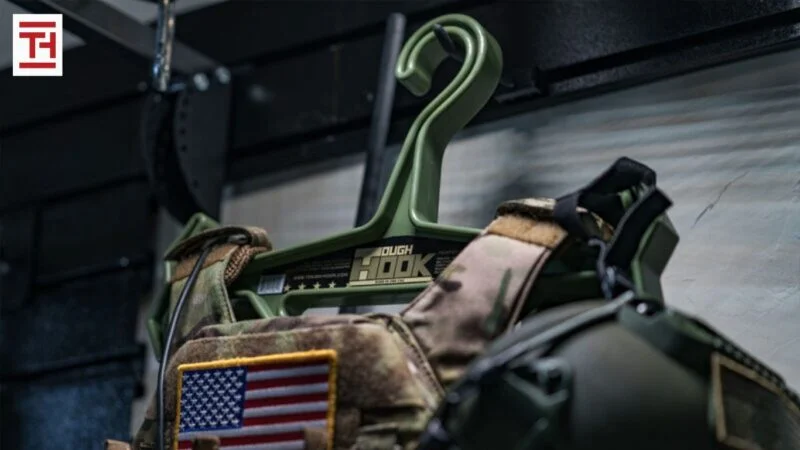
Our company, Tough Hook, a clothing and equipment heavy-duty hangers company, was founded specifically to address this gap. We realized that if a hanger can support a police officer’s tactical vest or a firefighter’s turnout gear, it can easily handle a teenager’s overloaded backpack.
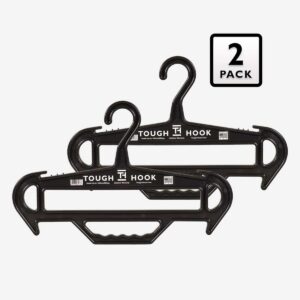
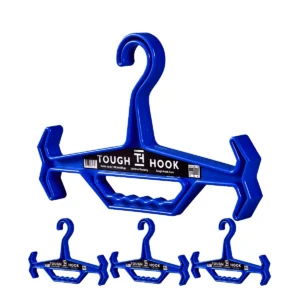
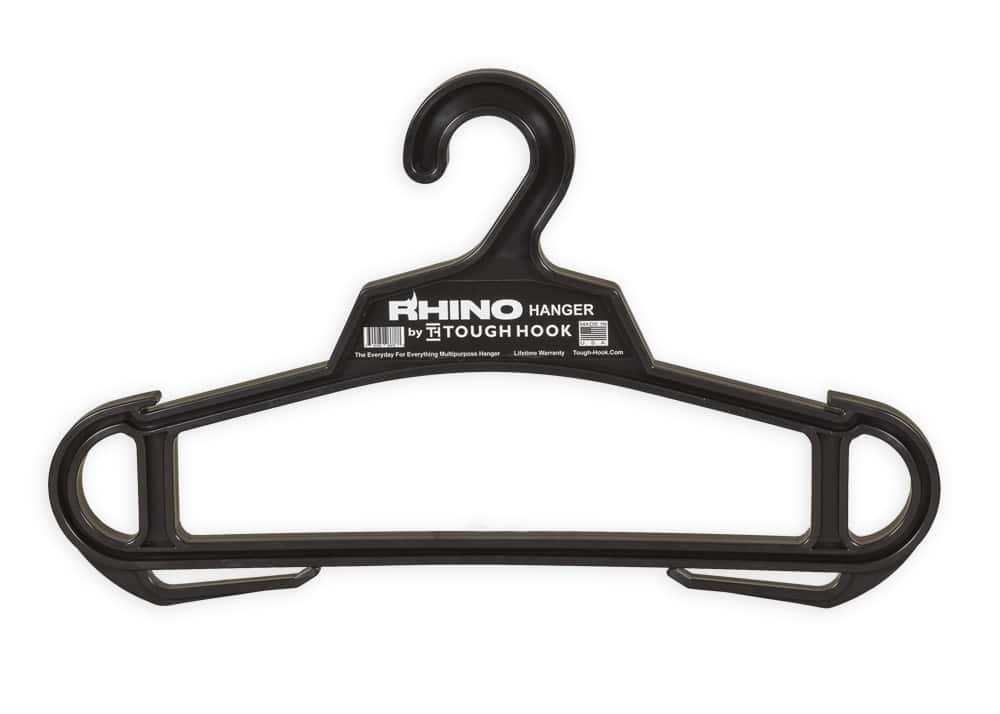
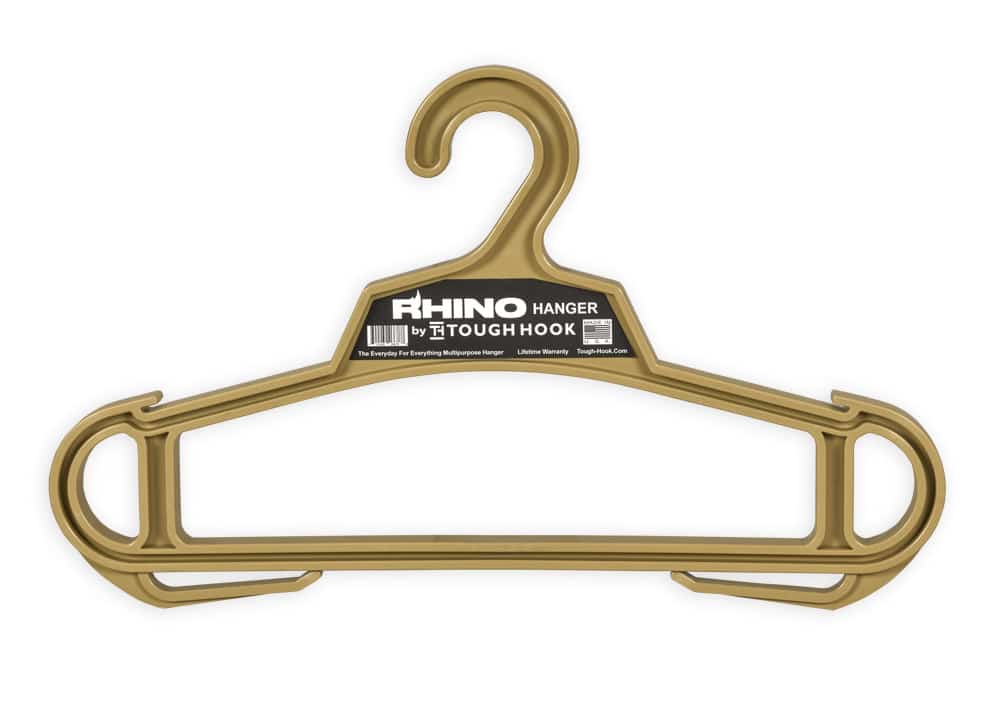
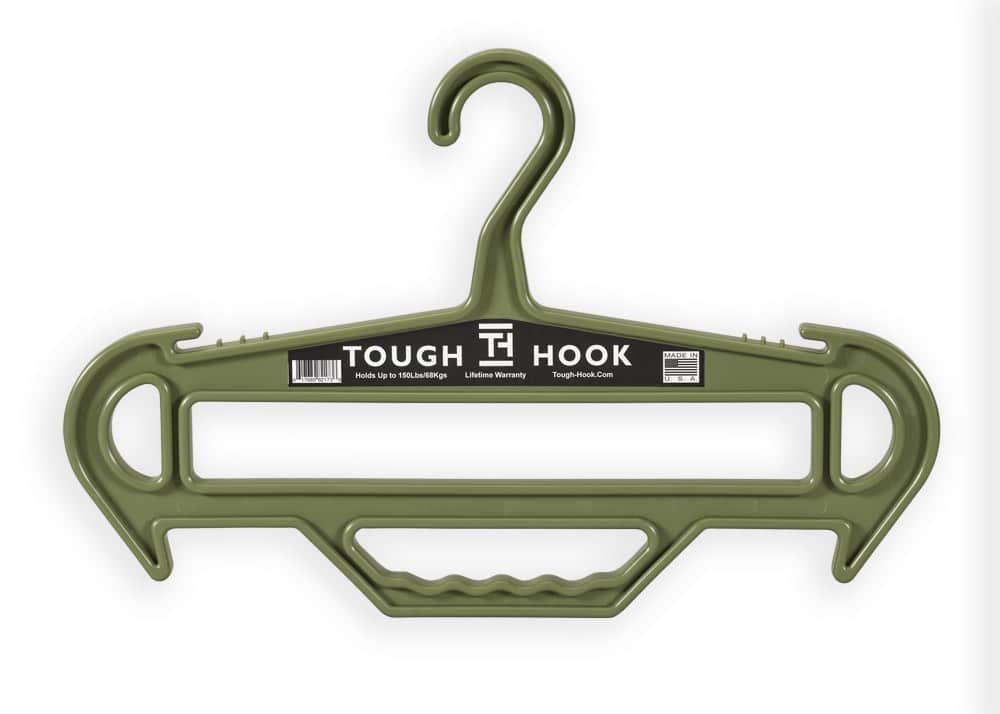
By switching from standard plastic hangers to industrial-strength alternatives like a 2-pack RHINO hanger bundle, you free up vertical storage space that was previously unusable for heavy items. You can move bags from hooks, where they hang awkwardly, to a closet rod or a mounted industrial pipe rail, treating them just like coats.

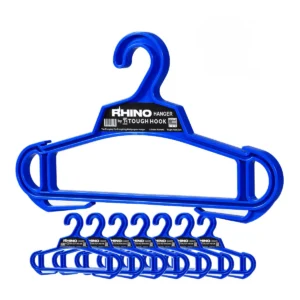
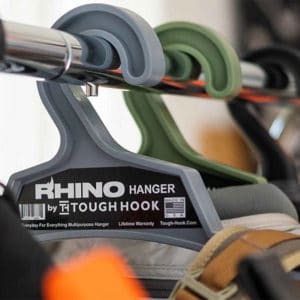

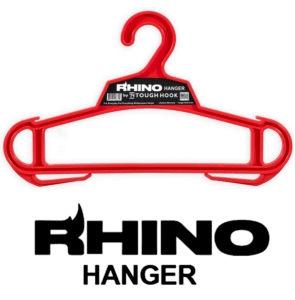
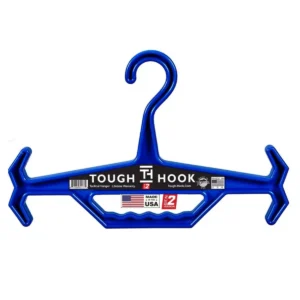

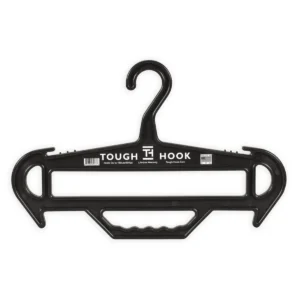
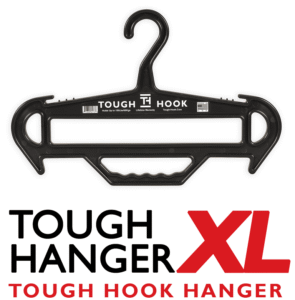
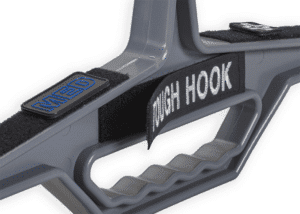
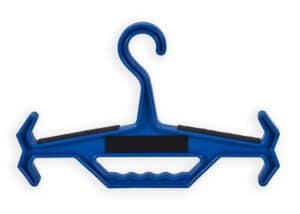
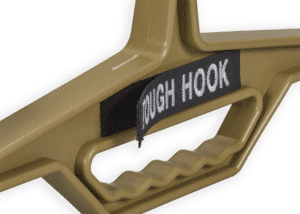
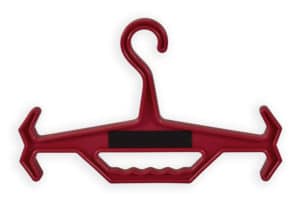
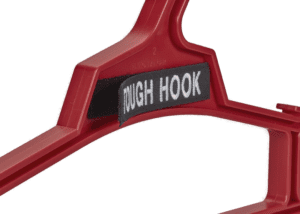
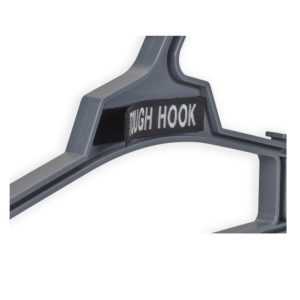
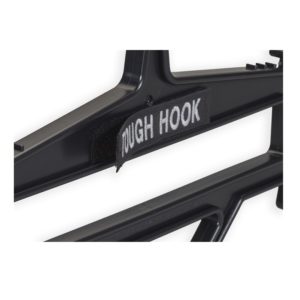


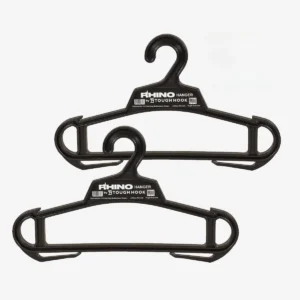
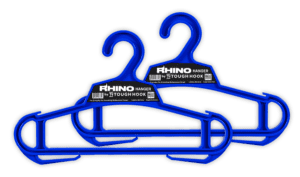
2 Pack RHINO Heavy Duty Clothes Hanger Bundle
Original price was: $27.95.$23.95Current price is: $23.95.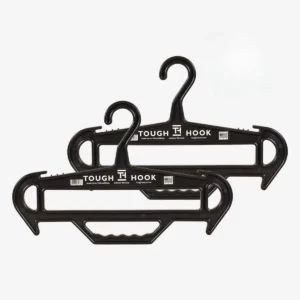
Give Every Family Member (and Every Shoe) a Home
The morning search that opens this article rarely starts with a coat; it starts with a missing shoe. A hanger system only solves half of an entryway’s chaos if shoes are still landing in a pile on the floor. Pair each family member’s hanger zone with a low shoe tray or cubby directly underneath it, so the whole “leaving the house” kit, coat, backpack, and shoes, lives in one spot instead of three.
Height matters as much as location. Mount at least one hook or hanger rail at a child’s reach, roughly 36 to 48 inches off the floor depending on age, so kids can hang up their own gear without help. That small adjustment does more for morning independence than almost any other change in the entryway, and it keeps the floor clear because putting things away no longer requires a parent.
For families juggling school bags and sports gear on the same afternoon, pairing this setup with one hanging system for school bags and sports gear keeps everything under one roof instead of scattered across the house.
Implementing the “One Spot” System
The goal of the “One Spot” system is simple: every family member has a dedicated hanger in a specific location that holds their entire “leaving the house” kit. This streamlines both departure and arrival.
To implement this hack, clear out the entryway closet or install a sturdy hanging rod in your mudroom. Assign a zone for each person. Then, utilize heavy-duty hangers to get everything off the floor.
Here is what should go on these heavy-duty hangers to clear your floor space:
- Loaded Backpacks: Instead of dropping heavy school bags by the door, hang them up by the top handle loop using a rugged hanger designed for weight.
- Sports/Gym Bags: Duffel bags and equipment satchels are notoriously awkward to store, but a heavy-duty hanger keeps them accessible and off the floor.
- Heavy Winter Gear: Parkas made of dense materials, especially when wet from snow or rain, require significant structural support to dry properly without stretching the fabric.
- Utility and Diaper Bags: Modern parenting requires carrying significant weight, and hanging a fully loaded diaper bag ensures it is ready to grab and go.
Organizing Special Activities
Beyond the daily school and work grind, active families have gear for weekends and extracurriculars. The Hanger Hack is perfect for organizing gear by activity rather than by person. Instead of digging through a bin for swimming gear or hiking equipment, keep specific kits ready on their own hangers. You can keep a “pool ready” hanger holding a heavy tote bag with towels and sunscreen.
You might have a “sports spectator” hanger holding the heavy stadium blankets and ponchos. Households juggling more than one child’s activity schedule often find it helpful to borrow a few space-saving tips for multi-kid households to keep each kid’s activity kit from crowding the others.
Growing With Your Family: Adjustable Heights and Seasonal Swaps
An entryway system should not be static, because families are not static. A versatile setup accounts for two kinds of change: kids getting taller and gear changing with the seasons. Use an adjustable closet rod or a second, lower rail so hook and hanger heights can move up as children grow, rather than forcing a six-year-old to stretch for a hook sized for a teenager.
On the seasonal side, rotate what actually hangs in the entryway twice a year: heavy winter coats and snow gear in colder months, swim bags and lighter jackets once the weather turns. Off-season gear can move to a closet or bin elsewhere in the house, keeping the entryway’s hanger rail reserved for what the family is actually using that week.
The Five-Minute Evening Reset
Even the best hanger system drifts back toward clutter without a small daily habit to reset it. Spend five minutes each evening returning anything that landed on the floor, the bench, or the stairs back to its assigned hanger or hook.
Empty backpacks of lunch containers before hanging them back up, and check that tomorrow’s activity bag is already loaded and hanging in its spot.
This short evening routine is what actually prevents the 7:45 a.m. scramble described at the start of this article. A hanger system gives every item a home; a five-minute reset is what keeps every item in it.
When you treat bags and heavy coats as equipment that deserves proper storage, the entryway transforms. The floor clears up, shoes find their designated racks, and the morning rush becomes significantly calmer.
It is a small investment in industrial-grade tools that yields a massive return in daily peace of mind.
Frequently Asked Questions
How much weight can a heavy-duty entryway hanger really hold?
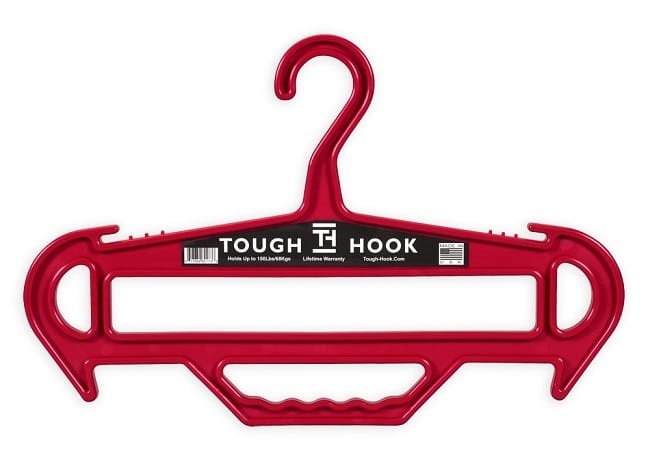
A quality heavy-duty hanger built from high-impact material can support well beyond what a standard plastic or wire hanger can, often over 100 lbs, which is enough for a fully loaded backpack, a wet winter coat, or a stuffed gym bag without the neck of the hanger cracking.
Where should I install hooks or hangers in a mudroom or entryway?
Install at least one rail or hook set at adult height for coats and heavier gear, and a second set at a child’s reach, roughly 36 to 48 inches off the floor, so kids can hang up their own backpacks and jackets without help.
Are wooden hangers a good option for heavy winter coats?
Wood can handle a suit or a lighter coat reasonably well, but it is heavier, pricier, and has a lower practical weight ceiling than a purpose-built heavy-duty hanger, which matters once you add a soaked canvas coat or a loaded backpack to the mix.
How do I choose the right hanger for a busy family entryway?
Match the hanger to what it will actually carry. A hanger rated for heavy gear, with a wide, supportive shoulder and a sturdy build, will outlast standard clothing hangers under the daily weight of backpacks, duffel bags, and winter coats.