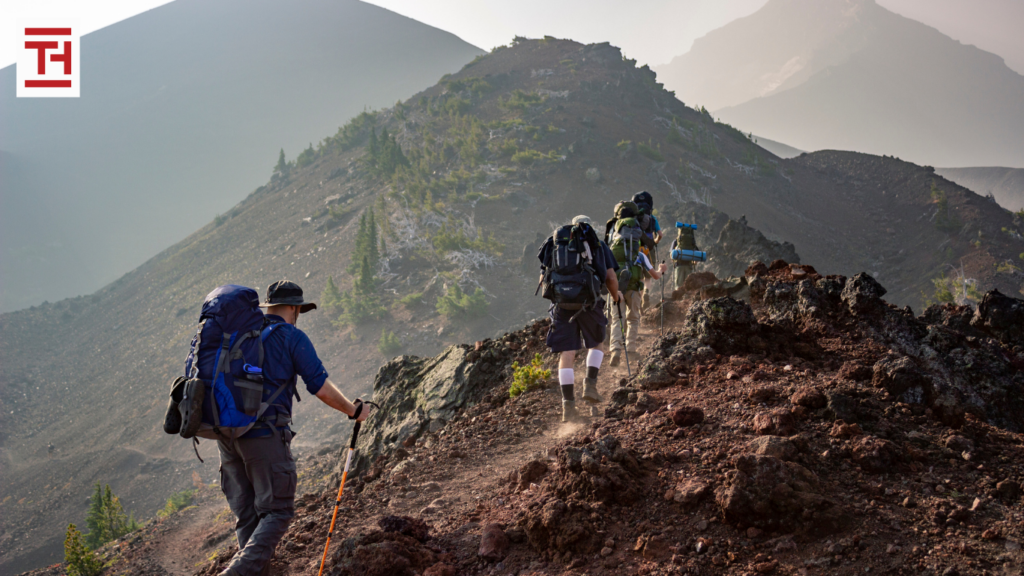
Every seasoned hiker knows the feeling: you have just finished a grueling trek through the backcountry, and while your spirit is soaring, your gear is a disaster. Your boots are caked in thick, clay-like mud; your waterproof shell is saturated and dripping; and your backpack looks like it was dragged through a swamp. After a long day on the trail, the temptation to toss everything into a pile in the garage and deal with it tomorrow is overwhelming. However, that impulse is the primary enemy of gear longevity.
Properly maintaining and storing muddy, wet equipment is the difference between a kit that lasts a decade and one that fails in a single season. Moisture and grit are more than just cosmetic nuisances; they are active agents of decay. To ensure your investment remains “weathered but ready” for the next adventure, you must master the art of post-hike recovery.
The Hidden Dangers of Improper Storage
Before diving into the cleanup process, it is essential to understand why “wet and dirty” is such a dangerous combination for outdoor textiles and hardware.
-
Microbial Growth: Fungi, mold, and mildew thrive in dark, damp environments. Once these organisms take root in the fibers of your gear, they cause persistent odors and can eventually digest the synthetic or natural materials themselves.
-
Abrasive Degradation: Mud is essentially a collection of tiny minerals and rocks. When mud dries inside the weave of a fabric, these particles act like sandpaper, slowly grinding away at the fibers every time the material flexes.
-
Hydrolysis: Many high-end waterproof coatings, such as Polyurethane (PU), are susceptible to hydrolysis. This chemical reaction occurs when the coating remains in contact with water for extended periods, causing it to become sticky, flake off, and lose its waterproof integrity.
-
Corrosion and Oxidation: Zippers, buckles, and frames are often made of metals or treated plastics that can oxidize or seize up when salt, minerals, and moisture are allowed to sit on them.

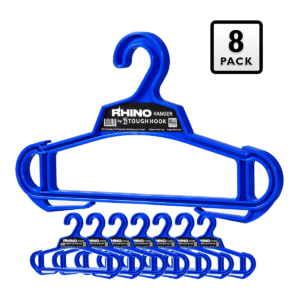
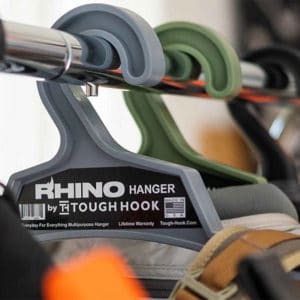
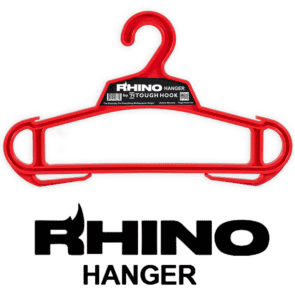
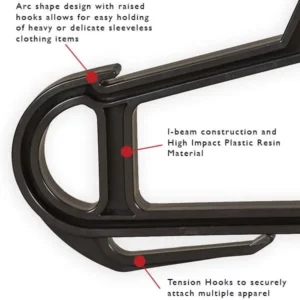

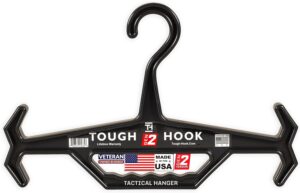

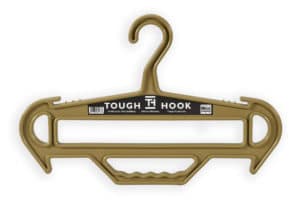
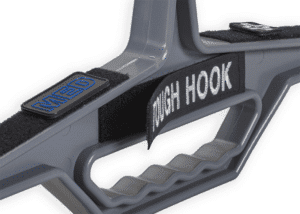
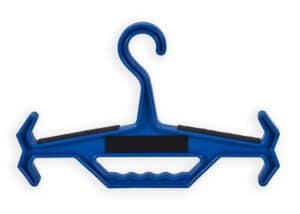
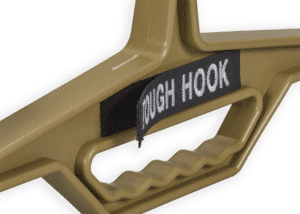
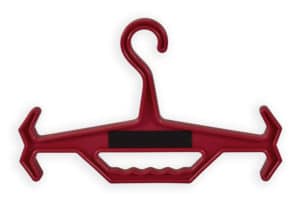
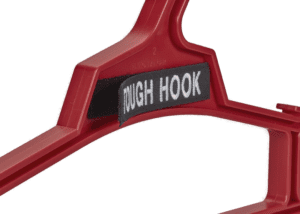
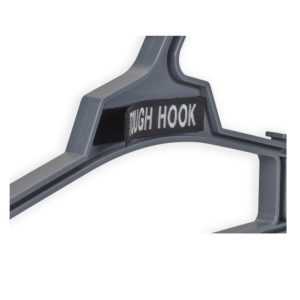
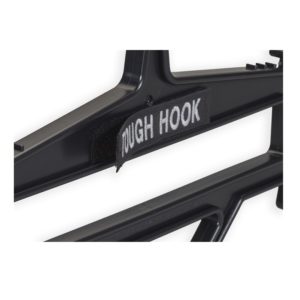
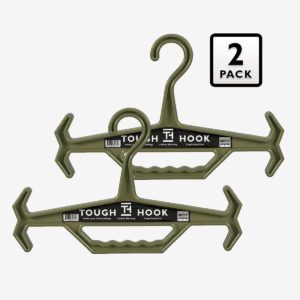

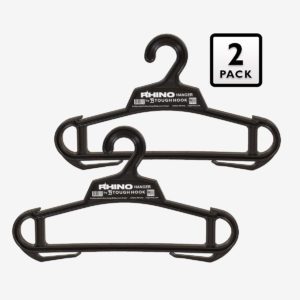
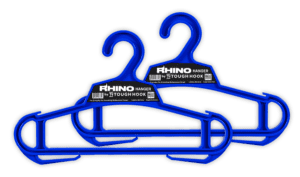
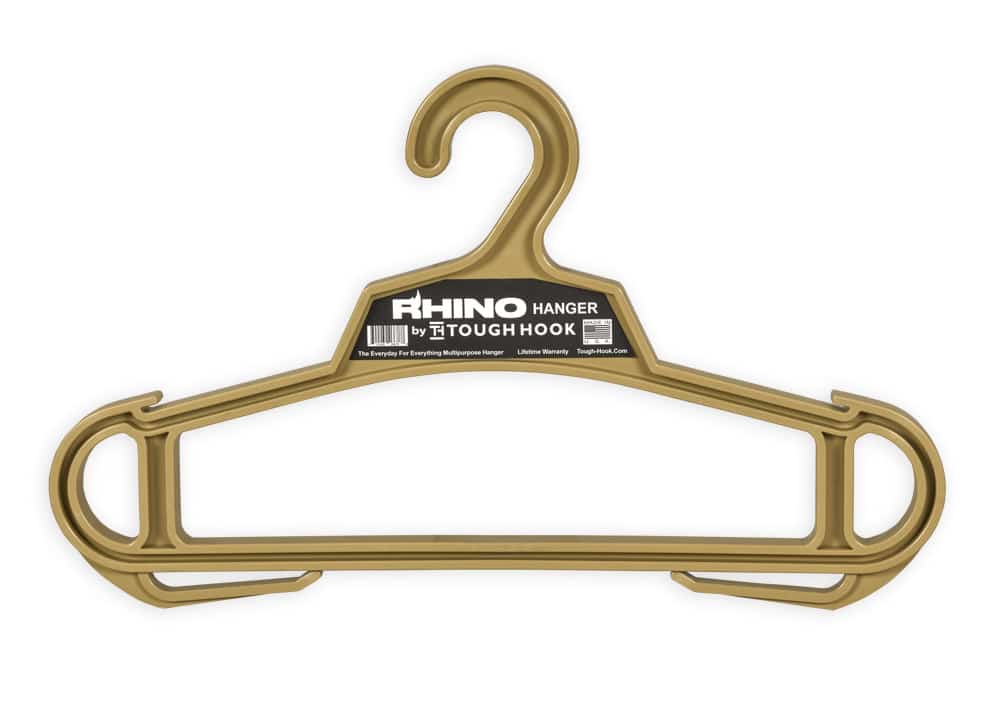
2 Pack RHINO Heavy Duty Clothes Hanger Bundle
Original price was: $27.95.$23.95Current price is: $23.95.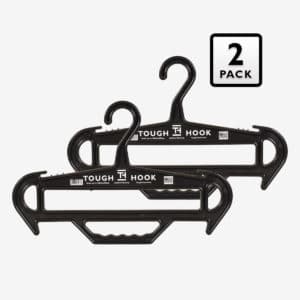
Step 1: The Preliminary Rinse and Clean
The first rule of post-hike care is to never store gear while it is still muddy. You do not need to perform a deep surgical cleaning after every outing, but you must remove the bulk of the debris.
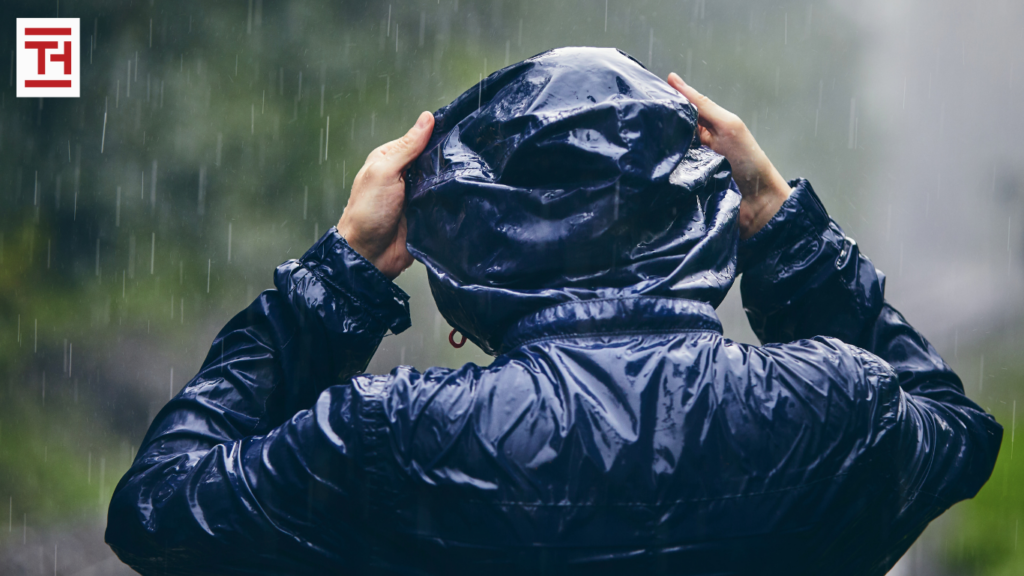
For your technical apparel and rain shells, use a gentle stream of water to rinse off surface mud. Avoid using harsh household detergents, as these can strip away the Durable Water Repellent (DWR) finish. Instead, use a technical wash designed specifically for outdoor fabrics. For backpacks and heavy equipment, a soft-bristled brush and a bucket of lukewarm water are usually sufficient to dislodge stubborn dirt from the seams and zippers.
Step 2: Drying the Right Way
Drying is the most critical stage of the process, yet it is where most hikers make mistakes. High heat is the enemy of technical gear. Putting your waterproof jacket or hiking boots near a radiator or in a high-heat dryer can melt seam tape and cause delamination of the fabric.
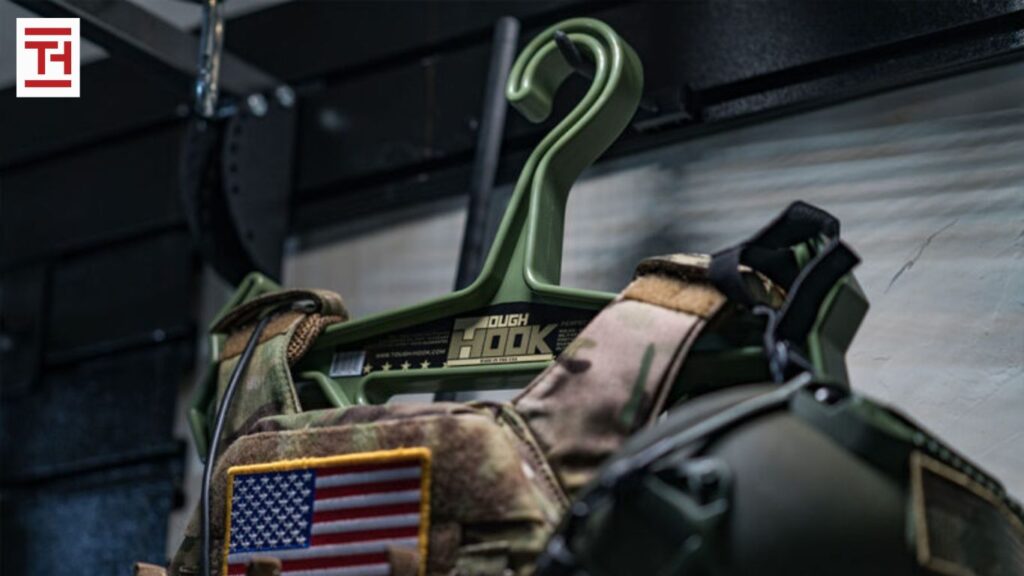
Instead, prioritize airflow. Hang your gear in a well-ventilated area away from direct sunlight, which can cause UV damage over time. This is where the strength of your storage solution becomes paramount. Traditional plastic or wire hangers often buckle under the weight of wet, heavy gear. A saturated tactical vest or a mud-clogged heavy coat can weigh significantly more than its dry counterpart.
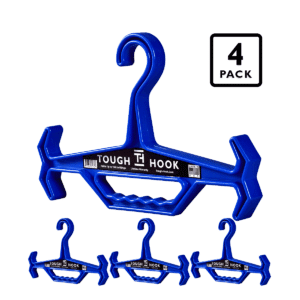
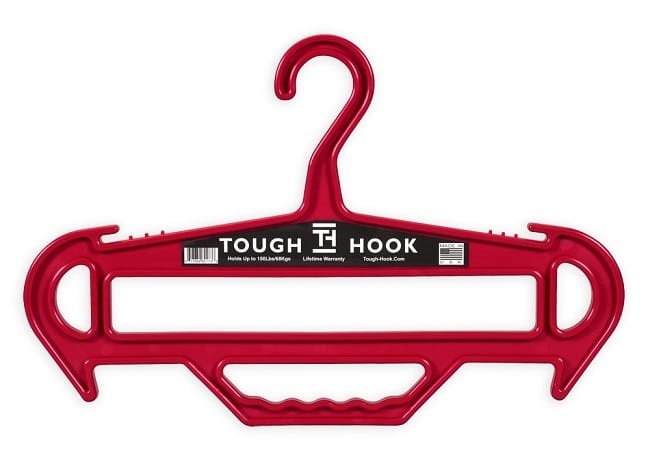
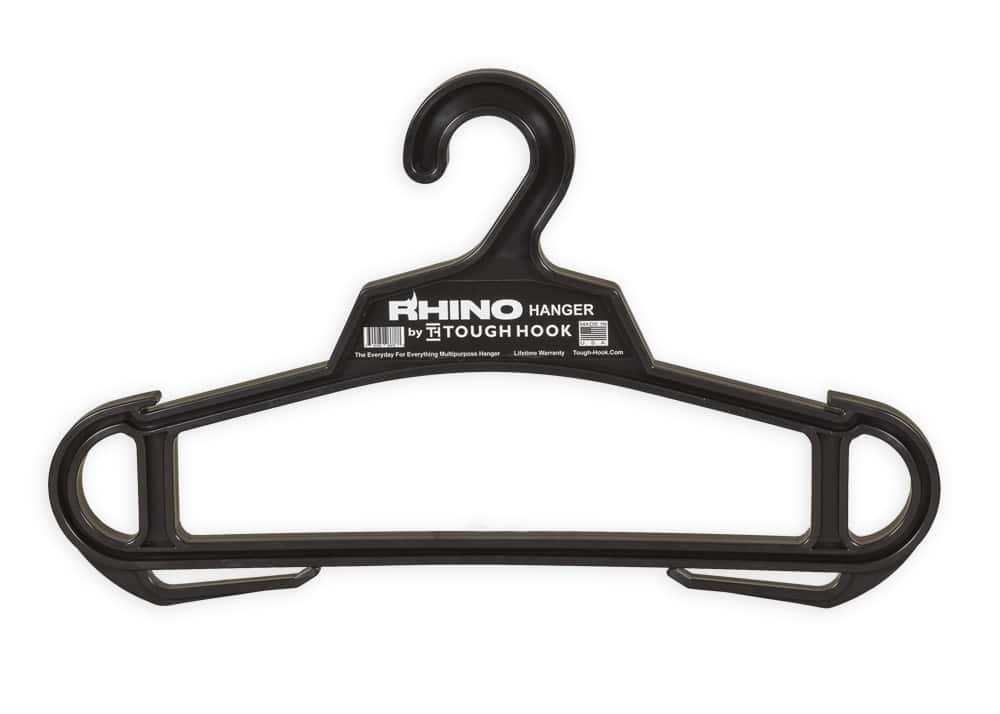
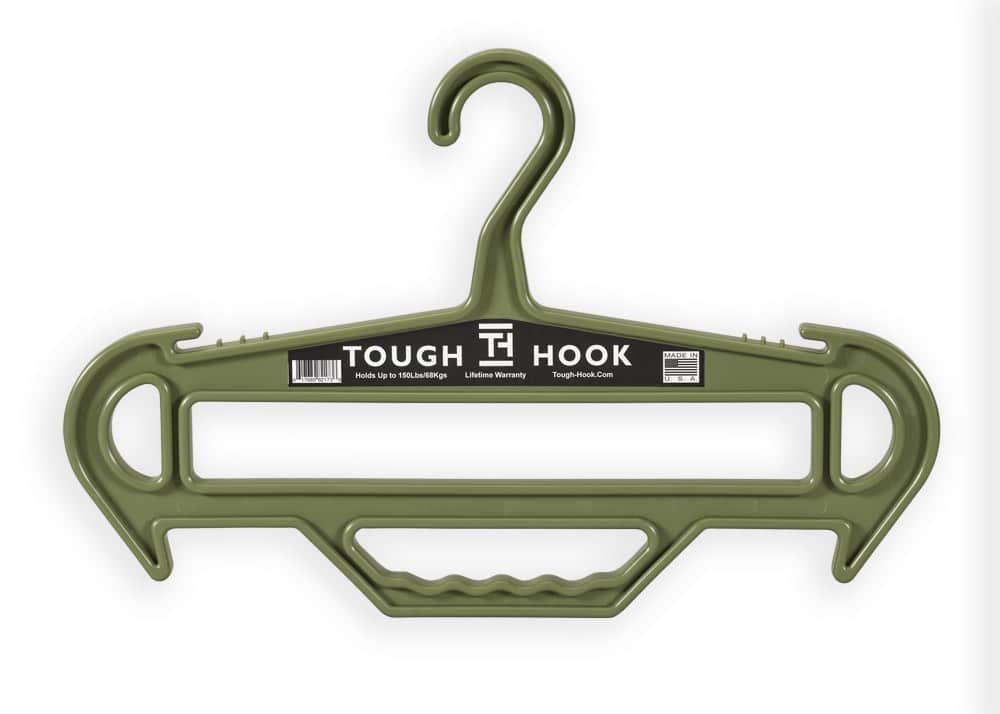
To manage this weight, we recommend using a Tough Hook. Our company, Tough Hook, specializes in heavy-duty hangers designed specifically for professionals and enthusiasts who carry significant loads. A Tough Hook hanger can support up to 150 pounds, ensuring that even your heaviest wet gear stays off the floor and in the path of optimal airflow without the hanger snapping or deforming.
Step 3: Footwear Maintenance
Your boots are likely the most expensive and hardest-working part of your kit. They require specific attention to prevent the leather or synthetic uppers from cracking.
-
Remove the Insoles: Always pull out the footbeds to allow the interior of the boot and the underside of the insole to dry.
-
Stuff with Paper: If the interiors are soaked, stuff them with plain brown paper or newspaper. This helps draw moisture out from the inside.
-
Avoid Direct Heat: Never place boots near a wood stove or heater. This can cause the glues holding the sole together to fail and make leather brittle.
-
Conditioning: Once dry, apply a specialized leather conditioner or fabric treatment to restore the factory-level protection.
Step 4: The Art of Vertical Storage
Once your gear is clean and dry, the way you store it until the next trip is vital. Many people make the mistake of folding their high-end jackets or stuffing sleeping bags into tight compression sacks for long periods. This compresses the insulation and creates permanent creases in waterproof membranes, which can lead to leaks.
Vertical storage is the gold standard for maintaining the structural integrity of hiking equipment. By hanging your gear, you allow the fibers to remain in their natural shape.
-
Backpacks: Hang your pack by its haul loop rather than its shoulder straps to avoid stretching the suspension system. A Tough Hook is ideal here, as it can easily handle the weight of a full-sized expedition pack.
-
Tents: If you have the space, hang your tent loosely over a large bar or hanger. If you must store it in a bag, ensure it is in a large, breathable cotton sack rather than its original tight stuff sack.
-
Sleeping Bags: Like tents, sleeping bags should be hung or stored in a large mesh “lofting” bag to preserve the fill’s ability to trap heat.
Step 5: Managing Hardware and Zippers
Before final storage, give your hardware a quick inspection. Zippers are often the first point of failure on hiking gear.
-
Lubrication: Use a zipper lubricant or a bit of paraffin wax on the teeth of the zipper to keep them sliding smoothly.
-
Salt Removal: If you have been hiking near the ocean, salt spray is incredibly corrosive. Ensure all metal components are wiped down with a damp cloth and dried thoroughly.
-
Buckle Integrity: Check plastic buckles for stress fractures. It is much easier to replace a buckle in your garage than it is while you are ten miles into the wilderness.
Long-Term Climate Considerations
Where you store your gear matters just as much as how you store it. While the garage or an unfinished basement is the most common choice, these areas often suffer from extreme temperature fluctuations and high humidity.
The ideal storage environment is a “cool, dry place.” This usually means a dedicated gear closet inside your climate-controlled home. If you must store gear in a basement, consider running a dehumidifier to keep the ambient moisture levels below 50 percent. This prevents the “musty basement” smell from permeating your expensive waterproof layers and stops mold spores from settling into your gear.
Respect the Gear That Protects You
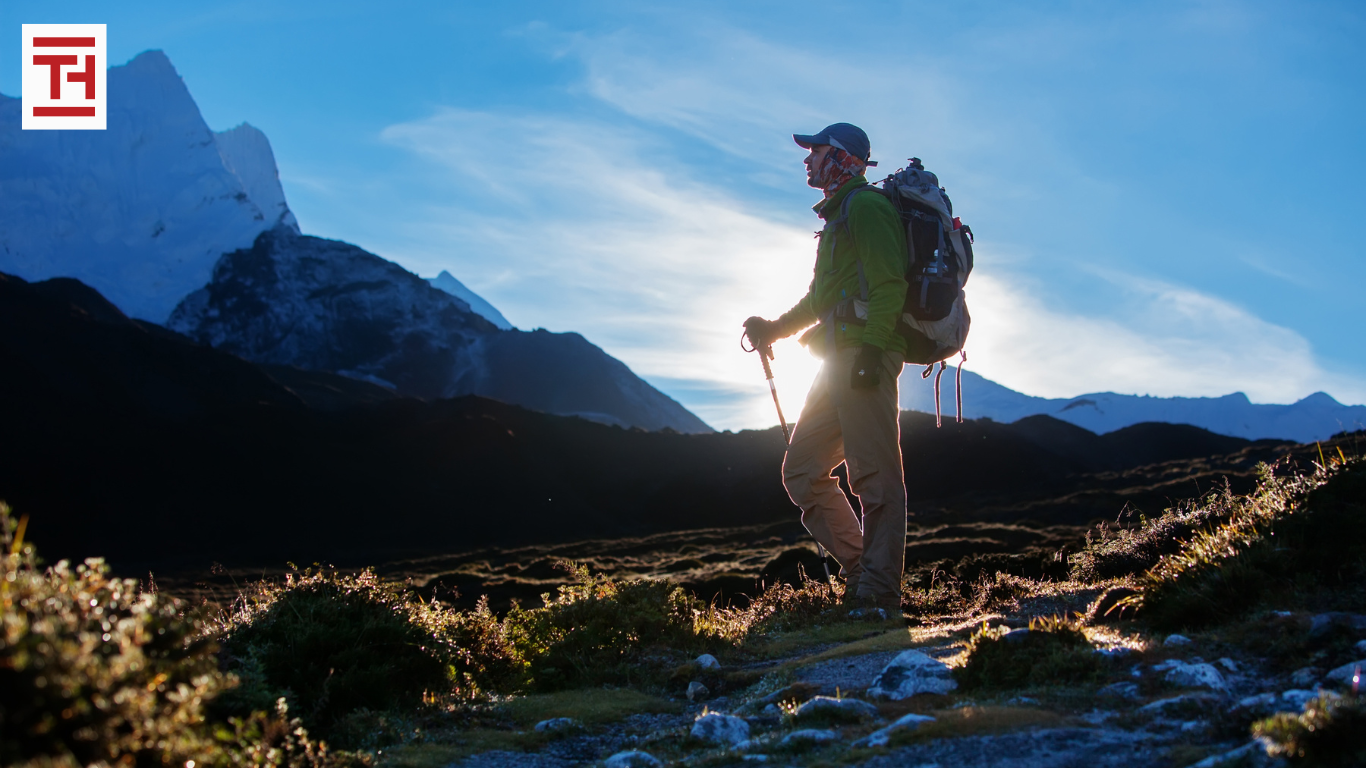
Your hiking gear is more than just fabric and plastic; it is your life-support system when you are miles away from civilization. Taking the time to properly clean, dry, and hang your equipment ensures that when the next storm rolls in or the next trail calls, you are not sidelined by gear failure.
By using high-quality maintenance habits and heavy-duty tools like those offered by Tough Hook, you transform your gear from a disposable purchase into a long-lasting investment. Remember, a little bit of effort today ensures your gear remains weathered but ready for tomorrow.