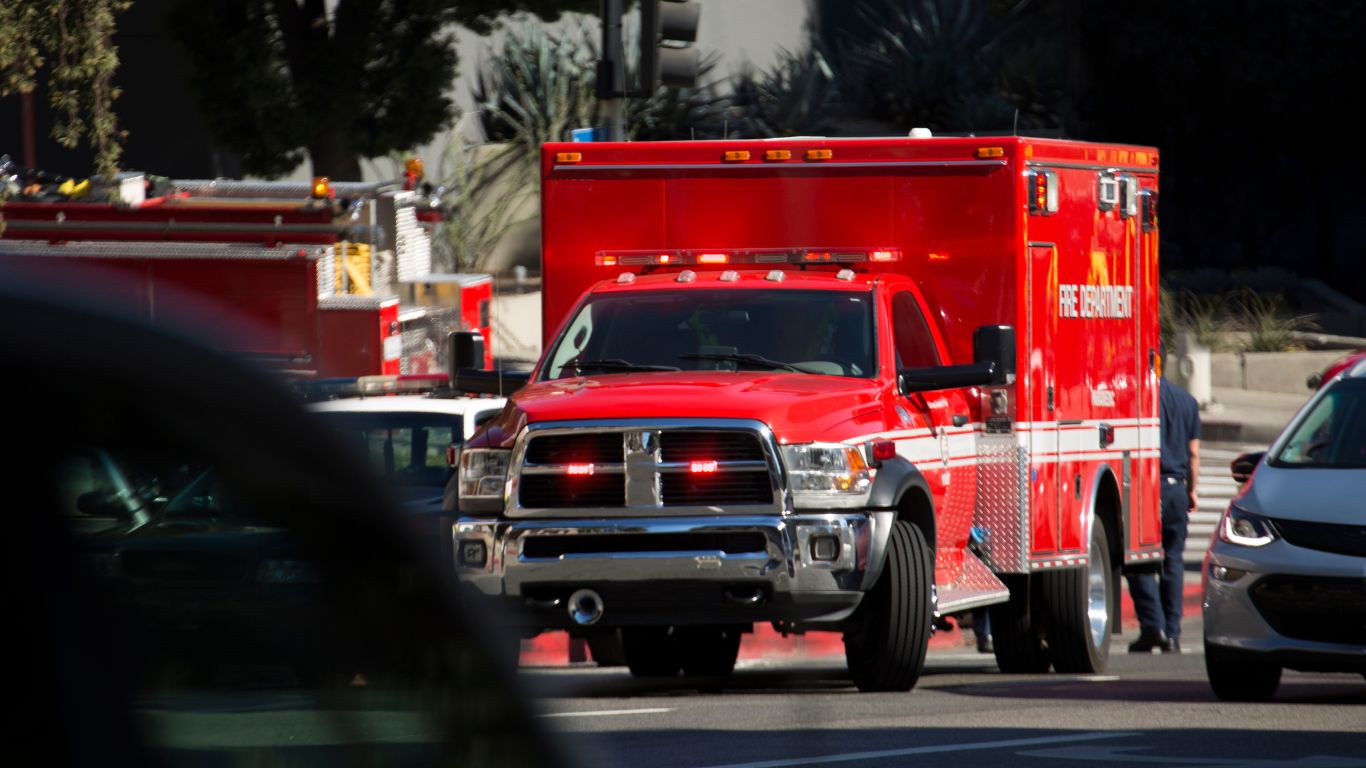
In a crisis, time is the only currency that matters. Whether you are a structural firefighter responding to a multi-alarm blaze, a law enforcement officer deploying for a high-risk warrant service, or a civilian facing a rapid-onset natural disaster, the first sixty seconds of your response often dictate the outcome. This concept is known as the “Grab-and-Go Standard.” It is the philosophy that every piece of life-saving equipment must be stored in a manner that eliminates friction, prevents mechanical failure, and allows for instantaneous retrieval.
When adrenaline spikes, fine motor skills degrade. This physiological reality makes complex storage solutions—like deep bins, tangled closets, or flimsy hangers that snap under pressure—dangerous liabilities. True emergency readiness requires a professional-grade organization system that respects the weight and complexity of modern gear.
The Psychology of the Golden Minute
The first minute of an emergency is often referred to as the “Golden Minute.” During this window, the human brain transitions from a state of rest or routine into a high-stress survival mode. Decisions made during these seconds are frequently hampered by auditory exclusion and tunnel vision. If you have to hunt for your plate carrier or untangle a duty belt from a pile of clothes, you are wasting cognitive resources that should be spent on situational awareness.
Effective storage is not just about tidiness; it is about mental offloading. By establishing a dedicated, high-visibility station for your most critical items, you create a “muscle memory” for deployment. You should be able to gear up in total darkness or under extreme duress without thinking. This is where the quality of your hardware becomes a literal lifesaver.
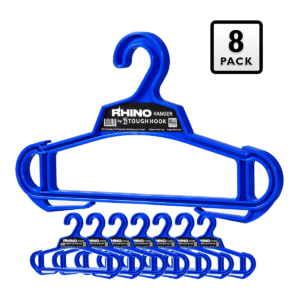
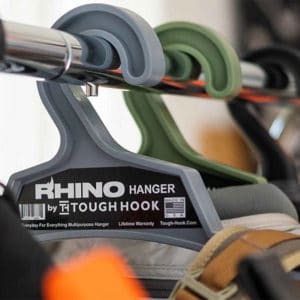
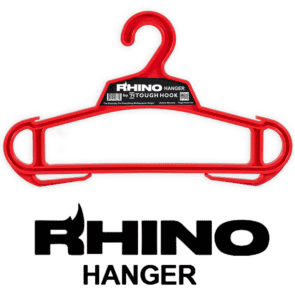

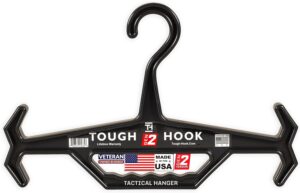
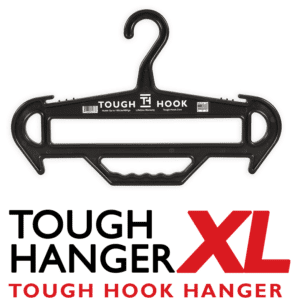
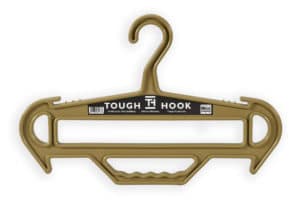
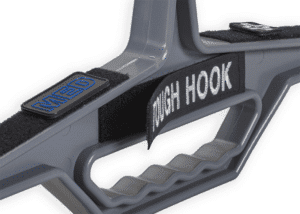
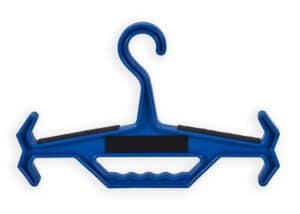
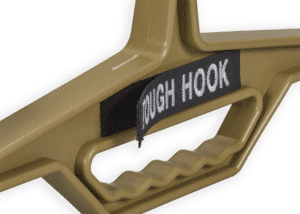
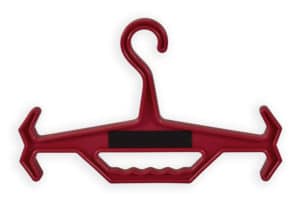
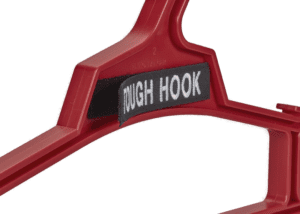
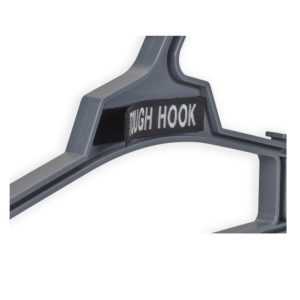
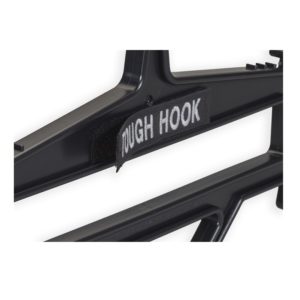
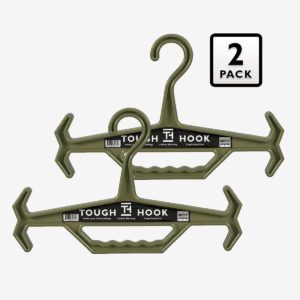

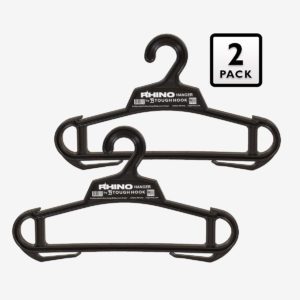
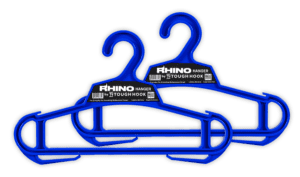
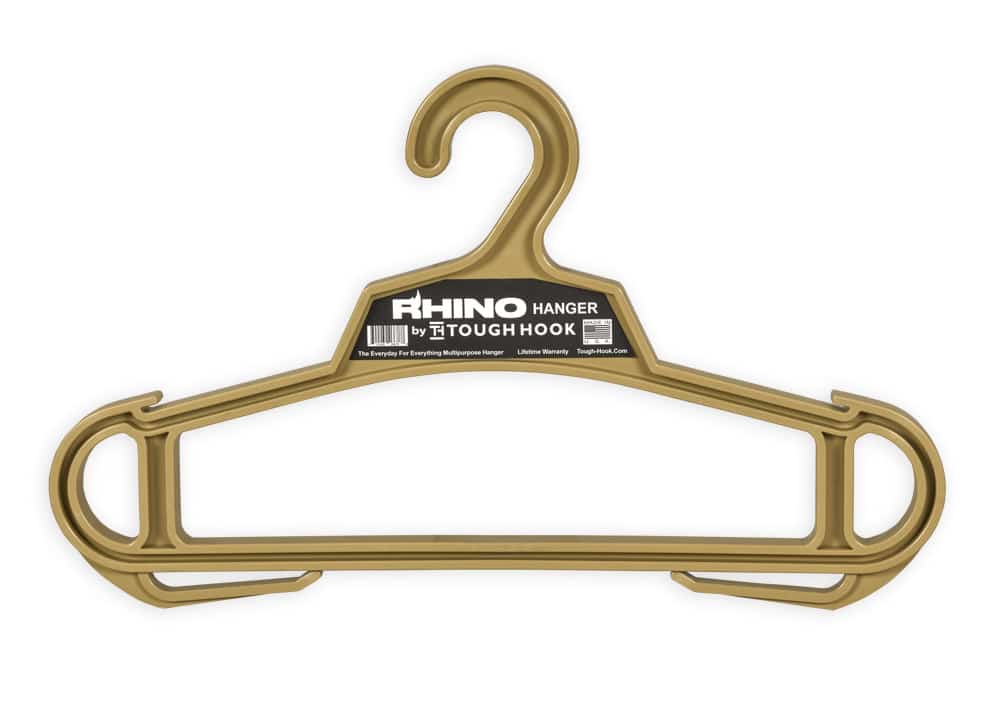
2 Pack RHINO Heavy Duty Clothes Hanger Bundle
Original price was: $27.95.$23.95Current price is: $23.95.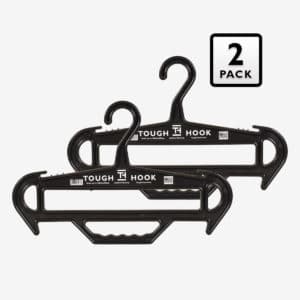
Common Failures in Emergency Gear Storage
Many individuals, even professionals, make the mistake of using consumer-grade storage solutions for professional-grade equipment. Standard plastic or wire hangers, intended for dress shirts and light jackets, are fundamentally incapable of supporting the heavy-duty requirements of emergency response gear.
-
Structural Failure: Standard hangers often bow or snap under the weight of a 20-pound ballistic vest, leading to gear falling into a heap on the floor.
-
Compressed Insulation: Stacking heavy coats or tactical vests on top of one another can compress specialized fibers, reducing the thermal or ballistic effectiveness of the garment.
-
Poor Ventilation: Gear that is thrown in a pile or stored in a sealed bin cannot breathe, leading to the accumulation of moisture, mold, and odor.
-
Tangled Straps: Improper hanging causes shoulder straps and radio wires to intertwine, creating a “knotted” mess that takes precious seconds to unravel.
High-Performance Solutions with Tough Hook
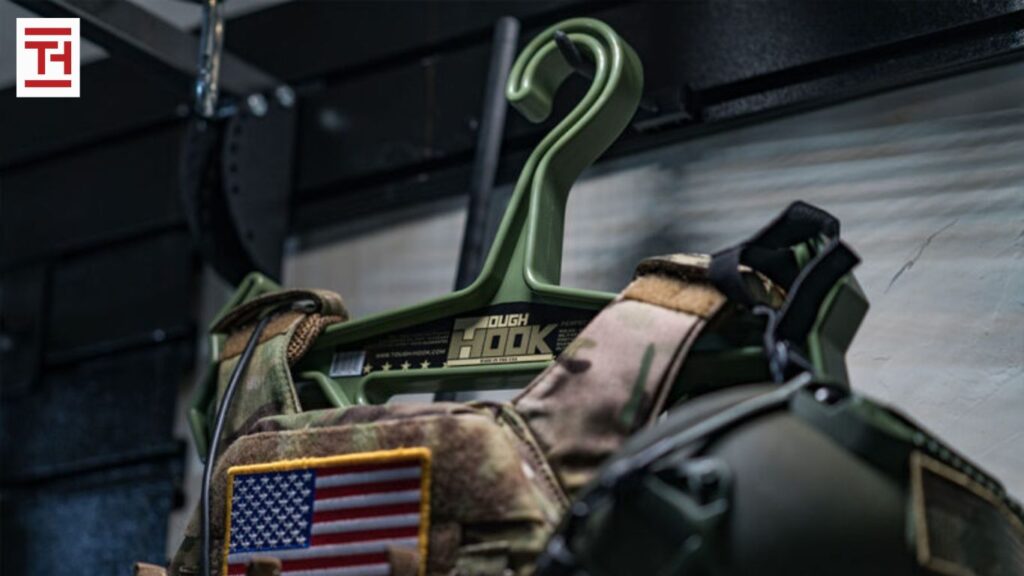
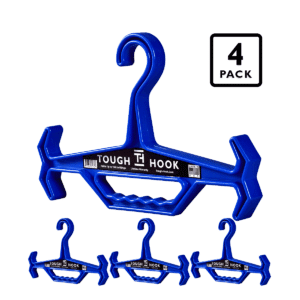
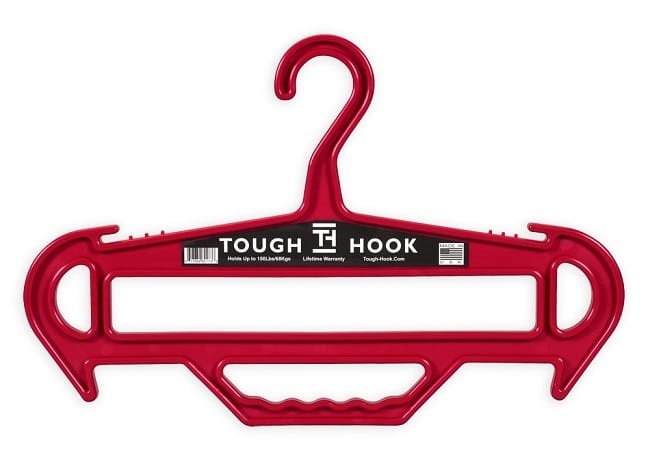
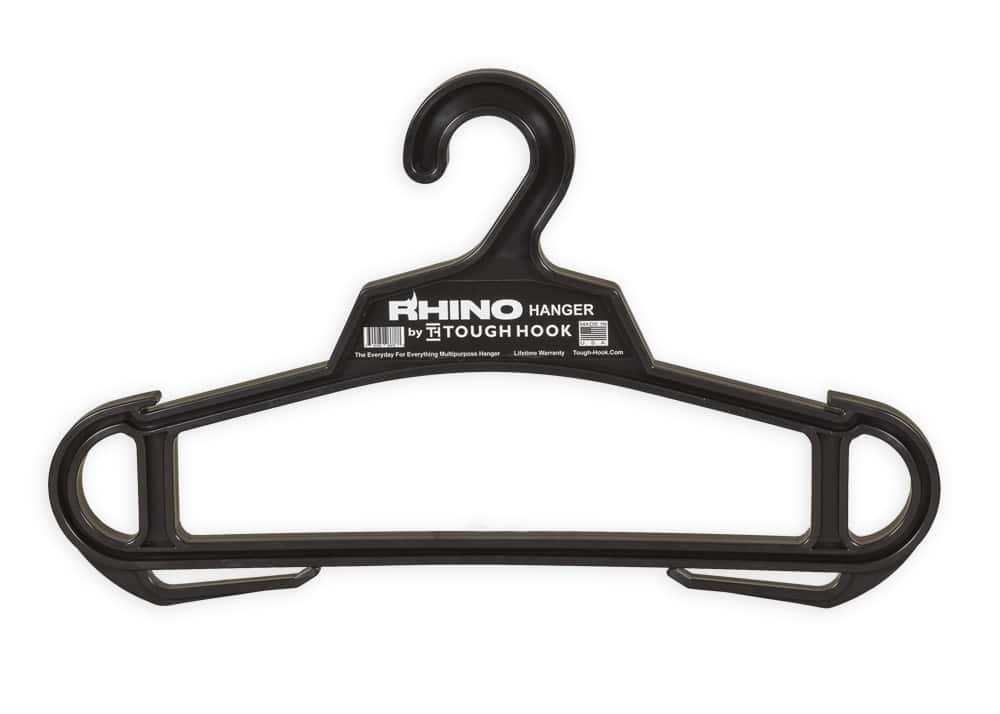
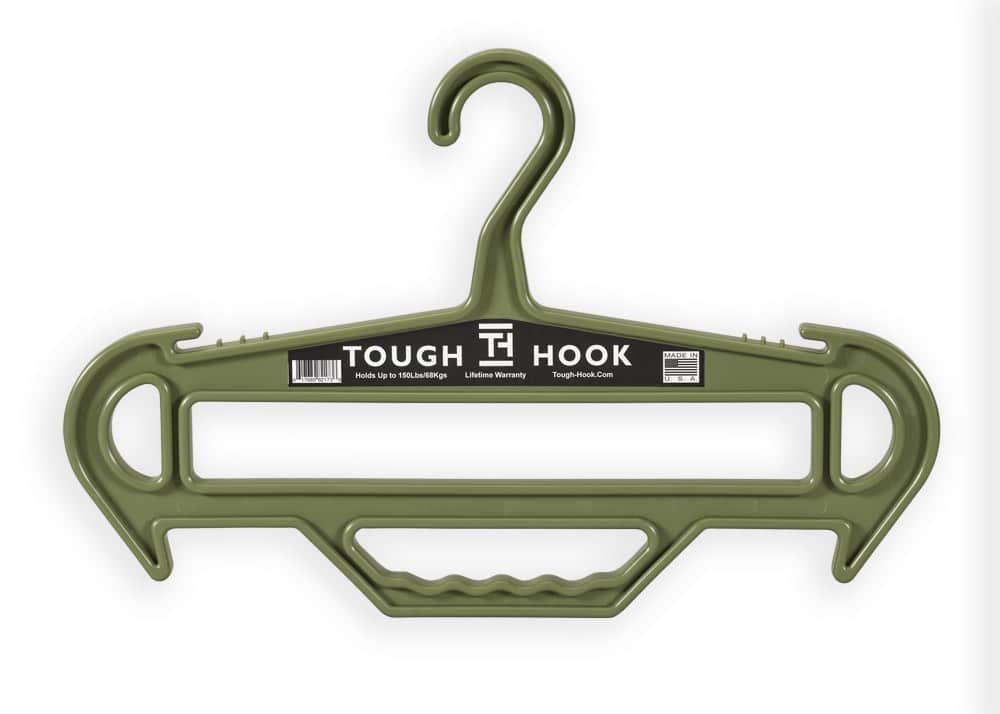
To meet the Grab-and-Go Standard, you need storage tools designed for the extremes. This is exactly why Tough Hook exists. Our company specializes in heavy-duty hangers engineered specifically for clothing and equipment that carry significant weight and importance. Unlike traditional hangers, a Tough Hook is designed to support up to 150 pounds of equipment without bending or breaking.
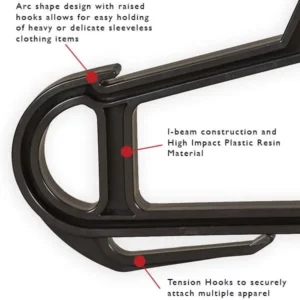
Using a specialized tool like the Tough Hook ensures that your body armor, turnout gear, or scuba BCD is always exactly where you left it. The unique “I-beam” construction and integrated carry handle mean that you can grab the entire hanger and move it to a vehicle or staging area instantly. In an industry where seconds save lives, having a reliable anchor for your kit is not a luxury—it is a requirement.
Establishing Your Ready-Station
A “Ready-Station” is a centralized location where all primary emergency equipment is maintained. Whether this is in a precinct locker, a fire station bay, or a home mudroom, the principles of the Ready-Station remain the same.
-
Visibility: Your primary kit should be visible the moment you enter the room.
-
Accessibility: Store the heaviest items at chest height to avoid back strain during a rapid lift.
-
Categorization: Keep “first-line” gear (items on your person) separate from “second-line” gear (bags and extra supplies).
-
Durability: Use hangers and racks that are rated for at least twice the weight of the gear they hold to ensure a margin of safety.
Maintaining the Integrity of Heavy Gear
Proper storage does more than just save time; it extends the lifespan of expensive, life-saving equipment. Ballistic panels, fire-retardant fabrics, and weighted vests are significant investments. If these items are stored incorrectly, they can suffer from permanent deformation, or “set,” which compromises their fit and function.
-
Shoulder Support: Wide-profile hangers prevent the “dimpling” of heavy fabrics and distribute weight evenly across the garment’s seams.
-
Airflow: Hanging gear allows for 360-degree air circulation, which is vital for drying out perspiration or environmental moisture after a shift.
-
Load Distribution: Heavy duty hangers ensure that the internal components of a vest or pack are not crushed or shifted during storage.
The Tactical Advantage of Order
In law enforcement and military applications, the “Ready-Station” concept is often mandated by SOP (Standard Operating Procedure). However, the same logic applies to private citizens who maintain “go-bags” for evacuations or specialized gear for hobbyist pursuits like search and rescue.
When you use a Tough Hook, you are applying a professional standard to your personal preparedness. The ability to grab a fully loaded plate carrier or a heavy-duty cold-weather suit and sprint to a vehicle without worrying about the hanger snapping is a massive tactical advantage. It eliminates a point of failure from your response chain.
Essential Gear to Store on Heavy-Duty Hangers
Not every item requires a 150-pound weight rating, but for the items that do, there is no substitute for strength.
-
Body Armor and Plate Carriers: These are often the heaviest items in an officer’s kit and require rigid support to stay organized.
-
Firefighter Turnout Gear: Heavy, bulky, and often damp, these suits need maximum airflow and a sturdy hook to stay off the floor.
-
Scuba Diving BCDs and Wetsuits: Water weight adds significant stress to hangers, making heavy-duty options essential for divers.
-
Chainmail and Tactical Vests: Specialized protective gear used in corrections or high-threat environments must be kept ready for immediate donning.
-
Backpacks and Rucksacks: Storing a fully loaded “Go-Bag” on a hanger keeps it off the ground and prevents pests or moisture from affecting the contents.
Preparation is a Practice
The Grab-and-Go Standard is more than just an organizational tip; it is a commitment to readiness. By investing in high-quality storage solutions like those provided by Tough Hook, you are making a conscious decision to prioritize your response time and the longevity of your equipment. An emergency is not the time to find out that your storage system has failed. It is the time to trust that your gear is exactly where it needs to be, held securely by hardware that is as tough as the person using it.
Organizing your gear today is an investment in your safety tomorrow. Whether you are a first responder or a prepared citizen, your equipment should always be ready to move at the same speed as the crisis you are facing.