In the high-stakes world of law enforcement, time is the most valuable commodity. Whether it is a routine patrol shift or an urgent tactical call-out, the seconds spent fumbling for equipment can be the difference between a successful resolution and a dangerous escalation. The concept of situational readiness is often discussed in terms of mental preparation and physical training, but it is deeply tethered to the physical environment of the precinct and the locker room.
Effective storage is not just about keeping a space tidy; it is a critical component of operational efficiency. When officers can transition from administrative tasks to active duty without the friction of disorganized gear, their cognitive load remains focused on the mission at hand. This article explores how optimized storage solutions, including specialized tools like Tough Hook tactical hangers, enhance readiness and professional longevity for those in the line of duty.
The Cognitive Cost of Disorganization
Every officer knows the feeling of a “cluttered” headspace during a high-stress shift. When that mental clutter is mirrored by physical chaos in a locker or equipment room, performance suffers. Human factors research suggests that searching for misplaced items increases cortisol levels and induces “decision fatigue” before a shift even begins.
For law enforcement professionals, situational readiness requires a clear mind. If an officer has to dig through a pile of nylon, Velcro, and heavy plates to find a specific piece of kit, they are burning mental energy that should be reserved for situational awareness and de-escalation tactics.
Why Organization Matters for Readiness:
-
Muscle Memory Integration: When gear is stored in a consistent, logical location, retrieving it becomes an act of muscle memory rather than a conscious search.
-
Reduced Stress Response: Starting a shift in an organized environment promotes a sense of control and professional calm.
-
Equipment Integrity: Properly stored gear is less likely to be damaged, ensuring that life-saving tools function exactly when they are needed.
-
Rapid Deployment: In emergency “call-back” scenarios, every second saved during the donning of gear is a second gained on the scene.
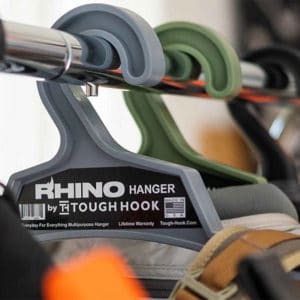


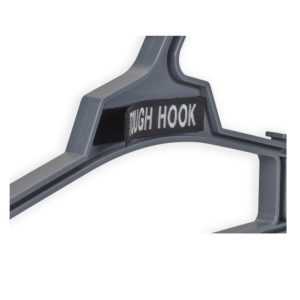
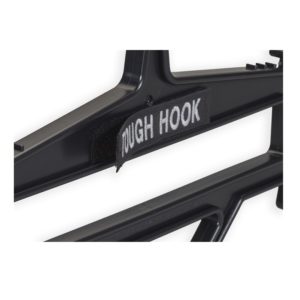
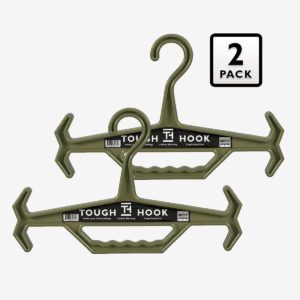

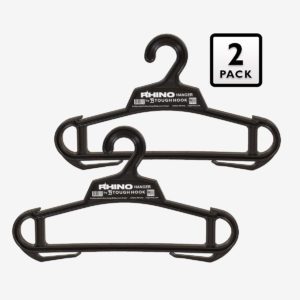
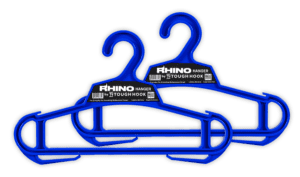
2 Pack RHINO Heavy Duty Clothes Hanger Bundle
Original price was: $27.95.$23.95Current price is: $23.95.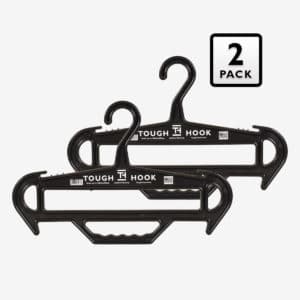
Beyond the Standard Locker: Specialized Storage Needs
Standard gym-style lockers were never designed to hold the weight and complexity of modern police equipment. Between heavy-duty body armor, load-bearing vests, duty belts, and tactical helmets, the sheer volume of gear requires a specialized approach.
The traditional method of “stuffing and stacking” leads to gear degradation. Body armor carriers that are folded or draped over hooks can develop permanent creases or structural weaknesses in the ballistic panels. Furthermore, gear that is packed tightly together cannot breathe, leading to the accumulation of moisture, bacteria, and the persistent “locker room smell” that plagues many precincts.
Essential Components of a Readiness-First Storage System:
-
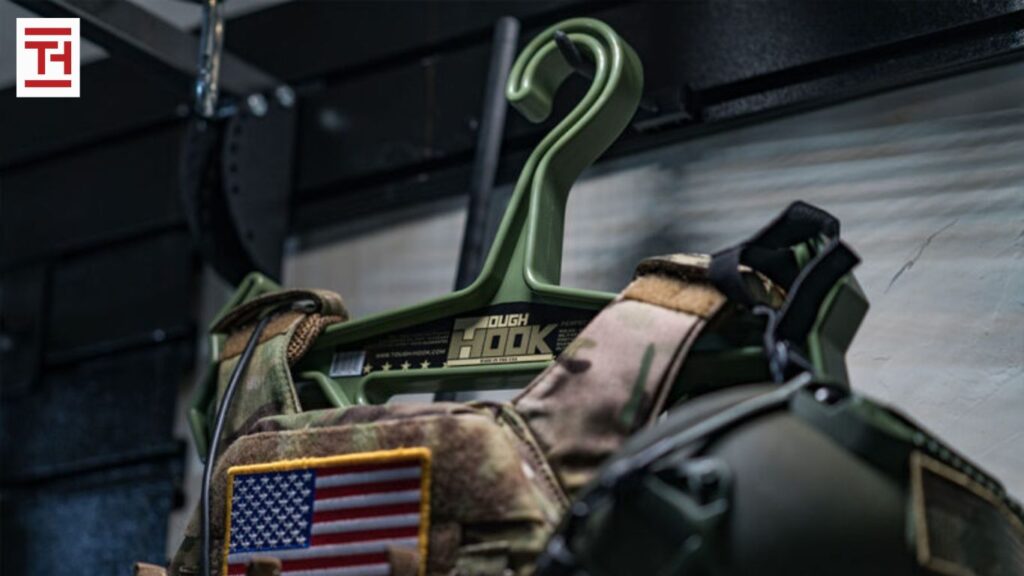
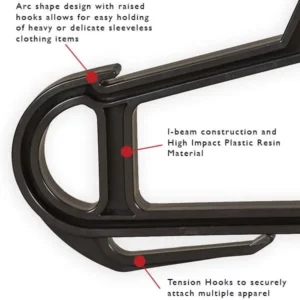
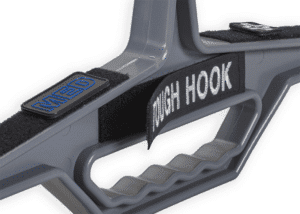
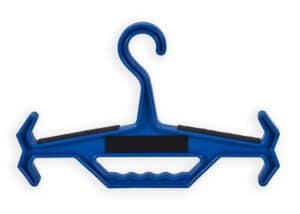
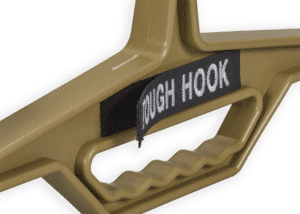
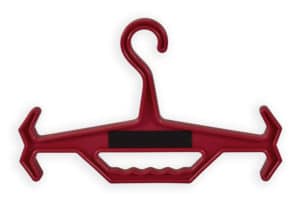
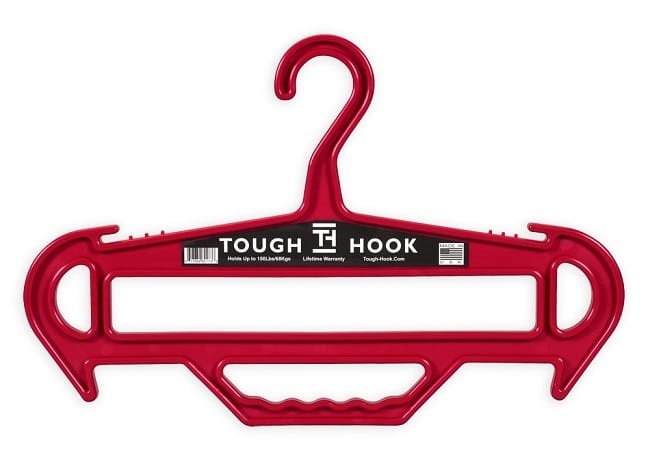
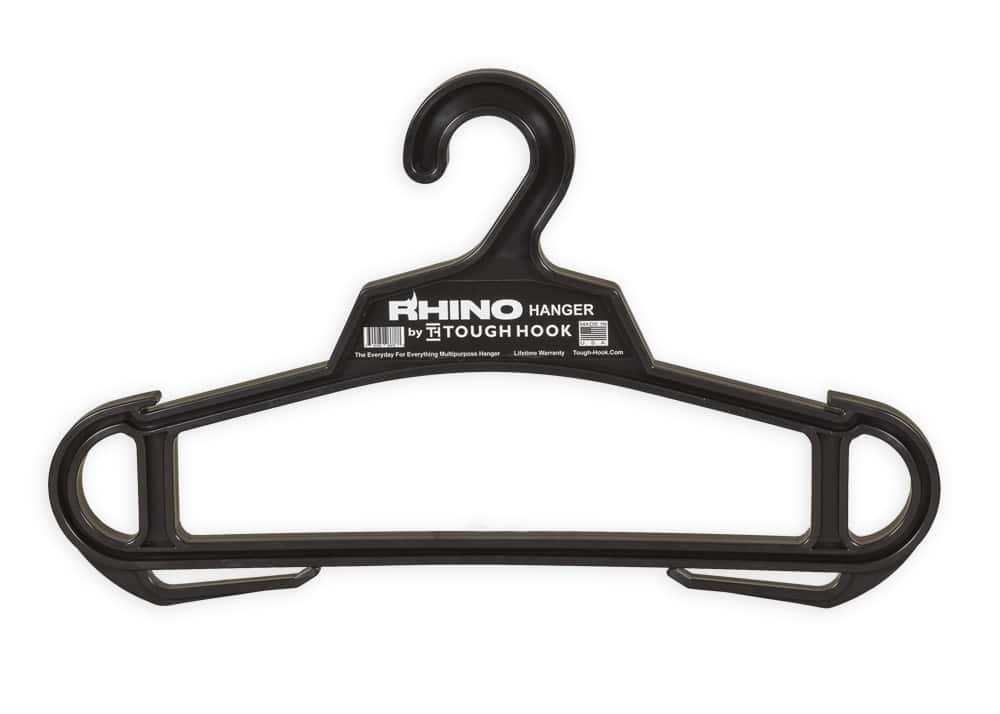
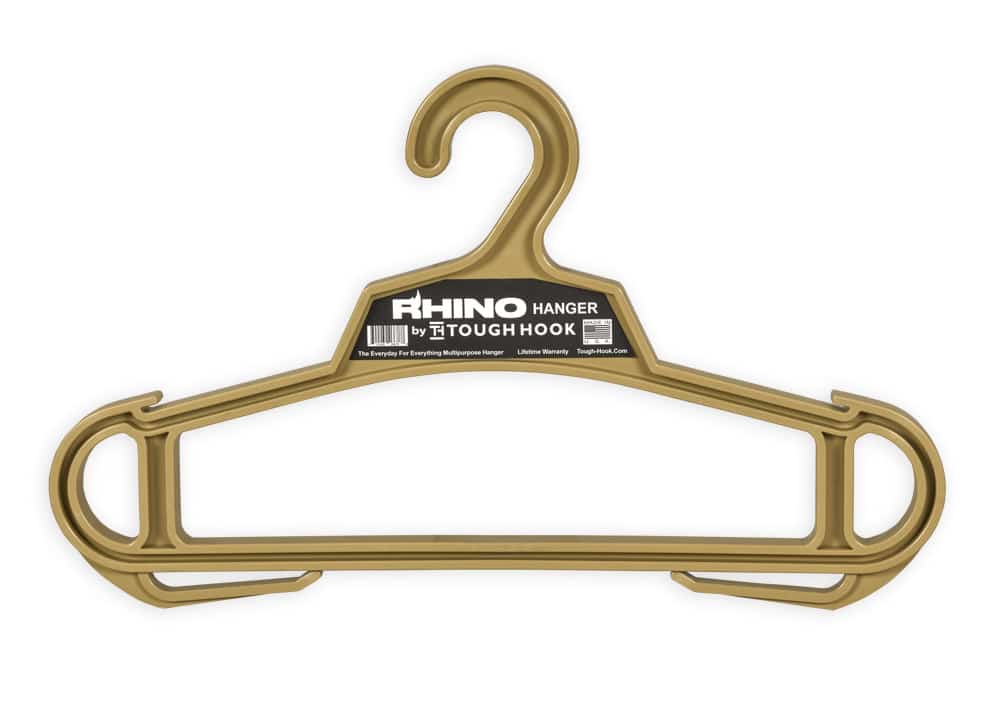
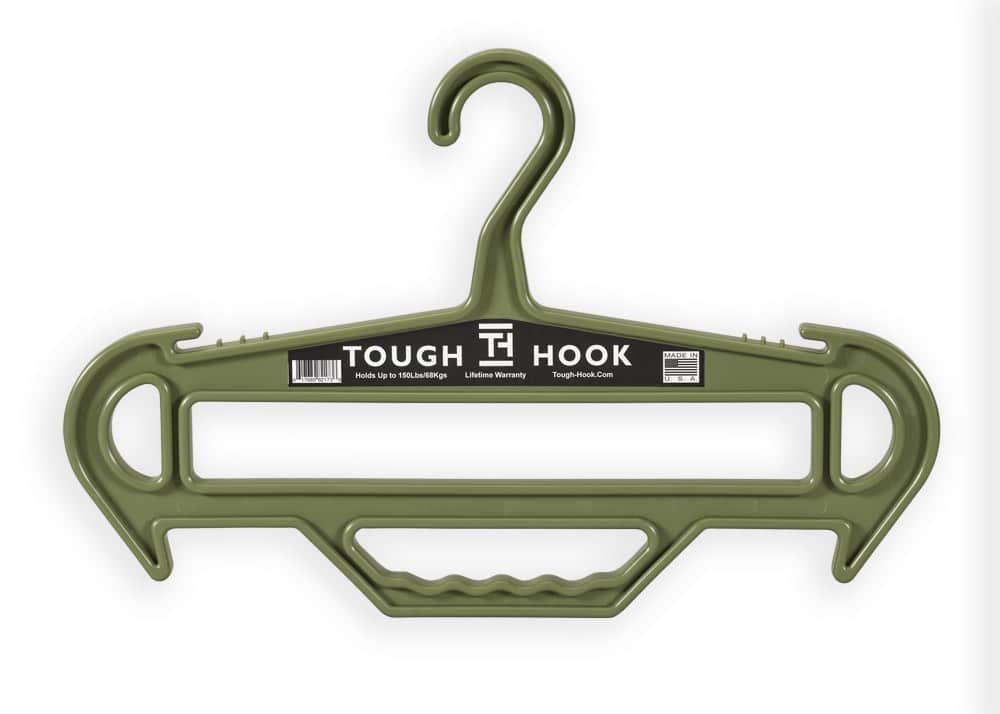
Heavy-Duty Suspension: Standard plastic hangers will snap under the weight of a fully loaded plate carrier. Specialized solutions like those from Tough Hook are engineered to support upwards of 150 pounds, ensuring gear stays off the floor and in its proper shape.
-
Ventilation Pathways: Open-grid shelving and hanging systems allow air to circulate through sweat-soaked vests and uniforms.
-
Integrated Power: Modern law enforcement is tech-heavy. Storage areas should ideally include charging ports for body cameras, radios, and flashlights.
-
Modular Accessibility: Systems that allow for customization based on an officer’s specific role (K9, SWAT, Traffic, etc.) ensure that the most frequently used items are the easiest to reach.
Tough Hook: Engineering the Foundation of Readiness
At Tough Hook, we recognize that a tactical hanger is more than just a piece of plastic; it is a piece of equipment that supports the officer. Our company was founded on the principle that if you invest thousands of dollars in high-quality tactical gear, you should not be trusting its integrity to a flimsy hanger designed for a dress shirt.
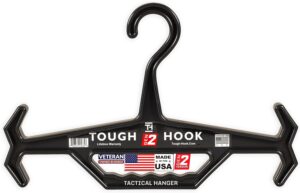
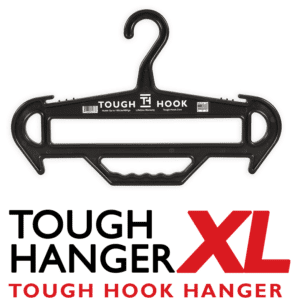
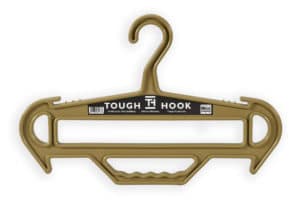
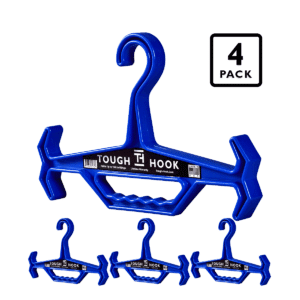
Tough Hook hangers are built to withstand the rigors of the most demanding environments. They feature a patented design that allows for easy transport and hanging of the heaviest body armor and tactical kits. By keeping gear suspended, Tough Hook helps maintain the original fit and protective qualities of the armor, which is essential for the long-term safety of the user. When your gear is organized on a Tough Hook, you spend less time searching for your kit and more time focusing on your training and your community.
The Role of Airflow and Hygiene in Operational Longevity
Situational readiness is also a matter of health and comfort. An officer who is distracted by the discomfort of a damp, ill-smelling vest is an officer whose focus is compromised. Professional-grade storage solutions prioritize airflow as much as they prioritize organization.
When body armor is stored properly—hanging freely rather than slumped in a corner—moisture evaporates more quickly. This prevents the breakdown of fabrics and protects the officer from skin irritations caused by bacteria buildup. A clean, dry uniform and a well-maintained vest contribute to a professional appearance and a higher level of personal morale.
Benefits of Improved Gear Hygiene:
-
Extended Gear Lifespan: Preventing the accumulation of salt from sweat and the growth of mold can add years to the life of expensive tactical carriers.
-
Improved Officer Comfort: Dry gear is more comfortable to wear for a twelve-hour shift, reducing physical fatigue.
-
Reduced Odor: Effective ventilation eliminates the harsh odors associated with damp equipment, making the precinct environment more professional for everyone.
Implementing a “Ready-Room” Philosophy
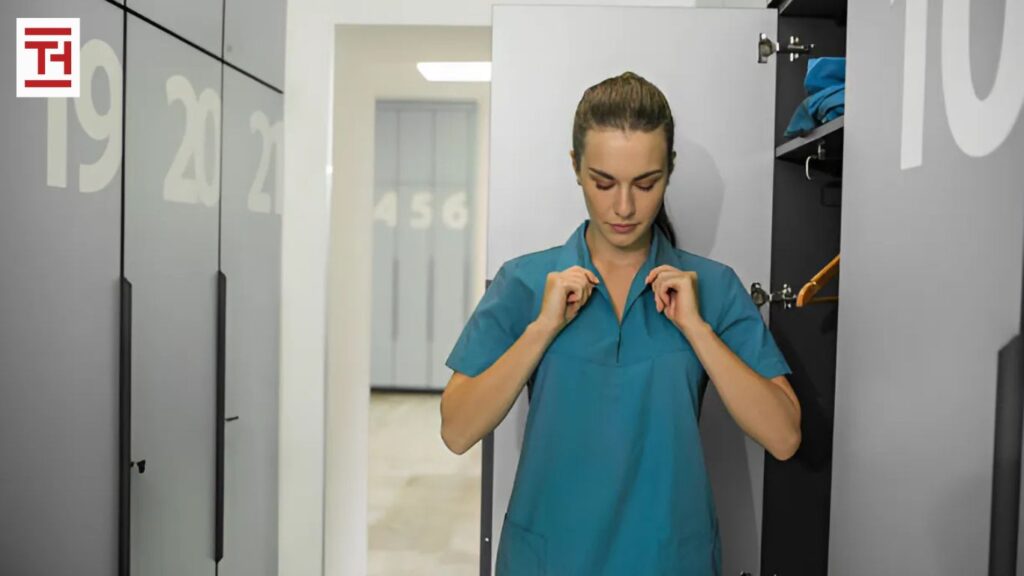
Transitioning a department from “storage as an afterthought” to “storage as a tactical advantage” requires a shift in philosophy. Many agencies are moving toward “Ready-Room” designs, where the layout of the equipment area mimics the flow of a pre-shift briefing and deployment.
In these environments, every piece of equipment has a designated, engineered home. This philosophy extends from the individual officer’s locker to the communal equipment cages. By utilizing high-capacity hanging systems and organized shelving, agencies can reduce the footprint of their storage while increasing the accessibility of their gear.
Steps to Optimize Your Equipment Room:
-
Audit Your Current Load: Identify the heaviest items, such as breacher tools and plate carriers, and ensure they have reinforced hanging points.
-
Standardize Hanging Solutions: Using uniform, heavy-duty hangers like Tough Hook across the department creates a neat, professional appearance and ensures every officer has the same level of equipment support.
-
Prioritize Fast-Access Zones: Place high-use items like duty belts and radios at chest level to minimize bending and reaching.
-
Maintain Clear Pathways: Ensure that the floor remains clear of gear to prevent trip hazards and facilitate rapid movement during emergency departures.
The Professionalism of Preparation
Law enforcement is an inherently unpredictable profession. Success depends on the ability to respond to chaos with order. While many factors on the street are outside an officer’s control, the condition and accessibility of their equipment are not.
Investing in high-quality storage solutions, from the lockers themselves to the Tough Hook hangers that support the weight of the mission, is an investment in the safety and efficiency of the entire force. When you spend less time searching for your gear, you have more time to focus on the things that truly matter: your safety, your teammates, and the public you serve. True situational readiness begins long before the sirens start; it begins in the locker room, where every piece of equipment is in its place, ready for the call.